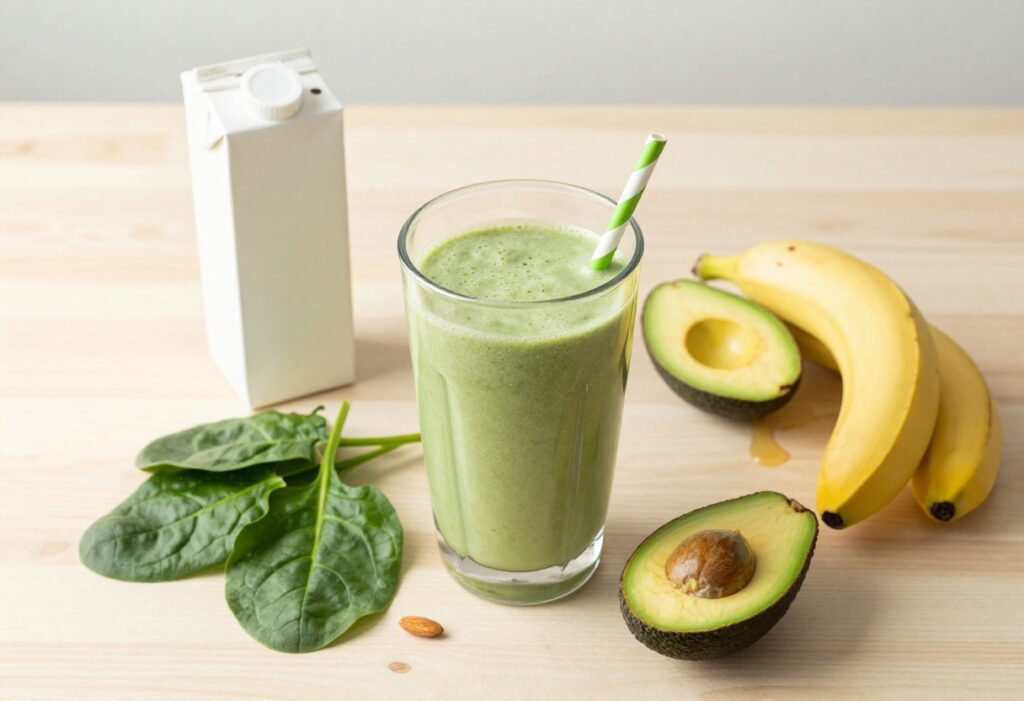
If you're serious about building strength, you already know protein is non-negotiable. But figuring out how to actually eat 150 grams of protein in a day can feel like a math problem you didn't sign up for. Whether you're lifting, running, or just trying to stay lean, hitting that number consistently is what separates good results from great ones.
The good news? You don't need a fridge full of chicken breasts or a dozen protein shakes to get there.
With a little planning, you can spread your protein intake across meals and snacks in a way that feels natural and keeps your energy steady. This guide will show you exactly how to do it.
Why 150g Protein Matters for Strength
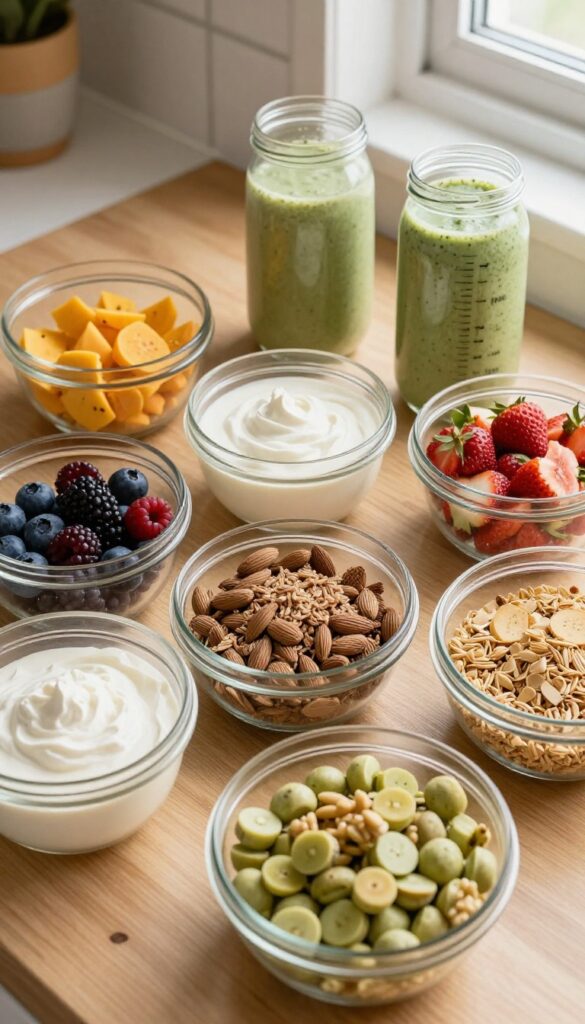
Protein is the building block of muscle, and for anyone focused on strength training, getting enough is non-negotiable. The 150-gram target strikes a balance between supporting muscle repair and growth without being overly restrictive or reliant on supplements.
When you lift weights or perform resistance exercises, you create tiny tears in your muscle fibers. Your body repairs these tears through a process called muscle protein synthesis (MPS), which requires a steady supply of amino acids from dietary protein. Without enough protein, your body may struggle to rebuild muscle, leading to slower progress or even muscle loss over time.
The 150-gram recommendation is rooted in sports nutrition guidelines. For most active individuals aiming to build or maintain muscle, the International Society of Sports Nutrition recommends 1.6 to 2.2 grams of protein per kilogram of body weight per day. For a person weighing around 75 kg (165 lbs), that range works out to 120–165 grams.
Choosing 150 grams as a target sits comfortably within that window, providing a practical, easy-to-remember goal that works for a wide range of body weights and training intensities.
Key reasons to aim for 150g of protein daily
- Supports muscle repair and growth after training sessions
- Helps maintain lean mass during fat loss phases
- Keeps you feeling full and satisfied, reducing cravings
- Provides a moderate-high target that's achievable with whole foods
Spreading your protein intake evenly across meals—rather than loading up in one sitting—can also improve utilization. Research suggests that consuming 20–40 grams of protein per meal, spaced 3–4 hours apart, maximizes MPS throughout the day. With 150 grams, you can easily hit that range across four to five meals or snacks.
Building Your Protein Toolkit: Best Foods to Hit 150g
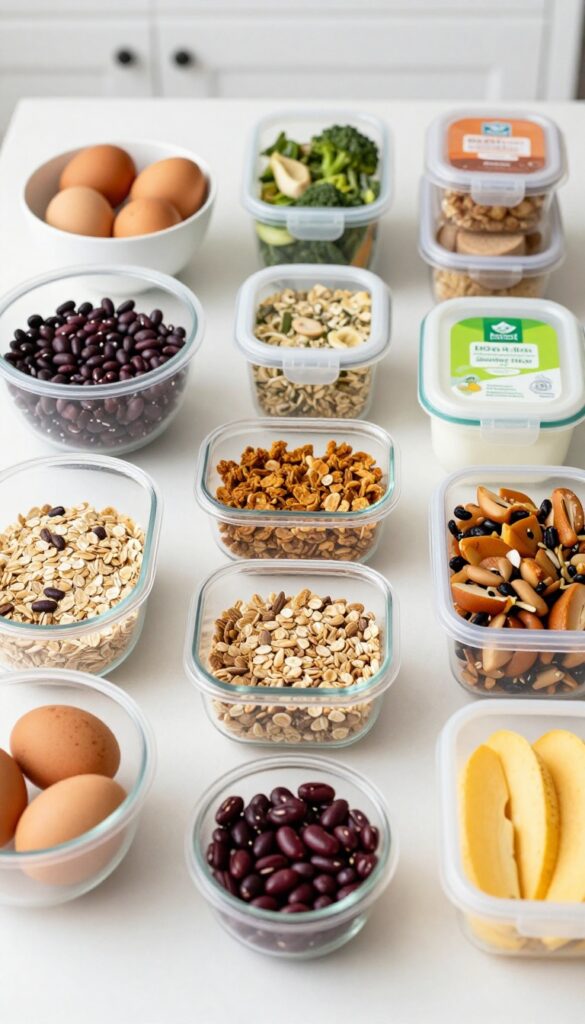
To consistently reach 150g of protein daily, you need a solid lineup of go-to foods. This toolkit covers both animal and plant sources, with protein counts per serving so you can mix and match. Think of protein powders as a backup, not a base — whole foods should do the heavy lifting.
Animal-Based Proteins
- Chicken breast (cooked): 31g per 100g
- Lean ground beef (90% lean): 27g per 100g
- Eggs: 6g per large egg
- Greek yogurt (plain, nonfat): 17g per 170g serving
- Cottage cheese (low-fat): 14g per 100g
- Turkey breast (deli style): 22g per 100g
- Salmon (cooked): 25g per 100g
- Tuna (canned in water): 23g per 85g
- Shrimp (cooked): 24g per 100g
Plant-Based Proteins
- Tofu (firm): 17g per 150g
- Tempeh: 20g per 100g
- Seitan: 25g per 100g
- Lentils (cooked): 18g per cup (200g)
- Chickpeas (cooked): 15g per cup (200g)
- Black beans (cooked): 15g per cup (200g)
- Edamame (shelled, cooked): 17g per cup (155g)
- Hemp seeds: 10g per 3 tablespoons (30g)
- Pumpkin seeds: 8g per 30g
- Peanut butter: 8g per 2 tablespoons (32g)
- Quinoa (cooked): 8g per cup (185g)
Protein Powders: When to Use Them
Whey or plant-based protein powders can help fill gaps, but they shouldn't be your main source. A typical scoop provides 20–25g of protein. Use them post-workout or in a pinch, not as meal replacements.
Aim to get at least 80% of your protein from whole foods.
Sample Day: 150g Protein Meal Plan
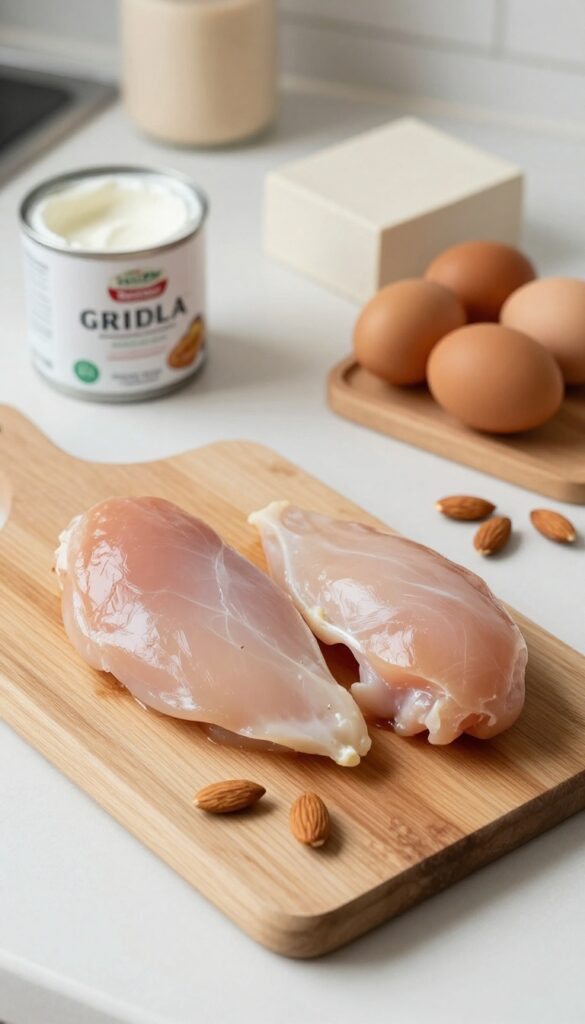
Here’s a practical example of how to distribute 150g of protein across a full day. Each meal includes specific food choices and approximate protein counts, plus timing suggestions to support muscle repair and satiety.
Breakfast (~35g protein
Start your day with a protein-packed breakfast that keeps you full until lunch. Try 3 scrambled eggs (18g protein) with 1 cup of plain Greek yogurt (20g protein) and a slice of whole grain toast (3g protein). Add a handful of spinach for extra nutrients without affecting the protein count.
Eat within an hour of waking to kickstart muscle recovery.
Lunch (~40g protein
For lunch, aim for a balanced meal with lean protein and complex carbs. A grilled chicken salad with quinoa fits the bill: 6 oz grilled chicken breast (36g protein) over 2 cups mixed greens, 1 cup cooked quinoa (8g protein), cherry tomatoes, cucumbers, and a light vinaigrette. The total protein hits about 44g.
Enjoy this meal around 12–1 PM to maintain energy for the afternoon.
Dinner (~45g protein
Dinner should be hearty but not overly heavy. A 6 oz salmon fillet (34g protein) served with 1 cup cooked lentils (18g protein) and roasted vegetables (broccoli, bell peppers) provides roughly 52g protein. The combination of omega-3s and fiber supports recovery and digestion.
Eat dinner 2–3 hours before bed to optimize sleep quality.
Snacks (~30g protein
Spread two or three snacks throughout the day to round out your protein intake. Good options include:
Vegetarian and Vegan Options
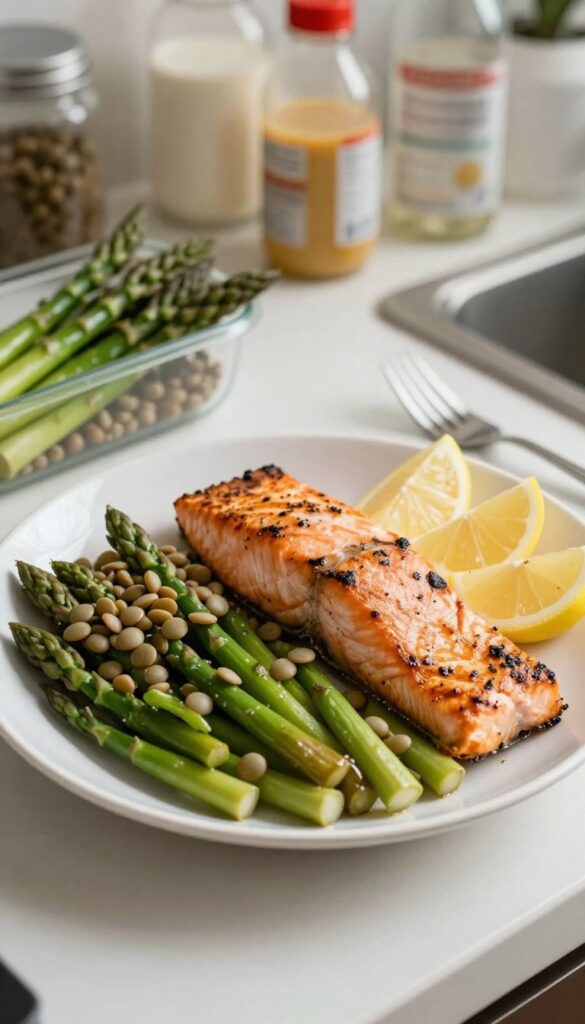
Plant-based eaters can absolutely hit 150g of protein daily with smart planning. The key is combining complementary proteins and including high-protein plant foods at every meal. Here’s how to do it without relying on meat or dairy.
Many plant-based proteins are considered incomplete because they lack one or more essential amino acids. However, eating a variety of plant proteins throughout the day ensures you get all essential amino acids without needing to pair them perfectly at every meal. For example, rice and beans, hummus with whole-wheat pita, or peanut butter on whole-grain bread all provide complementary amino acid profiles.
Top Plant-Based Protein Sources
- Tofu (firm): ~20g protein per 100g
- Tempeh: ~19g protein per 100g
- Seitan: ~25g protein per 100g
- Edamame: ~11g protein per 100g
- Lentils: ~9g protein per 100g cooked
- Chickpeas: ~7g protein per 100g cooked
- Hemp seeds: ~10g per 3 tbsp
- Nutritional yeast: ~8g per 2 tbsp
- Greek yogurt (if lacto-vegetarian): ~20g per 200g
Sample Vegetarian Day (150g Protein
- Breakfast: 3 scrambled eggs (18g) + 1 cup Greek yogurt (20g) + 1 slice whole-wheat toast (4g) = 42g
- Lunch: 1 cup lentil soup (9g) + 1 tempeh sandwich (20g tempeh + bread 8g) = 37g
- Snack: 1 cup edamame (11g) + 1 protein shake (25g) = 36g
- Dinner: 150g firm tofu stir-fry (30g) + 1 cup quinoa (8g) + veggies (2g) = 40g
Sample Vegan Day (150g Protein
- Breakfast: Smoothie with 1 cup soy milk (8g), 2 tbsp peanut butter (8g), 1 scoop pea protein (20g) = 36g
- Lunch: 1 cup chickpeas (14g) + 1 cup quinoa (8g) + tahini dressing (2g) = 24g
- Snack: 1 block tempeh (20g) + 1 apple = 20g
- Dinner: 200g seitan stir-fry (50g) + 1 cup brown rice (5g) + broccoli (3g) = 58g
- Evening snack: 1 cup edamame (11g) = 11g
If you struggle to hit your protein target, consider fortified foods like plant-based milks, vegan protein powders, and high-protein pasta or bread. These can easily add 10–20g per serving without much effort.
Eating Out and Convenience Options
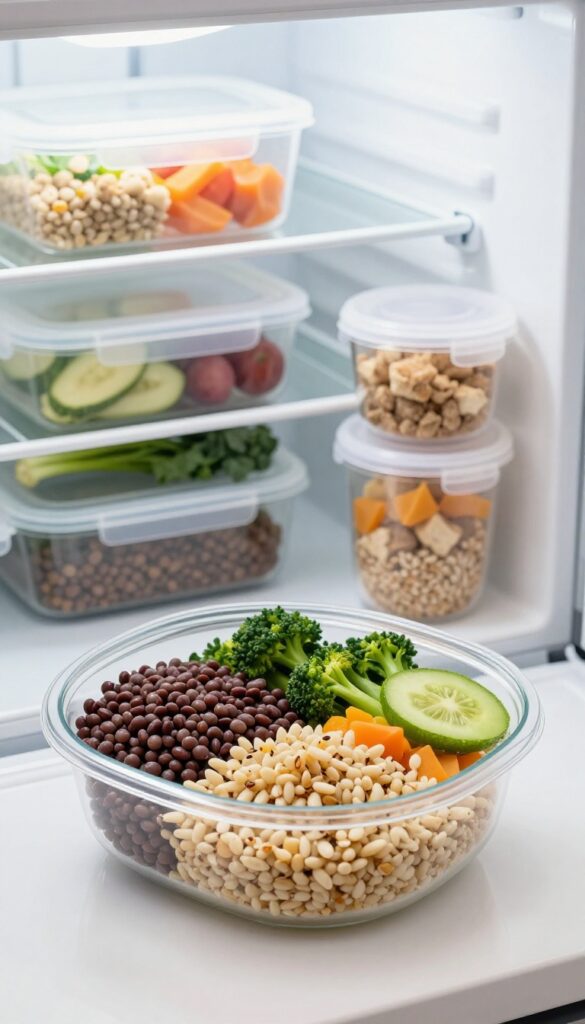
Sticking to a high-protein diet doesn't mean you have to cook every meal at home. With a few smart strategies, you can easily hit 150g of protein even when eating out or grabbing food on the go.
When dining out, focus on grilled proteins like chicken, fish, steak, or tofu. Many restaurants offer double meat options for a small extra charge—take advantage of that. For breakfast, look for egg-white omelets or Greek yogurt parfaits.
At fast-casual spots, build a bowl with a base of greens or quinoa, add a double serving of protein, and load up on veggies. Be mindful of hidden carbs and fats: ask for sauces and dressings on the side, skip fried items, and avoid creamy soups or cheesy casseroles.
Quick Protein-Rich Snacks on the Go
- Greek yogurt cups (15–20g protein each)
- Cottage cheese single-serve containers (12–15g)
- Hard-boiled eggs (6g per egg)
- Beef or turkey jerky (10–15g per serving)
- Edamame pods (18g per cup)
- String cheese (8g per stick)
- Nuts and seeds (4–7g per ounce, but watch portions)
Protein bars and shakes can be convenient backups, but they shouldn't be your primary protein sources. Look for bars with at least 15g of protein and minimal added sugar—ideally under 5g. Whey or plant-based protein shakes can fill gaps quickly, but whole foods offer more nutrients and satiety.
Use these options when you're truly in a pinch, not as daily staples.
Quick Tips for Restaurant Success
Check menus online beforehand to identify high-protein choices. Don't be shy to ask for substitutions—swap fries for a side salad or extra veggies. At social gatherings, fill your plate with protein first (meat, seafood, or legume-based dishes) before moving to starches and desserts.
Adjusting for Weight Loss or Muscle Gain
Your 150g protein target stays the same whether you want to lose fat or build muscle, but how you get there changes. The difference comes down to your calorie balance and the mix of fats and carbs you include.
First, decide if you need a calorie surplus or deficit. For muscle gain, eat slightly above maintenance — aim for 300–500 extra calories per day. For weight loss, eat below maintenance, typically 300–500 calories less.
In both cases, keep protein at 150g to preserve or build muscle.
For Weight Loss: Lean Proteins, Lower Fat, Higher Volume
- Choose lean cuts: chicken breast, turkey, white fish, egg whites, and low-fat dairy.
- Cut back on added fats: use cooking spray instead of oil, skip nuts and seeds, and limit avocado to small servings.
- Boost volume with veggies: add spinach, broccoli, zucchini, or cauliflower to stretch meals without many calories.
- Watch liquid calories: avoid full-fat milk, cream, and sugary drinks.
For Muscle Gain: Include Healthy Fats and Carbs for Energy
- Keep protein sources with natural fats: eggs, whole milk, Greek yogurt, salmon, and beef.
- Add healthy fats: avocado, nuts, seeds, olive oil, and nut butters to bump up calories.
- Don’t fear carbs: oats, rice, potatoes, whole-grain bread, and fruit fuel your workouts and recovery.
- Time carbs around training: have a carb-rich meal 1–2 hours pre-workout and another post-workout.
Monitoring Progress
Track changes weekly: weigh yourself and take measurements or progress photos. If you’re gaining weight too fast (more than 1 lb per week) or losing too slowly, adjust calories by 200–300 per day. Keep protein steady at 150g and tweak fats and carbs instead.
Avoid Extreme Restriction
Cutting calories too low or eliminating entire food groups can harm your metabolism and training performance. Aim for gradual, sustainable changes. Your body needs energy to recover and build muscle.
FAQ
Can I get 150g protein without supplements?
Absolutely. Whole foods like chicken, eggs, Greek yogurt, cottage cheese, tofu, lentils, and fish can easily provide 150g. For example, 3 eggs (18g), 1 cup Greek yogurt (20g), 6 oz chicken (40g), 1 cup lentils (18g), and 6 oz salmon (34g) already total 130g, leaving room for snacks like nuts or cheese.
Is 150g protein too much for a woman?
Not at all. Protein needs are based on body weight and activity level, not gender. For a 150lb woman who strength trains, 150g is within the recommended range of 1.6-2.2 g/kg.
It can support muscle growth, recovery, and satiety without negative effects.
How do I know if I'm getting enough protein?
Track your intake for a few days using an app like MyFitnessPal. Signs you're getting enough include steady energy, good recovery after workouts, and feeling full between meals. If you're losing muscle or always hungry, you might need more.
What if I can't eat that much in one sitting?
Spread your protein across 4-5 smaller meals or snacks. For example, have 30g at breakfast, 30g at lunch, 30g at dinner, and two 30g snacks. Liquid options like smoothies or shakes can help if you struggle with volume.
Conclusion
Hitting 150g of protein daily doesn't have to be a chore. With a few go-to meals and a little prep, you can easily meet your target and fuel your strength goals. The key is to find protein-rich foods you enjoy and build your day around them.
Start with the sample plan, tweak it to fit your taste and schedule, and watch your progress take off. Consistency matters more than perfection, so keep it simple and stay the course. Your muscles will thank you.

Dr. Pallab Kishore, MS in Orthodontics and owner of Orthodontic Braces Care, shares expert tips on braces, aligners, and oral health from 10+ years of experience.