
You step out of the shower feeling clean, but within an hour your skin feels tight and your hair looks frizzy. That post-shower window is your best chance to lock in moisture and protect your skin and hair.
Most people rush through it, missing simple moves that make a real difference. The right after-shower routine takes just a few minutes but pays off all day.
From the way you dry off to the order you apply products, small tweaks can transform your skin's softness and your hair's shine. These 23 moves are practical, easy to add, and backed by what actually works.
1. Pat Dry, Don't Rub
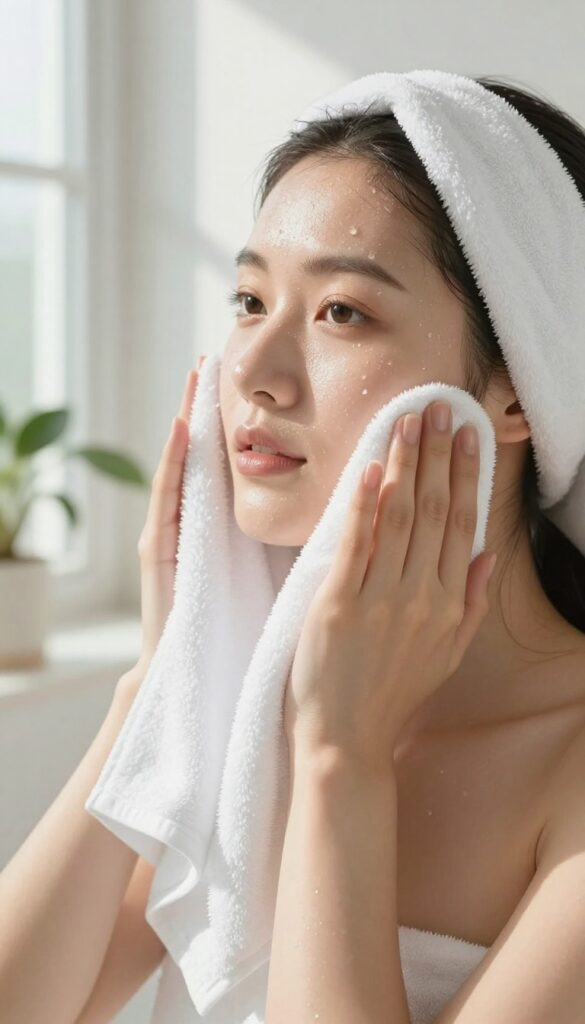
That rough towel rub you do out of habit? It's actually working against you. Rubbing wet skin with a towel creates friction that strips away natural oils and can cause tiny tears in your skin's surface.
The result: dryness, irritation, and a weakened moisture barrier.
Patting dry is the gentler, smarter move. It leaves a thin layer of water on your skin, which helps lock in hydration when you apply lotion or oil right after. Your hair benefits too—rubbing wet strands causes frizz and breakage, while squeezing or patting keeps the cuticle smooth.
Why Patting Beats Rubbing
When you rub, you're physically scraping off your skin's protective lipid layer. That leads to transepidermal water loss—moisture escaping into the air. Patting preserves that barrier, so your skin stays softer longer.
For hair, rubbing roughs up the cuticle, making it look dull and prone to tangles.
How To Pat Dry Properly
Use a soft, clean towel and gently press it against your skin—don't drag. Start with your face, then move down your body. For hair, wrap it in a microfiber towel or an old cotton T-shirt and let it absorb water without friction.
Leave it wrapped for a few minutes while you do your skincare.
The Best Towel For The Job
Not all towels are created equal. Rough terry cloth can be too abrasive, especially for sensitive skin. Opt for a bamboo or microfiber towel—they're softer, more absorbent, and dry faster.
For hair, a microfiber towel or a soft cotton T-shirt reduces breakage and speeds up drying without heat.
2. Apply Body Oil on Damp Skin
Body oil locks in water when your skin is still slightly wet. It seals hydration better than lotion alone and leaves a subtle sheen. This simple step transforms your skin's texture without adding extra time to your routine.
Applying body oil to damp skin traps moisture and creates a protective barrier. The oil mixes with water droplets, allowing deeper absorption and longer-lasting softness. It also reduces the need for heavy creams, making your routine lighter and more effective.
Why Damp Skin Works Best
When skin is damp, the pores are slightly open and ready to absorb. Oil applied at this stage helps seal water inside, preventing evaporation. This keeps skin hydrated for hours, unlike applying oil to dry skin where it sits on top.
How To Apply Correctly
Pat yourself dry with a towel, leaving skin slightly moist. Pour a few drops of body oil into your palms, rub together, then smooth over your arms, legs, and torso. Focus on driest areas like elbows and knees.
Let it absorb for a minute before dressing.
Best Oils For Different Skin Types
For dry skin, try jojoba or almond oil for deep nourishment. Oily or acne-prone skin does well with grapeseed or squalane, which are lighter and non-comedogenic. Sensitive skin benefits from fragrance-free options like fractionated coconut oil.
3. Use a Microfiber Hair Towel
The way you dry your hair matters more than you think. That rough towel rub you do out of habit? It's doing more harm than good.
Cotton towels have coarse fibers that snag and lift the hair cuticle, leading to frizz, breakage, and dullness. A microfiber towel is a simple swap that changes everything. Its ultra-fine fibers wick away moisture without the friction, so your hair stays smoother and stronger.
This one switch takes zero extra time but delivers noticeably softer, shinier hair with every wash.
Microfiber towels are designed to be gentle yet effective. They absorb up to seven times their weight in water, so you can dry your hair faster without rubbing. Simply wrap your hair in the towel after showering, or gently squeeze out excess water.
Avoid twisting or wringing, which can still cause damage. For best results, use a dedicated microfiber hair towel rather than a regular microfiber cleaning cloth, which may be too rough. Over time, you'll notice less frizz, fewer split ends, and more defined natural texture.
Why Cotton Towels Cause Frizz
Cotton fibers are thick and have a rough surface that catches on the hair cuticle. When you rub or twist your hair in a cotton towel, you're essentially scraping the cuticle open, which lets moisture escape and creates frizz. Microfiber, on the other hand, has smooth, ultra-fine fibers that glide over the hair without causing friction.
How To Use A Microfiber Towel Correctly
After your shower, gently squeeze out excess water from your hair. Then, wrap the microfiber towel around your head, tucking in the ends. Leave it on for 10-15 minutes while you do your skincare routine.
Alternatively, you can gently blot your hair section by section. Avoid rubbing or vigorous scrubbing—let the towel do the work.
Choosing The Right Microfiber Towel
Look for a towel specifically labeled for hair, with a high GSM (grams per square meter) around 300-400 for a plush feel. Avoid cheap towels that may shed fibers or be too thin. A good microfiber hair towel will last for years if washed gently (no fabric softener) and air-dried.
4. Lock in Moisture Within 3 Minutes
The three-minute rule is real: applying moisturizer right after drying traps water in your skin. Waiting longer lets moisture evaporate, leaving you dry and tight. This small window is your best chance to hydrate effectively.
Once you step out, pat dry gently and reach for your moisturizer immediately. The key is to apply it while your skin is still slightly damp. This locks in surface water and helps ingredients absorb better.
For your body, use a lotion or cream with humectants like glycerin or hyaluronic acid. For your face, a lightweight moisturizer works wonders. Don't forget your hands and feet—they dry out fast.
Set a mental timer if needed. Three minutes is all it takes to make a lasting difference.
Why The Clock Matters
Your skin's moisture evaporates quickly after a shower. Studies show that waiting even five minutes can reduce hydration levels significantly. Applying moisturizer within three minutes seals in water and keeps your skin supple longer.
Best Products For Quick Absorption
Look for formulas with ceramides, squalane, or shea butter. These ingredients lock in moisture without feeling greasy. For your face, a gel-based moisturizer is ideal.
For your body, a whipped body butter spreads easily and sinks in fast.
Pro Tip: Mist First
If your skin dries before you can moisturize, use a hydrating mist or thermal water to re-dampen it. Then apply your lotion. This resets the three-minute window and ensures you still get the benefits.
5. Don't Skip Your Neck and Chest
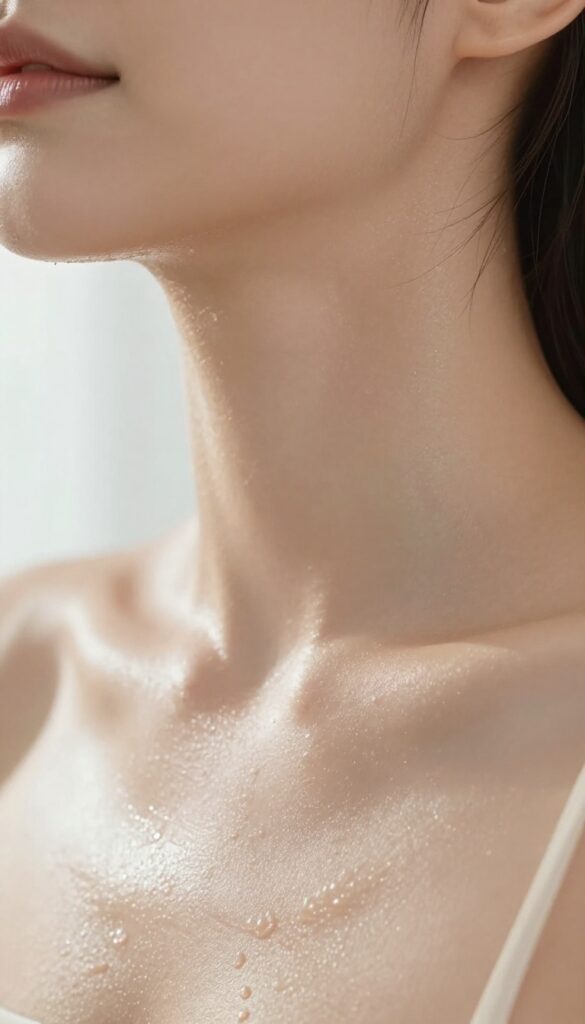
Your neck and chest are often the first places to show signs of aging, yet they're easy to overlook in your post-shower rush. The skin here is thinner and more delicate, so it loses moisture faster. Giving them a little love right after you step out can keep them smooth and youthful.
Why These Areas Need Extra Care
The skin on your neck and chest has fewer oil glands than your face, making it prone to dryness and crepey texture. It's constantly exposed to the elements and movement, which accelerates wear and tear. A quick moisturizing step after every shower helps maintain elasticity and prevents that leathery look.
The Best Products To Use
You don't need anything fancy—your regular face moisturizer or a lightweight body lotion works great. For an extra boost, try a serum with hyaluronic acid or niacinamide. Apply it while your skin is still slightly damp to lock in more hydration.
A few drops go a long way.
How To Apply For Best Results
Use upward strokes from your collarbone to your jawline to counteract gravity and boost circulation. Don't forget the back of your neck and the area behind your ears. Be gentle—no tugging or rubbing hard.
This takes less than 30 seconds but makes a visible difference over time.
6. Use a Leave-In Conditioner Before Brushing
Brushing wet hair without protection is a recipe for breakage and frizz. A leave-in conditioner does double duty: it detangles knots gently and coats each strand with a protective layer that shields against heat and humidity. This quick step makes your hair smoother and less prone to damage, especially if you style with heat tools.
Why Wet Hair Is Fragile
When hair is wet, the inner protein structure swells and becomes weaker. The cuticles lift, making strands more vulnerable to snapping. Brushing at this stage without a slip agent like leave-in conditioner can cause micro-tears and split ends.
How To Apply For Best Results
After towel-drying, spray or apply a pea-sized amount of leave-in conditioner from mid-lengths to ends. Use a wide-tooth comb or your fingers to distribute it evenly. Start detangling from the bottom and work your way up to avoid pulling on knots.
Extra Protection For Styling
Many leave-ins contain heat protectants and anti-humidity ingredients. This means you’re not just detangling—you’re also prepping your hair for blow-drying or air-drying with less frizz. Look for formulas with silicones or natural oils for added smoothness.
7. Apply Hand Cream While Hands Are Damp
Your hands take a beating every day, and they lose moisture fast after washing. Most people dry their hands completely before applying lotion, but that's a missed opportunity. Cream sinks in much better when your skin is still slightly damp, locking in hydration and keeping cuticles from drying out.
The trick is to pat your hands dry just enough so they're not dripping, then apply a rich hand cream right away. This helps seal in the water your skin has absorbed, making the moisturizer more effective. It's a small shift that makes a big difference, especially in colder months.
Why Damp Skin Works Better
When your hands are damp, the outer layer of skin is more permeable. Moisturizer can penetrate deeper and trap the water already there. Dry skin repels cream, leaving it sitting on top instead of absorbing.
Best Ingredients For Hand Cream
Look for creams with shea butter, glycerin, or ceramides. These ingredients are great for locking in moisture and repairing the skin barrier. Avoid anything with alcohol, which can dry hands out more.
How To Apply For Best Results
Use a pea-sized amount and massage it into your hands, focusing on knuckles and cuticles. Don't forget the backs of your hands and between fingers. Let it absorb for a few seconds before touching anything.
8. Try a Cooling Body Mist
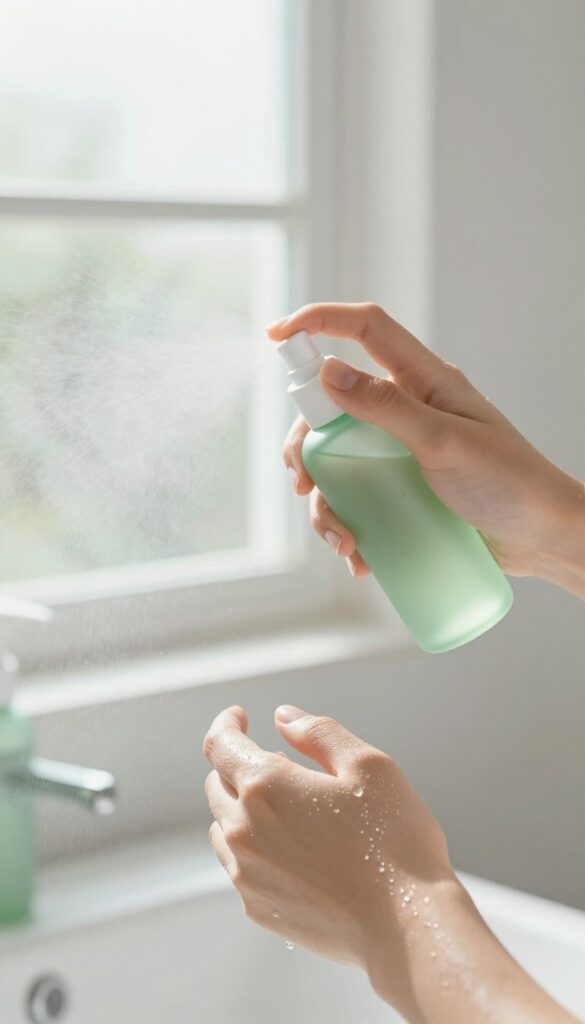
A hot shower can leave your skin feeling warm and a little irritated. A cooling body mist with aloe vera or cucumber extract is the perfect antidote. It soothes, hydrates, and gives you an instant refresh—especially nice on humid summer days.
Why It Works
Aloe vera is packed with water, vitamins, and anti-inflammatory compounds that calm redness and cool the skin. Cucumber extract adds a gentle astringent effect that tightens pores without stripping moisture. The fine mist also helps lower your skin's surface temperature quickly after a hot rinse.
How To Apply It Right
Hold the bottle about 8 inches from your face and body. Spritz in a gentle, sweeping motion—don't soak yourself. Pat dry with a soft towel if you used too much, but letting it air-dry locks in the cooling sensation.
Avoid the eye area to prevent stinging.
Best Times To Use It
Use it right after patting dry from your shower, before any heavier moisturizers. It's also great as a midday refresher if you feel sticky or overheated. Keep a travel-size bottle in your gym bag for a quick cooldown after a workout.
9. Use a Scalp Serum for Hydration
Your scalp deserves the same moisture love as your skin, especially after a shower when it's clean and receptive. A dry scalp can lead to itchiness, flakes, and even dull-looking hair. A lightweight scalp serum applied post-shower hydrates without weighing your hair down, keeping your scalp balanced and comfortable.
After towel-drying your hair, part it into sections and apply a few drops of serum directly to your scalp. Use your fingertips to massage it in gently—this boosts circulation and helps the product absorb. Focus on areas that feel tight or flaky.
Let it air-dry or style as usual; the serum works invisibly under your hair.
Why Post-shower Is The Perfect Time
Your scalp's pores are open after the warm steam, so products penetrate better. Applying serum right after washing locks in moisture and prevents the dryness that often hits an hour later. It's a simple step that preps your scalp for healthier hair growth.
What To Look For In A Scalp Serum
Choose a serum with hydrating ingredients like hyaluronic acid, glycerin, or aloe vera. Avoid heavy oils if your hair is fine or prone to greasiness. Look for formulas labeled 'lightweight' or 'non-greasy' to keep your scalp fresh and your hair voluminous.
How Often To Use It
For most people, using a scalp serum after every shower is fine, especially if you wash daily or every other day. If your scalp is very dry, you can also apply it on non-wash days to refresh and soothe. Consistency is key—within a week you'll notice less itch and more comfort.
10. Apply Lip Balm Before Your Skincare
Your lips are one of the first things to dry out after a shower, but they're often treated as an afterthought. By the time you remember lip balm, your lips have already lost precious moisture. The trick is to apply it right after patting your face dry—before you reach for your serums or moisturizers.
This gives the balm time to sink in while you tend to the rest of your routine, so your lips stay soft and hydrated long after you finish.
Why Timing Matters
Lips don't have oil glands, so they rely entirely on external moisture. After washing, the natural oils are stripped away, and lips start losing water fast. Applying balm within the first minute seals in the residual dampness and prevents that tight, chapped feeling.
Waiting even five minutes can make a noticeable difference in how long the hydration lasts.
Pick The Right Balm
Not all lip balms are created equal for post-shower use. Look for one with ingredients like shea butter, lanolin, or ceramides—these lock in moisture without feeling greasy. Avoid balms with menthol or camphor, which can actually dry out lips over time.
A thick, creamy texture works best because it creates a barrier that stays put while you finish your skincare.
Layer Smartly
If you're using a lip treatment or mask later, apply your regular balm first, then the treatment on top. This sandwich method locks in even more moisture. Just make sure the first layer has absorbed a bit before adding the second.
For daytime, a lightweight balm under lip products keeps lips smooth without interfering with color.
11. Use a Silk or Satin Pillowcase
Cotton pillowcases might be comfortable, but they’re secretly sabotaging your post-shower efforts. The rough fibers create friction that tugs at hair and wick moisture away from your skin while you sleep. Switching to silk or satin flips the script.
These smooth materials let your skin and hair glide instead of drag, helping you wake up with less frizz and more hydration locked in.
Cotton pillowcases absorb the moisturizers you just applied and cause hair tangles overnight. Silk or satin reduces friction, so your hair stays smoother and your skin doesn’t lose as much moisture. It’s a simple swap that works while you sleep.
Why Cotton Hurts Your Routine
Cotton fibers are absorbent and rough. They pull moisture from your skin and hair, undoing the benefits of your post-shower products. The friction also leads to sleep creases on your face and tangled hair by morning.
How Silk And Satin Help
Silk and satin are smooth and non-absorbent. They allow your skin to retain its natural oils and your hair to slide without snagging. This means less frizz, fewer tangles, and softer skin when you wake up.
Tips For Choosing One
Look for 100% mulberry silk with a high momme count (19 or above) for the best quality. Satin is a more affordable option—just make sure it’s made from polyester or nylon, not cotton. Wash them in cold water with a gentle detergent to keep them smooth.
12. Don't Forget Your Feet
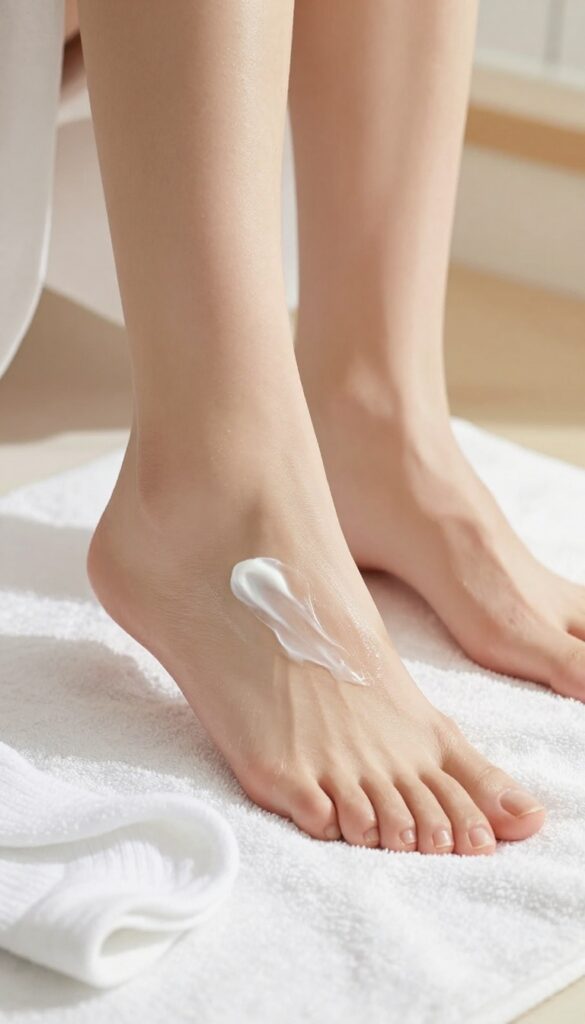
Your feet work hard all day, but they rarely get the attention they deserve. After a shower, when the skin is still slightly damp, it's the perfect time to give them some love. A rich foot cream or balm applied right then locks in moisture and keeps cracks and calluses at bay.
Why Feet Get Dry
Feet have fewer oil glands than the rest of your body, so they lose moisture fast. Hot water and soap strip what little natural oils they have, leaving them prone to dryness and cracking.
Best Ingredients For Foot Creams
Look for creams with urea, shea butter, or lanolin. These ingredients soften tough skin and create a protective barrier. Urea is especially good for exfoliating dead skin while hydrating.
How To Apply For Best Results
Pat your feet dry, leaving them slightly damp. Apply a generous amount of cream, focusing on heels and balls of the feet. Slip on cotton socks for 15-20 minutes to let the cream sink in deeply.
13. Apply Antiperspirant at Night
Most people swipe on antiperspirant right after their morning shower, but that timing isn't doing you any favors. Your sweat glands are most active during the day, so applying it then often means it gets washed away before it can fully work. Nighttime is actually the sweet spot for maximum effectiveness.
When you apply antiperspirant before bed, your sweat glands are naturally less active, and your body temperature is lower. This gives the active ingredients time to form a temporary plug in the sweat ducts, reducing sweat and odor for the next day. It's a simple switch that makes a big difference.
Switching your antiperspirant routine to nighttime can dramatically improve how well it works. Here's how to do it right and why it matters.
Why Nighttime Works Better
Your body's sweat production follows a circadian rhythm, peaking during the day and dipping at night. When you apply antiperspirant in the evening, your sweat glands are less active, so the product isn't immediately flushed away. The aluminum-based compounds have time to absorb into the sweat ducts and form a plug that blocks sweat before it starts.
By morning, you're already protected.
The Right Way To Apply
Start with clean, completely dry underarms. Any moisture or leftover deodorant can dilute the antiperspirant and reduce its effectiveness. Apply a thin, even layer—more isn't better.
Let it dry fully before getting into pajamas to avoid transfer. If you shower in the morning, that's fine; the antiperspirant is already doing its job from the night before. Just don't reapply right after your morning shower unless you're using a different product.
Don't Skip A Night
Consistency is key. If you apply every night, the plugs build up over time, and you'll notice less sweat and odor even on days you forget. If you skip a night, you might still be okay for one day, but the protection gradually fades.
Make it part of your after-shower routine, and you'll wake up with underarms that stay drier and fresher all day long.
14. Use a Hair Oil on Damp Ends
Your hair ends are the oldest and driest part of your strands. They've been through heat, washing, and brushing, so they need extra care. Applying a few drops of hair oil while your hair is still damp helps seal in moisture and protects against split ends.
Damp hair is more absorbent than dry hair, so it takes in the oil better. Focus on the ends, where damage shows first. A lightweight oil like argan or jojoba won't weigh your hair down.
Just rub a few drops between your palms and gently smooth onto the lower half of your hair.
Why Damp Hair Works Best
When your hair is damp, the cuticles are still open, allowing the oil to penetrate and lock in hydration. If you apply oil to soaking wet hair, it slides off. If you wait until it's fully dry, the oil just sits on top.
Damp is the sweet spot.
How Much Oil To Use
Start with 2-3 drops for short to medium hair, or 4-5 drops for longer hair. You can always add more, but too much makes hair look greasy. Work from the ends upward, avoiding your roots unless your scalp is very dry.
Best Oils For Hair Ends
Argan oil is lightweight and rich in vitamin E. Jojoba oil closely mimics your scalp's natural sebum. Coconut oil is great for thicker hair but can be heavy for fine strands.
Choose one that matches your hair type.
15. Give Yourself a Quick Facial Massage
Your face holds tension you don't even notice until you touch it. A quick massage right after moisturizing wakes up your skin and helps everything sink in better. You don't need special tools or extra time.
Just your fingertips and a few gentle moves can reduce puffiness and give you a subtle glow that lasts.
Massaging your face while applying moisturizer boosts circulation and helps products absorb. It also reduces puffiness.
Why It Works
Gentle pressure stimulates blood flow, which brings oxygen and nutrients to skin cells. This helps your moisturizer penetrate deeper and can temporarily firm and brighten your complexion. Plus, it drains excess fluid that causes morning puffiness.
How To Do It Right
Start at your neck and work upward using upward strokes. Use your ring fingers around the eyes—they're the weakest, so you won't press too hard. Spend 30 seconds on each area: jawline, cheeks, forehead, and neck.
Best Time To Massage
Right after applying your moisturizer, while your skin is still slightly damp. The slip from the product prevents tugging. Do it before getting dressed so you're not rushed.
16. Spritz a Hydrating Face Mist
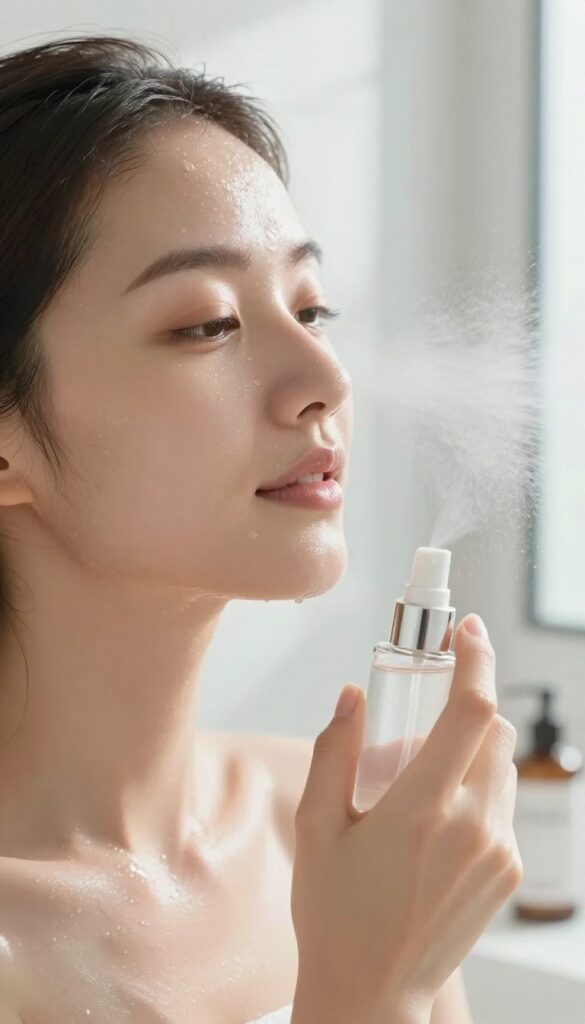
A quick spritz of face mist right after toweling off can do more than refresh your senses. It adds an instant layer of moisture that preps your skin for the next steps in your routine. Choose one with glycerin or hyaluronic acid for the best hydration boost.
Misting right after the shower locks in the water still sitting on your skin. It’s a simple way to plump up your skin before serums or moisturizers. Don’t let it air-dry completely; follow up with your usual products while your face is still slightly damp.
Why Misting Works Post-shower
Your skin is most receptive to moisture right after bathing. A hydrating mist adds a layer of humectants that draw water into your skin. This helps your serum or moisturizer absorb better and work harder.
Best Ingredients To Look For
Glycerin and hyaluronic acid are top picks for holding moisture. Avoid mists with alcohol or strong fragrances, which can dry out your skin. A simple formula with these humectants will give you the softest results.
How To Apply For Best Results
Hold the bottle about six inches from your face and spritz 2-3 times. Pat gently with clean hands to help it sink in. Then layer your serum or moisturizer on top while skin is still damp.
17. Wear a Shower Cap for Overnight Treatments
Overnight hair treatments sound great in theory, but waking up to product smeared all over your pillowcase is a different story. A simple shower cap solves that problem while actually helping the treatment work better. The heat trapped under the cap helps ingredients penetrate deeper into the hair shaft.
Plus, you protect your bedding from greasy stains and keep your pillow fresh longer.
Using a shower cap for overnight treatments is a game-changer for deep conditioning. It creates a warm, sealed environment that boosts absorption and prevents mess. Here’s how to get the most out of it.
Choose The Right Cap
Not all shower caps are created equal. Look for a reusable, snug-fitting cap made of silicone or waterproof fabric. Avoid thin plastic caps that tear easily or slip off during the night.
A cap with an elastic band keeps everything in place.
Apply Treatment Before Bed
Work your chosen hair mask or deep conditioner through damp or dry hair, focusing on mid-lengths and ends. Put on the cap, then gently secure any loose hair inside. Sleep as usual, and rinse in the morning for noticeably softer, smoother strands.
Boost With Warmth
For extra penetration, warm the cap slightly with a blow-dryer for a minute before putting it on. The gentle heat opens the hair cuticle, allowing the treatment to soak in deeper. Just don't overheat—warm, not hot.
18. Use a Body Lotion with Ceramides
Your skin barrier takes a hit every time you shower, especially with hot water. Ceramides are lipid molecules that naturally occur in the skin and help hold cells together like mortar between bricks. Applying a body lotion with ceramides right after drying off helps replenish what was stripped away, keeping your skin smooth and resilient.
Ceramides strengthen the skin barrier. A lotion with ceramides after the shower helps prevent dryness and irritation.
Why Ceramides Matter
Ceramides make up about 50% of your skin's lipid barrier. When that barrier is compromised, moisture escapes and irritants get in. Using a ceramide-rich lotion after showering helps restore that protective layer, reducing transepidermal water loss and keeping your skin hydrated longer.
How To Apply For Best Results
Pat your skin dry until it's still slightly damp, then apply the lotion within three minutes. Damp skin absorbs ceramides more effectively. Focus on drier areas like elbows, knees, and heels.
Use gentle upward strokes to avoid tugging.
Choosing The Right Formula
Look for lotions that list ceramides (like ceramide NP, AP, or EOP) in the top half of the ingredients. Pairing them with niacinamide or hyaluronic acid boosts hydration even more. Avoid products with heavy fragrances if your skin is sensitive.
19. Apply Eye Cream While Skin Is Damp
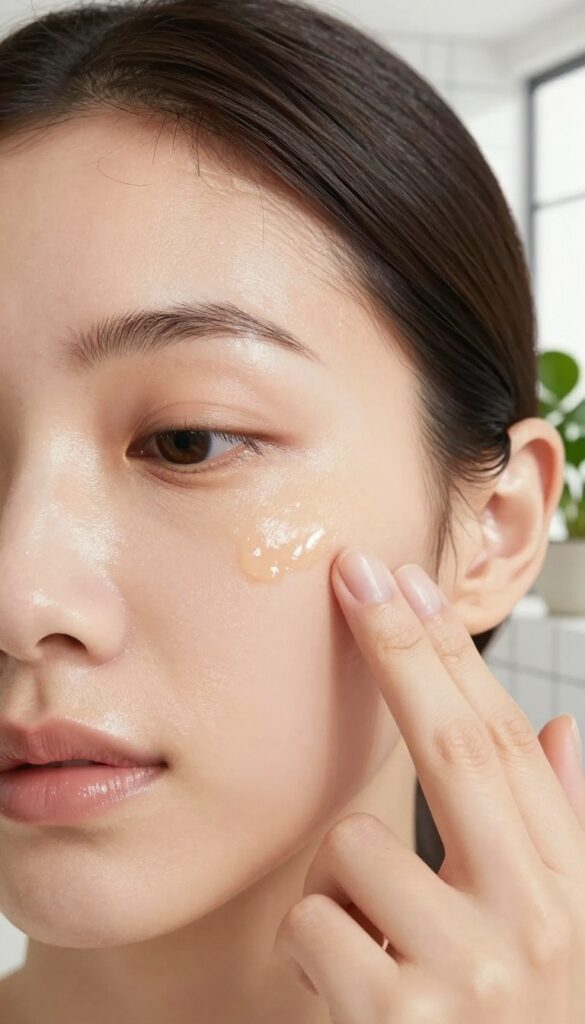
The skin under your eyes is the thinnest on your face and the first to show signs of dryness. Applying eye cream while your skin is still slightly damp from the shower helps seal in moisture and keeps fine lines at bay.
Damp skin absorbs products more effectively because the water helps ingredients penetrate deeper. A lightweight eye cream applied to damp skin locks in hydration without feeling heavy or greasy.
Why Damp Skin Works Better
When your under-eye area is damp, the water molecules create a pathway for the active ingredients in your eye cream to travel deeper into the skin. This boosts hydration and plumps up fine lines instantly.
How To Apply It Right
After patting your face dry, don't wait. Dot a small amount of eye cream along your orbital bone and gently tap with your ring finger. No rubbing—tapping stimulates circulation and prevents tugging.
Best Ingredients For This Method
Look for eye creams with hyaluronic acid, peptides, or ceramides. These ingredients thrive on damp skin and provide long-lasting moisture without clogging pores.
20. Use a Wide-Tooth Comb on Wet Hair
Wet hair is at its most fragile state, and the wrong tool can cause breakage and frizz. Fine-tooth combs or brushes tug and snap strands when hair is saturated. A wide-tooth comb glides through without pulling, protecting your hair's integrity.
Switching to a wide-tooth comb is one of the simplest swaps you can make for healthier hair. Start at the ends and work your way up to minimize tension. This method reduces breakage and keeps your hair smooth and strong.
Why Wet Hair Needs Special Care
When hair is wet, the cuticles swell and the strands become elastic and weak. Brushing or combing aggressively can stretch and snap them. A wide-tooth comb's spaced teeth separate strands gently, preventing damage.
How To Detangle The Right Way
Apply a leave-in conditioner or detangling spray first for slip. Then, starting from the tips, slowly work the comb upward in small sections. Never yank or force through knots—gently coax them apart.
The Best Wide-tooth Comb For Your Hair
Look for a comb with smooth, rounded teeth and a flexible body. Wood or seamless plastic options reduce static and snagging. Avoid combs with sharp seams that can cut hair.
21. Layer Your Fragrance Correctly
You probably spritz perfume on dry skin and hope for the best. That works, but you're not getting nearly the longevity you could. The secret is all in the layering, and it starts right after your shower when your skin is primed to hold onto scents.
Applying fragrance to moisturized skin makes it last longer. Use an unscented lotion first, then spritz perfume on pulse points.
Start With Unscented Moisture
Right after you towel off, apply an unscented body lotion or oil all over. This locks in hydration and creates a base that holds fragrance molecules, so they evaporate slower. Scented lotions can clash with your perfume, so stick with neutral.
Spritz On Pulse Points
Your pulse points—wrists, neck, behind ears, inner elbows—give off heat that helps diffuse the scent throughout the day. Don't rub your wrists together after spraying, that breaks down the fragrance. Just let it dry naturally.
Avoid Over-spraying
A couple of well-placed spritzes are enough. More isn't better—it can become overwhelming and even cause headaches. Start light and you can always add a touch more later if needed.
22. Exfoliate Once a Week After Showering
Exfoliating after a shower is a game-changer for soft skin. Your pores are open and dead skin cells have softened, making it the ideal time to slough them off without irritation. Focus on rough patches like elbows, knees, and heels for the smoothest results.
Once a week, grab a gentle scrub or a dry brush after you pat dry. Use circular motions on damp skin—no need to press hard. Rinse well and follow with a rich moisturizer to seal in the fresh layer.
Why Post-shower Works Best
Warm water softens the outer layer of skin, so exfoliating right after is less abrasive. You get a deeper clean without scrubbing too hard, which means less redness and more glow.
Target The Right Spots
Elbows, knees, and heels tend to be driest and roughest. Spend an extra few seconds on these areas. For heels, a pumice stone works wonders after a shower when skin is pliable.
Don't Overdo It
Stick to once a week—more can strip natural oils and cause irritation. If your skin feels tight or looks red after exfoliating, you're doing it too often or too hard.
23. End with a Cool Water Rinse
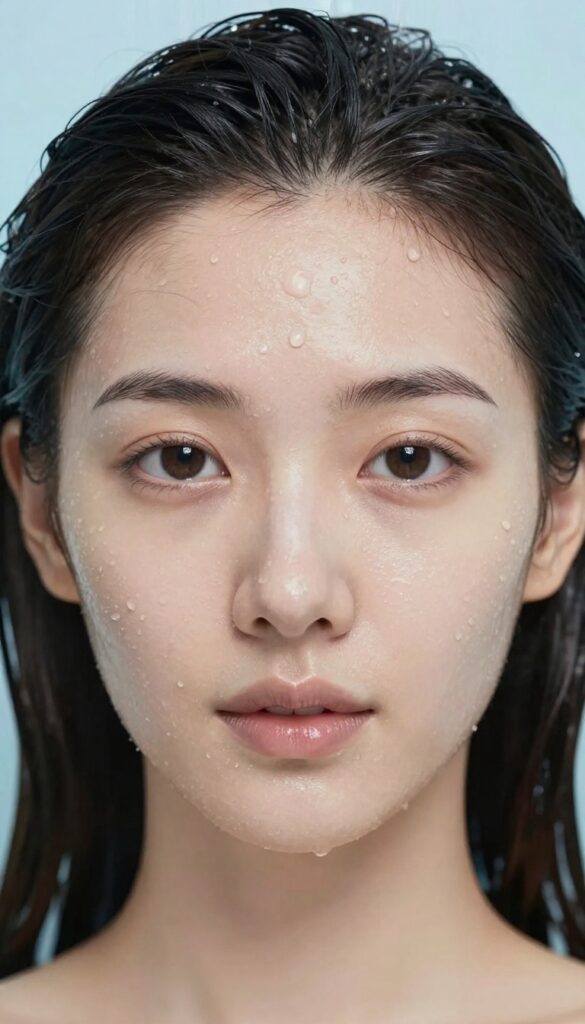
That final blast of cold water might be the last thing you want after a warm shower, but it's worth the shock. A quick cool rinse helps tighten your pores and smooth down the hair cuticle, which can reduce frizz and boost shine. It also gives your circulation a gentle wake-up call, leaving your skin feeling firmer and more refreshed.
The temperature change doesn't just feel invigorating—it actually seals in the benefits of everything you did before. Cold water constricts blood vessels, which can temporarily tighten pores and reduce puffiness. For your hair, the cool rinse flattens the cuticle, making strands lie flat and reflect more light.
You don't need a long icy blast; just 10 to 15 seconds at the end is enough to make a difference.
Why It Works For Skin
Warm water opens pores and loosens dirt, but leaving them wide open after a shower invites debris and bacteria back in. A cool rinse encourages pores to contract, which can help keep them clean and minimize their appearance over time. It also calms any redness or inflammation caused by hot water, giving your complexion a more even tone.
The Hair Benefit
Hot water lifts the hair cuticle, which is why your hair can feel rough and look dull after a steamy shower. Cold water seals the cuticle back down, locking in moisture and smoothing the hair shaft. This reduces frizz, adds natural shine, and can even help color-treated hair stay vibrant longer by preventing the cuticle from opening and releasing dye.
How To Make It Bearable
If the thought of a cold shower makes you cringe, start with lukewarm water and gradually lower the temperature over the last 30 seconds. Focus the cool stream on your hair and face first, then let it run over the rest of your body. You can also finish with a cold splash from a handheld showerhead to target specific areas without the full shock.
FAQ
How soon after a shower should I apply moisturizer?
Within three minutes of patting dry. That window locks in the most moisture before it evaporates from your skin.
Can I use body oil instead of lotion?
Yes, but oil seals in moisture better when applied to damp skin. Lotion adds hydration, while oil locks it in.
Is it bad to brush wet hair?
It can cause breakage if you use a fine brush. Use a wide-tooth comb or a detangling brush on wet hair instead.
How often should I exfoliate after a shower?
Once or twice a week is enough. Over-exfoliating can irritate skin and strip natural oils.
Does a cool rinse really help hair shine?
Yes, cool water flattens the hair cuticle, which reflects light better and reduces frizz. It also helps seal in conditioner.
Conclusion
You don’t need to tackle all 23 moves at once. Pick two or three that target your biggest concerns—maybe a cool rinse for hair shine or a quick body oil application for dry skin.
Small, consistent steps build a routine that leaves you feeling fresh and looking radiant long after you step out of the shower. Start with what feels right and add more as you go.