
You step out of the shower feeling fresh, but a few hours later, that clean scent fades. The secret to all-day freshness isn't just soap and water—it's the little rituals you build into your routine.
From the direction you shave to how you dry off, these 17 secrets will keep you feeling clean from morning to night. No complicated steps, just simple tweaks that make a real difference.
Ready to upgrade your shower game? Let's dive in.
1. Start with a Cool Rinse
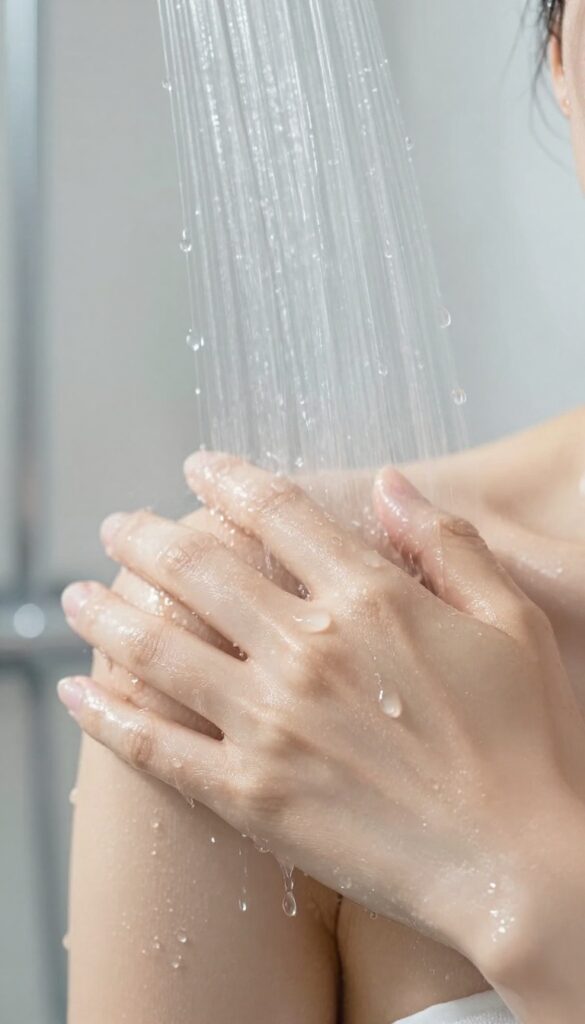
That final blast of cold water might be the most invigorating part of your shower. It's not just a wake-up call—it actually helps your skin and hair hold onto moisture longer. A quick cool rinse seals the deal on your shower routine, locking in freshness so you feel clean for hours.
End your shower with 30 seconds of cool water. It closes pores and seals in moisture, helping your skin stay fresh longer.
Why Cold Water Works
Hot water opens pores and strips natural oils. A cool rinse reverses that—tightening pores and flattening hair cuticles. Your skin retains moisture, and your hair looks shinier.
It's a simple swap that pays off.
How To Make It Stick
Don't dread the cold. Start warm, then gradually lower the temperature over the last minute. Focus the stream on your legs and arms first, then your torso.
By the time you step out, you'll feel refreshed, not shocked.
2. Use a Loofah or Exfoliating Mitt
Your hands alone can only do so much. A loofah or exfoliating mitt physically removes dead skin cells that trap sweat and bacteria. That gentle scrubbing action helps keep your skin smoother and less prone to odor throughout the day.
Why Exfoliation Matters
Dead skin cells build up quickly, especially in areas like your back, chest, and feet. When they mix with sweat, bacteria feast on them and produce that sour smell. Loofahs lift away those cells before they become a problem.
How To Use It Right
Wet your loofah or mitt and apply body wash directly to it. Scrub in circular motions, focusing on rough spots like elbows and knees. Don't press too hard—let the texture do the work.
Rinse the tool thoroughly after each use to prevent bacteria growth.
Keep It Clean
Loofahs can harbor bacteria if left damp. Hang yours in a well-ventilated area and replace it every three to four weeks. A fresh loofah means a cleaner, more effective scrub every time.
3. Apply Body Wash with a Focus on Creases
Not all body parts are created equal when it comes to trapping odor. Your armpits, groin, and behind the knees are prime real estate for sweat and bacteria. Giving these spots a little extra attention during your shower can make a huge difference in how fresh you feel hours later.
When lathering up, don't just swipe soap across your body. Take a moment to really work the body wash into those creases and folds. Use your fingers or a soft cloth to gently scrub, making sure the cleanser reaches every nook.
Rinse thoroughly to remove all residue, which can otherwise attract bacteria.
Why Creases Matter
Skin folds are warm and moist—perfect breeding grounds for bacteria. Even if you wash everywhere, these areas can be missed if you're not intentional. A quick extra scrub here can prevent odor from building up throughout the day.
How To Scrub Effectively
Use a gentle exfoliating mitt or your hands with a good lather. Spend about 10 seconds per crease area. Focus on armpits, under the breasts, groin, and behind the knees.
Don't forget the back of your neck and between your toes.
Rinse Well, Then Rinse Again
Soap residue can irritate skin and lead to odor. Make sure you rinse these areas thoroughly. A final cool rinse can help close pores and reduce sweating later.
4. Shave in the Right Direction
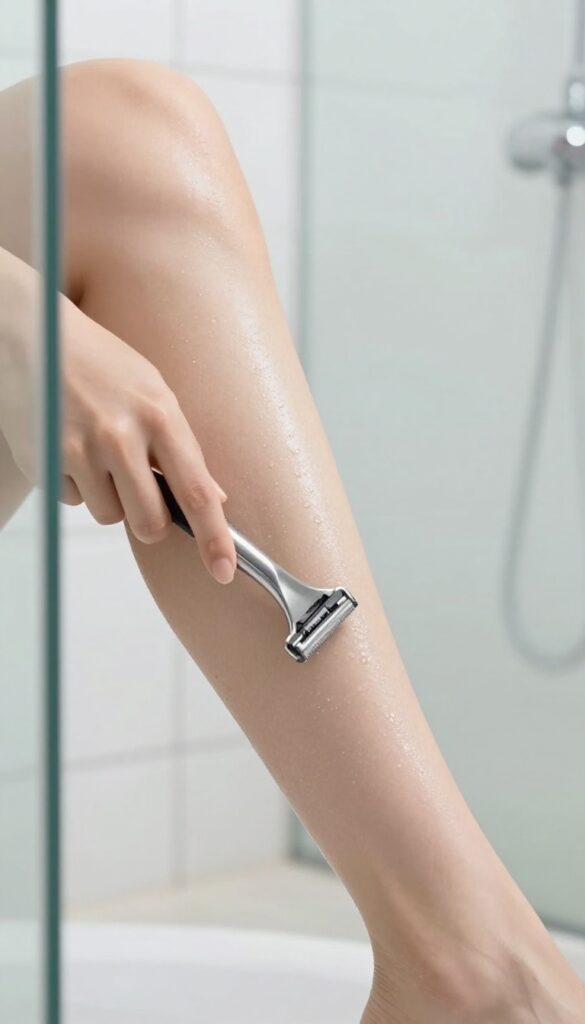
Shaving seems straightforward, but the direction of your strokes can make or break your skin's health. Going against the grain might give a closer shave, but it often leads to irritation, razor burn, and those annoying ingrown hairs. The fix is simple: shave with the grain.
Shaving with the grain means moving the razor in the same direction your hair grows. This reduces friction and allows the blade to cut hair cleanly without tugging. It might not feel as close initially, but your skin will thank you with less redness and bumps.
For an even smoother result, prep your skin with warm water and a quality shaving cream to soften the hair.
Identify Your Grain
To shave with the grain, you need to know which way your hair grows. Let your hair grow out for a day or two, then run your fingers over the area. The direction that feels smoothest is with the grain.
For tricky spots like the neck or bikini line, the grain can change, so check multiple sections.
Use Short, Gentle Strokes
Long, sweeping strokes increase the chance of irritation. Instead, use short, light strokes and rinse the blade after each pass. This prevents hair and shaving cream from clogging the razor, ensuring a clean cut every time.
Don't Forget The Aftershave
After shaving, rinse with cool water to close pores and pat dry. Apply an alcohol-free aftershave or moisturizer to soothe the skin. This step helps prevent irritation and keeps your skin feeling fresh all day.
5. Use an Antibacterial Body Wash
Not all body washes are created equal. If you want to stay fresh for hours, you need a formula that actually fights the bacteria causing odor. Standard body washes just clean surface dirt, but antibacterial options go deeper, targeting the microbes that thrive on your skin after a workout or a long day.
Switching to a body wash with tea tree oil or benzoyl peroxide can make a noticeable difference. Tea tree oil is a natural antibacterial that kills odor-causing bacteria without drying out your skin. Benzoyl peroxide, often found in acne washes, is another powerful option—just be careful if you have sensitive skin, as it can be a bit harsh.
Use it every other day at first to see how your skin reacts.
Look For Active Ingredients
Check the label for tea tree oil, benzoyl peroxide, or even triclosan (though it's less common now). These ingredients directly target the bacteria that break down sweat into stinky compounds. A quick search online or a chat with your dermatologist can point you to the best option for your skin type.
Don't Overdo It
Antibacterial washes are effective, but you don't need to use them every single shower. Overusing them can strip your skin of natural oils and good bacteria, leading to dryness or irritation. Aim for 3–4 times a week, especially on days you sweat heavily, and use a gentle moisturizing wash the rest of the time.
Pair With A Loofah Or Cloth
To get the full benefit, apply the antibacterial wash with a loofah, silicone scrubber, or washcloth. The gentle exfoliation helps lift dead skin cells where bacteria hide, and the lather spreads the active ingredients evenly. Just remember to replace your loofah every month to prevent bacteria buildup on the tool itself.
6. Don't Over-Scrub
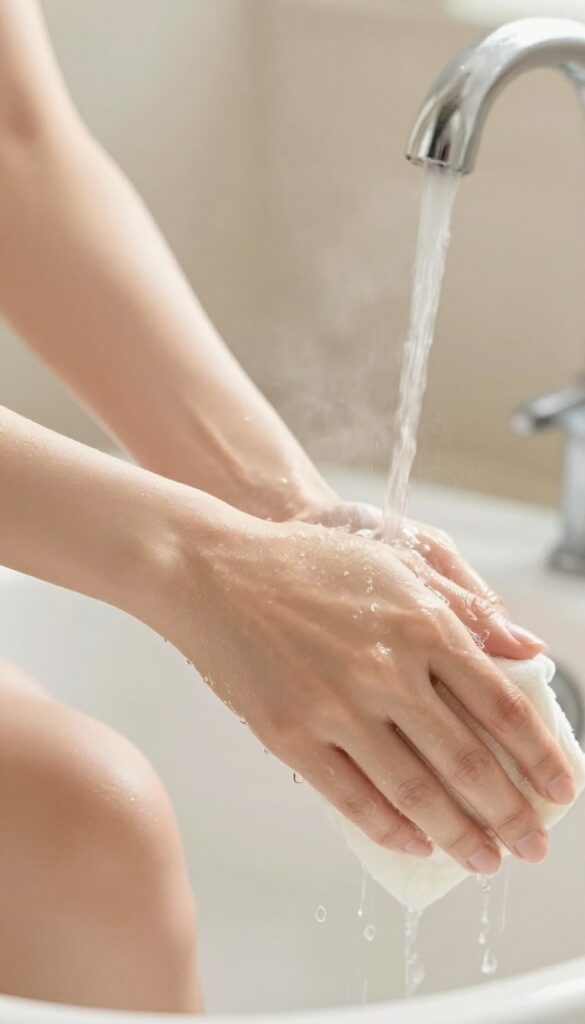
It's tempting to scrub every inch of skin until it's squeaky clean, but that's actually working against you. Over-scrubbing strips away natural oils, leaving skin dry, irritated, and more prone to odor-causing bacteria. Gentle circular motions are all you need to remove dirt and dead cells without damaging your skin's protective barrier.
Scrubbing too hard or using harsh tools can disrupt your skin's microbiome, leading to dryness and increased odor. Instead, focus on a light touch and let your cleanser do the work.
Why Gentle Wins
Your skin has a natural acid mantle that protects against bacteria and moisture loss. Aggressive scrubbing breaks this barrier, making skin vulnerable to irritation and odor. A soft washcloth or your hands with a mild body wash is plenty effective.
Tools That Help
If you like using a loofah or silicone scrubber, keep it clean and replace it regularly. Avoid stiff-bristled brushes or abrasive sponges. For exfoliation, limit to once or twice a week with a gentle scrub.
The Right Technique
Use small, circular motions with light pressure. Focus on areas that get dirtiest like underarms and feet, but don't linger. Rinse thoroughly and pat dry—no rubbing.
Your skin will thank you with a healthy, fresh glow.
7. Rinse Thoroughly
Soap residue is a sneaky culprit behind midday odor. When leftover suds mix with sweat, they create a breeding ground for bacteria. The fix is simple: rinse until the water runs completely clear.
Many people rush the rinse step, but a quick spray isn't enough. Pay special attention to areas where soap can hide: underarms, groin, feet, and behind the ears. These spots trap residue easily.
A thorough rinse takes an extra 30 seconds but makes a huge difference in how long you stay fresh.
The Clear Water Test
A good rule of thumb: keep rinsing until the water streaming off your body looks and feels like plain water. No slipperiness, no bubbles. If you still feel slick, you haven't rinsed enough.
This is especially important if you use creamy body washes or bar soaps.
Don't Forget Your Hair
Shampoo and conditioner residue can drip onto your skin after the shower, causing irritation and odor later. Rinse your hair thoroughly, tilting your head back to ensure all product washes away. A final cool water rinse helps close hair cuticles and reduces residue.
Check Hidden Creases
Skin folds like the backs of knees, elbows, and belly button can hold onto soap. Gently pull these areas taut while rinsing to let water reach every crease. A handheld showerhead makes this easier, but even a fixed head works if you move your body into the stream.
8. Pat Dry, Don't Rub
How you dry off after a shower matters more than you think. Rubbing vigorously with a towel might feel efficient, but it can actually irritate your skin and undo some of the benefits of your clean routine. Patting dry is a gentler approach that keeps your skin barrier intact and helps you stay fresh longer.
Why Rubbing Hurts
When you rub your skin with a towel, you're essentially exfoliating it—sometimes too much. This can strip away natural oils, leading to dryness and irritation. More importantly, rubbing can spread bacteria from one part of your body to another, especially if you're using the same towel for your face and body.
That defeats the purpose of a clean shower.
The Pat-dry Technique
Patting dry is simple: gently press the towel against your skin and lift. No back-and-forth motion. Start with your face, then move to your body.
Use a separate, clean towel for your face to avoid transferring bacteria. This method keeps your skin's moisture barrier intact, reducing the chance of post-shower itchiness and helping your natural freshness last.
Bonus: Use A Microfiber Towel
Microfiber towels are more absorbent and softer than regular cotton towels, making them ideal for patting dry. They also dry faster, which means less bacterial growth between uses. Switch to a microfiber towel for your post-shower routine, and you'll notice your skin feels smoother and stays fresher throughout the day.
9. Apply Deodorant Right After Drying
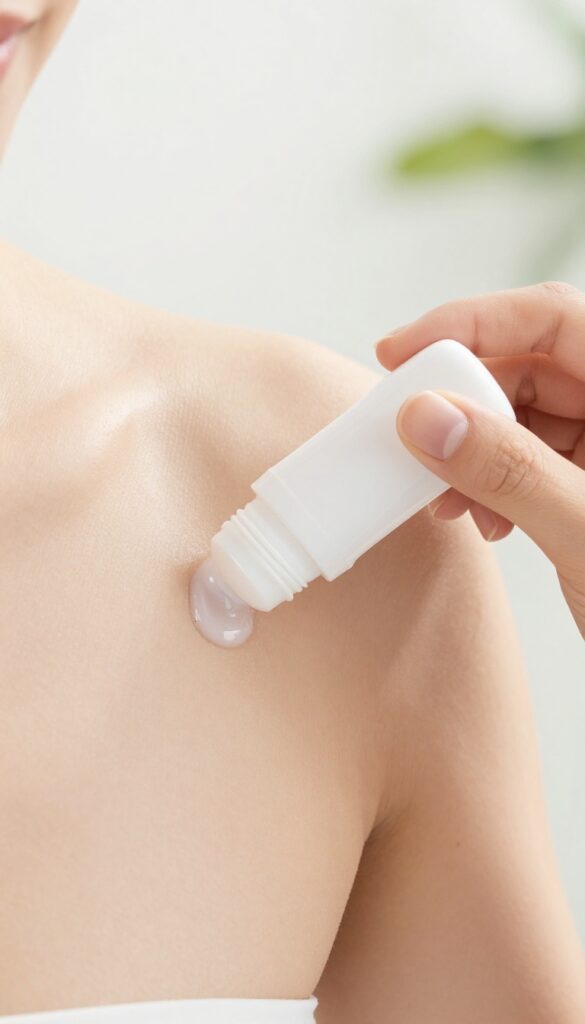
Deodorant is a daily essential, but timing matters more than you'd think. Slapping it on whenever you remember can leave gaps in protection. The sweet spot?
Right after you towel off, while your skin is still slightly warm and completely dry.
Your underarms are a prime spot for bacteria that cause odor. When you apply deodorant to clean, dry skin, the active ingredients can form a proper barrier. Moisture from leftover dampness can dilute the formula, reducing its effectiveness.
Waiting just a couple of minutes after drying ensures maximum adhesion and all-day freshness.
Why Timing Matters
Deodorant needs a dry surface to bind effectively. If you apply it while your skin is still damp, the product can slide off or get absorbed unevenly. That means you might end up with patchy coverage and odor breakthrough later in the day.
Giving your skin those two minutes to air-dry completely makes a real difference.
The Two-minute Rule
After you dry off, set a mental timer for two minutes. Use that time to brush your teeth, comb your hair, or do a quick stretch. Then apply your deodorant.
This simple habit ensures your underarms are fully dry and ready for maximum protection. It's a small pause that pays off in confidence.
Pro Tip: Layer For Extra Security
For those extra-long days, try layering. Apply a thin layer of deodorant right after drying, let it set for a minute, then add a second light coat. This creates a stronger barrier without feeling cakey.
It's a trick that keeps you fresh through workouts, commutes, and busy schedules.
10. Use a Moisturizer with a Light Scent
Your skin holds onto moisture best right after a shower. A good moisturizer locks in hydration and keeps your skin feeling soft all day. But the scent matters too—heavy fragrances can clash with your deodorant or perfume, creating an overwhelming mix.
Choose a lightweight lotion with a clean, subtle scent that complements your other products.
Moisturizing after every shower is a simple habit that pays off. It prevents dryness, keeps your skin barrier healthy, and adds a whisper of freshness that lasts. The key is picking the right formula—one that absorbs quickly and doesn't leave a greasy feel.
Why Scent Matters
Your skin's natural scent mixes with whatever you put on it. A heavy, floral moisturizer can compete with your deodorant or perfume, creating a confusing aroma. Stick to light, fresh scents like cucumber, aloe, or unscented options that let your other products shine.
Best Application Timing
Apply moisturizer within three minutes of stepping out of the shower. Your pores are still open, and your skin is damp—this helps lock in moisture without feeling sticky. Focus on areas that tend to dry out, like elbows, knees, and hands.
What To Look For
Look for a moisturizer labeled "non-comedogenic" if you're prone to breakouts. Ingredients like glycerin, hyaluronic acid, or ceramides hydrate without heaviness. Avoid anything with strong synthetic perfumes—opt for natural, subtle scents instead.
11. Clean Your Shower Tools Regularly
Your shower tools can become breeding grounds for bacteria if you neglect them. That loofah hanging in the corner? It's probably harboring more germs than you think.
Keeping your tools clean is a simple but crucial step for all-day freshness.
Loofahs and razors are two of the biggest offenders when it comes to bacteria buildup. A damp, warm shower environment is perfect for microbes to multiply. Here's how to keep them in check.
Replace Loofahs Monthly
Loofahs have lots of nooks and crannies where dead skin and bacteria hide. After a month, even with rinsing, they're not truly clean. Toss them and grab a fresh one to avoid spreading germs back onto your skin.
Rinse Razors After Every Use
A quick rinse under hot water removes hair, shaving cream, and skin cells. Leaving residue on the blade invites bacteria that can cause irritation or infections. Shake off excess water and store the razor in a dry place.
Sanitize Occasionally
For an extra layer of cleanliness, soak your loofah or razor in rubbing alcohol or a diluted bleach solution once a week. Rinse thoroughly before next use. This kills lingering bacteria and keeps your tools fresh longer.
12. Keep Your Shower Clean

A moldy shower isn't just gross—it can transfer bacteria to your skin, sabotaging your freshness. The good news? Keeping your shower clean is quick and easy with the right habits.
A few simple steps after each use and a weekly deep clean make all the difference.
Wiping down walls and the curtain after each shower prevents soap scum and mildew from taking hold. A quick squeegee or microfiber cloth does the job in seconds. For the curtain, a daily spritz with a vinegar-water solution keeps mold at bay.
Once a week, give your shower a thorough scrub with a non-toxic cleaner, paying extra attention to corners and grout lines.
Daily Wipe-down
After your shower, take 30 seconds to wipe down the walls, door, and curtain with a squeegee or microfiber cloth. This removes water droplets that lead to soap scum and mildew. If you have a fabric liner, pull it closed to dry fully.
Weekly Deep Clean
Set aside 15 minutes each week to scrub your shower with a bathroom cleaner or a DIY mix of baking soda and vinegar. Focus on grout, corners, and any spots where mold likes to hide. Rinse thoroughly and let it air dry.
Prevent Mold Before It Starts
Keep a spray bottle filled with equal parts water and white vinegar in your shower. After each use, spritz the walls and curtain. The vinegar kills mold spores without harsh chemicals.
Also, run the exhaust fan during and after showers to reduce humidity.
13. Time Your Shower Right
When you shower can be just as important as how you shower. Your body's natural rhythm and daily schedule play a big role in how long that fresh feeling lasts. Morning showers are the gold standard for all-day freshness.
They wake you up, wash away overnight sweat, and set a clean baseline for the day. But if you're a night shower person, don't worry—you can still get great results with a simple tweak.
The Morning Advantage
A morning shower hits the reset button. Your body produces oil and sweat while you sleep, and a quick rinse removes that buildup. You'll start your day with a clean slate, and your deodorant and fragrance will work better on fresh skin.
Night Showerers: Add A Quick Rinse
If you prefer evening showers, just add a 30-second rinse in the morning. No need for soap—just water to wake up your skin and wash away any overnight residue. It's enough to refresh without a full shower.
Match Your Shower To Your Day
Think about your schedule. If you work out in the morning, shower after. If you have a big meeting, shower beforehand.
The key is to shower close to when you need to feel your freshest, not necessarily at a fixed time.
14. Use a Clarifying Shampoo Once a Week

Ever notice how your hair feels heavy or your scalp gets a bit funky even after washing? That's product buildup—styling products, oils, and even minerals from water can cling to your strands and scalp. A clarifying shampoo is like a reset button for your hair, stripping away all that residue and leaving you feeling truly clean.
Clarifying shampoos are stronger than your daily shampoo, so you don't want to use them every day. Once a week is plenty for most hair types. Focus on massaging it into your scalp to break down buildup, then rinse thoroughly.
Your hair will feel lighter, smell fresher, and your scalp will breathe easier. Just follow up with a conditioner to keep your ends hydrated.
Choose A Gentle Clarifying Shampoo
Not all clarifying shampoos are created equal. Look for one that's sulfate-free if you have color-treated or dry hair. A gentle formula will remove buildup without stripping your natural oils.
If you have oily hair, a stronger one can help balance your scalp. Read labels and pick one that matches your hair type.
Don't Overdo It
Stick to once a week, max. Over-clarifying can dry out your hair and scalp, leading to more oil production and odor. If your hair feels squeaky clean after rinsing, that's a sign you've used enough.
Follow with a moisturizing conditioner to restore softness.
Pair With A Scalp Scrub
For an extra deep clean, use a scalp scrub before your clarifying shampoo. The scrub exfoliates dead skin cells and loosens product buildup, so the shampoo can work even better. Your scalp will feel invigorated and your hair will smell fresher for days.
15. Dry Your Feet Completely
You might think you're done once you step out of the shower, but your feet need special attention. Moisture trapped between toes is a breeding ground for bacteria and fungi, which cause odor and infections. A quick pat-down won't cut it—you need a dedicated routine to keep your feet fresh all day.
Use a separate towel for your feet to avoid transferring bacteria from your body. After drying, pay extra attention to the spaces between your toes. If you're in a hurry, a quick blast from a hairdryer on a cool setting can ensure every bit of moisture is gone.
This simple step can make a huge difference in how your feet smell hours later.
Why A Separate Towel Matters
Using the same towel for your body and feet can spread bacteria from your feet to other parts of your body. A dedicated foot towel prevents cross-contamination and keeps your feet fresher. Hang it separately to dry between uses.
The Toe Gap Technique
After drying, gently spread your toes apart and pat each gap dry. You can use a soft, clean cloth or a disposable paper towel. This removes hidden moisture that leads to odor and athlete's foot.
Quick-dry Hack For Busy Mornings
If you're rushing, use a hairdryer on a cool or low-heat setting to dry your feet completely in under a minute. Focus on the spaces between toes and the soles. This ensures no moisture is left behind.
16. Wear Breathable Fabrics Post-Shower
What you put on after your shower matters just as much as how you scrub. Tight synthetic clothes trap heat and moisture against your skin, undoing all that freshness. The fix?
Choose fabrics that let your skin breathe and stay dry.
Cotton and moisture-wicking materials are your best friends. They pull sweat away from your body and allow air to circulate, keeping you cool and odor-free. Avoid polyester or nylon blends that cling and create a sauna effect.
Your skin will thank you.
Why Breathability Matters
When your skin can't breathe, sweat and bacteria build up fast. That leads to body odor and that sticky, uncomfortable feeling. Breathable fabrics prevent this by letting moisture evaporate quickly.
Best Fabrics For All-day Freshness
Cotton is a classic for a reason—it's soft, absorbent, and breathable. For workouts or hot days, try bamboo or merino wool. They wick moisture without holding onto smells.
Stay away from cheap synthetics unless they have moisture-wicking tech.
Quick Tips For Choosing Post-shower Outfits
Loose-fitting clothes are better than tight ones. Change into clean, dry underwear and socks right after drying off. And if you're heading out, layer with breathable fabrics—your skin will stay fresh longer.
17. Refresh Midday with a Quick Rinse

By midday, that morning freshness can start to wane. A quick 2-minute rinse—no soap needed—can reset your skin's moisture balance and wash away sweat without stripping natural oils. It's a simple trick that works wonders for your energy and scent.
A midday rinse is not a full shower. Just hop in, let warm water run over you, and focus on areas prone to sweat: underarms, chest, and back. Pat dry with a clean towel.
You'll feel instantly refreshed without drying out your skin or wasting time.
Why Skip Soap?
Soap strips your skin's natural moisture barrier. A plain rinse removes sweat and odor without disrupting that balance. Your skin stays hydrated and your natural scent remains neutral.
Best Timing
Aim for late morning or early afternoon, before your energy dips. Right after lunch works great—it wakes you up and washes away any post-meal sluggishness.
Post-rinse Tips
After your rinse, apply a light, fragrance-free moisturizer to lock in hydration. A quick spritz of your favorite body spray or essential oil blend can extend the freshness without overdoing it.
FAQ
How long should a freshness-focused shower last?
Aim for 5 to 10 minutes. Longer showers can strip natural oils, while shorter ones may not clean thoroughly.
Can I use bar soap instead of body wash?
Yes, but choose a moisturizing bar with antibacterial properties. Bar soaps can be drying, so follow with lotion.
How often should I replace my loofah?
Every 3 to 4 weeks. Loofahs trap bacteria and dead skin, so regular replacement is key for hygiene.
Is cold water better than hot for freshness?
Cold water helps close pores and reduce sweat, but warm water cleans better. Use warm for washing, then cold for a final rinse.
What's the best way to dry off to stay fresh?
Pat dry with a clean towel, then apply deodorant and moisturizer immediately. Avoid rubbing, which can irritate skin.
Conclusion
You don't need to adopt every secret at once to feel the difference. Pick one or two that target your biggest freshness challenges—maybe a post-shower cool rinse or switching to a bamboo loofah. Small, consistent upgrades build a routine that keeps you feeling clean and energized long after you step out.
Your shower can be more than a daily chore; it can be your secret to all-day freshness. Start with what feels right and build from there.