
A shower should do more than just get you clean—it should set you up for the day ahead. But without the right tools, you're just going through the motions.
These 20 essentials turn your daily rinse into a routine that actually works for your skin, hair, and overall well-being. From gentle cleansers to weekly treatments, each item serves a real purpose.
Ready to build a shower lineup you'll actually look forward to? Let's start with the basics.
1. A Gentle, Sulfate-Free Shampoo
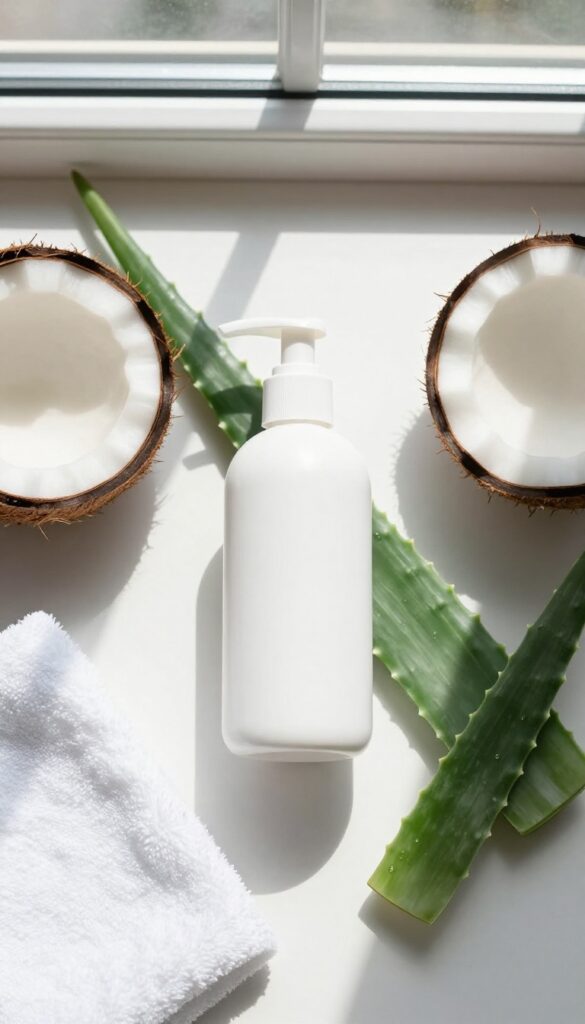
The first step to a great shower is a shampoo that cleans without stripping. Harsh sulfates can leave your hair feeling like straw, especially if it's color-treated or naturally curly. A sulfate-free option gently removes dirt and buildup while keeping your scalp's natural moisture intact.
Switching to a sulfate-free shampoo is one of the easiest upgrades you can make. Your hair will thank you with less frizz, more shine, and color that lasts longer. Look for formulas with nourishing ingredients like aloe vera or coconut oil to boost hydration.
Why Sulfates Are Harsh
Sulfates like sodium lauryl sulfate create that satisfying lather, but they're essentially detergents. They strip away natural oils that protect your hair and scalp, leading to dryness and irritation over time. For curly or color-treated hair, this can be especially damaging.
What To Look For Instead
Gentle cleansers like coco-glucoside or decyl glucoside do the job without the harshness. Pair your shampoo with a moisturizing conditioner to lock in softness. Your hair will feel cleaner—and healthier—after every wash.
2. A Hydrating Conditioner (Not Just Any Conditioner)
Conditioner isn't optional—it's what keeps your hair soft, manageable, and healthy. But grabbing any bottle off the shelf won't cut it. You need one that actually hydrates without weighing your hair down.
Look for ingredients like shea butter or argan oil, which penetrate the hair shaft and lock in moisture. And here's the trick: apply it from mid-lengths to ends only. Your scalp produces its own oils, so piling conditioner on top just leads to greasiness.
The right conditioner, used the right way, makes all the difference between frizzy hair and smooth, shiny strands.
Conditioner is a non-negotiable step in any effective shower routine. It replenishes moisture lost during shampooing and protects hair from damage. But not all conditioners are created equal.
The best hydrating formulas contain natural oils and butters that nourish without leaving residue. Focus application on the driest parts of your hair—usually the mid-lengths and ends—and avoid the scalp to prevent buildup. Rinse thoroughly, and you'll notice softer, more manageable hair that's less prone to breakage.
For extra benefits, leave the conditioner on for a minute or two before rinsing. This simple habit can transform your hair's texture and health over time.
Ingredients That Actually Work
Shea butter is a powerhouse for moisture, especially for thick or curly hair. It seals in hydration and adds a natural shine. Argan oil, rich in vitamin E, smooths frizz and repairs damage without making hair heavy.
Look for these on the label, and avoid silicones and sulfates that can strip natural oils.
How To Apply For Best Results
After shampooing, squeeze excess water from your hair. Take a quarter-sized amount of conditioner and run it through your hair from the ears down. Use a wide-tooth comb to distribute evenly if needed.
Let it sit for 1–3 minutes, then rinse with cool water to seal the cuticles and boost shine.
When To Skip Conditioner
If you have very fine or oily hair, you might not need conditioner every day. Try using it every other wash, or opt for a lightweight formula. On days you skip, a quick rinse with water and a leave-in spray can still keep your hair hydrated without the weight.
3. A Body Wash That Matches Your Skin Type
Not all body washes are created equal. The wrong formula can leave your skin dry, irritated, or greasy. The key is picking one that suits your skin type.
Dry skin needs creamy, moisturizing formulas; oily skin benefits from gel-based or clarifying washes. Avoid bar soaps that can leave residue.
For Dry Skin: Creamy And Hydrating
Look for body washes with ingredients like shea butter, glycerin, or hyaluronic acid. These help lock in moisture and prevent that tight, uncomfortable feeling after a shower. Avoid sulfates—they strip natural oils.
For Oily Skin: Gel-based And Clarifying
Gel formulas with salicylic acid or tea tree oil can help control excess oil and prevent breakouts on your chest and back. They rinse clean without leaving a heavy film.
For Sensitive Skin: Fragrance-free And Gentle
Stick with hypoallergenic, fragrance-free options that contain soothing ingredients like oat extract or aloe vera. These minimize the risk of irritation and keep your skin barrier intact.
4. An Exfoliating Glove or Loofah
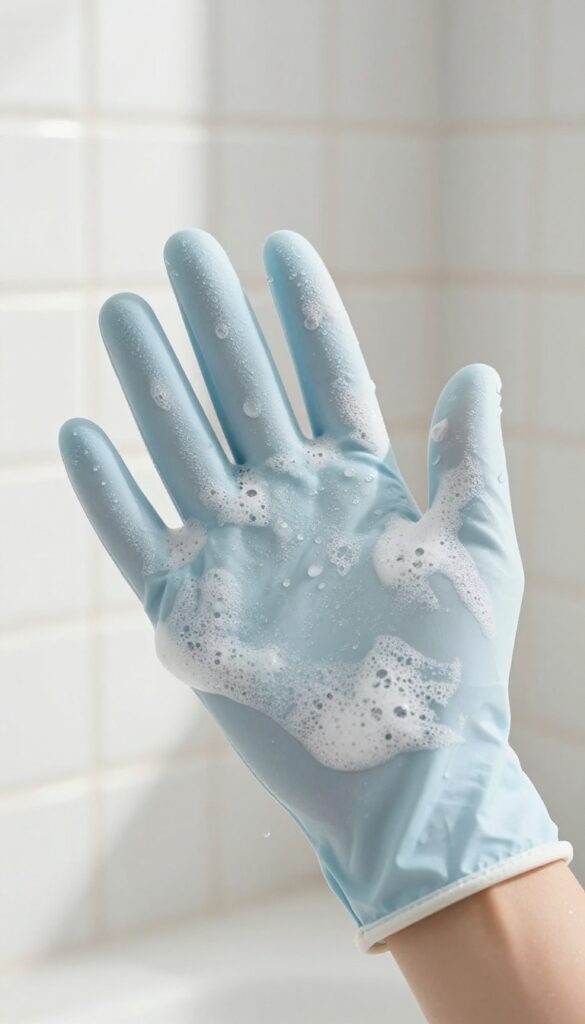
Your hands can only do so much. Dead skin cells build up fast, leaving skin looking dull and rough. That's where an exfoliating glove or loofah comes in—it physically buffs away that layer, revealing fresher, softer skin underneath.
Use it two to three times a week, and you'll notice a real difference in texture and glow.
Exfoliating regularly helps unclog pores, prevent ingrown hairs, and boost circulation. A glove or loofah makes the job easy and effective. Just don't overdo it—scrubbing daily can irritate skin.
Stick to a few times per week for the best results.
Why Gloves Beat Hands
Your palms are smooth, which means they don't create enough friction to slough off dead cells. A textured glove or loofah lifts and removes that layer effortlessly. Plus, it helps your body wash lather up better, so you use less product.
How Often To Exfoliate
For most skin types, exfoliating two to three times a week is plenty. If you have sensitive skin, start with once a week and see how it goes. Over-exfoliating can lead to redness and irritation, so listen to your skin.
Keep It Clean
Loofahs and gloves can harbor bacteria if left damp. Rinse them thoroughly after each use and hang them to dry. Replace your loofah every month or two, and wash gloves with hot water weekly to keep them fresh.
5. A Pumice Stone for Rough Feet
Your feet take a beating every day, but they rarely get the attention they deserve. A pumice stone in the shower is the easiest way to keep heels smooth and crack-free without booking a salon appointment. Just a quick scrub while you're already in there, and you'll notice the difference in days.
Don't wait for a pedicure. A quick once-over with a pumice stone in the shower keeps heels soft and prevents cracks. It's a simple habit that pays off.
Why It Works
Pumice is a natural volcanic rock that gently exfoliates dead skin without being too harsh. When used on wet skin, it sloughs off calluses and rough patches, revealing smoother feet underneath. Regular use prevents cracks from forming, which can be painful and hard to treat later.
How To Use It Right
Soak your feet in warm water for a few minutes to soften the skin. Then, gently rub the pumice stone in circular motions over rough areas. Focus on heels and balls of the feet.
Rinse and follow with a moisturizer to lock in softness. Replace the stone every few months for hygiene.
Picking The Best One
Look for a pumice stone with a fine to medium grit—too coarse can irritate skin. Some come with a handle for easier grip. Natural stones are great, but synthetic options work just as well.
Choose one that feels comfortable in your hand and fits your shower caddy.
6. A Shower Scrub for Your Face (Once a Week)
Your face deserves a little extra love once a week. A gentle facial scrub sloughs off dead skin cells and clears out clogged pores, leaving your skin smooth and refreshed. But not all scrubs are created equal—choose one with fine, rounded particles like jojoba beads to avoid micro-tears.
Use it after your regular cleanser, and don't overdo it. Once a week is plenty for most skin types.
Facial scrubs with fine particles (like jojoba beads) unclog pores without micro-tears. Use after cleansing, not every day.
Why Your Face Needs A Weekly Scrub
Dead skin cells build up fast, especially if you wear makeup or live in a dry climate. A gentle scrub exfoliates without stripping your skin's natural barrier. It also helps your moisturizer sink in deeper.
How To Pick The Right Scrub
Look for scrubs with smooth, spherical beads—jojoba, rice, or silica are great. Avoid crushed walnut shells or apricot pits, which can cause tiny tears. If your skin is sensitive, try a chemical exfoliant like lactic acid instead.
The Right Way To Scrub
Wet your face with warm water, then apply the scrub in gentle, circular motions. Don't press hard—let the product do the work. Rinse thoroughly and follow with a lightweight moisturizer.
7. A Clarifying Shampoo (Weekly or Bi-Weekly)
Even the best shampoos can leave behind buildup over time. Styling products, dry shampoo, and hard water minerals create a film that makes hair look dull and feel heavy. That's where a clarifying shampoo comes in—it's like a reset button for your strands.
Using one once a week or every other week strips away that residue without stripping your hair's natural moisture. The result? Lighter, bouncier hair that actually absorbs your conditioner and treatments.
Think of it as a deep clean for your scalp and lengths.
A clarifying shampoo is a weekly or bi-weekly treatment that removes product buildup, excess oil, and mineral deposits from hard water. Unlike your daily shampoo, it contains stronger cleansers that cut through residue without being harsh. This helps restore volume, shine, and manageability, especially if you use styling products or live in an area with hard water.
Just follow up with a moisturizing conditioner or mask to keep your hair balanced.
Why Buildup Happens
Every time you use a styling product—gel, mousse, dry shampoo, or even leave-in conditioner—some of it stays behind. Over time, that layer combines with natural oils and minerals from your shower water. The result is a dull, weighed-down look that regular shampoo can't always fix.
Hard water makes it worse, leaving a chalky film on hair.
How Often To Clarify
For most hair types, once a week is plenty. If you have fine or oily hair, you might need it every five days. Those with curly or color-treated hair should stick to every other week to avoid over-stripping.
Listen to your hair—if it feels limp or looks dull, it's time to clarify.
What To Look For
Choose a clarifying shampoo with ingredients like apple cider vinegar, salicylic acid, or charcoal. Avoid sulfates if your scalp is sensitive. Look for formulas labeled "clarifying" or "deep cleansing" and skip anything with heavy oils or silicones—they defeat the purpose.
8. A Wide-Tooth Comb for Detangling
Brushing wet hair is one of the fastest ways to cause breakage and split ends. When hair is saturated, it's more elastic and prone to snapping under tension. That's why a wide-tooth comb is a game-changer for your shower routine.
Using a wide-tooth comb on conditioner-coated strands allows you to gently work through knots without pulling or tearing. It's a small swap that makes a big difference in hair health over time. Plus, it helps distribute conditioner evenly, so every strand gets the moisture it needs.
A wide-tooth comb is the gentlest tool for detangling wet hair. Unlike brushes or fine-tooth combs, the wide spacing glides through knots without yanking. Use it while your conditioner is still in your hair—the slip from the product helps the comb slide through effortlessly.
Start at the ends and work your way up to minimize stress on the hair shaft. This simple step reduces breakage, preserves your hair's natural texture, and makes post-shower styling much smoother. It's especially helpful for curly, wavy, or thick hair types that are prone to tangling.
Why Wet Hair Needs Special Care
When hair is wet, the cuticle layer is raised and the hair shaft is more vulnerable. Brushing with a regular brush can cause micro-tears and lead to frizz, split ends, and even hair loss over time. A wide-tooth comb minimizes this damage by separating strands gently.
How To Use It In The Shower
Apply your conditioner and let it sit for a minute. Then, with the wide-tooth comb, start detangling from the bottom few inches of your hair. Slowly work upward, holding the section above to reduce tension on the scalp.
Rinse thoroughly afterward.
Choosing The Right Comb
Look for a comb with smooth, rounded teeth to avoid snagging. Materials like seamless plastic or resin are gentle on hair. Avoid combs with sharp seams or rough edges.
A dual-width comb (wide on one side, narrower on the other) offers versatility for different hair textures.
9. A Shower Mirror for Shaving
Shaving in the shower is convenient, but without a clear view, you're flying blind. A fogless shower mirror solves that problem instantly. These mirrors use special coatings or built-in defoggers to stay crystal clear, even under hot water.
No more wiping steam off the glass or guessing where you've already shaved. Add one to your shower wall, and you'll wonder how you ever managed without it.
Why Fogless Matters
Regular mirrors fog up the second steam hits them. Fogless mirrors use a hydrophobic coating or a heated surface to prevent condensation. You get a clear reflection from start to finish.
Where To Place It
Mount it at eye level, directly in your line of sight. Suction cups or adhesive strips let you adjust without drilling. Make sure it's angled so water doesn't pool on the surface.
Extra Features Worth Having
Look for a mirror with a built-in ledge to hold your razor or a swivel arm for easy positioning. Some even have LED lights if your shower is dim. These small upgrades make a big difference.
10. A Quality Razor with Replaceable Blades
There's nothing worse than a dull razor dragging across your skin. It leads to nicks, irritation, and a shave that's anything but smooth. A quality razor with replaceable blades is a game-changer for your shower routine.
It's one of those upgrades you'll wonder why you didn't make sooner.
Investing in a razor with a lubricating strip and sharp, replaceable blades makes a huge difference. Dull blades tug at hair and cause razor burn, while a fresh blade glides effortlessly. Change your blade every 5-7 shaves to keep things smooth and irritation-free.
Why Lubricating Strips Matter
Lubricating strips are infused with ingredients like aloe or vitamin E that help the razor slide easily over your skin. They reduce friction and provide a little extra moisture, which is especially helpful if you have sensitive skin. Plus, they make the whole shaving experience feel more comfortable.
How Often To Swap Blades
A good rule of thumb is to change your blade after 5 to 7 shaves. If you notice any pulling, tugging, or the strip has faded, it's time for a fresh one. Using a dull blade not only irritates your skin but also increases the risk of cuts and ingrown hairs.
Store It Right, Make It Last
After each use, rinse your razor thoroughly and store it in a dry place outside the shower stream. Moisture and humidity can dull blades faster. A simple razor stand or hanging holder keeps it dry and extends the life of each blade.
11. A Shaving Cream or Gel (Not Soap)
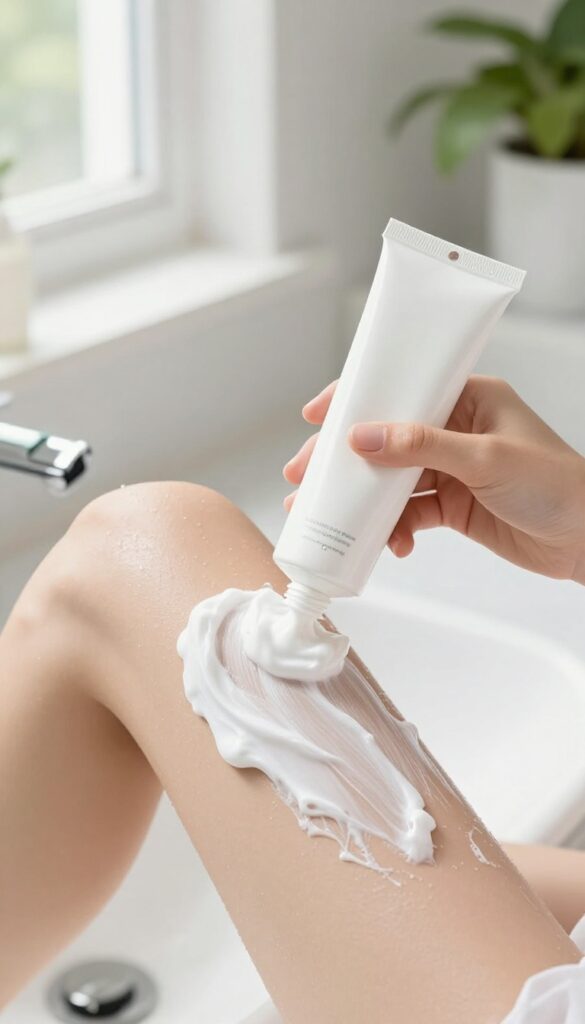
Using bar soap or body wash to shave is a common shortcut, but it's doing your skin no favors. Soap strips natural oils and creates a thin, foamy lather that evaporates fast, leaving your razor dragging across dry skin. The result?
Irritation, razor burn, and a less-than-close shave. A dedicated shaving cream or gel is formulated with moisturizers and lubricants that keep your skin hydrated and your razor gliding smoothly. It's a small swap that makes a huge difference in comfort and skin health.
Why Soap Fails
Soap is designed to clean, not to lubricate. Its high pH can disrupt your skin's barrier, and the lather disappears quickly, leaving your razor to scrape rather than slide. This increases the risk of nicks, cuts, and post-shave itchiness.
What To Look For
Choose a cream or gel with aloe vera, shea butter, or glycerin. These ingredients lock in moisture and create a cushion between your skin and the blade. Avoid products with alcohol or strong fragrances, which can dry out and irritate sensitive areas.
Application Tips For Best Results
Apply shaving cream to damp skin in a thick, even layer. Let it sit for 30 seconds to soften the hair further. Shave in the direction of hair growth first, then reapply and go against the grain if needed.
Rinse your razor often to keep it clean and sharp.
12. A Hair Mask or Deep Conditioner (Weekly)
Your hair works hard all week, and a weekly deep conditioner is like a reset button. It replenishes moisture, repairs damage, and leaves strands noticeably softer. Think of it as a spa treatment for your scalp and hair—simple, effective, and deeply satisfying.
Once a week, swap your regular conditioner for a rich hair mask or deep conditioner. Apply it to clean, damp hair, focusing on the mid-lengths and ends. Let it sit for 5–10 minutes while you finish the rest of your shower, then rinse thoroughly.
Your hair will thank you with extra shine and manageability.
Why Weekly?
Daily washing and styling strip natural oils. A weekly mask gives your hair a concentrated dose of moisture and nutrients without overloading it. It's the sweet spot between maintenance and treatment.
How To Choose One
Look for ingredients that match your hair type—shea butter for dryness, protein for damage, or lightweight oils for fine hair. A good mask should feel creamy but rinse out cleanly.
Application Tips
Don't just glob it on. Section your hair and work the product through with your fingers or a wide-tooth comb. Use a shower cap to trap heat and boost absorption.
Rinse with cool water to seal the cuticle.
13. A Scalp Massager or Brush
Your scalp deserves just as much care as your hair, but it's easy to overlook. A silicone scalp massager is a simple tool that makes a big difference—it boosts circulation, helps loosen dead skin, and distributes shampoo more evenly. If you deal with flakes or buildup, this little gadget can be a game-changer.
Why Your Scalp Needs Stimulation
Good blood flow to your scalp means healthier hair follicles and less tension. Massaging with a silicone brush wakes up the area without scratching or irritating. It's especially helpful if you have a dry or sensitive scalp.
How To Use It Right
Use it in the shower with your regular shampoo. Gently move in circular motions all over your scalp for about 30 seconds. Don't press too hard—the bristles do the work.
Rinse well and follow with conditioner as usual.
Choosing The Best One
Look for soft, flexible silicone bristles that won't snag hair. A comfortable grip and a shape that fits your hand are key. Avoid hard plastic brushes that can cause micro-tears.
Many are waterproof and easy to clean, making them a durable addition to your routine.
14. A Water Filter for Your Shower Head
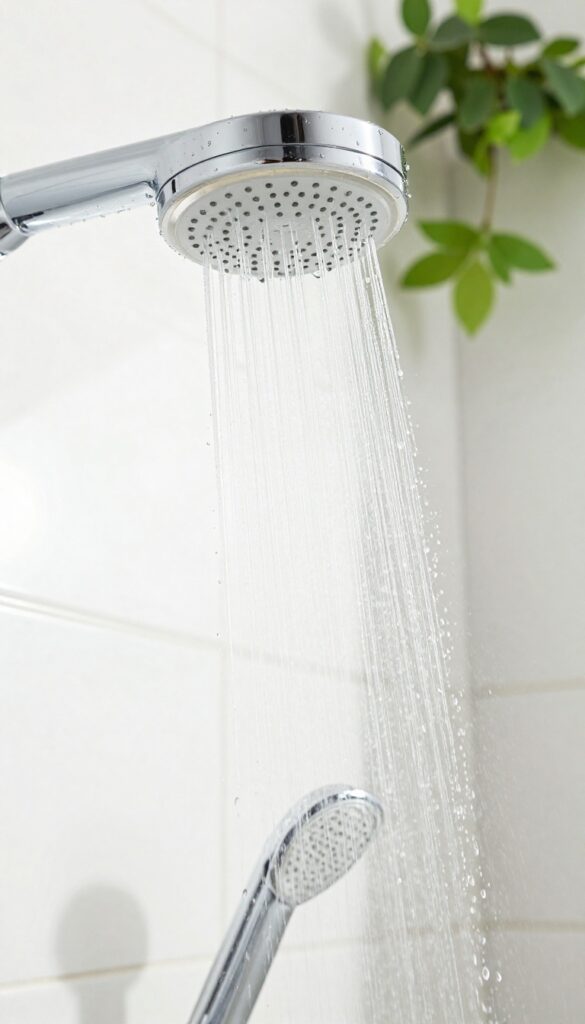
Hard water minerals like calcium and magnesium can leave your skin feeling dry and your hair looking dull. Chlorine and heavy metals in tap water strip natural oils, making your shower less refreshing than it should be. A simple water filter attaches to your shower head and removes these impurities, giving you softer water that’s gentler on your body.
A shower filter reduces chlorine, heavy metals, and sediment, which can cause skin irritation and hair damage. It’s an easy upgrade that makes a noticeable difference in how your skin feels after a shower. Plus, filtered water helps your soaps and shampoos lather better, so you use less product.
What It Removes
Most filters target chlorine, chloramines, heavy metals like lead and mercury, and sediment. Some also reduce bacteria and scale buildup. This means less dryness, less frizz, and fewer skin flare-ups.
Installation Ease
No plumber needed. Most filters screw directly onto your existing shower arm, and the shower head attaches to the filter. It takes about five minutes and requires only a wrench or your hands.
When To Replace
Filters typically last 6 to 12 months, depending on water quality and usage. Look for a model with a built-in indicator or set a reminder. A spent filter stops working, so keep an eye on it.
15. A Quick-Dry Towel or Microfiber Hair Wrap
Your regular bath towel might be doing more harm than good, especially if you have long or curly hair. The rough texture can cause friction, leading to frizz and breakage. Switching to a microfiber hair wrap or quick-dry towel is a small change that makes a big difference in how your hair looks and feels after every shower.
Microfiber towels are designed to absorb water much faster than cotton, which means less rubbing and more gentle blotting. This helps preserve your hair's natural moisture and cuticle health. Plus, they dry quickly themselves, so you're less likely to deal with musty smells or mildew buildup.
Why Microfiber Works Better
Microfiber fibers are ultra-fine and create more surface area to wick away water. This reduces drying time by nearly half compared to a standard towel. Less time wrapped means less exposure to moisture that can weaken hair strands over time.
How To Use A Hair Wrap Correctly
After showering, gently squeeze excess water from your hair—don't rub. Then flip your head forward and place the wrap at the nape of your neck, tucking in the ends. Twist the wrap and secure it with the button or loop.
Leave it on for 10–15 minutes while you do your skincare routine, then remove and style as usual.
Caring For Your Microfiber Towel
Wash microfiber towels separately from cotton to avoid lint transfer. Use a gentle detergent and skip fabric softener—it coats the fibers and reduces absorbency. Air dry or tumble dry on low heat to keep them working their best.
16. A Non-Slip Bath Mat (Safety First)
Slippery showers are dangerous. A textured mat inside and outside the tub prevents falls. It's a simple addition that makes a big difference.
A non-slip bath mat is essential for safety. Choose one with strong suction cups for inside the shower and a water-absorbent mat for outside.
Why You Need One
Wet surfaces are a leading cause of bathroom falls. A mat provides traction and absorbs water, reducing slip risk.
What To Look For
Look for mats with drainage holes to prevent mold. Suction cups should be firm but easy to clean. Machine-washable options are a plus.
Placement Tips
Place one mat inside the shower where you stand, and another right outside the door. This covers the two most slippery spots.
17. A Shower Caddy or Organizer

A cluttered shower floor is more than an eyesore—it's a safety hazard and a hassle. Every time you drop a bottle, you have to bend down, possibly on slippery tiles. A shower caddy or organizer keeps everything neatly in one place, so your products are always within easy reach.
No more hunting for your shampoo or knocking over bottles in the dark.
Why You Need One
A caddy eliminates clutter and reduces the risk of slips. It also saves time: grab what you need without searching. Plus, it keeps your shower clean and organized, making your routine feel more intentional.
Choosing The Right Caddy
Look for rust-resistant materials like stainless steel or coated wire. Consider a corner caddy to save space, or an over-the-showerhead model if you rent. Make sure it has enough shelves for your bottles and a hook for loofahs or razors.
Placement Tips
Install it at eye level to avoid reaching or bending. If using a tension pole caddy, ensure it's secure. For corner units, check that they fit snugly without blocking the water flow.
18. A Post-Shower Body Oil or Lotion
You just stepped out of a warm shower, skin still damp and clean. That three-minute window after drying is prime time to lock in moisture before it evaporates. A good body oil or lotion does exactly that—seals hydration and leaves your skin soft, not greasy.
Applying moisturizer right after a shower traps water in your skin, making it more effective than using it hours later. Body oils are great for very dry skin because they create a protective barrier, while lotions offer lighter hydration for normal to oily skin. Choose one that suits your skin type and scent preference—unscented options work best if you have sensitivities.
Why Timing Matters
Your skin is most absorbent right after a shower when pores are open and damp. Waiting even 10 minutes can reduce moisture retention significantly. That's why the "3-minute rule" is a game-changer—apply your product while skin is still slightly damp for maximum hydration.
Oil Vs. Lotion: Which One For You?
Body oils are richer and better for extremely dry or flaky skin. They sit on top of the skin to prevent water loss. Lotions are water-based and absorb quickly, making them ideal for daily use in normal to combination skin.
If you're in a humid climate, a lightweight lotion might feel more comfortable.
How To Apply Like A Pro
Don't just glob it on—start with a small amount and warm it between your palms. Gently press and smooth over your body, focusing on elbows, knees, and heels. For oils, a few drops go a long way; for lotion, a nickel-sized dollop per limb is plenty.
19. A Leave-In Conditioner or Detangling Spray
Post-shower hair care can make or break your style. A leave-in conditioner or detangling spray adds moisture back into strands and helps you brush through knots without breakage. It's a simple step that saves time and keeps your hair healthy.
Applying a leave-in conditioner right after showering locks in hydration and preps your hair for styling. For curly or long hair, it's a game-changer—reducing frizz and making detangling a breeze. Just spritz or smooth it through damp hair, then comb gently.
Why It Matters
Shampoo strips natural oils, leaving hair dry and prone to tangles. A leave-in conditioner replenishes moisture and provides slip, making it easier to detangle without pulling or snapping strands.
How To Use It Right
Apply to clean, damp hair after towel-drying. Focus on mid-lengths and ends, avoiding the scalp to prevent greasiness. Use a wide-tooth comb to distribute evenly, then style as usual.
Choosing The Best One
Look for lightweight formulas if you have fine hair, or richer creams for thick or curly textures. Sprays work well for quick touch-ups, while creams offer deeper moisture.
20. A Shower Speaker (Optional but Fun)
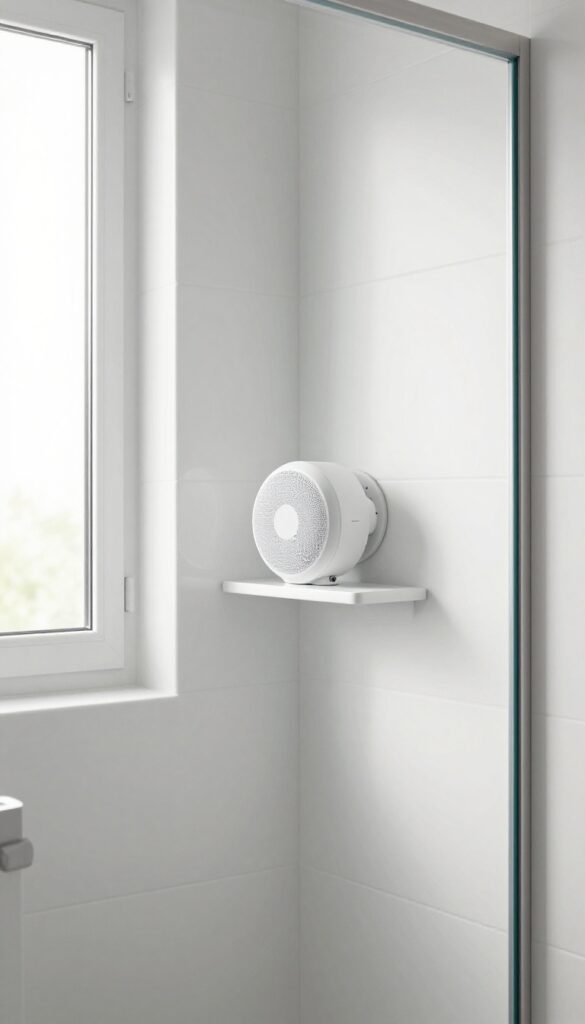
Let's be honest—some showers are just better with a soundtrack. Whether you're belting out your favorite song or catching up on a podcast, a little audio can turn a routine scrub into a mini mood booster. And yes, there's a right way to do it without wrecking your device.
A shower speaker isn't a necessity, but once you try it, you might wonder how you went without. The key is choosing one built for the job: waterproof, with a suction cup or hook so it stays put. Look for models with an IPX7 rating or higher—they can handle direct water spray and steam without issues.
Battery life matters too. Most decent options give you 5 to 10 hours of playback, so you're not charging it every other day. Sound quality won't rival your home stereo, but for a small bathroom, it's more than enough.
Bonus points if it has a microphone for taking calls.
What To Look For
Waterproof rating is non-negotiable. IPX7 means it can be submerged in water up to 1 meter for 30 minutes—plenty for shower use. Suction cups are great for tile walls, but make sure the surface is clean and dry before sticking.
Some speakers come with a carabiner or strap if you prefer hanging from a hook or shower caddy.
Placement Tips
Keep the speaker away from direct spray if possible. A corner shelf or the top edge of the shower wall works well. If you have a glass door, the suction cup can go on the outside—sound travels through glass just fine.
Avoid placing it on the floor where it might get kicked or submerged in standing water.
Recommended Use
Use it for music, podcasts, audiobooks, or even guided meditations. Just keep the volume reasonable—bathroom acoustics can amplify sound. And remember to wipe it down occasionally to prevent soap scum buildup.
A quick rinse and dry after each use helps it last longer.
FAQ
How often should I exfoliate in the shower?
For most people, 2-3 times per week is enough. Over-exfoliating can irritate skin. Adjust based on your skin type.
Can I use the same shampoo and conditioner every day?
Yes, but consider alternating with a clarifying shampoo once a week to remove buildup. Daily use of gentle formulas is fine.
Do I really need a water filter for my shower?
If you have hard water, a filter can improve skin and hair health by reducing minerals and chlorine. It's not essential but helpful.
What's the best way to dry my hair after a shower?
Gently squeeze out excess water with a microfiber towel or cotton T-shirt. Avoid rubbing, which causes frizz and breakage.
How long should I wait to apply lotion after showering?
Apply within 3 minutes of drying while skin is still slightly damp. This locks in moisture more effectively.
Conclusion
You don't need to overhaul your entire shower routine overnight. Start with a few of these must-haves—maybe a good scrubber or a non-slip mat—and see how they change your daily experience.
Small upgrades can turn a rushed rinse into a refreshing ritual you actually look forward to. Choose what fits your needs and build from there.