Your shower can be more than just a quick wash—it can be a daily reset button for your mind and body. By adding a few intentional rituals, you can turn this everyday routine into a powerful stress-relief practice.
Think of it as a mini spa session you can do any day of the week. No fancy equipment needed, just a willingness to slow down and be present.
These 15 ideas will help you transform your shower into a sanctuary of calm. Pick the ones that resonate with you and watch your stress melt away.
1. Set the Mood with Soft Lighting
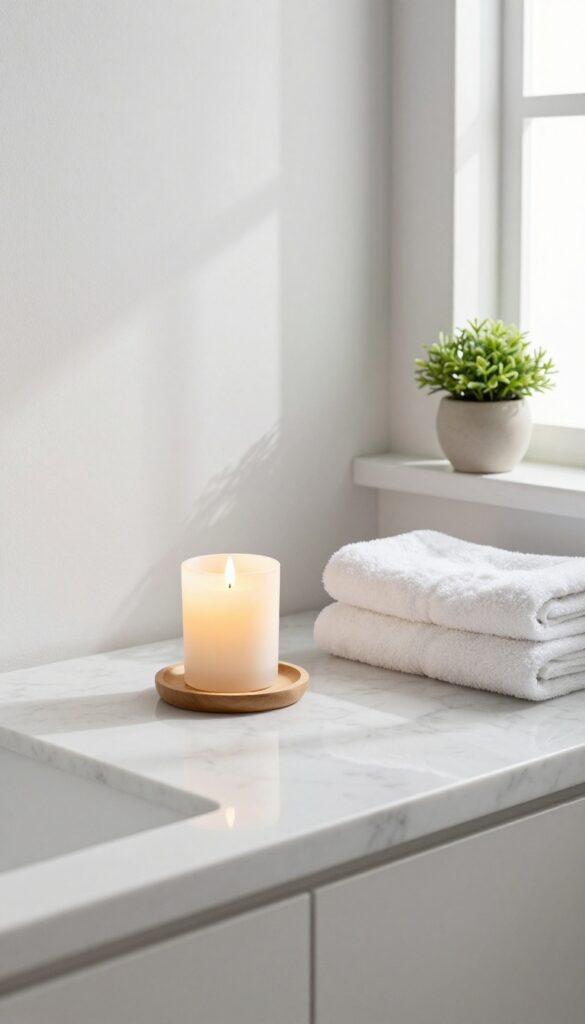
The bathroom is often the brightest room in the house, but harsh overhead lights can keep your brain in alert mode. Swapping them for softer options signals your nervous system that it's time to unwind. This simple change can make your shower feel like a retreat.
Start by dimming the main light if you have a dimmer switch. If not, switch to a nightlight or a small lamp placed safely away from water. A waterproof LED candle on the corner of the tub or a shelf adds a warm, flickering glow without any fire risk.
The goal is to create a cave-like calm—just enough light to see, but not so bright that your mind stays busy.
Why Lighting Matters
Bright white light suppresses melatonin and keeps your brain in a daytime state. Soft, warm light encourages relaxation and helps you transition from the chaos of the day to a restful evening.
Safe Candle Options
Real flames near water are a no-go, but flameless LED candles are perfectly safe. Look for ones with a realistic flicker and a warm amber color. Place them on a dry surface away from the shower stream.
Quick Lighting Hacks
No candles? Drape a thin scarf over a lamp to soften the light, or use a salt lamp for a warm glow. Even turning off the main light and leaving the door slightly open to borrow light from the hallway can work.
2. Start with a Dry Brush Before You Step In
Before you even turn on the water, take a few minutes to dry brush your skin. This simple practice exfoliates dead cells and stimulates blood flow, giving your body a gentle wake-up call. It also helps your skin absorb moisture better once you're in the shower, leaving you feeling smoother and more refreshed.
Dry brushing is a game-changer for both your skin and your stress levels. The rhythmic motion of brushing from your feet upward mimics a mini-massage, easing muscle tension before you even get wet. Plus, it's a mindful moment that signals to your body: it's time to relax.
Choose The Right Brush
Look for a brush with natural bristles and a long handle so you can reach your back. Avoid synthetic bristles, which can be too harsh. A softer brush is better for sensitive skin.
Brush In The Right Direction
Always brush toward your heart, starting at your feet and moving upward. This supports lymphatic drainage and circulation. Use long, gentle strokes—no need to scrub hard.
Finish With A Cool Rinse
After dry brushing, step into a lukewarm shower and finish with a quick cool rinse. This closes your pores and leaves your skin feeling tight and energized. It's a refreshing end to the ritual.
3. Turn Your Shower into an Aromatherapy Session
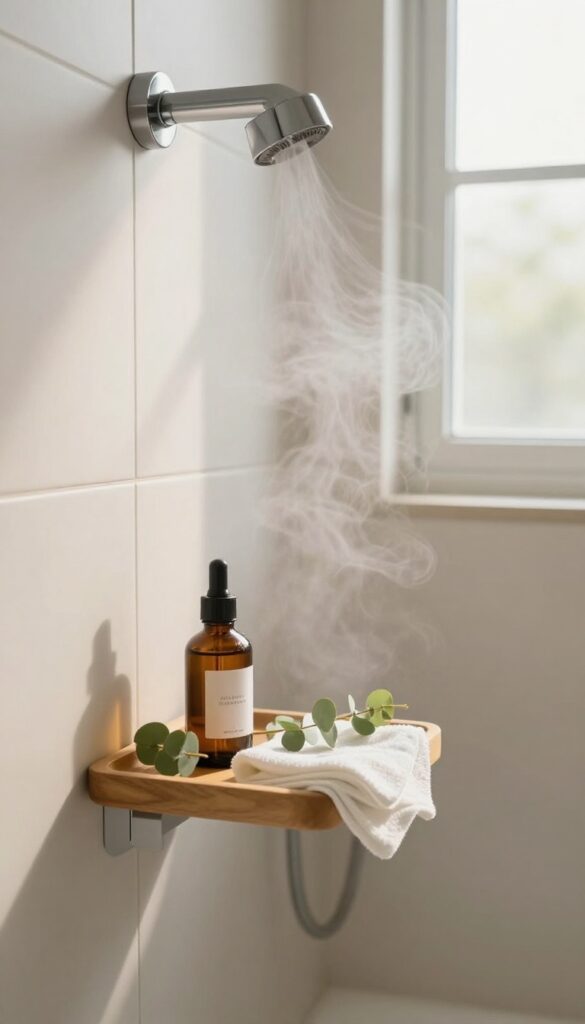
Scents have a direct line to the brain’s emotion center, which is why a whiff of lavender can instantly make you feel calmer. By adding essential oils to your shower routine, you can turn steam into a therapeutic experience. It’s one of the easiest ways to shift your mood without any extra effort.
Choose Your Scent
Lavender is the go-to for relaxation, but eucalyptus works wonders for clearing your mind. Peppermint can energize a sluggish morning, while chamomile is perfect for winding down. Pick an oil that matches the vibe you want to create.
How To Use It
Drop 3–5 drops of essential oil onto a shower steamer or a damp washcloth and place it in the corner of your shower, away from the direct stream. The steam will carry the scent without the oil washing away. Inhale deeply through your nose and exhale slowly through your mouth.
Make It A Ritual
Before you step in, set an intention—like “I am letting go of tension” or “I am inviting calm. ” As the steam rises, focus on your breath and the aroma. This simple pairing of scent and mindfulness can quiet a racing mind in minutes.
4. Let the Water Temperature Tell a Story
Your shower temperature can do more than just clean you—it can guide your nervous system through a calming journey. Think of warm water as a gentle hug for tight muscles, while a cooler finish acts like a wake-up call for your senses. This simple shift in temperature creates a narrative of release and renewal, leaving you grounded instead of drained.
Start your shower with comfortably warm water—not scalding, but enough to feel like a cozy blanket. Let it run over your shoulders and back for a few minutes, allowing heat to ease tension. Then, about halfway through, gradually turn the dial cooler.
The transition shouldn't be shocking; take it slow, letting your body adjust. End with 30 to 60 seconds of cool water, focusing on your legs and arms. This contrast boosts circulation, tightens pores, and sends a signal to your brain that it's time to wake up and feel alive.
Warm Up To Unwind
Warm water relaxes muscles by increasing blood flow and reducing stiffness. Spend the first few minutes of your shower under a gentle stream, breathing deeply. Let the heat soften your shoulders and neck, where stress often hides.
This phase is all about letting go—imagine the warmth melting away the day's tension.
Cool Down To Recharge
A gradual cool-down at the end invigorates without shocking your system. Cool water constricts blood vessels, which can reduce inflammation and give you a natural energy boost. It also triggers the release of endorphins, leaving you feeling refreshed and alert.
Try ending with a quick blast on your face and chest for an instant pick-me-up.
Listen To Your Body
Not every day calls for the same temperature story. On extra-stressful days, keep the warm phase longer. When you need an energy lift, extend the cool finish.
The key is to stay present and adjust based on how you feel. Your shower becomes a responsive ritual, not a rigid routine.
5. Use a Scalp Massager for Instant Tension Release
Your scalp holds onto stress just like your shoulders do. A silicone scalp massager can release that tension in minutes, turning your shampoo routine into a therapeutic experience. It’s a simple tool that makes a big difference.
Using a scalp massager stimulates blood flow and relaxes tight muscles. It feels amazing and helps you let go of the day's worries. Plus, it distributes shampoo evenly for a deeper clean.
Why It Works
The soft silicone bristles gently exfoliate your scalp while increasing circulation. This reduces tension headaches and promotes relaxation. It’s like a mini massage without leaving your shower.
How To Use It
Apply your regular shampoo, then use the massager in circular motions starting at the base of your skull. Move to the crown and temples. Spend about two minutes—breathe deeply as you go.
Best Practices
Use it two to three times a week to avoid over-stimulation. Rinse the massager after each use to keep it clean. Pair with a calming shampoo scent for an extra layer of relaxation.
6. Practice Deep Breathing While the Water Runs
Your breath is a powerful tool to calm your nervous system, and the shower is the perfect place to use it. The warm water and steam create a cocoon-like environment that helps you focus inward. By pairing your shower with intentional breathing, you can shift from fight-or-flight mode to rest-and-digest in just a few minutes.
Take five slow, deep breaths as the water flows over you. Inhale for four counts, hold for four, exhale for six. This pattern activates your parasympathetic nervous system, lowering your heart rate and signaling your body to relax.
You can do this at the start of your shower to set a calm tone, or anytime you feel your mind racing.
Why The 4-4-6 Pattern Works
The extended exhale triggers the vagus nerve, which is responsible for the relaxation response. Inhaling and holding for equal counts helps regulate your breath, while the longer exhale tells your brain it's safe to unwind. It's a simple but effective technique used in many mindfulness practices.
How To Stay Focused
It's easy for your mind to wander, so bring your attention to the sensation of the water on your skin or the sound of the shower. If you get distracted, gently guide your focus back to your breath. No judgment—just a fresh start with each inhale.
When To Practice This Ritual
Try this breathing exercise right after you step into the shower, before you start washing. You can also repeat it at the end as a way to transition out of your shower feeling grounded. It works beautifully as a bookend to your routine.
7. Sing or Hum to Vibrate Away Stress
Your voice is a built-in stress reliever, and the shower is the perfect stage. Humming or singing creates vibrations that travel through your body, which can lower cortisol levels and activate your vagus nerve—the key player in your relaxation response.
Why Vibration Works
When you hum or sing, the sound waves resonate in your chest, throat, and sinuses. This gentle vibration stimulates the vagus nerve, which helps shift your nervous system from fight-or-flight to rest-and-digest. It's like a internal massage for your stress response.
Acoustic Boost
Shower tiles and steam create natural reverb, making your voice sound richer and more powerful. This instant feedback can boost your mood and confidence, turning a simple hum into a joyful experience.
How To Start
Pick a song you love—any genre works. Start with a low hum, then gradually let your voice out. Focus on the feeling of vibration in your chest rather than perfect pitch.
Just a minute or two can reset your mood.
8. Apply a Hair Mask and Let It Sit
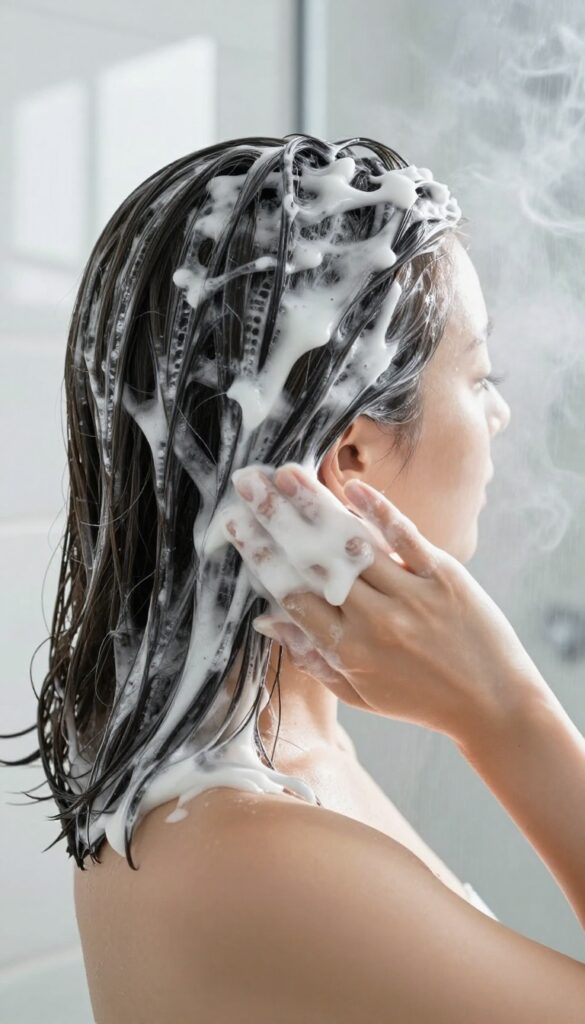
Your hair deserves a little extra love, and the shower is the perfect place to give it. Applying a nourishing hair mask while you condition turns a basic step into a mini spa treatment. The steam helps the ingredients sink in deeper, making the ritual both effective and indulgent.
Choose The Right Mask
Pick a mask that suits your hair type—hydrating for dry hair, protein-rich for damaged strands, or lightweight for fine hair. Apply it generously from mid-lengths to ends, avoiding the scalp if you tend to get oily. The key is to use a mask you actually enjoy smelling and feeling.
Let Steam Work Its Magic
Once the mask is on, let the shower steam do the heavy lifting. The warmth opens up the hair cuticle, allowing moisture to penetrate deeper. Stay in the shower for 5–10 minutes, breathing in the steam and letting your mind wander.
This forced pause is part of the stress relief.
Rinse And Feel The Difference
Rinse with cool water to seal the cuticle and lock in shine. You’ll step out with softer, smoother hair and a sense of accomplishment. This small act of pampering signals to your brain that you’re worth the extra time, which is a powerful stress buster.
9. Use a Loofah or Exfoliating Mitt in Circular Motions
Exfoliating with a loofah or mitt turns your shower into a gentle massage session. The circular motions not only slough off dead skin but also wake up your circulation, leaving you feeling refreshed and renewed. This simple act of mindful movement keeps you anchored in the present, making it a perfect stress-buster.
Grab a soft loofah or an exfoliating mitt and start from your feet, working upward in slow, circular motions. Focus on areas like elbows, knees, and heels where skin tends to be rougher. The rhythmic motion is almost meditative, and the gentle pressure helps release tension stored in your muscles.
Rinse off and feel the difference—smoother skin and a calmer mind.
Why Circular Motions Matter
Circles mimic the natural flow of your lymphatic system, which helps flush out toxins. This technique also boosts blood flow, bringing oxygen to your skin cells for a healthy glow. Plus, the repetitive movement is a form of active meditation, keeping your brain from wandering into stress.
Best Tools For The Job
A natural loofah or a silicone exfoliating mitt works wonders. Avoid anything too rough—you want to exfoliate, not irritate. Look for tools with a comfortable grip so you can focus on the motion, not the tool.
Replace your loofah every month to keep it hygienic.
How Often To Exfoliate
Aim for two to three times a week, depending on your skin type. Over-exfoliating can strip natural oils, so listen to your skin. If it feels tight or looks red, scale back.
The goal is smooth, happy skin—not a scrub marathon.
10. Rinse with a Cold Burst for a Natural Energy Lift
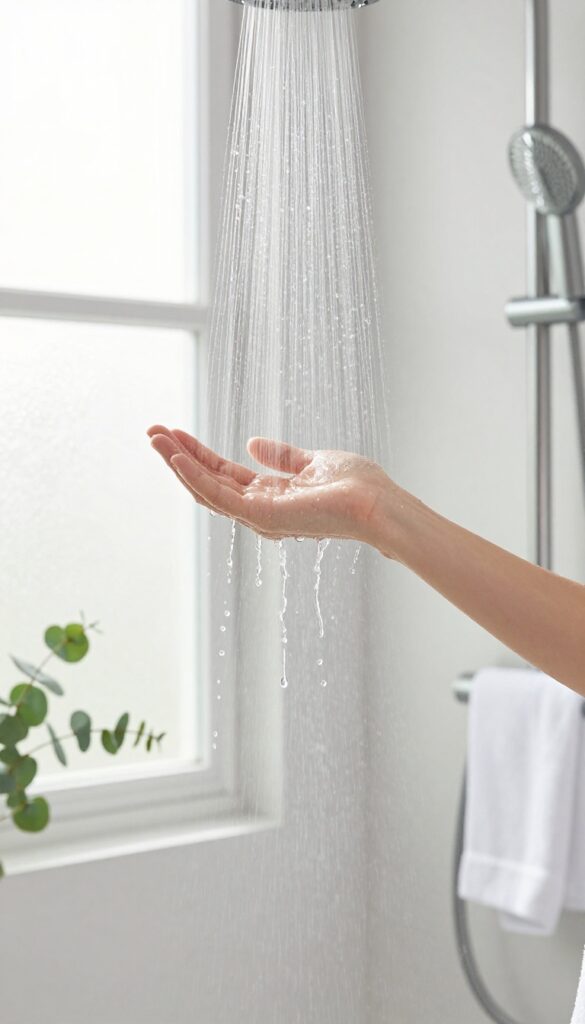
After all that warm, soothing water, the last thing you might want is a blast of cold. But trust me, this quick temperature shift is like a shot of espresso for your whole body. Those final 30 seconds of cool water do more than just wake you up—they tighten your pores, boost circulation, and trigger a rush of endorphins that keep you feeling great for hours.
End your shower with 30 seconds of cool water. It tightens pores, wakes you up, and releases endorphins that improve your mood for hours.
Start Slow And Build Tolerance
If cold water sounds unbearable, start with lukewarm and gradually lower the temperature over a few showers. You can also focus the cold stream on your legs and arms first before moving to your core. The goal is a refreshing jolt, not a shock.
Focus On Your Pulse Points
For an extra energizing effect, direct the cold water to your wrists, neck, and the backs of your knees. These pulse points have thin skin and lots of blood vessels, so cooling them down quickly sends a signal to your brain that it's time to be alert.
Pair With Deep Breaths
As the cold water hits, take a few slow, deep breaths. This helps your nervous system adapt faster and amplifies the mood-boosting benefits. Inhale for four counts, exhale for six—it turns the cold into a mini meditation.
11. Add a Shower Steamer for a Spa-Like Fizz
Drop a shower steamer on the floor of your shower and watch it transform your space. As it fizzes, it releases essential oils that fill the air with calming or energizing scents, turning your shower into a mini aromatherapy session. It's an easy, mess-free way to bring spa vibes home without any extra setup.
Shower steamers are like bath bombs for your shower floor. They dissolve slowly, releasing fragrance and moisture into the steam. Choose scents like lavender for relaxation or eucalyptus for a refreshing pick-me-up.
Place it away from the direct stream of water to prolong the fizz and enjoy the aroma throughout your shower.
How To Use A Shower Steamer
Place the steamer on a high shelf or a corner of the shower floor where it won't get soaked immediately. The steam and occasional splash will activate it gradually. You can also use a small dish or soap saver to keep it elevated and allow the scent to disperse evenly.
Best Scents For Stress Relief
Lavender, chamomile, and ylang-ylang are top choices for calming effects. If you need an energy boost, go with peppermint, citrus, or eucalyptus. Experiment with blends to find what works best for your mood.
Diy Shower Steamers
Make your own with baking soda, citric acid, cornstarch, and essential oils. Mix dry ingredients, spritz with water until it holds together, then press into molds. Let them dry for 24 hours before using.
Customize with your favorite scents and even dried herbs or flower petals.
12. Massage Your Feet with a Pumice Stone
Your feet carry you all day long, but they rarely get the attention they deserve. While you’re in the shower, take a moment to give them some love with a simple pumice stone scrub. This quick ritual removes dead skin and leaves your feet feeling smooth and refreshed.
It’s also surprisingly grounding—focusing on your feet can help you feel more present and connected to your body.
Using a pumice stone in the shower is easy and effective. Start by soaking your feet in warm water for a few minutes to soften the skin. Then, gently rub the stone in circular motions on rough areas like heels and balls of your feet.
Rinse and follow up with a rich moisturizer after drying off. Make it a habit once or twice a week, and you’ll notice softer, happier feet. Plus, the rhythmic motion can be meditative, helping you unwind even more.
Why It Works
The pumice stone physically exfoliates dead skin cells, which can build up and cause roughness. This not only improves the look and feel of your feet but also stimulates blood flow. The repetitive, gentle scraping action can be oddly satisfying and calming, making it a perfect stress-relief addition to your shower routine.
How To Choose Your Stone
Look for a natural pumice stone with a fine to medium grit—too coarse can irritate your skin. Some stones come with a handle for easier grip, but a classic handheld one works just fine. Replace it every few months to keep it hygienic and effective.
Pro Tips For Best Results
Always use your pumice stone on wet, soapy skin to prevent friction burns. Don’t press too hard; let the stone do the work. After use, rinse it thoroughly and let it air dry.
For an extra treat, add a few drops of peppermint or tea tree oil to your foot scrub for a refreshing tingle.
13. Use a Body Scrub with Natural Ingredients
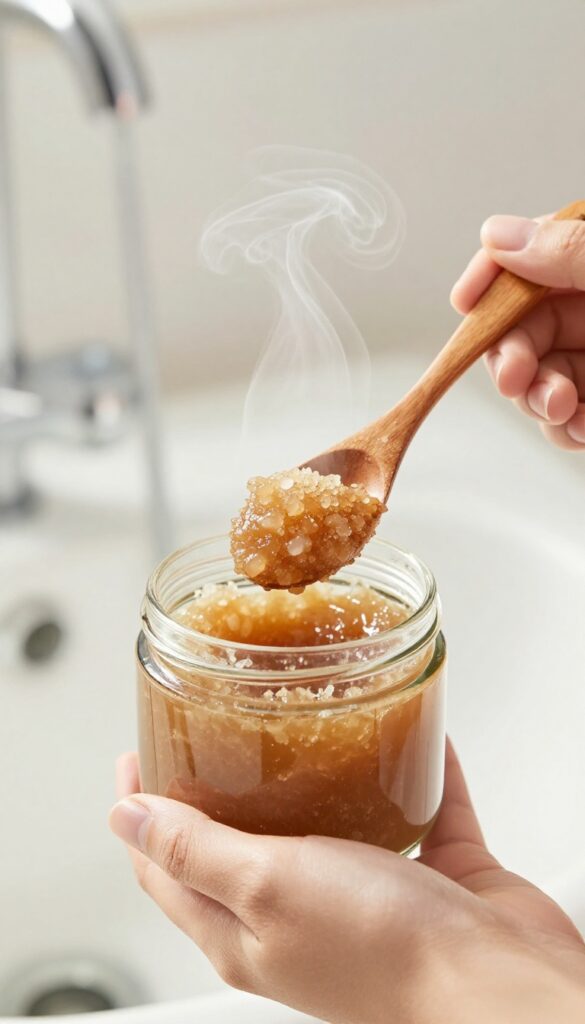
There's something incredibly satisfying about scrubbing away the day's stress along with dead skin cells. A sugar or salt scrub does double duty—it exfoliates and moisturizes, leaving your skin silky smooth. But the real magic is in the massage: as you work the scrub into your skin, you're also releasing tension from tired muscles.
Why Natural Ingredients Matter
Sugar and salt scrubs are gentle on your skin and free from harsh chemicals. Sugar granules are finer and more moisturizing, while salt scrubs offer a deeper exfoliation and contain minerals like magnesium that can soothe sore muscles. Look for scrubs with essential oils like lavender or eucalyptus for an added aromatherapy boost.
The Self-massage Technique
Start at your feet and work upward using circular motions. Spend extra time on areas that hold tension—shoulders, neck, and lower back. The pressure from the scrub acts like a mini massage, improving circulation and helping your muscles let go of tightness.
How To Make It A Ritual
Set aside two to three minutes just for scrubbing. Focus on the sensation of the grains against your skin and the scent of the oils. Rinse off and notice how your skin feels—soft, renewed, and alive.
It's a small act of care that makes a big difference.
14. Practice Gratitude for Three Things
Gratitude is a powerful stress-buster, and your shower is the perfect place to practice it. As the warm water cascades over you, take a moment to think of three things you’re genuinely grateful for. They can be big or small—a supportive friend, a good meal, or simply the feeling of the water on your skin.
This simple shift in focus can transform your entire mindset, leaving you feeling lighter and more positive.
Gratitude is a powerful stress-buster, and your shower is the perfect place to practice it. As the warm water cascades over you, take a moment to think of three things you’re genuinely grateful for. They can be big or small—a supportive friend, a good meal, or simply the feeling of the water on your skin.
This simple shift in focus can transform your entire mindset, leaving you feeling lighter and more positive.
Why It Works
Gratitude activates the brain's reward system, releasing dopamine and serotonin. When you pair this with the relaxing effects of warm water, you create a powerful cocktail of calm and happiness. It’s a quick way to rewire your brain to focus on the good, rather than the stress.
How To Make It A Habit
Keep it simple. You don’t need to force it—just let the thoughts come naturally. Some people like to whisper them aloud or even say them in the mirror.
Over time, this ritual becomes automatic, and you’ll find yourself looking forward to that moment of reflection.
A Variation To Try
If you’re feeling extra grateful, try extending it to five things. Or, focus on one thing in detail—why it matters and how it makes you feel. The key is to be specific and genuine.
This deepens the emotional impact and makes the gratitude feel more real.
15. Finish with a Quick Stretch Before You Step Out

Before you turn off the water and step into the cooler air, take a moment to stretch. The warmth of the shower has made your muscles warm and pliable, so this is the perfect time to release any lingering tension. A few gentle moves can leave you feeling looser, taller, and more relaxed.
A quick stretch routine in the shower takes less than a minute but can make a big difference in how your body feels afterward. Focus on areas that tend to hold stress—neck, shoulders, and lower back. The warm water helps increase blood flow, making your muscles more responsive and less likely to tighten up again.
Neck Rolls And Shoulder Shrugs
Stand with your feet hip-width apart. Slowly roll your neck in a circle—first one direction, then the other. Follow with a few shoulder shrugs: lift your shoulders up toward your ears, hold for a breath, then release.
This simple combo can ease a stiff neck and release shoulder tension built up from the day.
Side Stretch For Your Spine
Raise one arm overhead and gently lean to the opposite side, keeping your hips stable. Hold for a few breaths, then switch sides. This stretch opens up the sides of your torso and helps lengthen your spine.
It's especially good if you've been sitting at a desk all day.
Forward Fold To Release The Back
If you have room, bend your knees slightly and fold forward, letting your arms hang. Let your head and neck relax completely. Stay here for a few deep breaths.
The warmth of the water on your back makes this stretch extra soothing for the lower back and hamstrings.
FAQ
How long should a self-care shower take?
It can be as short as 10 minutes or as long as 30. The key is to be intentional, not rushed. Even a few mindful minutes can reduce stress.
Can I use essential oils directly in the shower?
It's safer to use a shower steamer or add a few drops to a washcloth. Direct contact with skin can cause irritation, and oils can make surfaces slippery.
Is cold water at the end really beneficial?
Yes, even 30 seconds of cool water can boost circulation, tighten skin, and release mood-enhancing endorphins. Start with lukewarm and gradually cool down.
Do I need special products for these rituals?
Not at all. Many rituals use items you already have, like a washcloth, a candle, or a hair mask. Focus on the experience, not the products.
Can I do these rituals if I have sensitive skin?
Absolutely. Just choose gentle products and avoid harsh exfoliants. A soft washcloth and mild soap work fine.
Listen to your skin's needs.
Conclusion
You don't need to overhaul your entire shower routine overnight. Pick just one or two rituals that speak to you—maybe a scalp massage or a few minutes of deep breathing. Small, consistent changes build momentum.
Over time, these simple acts become automatic cues for your brain to unwind. Your shower can be more than a rinse; it can be a daily reset button. Start small, stay consistent, and let the stress melt away naturally.