Stepping out of the shower is the perfect moment to lock in moisture—but only if you do it right. Most of us rush through post-shower care, missing the small windows where products work best.
These 17 tips focus on timing, technique, and smart product choices that keep your skin soft without breaking the bank. Whether you're dealing with dry winter skin or just want that all-day hydrated feel, these habits are easy to weave into your routine.
No complicated steps, just practical moves that make a real difference.
1. Pat, Don't Rub
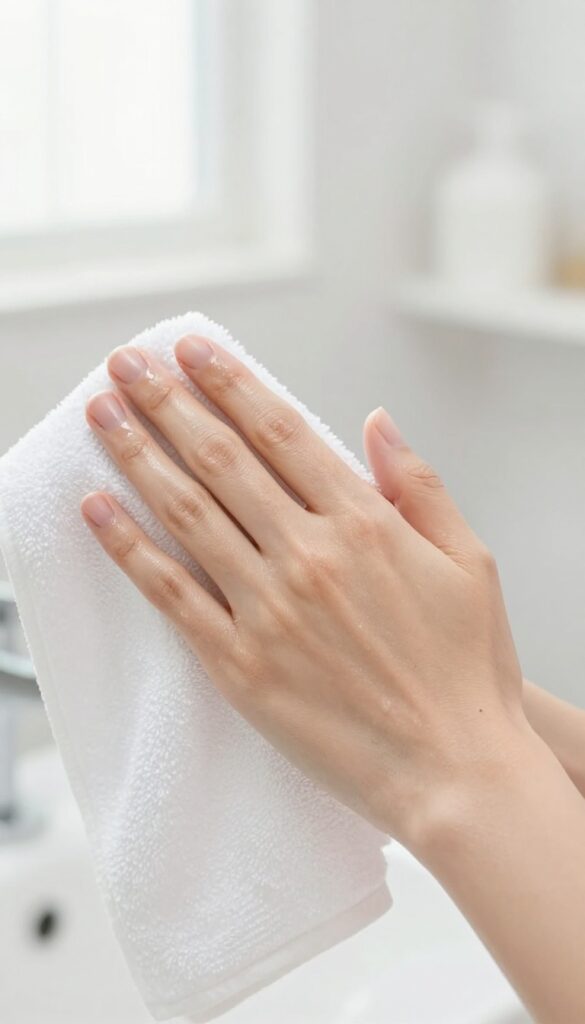
The way you dry off after a shower matters more than you think. Rubbing your skin with a towel creates friction that strips away natural oils and moisture, leaving your skin dry and irritated. Instead, gently pat your skin dry with a soft towel, leaving it slightly damp.
This helps your moisturizer or body oil absorb better and lock in hydration.
Patting instead of rubbing is a simple switch that makes a big difference. It preserves your skin's natural barrier and allows products to penetrate more effectively. Try it for a week and you'll notice your skin feels softer and less tight.
Why Rubbing Hurts
Rubbing aggressively removes the thin layer of natural oils your skin produces. It also stimulates nerve endings, which can lead to redness and irritation, especially if you have sensitive skin.
The Right Towel Choice
Use a soft, clean towel made of microfiber or organic cotton. These materials are gentle on the skin and absorb water without harsh friction. Avoid rough terry cloth towels if your skin is sensitive.
The Damp Skin Rule
Don't wait until your skin is completely dry. Apply your moisturizer or body oil within 60 seconds of patting dry, while your skin is still slightly damp. This traps water on the surface and helps ingredients sink in.
2. Apply Lotion Within Three Minutes
The clock starts ticking the moment you step out of the shower. That three-minute window after patting dry is prime time for locking in moisture. Any longer and your skin starts losing water to the air, undoing all the good from your shower.
Your skin is most receptive to hydration when it's still slightly damp. Waiting too long means you're sealing in less water, which defeats the purpose. It's a small timing tweak that makes a big difference.
Why Three Minutes?
After a shower, water evaporates from your skin surface quickly. Within three minutes, your skin's moisture levels start dropping. Applying lotion right after traps that water, keeping your skin hydrated longer.
How To Make It A Habit
Keep your lotion in the bathroom, right next to your towel. After patting dry, apply immediately before getting dressed. If you forget, set a timer on your phone for the first few days until it becomes automatic.
What If You Shower At Night?
The same rule applies. Apply lotion within three minutes even before bed. Your skin repairs itself overnight, and starting with good hydration boosts that process.
Plus, you'll wake up with softer skin.
3. Use a Humidifier in Your Bathroom
Your bathroom gets steamy during a shower, but that moisture disappears fast once you turn off the water. A small humidifier keeps the air damp while you dry off and apply your products, slowing down evaporation from your skin. It's a low-effort way to boost hydration without changing your routine.
Running a humidifier in the bathroom for just 10–15 minutes post-shower can make a noticeable difference. The extra humidity helps your skin stay supple longer, giving your moisturizer more time to sink in. It's especially helpful in dry climates or during winter when indoor air is parched.
Pick The Right Size
You don't need a big unit—a compact personal humidifier works fine on the counter or shelf. Look for one with an auto shut-off feature for safety. Ultrasonic models are quiet and energy-efficient.
Place It Strategically
Set the humidifier near your drying area, not directly in the shower stream. Aim for a spot where the mist can circulate without making surfaces slippery. Keep it on a stable surface away from electronics.
Keep It Clean
Change the water daily and clean the tank weekly to prevent mold and bacteria. Use distilled water to avoid white dust from minerals. A clean humidifier is a healthy humidifier.
4. Choose the Right Lotion for Your Skin Type
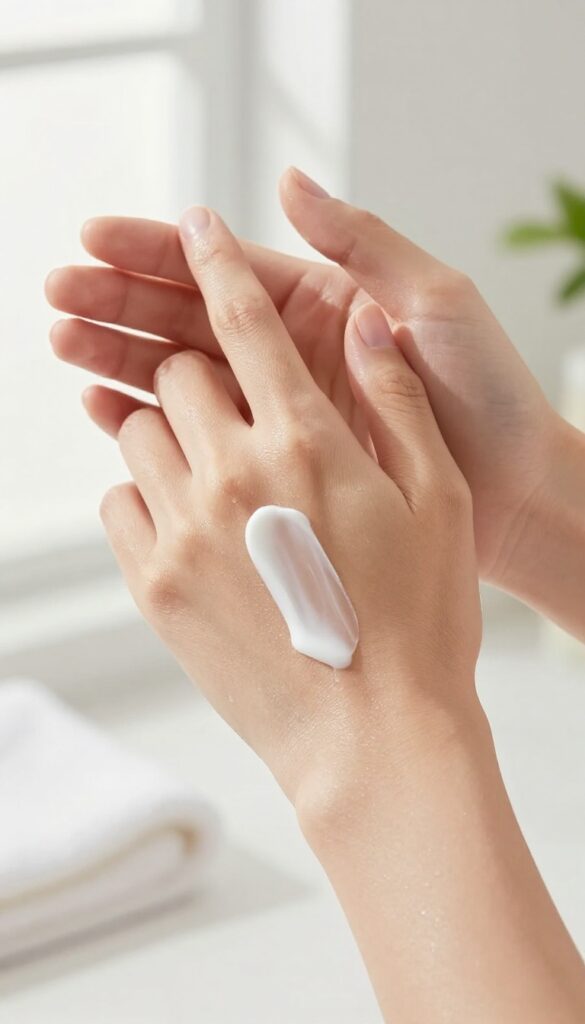
Not all lotions are created equal. Using the wrong texture can leave your skin feeling greasy or still dry. The key is matching the formula to your skin type so it absorbs well and delivers the right level of hydration.
Oily skin thrives with lightweight, water-based gels or lotions that won't clog pores. Dry skin needs richer creams or balms with ingredients like shea butter or ceramides to seal in moisture. Combination skin can use a medium-weight lotion or apply different formulas to different areas.
Lightweight Gels For Oily Skin
If your skin gets shiny quickly, reach for a gel or oil-free lotion. These absorb fast and won't leave a heavy residue. Look for hyaluronic acid or glycerin for hydration without the grease.
Rich Creams For Dry Skin
Dry skin needs more emollients. Thick creams with shea butter, coconut oil, or ceramides create a protective barrier. Apply while skin is still damp to lock in maximum moisture.
Medium Lotions For Normal Or Combo Skin
Normal or combination skin does well with a balanced lotion that's not too heavy or too light. A formula with squalane or jojoba oil works for most areas without causing breakouts.
5. Layer a Body Oil Under Your Lotion
If you want next-level softness, try adding a body oil to your routine before your lotion. This two-step method is a pro favorite because it traps moisture on your skin and keeps it there all day. A few drops of oil on damp skin create a seal that lotion alone can't match.
Start by patting your skin dry until it's still slightly damp. Apply a lightweight body oil—like jojoba, almond, or a blend—focusing on driest areas such as elbows and knees. Then follow with your regular lotion.
The oil locks in the water from your shower, while the lotion adds more hydration and helps the oil absorb without greasiness.
Why Oil First Works Better
Oil molecules are smaller than lotion's, so they sink in faster and create a barrier that prevents water loss. When you apply lotion on top, it adds another layer of moisture and helps the oil spread evenly. This combo keeps your skin hydrated for hours longer than either product alone.
Best Oils For Post-shower Layering
Look for non-comedogenic oils like grapeseed, sunflower, or squalane if you're prone to breakouts. For very dry skin, richer oils like avocado or argan work wonders. Avoid mineral oil or heavy fragrances that can irritate sensitive skin.
A little goes a long way—start with 3-4 drops per limb.
How To Avoid A Greasy Feel
The key is applying oil to damp, not wet, skin. If your skin is too wet, the oil won't absorb and will sit on top. Wait about 30 seconds after your shower, then apply oil.
Let it sink in for another minute before layering lotion. You'll get the benefits without that slippery residue.
6. Don't Skip Your Feet and Hands
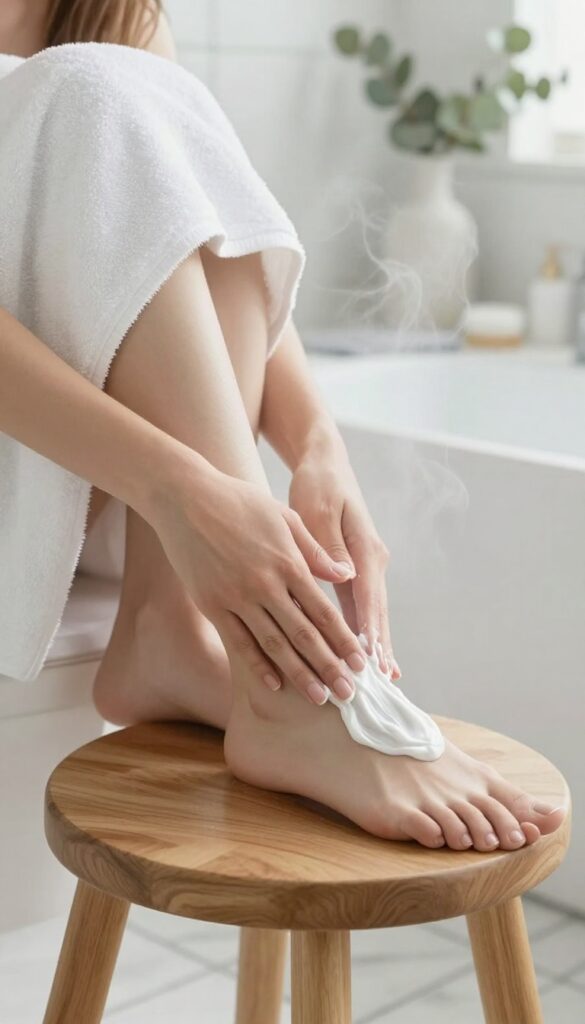
Your feet and hands work hard all day, but they often get neglected in post-shower routines. These areas have fewer oil glands, so they lose moisture faster than the rest of your body. A little extra care right after drying can make a big difference in keeping them soft and smooth.
Feet and hands are prone to dryness and cracking because they're constantly exposed to the elements and have minimal natural oil production. After your shower, pat them dry and immediately apply a thicker balm or cream. This locks in moisture while your skin is still slightly damp, preventing that tight, dry feeling.
Choose The Right Product
Opt for a balm or cream with ingredients like shea butter, cocoa butter, or lanolin. These are richer than regular lotions and provide a protective barrier that lasts longer. For hands, a non-greasy formula that absorbs quickly is ideal so you can get on with your day.
Don't Forget Between Fingers And Toes
It's easy to miss the spaces between your fingers and toes, but those areas are just as prone to dryness. Take a moment to massage the balm into each finger and toe, paying extra attention to cuticles and any rough patches. This small step prevents painful cracks and hangnails.
Make It A Habit
Keep your foot and hand cream right next to your towel or in your bathroom caddy. That visual cue will remind you to apply it every time you shower. Consistency is key—after a week, you'll notice your hands and feet feel noticeably softer and look healthier.
7. Exfoliate Once a Week
You might be slathering on the best moisturizer, but if dead skin cells are in the way, it's not doing much. Exfoliation sweeps away that dull layer so your post-shower products can actually sink in. Once a week is plenty—overdoing it can strip your skin and cause irritation.
Physical Vs. Chemical: Pick Your Fighter
Physical scrubs use tiny granules to manually buff away dead skin. Look for fine, round particles (like jojoba beads or sugar) to avoid micro-tears. Chemical exfoliants use acids like glycolic or lactic acid to dissolve dead cells gently.
They're great for sensitive skin because there's no scrubbing involved.
Timing Is Everything
Exfoliate right after you shower, when your skin is clean and slightly damp. That's when dead cells are softest and easiest to remove. Don't scrub aggressively—gentle circular motions for about 30 seconds are enough.
Rinse with lukewarm water and pat dry.
Follow Up With Moisture
Exfoliation opens the door, but you have to walk through it. Immediately after exfoliating, apply a rich body lotion or oil. Your skin is primed to absorb it, so you'll get the most bang for your buck.
If you skip this step, your skin might feel tight or dry.
8. Use Lukewarm Water, Not Hot
That scalding hot shower might feel amazing, but it's doing a number on your skin. Hot water strips away your skin's natural oils, leaving your moisture barrier compromised before you even reach for a towel. Lukewarm water is the sweet spot—it cleanses without stripping, so your skin stays hydrated from the start.
Switching to lukewarm water is one of the easiest ways to protect your skin's moisture. When you dial down the temperature, you're not just saving your skin from irritation—you're also making your post-shower products work better. Here's how to make the switch painless.
Why Hot Water Hurts Hydration
Hot water acts like a degreaser on your skin, dissolving the lipid barrier that locks in moisture. This leads to dryness, flakiness, and even eczema flare-ups. The hotter the water, the more damage it does.
Lukewarm water, on the other hand, cleans gently without stripping essential oils.
How To Find Your Perfect Temperature
Aim for water that feels warm to the touch but not hot—around 98°F to 100°F (37°C to 38°C). If your skin turns red or feels tight after a shower, your water is too hot. Test the temperature with your elbow or wrist; it should feel comfortable, not shocking.
Quick Tips For A Lukewarm Routine
Start your shower with warm water to open pores, then gradually lower the temperature to lukewarm before you finish. Keep showers under 10 minutes to minimize moisture loss. If you love a steamy bathroom, run the shower on cool for a minute before stepping in.
9. Keep Your Shower Short
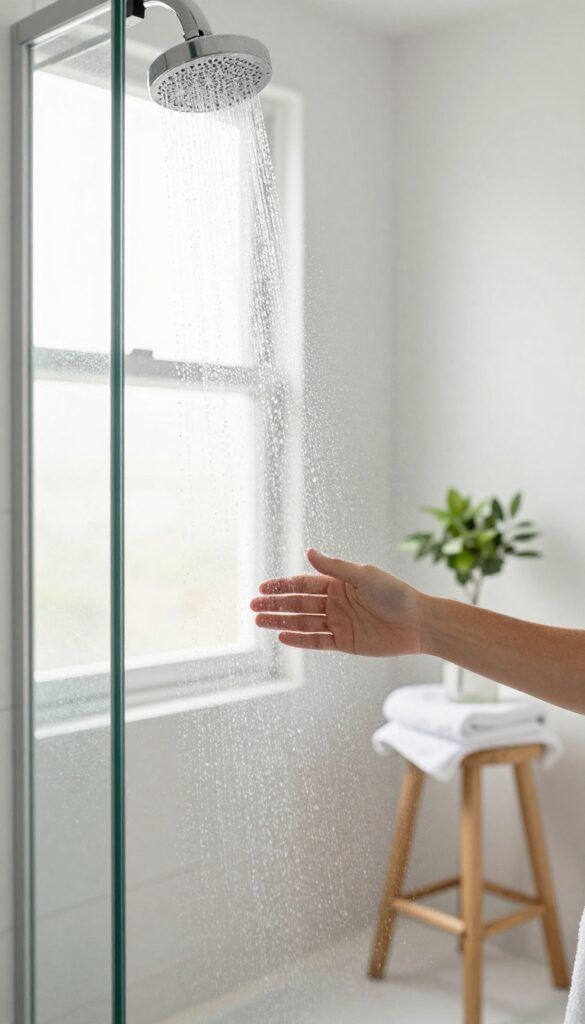
Long, steamy showers feel amazing, but they strip your skin of its natural oils. The longer you soak, the more moisture you lose. Aim for 5–10 minutes max—enough to get clean without leaving your skin parched.
Hot water breaks down the lipid barrier that keeps hydration locked in. When you linger, you're essentially washing away your skin's protection. A quick shower minimizes that damage and sets you up for better moisture retention afterward.
Why Time Matters
Every minute past the 10-minute mark increases transepidermal water loss. Your skin's barrier gets compromised, making it harder for lotions to do their job. Short showers are a simple way to preserve your skin's natural defenses.
Tips For A Speedy Shower
Set a timer or play a short song to keep track. Wet your body, lather up efficiently, and rinse. Save deep conditioning treatments for days when you have more time, but keep your daily rinse brief.
10. Apply a Hydrating Serum Before Lotion
Think of your skin as a sponge. When it's damp from the shower, it's ready to soak up anything you put on it. A hydrating serum—like one with hyaluronic acid or glycerin—takes full advantage of that moment by pulling water into the outer layers of your skin.
It's like giving your skin a big drink before sealing it all in.
Serums are lightweight and packed with humectants, which are ingredients that attract water. When you apply a serum to damp skin, it draws moisture from the surface deeper into the epidermis. That extra hydration boost makes a real difference, especially if your skin tends to feel tight or dry after washing.
The key is to apply it while your skin is still slightly wet—don't towel off completely. Then follow with your regular lotion or body butter to lock everything in. This two-step process can transform how your skin feels throughout the day.
Why Damp Skin Matters
Water on your skin acts like a magnet for humectants. When you apply a serum to damp skin, the ingredients can bind to that water and pull it into the skin's layers. If you wait until your skin is dry, the serum has less moisture to work with, so it's not as effective.
A quick pat with a towel—leaving skin still dewy—is the sweet spot.
Choosing The Right Serum
Look for serums with hyaluronic acid, glycerin, or aloe vera as the main ingredients. These are gentle and work well for most skin types. Avoid serums with alcohol or strong fragrances, which can dry out your skin instead of hydrating it.
A simple, affordable option is often better than something fancy.
The Lotion Lock Step
After the serum has had a few seconds to absorb, apply your body lotion or butter. This creates a seal that keeps the moisture from evaporating. Think of the serum as the drink and the lotion as the lid.
Together, they keep your skin hydrated for hours.
11. Use a Microfiber Towel
The towel you grab after a shower matters more than you think. Standard cotton towels can be rough on damp skin and often require a bit of rubbing to get you dry. Microfiber towels are a game-changer because they're ultra-soft and way more absorbent, so you barely have to pat yourself dry.
Switching to a microfiber towel helps your skin retain just enough moisture for your lotion or body oil to sink in better. Less friction also means less irritation, which is great if you have sensitive skin or conditions like eczema. Plus, they dry faster than cotton towels, so they're less likely to harbor bacteria.
Why Microfiber Works Better
Microfiber is made from ultra-fine synthetic fibers that create a larger surface area for trapping water. That means one gentle swipe can absorb more moisture than several passes with a cotton towel. You'll notice your skin feels less dry and more prepped for the next step.
How To Use It Right
Don't rub vigorously—just pat or gently drag the towel over your skin. Leave your skin slightly damp, not bone-dry. That thin layer of water helps your moisturizer spread and lock in hydration more effectively.
Care Tips For Longevity
Wash microfiber towels separately from cotton ones to avoid lint transfer. Skip fabric softener, as it coats the fibers and reduces absorbency. Air-dry or tumble on low heat to keep them fluffy and effective.
12. Don't Forget Your Back
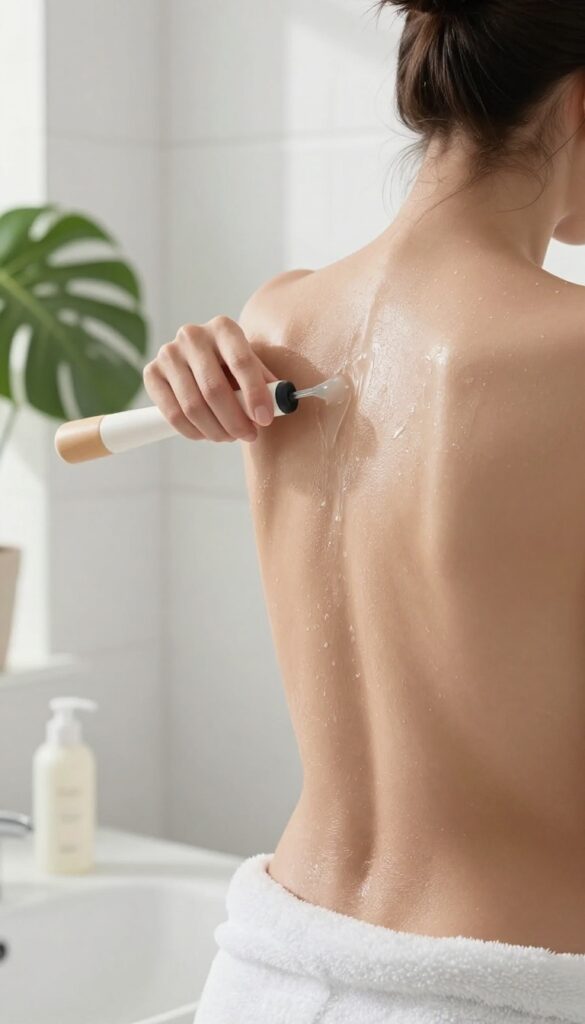
Your back is one of the driest areas on your body, yet it's often neglected because it's hard to reach. After a shower, that skin is primed for moisture, but if you skip it, you're leaving a large zone prone to roughness and flakiness. A few simple tools can make all the difference.
Moisturizing your back doesn't have to be a struggle. With the right approach, you can keep this area smooth and hydrated without twisting into a pretzel.
Use A Long-handled Applicator
A long-handled lotion applicator or a back lotion sponge lets you reach every part of your back easily. Apply your moisturizer to the applicator, then glide it across your back in long, even strokes. This ensures full coverage without missing the middle or lower back.
Ask For Help When You Can
If you live with someone, don't be shy about asking for help. A partner or family member can apply lotion to your back quickly and evenly. It's a small favor that pays off in smoother skin and can even become a nice post-shower ritual.
Try A Spray-on Lotion
Spray-on moisturizers are a game-changer for hard-to-reach areas. They come in a continuous spray that covers wide areas fast. Just spritz onto your back and smooth it in with a towel or your hands as best you can.
Look for formulas with glycerin or hyaluronic acid for extra hydration.
13. Try a Leave-On Body Conditioner
Leave-on body conditioners are the lazy person's secret to soft skin. These in-shower treatments lock in moisture while you rinse, so you don't have to apply lotion afterward. They're perfect for days when you want one-step hydration without the extra step.
Apply a leave-on body conditioner right before you step out of the shower. The warm water helps it absorb quickly, and the protective film it leaves behind seals in moisture. Your skin feels silky without any sticky residue.
How It Works
Unlike regular conditioners for your hair, body conditioners are designed to be left on. They contain humectants like glycerin and occlusives like oils that trap water in your skin. Just smooth it on wet skin, rinse briefly, and pat dry.
Best Products To Try
Look for formulas with shea butter, coconut oil, or aloe vera. Drugstore favorites like Nivea In-Shower Body Lotion or L'Occitane Almond Shower Oil work well. For a budget option, try the Jergens Wet Skin Moisturizer.
When To Use It
This is ideal for morning showers when you're short on time. It's also great for travel because you skip carrying an extra bottle. Use it year-round, but especially in winter when skin gets extra dry.
14. Seal with Petroleum Jelly on Extra Dry Spots
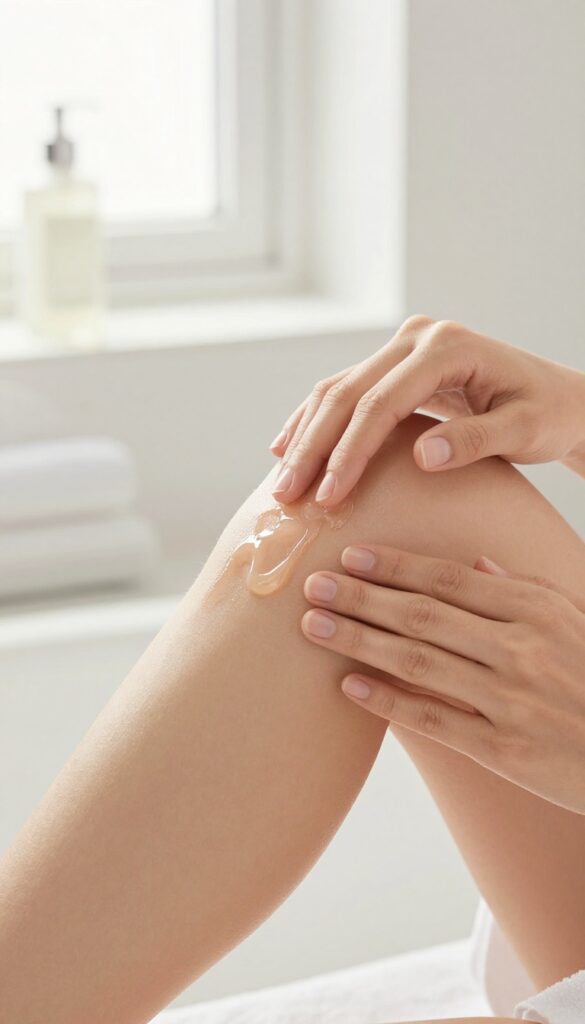
Your elbows, knees, and heels are naturally drier because they have fewer oil glands. Even after applying lotion, these areas can lose moisture overnight. A thin layer of petroleum jelly over your moisturizer creates an occlusive seal that locks everything in.
It’s a simple, cheap fix that makes a huge difference by morning.
Petroleum jelly works by forming a protective barrier on the skin, preventing water loss. Apply it only on stubborn dry patches after your regular lotion has absorbed. Don't use too much—a little goes a long way, and you don't want a greasy mess on your sheets.
Why These Spots Need Extra Help
Elbows, knees, and heels have thicker skin and fewer oil glands, so they lose moisture faster. They also endure more friction from clothing and movement. That's why they often feel rough or flaky even after you've moisturized.
How To Apply Without The Mess
Wait a minute after applying lotion so it sinks in. Then dab a pea-sized amount of petroleum jelly onto each dry spot and rub it in lightly. Focus on the driest areas—avoid spreading it all over.
For heels, apply before bed and wear cotton socks to protect your sheets.
Better Alternatives If You Hate Grease
If petroleum jelly feels too heavy, try a balm with beeswax or shea butter. These offer similar sealing benefits with less stickiness. You can also use a thick hand cream or a dedicated heel balm.
The key is finding something that stays put overnight.
15. Wear Breathable Fabrics After Showering
What you put on after your moisturizer matters just as much as the moisturizer itself. Tight, non-breathable fabrics can rub off your products and trap sweat, leading to irritation and clogged pores. Choosing the right post-shower outfit helps your skin stay hydrated and happy.
Soft, airy materials let your skin breathe and keep your hard work from going to waste.
Cotton and bamboo are your best friends here. They're gentle, absorbent, and allow air to circulate, which helps your moisturizer sink in instead of getting wiped away. Avoid synthetic fabrics like polyester or nylon—they trap heat and moisture, which can lead to breakouts or irritation, especially if you've just applied a rich body butter or oil.
Why Fabric Matters
Your skin is most receptive right after a shower. Tight or rough fabrics can undo all that good work by causing friction and preventing absorption. Breathable fabrics like cotton or bamboo create a comfortable environment for your skin to lock in moisture without feeling suffocated.
Best Fabrics For Post-shower
Look for 100% cotton or bamboo viscose. These materials are soft, lightweight, and naturally moisture-wicking. They keep you cool and allow your skin to breathe, which is especially important if you live in a humid climate or have sensitive skin.
Fabrics To Avoid
Steer clear of polyester, nylon, and other synthetics. They don't breathe well and can cause sweating, which mixes with your moisturizer and leads to clogged pores or irritation. Also avoid rough wool or scratchy blends that can irritate freshly moisturized skin.
16. Drink Water Throughout the Day
Your skin's moisture level isn't just about what you apply on the outside. Hydration starts from within, and drinking enough water throughout the day is a simple habit that supports your skin's ability to hold moisture long-term. While lotions and creams work on the surface, water helps your skin cells function properly and stay plump.
Think of your body like a sponge: if it's dry, it won't absorb moisture well. When you're well-hydrated, your skin is better equipped to retain the moisture you lock in after a shower. This doesn't mean chugging gallons at once—steady, consistent sipping makes the biggest difference.
Aim for at least 8 glasses a day, and more if you're active or live in a dry climate.
Why Internal Hydration Matters
Your skin is the largest organ, and it needs water to maintain its elasticity and barrier function. Dehydration can make skin look dull, flaky, and more prone to irritation. Drinking water helps transport nutrients to skin cells and flush out toxins, giving you that healthy glow from the inside out.
Easy Ways To Drink More
Carry a reusable water bottle with you and set reminders on your phone if you tend to forget. Infuse your water with lemon, cucumber, or berries for a refreshing twist. Herbal teas also count toward your fluid intake.
Try to have a glass with each meal and one before bed to keep your levels up.
Pairing Water With Your Routine
Drinking water won't replace your moisturizer, but it makes your moisturizer work better. When you're hydrated, your skin absorbs products more effectively. So sip water throughout the day, especially after your morning shower and before applying your body lotion, to maximize the moisture-locking benefits.
17. Stick to a Consistent Routine
Consistency is the secret ingredient that turns a good skincare habit into great results. Skipping days breaks the moisture barrier, leaving your skin to fend for itself between applications. Even a quick 30-second lotion session after every shower builds a cumulative effect that keeps your skin soft and resilient over time.
Think of your skin like a sponge—it holds moisture best when it's regularly topped up. When you skip a day, the barrier weakens, and your skin has to work harder to retain hydration. A consistent routine doesn't have to be elaborate; just a few seconds of lotion after each shower can make a world of difference.
Over weeks, this small habit trains your skin to stay supple and less prone to dryness.
Why Consistency Matters More Than Product Choice
Even the most expensive moisturizer won't work miracles if you only use it sporadically. Your skin's moisture barrier thrives on routine—it learns to expect hydration at the same time each day. When you stick to a schedule, your skin cells function more efficiently, locking in moisture for longer periods.
It's not about perfection; it's about showing up daily.
How To Make It Stick Without Feeling Like A Chore
Keep your lotion in the shower or right next to your towel so you can't miss it. Set a reminder on your phone for the first week until it becomes automatic. If you're short on time, use a fast-absorbing lotion that takes seconds to apply.
The goal is to make it so easy that skipping feels harder than doing it.
FAQ
How long after showering should I apply lotion?
Ideally within three minutes of patting dry, while your skin is still slightly damp. This locks in the most moisture.
Can I use body oil instead of lotion?
Body oil seals in moisture but doesn't add hydration on its own. Best used on damp skin after a hydrating serum or lotion.
Is it bad to take hot showers?
Hot showers strip natural oils and weaken the skin barrier, leading to dryness. Lukewarm water is better for moisture retention.
Do I need to exfoliate before moisturizing?
Exfoliating once a week removes dead skin cells, allowing moisturizers to penetrate deeper. Don't overdo it—gentle is key.
What's the best towel for after-shower drying?
Microfiber towels are gentle, highly absorbent, and leave a bit of moisture on your skin, making them ideal for locking in hydration.
Conclusion
Locking in moisture after every shower doesn't require a complicated routine or expensive products. Just a few consistent steps—like applying lotion while skin is still damp or using a gentle towel dry—can make a real difference.
Start with one or two tips that fit your lifestyle, and build from there. Over time, these small habits become second nature, leaving your skin feeling soft, hydrated, and healthy without the fuss.