
Imagine stepping out of bed and into a morning that feels like a mini spa session. That's the power of a thoughtful body care routine. It's not about adding more tasks to your to-do list—it's about giving yourself a few minutes of intentional care that pays off all day.
Your skin, muscles, and mind all benefit from simple rituals that wake them up gently. A consistent morning routine can improve circulation, reduce stress, and even help you feel more grounded before the chaos begins.
These 15 steps are designed to be flexible and realistic. Pick the ones that resonate with you, and watch how a small shift in your morning can transform your entire day.
1. Wake Up Your Skin with Dry Brushing
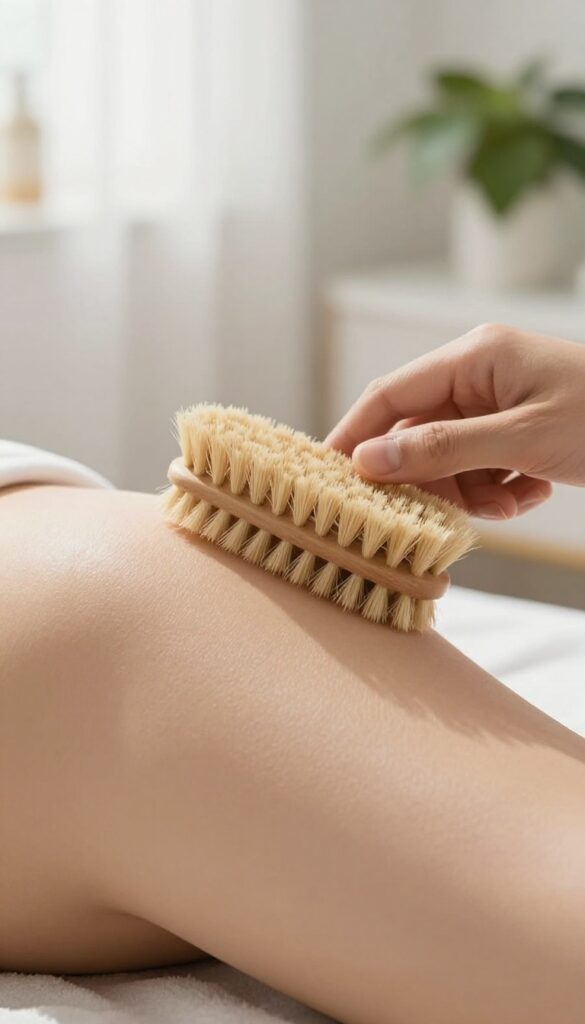
Dry brushing is a simple way to jolt your skin awake before you even step into the shower. The bristles gently exfoliate dead cells, stimulate blood flow, and encourage lymphatic drainage—all of which help your skin look smoother and feel more energized.
Start at your feet and work your way up using long, sweeping motions toward your heart. Focus on areas like your thighs, arms, and back, but go easy on sensitive spots. A few minutes is all you need to feel the tingle.
Why It Works
Dry brushing sloughs off dead skin so your moisturizer can sink in better later. The brushing motion also wakes up your circulation, which can reduce the appearance of cellulite over time and give you a natural glow.
How To Do It Right
Always brush on dry skin before your shower. Use a natural-bristle brush with a long handle to reach your back. Move in gentle, upward strokes—never scrub harshly or go back and forth.
When To Skip It
Avoid dry brushing if you have sunburn, eczema, or any open cuts. And don't do it every day—two to three times a week is plenty to keep your skin smooth without irritation.
2. Start with a Warm (Not Hot) Shower
Hot water might feel good first thing, but it's actually rough on your skin. It strips away natural oils, leaving you dry and irritated before the day even starts. A warm shower is the sweet spot: it opens your pores gently without damaging your skin barrier.
Set your water to a comfortable warm temperature—not steaming. Enjoy the steam and relaxation, then finish with a 30-second cool rinse. That quick switch tightens your pores and gives you a jolt of alertness, making the transition from sleep to awake much smoother.
Why Warm Water Works
Warm water effectively cleanses without stripping your skin of its protective oils. It helps loosen dirt and sweat, making your cleanser more effective. Your skin stays hydrated and balanced.
The Cool Rinse Trick
Ending with cooler water constricts blood vessels and tightens pores, which can reduce puffiness and give your skin a firmer look. It also boosts circulation and wakes you up naturally.
Temperature Tips
Aim for water around 98–104°F (36–40°C). If your skin turns red or feels itchy, it's too hot. Adjust gradually until you find the temperature that feels soothing but not scalding.
3. Use a Gentle, Hydrating Body Wash
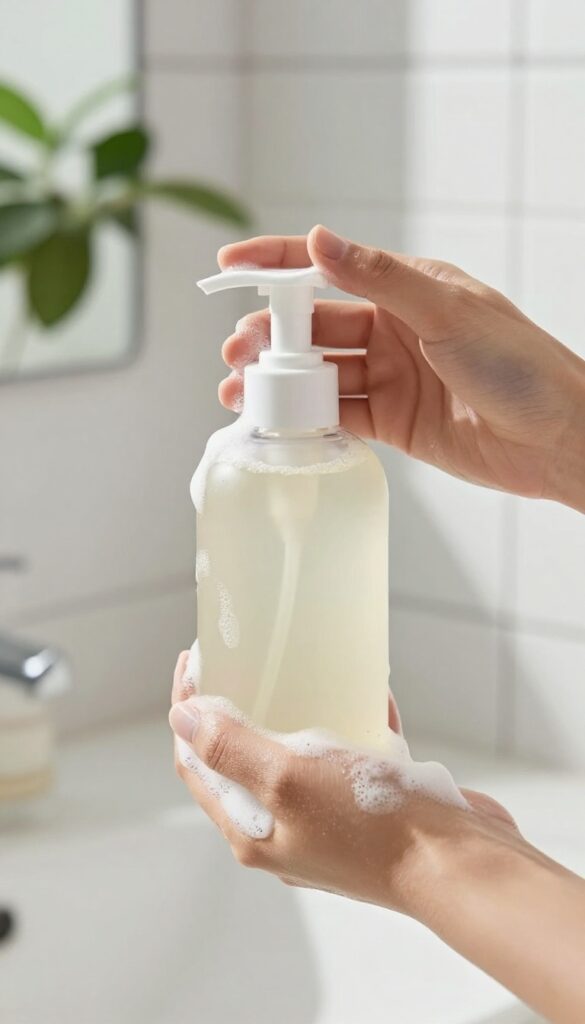
Your morning shower sets the tone for the day, but the wrong body wash can leave your skin tight and irritated. Many conventional cleansers contain sulfates that strip away natural oils, leading to dryness and discomfort. Switching to a gentle, hydrating formula makes a real difference in how your skin feels post-shower.
Look for body washes labeled sulfate-free and packed with skin-loving ingredients like oatmeal, aloe vera, or glycerin. These cleanse effectively without disrupting your moisture barrier. Your skin stays soft, balanced, and ready for the day ahead.
Why Sulfates Are A Problem
Sulfates create that satisfying lather, but they're harsh on skin. They can cause irritation, especially for sensitive or dry types. A sulfate-free wash cleanses gently, preserving your skin's natural moisture.
Key Ingredients To Look For
Oatmeal soothes and calms, aloe vera hydrates and refreshes, and glycerin locks in moisture. These ingredients work together to nourish your skin while you clean, leaving it feeling supple and smooth.
How To Use It For Best Results
Warm water opens pores, so start your shower with a lukewarm rinse. Apply the body wash with your hands or a soft loofah, massaging in circular motions. Rinse thoroughly and pat dry—don't rub.
4. Exfoliate Twice a Week with a Body Scrub
Exfoliating might sound like an extra chore, but it's one of those steps that makes a real difference. By sloughing off dead skin cells twice a week, you reveal smoother, brighter skin underneath. Plus, it helps your moisturizer sink in better, so you get more bang for your buck.
Focus on rough spots like elbows, knees, and heels where skin tends to get dry and flaky. A fine-grained scrub is gentle enough for regular use without causing micro-tears. Massage in circular motions for about a minute, then rinse thoroughly.
Why Twice A Week?
Over-exfoliating can strip your skin's natural barrier, leading to irritation and dryness. Twice a week gives your skin enough time to regenerate between sessions. Listen to your skin—if it feels tight or looks red, scale back.
Best Products And Diy Options
Look for scrubs with natural exfoliants like sugar, salt, or ground coffee. Avoid harsh plastic microbeads that can harm the environment. You can also make your own by mixing brown sugar with coconut oil for a hydrating, gentle scrub.
Timing And Technique
Exfoliate after cleansing but before shaving to prevent ingrown hairs. Use gentle, circular motions and avoid scrubbing too hard—let the granules do the work. Rinse with lukewarm water and pat dry, then follow with a rich moisturizer.
5. Apply Body Lotion While Skin Is Still Damp
You know that post-shower window when your skin is still a little dewy? That's the golden moment for moisturizing. Applying lotion within three minutes of stepping out locks in hydration better than slathering it on later.
Damp skin absorbs product more efficiently, leaving you soft without that sticky, greasy residue.
The trick is to pat yourself dry just enough so you're not dripping, then immediately apply your favorite body lotion. This seals moisture into the outer layer of your skin, keeping it plump and smooth throughout the day. It's one small timing tweak that makes a big difference.
Why Damp Skin Works Better
When your skin is damp, the pores are slightly open and the outer layer is more permeable. This allows lotion ingredients to penetrate deeper rather than just sitting on top. The result?
Hydration that lasts longer and feels lighter.
How To Make It A Habit
Keep your lotion right next to your towel or on a shelf within arm's reach of the shower. After you turn off the water, quickly pat dry and apply while your skin still feels moist. A few seconds of planning can turn this into an effortless routine.
Choosing The Right Lotion
Look for a body lotion with ingredients like glycerin, hyaluronic acid, or ceramides—they work well with damp skin. Avoid heavy oils or petroleum-based products if you want a non-greasy finish. A lightweight, fast-absorbing formula is your best bet for mornings.
6. Don't Skip Sunscreen on Exposed Skin

Most people remember sunscreen for their face, but what about your arms, chest, and neck? Those areas see just as much sun and are often neglected. A few extra seconds of application can save you from premature aging and sun damage later on.
Choose a broad-spectrum sunscreen with at least SPF 30. Apply it generously to all exposed skin after your moisturizer has absorbed. Don't forget the backs of your hands and your ears—common spots for sunburn.
Reapply if you're heading out later, but for most mornings, one layer is enough to start the day protected.
Why Exposed Skin Matters
Your face gets all the attention, but your décolletage and arms show age just as quickly. Sun damage here leads to crepey texture, dark spots, and uneven tone. Making sunscreen a daily habit on these areas keeps your skin looking younger longer.
How To Choose The Right Sunscreen
Look for a lightweight, non-greasy formula that absorbs quickly. Mineral sunscreens with zinc oxide or titanium dioxide are great for sensitive skin, while chemical options blend in seamlessly. If you're in a rush, a moisturizer with built-in SPF can save time.
Application Tips For Busy Mornings
Apply sunscreen right after your body lotion while your skin is still slightly damp—it spreads more evenly. Use about a shot glass worth for your whole body. Set a timer for two minutes to let it dry before getting dressed, so it doesn't rub off on your clothes.
7. Massage Your Feet and Hands
Your feet and hands work hard all day, but they rarely get the attention they deserve. A quick massage in the morning can wake up these often-neglected areas and set a soothing tone for the day ahead. Plus, it's a simple way to improve circulation and keep skin soft and healthy.
Start by applying a generous amount of rich hand or foot cream to clean, dry skin. Use your thumbs to press and circle the palm of each hand, then gently squeeze each finger from base to tip. For feet, focus on the arch and the ball of the foot, using firm but comfortable pressure.
Spend about one minute on each hand and foot, and you'll notice improved blood flow and a relaxed feeling that lasts.
Why It Works
Massaging your hands and feet stimulates acupressure points that correspond to different organs and systems in your body. This can help reduce stress, improve circulation, and even aid digestion. The cream also locks in moisture, preventing dryness and cracking, especially in colder months.
Quick Technique
You don't need to be a pro. Simply warm a pea-sized amount of cream between your palms, then use your thumbs to press and circle the center of each palm. For feet, sit comfortably and use both hands to knead the sole, paying extra attention to the arch.
Finish by gently pulling each toe.
Best Products To Use
Look for creams with shea butter, coconut oil, or vitamin E for deep hydration. For an extra treat, choose a product with a calming scent like lavender or chamomile. If you're in a hurry, a quick spritz of hand cream or a foot lotion with aloe works just fine.
8. Stretch for Five Minutes

After lying still all night, your muscles need a gentle wake-up call. A quick five-minute stretch routine targets the tight spots—back, hips, shoulders—that get stiff from sleeping. It's not about flexibility goals; it's about shaking off that morning stiffness and getting your blood flowing.
Stretching first thing helps reduce muscle tension and improves circulation. You don't need a mat or special gear—just a few minutes and some floor space. Focus on slow, controlled movements, and breathe deeply to signal your body that it's time to move.
Start With Your Spine
Cat-cow stretches on your hands and knees gently mobilize your entire back. Alternate between arching and rounding your spine for about 30 seconds. This loosens up your lower back and neck, areas that often feel tight after a night's sleep.
Open Your Hips
Hip flexors tighten from sitting or lying still. A simple butterfly stretch—sitting with the soles of your feet together and gently pressing your knees down—can release that tension. Hold for 30 seconds and breathe into the stretch.
Release Your Shoulders
Shoulder rolls and neck tilts are perfect for waking up your upper body. Roll your shoulders forward and backward 10 times each, then gently tilt your head side to side. This helps relieve any overnight stiffness and preps you for the day.
9. Hydrate with a Full Glass of Water
After hours of sleep, your body wakes up dehydrated. Drinking water first thing in the morning is one of the simplest and most effective ways to kickstart your system. It supports digestion, flushes out toxins, and gives your skin a natural glow.
Keep a glass or water bottle on your nightstand so you can hydrate before you even get out of bed. Aim for at least 8 ounces, and if plain water feels boring, add a slice of lemon or a splash of cucumber for flavor and an extra vitamin boost.
Why Morning Hydration Matters
Your body loses water overnight through breathing and sweat. Replenishing first thing helps regulate body temperature, lubricate joints, and improve mental clarity. Even mild dehydration can leave you feeling sluggish and foggy.
Lemon Water Benefits
Adding lemon to your water provides vitamin C, which supports your immune system and skin health. It also aids digestion and gives a refreshing taste that makes drinking water more enjoyable. Just avoid too much lemon if you have sensitive teeth.
How To Make It A Habit
Set your glass out the night before or use a marked water bottle to track your intake. Pair it with another morning habit, like brushing your teeth, so you remember to drink. Over time, it becomes an automatic part of your routine.
10. Practice Deep Breathing for One Minute

Your breath is the one thing you carry with you everywhere, yet most of the time you don't even notice it. Taking just sixty seconds to breathe with intention can shift your entire nervous system from fight-or-flight to rest-and-digest. It's the simplest reset button you have, and it costs nothing.
Stand or sit comfortably, close your eyes if that helps, and bring your attention to your breath. Inhale deeply through your nose for a count of four, hold for four, and then exhale slowly through your mouth for six. Repeat this cycle four times—that's roughly one minute.
This pattern activates your parasympathetic nervous system, lowering cortisol and heart rate. You'll feel calmer, more centered, and ready to face the day without that morning rush anxiety.
Why The 4-4-6 Ratio Works
Longer exhales signal your body that it's safe to relax. That extra two-count on the exhale is the secret sauce—it activates the vagus nerve, which is like your body's chill button. Over time, this simple practice can train your nervous system to stay more balanced throughout the day.
Make It A Habit
Tie this breathing exercise to something you already do, like right after you brush your teeth or just before you step into the shower. Consistency matters more than duration. Even thirty seconds is better than nothing.
You can also pair it with a calming scent, like lavender or eucalyptus, to reinforce the relaxation response.
When To Use It Beyond Morning
This technique isn't just for mornings. Use it before a stressful meeting, during a midday slump, or anytime you feel your shoulders creeping up toward your ears. It's a portable tool you can pull out anywhere—no equipment, no app, no one even has to know you're doing it.
11. Use a Facial Roller or Gua Sha
Your face holds tension just like your shoulders do. A quick massage with a jade roller or gua sha tool can release that tightness and wake up your skin. It's a simple step that makes you look more rested in under two minutes.
Facial rolling and gua sha are ancient techniques that have earned their place in modern routines. They work by stimulating blood flow and moving stagnant lymph fluid, which reduces puffiness and gives your skin a natural glow. The best part?
You can do it while your coffee brews.
Why It Works
Your lymphatic system doesn't have a pump—it relies on movement to flush out waste. Gentle pressure from a roller or gua sha tool encourages that drainage, especially around the eyes and jawline. Plus, the cooling sensation constricts blood vessels, further reducing swelling.
How To Use It
Start at the center of your face and work outward. For the roller, use upward and outward strokes. For gua sha, hold the tool at a 15-degree angle and scrape gently along your cheekbones, jaw, and forehead.
Always use a facial oil or serum to let the tool glide smoothly.
Pro Tips
Keep your roller or gua sha in the fridge overnight for an extra cooling, de-puffing effect. Clean it with mild soap and water after each use. And remember: less pressure is more—you're not trying to erase wrinkles, just encourage circulation.
12. Apply a Lightweight Eye Cream
The skin around your eyes is the thinnest on your body, and it's often the first place to show signs of fatigue. A lightweight, caffeine-infused eye cream can be a game-changer, helping to reduce dark circles and morning puffiness almost instantly. This small step can make you look more awake and refreshed, setting a positive tone for the day.
Dabbing a small amount of eye cream under your eyes and along the brow bone can improve circulation and reduce fluid retention. Look for formulas with caffeine, hyaluronic acid, or vitamin C for brightening and hydration. Use your ring finger to gently tap the product in—no rubbing or pulling.
Why Caffeine Works
Caffeine constricts blood vessels, which helps reduce the appearance of dark circles and puffiness. It also has antioxidant properties that protect the delicate skin from environmental stressors. Many morning eye creams include caffeine for that quick wake-up effect.
How To Apply Correctly
Use your ring finger to apply a pea-sized amount in a tapping motion from the inner corner outward. Avoid dragging the skin, and let the cream absorb for a minute before applying makeup or sunscreen. Consistency is key—results build over time.
Choosing The Right Texture
Lightweight gels or serums are ideal for morning use because they absorb quickly and won't interfere with your makeup. Creams with a thicker consistency are better for nighttime. Look for non-comedogenic formulas if you have oily or acne-prone skin.
13. Moisturize Your Lips

Chapped lips can throw off your whole vibe, especially when you're trying to feel fresh. A quick swipe of lip balm is one of the easiest ways to keep your mouth comfortable and your smile ready for the day. Don't skip this step—your lips will thank you later.
Your lips don't have oil glands, so they dry out faster than the rest of your skin. That's why a dedicated lip moisturizer is a morning must. Look for balms with shea butter, beeswax, or coconut oil—they lock in moisture without feeling sticky.
Apply it right after brushing your teeth, while your lips are still slightly damp, to seal in hydration. Keep a tube in your bathroom and another in your bag for touch-ups. Smooth lips make everything feel easier, from talking to sipping coffee.
Why Lips Need Extra Care
Unlike the rest of your skin, lips lack sebaceous glands, so they rely on you for moisture. Morning dryness is common after hours of breathing through your mouth or sleeping in a dry room. A good balm creates a protective barrier against wind, sun, and indoor heating.
How To Apply For Best Results
For maximum absorption, apply lip balm right after washing your face or brushing your teeth when lips are still slightly damp. Use a gentle circular motion to boost circulation. Avoid licking your lips—saliva evaporates and makes dryness worse.
Reapply after eating or drinking.
Ingredients That Actually Work
Shea butter and beeswax are heavy hitters for deep moisture. Coconut oil and jojoba oil absorb quickly without greasiness. Avoid balms with camphor or menthol if your lips are already cracked—they can sting.
SPF is a bonus for daytime protection.
14. Spritz on a Refreshing Body Mist
A quick spritz of body mist can be the olfactory alarm clock your brain needs. Unlike heavy perfumes, a light mist with natural ingredients won't overwhelm your senses first thing in the morning. It's a gentle way to signal that the day has started.
Choose an alcohol-free formula with essential oils like lavender for calm or citrus for energy. Keep it on your nightstand or bathroom counter so you remember to use it right after your moisturizer. The mist will lock in hydration and leave a subtle, uplifting scent that lasts for hours.
Why Alcohol-free Matters
Alcohol-based mists can strip your skin of moisture, especially if you apply them right after a shower. Look for hydrating ingredients like aloe vera or glycerin instead. Your skin will feel refreshed, not tight.
Best Scents For Morning
Citrus scents like grapefruit or orange are energizing, while lavender or chamomile can ease morning anxiety. Try a blend of both for a balanced, fresh start. Avoid anything too floral or heavy—save those for evening.
15. Set an Intention for the Day

Before your feet hit the floor running, pause for just ten seconds. Setting a positive intention is like giving your brain a gentle compass for the hours ahead. It doesn't have to be profound—just a simple statement that aligns with how you want to feel or act.
This tiny ritual shifts your focus from autopilot to purposeful action. It's a mental bookmark that helps you return to calm when things get hectic later.
Keep It Simple
Your intention doesn't need to be a full sentence. A single word like 'patience' or 'focus' works wonders. The key is to choose something that truly resonates with your current mood or goals.
Make It Personal
Tailor your intention to what you need most today. If you're feeling anxious, try 'I am safe. ' If you have a big meeting, go with 'I am prepared. ' This flexibility makes the practice stick.
Anchor It To A Gesture
Pair your intention with a physical cue, like placing a hand on your heart or taking a deep breath. This creates a stronger mind-body connection, making the intention more memorable and effective.
FAQ
How long should a morning body care routine take?
It can be as short as 10 minutes or as long as 30, depending on how many steps you include. The key is consistency, not duration.
Can I do dry brushing every day?
It's best to dry brush 2-3 times a week to avoid irritation. Daily brushing may be too harsh for sensitive skin.
What's the best order for applying body products?
After showering, apply body lotion while skin is damp, then sunscreen on exposed areas. Let each layer absorb before the next.
Do I really need separate sunscreen for my body?
Yes, face and body sunscreens differ in formulation. Body sunscreens are often more spreadable and may contain different filters. Use a dedicated body SPF for best protection.
How can I make my routine more eco-friendly?
Choose refillable or package-free products, use a bamboo dry brush, and opt for natural, biodegradable ingredients. Small swaps add up.
Conclusion
A morning body care routine doesn't have to be complicated or time-consuming. Even a few of these steps can make a noticeable difference in how you feel and look throughout the day. The real magic is in the consistency.
Over time, these small rituals build into habits that support your skin health, energy levels, and overall well-being. Start with one or two steps tomorrow morning, and let the routine grow naturally.