
A great body lotion routine is about more than just slathering on cream after a shower. The difference between skin that feels just okay and skin that's truly silky smooth comes down to a few smart habits you can build into your daily life.
From timing your application to choosing the right ingredients, these 20 tips will help you get the most out of every drop. You don't need a complicated regimen or expensive products to see real results.
Small tweaks like using lukewarm water, exfoliating weekly, and massaging in upward circles can transform how your skin looks and feels. Each habit targets a specific need, whether it's locking in moisture, boosting glow, or protecting against dryness.
1. Apply Within Three Minutes of Showering
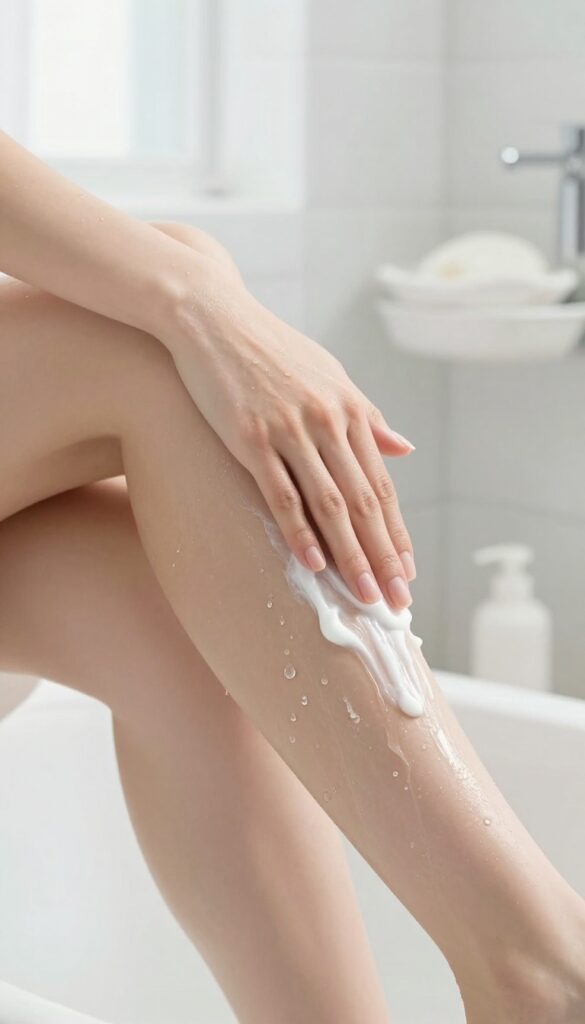
The three-minute rule is a game-changer for locking in moisture. Right after you step out of the shower, your skin is still damp and your pores are open, making it the perfect time to apply lotion. This habit traps water on the skin's surface, boosting hydration and leaving your skin feeling softer for longer.
Don't wait until you're completely dry or you'll miss the window for maximum absorption.
Timing is everything when it comes to body lotion. Applying it while your skin is still slightly damp helps seal in moisture, preventing evaporation and keeping your skin hydrated throughout the day. This simple tweak can make a noticeable difference, especially in dry climates or during winter months.
Why Three Minutes?
The three-minute window is based on how quickly your skin loses moisture after a shower. Within minutes, water starts evaporating from the surface. By applying lotion quickly, you trap that water, allowing it to absorb into deeper layers.
This technique is especially effective for areas like legs and arms that tend to dry out faster.
How To Make It A Habit
Keep your lotion in the shower or right next to your towel so you don't forget. After patting yourself dry lightly—leaving skin damp—apply lotion in smooth, upward strokes. Set a mental timer or use a waterproof clock if needed.
Within a week, it'll feel automatic.
What Type Of Lotion Works Best?
Look for lotions with humectants like glycerin or hyaluronic acid, which pull moisture into the skin. Creams with ceramides or shea butter also work well because they create a protective barrier. Avoid heavy oils right out of the shower, as they can block water absorption.
2. Use Lukewarm Water, Not Hot
It's tempting to turn up the heat on a chilly morning, but hot water is one of the biggest enemies of silky skin. Those steaming showers strip away your skin's natural protective oils, leaving it dry and irritated before you even reach for the lotion. By switching to lukewarm water, you keep your skin barrier intact so moisturizer can do its job properly.
Hot water dissolves the lipid barrier that holds moisture in, making your skin more prone to dryness and sensitivity. Lukewarm water cleanses effectively without over-stripping, so your lotion can lock in hydration instead of just sitting on top of parched skin.
The Ideal Temperature
Aim for water that feels warm to the touch but not hot—around body temperature or slightly above. If your skin turns red or feels tight after a shower, the water is too hot.
Quick Rinse, Big Difference
Limit showers to 5–10 minutes. Longer exposure, even to lukewarm water, can still dry out skin. A short rinse preserves natural oils and leaves your skin ready for lotion.
Pat, Don't Rub
After your lukewarm shower, gently pat skin dry with a towel. Rubbing can irritate and remove moisture. Apply lotion within three minutes while skin is still slightly damp for maximum absorption.
3. Exfoliate Weekly for Better Absorption
Dead skin cells can build up on the surface, creating a barrier that keeps lotion from sinking in. That's why a gentle weekly scrub makes such a difference. Once or twice a week is all it takes to reveal fresh, smooth skin that drinks up moisture.
Choose A Gentle Scrub
Not all exfoliators are created equal. Look for a body scrub with fine, round particles like jojoba beads or sugar. Avoid harsh walnut shells or crushed pits that can create micro-tears.
A gentle formula buffs away dead cells without irritation.
Focus On Rough Zones
Your elbows, knees, and heels tend to have thicker, drier skin. Spend a little extra time on these areas when you exfoliate. Use small circular motions for about 30 seconds per zone, then rinse thoroughly.
Don't Overdo It
Exfoliating more than twice a week can strip your skin's natural oils and cause redness. Stick to a consistent schedule, like Sunday and Wednesday evenings. Your skin will feel smooth without feeling raw or sensitive.
Follow Up With Lotion Immediately
After exfoliating, your skin is primed to absorb moisture. Pat dry gently and apply lotion within three minutes. This locks in hydration and makes the most of your exfoliation effort.
4. Choose a Lotion with Ceramides
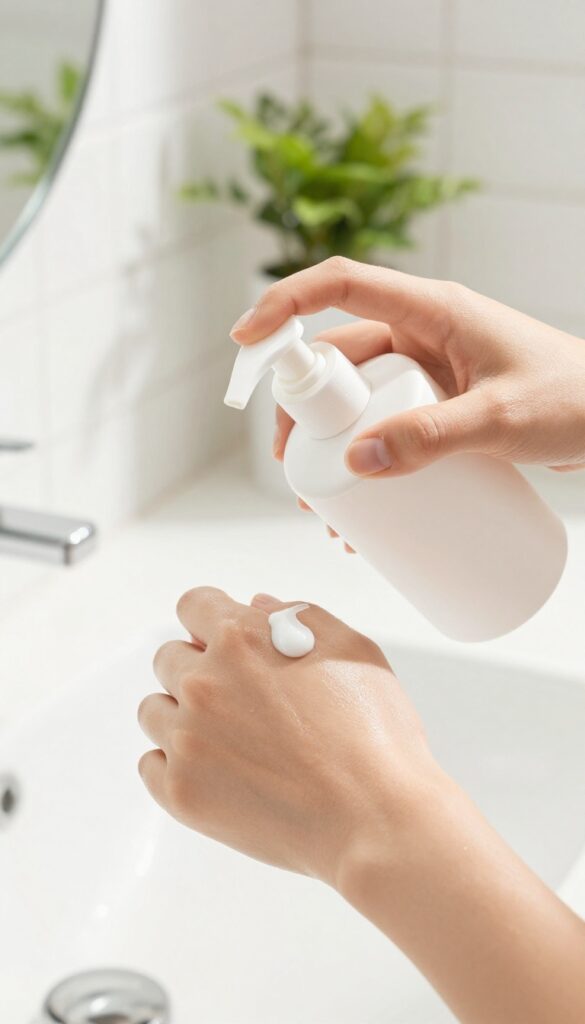
Ceramides are like the mortar between brick walls—they hold your skin cells together. When that barrier weakens, moisture escapes and dryness creeps in. That's why picking a lotion with ceramides can make a real difference in how long your skin stays hydrated and smooth.
They don't just sit on top; they work with your skin's natural structure to keep it resilient.
Not all lotions are created equal. Ceramides help repair and maintain the skin barrier, which is essential for locking in moisture and keeping irritants out. Look for them in the ingredient list—often labeled as ceramide NP, AP, or EOP.
Using a ceramide-rich lotion consistently can improve skin texture and reduce flakiness over time.
Why Ceramides Matter
Your skin naturally contains ceramides, but they deplete with age, weather, and harsh cleansers. Replenishing them helps restore the barrier, so your skin holds onto water longer. This means less dryness and a smoother feel throughout the day.
How To Spot Them In Ingredients
Check the label for "ceramide" followed by letters like NP, AP, or EOP. Some products list them under "ceramide complex" or "ceramide blend. " If you see them near the top of the list, you're getting a good dose.
Pair With Other Hydrators
Ceramides work best when combined with humectants like glycerin or hyaluronic acid and occlusives like shea butter. Apply your lotion right after a shower to seal in the moisture from damp skin.
5. Don't Forget Your Feet and Hands
Your feet and hands work hard all day, yet they're often the last to get any lotion love. The skin on these areas is thinner and has fewer oil glands, which means it dries out faster and shows signs of aging sooner. A little extra attention here makes a big difference in keeping your entire body feeling smooth and soft.
Make it a habit to apply lotion to your hands and feet every time you wash them. Keep a small bottle of lotion by every sink in your house and another in your bag. For overnight repair, use a thick, rich cream on your feet and hands before bed, then cover with cotton socks or gloves to lock in moisture while you sleep.
Keep Lotion At Every Sink
Place a pump bottle of hand lotion next to your kitchen and bathroom sinks. After every hand wash, while your skin is still slightly damp, apply a pea-sized amount. This simple habit prevents the tight, dry feeling that comes from frequent washing.
Nighttime Foot Therapy
Before bed, slather a thick foot cream or even your regular body lotion mixed with a few drops of jojoba oil onto clean, dry feet. Pull on a pair of cotton socks and let the cream work overnight. You'll wake up to noticeably softer heels and soles.
Don't Skip The Cuticles
When you moisturize your hands, take an extra second to massage the lotion into your cuticles and nail beds. This keeps hangnails at bay and helps your nails grow stronger. A little extra care here goes a long way toward polished-looking hands.
6. Massage in Upward Circular Motions
How you apply lotion matters just as much as what you apply. Massaging in upward circular motions does more than feel nice—it boosts circulation and encourages lymphatic drainage, which can reduce puffiness and help your skin look firmer. Plus, the gentle friction helps the product absorb more evenly, so you get better results with less effort.
Why Upward?
Gravity works against your skin over time. By massaging upward, you're working against gravity, which can help lift and tone the skin. This is especially beneficial for areas like your thighs, arms, and neck, where sagging can become noticeable.
Circular Motions For Better Absorption
Circles help distribute the lotion evenly and stimulate blood flow. Use your palms or fingertips in gentle, overlapping circles. You don't need to press hard—just enough to feel the product sinking in.
This technique also helps prevent pilling or uneven patches.
Focus On Lymph Nodes
Your lymph nodes are concentrated in areas like your armpits, groin, and behind your knees. Gently massaging toward these nodes can help flush out toxins and reduce fluid retention. Use light pressure and always move toward the node, not away from it.
7. Layer with Body Oil for Extra Glow

Want that lit-from-within glow that makes your skin look healthy and radiant? Adding a body oil on top of your lotion is a game-changer. The oil seals in all the moisture from your lotion while giving your skin a subtle, dewy finish that catches the light beautifully.
Applying body oil after lotion might sound like overkill, but it's actually a smart layering technique. Your lotion provides hydration, and the oil locks it in, preventing moisture loss throughout the day. Plus, oils with light-reflecting particles or natural shine enhancers give your skin a healthy glow without looking greasy.
Choose The Right Oil
Not all body oils are created equal. Look for fast-absorbing oils like jojoba, squalane, or grapeseed that won't leave a heavy residue. If you want extra glow, go for oils with a subtle shimmer or those infused with vitamin E and antioxidants.
Apply While Skin Is Damp
For the best results, apply body oil while your skin is still slightly damp from your lotion. This helps the oil spread evenly and absorb better. A few drops are enough—start with 3-4 drops for each limb and add more if needed.
Focus On High Points
To enhance the glow, concentrate the oil on areas where light naturally hits: collarbones, shoulders, shins, and the tops of your arms. This creates a subtle highlight effect that looks natural and polished.
8. Use a Lotion with SPF During the Day
Your morning lotion can do double duty. Instead of applying a separate sunscreen, choose a body lotion that includes SPF 30 or higher. This simple swap ensures you hydrate and protect your skin in one step, saving time while keeping your skin safe from UV damage.
Sun exposure is a major cause of premature aging and uneven texture, so daily protection is non-negotiable for maintaining that silky smooth feel.
Why Spf Matters For Smooth Skin
UV rays break down collagen and elastin, which are the proteins that keep your skin firm and smooth. Over time, unprotected sun exposure leads to roughness, fine lines, and dark spots. A lotion with SPF acts like a shield, preventing this damage while you moisturize.
Think of it as a two-for-one that keeps your skin looking youthful and feeling soft.
How To Choose The Right Spf Lotion
Look for a broad-spectrum lotion with at least SPF 30. It should feel lightweight and absorb quickly so you don't feel sticky or greasy. Some formulas are designed for daily wear and won't interfere with your clothes or makeup.
If you're going to be outdoors for long, reapply every two hours or after sweating or swimming.
Make It A Morning Habit
Keep your SPF lotion right next to your toothbrush or in your shower caddy so you remember to apply it every morning. Apply it to all exposed areas: arms, legs, chest, and the back of your hands. Consistency is key—even on cloudy days or when you're mostly indoors, UV rays can still reach your skin.
9. Switch to a Richer Cream in Winter
Cold air pulls moisture right out of your skin, leaving it tight and flaky. Your lightweight summer lotion just won't cut it when temperatures drop. That's why swapping to a thicker cream during winter is one of the smartest moves you can make for your skin.
A richer formula acts like a shield, locking in hydration and preventing water loss. Look for ingredients like shea butter, cocoa butter, or nourishing oils such as jojoba or almond oil. These create a protective barrier that keeps your skin soft and smooth even in harsh weather.
Why Lightweight Lotions Fail In Winter
Lightweight lotions are mostly water, which evaporates quickly in dry air. They don't have enough emollients to seal moisture in. Your skin ends up drier than before you applied anything.
Key Ingredients To Look For
Shea butter is a winter superstar—it's rich in fatty acids and vitamins. Oils like coconut, argan, and avocado oil also do a great job at replenishing lipids. Avoid formulas with alcohol, which can dry you out further.
How To Apply For Best Results
Apply your winter cream right after a shower while skin is still slightly damp. This traps extra moisture. Focus on extra-dry areas like elbows, knees, and heels.
A little goes a long way, so don't overdo it.
10. Apply Before Bed for Overnight Repair
While you sleep, your skin goes into repair mode. Cell turnover ramps up, and blood flow increases, making it the perfect time for a rich lotion to work its magic. Applying a generous layer before bed helps lock in moisture all night long, so you wake up with noticeably softer, smoother skin.
Nighttime is when your skin repairs itself from the day's damage. A good layer of lotion before sleep supports this natural process by providing a steady supply of moisture and nutrients. You'll wake up with skin that feels hydrated and looks more radiant.
Choose A Richer Formula
Daytime lotions are often lightweight to avoid feeling greasy under clothes. For nighttime, swap to a thicker cream or body butter. Ingredients like shea butter, ceramides, and squalane provide deeper hydration and create a protective barrier that lasts through the night.
Don't Skip Your Hands And Feet
Your hands and feet lose moisture faster than other areas. Before bed, give them extra attention. Apply a thick layer of lotion, then put on cotton socks and gloves.
This simple trick boosts absorption and prevents cracking, leaving your extremities silky soft by morning.
Create A Calming Routine
Pair your lotion application with a relaxing ritual. Dim the lights, take a few deep breaths, and massage the lotion into your skin using slow, upward strokes. This not only helps the product absorb better but also signals your body that it's time to wind down, improving sleep quality.
11. Use a Lotion with Urea for Rough Spots
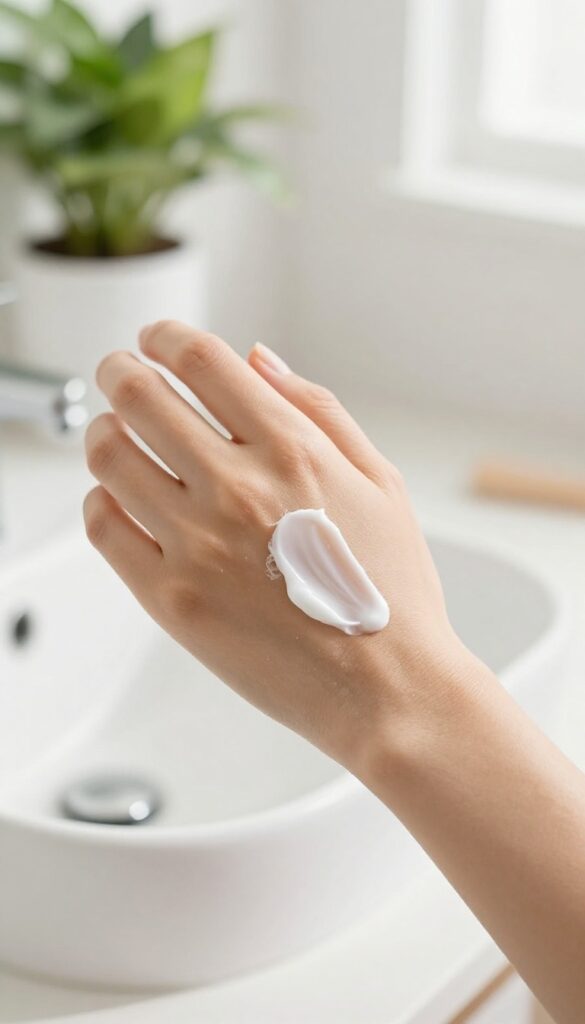
Rough, dry patches on elbows, knees, and heels can be stubborn. Regular lotions often aren't enough to soften that thick, flaky skin. That's where urea comes in—it's a gentle exfoliator and a powerful hydrator in one.
Urea works by breaking down the bonds between dead skin cells, helping them slough off naturally. At the same time, it draws moisture into the deeper layers of your skin. This dual action makes it a game-changer for rough spots that need extra attention.
Why Urea Works So Well
Urea is a natural humectant, meaning it pulls water into your skin. In concentrations around 10-20%, it also gently exfoliates without the irritation of harsh scrubs. This makes it ideal for areas like elbows and knees where skin tends to build up.
How To Apply It Right
For best results, apply a urea lotion right after bathing when skin is still slightly damp. Focus on the rough areas and massage in circular motions. Use it daily, and you'll notice softer, smoother skin within a week.
Pair It With A Moisturizer
Urea lotions can be a bit thick, so they're perfect as a spot treatment. If you're using it on larger areas, follow up with a lighter body lotion to seal in the moisture. This combo keeps your skin hydrated without feeling greasy.
12. Wear Cotton Gloves and Socks After Application
If your hands and feet are constantly dry, cracked, or rough, your regular lotion might not be enough. The trick is to create a mini overnight treatment that forces moisture deep into the skin. It's simple, cheap, and works like a charm.
Cotton gloves and socks act like a gentle seal, trapping the lotion against your skin so it can absorb fully instead of evaporating. This method is especially effective for people who wash their hands frequently or walk barefoot a lot. Just apply a thick layer of your richest lotion or a balm, put on the cotton covers, and let time do the work.
Why Cotton Matters
Cotton is breathable, so your skin won't get sweaty or irritated. Unlike plastic gloves, cotton allows air circulation while still holding the product in place. This prevents that sticky, suffocating feeling and makes it comfortable to wear overnight.
How To Do It Right
Start with freshly washed and slightly damp hands and feet. Apply a generous amount of lotion, focusing on dry areas like knuckles, cuticles, and heels. Put on clean cotton gloves and socks, and leave them on for at least an hour or overnight.
In the morning, your skin will feel noticeably softer.
Extra Boost For Extreme Dryness
For severely dry skin, add a few drops of facial oil or a rich balm to your lotion before applying. You can also use a urea-based cream for extra exfoliation. Repeat this routine 2-3 times a week for best results.
13. Pat Dry, Don't Rub, After Showering
How you dry off after a shower matters more than you think. Rubbing your skin with a towel strips away the natural moisture and leaves you with less hydration to work with. A gentle pat-down keeps your skin slightly damp, which is exactly what your lotion needs to lock in moisture effectively.
Patting instead of rubbing is a small change that makes a big difference. When you rub, you remove the thin layer of water that helps lotion spread and absorb. By patting dry, you leave your skin just damp enough to boost absorption without feeling wet.
Why Damp Skin Works Best
Lotion works by trapping moisture against your skin. When you apply it to damp skin, the water helps the product glide on evenly and seals in hydration. Dry skin repels lotion, making it sit on the surface instead of sinking in.
The Right Towel Technique
Use a soft, clean towel and gently press it against your skin. Start with your face and work your way down. Avoid vigorous rubbing, especially on sensitive areas like your chest and inner arms.
Pat until you're mostly dry but still feel a light film of water.
Timing Is Everything
Apply lotion within three minutes of stepping out of the shower. That's the window when your skin is most receptive. Waiting longer lets the water evaporate, and you lose the chance to seal it in.
Keep your lotion nearby so you can grab it without delay.
14. Incorporate a Humidifier in Dry Climates

Dry air is a moisture thief. Whether it's winter heating or an arid climate, low humidity pulls water from your skin, leaving lotion fighting a losing battle. A humidifier changes the game by adding moisture back into the air, so your skin stays hydrated longer and your lotion can actually do its job.
Think of it as creating a better environment for your skin. When the air around you isn't sucking moisture out, your lotion locks in what's already there. It's a simple shift that makes every application more effective.
You don't need a fancy setup. A small humidifier in your bedroom or office can make a noticeable difference, especially during dry months or in air-conditioned spaces.
Why Dry Air Undermines Your Routine
Even the richest lotion can't compensate for bone-dry air. Low humidity accelerates transepidermal water loss, meaning moisture evaporates from your skin faster than your lotion can seal it in. A humidifier raises indoor humidity to a skin-friendly level (around 40–60%), slowing that loss and letting your moisturizer work longer.
Where And When To Use It
Place a humidifier in the room where you spend the most time, often the bedroom. Run it while you sleep, since that's when your skin repairs itself. If you work in a dry office, a desktop humidifier can help maintain moisture throughout the day.
For full-body benefits, aim for a whole-house humidifier or use multiple units.
Quick Tips For Best Results
Use distilled or filtered water to avoid white dust from minerals. Clean the humidifier weekly to prevent mold and bacteria. Pair it with your lotion routine right after a shower: apply lotion to damp skin, then let the humidifier maintain a moist environment so the product absorbs fully without evaporating.
15. Use a Lotion with Niacinamide
Niacinamide, also known as vitamin B3, is a multitasking ingredient that does wonders for your skin. It calms irritation, strengthens the moisture barrier, and helps fade dark spots over time. Adding a lotion with niacinamide to your routine is a simple way to get smoother, more even-looking skin without any fuss.
Niacinamide works on multiple levels to improve skin texture. It boosts ceramide production, which reinforces your skin's natural barrier and locks in moisture. At the same time, it reduces inflammation and redness, making it ideal for sensitive or acne-prone skin.
Regular use can also minimize the appearance of pores and even out discoloration from sun damage or old scars.
Why Niacinamide Works So Well
This ingredient is a powerhouse because it addresses several concerns at once. It helps regulate oil production, so it's great for both dry and oily skin types. Plus, it's gentle enough to use daily without irritation, unlike some active ingredients that can cause flaking or sensitivity.
How To Incorporate It
Look for body lotions with niacinamide listed in the first few ingredients. Apply after showering when your skin is still slightly damp to maximize absorption. Use it consistently morning and night for best results.
Pair it with other soothing ingredients like shea butter or oat extract for extra comfort.
16. Apply Lotion After Shaving
Shaving strips away more than just hair—it also removes the skin's natural protective barrier, leaving it vulnerable to irritation, redness, and razor burn. The right post-shave lotion can make all the difference, soothing inflammation and restoring moisture instantly. Instead of reaching for anything with fragrance or alcohol, choose a gentle, fragrance-free formula designed to calm and hydrate.
Your legs will thank you with a smooth, irritation-free finish that lasts all day.
Timing is key when it comes to post-shave moisturizing. Apply lotion within a few minutes of stepping out of the shower, while your skin is still slightly damp. This helps lock in hydration and creates a protective layer that reduces friction and irritation.
Look for ingredients like aloe vera, oat extract, or shea butter—they're known for their soothing and anti-inflammatory properties. Avoid anything with alcohol, menthol, or heavy fragrances, as these can sting and worsen irritation. For best results, pat your skin dry gently with a towel instead of rubbing, then apply the lotion in smooth, upward strokes.
This not only moisturizes but also helps prevent ingrown hairs by encouraging hair to grow in the right direction.
Why Fragrance-free Matters
Fragrances, even natural ones, can irritate freshly shaved skin. They often contain compounds that cause stinging or allergic reactions when the skin barrier is compromised. A fragrance-free lotion minimizes this risk and focuses purely on hydration and repair.
Best Ingredients For Calming Razor Burn
Aloe vera is a classic for a reason—it cools and reduces redness almost instantly. Oat extract and colloidal oatmeal are excellent for soothing itchiness, while shea butter provides deep moisture without clogging pores. Niacinamide can also help strengthen the skin barrier over time.
Application Tips For Smoother Results
Apply lotion while skin is still damp to maximize absorption. Use gentle, upward strokes to avoid pulling on the skin. If you're prone to ingrown hairs, try a lotion with salicylic acid or lactic acid a day after shaving to gently exfoliate and keep hair follicles clear.
17. Store Lotion in a Cool, Dark Place
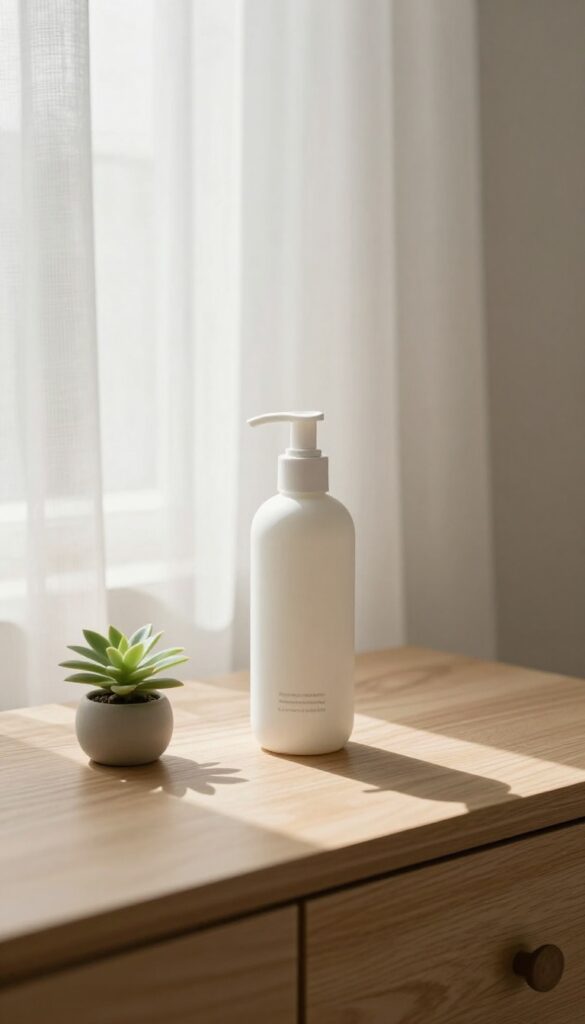
You might not think about where you keep your body lotion, but its storage spot can impact how well it works. Heat and light can break down active ingredients, making your product less effective over time. A simple change in storage can help you get the full benefits from every bottle.
Why Heat And Light Are Enemies
Many lotions contain oils, antioxidants, and vitamins that are sensitive to temperature and UV exposure. When left in a sunny bathroom or near a heater, these ingredients can degrade faster. You might notice the texture changing or the scent turning off—signs that the formula is losing potency.
The Best Storage Spots
Your bedroom dresser, a closet shelf, or a bathroom cabinet away from the shower are ideal. Aim for a spot that stays consistently cool and dark. Avoid windowsills, countertops near radiators, or anywhere the temperature fluctuates a lot.
Bonus Tip: Check Expiration Dates
While proper storage extends shelf life, lotions still expire. Most have a small jar icon on the label with a number (like 12M) indicating months after opening. Toss anything that smells off, separates, or changes color—even if stored perfectly.
18. Don't Over-Apply – A Little Goes a Long Way
It's tempting to pump out a generous amount of lotion, especially when your skin feels dry. But more isn't always better—over-application often leads to a sticky, tacky feeling that takes forever to absorb. The key is using just enough to cover the skin without leaving a greasy film.
A pea-sized amount per body part (like one arm or one leg) is usually sufficient for good coverage. Start with less, then add more if needed. This not only prevents residue but also makes your lotion last longer, saving you money.
Why Less Is More
Your skin can only absorb so much moisture at once. Excess product sits on the surface, attracting dust and making your clothes stick. Using the right amount ensures quick absorption and a non-greasy finish.
How To Measure Correctly
For arms and legs, a pea to dime-sized amount works well. For larger areas like your back or torso, use two pea-sized blobs. Apply to slightly damp skin after a shower for better spreadability.
Signs You're Using Too Much
If your skin feels slippery or sticky five minutes after application, you've used too much. Also, if lotion pills or forms white streaks, cut back. Your skin should feel soft, not coated.
19. Drink Enough Water for Internal Hydration
Your body lotion works hard on the surface, but real hydration starts from within. No matter how rich your cream is, if you're dehydrated, your skin will still look dull and feel tight. Drinking enough water supports your lotion's effects and keeps skin plump and bouncy.
Think of water as the foundation of your skincare routine. When you're well-hydrated, your skin cells are plump, which helps your lotion lock in moisture more effectively. Aim for at least 8 glasses a day, and more if you're active or live in a dry climate.
Herbal teas and water-rich foods like cucumber and watermelon also count.
How Much Is Enough?
The classic 8×8 rule—eight 8-ounce glasses—is a good starting point, but your needs vary. Check your urine color: pale yellow means you're hydrated; dark yellow means drink up. Listen to your body and sip throughout the day rather than chugging all at once.
Pair Water With Your Routine
Make it a habit to drink a glass of water right before or after applying lotion. This simple cue helps you remember to hydrate internally while you're caring for your skin externally. Over time, it becomes a seamless part of your ritual.
20. Stick to a Consistent Routine
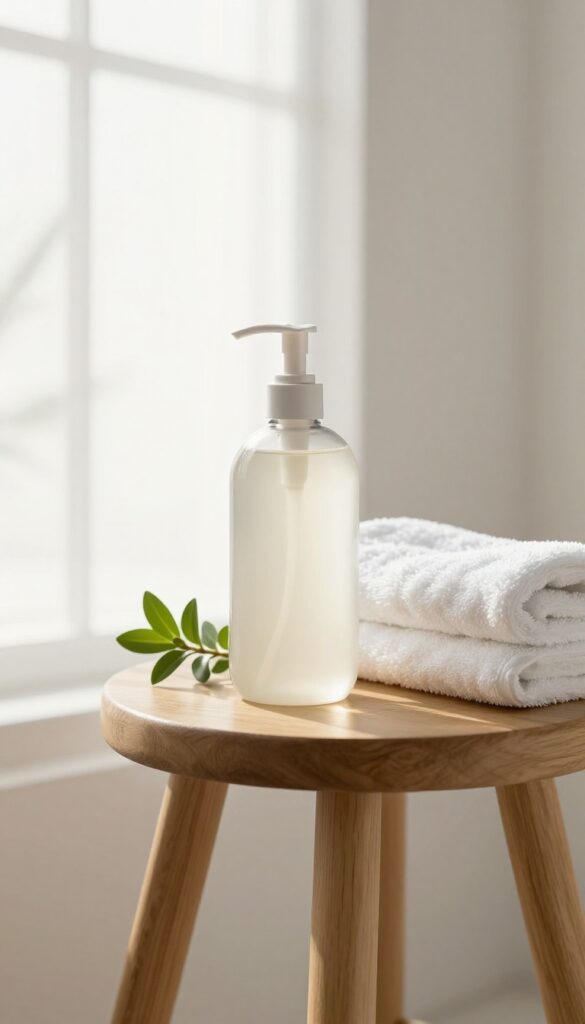
You've probably heard it before, but it's worth repeating: consistency is the secret to great skin. Skipping days here and there means your skin never gets the steady hydration it needs to stay smooth. Think of it like watering a plant—sporadic care leaves it dry and unhappy.
Making lotion a daily habit is simpler than you'd think. Keep a bottle by your bed or in your bathroom so you see it every day. Pair it with another routine, like brushing your teeth, so it becomes automatic.
Within a few weeks, it'll feel weird not to apply lotion.
Set A Daily Reminder
If you often forget, set a phone alarm or place a sticky note on your mirror. Digital reminders work wonders until the habit sticks. After a month, your skin will thank you—and you won't need the alert anymore.
Don't Skip On Good Days
Even when your skin feels fine, apply lotion. Moisturizing when your skin is already hydrated helps lock in that balance and prevents future dryness. Think of it as maintenance, not repair.
FAQ
How often should I apply body lotion?
Ideally, apply body lotion at least once a day, right after showering. If you have very dry skin, you can apply it twice daily.
Should I apply lotion to wet or dry skin?
Apply lotion to slightly damp skin. This helps lock in moisture and improves absorption.
Can I use face lotion on my body?
Yes, but it's not cost-effective. Body lotions are formulated for thicker skin and are usually more affordable for large areas.
What ingredients should I look for in a body lotion?
Look for ceramides, glycerin, hyaluronic acid, shea butter, and niacinamide. These hydrate and strengthen the skin barrier.
How long does it take to see results from a body lotion routine?
You may notice softer skin immediately, but significant improvement in texture and hydration usually takes about two to four weeks of consistent use.
Conclusion
Smooth skin is less about perfection and more about showing up for yourself a little every day. Pick two or three habits from this list that feel doable, and weave them into your current routine. Once they stick, add another.
Before you know it, you'll have a full set of practices that keep your skin silky without the overwhelm. That's the kind of self-care that actually lasts.