Sunday mornings often feel like a race against the clock, but what if you could reclaim them for yourself? These 23 self-care tips are designed to help you slow down and reset before the week ahead.
From a screen-free start to a calming playlist, each idea is simple enough to fit into your real life. No complicated routines or guilt—just practical ways to nurture both your mind and body.
Pick one or two that resonate and let Sunday become your favorite day for recharging.
1. Start with a Screen-Free Morning

The first moments of Sunday can set the tone for your entire day. Instead of reaching for your phone, try giving yourself a 30-minute buffer before any screens. This small shift helps your brain wake up naturally, without the noise of notifications or the pressure of other people's lives.
Use this time to do something that feels good—stretch, read a few pages of a book, or just sit quietly with your coffee. Without a screen, you're more likely to notice how you're actually feeling. That awareness is the first step toward intentional self-care.
Why It Works
Screens flood your brain with dopamine and stress hormones first thing. By delaying that input, you give your nervous system a chance to ease into the day. You'll feel calmer and more focused, not reactive.
Easy Ways To Start
Keep your phone in another room overnight. Use an old-fashioned alarm clock. Prepare a cozy spot the night before—a chair, a blanket, and your book or journal.
When you wake up, just go there.
2. Write a Brain Dump
Your mind is probably holding onto a dozen little worries, tasks, and random thoughts. A brain dump is the simplest way to release that pressure. Grab a notebook and let everything pour out without judgment.
This isn't about journaling or being poetic. It's about getting the noise out of your head and onto paper. Once it's written, you can see what actually needs your attention and what's just clutter.
Set A Timer
Give yourself 10 to 15 minutes. Write continuously without stopping to edit or think. If you get stuck, write "I don't know what to write" until something else comes.
Use Categories
After the timer, group your thoughts into categories like tasks, worries, ideas, and reminders. This helps you prioritize and decide what to act on.
Let It Go
Once it's on paper, you don't have to carry it anymore. Close the notebook and trust that you'll address the important things later. This simple act can bring instant calm.
3. Do a Gentle Yoga Flow
Your body holds onto stress in ways you might not even notice—tight shoulders, a stiff lower back, or clenched hips. A gentle yoga flow is one of the kindest things you can do for yourself on a Sunday. You don't need to be flexible or experienced.
Just move slowly, breathe deeply, and let your muscles release.
A 15-minute gentle yoga sequence can release tension stored in your shoulders, hips, and back. Follow along with a free video or just move intuitively. Focus on poses like Child's Pose, Cat-Cow, and Forward Fold.
No pressure to look perfect—just listen to what your body needs.
Why Gentle Yoga Works
Unlike intense workouts, gentle yoga activates your parasympathetic nervous system, which helps you relax. It also improves circulation and flexibility without taxing your body. Perfect for a rest day.
How To Start
Roll out your mat in a quiet space. Set a timer for 15 minutes. Begin with a few minutes of deep breathing, then move through poses slowly.
Hold each for 3-5 breaths. End with Savasana (lying down) for a minute or two.
Make It Your Own
If a pose feels uncomfortable, skip it or use props like a pillow or blanket. You can also add calming music or light a candle. The goal is to feel good, not to achieve a perfect pose.
4. Prepare a Nourishing Breakfast
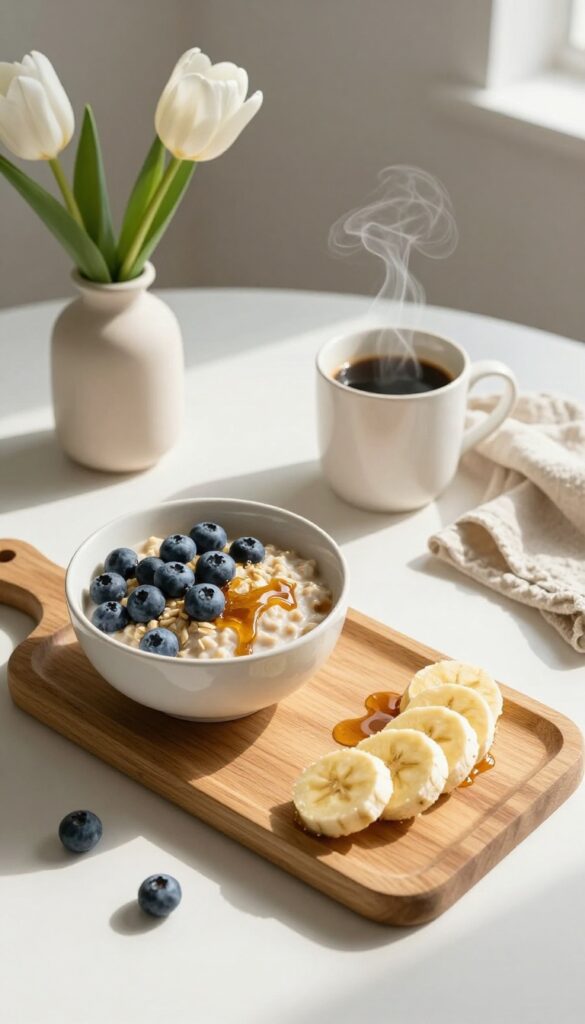
Sunday mornings are the perfect time to trade a rushed bite for a meal that feels intentional. Cooking something warm and satisfying isn't just about fuel—it's a quiet ritual that says, "I matter. "
A nourishing breakfast sets a gentle tone for the day. Oatmeal with berries, avocado toast with an egg, or a smoothie bowl can be both simple and special. The act of preparing it mindfully turns eating into self-care.
Choose A Recipe That Feels Like A Hug
Pick something that comforts you—maybe creamy oatmeal with a drizzle of honey, or a veggie-packed omelet. Keep it easy so you don't stress over perfection.
Set The Scene For Slow Eating
Plate your food nicely, sit down without distractions, and take your time. Notice the colors, smells, and textures. This turns breakfast into a moment of presence.
Prep Ahead For A Smoother Morning
If you want to save time, chop fruits or mix dry ingredients the night before. That way, cooking feels effortless and you can focus on enjoying the process.
5. Take a Tech-Free Walk
Your phone buzzes, pings, and pulls your attention in a dozen directions all day long. Sunday is the perfect day to give your brain a break from the constant digital noise. A tech-free walk is one of the simplest ways to reset your mind and reconnect with the world around you.
Leave your phone at home or put it on silent. Walk around your neighborhood, a nearby park, or just around the block. Notice the sounds, smells, and sights.
It's meditation in motion.
Why It Works
Without your phone, your brain stops multitasking and starts truly observing. The gentle rhythm of walking combined with sensory awareness lowers cortisol and boosts mood. It's like a reset button for your nervous system.
How To Make It A Habit
Pick a regular time—right after breakfast or before lunch. Start with just 10 minutes. If you're worried about emergencies, let someone know your route.
Over time, this simple ritual becomes something you look forward to all week.
What To Notice
Listen for birds, wind, or distant traffic. Feel the ground under your feet. Look for something you've never noticed before—a unique mailbox, a flower, a cool shadow pattern.
Let your mind wander freely.
6. Set Intentions for the Week
A fresh week can feel overwhelming if you dive in without direction. Instead of a strict to-do list, try setting one or two intentions. These are gentle guides—like 'speak kindly to myself' or 'focus on one task at a time'—that keep you grounded without pressure.
Intentions are different from goals. They're about how you want to feel or show up, not what you need to accomplish. Choosing just one or two makes them easy to remember and actually follow through on.
Write them down or say them aloud Sunday evening, then let them shape your week.
Keep It Simple
Pick intentions that feel doable, not lofty. For example, 'be present during meals' is more realistic than 'be mindful all day. ' Simplicity helps you stick with it.
Write Them Down
Jot your intentions on a sticky note or in your phone. Seeing them daily reinforces your focus. You can even set a daily reminder to revisit them.
Let Go Of Perfection
Some days you might forget your intention—that's okay. The point isn't to be perfect, but to bring gentle awareness back when you can.
7. Enjoy a Long, Hot Bath or Shower

There's a reason baths and showers feel so good after a long week. The warmth helps your muscles unwind, and the quiet time gives your brain a break. But to really make it count, treat it like a mini ritual rather than just a quick rinse.
Set the mood with soft lighting, a candle, or some calming music. Add Epsom salts or a bath bomb to soothe tired muscles. Commit to at least 20 minutes of soaking or standing under the hot water—no rushing allowed.
Set The Scene
Dim the lights, light a candle, and maybe put on a playlist of slow instrumentals. A few drops of lavender or eucalyptus essential oil can turn your bathroom into a spa. Keep your phone out of reach so you're not tempted to scroll.
Soak Or Shower With Intention
If you have a tub, add Epsom salts or a bath bomb—magnesium in the salts helps relax muscles. No tub? No problem.
Stand under a hot shower and let the water hit your shoulders and back. Breathe deeply and imagine the tension melting away.
Make It Last
Give yourself at least 20 minutes. If you're in a bath, bring a glass of water or herbal tea. For a shower, you can linger a few extra minutes.
The goal is to feel fully unwound when you step out.
8. Declutter One Small Area
A cluttered corner can weigh on your mind more than you realize. Picking just one tiny spot to tidy up—like a drawer or a nightstand—makes the task feel manageable, not overwhelming. The goal isn't a whole-house makeover; it's a small win that clears mental space along with the physical mess.
Decluttering doesn't have to mean spending hours sorting through boxes. By focusing on a single small area, you build momentum without the dread. A tidy surface can instantly lift your mood and give you a sense of control before the week starts.
Choose Your Spot
Look for a place that bothers you just a little every time you see it. Maybe it's the junk drawer in the kitchen, the top of your dresser, or the shelf by the front door. Pick something that can be done in 10 to 15 minutes—no more.
Clear And Sort
Take everything out and put it on a clean surface. Wipe down the empty space. Then sort items into three piles: keep, toss, and relocate.
Be honest—if you haven't used it in months, it probably doesn't need to stay.
Organize Thoughtfully
Put back only what you truly need, and arrange it so it's easy to find later. Use small containers or dividers if you have them, but don't overthink it. The point is to create a calm, functional spot that makes you smile when you see it.
9. Read Something Just for Fun
When was the last time you read a book just because you wanted to, not because you had to? Sundays are perfect for picking up a novel, a magazine, or even a comic. Reading for pleasure is a wonderful escape that also exercises your imagination.
Not a work email or a self-help book you feel obligated to finish. Grab a novel, a magazine, or a comic. Reading for pleasure is a wonderful escape that also exercises your imagination.
Choose A Genre You Love
Think about what truly excites you—mystery, romance, fantasy, or humor. Pick a book that feels like a treat, not a chore. If you're not sure, ask a friend for a recommendation or browse a bookstore's bestsellers.
Create A Cozy Reading Nook
Find a quiet spot with good lighting and a comfortable chair. Add a soft blanket and a warm drink. This simple setup makes reading feel like a special ritual, not just another task.
Set A Timer, Not A Goal
Commit to reading for just 20 or 30 minutes. No pressure to finish a chapter or a certain number of pages. This low-stakes approach helps you relax and enjoy the story without stress.
10. Practice Deep Breathing

Your breath is always with you, yet it's easy to forget how powerful it can be. Taking a few minutes to breathe deeply can shift your entire state of mind. It's one of the quickest ways to calm your nervous system and bring yourself back to center.
Deep breathing is a simple but effective tool to reduce stress and improve focus. By consciously controlling your breath, you activate your body's relaxation response, lowering heart rate and blood pressure. This practice helps you feel more grounded and present, making it a perfect Sunday reset.
The 4-4-4 Method
Sit comfortably, close your eyes, and inhale through your nose for four counts. Hold your breath for four counts, then exhale slowly through your mouth for four counts. Repeat this cycle for five minutes.
You can extend the exhale to six counts for deeper relaxation.
Why It Works
This pattern activates the parasympathetic nervous system, which calms your fight-or-flight response. It lowers cortisol levels and signals your brain that it's safe to relax. Even a few rounds can make a noticeable difference in how you feel.
Make It A Habit
Try pairing deep breathing with a daily cue, like your morning coffee or before bed. Set a timer on your phone as a gentle reminder. Over time, it becomes a natural way to handle stress and maintain balance.
11. Listen to a Calming Playlist
Music has a direct line to your mood, and a well-curated Sunday playlist can set the tone for a peaceful day. Instead of scrolling through random tracks, take a few minutes to build a collection that soothes your mind and helps you unwind. Let it play softly in the background as you move through your morning routine or while you relax with a cup of tea.
A calming playlist doesn't have to be complicated. Focus on genres like soft acoustic, classical, or ambient music that naturally slow down your breathing and heart rate. The key is consistency—revisit the same playlist each Sunday so your brain starts associating those sounds with rest and reset.
Curate Your Soundtrack
Choose 10–15 songs that feel like a deep breath. Think artists like Ludovico Einaudi, Iron & Wine, or ambient nature sounds. Avoid anything with jarring beats or lyrics that pull you into a story.
The goal is background comfort, not active listening.
Set The Volume Right
Keep the volume low enough that you can still hear the sounds of your home—birds outside, the kettle boiling, your own footsteps. Music should enhance the calm, not dominate it. A gentle hum in the air works wonders.
Pair It With A Slow Activity
Let the playlist accompany something low-effort: journaling, stretching, or folding laundry. The music turns a chore into a moment of mindfulness. You'll find yourself moving more slowly and breathing more deeply without even trying.
12. Do a Skincare or Grooming Ritual
Your skin works hard all week, so give it some extra attention on Sunday. A dedicated skincare or grooming ritual isn't just about looking good—it's a tactile way to show yourself care and signal that it's time to unwind. Whether you have a 10-step routine or just a few minutes, the key is to be present.
Feel the textures, notice the scents, and enjoy the process without rushing.
Start With A Face Mask
Choose a mask that suits your skin's needs—hydrating, purifying, or soothing. Apply it while you do something else relaxing, like listening to a podcast or lying down. The wait time becomes a built-in moment of stillness.
Add A Gentle Exfoliation
Exfoliating once a week helps remove dead skin cells and leaves your face feeling fresh. Use a gentle scrub or a chemical exfoliant with AHAs or BHAs. Follow up with a moisturizer to lock in that glow.
Try A Facial Massage
Using a jade roller or gua sha tool, gently massage your face in upward and outward motions. This can help reduce puffiness, improve circulation, and release tension held in your jaw and forehead.
13. Call or Video Chat a Loved One
A quick catch-up with someone who makes you feel good can lift your spirits. Share a laugh, vent a little, or just hear their voice. Connection is a core human need, and Sunday is the perfect day to nurture it.
Keep It Light
You don't need a deep conversation every time. A funny story, a shared memory, or even a silly observation can do wonders. The goal is to feel connected, not to solve every problem.
Make It A Ritual
Consider setting a recurring Sunday call with a friend or family member. Knowing it's on the calendar removes the friction of deciding when to reach out. It becomes something you both look forward to.
Mix It Up
Video calls can feel more personal than a voice call, but sometimes a simple phone call is easier. Switch between the two based on your mood and energy. The important thing is to actually do it.
14. Cook a Batch of Healthy Meals

Spending a little time in the kitchen on Sunday can save you from the weekday scramble for takeout. Batch cooking isn't about gourmet meals—it's about setting yourself up with easy, nutritious options when your energy dips. An hour of prep now means you'll have grab-and-go lunches or quick dinners ready to heat up later.
Chopping veggies, cooking grains, or making a big salad can transform your week. Future you will thank you on a busy Tuesday when dinner is basically done. Start simple: roast a tray of vegetables, cook a pot of quinoa, or marinate some chicken.
Store everything in clear containers so you can see what's ready.
Pick One Or Two Recipes
Don't overcomplicate it. Choose a grain, a protein, and a vegetable that you can mix and match. For example, quinoa, roasted chickpeas, and sautéed spinach work well together and can be used in bowls, wraps, or salads.
Prep Your Staples
Wash and chop veggies you use often—onions, bell peppers, carrots. Cook a batch of brown rice or lentils. Having these basics ready makes throwing together a meal feel effortless.
Store Smartly
Use airtight containers and label them with the day you prepped. Keep ingredients like chopped herbs or avocado separate until you're ready to eat to avoid sogginess. A little organization goes a long way.
15. Journal About Your Week
Grab a notebook and spend a few minutes writing about the past seven days. No pressure to be eloquent—just let the words flow. This simple habit helps you process emotions, spot patterns, and gain clarity.
Journaling doesn't have to be a long, drawn-out process. A few sentences are enough to capture what mattered most. Over time, you'll build a valuable record of your growth and challenges.
What Went Well
Start with the wins, big or small. Maybe you nailed a presentation, had a great conversation, or simply enjoyed a quiet morning. Recognizing these moments boosts gratitude and confidence.
What Challenged You
Reflect on the tough parts without judgment. Was there a stressful deadline, a disagreement, or a moment of self-doubt? Naming these helps you understand your triggers and plan better for next time.
What You Learned
End with a lesson or insight. It could be about yourself, others, or how you handle situations. This turns experience into wisdom and sets a positive tone for the week ahead.
16. Try a New Hobby or Craft
Sometimes the best self-care is doing something just for the fun of it. When you pick up a new hobby, you give your brain a break from overthinking and let your hands take the lead. That simple shift can quiet your mind in a way that feels effortless.
Creative activities like doodling, knitting, building with Lego, or folding origami are surprisingly meditative. They keep your hands busy and your thoughts focused on the present moment. And the best part?
There's no pressure to be good at it. The joy is in the process, not the result. So grab some supplies and see where your curiosity takes you.
Why It Works
When you're fully engaged in a hands-on task, your brain enters a flow state. That's when worries fade and time seems to slow down. It's like a mini vacation from your to-do list.
Easy Ideas To Start
Not sure where to begin? Try doodling patterns in a notebook, knitting a simple scarf, assembling a small Lego set, or folding a few origami cranes. All you need is a few basic supplies and 20 minutes.
Keep It Low-pressure
Remember, this is about enjoyment, not achievement. Your doodles don't have to be gallery-worthy, and your origami can be lopsided. The goal is to relax, not to impress.
17. Stretch While Watching TV

You already spend hours on the couch catching up on shows. Why not turn that passive time into something that actually helps your body? A few simple stretches can loosen tight muscles, improve circulation, and make you feel more awake—without taking away from your binge-watching.
Stretching while watching TV is one of the easiest ways to sneak movement into your Sunday. You don't need a mat or special gear. Just use the couch, floor, or even a wall.
Start with your neck: slowly roll your head side to side while keeping your shoulders relaxed. Then move to hamstrings—sit on the edge of the couch, extend one leg, and lean forward gently. Hold each stretch for 20–30 seconds.
Shoulder openers are great too: clasp your hands behind your back and lift your arms slightly. You'll feel the tension melt away as your favorite show plays in the background.
Couch-friendly Stretches
You don't need to get on the floor. Try seated spinal twists: sit sideways on the couch, twist your torso toward the backrest, and hold. Or do a seated figure-four stretch: cross one ankle over the opposite knee and lean forward.
These target hips and lower back—common problem areas for anyone who sits a lot.
Make It A Habit
Pick a trigger, like the opening credits or a commercial break, to remind yourself to stretch. Keep a water bottle nearby and set an intention to stretch during every episode. Over time, your body will start craving those gentle movements.
What To Avoid
Don't bounce or force a stretch—gentle is better. Avoid deep backbends or anything that strains your neck while looking at the TV. Keep movements slow and controlled.
If something hurts, ease off.
18. Plan One Fun Thing for the Week
Sundays are perfect for setting up a little joy in the days ahead. When you schedule something you genuinely look forward to, it gives you a mental boost and makes the week feel less like a grind. It doesn't have to be big—just one simple, fun plan can change your whole outlook.
Think of it as a promise to yourself. Whether it's a coffee date with a friend, a walk in the park, or even just an episode of your favorite show, having that anchor point makes the rest of the week easier to navigate. You're not just surviving the week—you're actively creating moments to enjoy.
The key is to pick something that feels like a treat, not a chore. It could be a midweek pick-me-up or a weekend reward. The anticipation alone can lift your mood, and the activity itself gives you a break from routine.
Try to make it non-negotiable—schedule it in your calendar like any other appointment.
Why Anticipation Matters
Looking forward to something releases dopamine, the feel-good neurotransmitter. Even a small planned pleasure can reduce stress and increase happiness throughout the week. It's like giving your brain a little gift in advance.
Ideas That Work
Not sure what to plan? Try a coffee date with a friend, a solo walk in a scenic spot, a movie night with popcorn, or trying a new recipe. The activity should be something you enjoy, not something you feel you should do.
Make It Stick
Write it down or set a reminder. Treat it as seriously as a work meeting. If something comes up, reschedule rather than cancel.
Consistency builds the habit of prioritizing joy.
19. Do a Digital Declutter
Your phone can be a source of stress without you even realizing it. Constant notifications, cluttered apps, and overflowing inboxes create low-level anxiety that steals your Sunday peace. A digital declutter is like a deep breath for your screen—simple, fast, and surprisingly calming.
Unsubscribe In Bulk
Open your inbox and search for "unsubscribe. " Spend 10 minutes unsubscribing from newsletters you never read, promotional emails, and store updates. Each one you remove is one less distraction later.
Delete Unused Apps
Scroll through your home screen and delete apps you haven't opened in the last month. Games you downloaded once, old fitness trackers, shopping apps—they take up space and mental energy. You'll feel lighter instantly.
Organize Your Home Screen
Put your most-used apps on the first page and move everything else into folders or a second screen. Choose a simple wallpaper. A clean home screen makes your phone feel less overwhelming and easier to use.
20. Spend Time with a Pet

Animals have a way of pulling you into the present moment. Whether it's a dog, cat, or even a hamster, spending quality time with a pet can lower stress and boost your mood. Their unconditional love is a gentle reminder to slow down and just be.
If you have a pet, give them your full attention for a few minutes. Pet them, play with them, or just sit together. The unconditional love of an animal is incredibly grounding.
The Calming Power Of Touch
Petting a dog or cat releases oxytocin, the bonding hormone, and lowers cortisol. Even five minutes of stroking soft fur can shift your nervous system from fight-or-flight to rest-and-digest.
Playtime As Mindfulness
Tossing a toy or dangling a string forces you to focus on the moment. Watch your pet's joy—it's contagious. This simple act can break a spiral of anxious thoughts.
Quiet Companionship
Sometimes you don't need to do anything. Just sitting together, feeling their warmth, can be deeply soothing. Let them curl up beside you while you breathe.
21. Write a Gratitude List
Gratitude is a simple but powerful tool for shifting your mindset. Taking a few minutes to jot down what you're thankful for can turn a restless Sunday into a peaceful one. It's not about grand gestures—small joys count just as much.
Grab a notebook or open a notes app. Write down three things you're grateful for today. They might be a warm blanket, a laugh with a friend, or a quiet moment with your tea.
The act of writing helps you notice the good that's already there.
Why It Works
Gratitude rewires your brain to focus on positives. It lowers stress and boosts mood, making it easier to handle the week ahead. Even on tough days, finding one small thing can shift your perspective.
Make It A Ritual
Pair your gratitude list with your morning coffee or right before bed. Keep it short so it feels doable. Over time, you'll train your mind to spot the bright spots naturally.
Mix It Up
Some days, list people you appreciate. Other days, focus on experiences or sensations. Variety keeps the practice fresh and meaningful.
22. Take a Nap Without Guilt
If you're feeling drained by Sunday afternoon, a nap might be exactly what you need. Instead of pushing through fatigue or feeling lazy, give yourself permission to rest. A short nap can refresh your mind and body without disrupting your nighttime sleep.
Power naps are a science-backed way to boost alertness and mood. Keep it brief—20 minutes is the sweet spot. Set an alarm, find a quiet spot, and let yourself drift off without guilt.
Your body knows when it needs rest.
Why 20 Minutes Works
A 20-minute nap prevents you from entering deep sleep, so you wake up feeling refreshed rather than groggy. It improves cognitive function, memory, and even creativity. Plus, it's short enough to fit into a busy Sunday.
How To Nap Well
Create a calming environment: dim lights, use a blanket, and block out noise. Lie down or recline in a comfortable chair. Avoid napping after 3 p. m. to protect your nighttime sleep.
And don't overthink it—just rest.
Let Go Of The Guilt
Napping isn't lazy—it's a form of self-care. Your body repairs and recharges during sleep. By honoring your need for rest, you're actually being productive.
So close your eyes and enjoy that quick reset.
23. End the Evening with a Relaxing Ritual

The way you end your Sunday sets the tone for Monday morning. Instead of scrolling through your phone or watching one more episode, try a calming wind-down routine. A consistent ritual helps your brain transition from the weekend buzz to rest mode.
Dim the lights, sip herbal tea, and do something calming like reading or light stretching. A consistent wind-down routine signals your brain that it's time to sleep, setting you up for a restful night.
Create A Cozy Atmosphere
Lower the lights, light a candle, or put on some soft music. Your environment plays a big role in signaling relaxation. Keep the space clutter-free and comfortable.
Choose A Calming Activity
Pick something that soothes you—reading a few pages of a book, gentle yoga poses, or writing in a journal. Avoid screens at least 30 minutes before bed.
Stick To A Schedule
Try to start your ritual at the same time each Sunday. Consistency trains your body to expect sleep, making it easier to drift off.
FAQ
What is self-care Sunday?
Self-care Sunday is a dedicated day each week to focus on activities that restore your mental, emotional, and physical well-being, helping you start the new week refreshed.
How long should a self-care Sunday routine take?
It can be as short as 30 minutes or as long as a few hours. The key is consistency, not duration. Even one small ritual can make a difference.
Can I do self-care Sunday on another day?
Absolutely. The name is just a suggestion. Pick any day that works for your schedule.
The important thing is to carve out time for yourself regularly.
Do I need special equipment or products for these tips?
Not at all. Most tips require nothing more than a few minutes of your time and maybe a pen and paper. Self-care is about intention, not purchases.
How do I choose which self-care Sunday tips to try?
Start with one or two that feel most appealing or needed. You can rotate different ideas each week. Listen to what your mind and body are asking for.
Conclusion
Self-care isn't about doing everything at once. Pick two or three tips that speak to your current needs—maybe it's a digital detox or a simple stretching routine.
Small, consistent actions build lasting balance. Start where you are, adjust as you go, and let your Sunday ritual evolve naturally.