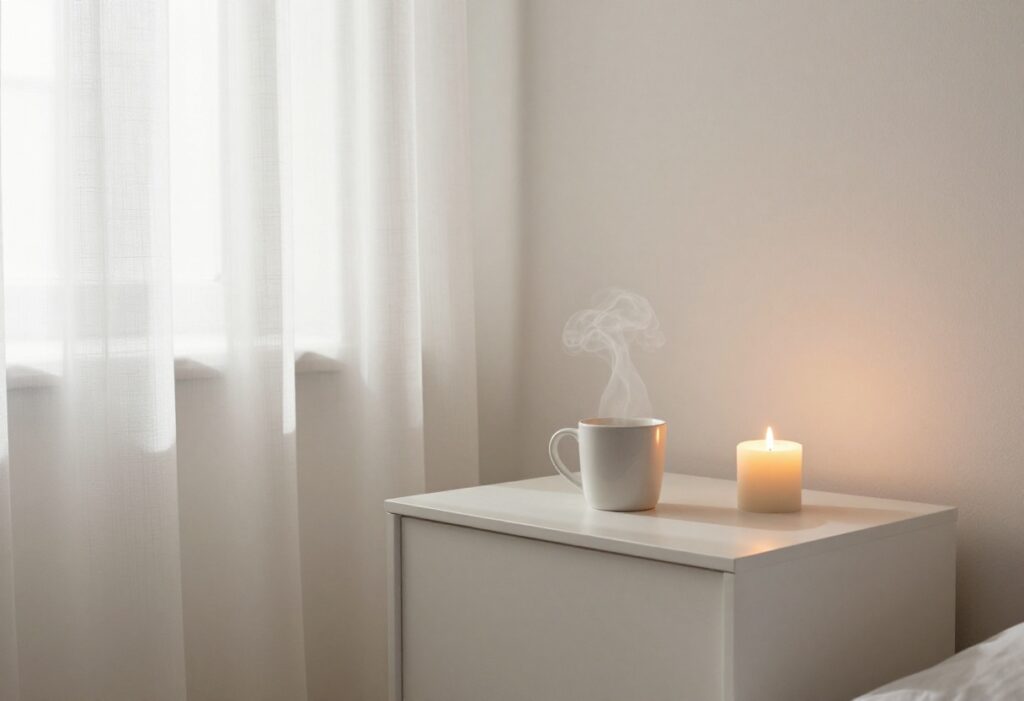
Self-care doesn't have to mean spa days or expensive retreats. Real self-care fits into your daily routine without adding extra stress. It's about small, intentional habits that keep you grounded and energized.
These 25 checklist items are designed to be simple and actionable. No guilt, no pressure—just practical steps you can actually stick with. Pick what works for you and skip the rest.
Think of this list as a flexible toolkit, not a rigid rulebook. Start with one or two habits and build from there. Your well-being deserves that kind of gentle consistency.
1. Wake Up Without Your Phone

Your phone is probably the first thing you reach for in the morning. That habit might feel automatic, but it sets a reactive tone for the day. Instead of easing into your morning, you're instantly flooded with notifications, emails, and other people's demands.
Giving yourself a screen-free buffer can change everything.
Starting your day screen-free reduces anxiety and gives you a calm, intentional morning. Try waiting at least 15 minutes before checking notifications. Use that time to stretch, sip water, or just sit quietly.
You'll notice a difference in how grounded you feel.
Why It Works
When you check your phone first thing, your brain jumps into stress mode. Cortisol spikes, and you start the day reacting instead of choosing. A short delay lets your nervous system wake up naturally, so you feel more in control.
How To Make It Stick
Keep your phone in another room overnight or use a regular alarm clock. If you need your phone for alarms, place it face-down and out of reach. Commit to one simple morning ritual before touching it—like drinking a glass of water or taking three deep breaths.
What To Do Instead
Use those first few minutes for something that grounds you. Open the curtains, write down one intention for the day, or do a gentle stretch. The goal is to connect with yourself before connecting to the digital world.
2. Drink a Full Glass of Water First Thing
Your body goes hours without water while you sleep, so it wakes up dehydrated. Drinking a full glass of water first thing in the morning helps kickstart your metabolism, boost your energy, and sharpen your brain function. It's one of the simplest and most effective self-care habits you can adopt.
Keep a glass or reusable bottle on your nightstand as a visual cue. That way, you don't even have to think about it—you just drink before you reach for your phone or coffee. Over time, this tiny ritual becomes automatic and sets a hydrated, healthy tone for the rest of your day.
Hydrating right after waking up is a game-changer for your overall well-being. It helps flush out toxins, improves digestion, and even gives your skin a healthier glow. Plus, it can prevent that mid-morning slump by keeping your energy levels steady.
If plain water feels boring, add a squeeze of lemon or a pinch of sea salt for electrolytes. The key is consistency—make it a non-negotiable part of your morning routine, and your body will thank you.
Why Morning Hydration Matters
After 7–8 hours of sleep, your body is low on fluids. Drinking water first thing replenishes what's lost, supports organ function, and helps your brain work better. Even mild dehydration can make you feel tired, foggy, or irritable.
How To Make It A Habit
Set a glass or water bottle on your nightstand before bed. When your alarm goes off, drink it before doing anything else. You can also pair it with another habit, like stretching or taking a few deep breaths, to make the routine stick.
Add A Little Flavor (optional)
If plain water doesn't excite you, try infusing it with cucumber, mint, or citrus. A tiny pinch of pink salt adds electrolytes and can help with absorption. But keep it simple—the goal is to drink, not to create a complicated recipe.
3. Stretch for Five Minutes
Your body holds onto tension from sleep, poor posture, and yesterday's stress. A quick five-minute stretch in the morning can release that tightness and set a calm tone for the day. You don't need a yoga mat or special gear—just a few gentle moves to wake up your muscles.
Morning stretching improves flexibility, boosts blood flow, and helps prevent injury. It also signals to your nervous system that it's time to shift from rest to activity. Keep it simple: reach for the sky, touch your toes, and roll your shoulders.
Consistency matters more than intensity.
Why Five Minutes Works
Five minutes is short enough to fit into any morning routine but long enough to make a difference. It's a low barrier to entry—no excuses about being too busy. Over time, those five minutes add up to better mobility and less stiffness.
Simple Moves To Try
Start with a full-body stretch: stand tall and reach overhead. Then do a forward fold to release your lower back. Add a cat-cow stretch on all fours to loosen your spine.
Finish with some neck rolls and shoulder shrugs. Breathe deeply throughout.
Make It A Habit
Pair your stretch with an existing habit, like after brushing your teeth or while your coffee brews. Keep a sticky note on your mirror as a reminder. Within a week, it'll feel like a natural part of your morning.
4. Write Down Three Intentions for the Day

Mornings can feel like a race before you even open your eyes. Instead of letting the day happen to you, take two minutes to set the tone. Writing down three intentions shifts your focus from reaction to direction.
These aren't rigid goals or massive to-dos. Think of them as gentle anchors—small, positive statements that guide your energy. "I will listen more than I talk" or "I'll take a real lunch break" count.
The point is clarity, not perfection. When you write them down, you commit. Your brain registers the intention and starts looking for ways to make it happen.
It's a simple trick that builds momentum without adding pressure.
Keep your intentions short and specific. Instead of "be more productive, " try "finish the report by noon. " Instead of "be calmer, " try "take three deep breaths before each meeting.
" Specificity makes them easier to remember and act on. Place your list somewhere visible—sticky note on your monitor, phone notes app, or journal. The act of writing is powerful, but seeing it throughout the day reinforces your focus.
Don't overthink it. Some days your intentions might be as simple as "drink enough water" and "go for a walk. " That's fine.
The habit is the win, not the content.
Why Three?
Three is a magic number—enough to cover different areas of your life (work, health, relationships) but not so many that you feel overwhelmed. It forces you to prioritize what truly matters today. Any more than five and the list becomes noise.
How To Pick Your Intentions
Tune into how you want to feel, not just what you need to do. Ask yourself: What would make today a good day? What's one thing I can control?
Let your intentions reflect your values, not your obligations. For example, "connect with a friend" can be more meaningful than "reply to emails. "
Make It A Ritual
Pair this habit with something you already do—like sipping your morning coffee or waiting for your computer to boot. Consistency beats intensity. After a week, you'll notice your days feel more intentional and less scattered.
5. Eat a Balanced Breakfast
Breakfast sets the tone for your entire day. When you skip it or grab something sugary, your energy crashes before lunch. A balanced meal with protein, healthy fats, and fiber keeps your blood sugar steady and your mind sharp.
Even a quick smoothie or bowl of oatmeal counts—you just need the right ingredients.
Prioritizing breakfast doesn't mean cooking a gourmet meal. It's about choosing foods that fuel you properly. Protein keeps you full, healthy fats support brain function, and fiber aids digestion.
Aim for at least two of these three components each morning.
Quick Protein Options
Eggs, Greek yogurt, or a scoop of protein powder in a smoothie are easy ways to add protein. If you're short on time, hard-boiled eggs or a cheese stick work too.
Healthy Fats That Satisfy
Avocado, nut butter, chia seeds, or a handful of almonds bring healthy fats to your plate. They help you feel full longer and provide steady energy.
Fiber-rich Carbs
Oats, whole grain toast, berries, or a banana add fiber and natural sweetness. They prevent blood sugar spikes and keep your digestion on track.
6. Take a Short Walk Outside
Sometimes the best reset button is just stepping out the door. A short walk doesn't need a destination or a workout plan—it's simply a chance to move your body and clear your head. Fresh air and a change of scenery can do wonders for your mood and creativity.
Walking is one of the easiest ways to incorporate movement into your day without feeling like a chore. It's low impact, requires no equipment, and fits into even the busiest schedule.
Why 10 Minutes Works
You don't need an hour-long hike to reap the benefits. Research shows that just 10 minutes of brisk walking can boost your mood, reduce stress, and improve focus. It's enough to break a mental block or shake off a funk.
Make It A Habit
Tie your walk to an existing routine—like after lunch or before your evening shower. Keep a pair of comfortable shoes by the door. Even a quick loop around the block counts.
The goal is consistency, not distance.
Leave Your Phone Behind
Try walking without your phone or at least keep it in your pocket. Notice the sky, the trees, the sounds around you. This small act of presence can turn a simple walk into a mini mindfulness practice.
7. Practice Deep Breathing for Two Minutes
When life feels overwhelming, two minutes of focused breathing can reset your entire nervous system. It's one of the fastest ways to shift from fight-or-flight mode to a calm, balanced state. No equipment needed, just your breath and a quiet moment.
Deep breathing activates the parasympathetic nervous system, lowering heart rate and calming the mind. Try box breathing: inhale, hold, exhale, hold.
Why Two Minutes Works
Two minutes is short enough to fit anywhere—between meetings, before bed, or during a stressful moment. It's long enough to trigger a relaxation response but brief enough to feel doable. Consistency matters more than duration.
Try Box Breathing
Inhale for four counts, hold for four, exhale for four, hold for four. Repeat for two minutes. This simple pattern synchronizes your breath and mind, reducing anxiety and improving focus.
You can adjust counts to what feels comfortable.
Make It A Habit
Pair deep breathing with an existing routine, like after brushing your teeth or before starting your car. Set a phone reminder or use a breathing app. Over time, it becomes an automatic pause button for stress.
8. Declutter One Small Area

Clutter isn't just physical—it's mental. A messy desk or overflowing drawer can weigh on your mind without you even realizing it. Clearing just one small spot can bring a surprising sense of calm and control.
You don't need to Marie Kondo your whole house. Pick a single drawer, a corner of your counter, or even just your nightstand. Spend five minutes sorting, tossing, and organizing.
That small win creates momentum and makes your space feel lighter.
Start With A Drawer
Junk drawers are notorious for collecting odds and ends. Empty it out, wipe it clean, and only put back what you actually use. You'll be amazed how satisfying it is to open a tidy drawer.
Clear A Countertop
Kitchen and bathroom counters attract clutter fast. Remove everything that doesn't belong there—mail, beauty products, random gadgets. A clear surface instantly makes the room feel more spacious and peaceful.
Tame A Digital Space
Decluttering isn't just physical. Clean up your phone's home screen, organize your desktop, or unsubscribe from spam emails. Digital clutter can be just as draining as physical mess.
9. Connect with a Loved One
A quick text, call, or hug boosts oxytocin and fights loneliness. Prioritize quality over quantity in your interactions. Even a few minutes of genuine connection can lift your mood and strengthen your relationships.
Choose One Person, Not Everyone
Instead of trying to catch up with everyone, pick one person you genuinely want to talk to. A focused conversation beats a dozen superficial exchanges. It deepens the bond and leaves you both feeling seen.
Make It A Ritual
Set a recurring reminder to check in with a loved one. Maybe it's a Sunday call with your mom or a quick text to a friend during your lunch break. Consistency turns connection into a habit.
Be Fully Present
When you connect, put your phone down and listen. Ask questions. Share something real.
Quality time doesn't need to be long—just undivided. That presence is what truly fights loneliness.
10. Do a Digital Detox for 30 Minutes
Your phone buzzes, your laptop pings, and your smartwatch vibrates. Constant notifications fragment your attention and drain mental energy. A 30-minute digital detox gives your brain a chance to reset without the noise.
Set a timer and step away from all screens. No scrolling, no checking emails, no background TV. This small window of offline time helps reduce eye strain and quiet the mental chatter that builds up during the day.
What To Do Instead
Pick up a physical book, write in a journal, or just sit and breathe. You could also stretch, doodle, or look out the window. The goal isn't to be productive—it's to give your mind a break from constant input.
Make It A Habit
Schedule your detox at the same time each day, like right after work or before bed. Pair it with a cup of tea or a cozy spot. Consistency makes it easier to stick with, and soon you'll look forward to that quiet time.
11. Eat Lunch Away from Your Desk

It's tempting to eat while answering emails or scrolling through reports, but that habit robs you of a true break. When you eat at your desk, your brain never fully disconnects from work mode. The result?
Poor digestion, lower afternoon energy, and a foggy focus that lingers for hours.
Stepping away—even for 15 minutes—signals your body and mind that it's time to reset. You chew more slowly, taste your food, and give your gut a chance to do its job properly. Plus, that mental distance helps you return to tasks with renewed clarity and creativity.
Why It Works
Your brain needs a genuine break to recharge. Eating at your desk keeps stress hormones elevated and digestion sluggish. A change of scenery lowers cortisol and activates the parasympathetic nervous system—your rest-and-digest mode.
Make It A Ritual
Pack your lunch the night before and set a firm midday alarm. Find a sunny spot, a park bench, or even a quiet corner. Leave your phone behind or set it to Do Not Disturb.
Savor each bite without multitasking.
What To Eat
Choose balanced meals with protein, fiber, and healthy fats to sustain energy. Avoid heavy, greasy foods that cause afternoon slumps. Think colorful salads, grain bowls, or leftovers from last night's dinner.
12. Move Your Body for 15 Minutes
Exercise doesn't need to be a grueling hour at the gym. A short 15-minute movement break can lift your mood, sharpen your focus, and boost your energy. The key is consistency, not intensity.
Pick something you enjoy—dancing, stretching, or a brisk walk—and make it a non-negotiable part of your day.
Any Movement Counts
You don't have to follow a strict workout plan. Put on your favorite song and dance in your living room. Do a few yoga poses.
Take a quick walk around the block. The goal is to get your blood flowing and your muscles moving. Even gentle movement releases endorphins that improve your mood.
Make It Easy To Start
Keep your workout clothes visible and ready. Set a timer for 15 minutes—any less feels too short, any more might feel overwhelming. Pair it with something you already do, like after your morning coffee or before your evening shower.
The less friction, the more likely you'll stick with it.
Listen To Your Body
Some days you'll feel like jumping, other days you'll need slow stretches. That's okay. The habit is about showing up, not pushing yourself.
If you're tired, choose gentle movement. If you're stressed, try something more vigorous. Let your body guide the intensity.
13. Practice Gratitude Out Loud
Gratitude is one of those things we know we should do, but it often stays stuck in our heads. Thinking grateful thoughts is nice, but saying them out loud makes them real. When you speak your gratitude, you give it weight and presence.
It doesn't have to be a big production. Just one sentence, spoken to yourself or someone else, can shift your entire mood. Try it right now: say one thing you're grateful for.
Notice how it changes the way you feel.
Start Your Day With One Sentence
Before you even get out of bed, say one thing you're grateful for. It could be the warmth of your blanket, the silence of the morning, or the fact that you have a roof over your head. This simple act sets a positive tone for the day ahead.
Share It With Someone
Tell a friend, partner, or coworker something you appreciate about them or about your day. Not only does this strengthen your relationship, but it also makes the gratitude feel more real and connected.
Make It A Habit At Meals
Before you eat, take a moment to say one thing you're grateful for about the food. Maybe it's the flavor, the person who cooked it, or the fact that you have enough to eat. This small pause can turn a routine meal into a mindful moment.
14. Listen to Uplifting Music or a Podcast
Your playlist can be a powerful self-care tool. Upbeat songs boost dopamine, while calming tracks lower cortisol. Podcasts offer a different kind of nourishment—learning something new or hearing a relatable story can shift your entire mindset.
Curating your audio content takes just a few minutes but pays off all day. Whether you need motivation, relaxation, or connection, the right sound can transform a dull moment into a meaningful one. This habit is especially useful during commutes, chores, or breaks.
Instead of letting your mind wander to stress, you intentionally choose what fills your headspace.
Match The Mood
Create playlists for different needs: a high-energy mix for workouts, a chill set for winding down, and a feel-good list for when you're low. Streaming services make it easy to save and label these. Spend 10 minutes building your audio toolkit—you'll thank yourself later.
Learn While You Listen
Podcasts turn dead time into growth time. Subscribe to shows that teach you something or make you laugh. Try topics like personal development, storytelling, or hobbies.
Even 15 minutes a day adds up to hours of learning each month.
Make It A Ritual
Tie listening to a specific part of your routine. Maybe a podcast during your morning coffee, or a wind-down playlist before bed. Consistency helps the habit stick.
Soon, your brain will associate that audio cue with relaxation or focus.
15. Take a Power Nap (If Needed)

Feeling that midday slump? A power nap might be exactly what you need. It's not lazy—it's strategic.
A short 20-minute nap can restore alertness, improve mood, and boost performance without leaving you groggy.
Listen to your body. If your eyelids feel heavy or your focus drifts, a quick nap can be more productive than pushing through. Keep it short—set an alarm for 20 minutes.
Any longer and you risk sleep inertia, that foggy feeling that defeats the purpose.
How To Nap Effectively
Find a quiet, dark spot. Use an eye mask or earplugs if needed. Lie down or recline in a comfortable chair.
Breathe deeply and let your mind drift. The goal is light sleep, not deep sleep.
When To Nap
The best time is early afternoon, between 1 and 3 PM. Napping too late can interfere with nighttime sleep. If you have trouble sleeping at night, limit naps or avoid them altogether.
The Science Behind It
A 20-minute nap boosts alertness and motor skills for up to a few hours. It also helps with memory consolidation and reduces stress. Think of it as a reset button for your brain.
16. Hydrate Throughout the Day
Water is the simplest self-care tool you might be overlooking. Even mild dehydration can drag down your energy, mess with your focus, and leave your skin looking dull. Keeping a water bottle on your desk or in your bag makes it easy to sip regularly without thinking about it.
Why It Matters
Your brain and body rely on water to function properly. When you're dehydrated, you may feel tired, get headaches, or have trouble concentrating. Drinking enough water also helps your skin stay plump and clear, and it supports digestion and metabolism.
How To Make It A Habit
Start by keeping a reusable water bottle within arm's reach at all times. Set a reminder on your phone or use a bottle with time markers. If plain water bores you, add a slice of lemon, cucumber, or a few berries for flavor.
Aim for small sips throughout the day rather than chugging large amounts at once.
Signs You're On Track
A good indicator is the color of your urine—pale yellow means you're well hydrated. You'll also notice steadier energy levels, fewer headaches, and less dry skin. Over time, drinking water becomes automatic, like breathing.
17. Set Boundaries with Work or Others
Boundaries aren't about being rude—they're about protecting your peace. When you say yes to everything, you end up drained and resentful. Setting clear limits with work, friends, or family is one of the most powerful self-care habits you can adopt.
Start small. Identify one area where you often feel overextended. Maybe it's answering emails after hours, or agreeing to social plans when you need rest.
Practice saying no without over-explaining. A simple "I can't take that on right now" is enough. Over time, boundaries become easier and your energy stays intact.
Why Boundaries Matter
Without boundaries, your time and energy get scattered. You end up prioritizing everyone else's needs over your own. That leads to burnout, resentment, and a weaker sense of self.
Boundaries are a form of self-respect—they tell others (and yourself) that your well-being is non-negotiable.
How To Start Setting Them
Begin by noticing what drains you. Is it a specific person, a type of request, or a time of day? Then, decide your limit.
Communicate it clearly and calmly. For example: "I can't take on extra projects this week. " Or: "I need to leave by 6 PM.
" Stick to it without guilt.
Handling Pushback
Some people may not respect your boundaries at first. That's okay. Stay firm and repeat your limit if needed.
You don't owe anyone a lengthy explanation. Remember, you're not responsible for their reaction. Protecting your peace is your priority.
18. Engage in a Hobby for 20 Minutes

Hobbies often get pushed aside when life gets busy, but they're one of the best ways to recharge. Dedicating just 20 minutes to something you love can shift your mood and give your brain a break from constant productivity. Whether it's knitting, sketching, or playing a musical instrument, that small window of time is yours to enjoy without any pressure.
Carving out 20 minutes for a hobby might feel like a luxury, but it's a powerful form of self-care. It helps you disconnect from work and responsibilities, allowing your mind to wander and reset. The key is to choose an activity that feels purely joyful, not something you feel you should do.
This short, focused time can reduce stress, spark creativity, and leave you feeling more balanced.
Why 20 Minutes Works
Twenty minutes is long enough to get into a flow state but short enough to fit into a busy day. It's a manageable commitment that doesn't feel daunting. Research shows that even brief periods of engaging in enjoyable activities can lower cortisol levels and improve overall well-being.
How To Choose Your Hobby
Pick something that makes you lose track of time. It doesn't have to be productive or skill-based—coloring, listening to music, or tending to a small plant all count. The goal is pleasure, not perfection.
If you're not sure what you enjoy, experiment with different activities until one clicks.
Making It A Habit
Schedule your hobby time like any other appointment. Set a timer if needed, and remove distractions. Keep your supplies handy so you can jump right in.
Consistency matters more than duration—even a few times a week can make a difference.
19. Do a Quick Stretch or Yoga Pose
Sitting for hours on end tightens your hips, shoulders, and lower back. A quick stretch at your desk can reverse that tension and boost blood flow. You don't need a mat or special clothes—just a minute or two to reset your body.
Forward Fold At Your Desk
Stand up and hinge at your hips, letting your head and arms hang heavy. Keep a slight bend in your knees to protect your lower back. Hold for five deep breaths to release your spine and hamstrings.
Seated Cat-cow
Sit tall with your hands on your knees. Inhale as you arch your back, lifting your chest and gaze. Exhale as you round your spine, tucking your chin toward your chest.
Repeat five times to mobilize your entire back.
Neck And Shoulder Release
Drop your right ear toward your right shoulder, then gently roll your chin down and across to the left. Circle your shoulders backward five times. This relieves tension from hunching over a keyboard.
20. Write Down One Win from Today
It's easy to focus on what went wrong or what you didn't get done. But ending your day by noting a single win—something you did well, no matter how small—shifts your brain toward gratitude and self-appreciation. This simple practice rewires your mindset to see progress, not just gaps.
Acknowledging achievements, no matter how small, builds confidence and reinforces positive habits. It's a powerful way to end the day on a high note.
Why It Works
Your brain has a negativity bias—it naturally dwells on threats and failures. Writing down a win forces you to consciously notice the good, training your mind to seek out positive moments. Over time, this builds resilience and a more balanced perspective.
How To Make It Stick
Keep a small notebook or a notes app handy. Set a reminder for the same time each evening. Your win could be as simple as "drank enough water" or "finished a work task on time.
" No judgment, just acknowledgment.
What Counts As A Win
Anything that made you feel capable, kind, or productive. It could be a moment of patience, a healthy meal, or even just getting out of bed when you felt low. The size doesn't matter—the recognition does.
21. Prepare a Nourishing Dinner
Cooking a meal from scratch can be a calming ritual that grounds you in the present moment. Choosing whole ingredients not only supports your physical health but also turns dinner into an act of self-care. It's a chance to slow down, engage your senses, and nourish your body with real food.
The Meditative Side Of Cooking
Chopping vegetables, stirring a pot, and smelling herbs can be surprisingly soothing. This mindful repetition helps quiet a busy mind. Instead of rushing through meal prep, treat it as a moment to breathe and focus on the task at hand.
Simple Whole-ingredient Ideas
You don't need a complicated recipe. Try a grain bowl with roasted veggies, a simple stir-fry with fresh produce, or a hearty soup. Stick to ingredients you recognize—vegetables, legumes, whole grains, and lean proteins.
Keep it easy and adaptable.
Make It A Weekly Habit
Set aside one evening a week for this practice. It doesn't have to be elaborate. Even a 30-minute meal can feel special when you're fully present.
Over time, this habit can reduce takeout reliance and boost your connection to what you eat.
22. Limit Screen Time Before Bed

That late-night scroll through social media might feel relaxing, but it's actually tricking your brain into staying awake. The blue light from screens suppresses melatonin, the hormone that tells your body it's time to sleep. Cutting off screens at least 30 minutes before bed gives your brain a chance to wind down naturally.
You don't have to go cold turkey—just swap the phone for something calming. A book, some light stretching, or even a few minutes of journaling can ease the transition to sleep. Your future self will thank you when you wake up feeling rested instead of groggy.
Blue light from phones, tablets, and laptops mimics daylight, which confuses your internal clock. When you're scrolling right before bed, your brain thinks it's still daytime and delays the release of melatonin. This makes it harder to fall asleep and reduces the quality of the rest you do get.
The fix is simple: create a buffer zone between screens and sleep.
Why Blue Light Matters
Your eyes aren't great at filtering blue light, so it penetrates deep and signals your brain to stay alert. Even a few minutes of screen time can shift your circadian rhythm. Studies show that people who read on a tablet before bed take longer to fall asleep and have less REM sleep compared to those who read a printed book.
Easy Ways To Unplug
Start small: set a phone curfew 30 minutes before bed. Use that time to read a physical book, listen to a podcast, or do a few gentle stretches. If you must use your phone, enable night mode or blue-light filters, but know they're not a perfect fix.
The goal is to break the habit of bringing screens into bed.
Build A Wind-down Routine
Replace scrolling with a calming ritual. Try dimming the lights, brewing herbal tea, or writing down three things you're grateful for. A consistent pre-sleep routine signals your body that it's time to rest, making it easier to drift off without the glow of a screen.
23. Take a Warm Bath or Shower
A warm bath or shower is one of the simplest ways to hit the reset button after a long day. The heat helps your muscles let go of tension and tells your nervous system it's time to relax. Adding a few extras can turn this everyday habit into a mini ritual.
Warm water works wonders for both body and mind. It increases blood flow, eases sore muscles, and lowers stress hormones. To maximize the calming effect, keep the water warm but not scalding—aim for around 100°F (37°C).
Upgrade With Epsom Salts
Epsom salts are rich in magnesium, which absorbs through your skin and helps relax muscles. Add about two cups to your bath and soak for 20 minutes. This can also help reduce inflammation and improve sleep quality.
Add Calming Scents
Essential oils like lavender, chamomile, or eucalyptus can deepen the relaxation. A few drops in the bath or a quick spritz in the shower can make the experience feel more luxurious. Just make sure to mix oils with a carrier or use a shower steamer.
Make It A Tech-free Zone
Leave your phone outside the bathroom. This is your time to disconnect and be fully present. You can light a candle, play soft music, or just enjoy the quiet.
The goal is to let your mind unwind as much as your body.
24. Read a Few Pages of a Book
Reading before bed is a gentle way to shift your brain from the busyness of the day to a calmer state. Unlike screens that emit blue light and stimulate alertness, a physical book or an e-reader with a warm backlight helps you unwind naturally. It's a small habit that signals your body it's time to rest.
Even just ten minutes of reading can lower stress levels and improve sleep quality. The key is to choose something light, inspiring, or purely enjoyable—save the thrillers and dense textbooks for daytime. This simple ritual can become a comforting bridge between your daily responsibilities and a restful night.
Why It Works
Reading reduces cortisol and engages your imagination in a low-key way, which helps quiet a racing mind. It's a form of active relaxation that's more effective than passive scrolling because it demands just enough focus to keep worries at bay.
What To Read
Pick genres that feel like a treat: short stories, poetry, memoirs, or cozy fiction. Avoid anything too heavy or work-related. Keep a stack of options by your bed so you can grab whatever matches your mood.
Make It A Ritual
Pair reading with a cup of herbal tea or a cozy blanket to create a wind-down routine. Set a timer if you tend to lose track of time, and aim for at least two pages—you'll often find yourself reading more once you start.
25. Reflect on Your Day with Kindness

The way you end your day matters more than you think. Instead of replaying every awkward conversation or mistake, try a gentler approach. This habit helps you sleep better and wake up with a clearer mind.
Take just two minutes before bed to mentally note one thing that went well. It can be tiny—a good cup of coffee, a laugh with a coworker, or finishing a task. Then, acknowledge any missteps without judgment.
Say to yourself, "I did my best today. " This small ritual rewires your brain to notice the positive and release the negative.
Why Self-compassion Works
Studies show that self-compassion reduces anxiety and improves resilience. When you treat yourself like you would a friend, you lower stress hormones and create a sense of safety. This isn't about ignoring problems—it's about addressing them with kindness instead of criticism.
How To Make It A Habit
Pair your reflection with an existing routine, like brushing your teeth or lying in bed. Keep it short so it feels doable. If you miss a night, no worries—just pick it up again tomorrow.
Consistency matters more than perfection.
FAQ
How many self-care habits should I try at once?
Start with 3 to 5 habits that resonate most. Adding too many at once can feel overwhelming. Gradually build your checklist over time.
Can self-care be done in just a few minutes?
Absolutely. Many effective self-care practices take only 2 to 10 minutes. Consistency matters more than duration.
What if I miss a day on my self-care checklist?
That's completely normal. Self-care isn't about perfection. Just pick up where you left off without guilt.
Are these habits suitable for busy schedules?
Yes, these habits are designed to fit into real life. Most require minimal time and can be adapted to your routine.
How do I stay motivated to maintain these habits?
Track your progress in a journal or app. Celebrate small wins and remind yourself how each habit makes you feel.
Conclusion
Self-care isn't about overhauling your life overnight. Pick just two or three habits from this list that feel doable right now—whether it's drinking water first thing or setting a screen curfew. Small wins build momentum.
Start there, stay consistent, and let your routine grow with you. The best self-care is the kind you actually stick with.