Sundays don't have to be a countdown to Monday dread. What if you could turn them into a launchpad for a calmer, more focused week?
These 25 self-care ideas are designed to help you reset without adding pressure. From a screen-free morning to a comforting home-cooked meal, each suggestion is simple and genuinely doable.
Pick the ones that feel right for you and watch your whole week transform.
1. Start with a Screen-Free Morning

The way you begin Sunday sets the tone for the hours that follow. A screen-free morning helps you reclaim that quiet headspace before the world rushes in.
Keep your phone on airplane mode for the first hour after waking. Use that time to stretch, sip tea, or simply sit in silence—no scrolling allowed.
Why It Works
Without notifications, your brain stays in a calm, receptive state. You avoid the cortisol spike that comes from checking emails or social media first thing.
Make It A Ritual
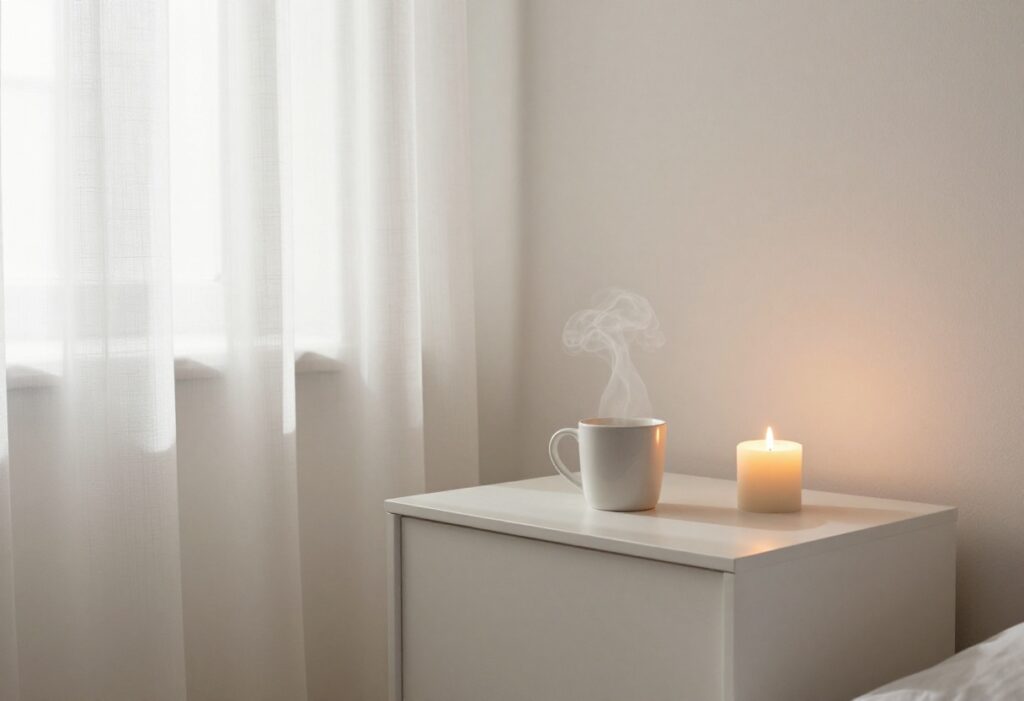
Light a candle, brew your favorite tea, and sit by a window. Let the natural light ease you awake instead of a glowing screen.
Ease Back In
After your hour, slowly introduce screens if needed. You'll find you're more intentional about what you engage with.
2. Write a 'Reset List' for the Week
A cluttered mind leads to a scattered week. Instead of carrying a mental to-do list that never stops buzzing, get it down on paper. A reset list is a tiny but powerful ritual that helps you focus on what actually matters and release what doesn't.
Keep It Short And Sweet
Limit yourself to three things you genuinely want to accomplish this week. Not everything on your master list—just the top priorities. This forces you to be honest about what's realistic and what can wait.
Name One Thing To Release
Equally important is deciding one thing you'll let go of. Maybe it's the guilt over an unfinished project, or the pressure to say yes to every social invite. Writing it down makes the release feel official.
Place It Where You'll See It
Stick your reset list on your bathroom mirror, in your planner, or as your phone wallpaper. A quick glance each morning keeps your intention front and center without needing to remember it.
3. Do a 10-Minute Meditation
Meditation doesn't have to be complicated or time-consuming. Just ten minutes of stillness can quiet the mental noise and set a calm tone for the week ahead. Whether you use a guided app or simply focus on your breath, this small pause can lower anxiety and sharpen your focus.
Find a quiet spot where you won't be disturbed. Set a timer for ten minutes, close your eyes, and bring your attention to your breath. When your mind wanders—and it will—gently guide it back without judgment.
That's it. Consistency matters more than perfection.
Why Ten Minutes Works
Research shows that even short daily meditation can reduce stress and improve concentration. Ten minutes is long enough to settle the mind but short enough to fit into a busy Sunday. It's a manageable commitment that builds a sustainable habit.
Guided Vs. Unguided
If you're new to meditation, guided sessions from apps like Headspace or Calm can help you stay on track. For experienced practitioners, sitting in silence with your breath can be just as powerful. Experiment to find what feels best for you.
Making It A Sunday Ritual
Pair your meditation with a comforting ritual, like lighting a candle or making a cup of tea afterward. This creates a positive association and makes the practice something to look forward to each Sunday.
4. Prep a Week of Healthy Breakfasts
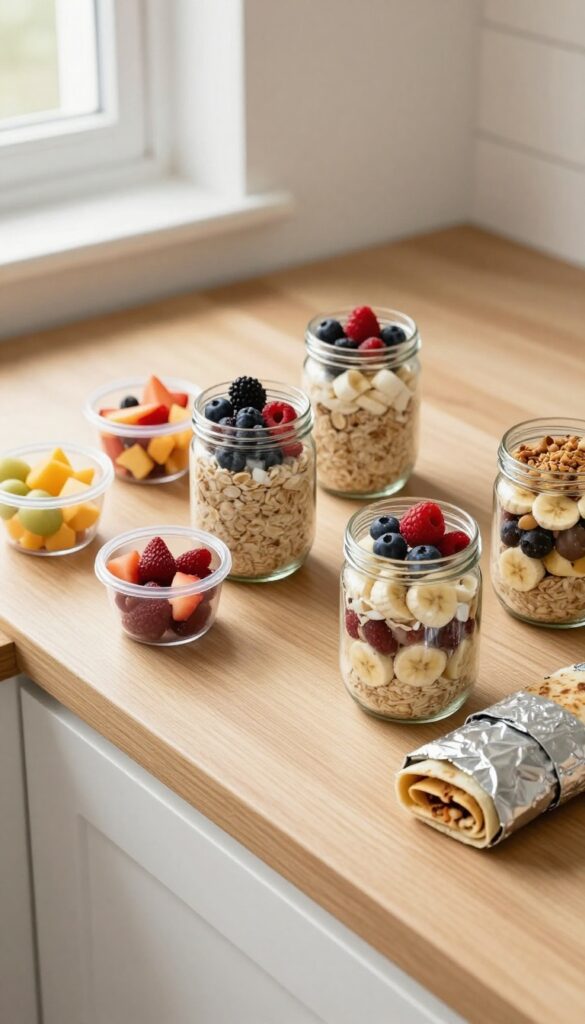
Mornings can be chaotic, but a little Sunday prep changes everything. Spending 20 minutes chopping fruit, portioning oats, or mixing overnight oats means you’ve got a healthy breakfast ready to grab all week. No more skipping meals or reaching for sugary pastries.
When breakfast is prepped, your whole morning flows better. You save time, eat better, and start each day with a small win. Plus, having a nourishing meal ready reduces decision fatigue and keeps your energy steady until lunch.
Overnight Oats: The No-cook Hero
Mix rolled oats with milk or yogurt, add chia seeds, and sweeten with a touch of honey or maple syrup. Portion into jars and top with berries or sliced banana. In the morning, just grab and go.
They keep in the fridge for up to five days.
Chopped Fruit & Veggie Packs
Wash and chop fruits like melon, berries, or apples, and store them in containers. For savory options, prep bell peppers, spinach, or avocado. Add them to smoothies, yogurt bowls, or omelets in seconds.
Freezer-friendly Breakfast Wraps
Scramble eggs with veggies and cheese, spoon onto tortillas, roll tightly, and wrap in foil. Freeze individually. Reheat in the microwave for a hot, protein-packed breakfast in under two minutes.
5. Take a Slow, Tech-Free Walk
Sometimes the best way to reset is to step outside and leave your phone behind. A slow, tech-free walk lets you reconnect with your surroundings and your own thoughts without the usual digital noise. This isn't about exercise or hitting a step goal.
It's about moving at a leisurely pace, noticing the small details you usually rush past—the way the light filters through the trees, the sound of birds, the feel of the breeze on your skin. By the time you return home, you'll feel more grounded and present, ready to ease into the rest of your Sunday.
Why Leave Your Phone Behind?
Your phone is a portal to endless distractions—notifications, emails, social media. When you leave it at home, you give your brain a real break from constant input. Without the urge to check or capture, you can fully immerse yourself in the moment.
This simple act reduces mental clutter and helps you tune into your senses.
What To Notice Along The Way
Pay attention to what you see, hear, and smell. Notice the colors of flowers, the texture of tree bark, the pattern of clouds. Listen for birdsong, rustling leaves, or distant laughter.
Feel the temperature change as you move from sun to shade. These small observations anchor you in the present and make the walk feel meditative.
How To Make It A Ritual
Set a regular time for your Sunday walk—maybe after breakfast or in the late afternoon. Choose a route that feels peaceful, like a quiet neighborhood street or a nearby park. Keep it short, 15 to 30 minutes, so it feels like a gift rather than a chore.
Over time, this simple habit becomes a cherished part of your self-care routine.
6. Declutter One Small Area
You don't need to Marie Kondo your entire home on a Sunday. In fact, that’s a recipe for burnout. Instead, pick one tiny spot—a single drawer, a shelf, or the top of your nightstand—and spend just 15 minutes putting it in order.
That small win creates a ripple effect of calm and control that carries into your week.
The goal isn't perfection; it's progress. Grab a trash bag and a basket for things that belong elsewhere. Set a timer for 15 minutes and go.
When the timer dings, stop—even if you're not done. You'll be surprised how much lighter you feel.
Why Small Wins Matter
Tackling a tiny space gives you an immediate sense of accomplishment. That dopamine hit motivates you to keep going, but without the overwhelm of a big project. Plus, a clutter-free corner in your home becomes a visual cue that you've got this.
Where To Start
Not sure which area to pick? Go for the one that annoys you most every day. That junk drawer in the kitchen?
The pile of mail on your desk? The nightstand stacked with books and charging cables? That's your target.
Set your timer and dive in.
Keep It Simple
Don't overthink the process. Sort items into three piles: keep, toss, and relocate. Wipe down the surface, put back only what belongs, and immediately take the toss and relocate piles to their proper homes.
Done.
7. Have a 'No Plans' Afternoon
One of the most luxurious things you can give yourself on a Sunday is permission to do absolutely nothing. No alarms, no to-do lists, no social obligations—just a block of time that belongs entirely to you. It might feel strange at first, but this kind of unstructured rest is exactly what your brain needs to reset.
Block out two hours with zero obligations. Read, nap, or just daydream—unscheduled time is a rare gift.
Why 'nothing' Is Actually Something
When you're always busy, your nervous system stays in a low-level stress state. An afternoon with no plans lets it finally power down. You might feel bored initially, but boredom is often a gateway to creativity and real relaxation.
How To Protect Your No-plans Time
Treat this slot like an important appointment. Put your phone on silent, close your laptop, and let your family or roommates know you're off-duty. Resist the urge to fill the time with 'productive' relaxing—this is about pure, unstructured downtime.
What To Do When You Don't Know What To Do
If sitting still feels hard, start by lying on the couch and staring at the ceiling. Let your mind wander. You might drift into a nap, pick up a book, or just watch the clouds.
The point is to follow your mood without any agenda.
8. Try a New Stretching Routine
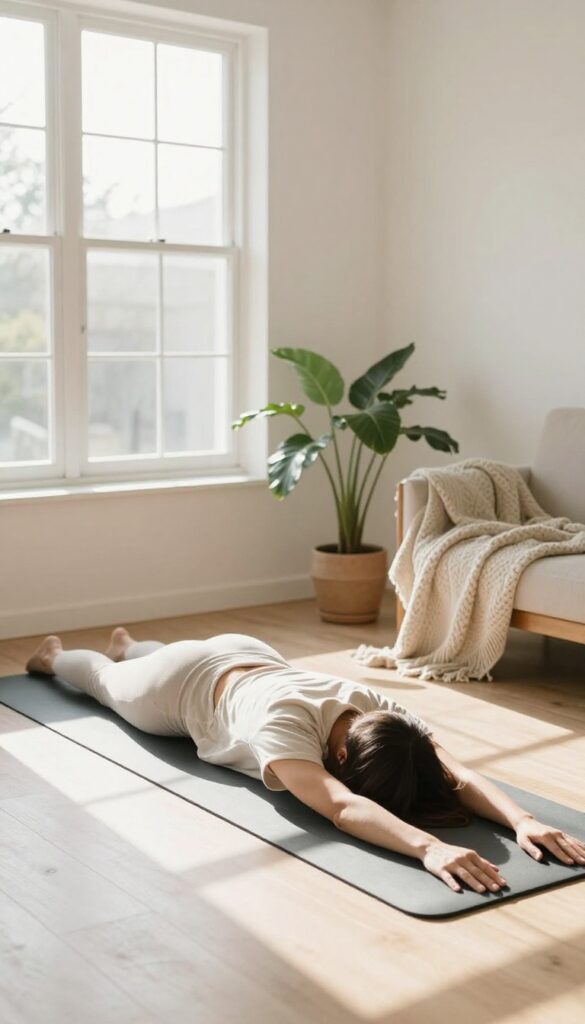
Your body holds onto stress all week long, and Sunday is the perfect time to release it. A gentle stretching routine can ease muscle tension, improve flexibility, and calm your mind. You don't need to be a yogi—just 15 minutes of intentional movement can make a huge difference.
Whether you follow a guided YouTube yoga flow or just stretch the areas that feel tight (hello, hips and shoulders), your body will thank you. Pair it with some calming music or a quiet space, and you've got a mini reset that preps you for the week ahead.
Follow A Guided Flow
Search for a 15-minute beginner yoga or stretch video. Channels like Yoga with Adriene or Boho Beautiful offer free routines that target stress relief and flexibility. Just press play and follow along—no experience needed.
Focus On Your Tight Spots
Think about which areas feel stiff from your week—maybe your neck from hunching over a desk or your legs from standing all day. Spend a few extra minutes on those spots with gentle stretches like cat-cow, child's pose, or a hamstring stretch.
Make It A Habit
Try to stretch at the same time each Sunday, maybe right after your morning coffee or before bed. Consistency turns it into a ritual your body will start looking forward to.
9. Cook One Comfort Meal from Scratch
There's something about the rhythm of chopping, stirring, and simmering that quiets the mind. Cooking a meal from scratch on Sunday isn't about gourmet skills—it's about slowing down and making something that feeds you in more ways than one. Choose a recipe that feels nourishing, not complicated.
The act of cooking can be meditative, and the leftovers are a bonus.
Pick A Recipe That Soothes
Think about the dishes that make you feel wrapped in a warm hug—maybe a creamy tomato soup, a hearty stew, or a simple pasta. Avoid anything with a long ingredient list or tricky techniques. The goal is comfort, not stress.
If it's a recipe you've made before, even better.
Make It A Sensory Experience
Put on some music or a podcast you love. Notice the colors of the vegetables, the smell of garlic hitting the pan, the sound of a simmering pot. This isn't just meal prep; it's a chance to be fully present.
Let the kitchen become your little sanctuary for an hour.
Enjoy The Leftovers All Week
Cook enough to have extra portions for lunch or a quick dinner later. Knowing you have a homemade meal ready can take the edge off a busy Tuesday. Plus, leftovers often taste even better the next day—a little gift your Sunday self left for the rest of the week.
10. Write a Gratitude List
Gratitude has a sneaky way of shifting your entire mindset. When you intentionally note the good stuff from the past week, you train your brain to spot positives instead of dwelling on stressors. This simple practice can turn a Sunday evening from anxious to appreciative.
Take five minutes to jot down five things you're grateful for from the last seven days. They don't have to be big—a warm blanket, a funny meme, a stranger's smile. The act of writing them down makes them stick.
Keep your list somewhere you can see it during the week for a quick mood boost.
Start Small
If you're new to gratitude lists, begin with the tiniest wins. Did your coffee taste perfect? Did you catch every green light on your commute?
Small wins are easier to spot and build momentum.
Go Beyond The Obvious
Challenge yourself to find gratitude in unexpected places. Maybe you're thankful for a delayed train that let you finish a chapter, or for a canceled plan that gave you a quiet evening. These hidden gems deepen your appreciation.
Make It A Ritual
Pair your gratitude list with something you already do on Sundays, like sipping tea or listening to music. The routine makes it effortless. Over time, you'll find yourself naturally scanning your week for moments to add.
11. Set Up Your Workspace for Monday
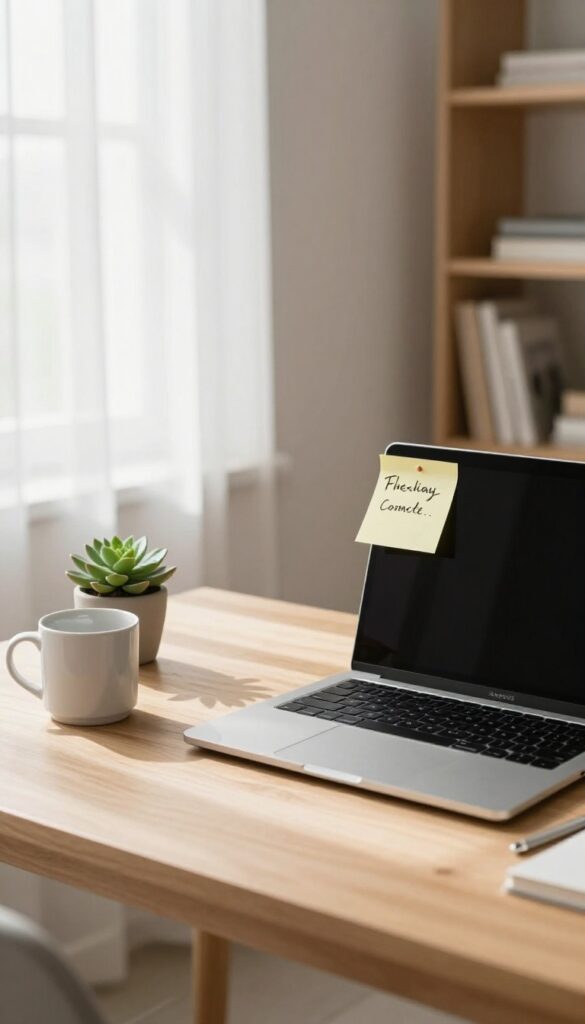
A cluttered desk can feel like a cluttered mind. Taking ten minutes on Sunday to tidy your workspace is a small investment that pays off big on Monday morning. When you sit down to work, you'll feel ready instead of overwhelmed.
Clear The Clutter
Wipe down your desk, toss old coffee cups, and file away stray papers. A clean surface helps you focus and sets a calm tone for the week.
Prep Your Tech
Plug in your laptop, charge your phone, and close unnecessary browser tabs. Having everything powered and ready means no frantic scrambling at 8 AM.
Set A Morning Anchor
Leave a sticky note with your top priority for Monday or set out a fresh notebook. That small cue helps you start the day with direction.
12. Enjoy a Long, Mindful Shower
A shower can be so much more than a quick rinse. When you slow down and pay attention, it becomes a sensory reset that washes away the mental clutter along with the dirt.
Pick a body wash with a scent you love—something calming like lavender or invigorating like eucalyptus. Let the warm water run over your shoulders and back, and focus on how it feels. Breathe deeply.
This isn't about getting clean; it's about being present.
Set The Scene
Dim the lights if you can, or light a candle nearby. Put on a playlist of soft instrumentals or nature sounds. The goal is to create a mini spa atmosphere without leaving your bathroom.
Engage Your Senses
Notice the steam rising, the scent of your products, the sound of water hitting the tiles. Run your hands through your hair slowly. Use a scrub or a soft loofah to massage your skin.
Let each sensation anchor you in the moment.
End With A Cool Rinse
For an extra refresh boost, turn the water to cool for the last 30 seconds. It wakes up your skin and leaves you feeling alert but calm. Step out slowly, pat dry, and take a moment to just stand there, feeling renewed.
13. Listen to a Podcast or Audiobook
Sometimes the best self-care is letting someone else do the talking. Sunday is the perfect day to plug in a podcast or audiobook that lifts your mood or teaches you something new. No pressure to finish—just enjoy the ride.
Curling up with a good story or an inspiring conversation can be surprisingly restorative. Whether you're folding laundry, taking a bath, or just sitting with a cup of tea, audio content turns downtime into a mini-retreat for your mind.
Pick Your Mood
Choose something that matches how you want to feel. Need a laugh? Try a comedy podcast.
Want to learn? Go for a nonfiction audiobook. Craving escape?
A fiction audiobook can transport you to another world. The key is to match your energy, not force it.
Make It A Ritual
Set aside a specific time—maybe during your morning coffee or before bed. Light a candle, get comfortable, and press play. Making it a weekly habit turns listening into a cozy ritual you'll look forward to.
No Guilt Zone
You don't have to finish a chapter or episode. Let yourself pause, rewind, or switch if something isn't clicking. The goal is relaxation, not productivity.
Your Sunday listening is for you, not a checklist.
14. Plan One Fun Thing for the Week Ahead
When the week feels like a long stretch of obligations, a single fun event can break up the monotony. It doesn't have to be elaborate—just something that makes you smile. Scheduling it now ensures you actually follow through, rather than letting the week get swallowed by to-do lists.
Think of it as a midweek anchor. A coffee date with a friend, a movie night at home, or a walk in a park you've been meaning to visit. Put it in your calendar like any other appointment, and treat it as non-negotiable.
That anticipation alone can lift your mood from Monday onward.
Why Anticipation Matters
Looking forward to something releases dopamine, the feel-good neurotransmitter. It's like a mini reward system that keeps you motivated. Even a small plan—like trying a new café—can create a sense of excitement that carries you through the week.
How To Choose Your Fun Thing
Pick something that fits your energy and interests. If you're social, schedule a catch-up with a friend. If you need quiet time, plan a solo movie night with your favorite snacks.
The key is to choose something you genuinely want to do, not something you feel you should do.
Make It A Habit
Try planning one fun thing every Sunday for the week ahead. It can be the same activity or something different each week. Over time, this simple practice trains your brain to associate Sundays with hope and enjoyment, not just the end of the weekend.
15. Do a Digital Declutter

Your phone and inbox can be surprisingly draining. A cluttered digital space adds mental noise without you even realizing it. Taking 15 minutes to clean things up can leave you feeling lighter and more focused.
Start by unsubscribing from five spam emails that you never open. Then delete any unused apps from your phone—if you haven't opened it in a month, you probably don't need it. Finally, organize your home screen by grouping similar apps into folders or moving the most important ones front and center.
Why It Matters
Digital clutter competes for your attention. Each notification or icon is a tiny distraction. Clearing it out reduces decision fatigue and helps you focus on what actually matters.
Quick Wins
Unsubscribe from newsletters you never read. Delete apps you haven't used in 30 days. Turn off notifications for social media apps.
These small actions take seconds but make a big difference.
Make It A Habit
Set a recurring reminder every Sunday to do a quick digital declutter. Over time, it becomes a simple ritual that keeps your virtual space as tidy as your physical one.
16. Practice a Creative Hobby
Creativity is a powerful form of self-care that doesn't need to be perfect. Doodling, knitting, playing an instrument, or writing a short poem can quiet your mind and bring you into the present moment. The goal isn't to produce something impressive—it's to enjoy the process and let your thoughts flow freely.
Creative hobbies are a gentle way to express emotions without words and can be done alone or with others. They help you disconnect from screens and daily stressors, offering a mental reset that lasts well into the week.
Start Small And Low-pressure
You don't need fancy supplies or talent. Grab a notebook and doodle shapes, try a simple knitting pattern, or strum a few chords on a guitar. The key is to begin without expectations—just let your hands move and see what happens.
Set A Timer For Focused Fun
Carve out 15–20 minutes of uninterrupted creative time. Set a timer and immerse yourself fully. This short burst can be surprisingly refreshing and leaves you wanting more, not overwhelmed.
Share Or Keep It Private
You can share your creation with a friend or keep it entirely to yourself. Both are valid. The act of creating is what matters, not the outcome or audience.
If sharing feels good, do it; if not, let it be your little secret.
17. Take a Power Nap (No Guilt)
Sleep isn't just for nighttime. A short power nap can be one of the most effective ways to reset your energy and mood on a lazy Sunday. The key is keeping it brief—20 minutes is the sweet spot.
This isn't about catching up on lost sleep; it's about giving your brain a quick reboot so you feel sharper and more relaxed for the rest of the day.
Set a timer for 20 minutes and find a quiet, comfortable spot. Lie down, close your eyes, and let your mind drift. Don't worry if you don't actually fall asleep—just resting with your eyes closed can be restorative.
When the timer goes off, get up slowly and give yourself a minute to reorient. You'll likely feel more alert and in a better mood.
Why 20 Minutes?
Longer naps can leave you feeling groggy because you enter deep sleep. A 20-minute nap keeps you in the lighter stages of sleep, so you wake up refreshed instead of disoriented. It's the ideal length for a quick energy boost without messing up your nighttime sleep.
Create A Nap-friendly Environment
Dim the lights, use a sleep mask or close the curtains, and set your phone to Do Not Disturb. A white noise machine or a fan can help block out household sounds. The goal is to make your space as calming as possible so your brain can switch off quickly.
No Guilt Allowed
Self-care isn't about productivity. Taking a nap on Sunday isn't lazy—it's a strategic reset. Remind yourself that rest is essential for your well-being.
You're not wasting time; you're investing in a better week ahead.
18. Hydrate with Intention

Hydration often feels like a chore, but it doesn't have to be. By turning it into a mindful ritual, you can transform a simple act into a moment of self-care. Fill a large water bottle with fresh lemon, cucumber, or mint.
Then, find a cozy spot and sip slowly, allowing yourself to truly relax. This isn't just about drinking water—it's about honoring your body's needs.
Why Mindful Hydration Matters
When you gulp down water without thinking, you miss the chance to connect with your body. Sipping slowly encourages you to pause, breathe, and appreciate the simple act of nourishing yourself. It's a small but powerful way to practice self-respect.
Make It A Ritual
Choose a special glass or bottle that you love. Add fresh fruit or herbs for a sensory boost. Light a candle or put on calming music.
This turns hydration into a treat rather than a task.
Listen To Your Body
Notice how your body feels as you drink. Are you tense? Tired?
Hydrating with intention can help you tune in to what you really need. It's a gentle reminder that caring for yourself starts with the basics.
19. Write a Letter to Your Future Self
There's something powerful about putting your current thoughts on paper and sending them forward in time. A letter to your future self isn't just a fun exercise—it's a way to pause, reflect, and capture who you are right now. You don't need perfect handwriting or profound insights.
Just write honestly about your hopes, worries, or everyday moments. Seal the envelope, set a six-month reminder, and let time do the rest.
Writing to your future self creates a tangible connection between who you are now and who you're becoming. It's a low-pressure way to check in with your own growth.
What To Include
Start with what's on your mind today—your current goals, fears, or even a funny story. Ask questions you'd want answered later, like "Did I finally start that hobby? " or "Am I still stressing about that same thing?
" Keep it real, not polished.
How To Make It Special
Use nice paper or a simple notebook page. Add a photo or a small memento, like a receipt from today's coffee. Seal it in an envelope and write "Open on [date]" on the front.
Store it somewhere safe but not too hidden.
When To Open It
Six months is a sweet spot—long enough to notice change, short enough to remember writing it. Set a calendar reminder so you don't forget. Opening it will feel like a mini time capsule of your own life.
20. Do a Face Mask or Skin Treatment
Slathering on a face mask isn't just about skincare—it's a mini ritual that forces you to sit still for 10 to 15 minutes. The physical sensation of the product on your skin, the quiet moment, and the fresh feeling afterward all add up to a grounding experience. Whether you choose a sheet mask, a clay mask, or just extra moisturizer, the act itself signals to your brain that you're worth the time.
Choose a mask that matches your skin's current needs: a clay mask for deep cleansing, a sheet mask for hydration, or a gel mask for soothing. Apply it, set a timer, and do nothing else during those minutes. Close your eyes, breathe slowly, and let the treatment do its work.
After rinsing, pat your skin dry and follow with a light moisturizer. The glow you see is real—and so is the mental reset.
Pick Your Mask Type
Clay masks draw out impurities and are great for oily or congested skin. Sheet masks are soaked in serum and deliver intense hydration without any mess. Gel masks are cooling and perfect for calming redness or irritation.
Choose based on what your skin is craving—or just pick whichever feels most relaxing.
Make It A Mini Ritual
Set the mood: dim the lights, light a candle, or put on a calming playlist. While the mask sets, lie down or sit somewhere comfortable. Avoid scrolling on your phone.
Instead, focus on the sensation—the tightening of clay, the coolness of gel, or the wetness of a sheet mask. This turns a simple step into a mindful pause.
Follow Up With A Simple Massage
After removing the mask, take an extra minute to massage your face with your fingertips. Use upward, circular motions starting from your jaw to your temples. This boosts circulation, helps products absorb better, and releases tension in your facial muscles.
Your skin will look more awake—and so will you.
21. Review Your Weekly Wins
It's easy to focus on what went wrong, but taking a moment to celebrate small victories shifts your mindset. This simple practice trains your brain to notice progress, which fuels motivation for the week ahead.
Grab a notebook or open a notes app and list three things you did well this week. They don't have to be huge—maybe you finally replied to that email, went for a walk, or stayed calm during a stressful moment. Acknowledging these wins builds confidence and creates a positive feedback loop.
Why It Works
Our brains are wired to remember negative events more vividly than positive ones—it's called negativity bias. By deliberately recalling your wins, you counterbalance that bias and reinforce a sense of competence. Over time, this rewires your brain to see opportunities instead of obstacles.
How To Make It A Habit
Set a recurring Sunday reminder on your phone. Keep a dedicated journal or digital doc just for wins. If you're stuck, ask yourself: What made me smile this week?
What challenge did I handle? What did I learn? Three items is enough—quality over quantity.
Share The Love
Consider sharing one win with a friend or family member. It deepens your connection and makes the practice more fun. You might even inspire them to start their own win list.
22. Organize Your Inbox

Your inbox can be a major source of stress, especially on Sunday evenings. A cluttered email list often translates to a cluttered mind, making it harder to relax. Spending just 15 minutes tidying up your digital space can clear mental fog and set you up for a productive Monday.
Set a timer for 15 minutes and dive into your inbox. Start by archiving or deleting anything that's no longer relevant—think old newsletters, spam, or resolved threads. Then, flag or label emails that need a response or action next week.
The goal isn't to achieve inbox zero (though that's a nice bonus) but to reduce visual noise. You'll be amazed at how much lighter you feel when you're not staring at hundreds of unread messages.
Why It Works
A clean inbox reduces cognitive load. Your brain doesn't have to constantly process the backlog of 'to-dos' hiding in your email. It's like decluttering your desk—the physical act of organizing creates a sense of control and calm.
Quick Tips
Unsubscribe from mailing lists you never read. Use filters to automatically sort incoming messages into folders. If you're short on time, focus on deleting or archiving the oldest emails first—those are usually the least relevant.
23. Spend Time with a Pet (or Borrow One)
Animals have a way of pulling you into the present moment. Whether it's the gentle purr of a cat or the eager tail wag of a dog, spending time with a pet can lower cortisol and boost oxytocin. If you don't have your own, consider offering to walk a neighbor's dog or volunteering at a local shelter.
Even 15 minutes of focused interaction can reset your mood and remind you of simple joys.
Cuddle Your Cat
Cats are masters of relaxation. Sit down, let your cat climb onto your lap, and just breathe together. The rhythmic purring has been shown to reduce stress and even lower blood pressure.
No talking, no phone—just quiet connection.
Play Fetch With Your Dog
Dogs thrive on play, and so do you. A quick game of fetch in the backyard or at a park gets you moving and laughing. It's a low-effort way to burn off nervous energy and strengthen your bond with your furry friend.
Borrow A Neighbor's Pet
No pet at home? Offer to walk a neighbor's dog or cat-sit for a friend. Many people would love a break, and you get the therapeutic benefits without the full-time commitment.
Plus, it's a great excuse to get outside and chat with someone new.
24. Create a Calming Evening Playlist
Music has a direct line to your mood. A carefully curated playlist can signal your brain that it's time to unwind, making the transition from a busy weekend to a restful evening much smoother. Think of it as your personal soundtrack for relaxation.
Building a calming playlist doesn't require hours of searching. Start with a few songs you already know help you breathe deeper—maybe acoustic covers, lo-fi beats, or gentle piano pieces. Then explore streaming service suggestions for similar tracks.
Aim for 30 to 60 minutes of music that flows without jarring transitions.
Mix It Up
Variety keeps the playlist fresh. Combine instrumental tracks with soft vocals, nature sounds like rain or ocean waves, and ambient electronic. The goal is a cohesive mood, not a single genre.
You can even create multiple playlists for different Sunday vibes: one for reading, another for a bath, and a third for journaling.
Use It Beyond Sunday
Don't limit your playlist to just one night. Use it as background focus music during the workweek, or play it during your morning routine to start the day calmly. Over time, the playlist becomes a cue for your brain to shift into a relaxed state, making it a powerful tool for anytime you need to de-stress.
25. Go to Bed 30 Minutes Early

Sleep is the foundation of everything—mood, focus, energy, even patience. But most of us shortchange it, especially on Sunday nights. By going to bed just 30 minutes earlier, you give your body and brain a head start on the week ahead.
Dim the lights, put away screens, and settle in with a book or soft music. Extra sleep is the ultimate reset.
Why 30 Minutes Matters
Half an hour may not sound like much, but it adds up to 3. 5 hours over a week. That extra sleep improves memory, reduces stress, and boosts immune function.
It also helps you wake up feeling more refreshed, so Monday morning feels less like a shock.
How To Wind Down
Start your bedtime routine 45 minutes before your new target. Take a warm shower, dim the lights, and put your phone on Do Not Disturb. Read a physical book or listen to a calming playlist.
Avoid screens—blue light tricks your brain into thinking it's still daytime.
The Morning After
When you wake up after that extra rest, notice how you feel. You might have more clarity, less grogginess, and a better mood. That small change can make your whole Sunday feel longer and more peaceful.
FAQ
What is a self-care Sunday?
A self-care Sunday is a dedicated day to rest, recharge, and prepare for the upcoming week. It involves intentional activities that nurture your mental, emotional, and physical well-being.
How long should a self-care Sunday routine take?
It can be as short as 30 minutes or span the whole day. The key is consistency, not duration. Even one small act of self-care can make a difference.
Can I do self-care Sunday on another day?
Absolutely. If Sunday doesn't work, pick any day that allows you to slow down. The concept is about carving out time for yourself, regardless of the day.
Do I need to spend money on self-care Sunday?
Not at all. Many ideas like walking, meditating, or decluttering are free. Self-care is about intentional time, not expensive products.
What if I don't have a full Sunday free?
Pick just one or two ideas that fit your schedule. Even 15 minutes of stretching or journaling can provide a meaningful reset.
Conclusion
Self-care isn't about squeezing every idea into one Sunday. Pick two or three that genuinely excite you—maybe a digital detox or a creative hobby—and let them become your anchors.
Small, intentional rituals build momentum over time. Start with what feels good, adjust as you go, and watch your Sundays transform your entire week.