You know that feeling when your head hits the pillow, but your mind is still racing through tomorrow's to-do list? A chaotic evening often leads to restless sleep and a groggy morning. The solution isn't complicated—it's about building a wind-down ritual that signals your brain it's time to relax.
A consistent self-care night routine doesn't have to be elaborate or time-consuming. Small, intentional habits can shift your entire evening from frantic to peaceful.
Whether you have five minutes or an hour, these practices help you transition from the demands of the day into a state of calm. Let's explore 17 simple night routine habits that will help you end each day feeling grounded, grateful, and ready for deep sleep.
1. Set a Digital Curfew

It's tempting to scroll through social media or catch up on emails right before bed, but that blue light is working against you. Your brain interprets it as daylight, which suppresses melatonin and makes falling asleep harder. Setting a digital curfew—stopping screen use at least 30 minutes before bedtime—gives your body a chance to naturally wind down.
Replace that last scroll session with a calming activity that signals rest. The goal is to break the habit of bringing your phone to bed and create a buffer zone between your busy day and sleep.
Why Blue Light Matters
Blue light from phones, tablets, and laptops tricks your brain into thinking it's still daytime. This delays the release of melatonin, the hormone that helps you fall asleep. Even a few minutes of screen time can shift your circadian rhythm, making it harder to drift off.
What To Do Instead
Use that 30 minutes for something soothing: read a physical book, take a warm bath, write in a journal, or listen to a podcast. These activities don't emit blue light and help your mind transition into relaxation mode.
Make It Stick
Set a phone reminder or use an app that locks certain apps after a set time. Charge your phone outside the bedroom to remove temptation altogether. Consistency is key—soon your body will expect this digital break and start winding down naturally.
2. Write a Brain Dump
Your mind is like a browser with thirty tabs open—exhausting, right? A brain dump is simply writing down everything that's floating around in your head: worries, tasks, random ideas, even that thing you need to remember to buy. Getting it out onto paper clears your mental cache and makes your brain feel lighter.
This habit takes just five minutes but delivers huge relief. You stop carrying tomorrow's mental load into bed, which means less tossing and turning. Plus, you won't forget anything important because it's all safely noted down.
Keep It Messy
Don't worry about neat lists or perfect sentences. This isn't a journal entry—it's a dump. Bullet points, scribbles, arrows, whatever works.
The only rule is that it leaves your head and lands on the page.
Use The Same Notebook
Keep a dedicated notebook or notepad by your bedside. Using the same one each night creates a consistent habit. Over time, you'll notice patterns—recurring worries or tasks that keep popping up—which can help you solve them during the day.
Set A Timer
If your brain tends to run wild, set a timer for three minutes. That's enough time to get the big stuff out without turning your wind-down into a writing session. When the timer goes off, close the notebook and breathe.
3. Sip a Warm, Caffeine-Free Drink

There's something almost magical about wrapping your hands around a warm mug as the evening settles in. A warm, caffeine-free drink isn't just about hydration—it's a sensory cue that tells your nervous system, "Hey, we're done for the day. " Herbal teas like chamomile or peppermint are classics for a reason: they're naturally calming and free of the stimulants that can keep you wired.
Even a simple cup of warm milk with a pinch of turmeric can become a cozy ritual that signals bedtime is near.
Choosing the right drink is key. Chamomile tea is well-known for its mild sedative properties, thanks to an antioxidant called apigenin that binds to receptors in your brain to promote sleepiness. Peppermint tea can soothe digestion and relax muscles, making it a great choice if you tend to feel tense or bloated at night.
Warm milk contains tryptophan, an amino acid that helps produce serotonin and melatonin, while turmeric adds anti-inflammatory benefits. The act of slowly sipping something warm also encourages you to pause, breathe, and let go of the day's stress.
Make It A Ritual, Not A Chore
Don't just gulp it down while scrolling your phone. Instead, take a few minutes to prepare your drink mindfully—boil the water, steep the tea bag, add a drizzle of honey. Sit in a comfortable spot without distractions.
Focus on the warmth of the mug, the aroma, and the taste. This simple act of presence can be surprisingly grounding.
Keep A Few Go-to Blends Ready
Stock your pantry with a small variety of herbal teas so you have options based on your mood. A rooibos-vanilla blend for cozy nights, lavender-chamomile for extra stress relief, or a simple ginger-lemon for digestion. Having a few favorites on hand makes the habit easy to stick with.
Temperature Matters
Sipping something too hot can be distracting and even uncomfortable. Let your drink cool to a pleasant warmth—around 130–140°F (55–60°C)—so you can enjoy it slowly. If you prefer cold drinks, try a warm alternative at least an hour before bed to avoid disrupting your body's natural cool-down for sleep.
4. Do a Gentle Stretch or Yoga Flow
Your body holds onto stress just as much as your mind does. After hours of sitting, staring at screens, or rushing around, your muscles can feel tight and tense. A few minutes of gentle stretching releases that physical tension, signaling your nervous system that it's safe to unwind.
Focus on areas where stress tends to accumulate—your neck, shoulders, and hips. Even a short, five-minute routine can make a noticeable difference in how relaxed you feel before bed.
Target The Tension Hotspots
Neck and shoulders often bear the brunt of a long day. Try simple neck rolls and shoulder shrugs to release that tightness. Hip openers like a seated forward fold or a gentle pigeon pose can also help, since hips store a lot of emotional tension.
Keep It Slow And Intentional
This isn't a workout—it's a wind-down. Move slowly, breathe deeply, and hold each stretch for at least 30 seconds. The goal is to feel good, not to push your limits.
Let your breath guide each movement.
Try A Simple Bedtime Sequence
A few poses you can do right on your bedroom floor: Child's Pose, Cat-Cow, Standing Forward Fold, and Legs-Up-the-Wall. These are calming and require no equipment. You can even do them in your pajamas.
5. Practice Gratitude Journaling
Gratitude journaling is one of the simplest yet most powerful habits you can add to your night routine. It trains your brain to focus on the positive moments of your day, no matter how small. Instead of replaying worries or frustrations, you end your evening on a note of appreciation.
This practice doesn't require a fancy journal or long entries. Just a few minutes of reflection can shift your mindset and improve your sleep quality. Over time, it builds a reservoir of positivity that carries into the next day.
Gratitude journaling helps you end the day on a positive note by intentionally recalling good moments. It reduces stress and promotes relaxation, making it easier to fall asleep with a calm mind.
Keep It Simple
You don't need to write a novel. Three things you're grateful for is enough. They can be as simple as a good cup of coffee, a kind word from a coworker, or a warm blanket.
The key is consistency, not length.
Be Specific
Instead of writing "I'm grateful for my family, " try "I'm grateful that my partner made me laugh today. " Specific details make the gratitude feel more real and boost its emotional impact.
Mix It Up
Avoid repeating the same things every night. Challenge yourself to find new gratitudes each day. This keeps your brain actively scanning for positives, which trains it to notice good things more often.
6. Take a Warm Bath or Shower

There's a reason a warm bath feels so soothing at the end of a long day. The heat helps your muscles relax, and the drop in body temperature when you step out actually signals your brain that it's time to sleep. Adding a few simple extras can turn this everyday habit into a mini spa ritual.
A warm bath or shower is more than just hygiene—it's a powerful sleep aid. The key is the post-bath cooling effect, which mimics your body's natural temperature drop before sleep. To maximize relaxation, keep the water warm (not hot) and aim for 15-20 minutes.
Boost The Benefits With Epsom Salts
Epsom salts are rich in magnesium, which can help soothe sore muscles and reduce stress. Add about a cup to your bath and let it dissolve before you get in. The magnesium is absorbed through your skin, promoting calmness and easing tension.
Add Calming Essential Oils
Lavender, chamomile, and cedarwood are excellent choices for a sleep-friendly bath. Just a few drops mixed with a carrier oil (like coconut or jojoba) or added directly to the water can create a calming aroma. If you prefer a shower, place a few drops on the shower floor or use a shower steamer.
Set The Mood
Dim the lights, light a candle, or play soft music to enhance the experience. Make it a ritual you look forward to—not just another chore. Even a quick 10-minute shower can feel restorative if you focus on the warmth and the scent of your products.
7. Dim the Lights
Bright overhead lights can trick your brain into thinking it's still daytime. That's the last signal you want when you're trying to wind down. By switching to soft, warm lighting an hour before bed, you mimic the natural sunset and help your body produce melatonin.
Your body relies on light cues to regulate its internal clock. Blue light from screens and harsh bulbs suppresses melatonin, the hormone that makes you sleepy. Dimming the lights and swapping to warmer tones tells your brain it's time to power down.
Swap To Warm Bulbs
Replace bright white bulbs with warm, amber-toned ones in your bedroom and living space. Look for bulbs labeled "soft white" (2700K–3000K) for a cozy glow that won't interfere with sleep.
Use Dimmers Or Lamps
Install dimmer switches or rely on table lamps instead of overhead lights. This lets you control the brightness gradually, creating a smooth transition from active mode to rest mode.
Try Salt Lamps Or Candles
Himalayan salt lamps emit a soft, warm light that's perfect for winding down. Or go screen-free with a candle—the gentle flicker can be calming and set a relaxing mood.
8. Read a Physical Book

Swapping your phone for a print book before bed can work wonders for your stress levels. Studies show that just 10–20 minutes of reading a physical book reduces stress by up to 68%. The key is to choose something light and enjoyable—save the work-related reading for daytime.
Why Print Beats Digital
E-readers and tablets emit blue light that can interfere with your body's natural melatonin production. A physical book, on the other hand, has no backlight, so it helps your brain ease into sleep mode. Plus, the tactile experience of turning pages can be oddly soothing.
Pick The Right Genre
Not all books are bedtime-friendly. Thrillers or dense non-fiction might keep your mind wired. Instead, go for something light—a cozy mystery, a feel-good novel, or even a collection of short essays.
The goal is to relax, not to stay up reading 'just one more chapter. '
Make It A Ritual
Pair your reading with a cozy ritual: a cup of herbal tea, a soft blanket, and dim lighting. Set a timer or read until you feel your eyelids getting heavy. Even 10 minutes can signal your brain that it's time to wind down.
9. Listen to a Calming Playlist or Podcast
Sometimes the quickest way to quiet a busy mind is to let someone else do the talking—or the music. A carefully chosen audio experience can shift your mental state from overdrive to rest mode without any effort on your part. The right sounds act like a gentle anchor, pulling your attention away from worries and into the present moment.
Audio is a powerful tool for relaxation because it bypasses your inner critic. Instead of trying to force your thoughts to stop, you simply redirect them to the melody, the narrator's voice, or the rhythm of rain. Over time, your brain learns to associate that specific playlist or podcast with winding down, making the transition to sleep smoother each night.
Curate Your Wind-down Playlist
Pick instrumental music, ambient nature sounds, or lo-fi beats without lyrics. Lyrics can trigger your brain to process language, which keeps it active. Aim for 30–60 minutes of tracks that gradually slow in tempo.
Spotify and Apple Music have pre-made sleep playlists, but creating your own lets you control the mood.
Try Sleep Stories Or Guided Relaxation
Sleep stories are narrated tales designed to lull you into drowsiness. Apps like Calm and Headspace offer them, or you can find free versions on YouTube. Guided body scans or breathing exercises also work well.
The key is choosing content that's soothing, not stimulating—save true crime or intense drama for daytime.
Set A Timer And Use A Speaker
Avoid using earbuds if possible; they can be uncomfortable and keep your ears plugged. Instead, play audio through a small speaker at low volume. Set a sleep timer so it turns off after 20–30 minutes.
This prevents your brain from waking you when the episode ends abruptly.
10. Apply a Relaxing Skincare Routine

Your skincare routine can be so much more than just cleansing and moisturizing—it's a perfect opportunity to slow down and be present. By turning it into a mindful ritual, you give yourself a few minutes of dedicated self-care that soothes both skin and mind.
Choose products with calming ingredients like chamomile, lavender, or rose. As you apply each layer, take your time. Massage your face gently with upward strokes to release tension in your jaw, forehead, and temples.
The combination of soothing scents and deliberate touch feels luxurious and helps signal your body that the day is winding down.
Double Cleanse For A Fresh Start
Start with an oil-based cleanser to remove makeup and sunscreen, then follow with a gentle water-based cleanser. This two-step process ensures your skin is truly clean without stripping it. The extra minute or two feels like a mini spa treatment.
Add A Gua Sha Or Facial Roller
Using a jade roller or gua sha tool after applying serum or oil can boost circulation and reduce puffiness. Store it in the fridge for an extra cooling effect. The repetitive motion is incredibly calming and helps depuff your face overnight.
Finish With A Sleep Mask
Lock in all that goodness with a nourishing overnight mask or a thicker moisturizer. As you smooth it on, take a few deep breaths. This final step feels like a gentle hug for your face and sets the stage for restorative sleep.
11. Tidy Your Bedroom
A cluttered bedroom can keep your brain on high alert, even when you're exhausted. Those piles of clothes, random papers, and scattered items send subtle stress signals that make it harder to unwind. Spending just five minutes tidying up before bed can flip that script and help your mind settle.
The 5-minute Reset
Set a timer for five minutes and focus on the most visible clutter. Throw clothes in the hamper, stack books, and clear surfaces. You don't need to deep-clean—just remove the visual noise.
Create A Landing Zone
Designate a spot for items you use daily, like your phone, glasses, and water bottle. When everything has a home, it's easier to keep the bedroom tidy without extra effort.
Make Your Bed A Sanctuary
Fluff your pillows, smooth out the sheets, and fold down the covers. A neatly made bed invites you to climb in and relax. It's a small action that signals your brain: rest is coming.
12. Use Aromatherapy
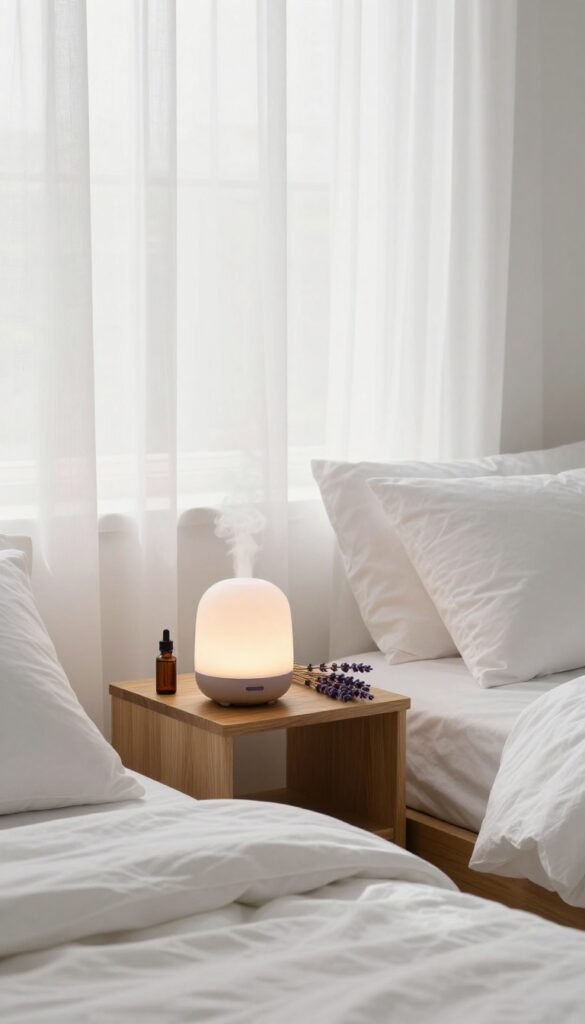
Scents have a direct line to the emotional centers of your brain. That's why a whiff of lavender can instantly make you feel more relaxed. By incorporating aromatherapy into your night routine, you can create a powerful cue that signals your body it's time to wind down.
Essential oils like lavender, chamomile, and sandalwood are known for their calming properties. When inhaled, their molecules interact with the limbic system, which controls emotions and memory. This can lower your heart rate, reduce stress, and prepare your mind for sleep.
It's a simple, non-invasive way to shift your evening mood without any extra effort.
Choose Your Scent
Not all essential oils are created equal for sleep. Lavender is the most studied and widely recommended for relaxation. Chamomile offers a gentle, apple-like sweetness that soothes anxiety.
Sandalwood has a woody, earthy aroma that grounds and calms. Pick one that appeals to you, or try a blend designed for sleep.
How To Diffuse
An ultrasonic diffuser is the easiest way to disperse essential oils into the air. Add a few drops of your chosen oil with water, and let it run for 30 minutes before bed. Place the diffuser in your bedroom, but not too close to your bed to avoid overwhelming the scent.
Start with a short diffusion time and adjust based on your preference.
Other Application Methods
If you don't have a diffuser, you can apply diluted essential oil to your pulse points—wrists, temples, and behind the ears. Mix a few drops with a carrier oil like jojoba or coconut oil. Alternatively, add a few drops to a warm bath or a cotton ball placed near your pillow.
Always follow safety guidelines and avoid ingesting oils.
13. Practice Deep Breathing or Meditation
When your mind is still buzzing from the day, a few minutes of focused breathing can be the reset button you need. Deep breathing techniques like 4-7-8 directly engage your parasympathetic nervous system, shifting your body from fight-or-flight to rest-and-digest mode. It's one of the fastest ways to lower your heart rate and quiet anxious thoughts.
Try the 4-7-8 method: inhale quietly through your nose for 4 seconds, hold your breath for 7 seconds, and exhale fully through your mouth for 8 seconds. Repeat this cycle four times. The extended exhale triggers a relaxation response, making it easier to drift off.
You can also try box breathing (4-4-4-4) or a simple body scan meditation where you mentally check in with each part of your body, releasing tension as you go.
Why 4-7-8 Works So Well
The 4-7-8 pattern is sometimes called the "relaxing breath. " By holding your breath, oxygen saturates your blood, and the long exhale activates the vagus nerve, which lowers heart rate and blood pressure. It's like a natural sedative you can use anytime.
Quick Body Scan For Tension Release
Lie down and close your eyes. Start at your toes and mentally work your way up to your head. Notice any tight spots—jaw, shoulders, hips—and consciously soften them.
This takes less than five minutes and can release physical stress you didn't even realize you were holding.
Guided Meditation Apps To Try
If you're new to meditation, apps like Calm, Headspace, or Insight Timer offer short sleep-specific sessions. Many are under 10 minutes and include soothing background sounds. Just pick one, press play, and let a gentle voice guide you into relaxation.
14. Wear Comfortable Sleepwear
What you wear to bed matters more than you think. Scratchy tags, tight waistbands, or synthetic fabrics can disturb your sleep without you even realizing it. The right sleepwear helps your body regulate temperature and signals to your brain that it's time to wind down.
Choosing comfortable sleepwear is a simple but powerful self-care habit. Soft, breathable fabrics like cotton, bamboo, or modal allow your skin to breathe and prevent overheating. Loose fits reduce friction and pressure points, so you toss and turn less.
When you feel cozy and unrestricted, your body relaxes faster and stays asleep longer.
Fabric Matters
Natural fibers are your best bet. Cotton is soft, affordable, and breathable. Bamboo is even softer and naturally moisture-wicking.
For cooler nights, consider flannel or lightweight wool. Avoid polyester and nylon—they trap heat and moisture, leading to discomfort.
Fit And Feel
Go for loose-fitting styles like pajama sets, nightshirts, or soft lounge pants. Tight elastic or restrictive cuts can interfere with circulation and movement. Choose what makes you feel relaxed, whether that's a classic button-down set or an oversized tee.
Seasonal Adjustments
Adjust your sleepwear with the seasons. In summer, opt for short sleeves and shorts. In winter, long sleeves and pants in warmer fabrics.
Having a few options ensures you're always comfortable regardless of the weather.
15. Prepare for Tomorrow

One of the best ways to end the day calm is to take a few minutes to prepare for the next morning. When you lay out your outfit, pack your bag, or jot down a quick to-do list, you reduce the mental load that can keep you tossing and turning. This simple habit clears tomorrow's chaos before it even starts.
By taking small steps tonight, you wake up to a smoother morning. You avoid the frantic rush and decision fatigue that can set a stressful tone for the day. Instead, you start with clarity and ease.
This isn't about adding more to your evening—it's about removing tomorrow's friction so you can rest fully now.
Lay Out Your Outfit
Choose your clothes for the next day and hang them somewhere visible. This saves time and mental energy when you're half-awake. It also ensures you feel put-together without the morning scramble.
Pack Your Bag
Whether it's your work bag, gym bag, or diaper bag, pack everything you'll need tonight. Check for keys, wallet, phone charger, and any essentials. This one step can prevent that sinking feeling of forgetting something important.
Write A Quick To-do List
Jot down the top three things you need to do tomorrow. Keep it short—this isn't a full schedule, just a guide. It helps your brain release the need to remember everything, so you can sleep more peacefully.
16. Limit Water Intake Before Bed
Staying hydrated is crucial, but timing matters. Drinking too much water right before bed can turn your peaceful night into a series of bathroom breaks. By adjusting your fluid intake schedule, you can stay hydrated without interrupting your sleep.
The goal is to front-load your hydration. Drink plenty of water during the day, especially in the morning and afternoon. Then, about 1-2 hours before you plan to sleep, taper off.
This simple shift can significantly reduce nighttime awakenings.
Why It Works
Your body naturally produces a hormone called vasopressin that reduces urine production during sleep. When you drink late, you override this process, forcing your kidneys to work overtime. By limiting fluids earlier, you align with your body's natural rhythm.
How To Stay Hydrated Without The Interruptions
Aim to get most of your daily water intake before dinner. If you feel thirsty in the evening, take small sips instead of gulping. You can also eat water-rich foods like cucumber or melon earlier in the day to meet your needs without the late-night rush.
17. Set an Intention for Tomorrow

Before you close your eyes tonight, take a moment to plant a small seed for tomorrow. Choosing one intention—like 'I will be patient' or 'I will take a walk'—gives your morning a gentle direction. It’s not a full to-do list, just a simple anchor that helps you wake up with purpose instead of reacting to the day.
Setting an intention is a low-pressure way to guide your energy. It shifts your focus from what you have to do to how you want to show up. Keep it short and positive—something that feels achievable and kind.
Over time, this habit can make your mornings feel more intentional and less scattered.
Keep It Simple
You don’t need a grand resolution. A single word or short phrase works: 'calm, ' 'listen, ' 'take a break. ' The goal is clarity, not perfection. Write it down or say it aloud before you sleep.
Connect It To A Feeling
Think about how you want to feel tomorrow—productive, peaceful, curious. Then choose an intention that supports that feeling. For example, if you want to feel grounded, your intention could be 'stay present during meals. '
Let It Go After Setting It
Once you set your intention, release it. You don’t need to hold onto it all night. Trust that it will be there when you wake.
This practice trains your brain to end the day with a sense of closure and readiness.
FAQ
How long should a self-care night routine be?
It can be as short as 10 minutes or as long as an hour. The key is consistency, not duration. Start with 2-3 habits and gradually add more as they become automatic.
Can I do these habits if I have a busy schedule?
Absolutely. Many habits take only 5 minutes, like brain dumping or deep breathing. Pick the ones that fit your time and energy level each evening.
What if I can't fall asleep after my routine?
Don't stress—it happens. Try getting up and doing a quiet activity like reading until you feel sleepy. Avoid screens and bright lights.
Consistency over time will improve sleep.
Should I do all 17 habits every night?
No, that's overwhelming. Choose 3-5 that resonate most with you and rotate them. The goal is to create a personalized ritual that feels good, not like a chore.
Can a night routine help with anxiety?
Yes, a calming routine signals safety to your nervous system. Habits like journaling, deep breathing, and gratitude can lower cortisol and reduce anxious thoughts before bed.
Conclusion
Building a self-care night routine isn't about perfection—it's about creating small, consistent moments of peace that help you transition from the busyness of the day into restful sleep. Start with just one or two habits that feel doable and build from there. Remember, the best routine is the one you actually stick with.
Be kind to yourself on nights when things don't go as planned. Over time, these small rituals will become a natural part of your evening, helping you end each day calm and ready for tomorrow.