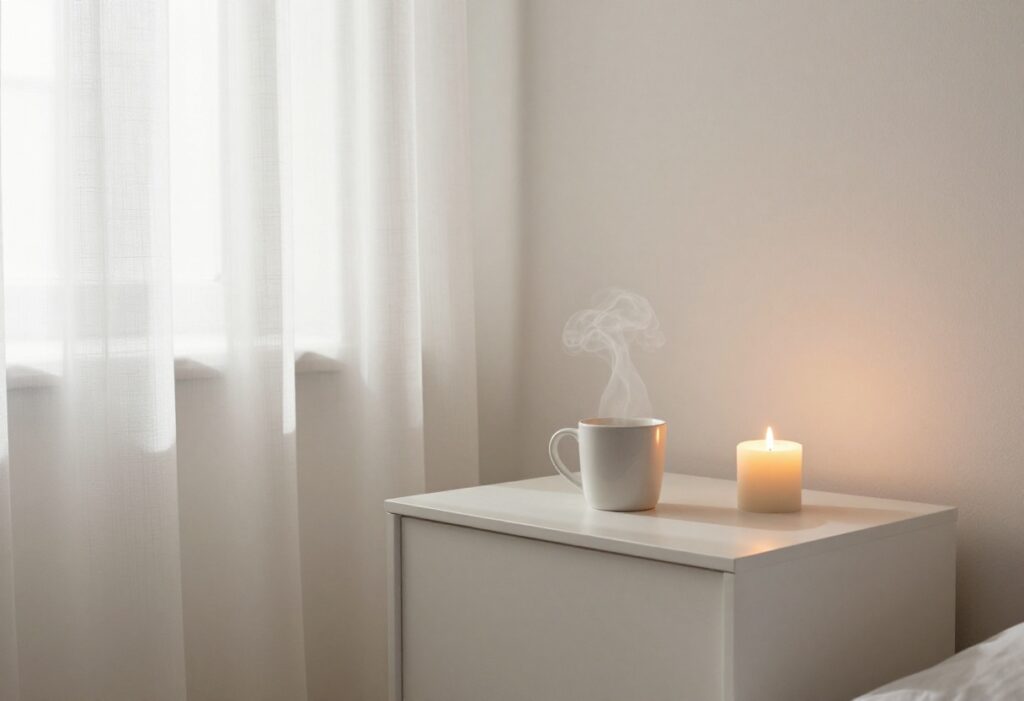
Sunday doesn't have to be a countdown to Monday. Instead of dreading the week ahead, you can use the day to create a calm, peaceful home that supports your well-being. These 20 self-care activities are simple, realistic, and designed to fit into your real Sunday—whether you have an hour or the whole day.
Each idea focuses on small, intentional actions that help you slow down and recharge. From a screen-free morning to a few minutes of deep breathing, these practices are about nurturing yourself without pressure.
You don't need a spa or a retreat; just a willingness to prioritize your peace. Pick the ones that resonate with you, and leave the rest.
1. Start with a Screen-Free Morning

Most of us roll over and grab our phones before our feet even hit the floor. That first hit of notifications, emails, and news sets a reactive tone for the whole day. Instead, try keeping your phone on airplane mode or in another room until after breakfast.
Let your mind wake up slowly, without the digital rush.
Let Natural Light Lead
Open your curtains first thing. Natural light helps regulate your circadian rhythm and signals your brain that it's time to be awake. Sit by a window for a few minutes, or step outside if the weather allows.
No phone, no screens—just soft morning light.
Stretch Before You Scroll
A few gentle stretches can release overnight tension and wake up your body. Try a forward fold, a cat-cow, or just reaching your arms overhead. Pair it with five deep breaths.
It's a simple reset that costs nothing and takes less than five minutes.
Sip Something Warm In Silence
Make tea, coffee, or hot lemon water and drink it without distractions. Notice the warmth, the aroma, the quiet. This small ritual can feel surprisingly luxurious when you're not multitasking.
It's a peaceful way to ease into the rest of your Sunday.
2. Make a Calming Tea Ritual
There's something almost magical about the act of making tea. It forces you to pause, to wait for the water to boil, to watch the steam rise. Turning this everyday moment into a ritual can transform your whole Sunday mood.
Choose Your Tea Mindfully
Pick a loose-leaf or bagged tea that promotes calm—chamomile, lavender, peppermint, or a rooibos blend. Avoid caffeine if you're winding down. Let the scent guide you; your nose knows what you need.
Set The Scene
Use your favorite mug—the one that feels good in your hands. Boil fresh water and pour it with intention. Sit in a quiet spot without your phone.
Just you, the mug, and the quiet.
Sip Slowly And Breathe
Hold the mug, feel the warmth, and take small sips. Focus on the taste and the sensation. Breathe deeply between sips.
This is not about finishing the tea—it's about being present for each moment.
3. Tidy One Small Area Without Pressure
A messy corner can weigh on your mind more than you realize. But tackling a whole room on a Sunday? That feels like work, not rest.
Instead, pick one tiny spot—a single drawer, a shelf, or even just a countertop. Clear it gently, without any pressure to do more. This isn't about deep cleaning; it's about creating a small pocket of visual peace that you can enjoy right away.
One small win sets a calm, accomplished tone for the day.
Choose a spot that bugs you just a little—maybe the junk drawer, the coffee table, or a bathroom counter. Set a timer for 10 minutes if you want, or just go until it feels done. Remove everything, wipe the surface, and put back only what belongs.
Toss or donate anything that doesn't serve you. The goal isn't perfection; it's a small, noticeable improvement that makes you smile.
Pick Your Spot
Look around your home for a small area that catches your eye and causes a tiny sigh. It could be the entryway table, a bookshelf shelf, or the top of your dresser. The key is small—something you can finish in under 15 minutes.
That way, it feels like a gift, not a chore.
Clear And Curate
Take everything off the surface. Give it a quick wipe. Then, only put back items that are useful or meaningful.
If something doesn't fit or spark joy, set it aside for donation or trash. This isn't about minimalism; it's about making that one spot feel intentional and calm.
Enjoy The Win
Step back and admire your work. Let that small sense of order settle in. You've created a little oasis of peace in your home.
Now, you can move on to your next self-care activity—or just sit and enjoy the calm you've made.
4. Write a Short Gratitude List

Gratitude has a way of quieting the mind. When you pause to notice what went well, your brain starts scanning for more of the good stuff instead of dwelling on stress. This Sunday, grab a notebook or even a scrap of paper and list three things from the past week that made you smile.
Keep it simple—a good meal, a kind text, a sunny moment. The goal isn't to write a novel; it's to shift your focus to abundance. Over time, this tiny habit rewires your brain to spot the bright spots more easily.
Make It A Ritual
Pair your gratitude list with your morning coffee or evening wind-down. A consistent time and place help the practice stick. Light a candle or play soft music to make it feel special.
Go Beyond The Obvious
Challenge yourself to notice small, unexpected things: the barista who remembered your order, a stranger's smile, or the way sunlight hit your kitchen floor. These micro-moments add up.
Share The Love
Text one of the people you're grateful for. Let them know they made your list. It deepens your connection and spreads the good vibes beyond your own journal.
5. Do a Gentle Yoga Flow or Stretch
Your body holds onto stress just as much as your mind does. A gentle yoga flow or simple stretch session can release that physical tension and bring a sense of ease to your Sunday. You don't need to be flexible or experienced—just willing to move slowly and breathe.
Roll out a mat or just use the floor. Follow a 10-minute stretch routine to release tension from the week. Your body will thank you, and your mind will follow.
Start With Your Neck And Shoulders
Most of us carry stress in our neck and shoulders. Try gentle neck rolls, shoulder shrugs, and ear-to-shoulder stretches. Hold each for a few breaths.
This simple sequence can release tightness and improve your posture.
Move Into A Full Body Flow
Transition into cat-cow, child's pose, and a gentle forward fold. These poses help release the spine and calm the nervous system. Move slowly with your breath, letting each exhale deepen the stretch.
Finish With A Restorative Pose
End with legs up the wall or a supine twist. Hold for five minutes. This signals your body that it's safe to rest.
You'll feel grounded and ready for the evening ahead.
6. Diffuse Soothing Essential Oils
Scents have a direct line to the part of your brain that controls mood and memory. That’s why a few drops of the right essential oil can shift the entire energy of your home in seconds. A diffuser does the work for you, filling the air with a gentle, consistent aroma that tells your nervous system it’s time to unwind.
You don’t need a complicated routine—just fill your diffuser with water, add 3-5 drops of oil, and let it run. Lavender is the classic choice for relaxation, but don’t overlook chamomile for its apple-like sweetness or frankincense for its grounding, earthy depth. Experiment with blends like lavender and cedarwood or orange and clove to find what feels right for your Sunday.
Best Oils For Calm
Lavender is the go-to for reducing anxiety and promoting sleep. Roman chamomile is gentler and works well for sensitive moments. Frankincense helps center the mind during meditation or quiet reflection.
Sweet orange adds a cheerful, uplifting note without being stimulating.
How To Diffuse Safely
Always follow your diffuser’s water fill line and use pure, therapeutic-grade oils. Start with shorter sessions—30 minutes on, 30 off—to avoid overwhelming the senses. Clean the diffuser weekly with a drop of vinegar and water to prevent oil buildup.
Creating A Ritual
Pair diffusing with another calming activity, like reading or gentle stretching. Set a timer for the diffuser to run during your wind-down hour. The scent becomes a cue that signals your brain: it’s time to rest.
7. Read a Few Pages of a Pleasure Book

When was the last time you read something just for fun? Not a work email, not a self-improvement book, but a story or article that had zero purpose other than enjoyment. Sunday is the perfect day to reclaim that simple pleasure.
Even 15 minutes of reading for delight can shift your mood and remind you that life isn't all about productivity.
Pick up a novel, a magazine, or even a comic—whatever genuinely interests you. The goal isn't to finish a chapter or learn something new; it's to lose yourself in words that have nothing to do with your to-do list. Let yourself be transported, even briefly.
Choose Something Light
Steer clear of heavy topics or anything that feels like work. Go for a cozy mystery, a romance, a travel memoir, or a humor column. The point is to relax, not to analyze or critique.
Set A Timer, Then Stop
One of the reasons we avoid reading for fun is that we think we need a big block of time. Set a timer for 15 minutes. When it goes off, you can stop guilt-free.
Often, you'll want to keep going, but knowing you only committed to a short session makes it easier to start.
Create A Cozy Reading Spot
Grab a blanket, make a cup of tea, and find a quiet corner. A physical book or an e-reader without notifications works best. Let this be a tech-light moment where the only screen is the one showing your story.
8. Prepare a Simple, Nourishing Meal
Cooking can be a meditation in motion. When you focus on the ingredients and the steps, it turns into a calming ritual rather than a chore. A simple, nourishing meal feeds both your body and your soul.
Choose Comforting Ingredients
Pick foods that feel warm and soothing—think root vegetables, hearty grains, or a favorite soup base. The act of selecting each ingredient mindfully sets a peaceful tone.
Engage Your Senses
Notice the colors, smells, and textures as you chop, stir, and taste. Let the rhythm of repetitive motions ground you in the present moment.
Eat Without Distraction
Set a nice place for yourself, even if it's just one bowl. Put your phone away and savor each bite. This turns a meal into a true act of self-care.
9. Take a Mindful Walk Outdoors
Stepping outside without headphones can feel strange at first, but it's one of the simplest ways to reset your mind. A mindful walk invites you to notice what's around you—the rustle of leaves, the warmth of the sun, the rhythm of your own breath. It's not about exercise or getting somewhere; it's about being exactly where you are.
This practice helps break the cycle of overthinking and grounds you in the present moment. Even ten minutes can shift your mood and lower stress. The best part?
You don't need any special gear or preparation—just a front door and a willingness to slow down.
A mindful walk is a walking meditation. You focus on sensory details instead of thoughts or to-do lists. It's a gentle way to clear mental clutter and reconnect with your surroundings.
Leave The Distractions Behind
Leave your phone, earbuds, and any other devices at home. The goal is to tune into your environment, not a podcast or playlist. If you're worried about emergencies, keep your phone on silent in your pocket but resist the urge to check it.
Engage All Your Senses
Notice the temperature on your skin, the scent of grass or flowers, the colors of the sky. Pay attention to the sounds—birds, wind, distant traffic. Feel the ground beneath your feet.
If your mind wanders, gently bring it back to a sensory detail.
Set A Gentle Pace
There's no need to power walk. Move at a leisurely speed, one that allows you to notice small things. Stop to look at a flower or feel a tree trunk.
Let your walk be guided by curiosity, not a stopwatch.
Bring The Calm Home
After your walk, take a moment to sit quietly and reflect on what you experienced. You might jot down a few observations in a journal. This helps anchor the peaceful feeling and carry it into the rest of your Sunday.
10. Create a Cozy Corner for Reflection
A quiet corner can become your personal sanctuary, even in a busy home. It doesn't need much—just a comfortable chair, a soft blanket, and gentle lighting. This dedicated space invites you to pause, breathe, and be still.
Having a spot that's solely for quiet moments makes self-care feel more intentional. It's a visual reminder to slow down, and over time, your mind will associate that corner with calm. Use it for journaling, meditating, or simply sitting with your thoughts.
Choosing The Right Spot
Look for a quiet area away from high traffic—a corner of the bedroom, a nook by the window, or even a closet turned into a reading space. Natural light is nice, but a warm lamp works just as well.
What To Add
Start with a cozy chair or floor cushions, a throw blanket, and a small side table for your tea or journal. Add a soft pillow, a candle, or a plant. Keep it simple so it stays inviting, not cluttered.
How To Use It
Set a timer for 10 minutes and just sit. You can journal, meditate, or watch the rain. No phone, no multitasking.
Let this be your space to reset.
11. Listen to a Soothing Playlist or Podcast

Sound shapes the mood of a room more than we realize. On Sunday, choose audio that calms rather than clutters your mind. Ambient music, nature recordings, or a gentle podcast can turn a regular afternoon into a peaceful ritual.
Let the audio wash over you while you do nothing else—or while you fold laundry mindfully. The key is to pick something that doesn't demand your full attention.
Curate Your Soundscape
Create a playlist of instrumental or ambient tracks. Apps like Spotify or YouTube have endless options: rain on leaves, soft piano, or lo-fi beats. Keep it low volume so it feels like a gentle background hum.
Try A Slow-paced Podcast
Not all podcasts are high-energy interviews. Look for ones with calm narrators and topics like nature, history, or simple living. A show about the quiet beauty of everyday life can be surprisingly grounding.
Pair Audio With A Simple Task
Listening while doing something repetitive—folding laundry, watering plants, or sketching—can turn the task into a meditative practice. The audio becomes a soft anchor for your attention.
12. Practice 5 Minutes of Deep Breathing
Breathing is something we do automatically, but slowing it down on purpose can shift your entire state of mind. Deep breathing activates your parasympathetic nervous system, which helps your body relax and recover from stress. Just five minutes can make a noticeable difference in how you feel.
This simple exercise lowers stress and brings your focus inward. It's a quick reset you can do anywhere, anytime.
The 4-4-6 Rhythm
Sit comfortably with your back straight. Inhale through your nose for four counts, hold your breath for four counts, then exhale slowly through your mouth for six counts. The longer exhale helps calm your nervous system.
Where To Do It
Find a quiet spot where you won't be disturbed. A cozy chair, a cushion on the floor, or even your bed works. Close your eyes if it helps you focus.
Making It A Habit
Try pairing this breathing exercise with something you already do daily, like your morning coffee or right before bed. Consistency makes it more effective over time.
13. Declutter Your Digital Space
Your phone and laptop can be surprisingly draining. Notifications, cluttered home screens, and endless files add mental noise without you noticing. A quick digital tidy-up can bring the same calm as a clean room—and it only takes a few minutes.
Start by unsubscribing from a few promotional emails you never open. Delete apps you haven't used in months. Organize your photos into albums or just delete the blurry screenshots.
Small actions add up to a cleaner, quieter digital environment.
Unsubscribe In Bulk
Use a tool like Unroll. Me or simply scroll through your inbox and hit unsubscribe. Removing just 10 emails a week reduces future clutter and the urge to check your phone constantly.
Tidy Your Home Screen
Move similar apps into folders, remove unused widgets, and keep only your most-used tools on the first page. A minimalist home screen makes your phone feel less demanding.
Clear Out Old Files
Delete duplicate photos, old downloads, and screenshots. Organize documents into folders on your computer. This small effort makes finding what you need faster and reduces digital overwhelm.
14. Give Yourself a Hand or Foot Massage
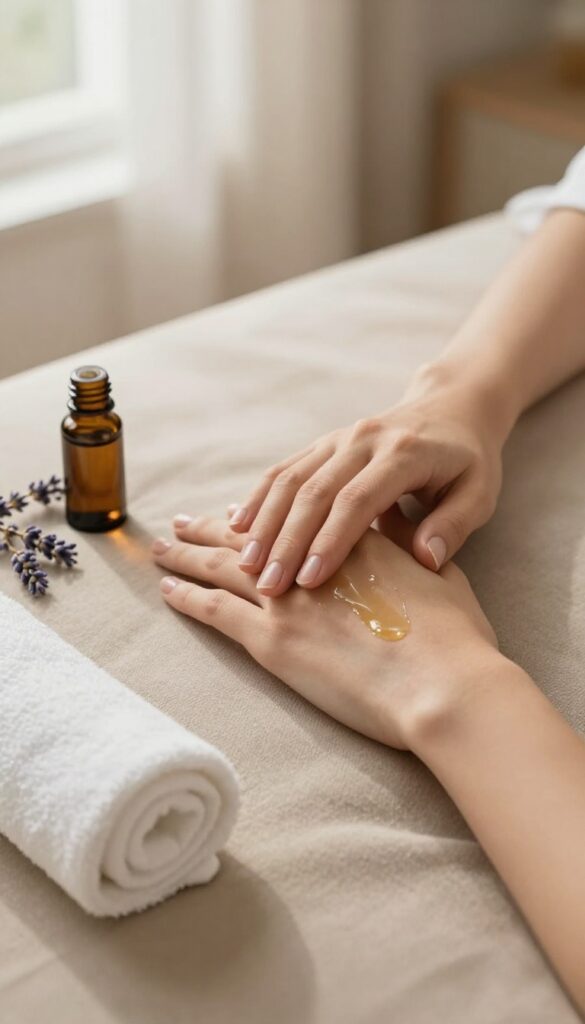
Your hands and feet work hard all week, yet they rarely get the attention they deserve. A simple self-massage can release tension you didn't even realize you were holding. It's a mini spa treatment that costs nothing and can be done right on your couch.
Grab your favorite lotion or a bottle of body oil. Start by warming a small amount in your palms, then work it into each hand or foot using slow, firm strokes. Pay special attention to pressure points—like the pads of your fingers or the arch of your foot—and any spots that feel tight.
Spend at least a minute on each hand or foot, breathing deeply as you go.
Focus On Pressure Points
The fleshy part between your thumb and index finger, and the center of your palm, are key pressure points. Use your thumb to apply gentle, circular pressure for 10–15 seconds. On your feet, target the ball and the arch.
This can ease tension headaches and improve circulation.
Use A Warm Towel First
Soak a small towel in warm water, wring it out, and wrap it around your hands or feet for a few minutes. The heat relaxes muscles and makes the massage more effective. Follow up with lotion and your massage routine.
Add A Drop Of Essential Oil
Lavender or peppermint oil can elevate the experience. Mix one drop into your lotion before massaging. Lavender promotes calm, while peppermint is invigorating.
Choose based on the mood you want to create.
15. Light a Candle and Watch the Flame
Candlelight has a way of softening the edges of a room—and your mind. Choose a scent that feels like a hug, maybe vanilla, lavender, or sandalwood. Light it, then sit nearby and let your eyes rest on the flame as it flickers and sways.
This simple act is a form of meditation that doesn't require any special skills or apps.
Watching a flame naturally draws your attention away from racing thoughts. It's a gentle anchor for your focus, helping your nervous system shift from stress mode to rest mode. Even five minutes can leave you feeling more centered and calm.
Pick Your Scent Intentionally
Scents can trigger memories and emotions. Choose one that feels grounding or uplifting. Light floral for calm, warm spice for comfort, or fresh citrus for a gentle energy boost.
Create A Ritual Around The Moment
Make it a small ceremony: turn off overhead lights, put your phone away, and take three deep breaths before lighting the candle. This signals to your brain that it's time to unwind.
16. Write a Letter to Your Future Self
There's something grounding about putting your hopes into words. Writing a letter to your future self isn't about predicting the future—it's about giving yourself permission to dream and plan with kindness. This simple act can make your Sunday feel more intentional and less rushed.
Pen a short note about your hopes for the coming week. Seal it and set it aside. It's a gentle reminder that you're allowed to dream and plan with kindness.
What To Write
Keep it simple. Jot down one or two things you'd like to feel by next Sunday—maybe more relaxed, more focused, or more connected to loved ones. Add a small goal, like reading a chapter of a book or trying a new recipe.
The key is to write from a place of self-compassion, not pressure.
Make It A Ritual
Choose a special spot to store your letter—a journal, a box, or even a drawer you don't open often. Set a reminder to read it next Sunday. You might be surprised by what you've achieved or how your perspective has shifted.
It's a gentle way to track your growth.
Why It Works
Writing slows down your thoughts and gives them shape. It helps you clarify what truly matters, away from the noise of daily life. Plus, sealing the letter creates a small moment of anticipation—a promise to yourself that you'll check in again soon.
17. Take a Long, Warm Bath or Shower
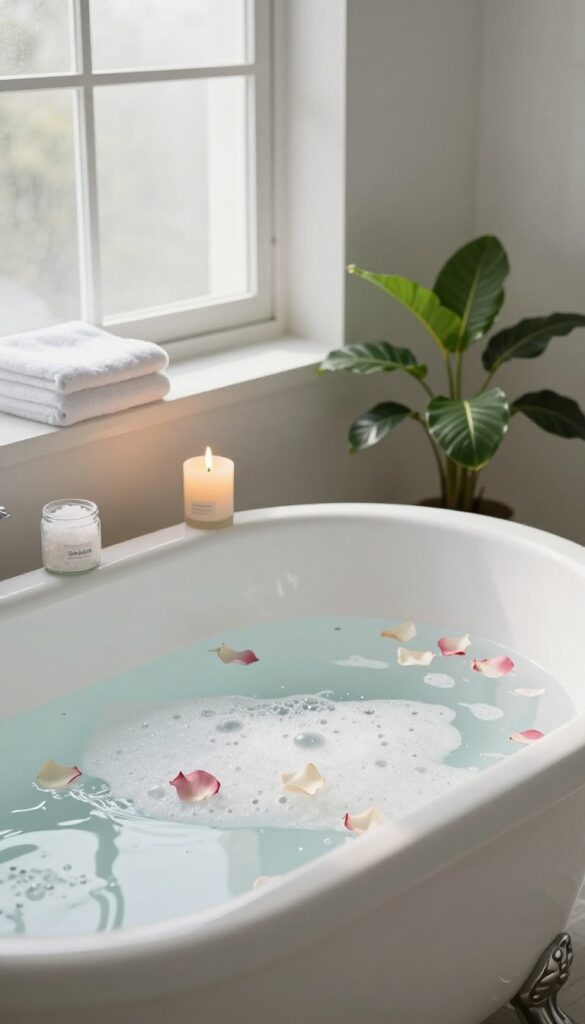
Let the water work its magic. A warm bath or shower can be a mini escape from the noise of the week. The heat eases tight muscles, and the quiet gives your mind a break.
This is your time to soak, not to rush.
Set The Mood
Dim the lights, light a candle, and play something soft. Your bathroom can feel like a sanctuary with just a few small touches.
Add Something Soothing
Epsom salts help relax sore muscles, while a bath bomb adds a little luxury. Even a few drops of lavender oil in the shower can make a difference.
Stay Until You're Done
Don't watch the clock. Let the water run until your fingers prune. That's the signal that you've truly let go.
18. Engage in a Creative Hobby
Creative hobbies are a wonderful way to unwind and reconnect with yourself. Whether you're doodling, knitting, painting, or playing an instrument, the goal isn't perfection—it's the joy of making something with your hands. Creativity acts as a powerful reset, shifting your focus away from stress and into the present moment.
When you engage in a creative activity, your brain enters a flow state that reduces anxiety and boosts mood. It's not about creating a masterpiece; it's about the process itself. Even 20 minutes can leave you feeling refreshed and accomplished.
Pick Something Low-stakes
Choose a hobby that feels fun, not frustrating. Adult coloring books, simple knitting patterns, or beginner-friendly YouTube tutorials can help you ease in without pressure. The key is to enjoy the act, not judge the outcome.
Set Up A Cozy Creative Corner
Designate a small area with good lighting, comfortable seating, and your supplies within reach. A dedicated space makes it easier to sit down and create without distraction. Add a plant or a candle to make it inviting.
Focus On The Sensations
Notice the feel of yarn between your fingers, the sound of a brush on canvas, or the scent of paint. Engaging your senses keeps you grounded and makes the experience more meditative. Let your hands lead while your mind rests.
19. Set Intentions for the Week Ahead
Mondays often come with a mental list of tasks, but that can feel heavy before the week even starts. Instead of loading up your to-do list, try setting a single intention. One word or feeling that you want to guide your actions—without pressure or expectation.
Intentions are different from goals. They're about how you want to show up, not what you need to accomplish. Choosing something like "calm, " "focus, " or "kindness" gives your week a gentle direction.
Write it on a sticky note, save it as your phone wallpaper, or just say it aloud. Let it be your anchor when things get busy.
Why Intentions Work
Intentions shift your mindset from doing to being. Instead of chasing tasks, you're aligning your energy with a quality you value. This reduces anxiety and helps you make decisions that support your well-being.
For example, if your intention is "patience, " you might take a deep breath before responding to a stressful email.
How To Choose Your Intention
Take a quiet moment on Sunday evening. Close your eyes and think about what you need most in the coming days. Is it rest, connection, or courage?
Let the word come naturally. It doesn't have to be perfect—just honest. You can even pick the same intention for multiple weeks if it still feels right.
Carry It Into Monday
Write your intention somewhere you'll see it first thing in the morning. On a mirror, in a journal, or as a phone reminder. When Monday feels overwhelming, pause and repeat your word to yourself.
It's a small reset that can change the tone of your entire day.
20. End the Day with a Digital Sunset

The blue light from screens can trick your brain into thinking it's still daytime, making it harder to fall asleep. A digital sunset is a simple ritual: turn off all screens an hour before bed. This gives your mind time to unwind naturally, without the constant ping of notifications or the urge to scroll.
Instead of reaching for your phone, try reading a physical book, doing a few gentle stretches, or having a quiet conversation with a loved one. These activities signal to your body that it's time to rest. Over time, this evening routine becomes a habit that helps you sleep deeply and wake up feeling refreshed.
Why It Works
Screens emit blue light that suppresses melatonin, the hormone that regulates sleep. By cutting off screens, you allow your body's natural sleep cycle to kick in. Plus, the quiet activities you replace scrolling with reduce stress and promote relaxation.
How To Start Tonight
Set a timer for one hour before your desired bedtime. When it goes off, put all devices in another room or a drawer. Keep a book, a journal, or a yoga mat nearby so you have something calming to do.
Even just sitting quietly with a cup of herbal tea works.
Make It A Family Ritual
If you live with others, invite them to join you. You can all read in the living room, play a board game, or share highlights from your day. This not only improves everyone's sleep but also strengthens your connection without screens.
FAQ
How long should a self-care Sunday take?
There's no set time—self-care Sundays can be as short as 15 minutes or as long as a few hours. The key is to choose activities that feel restorative, not rushed.
Can I do these activities on other days?
Absolutely. While these are designed for Sunday, any of them can be adapted for a weekday evening or a Saturday morning. Self-care is flexible.
What if I don't have time for all 20?
Pick just one or two that resonate most. Even a single mindful activity can shift your entire mood. Quality matters more than quantity.
Do I need special equipment for these activities?
Not at all. Most require only items you already have at home—a mug, a candle, a book. The focus is on simplicity and accessibility.
How do I make self-care a habit?
Start small and be consistent. Schedule it on your calendar like any other appointment. Over time, it becomes a natural part of your Sunday rhythm.
Conclusion
A peaceful home starts with small, intentional Sunday rituals. Pick two or three activities from this list that feel right for you—not everything needs to happen at once.
Over time, these moments will become anchors for rest and reconnection. Let your Sunday set the tone for a calmer, more centered week ahead.