Self-care often feels like one more thing on an already overflowing to-do list. But real self-care doesn't require hours—it fits into the cracks of your day. These 23 checklist ideas are quick, practical, and designed for people who are short on time but still want to feel grounded.
Each item takes just minutes, from drinking water first thing to a 60-second stretch.
You don't need to do them all. Pick one or two that resonate and weave them into your routine. Small actions add up.
A single mindful moment can shift your whole day. Ready to start? Try the first one tomorrow morning and see how it feels.
1. Drink a full glass of water first thing

Before you reach for the coffee pot, try this: drink a full glass of water. Your body has been fasting all night, and water is the fastest way to kickstart your metabolism and rehydrate your brain. It's a tiny habit that takes less than a minute but sets a positive tone for the rest of the day.
Hydration first thing in the morning boosts energy, improves mental clarity, and helps your body function better. It's a simple win that requires zero prep or willpower—just a glass and tap water.
Why Water Beats Coffee
Caffeine can dehydrate you, and drinking it on an empty stomach may cause jitters or digestive discomfort. Water, on the other hand, gently wakes up your system and prepares it to absorb nutrients. Save the coffee for after your glass of water.
Make It A No-brainer
Keep a glass or reusable bottle next to your bed or on the bathroom counter. Fill it the night before so it's ready when you wake. Add a squeeze of lemon or a pinch of salt for electrolytes if you want an extra boost.
How Much Is Enough?
A standard glass (8–12 ounces) is plenty. You don't need to chug a liter. Sip it slowly over the first few minutes of your morning routine.
The goal is consistency, not volume.
2. Stretch for 60 seconds
You don't need a yoga mat or a full hour to loosen up. A quick 60-second stretch can reset your body and mind, especially after sitting for long periods. It's one of the easiest ways to break the tension cycle without leaving your desk.
This simple habit targets your neck, shoulders, and back—the areas that hold the most stress. Stand up, reach your arms overhead, and gently side-bend. Then roll your shoulders backward and forward.
Finish with a forward fold, letting your head hang heavy. That's it. Sixty seconds, and you'll feel a noticeable difference.
Why 60 Seconds Works
Short stretches are easier to stick with than long routines. A minute is long enough to release tight muscles but short enough to fit between meetings. Consistency matters more than duration.
When To Do It
Try it right after waking up, mid-afternoon when energy dips, or before bed to unwind. You can also do it after any long period of sitting—like after a commute or a Zoom call.
3. Write down one win from yesterday
It's easy to get caught up in what didn't go right. But taking a moment to jot down one thing you did well yesterday can flip your mindset. This tiny habit takes less than a minute and trains your brain to spot progress, not just problems.
Each morning, grab a sticky note or open a notes app. Write one win from the previous day—no matter how small. Maybe you finished a task, had a good conversation, or simply got out of bed on time.
That counts. Over time, this list becomes a record of small victories that remind you you're moving forward.
Why It Works
Your brain has a negativity bias—it remembers failures more vividly than successes. By deliberately recalling a win, you rewire your attention toward the positive. It's like giving yourself a tiny pat on the back that builds momentum for the day ahead.
How To Make It Stick
Pair this habit with something you already do, like brushing your teeth or drinking your morning coffee. Keep a small notebook by your bed or use a habit tracker app. The key is consistency, not size.
Even a 10-second reflection counts.
4. Step outside for two minutes
When your brain feels fried, the best reset button is just outside your door. Two minutes of fresh air and natural light can break a stress loop faster than scrolling your phone. It's not about a full walk—just enough to change your environment and breathe differently.
Stepping outside interrupts the indoor cycle of screens and stale air. Even a short dose of daylight boosts vitamin D and signals your nervous system to relax. Think of it as a mini mental palate cleanser.
What To Do In Those Two Minutes
Leave your phone inside. Stand still or walk slowly. Look at something far away—a tree, the sky, a building across the street.
Take three deep breaths, feeling the air move through your body. Notice one sound, one smell, and one sensation (like wind on your skin).
When To Use This
Try it midday when energy dips, after a tense meeting, or right before you need to focus again. It also works as a transition from work mode to home mode. If you work from home, step onto a balcony or into your yard.
No outdoor access? Open a window and stand by it for two minutes.
Why It Works
Natural light regulates your circadian rhythm, which affects mood and alertness. Fresh air increases oxygen flow to your brain, reducing cortisol levels. The combination shifts your perspective—literally and figuratively—so you return to your tasks with a clearer head.
5. Do a 5-4-3-2-1 grounding exercise
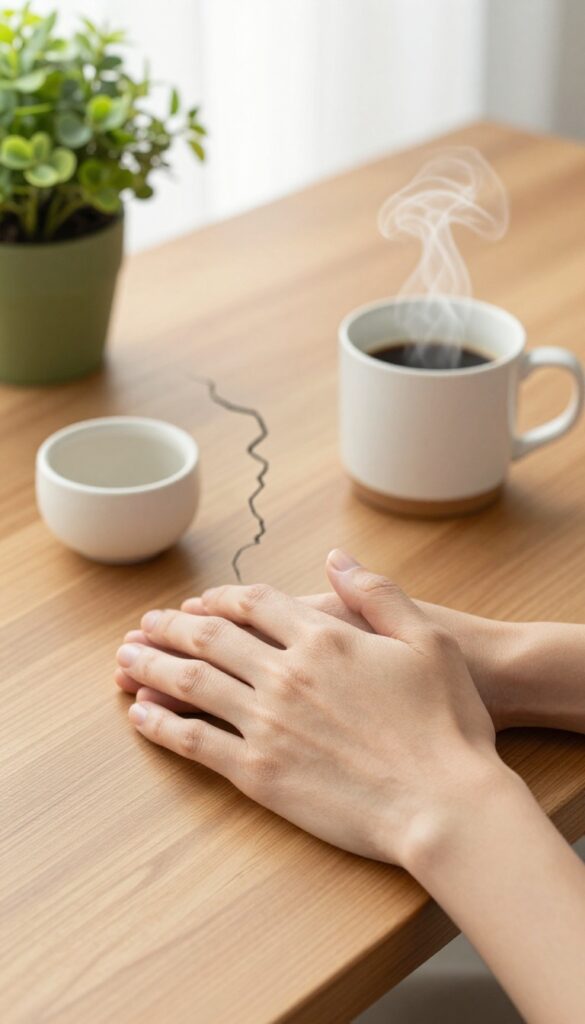
Anxiety can spike without warning, especially when you're juggling a dozen tasks. The 5-4-3-2-1 technique pulls you back to the present by engaging your senses. It's a portable, zero-equipment reset that works in a meeting, on a commute, or right before bed.
This exercise forces your brain to shift from racing thoughts to concrete observations. It's backed by therapists and takes less than two minutes. The more you practice, the faster it works.
How To Do It
Stop what you're doing. Take a slow breath. Then name five things you can see around you—a lamp, a coffee mug, a crack in the wall, your own hand, a plant.
Next, notice four things you can physically feel: your feet on the floor, the fabric of your shirt, the air on your skin, the weight of your phone. Then three sounds: a hum from the fridge, footsteps, your own breathing. Two smells: coffee, paper.
One taste: the lingering mint from your toothpaste. That's it.
Why It Calms You Fast
Your brain can't hold a full panic loop while it's busy cataloging sensory details. This technique activates the prefrontal cortex and dials down the amygdala. It's like hitting a mental reset button without any side effects.
When To Use It
Try it during a tense moment at work, before a difficult conversation, or when you can't fall asleep because your mind is spinning. It also works as a quick check-in during a busy afternoon to prevent burnout.
6. Eat a meal without screens
When was the last time you ate lunch without scrolling? For most busy people, meals are just another multitasking opportunity. But eating with your phone or laptop nearby keeps your brain in work mode, never allowing it to truly rest.
Screens hijack your attention and can lead to overeating or poor digestion. By putting them away for just one meal a day, you give your mind a real break and your body a chance to process food properly. It's a small shift with big benefits.
Removing screens from mealtime isn't just about mindfulness—it's about resetting your nervous system. When you focus on your food, you chew more thoroughly, taste more fully, and recognize when you're full. This simple habit can reduce bloating, improve digestion, and lower stress.
Start with one meal, maybe breakfast or lunch. Leave your phone in another room. If that feels too hard, try just the first five minutes screen-free.
You might be surprised how much more satisfying your meal becomes.
Why It Works
Your brain processes food better when it isn't distracted. Eating without screens activates your parasympathetic nervous system—the "rest and digest" mode. This helps your body absorb nutrients and signals fullness more accurately.
Plus, it gives your overworked eyes and mind a genuine pause.
How To Start
Pick one meal a day—maybe the one you usually eat alone. Set a timer for 10 minutes and commit to no screens. Focus on the colors, textures, and flavors of your food.
If you feel the urge to grab your phone, take a breath and return your attention to your plate.
Make It A Habit
Pair screen-free eating with something you already do, like your morning coffee or lunch break. Use a physical book or a simple placemat as a visual cue. Over time, this practice becomes a natural anchor in your day—a few minutes of calm without digital noise.
7. Take three deep belly breaths
Your breath is always with you, making it the most portable stress reliever on the planet. This simple technique can be done at your desk, in the car, or even in line at the grocery store. It's a reset button for your nervous system that costs zero time and zero money.
Why It Works
Deep breathing activates the vagus nerve, which triggers your parasympathetic nervous system. This lowers your heart rate, reduces blood pressure, and tells your brain it's safe to relax. The 4-4-6 pattern (inhale 4, hold 4, exhale 6) is especially effective because the longer exhale signals your body to calm down.
How To Do It
Sit comfortably with your feet flat on the floor. Place one hand on your belly. Inhale slowly through your nose for four counts, feeling your belly rise.
Hold for four counts. Exhale gently through your mouth for six counts, feeling your belly fall. Repeat three times.
That's it.
When To Use It
Try it first thing in the morning to set a calm tone for the day. Use it before a stressful meeting or presentation. It's also great right before bed to quiet a racing mind.
You can even sneak it in during a commute or while waiting for your coffee to brew.
8. Declutter one small surface
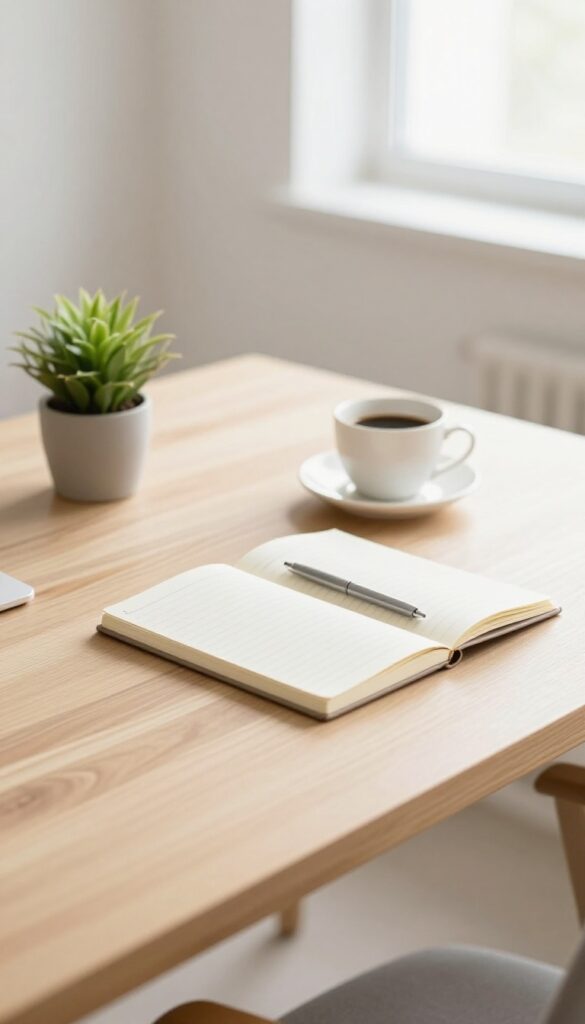
Clutter is a silent stressor. It's not about a full home makeover—just pick one surface: a desk, nightstand, or kitchen counter. Clearing that small area takes five minutes and instantly lifts your mental fog.
A tidy space really does create a clearer mind.
The 5-minute Reset
Set a timer for five minutes. Grab a basket or bag and toss everything that doesn't belong on that surface. Wipe it down with a cloth.
That's it. You're done. The visual calm will surprise you.
Why One Surface Works
Focusing on a single area prevents overwhelm. You get a quick win that builds momentum. Plus, that cleared spot becomes a visual anchor—a reminder that you can create order even in chaos.
Make It A Habit
Do this daily before bed. Clear your nightstand or desk as part of your wind-down routine. In less than a week, it'll feel automatic.
Your future self will thank you every morning.
9. Listen to one song you love
Music is a shortcut to feeling better. A single favorite song can release dopamine, lower stress, and change your mood in under three minutes. No meditation app required—just press play.
Why One Song Works
Your brain loves patterns and emotional memories. A song you love triggers the reward center, flooding your system with feel-good chemicals. It’s like a happiness button you can push anytime.
Make It A Micro-ritual
Pick one song and pair it with a small action—sipping coffee, closing your eyes, or stretching. Do this daily for a week. It becomes a cue for your brain to switch from stress to calm.
When To Use This
Use it between meetings, before a tough conversation, or when you feel your energy dip. It’s a portable reset that costs nothing and takes less than a coffee break.
10. Write down three things you're grateful for
Gratitude might sound like a soft skill, but it has real neurological benefits. When you jot down three specific things you're thankful for, your brain starts scanning the world for positives instead of negatives. This simple shift can lower stress and boost resilience, even on chaotic days.
Keep it simple and specific. Instead of writing "my family, " try "the way my partner made me laugh this morning. " Specificity makes the feeling stick.
Do this right before bed or during your morning coffee—it only takes 60 seconds.
Why It Works
Gratitude activates the prefrontal cortex, which regulates emotions. Over time, this practice strengthens neural pathways that make positivity more automatic. It's like a mental workout that pays off in calm.
Make It A Habit
Tie it to an existing routine. Keep a small notebook by your bed or use a notes app. Set a phone reminder if needed.
The goal is consistency, not perfection.
Mix It Up
Some days, you might struggle to find three things. That's okay. Notice small pleasures: a warm shower, a good song, a kind text.
Variety keeps the practice fresh and honest.
11. Apply lotion or lip balm mindfully
A small sensory ritual that grounds you in the present moment. Instead of rushing through your skincare routine, take a few extra seconds to focus on the sensation of the product on your skin. This simple act can turn a mundane task into a mini mindfulness practice.
Mindful application of lotion or lip balm is a quick way to reconnect with your body and calm your mind. It requires no extra time—just a shift in attention. By engaging your senses, you create a moment of stillness in a busy day.
Focus On The Sensation
As you apply lotion, notice the texture, temperature, and scent. Feel the moisturizer sinking into your skin. With lip balm, pay attention to the smooth glide and the subtle flavor.
This sensory focus anchors you in the now.
Pair It With Deep Breathing
Take three slow, deep breaths while you apply. Inhale as you smooth the product on, exhale as you finish. This combines the grounding effect of touch with the calming power of breathwork.
Make It A Consistent Trigger
Use this mindful moment as a cue to check in with yourself. After applying, ask: How am I feeling right now? This turns a quick habit into a daily emotional reset.
12. Do a quick posture check

Your body knows when you're slouching, even if you've stopped noticing. A quick posture check takes ten seconds and can reset your energy, mood, and even your breathing. It's one of those tiny habits that pays off all day long.
Roll your shoulders back and lift your chin. Better posture boosts confidence and energy. Here's how to make it a natural part of your day.
The 10-second Reset
Set a random alarm on your phone for a few times a day. When it goes off, just roll your shoulders up, back, and down. Lift your chin until your ears are over your shoulders.
That's it. You'll feel an instant shift in how alert you feel.
Desk Reminders That Work
Stick a small note on your monitor that says "Chin up. " Or place a sticky note on your water bottle. Every time you take a sip, check your alignment.
Soon it becomes automatic.
The Wall Trick
Stand with your back against a wall, heels a few inches away. Your head, upper back, and butt should touch the wall. Hold for 30 seconds.
This trains your body to remember what good posture feels like.
13. Say no to one non-essential request
Every 'yes' to something that doesn't matter is a 'no' to yourself. Busy people often say yes out of habit or guilt, but that drains energy you need for what truly counts. Learning to decline politely is a skill that protects your time and mental space.
Why It's Hard To Say No
We worry about disappointing others or missing out. But every time you say yes to a non-essential meeting, favor, or event, you're sacrificing something—rest, focus, or time with loved ones. Recognize that your time is finite and valuable.
How To Say No Gracefully
Keep it simple and honest. Try: 'I'd love to help, but my plate is full right now. ' Or: 'That sounds great, but I can't commit at this time. ' No need to over-explain. A clear, kind decline is better than a resentful yes.
Practice Makes It Easier
Start small. Say no to a low-stakes request, like a coffee chat or a committee invite. Notice how the world doesn't end.
With each polite refusal, you'll build confidence and reclaim more time for your own priorities.
14. Read one page of a book
You don't need to finish a chapter to get the benefits of reading. One page is enough to quiet your mind and step into another world. It's a tiny escape that fits into any break, whether you're waiting for coffee to brew or winding down before bed.
Reading even a single page signals to your brain that it's time to shift gears. It reduces stress, improves focus, and gives you a moment of calm without demanding a big time commitment. Over time, those single pages add up to entire books.
Why One Page Works
A single page is low pressure. There's no guilt about not finishing, and no need to find a long stretch of time. It's a micro-habit that's easy to maintain, and the mental break it provides can reset your mood quickly.
How To Make It A Habit
Keep a book in a place you pass often—by your bed, on the kitchen counter, or in your bag. When you have a spare moment, pick it up and read just one page. No more, no less.
The consistency matters more than the volume.
What To Read
Choose something light and enjoyable. Fiction, short essays, or poetry work well because they don't require heavy concentration. The goal is pleasure, not productivity.
Save dense non-fiction for when you have more time.
15. Wash your face or splash cold water
A quick splash of cold water can do wonders when you're feeling sluggish or stressed. It's a sensory reset that takes less than a minute. Washing your face also removes the day's grime and signals your brain that it's time to shift gears.
This simple act wakes up your skin and your mind. The cold temperature triggers a mammalian dive reflex, which slows your heart rate and helps you feel more alert. It's a free, instant pick-me-up that you can do anytime, anywhere.
Why Cold Water Works
Cold water constricts blood vessels, reducing puffiness and giving your skin a healthy glow. The shock also releases endorphins, improving your mood. It's like a mini energy shot without the caffeine.
How To Make It A Habit
Keep a clean washcloth near your sink or a small spray bottle of cold water in your fridge. When you feel your energy dip, head to the bathroom and splash or spray your face three times. Follow with a gentle pat dry.
Pair It With A Deep Breath
Before you splash, take a slow breath in. As the water hits your face, exhale fully. This combination calms your nervous system and doubles the reset effect.
Try it before a meeting or when you need to refocus.
16. Text a friend a quick compliment
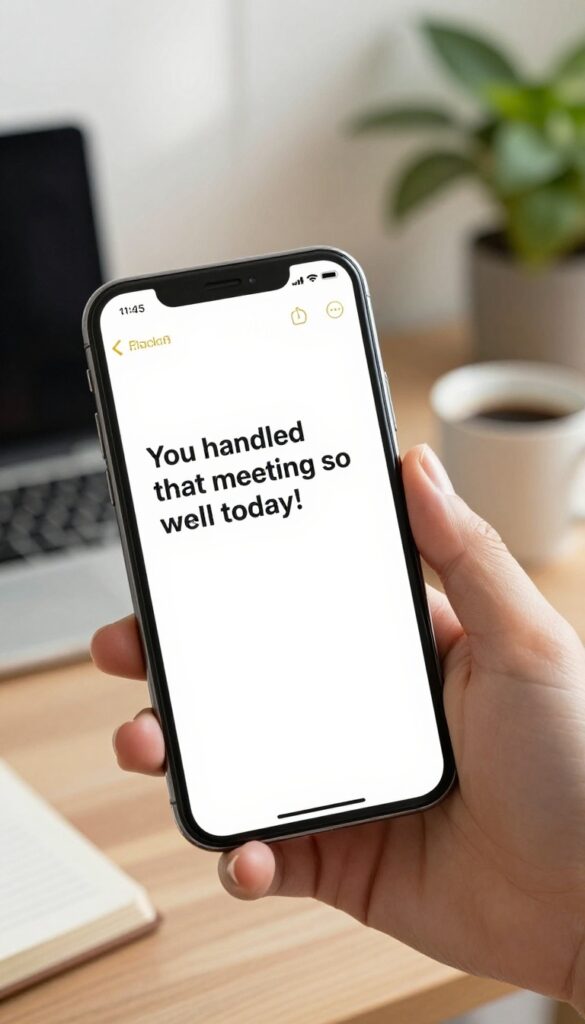
A small, genuine compliment can brighten someone's day—and yours too. Social connection is a powerful mood booster, and you don't need a long conversation to make it happen. A quick text takes less than a minute but can create a ripple effect of positivity.
Keep it short and sincere. You don't have to overthink it. A simple "You handled that meeting so well today" or "I love your energy" works.
The key is to be authentic. This small act not only strengthens your relationships but also shifts your focus outward, reducing stress and increasing feelings of gratitude.
Why It Works
Giving compliments triggers the release of oxytocin, the bonding hormone, which reduces anxiety and fosters connection. It also trains your brain to notice the good in others, making you more optimistic overall.
How To Make It A Habit
Set a daily reminder on your phone to text one compliment. Or link it to an existing habit, like right after your morning coffee. Keep a mental list of people you appreciate, so you never run out of ideas.
Keep It Genuine
Avoid generic praise. Be specific about what you noticed—their effort, a kind gesture, or a unique perspective. Specific compliments feel more meaningful and are remembered longer.
17. Do one small task you've been avoiding
That nagging task you keep pushing aside? It's probably taking up more mental space than time. Finishing it in under two minutes clears your head and gives you a quick win.
The relief of finally doing it far outweighs the effort.
We all have those tiny tasks that somehow feel huge: replying to a text, hanging up a coat, or putting a dish away. They linger in the back of your mind, draining energy. The trick is to pick one that takes less than two minutes and just do it now.
No overthinking, no planning. Just action. You'll be surprised how light you feel afterward.
Pick The Smallest One
Scan your mental list of avoided tasks. Choose the one that feels least intimidating—maybe it's putting a book back on the shelf or sending a quick email. The goal isn't to conquer a big project; it's to build momentum with a tiny win.
Set A Timer For Two Minutes
If you're worried about getting sucked into a bigger task, set a timer. Give yourself permission to stop after two minutes. Most of these small tasks won't even take that long, and the timer keeps you focused.
Notice How You Feel After
Once it's done, pause for a moment. Acknowledge the relief and the small boost of accomplishment. That positive feeling makes it easier to tackle the next avoided task later.
18. Make a cup of tea and sip slowly
There's something quietly powerful about the act of making tea. The simple steps—boiling water, steeping leaves, waiting—force a pause in your day. It's a ritual that signals to your brain: slow down.
And when you sip slowly, you're not just hydrating; you're grounding yourself in the present moment.
Choose Your Tea Wisely
Herbal teas like chamomile, lavender, or peppermint are naturally caffeine-free and promote relaxation. Green tea offers a gentle lift without the jitters. Pick one that matches your mood and time of day.
Create A Mini Ritual
Use your favorite mug. Boil fresh water. Watch the color deepen as it steeps.
Hold the warm cup in both hands. This small ceremony turns a routine task into a mindful moment.
Sip With Intention
Put your phone down. Sit somewhere comfortable. Take small sips and notice the temperature, aroma, and taste.
Let your mind rest on the experience for just five minutes.
19. Roll your neck and shoulders

Your neck and shoulders are probably holding more tension than you realize, especially after hours of staring at a screen. A simple roll can release that tightness without you having to stand up or change clothes. It's one of those micro-moves that makes a surprisingly big difference in how you feel.
Gentle circles release tension from screen time. Do it at your desk.
How To Do It
Sit up straight, drop your chin to your chest, and slowly roll your head to one side, then back, then to the other side. Repeat 5 times in each direction. For shoulders, lift both toward your ears, hold for a second, then roll them back and down.
That's it.
When To Do It
Try this every hour or whenever you notice your shoulders creeping up toward your ears. It's also great right before a meeting or after a long call. You can even do it while waiting for your computer to load.
Why It Works
Tension builds up from staying still too long. Rolling increases blood flow to the muscles and reminds your body to relax. It also helps prevent headaches and stiff necks later.
20. Write down tomorrow's top priority
Your brain loves to keep a running list of everything you need to do tomorrow. That mental clutter can make it hard to fall asleep. By writing down just one priority for the next day, you give your mind permission to rest.
This simple act clears mental space and sets you up for a focused morning. One task is enough—choose the most important thing and let everything else wait.
Why One Task Works
When you write down a single priority, you remove the pressure to remember everything. Your brain can relax, knowing the most critical item is captured. It also makes your morning decision-free—just start with that one task.
How To Pick The Right Priority
Ask yourself: If I could only do one thing tomorrow, what would make the biggest difference? It might be a work deadline, a personal errand, or even a self-care activity. Keep it specific and achievable.
Best Time To Do This
Right before bed is ideal. Keep a small notebook or a sticky note by your bedside. Spend 30 seconds writing it down, then close the notebook and let go.
No phones needed.
21. Laugh out loud
Laughter might be the quickest mood booster you've got. It doesn't require a setup, a subscription, or even a lot of time. A single good laugh can lower stress hormones and relax your muscles for up to 45 minutes.
That's a pretty efficient self-care hack.
When you're busy, laughter can feel like a luxury. But it's actually a shortcut to feeling better. You don't need a comedy show—just a minute of something genuinely funny can reset your mood.
Quick Funny Clips
Keep a shortlist of go-to videos that always make you chuckle. A pet fail, a stand-up bit, or a silly blooper reel. Watch one between meetings or during a coffee break.
The goal isn't to binge—it's to get a quick, genuine laugh.
Recall A Silly Memory
Think back to an embarrassing or hilarious moment from your past. Maybe that time you tripped in public or misheard something at a party. Let yourself laugh at it again.
It's free, instant, and often more effective than scrolling through memes.
Share A Laugh With Someone
Send a funny text or forward a ridiculous meme to a friend. Even a short exchange of laughter can strengthen your connection and lighten your load. It takes seconds, but the mood lift can last much longer.
22. Do a 30-second hand massage
Your hands work hard all day—typing, gripping, scrolling. They hold a surprising amount of tension. A quick hand massage can release that tightness and help you reset in under a minute.
Why It Works
Your hands have many pressure points linked to stress and relaxation. Massaging them triggers a calming response, lowers cortisol, and improves circulation. It's like a mini reset button.
How To Do It
Squeeze a little lotion or just use dry hands. Start at the base of your palm, press firmly with your thumb in small circles. Work your way up each finger, gently pulling and squeezing.
Don't forget the webbing between fingers. Finish with a few wrist circles.
When To Sneak It In
Try it during a meeting lull, while waiting for your coffee to brew, or right before a stressful call. It's discreet and effective.
23. End the day with one positive thought

Sleep is when your brain processes the day. If you drift off replaying worries, you're training your mind to stay on high alert. A single positive thought before bed acts like a gentle reset button.
It doesn't have to be a huge win—just something that made you smile, even briefly.
This tiny habit takes less than a minute but can improve sleep quality and morning mood. By focusing on a good moment, you signal your nervous system that it's safe to rest. Over time, you'll naturally start noticing more positives throughout your day because your brain knows you'll be looking for one later.
Pick Your Moment
Right after you turn off the lights, pause for one breath. Then ask yourself: What was one good thing today? It could be a kind text, a tasty lunch, or a task you finally finished.
No judgment if some days feel harder—just pick the smallest bright spot.
Keep It Simple
You don't need to journal or analyze it. Just hold the thought in your mind for a few seconds. Let it be the last thing you think about before sleep.
If your mind wanders, gently bring it back. That's it.
Why It Works
This practice taps into neuroplasticity—your brain's ability to rewire based on repeated thoughts. Ending on a positive note strengthens neural pathways for gratitude and calm. It also lowers cortisol, making it easier to fall asleep and stay asleep.
FAQ
How many self-care checklist items should I do per day?
Start with one or two. The goal is consistency, not quantity. Even one small act counts.
Can these ideas really help if I'm extremely busy?
Yes. Each item takes under five minutes. They're designed to fit into any schedule.
Do I need any special tools or apps?
No. Most ideas use things you already have—water, lotion, a phone, or just your body.
What if I forget to do self-care during the day?
Don't stress. Pick one for the evening or try again tomorrow. Self-care is flexible.
How do I make these habits stick?
Attach them to existing routines, like after brushing your teeth or before checking email.
Conclusion
Self-care doesn't have to be another item on your to-do list. These 23 ideas prove that even the busiest schedule has room for small, meaningful moments that recharge you. The key is choosing what fits your life right now, not forcing a perfect routine.
Start with one or two that feel doable today. Maybe it's a five-minute breathing break or saying no to an extra commitment. Over time, these tiny habits build a foundation of well-being that supports everything else you do.