You've had a long day, and your mind is still racing. The to-do list is calling, but what you really need is a moment to breathe. A cozy evening isn't just about candles and blankets—it's about intentionally shifting from busy mode to rest mode.
A self-care night routine helps you transition smoothly, signaling to your brain that it's time to slow down. It doesn't have to be complicated or time-consuming. Small, consistent steps can make a big difference in how you sleep and how you feel.
This list of 20 ideas is designed to be flexible. Pick and choose what resonates with you, mix and match, or try them all.
1. Set a Firm "Work Cutoff" Time

One of the hardest parts of winding down is actually letting go of work. Even when you close your laptop, your brain might still be running through emails or tomorrow's deadlines. That's why a hard cutoff time is a game-changer.
Choose a specific time—say, 7 PM or 8 PM—and treat it like a non-negotiable appointment. When that time hits, close your laptop, silence notifications, and physically step away from your workspace. This boundary sends a clear signal: work is done for the day.
It also prevents the dreaded "just one more thing" spiral that eats into your relaxation time. Over time, your brain learns to shift gears more easily, making the transition to self-care smoother.
Why Boundaries Matter
Without a firm stop, work can creep into every evening. Studies show that constant connectivity raises stress and hurts sleep quality. A cutoff time protects your personal time and helps you recharge.
How To Stick To It
Set an alarm as a reminder. Pair the cutoff with a small ritual—like turning off your desk lamp or making a cup of tea. This makes the boundary feel intentional rather than abrupt.
What If You Can't Stop?
If urgent tasks come up, try a "power hour" earlier in the evening, then commit to stopping. The key is consistency—your brain adapts faster when the cutoff is predictable.
2. Dim the Lights and Switch to Warm Lighting
Lighting sets the mood more than you think. Bright, cool-toned lights mimic daylight and keep your brain alert. That's the last thing you want when you're trying to unwind.
Swapping to warm, dim lighting tells your body it's time to produce melatonin, the sleep hormone.
Start by turning off overhead lights and relying on lamps, string lights, or candles instead. Aim for bulbs with a color temperature around 2700K—that soft amber glow. If you have smart bulbs, set them to a warm white or sunset mode.
The shift is subtle but powerful.
Why Warm Light Works
Our circadian rhythm is sensitive to blue light. Warm light has less blue, so it doesn't suppress melatonin. Studies show that exposure to warm light in the evening helps you fall asleep faster and improves sleep quality.
Easy Ways To Create A Warm Glow
Use salt lamps, fairy lights in glass jars, or beeswax candles. Dimmers are a game-changer—install them on your bedside lamp or living room light. Even a simple plug-in dimmer switch can transform a harsh fixture into a cozy one.
Don't Forget Screens
Screens emit blue light too. Enable night mode on your phone and laptop, or better yet, put them away an hour before bed. If you must use a device, wear blue-light-blocking glasses.
Your eyes and brain will thank you.
3. Put Your Phone on Do Not Disturb
Your phone is probably the biggest obstacle to a relaxing evening. Notifications, emails, and social media are designed to keep you hooked, pulling your attention away from the present moment. Setting your phone aside is a small but powerful act of reclaiming your time and mental space.
Silence notifications and place your phone face down or in another room. This reduces the urge to scroll and helps you stay present.
Why It Works
Every ping or buzz triggers a tiny dopamine hit, making it hard to resist checking. By silencing notifications, you remove that constant temptation. Your brain can finally relax without expecting interruptions.
How To Do It
Turn on Do Not Disturb mode, then put your phone face down on a table or ideally in a different room. If you use it as an alarm, place it across the room so you have to get up to turn it off in the morning.
What To Do Instead
Replace scrolling with something tactile like reading a physical book, journaling, or doing a puzzle. Give your hands and eyes a break from screens. You'll notice how much more present you feel.
4. Diffuse a Calming Essential Oil

Scents have a direct line to the brain's emotional center, making them powerful tools for relaxation. A few drops of the right essential oil in a diffuser can instantly shift the atmosphere from chaotic to calm. Lavender, chamomile, and cedarwood are classic choices that signal to your nervous system that it's time to unwind.
Choose an oil or blend that feels soothing to you. Set the diffuser to run for an hour or two as you move through the rest of your routine. The gentle mist and subtle aroma become a sensory cue that the day is winding down.
Pick Your Scent
Lavender is the go-to for sleep support, but don't be afraid to experiment. Bergamot can lift mood without being stimulating, while frankincense adds a grounding, meditative quality. A few drops of each in a blend can create a personalized atmosphere.
Set The Mood
Dim the lights and let the diffuser run while you read, stretch, or take a bath. The combination of soft light and calming scent reinforces the transition to rest mode. Keep the diffuser on a timer so it doesn't run all night.
Make It A Ritual
Filling the diffuser becomes part of the routine itself. The simple act of adding water and oil can be a mindful pause. Over time, the scent alone will trigger a relaxation response, making it easier to let go of the day.
5. Take a Warm Bath or Shower
There's a reason warm water feels so good after a stressful day. It helps relax tense muscles and signals your nervous system to shift into rest mode. Whether you prefer a long soak or a quick steamy shower, this step is a simple way to wash away the day's tension.
Warm water soothes tired muscles and lowers stress. Add Epsom salts or a bath bomb for extra luxury, or simply enjoy the steam. Even a five-minute shower can reset your mood if you focus on the sensation of the water.
Make It A Ritual
Set the scene with dim lighting, a candle, or some calming music. Keep bath salts or a favorite body wash within reach so the experience feels intentional, not rushed.
Don't Overthink It
If a bath isn't your thing, a warm shower works just as well. Let the water run over your shoulders and take a few deep breaths. The goal is to unwind, not to follow a strict routine.
6. Slip into Cozy Loungewear
There's something magical about changing out of your day clothes into something soft and forgiving. It's a simple act, but it sends a clear signal to your brain: the work is done, and it's time to relax. The right loungewear can make your evening feel like a gentle hug.
Think of your loungewear as a uniform for relaxation. When you put it on, you're telling yourself that the rest of the night belongs to you. It's a physical boundary between your productive hours and your restful ones.
Choose Fabrics That Feel Good
Cotton, bamboo, or modal are great choices for breathability and softness. Avoid anything scratchy or restrictive. The goal is to feel like you're wearing a cloud.
Make It A Ritual
Don't just change clothes—make it a moment. Fold your day clothes neatly or put them away. This small act of tidying reinforces the transition and makes your space feel calmer.
Add A Layer Of Comfort
If it's chilly, throw on a cozy robe or slippers. These extra touches make the experience feel more intentional and luxurious, even if you're just staying in.
7. Brew a Cup of Herbal Tea

After a long day, a warm mug in your hands can feel like a gentle hug. Herbal teas are naturally caffeine-free, so they won't interfere with your sleep. The simple act of brewing and sipping tea becomes a mindful ritual that signals your body it's time to unwind.
Choosing the right tea can elevate the experience. Peppermint is refreshing and aids digestion, while chamomile is known for its calming properties. Rooibos has a naturally sweet, earthy flavor that feels cozy without any added sugar.
The key is to pick a tea that you genuinely enjoy, making the ritual something to look forward to.
Make It A Ritual
Don't just microwave a mug of water. Take a moment to boil water, pour it over your tea bag or loose leaves, and watch it steep. Inhale the aroma as it brews.
This small ceremony helps you slow down and be present.
Pair It With A Cozy Activity
Sip your tea while reading a few pages of a book, journaling, or simply sitting in silence. Avoid pairing it with screens. The combination of warmth, flavor, and quiet can be deeply soothing.
Experiment With Blends
Don't be afraid to mix teas or add a slice of lemon, a cinnamon stick, or a drizzle of honey. Creating your own signature blend makes the experience personal and fun. Keep a small collection of your favorites on hand.
8. Do a 5-Minute Journaling Session
Journaling might sound like a big commitment, but five minutes is all you need. It's a simple way to untangle your thoughts and end the day on a positive note. No pressure to write pages—just a few lines can make a difference.
Grab a notebook and pen, or use a notes app if you prefer. Set a timer for five minutes and write whatever comes to mind. You can list three things you're grateful for, jot down a win from the day, or just brain-dump worries that are buzzing around.
The goal is to get it out of your head and onto paper. This small practice helps clear mental clutter, making it easier to relax and fall asleep.
Why It Works
Writing down your thoughts offloads them from your brain, reducing the mental load that keeps you wired. Gratitude journaling, in particular, shifts focus to positive moments, which can improve mood and lower stress. Even a quick brain dump can stop the cycle of overthinking at bedtime.
How To Start
Keep your journal and pen by your bedside so it's easy to grab. Don't worry about perfect sentences—just write freely. If you're stuck, use prompts like 'Today I felt good when. . . ' or 'Something I'm looking forward to tomorrow is. . . ' The key is consistency, not length.
9. Stretch or Do Gentle Yoga
Your body holds onto stress just as much as your mind does. After a day of sitting, standing, or running around, your muscles can feel tight and tired. A few simple stretches or a short yoga flow can release that physical tension and help you settle into the evening.
You don't need to be flexible or experienced. Gentle movement is about listening to your body, not pushing it. Even five minutes of stretching can make a noticeable difference in how relaxed you feel.
Target Key Tension Areas
Focus on the spots where you hold the most stress: your neck, shoulders, and hips. A slow neck roll, a shoulder shrug hold, and a gentle hip opener like a seated figure-four stretch can work wonders. These areas tend to tighten up without us even noticing.
Try A Short Yoga Sequence
A simple flow like cat-cow, child's pose, and forward fold can calm your nervous system. Move slowly and breathe deeply. If you have a yoga mat, great—but the floor or even your bed works fine.
The goal is to unwind, not to break a sweat.
Use Your Breath To Deepen The Stretch
Pair each movement with your breath. Inhale as you lengthen, exhale as you sink deeper into the stretch. This mind-body connection helps release tension more effectively and signals to your brain that it's time to rest.
10. Read a Physical Book (Not a Screen)
When you finally settle into your cozy corner, swapping your phone for a printed book can work wonders. The blue light from screens tricks your brain into thinking it's still daytime, making it harder to drift off. A physical book or a non-backlit e-reader keeps your melatonin production on track, helping you feel naturally sleepy.
Reading a printed book or e-reader without backlight reduces blue light exposure. It's a perfect wind-down activity that engages your mind without overstimulating it.
Why It Works
Blue light suppresses melatonin, the hormone that regulates sleep. By reading a physical book, you avoid that disruption. Plus, the tactile feel of paper and the act of turning pages can be grounding and calming.
What To Read
Choose something light and enjoyable—fiction, poetry, or a cozy mystery. Avoid thrillers or dense non-fiction that might keep your mind racing. The goal is gentle engagement, not a page-turner that keeps you up.
Create A Reading Ritual
Pair your reading with a warm drink or a soft blanket. Set a timer for 15–30 minutes so you don't lose track of time. This signals to your brain that reading is part of your wind-down routine, not just another task.
11. Listen to a Calming Playlist or Podcast
Sound has a powerful way of shaping your mood. Choosing the right audio can transform your space into a sanctuary of calm. You don't need to actively listen—just let the sounds wash over you as you unwind.
Curate Your Soundscape
Pick ambient music, nature sounds, or a podcast with a soothing voice. Look for playlists labeled "deep focus, " "rain sounds, " or "soft piano. " The goal is background noise that feels like a gentle blanket, not a lecture.
Set The Volume Low
Keep the volume at a level where it's present but not demanding. You want it to fill the silence without competing for your attention. A low hum of sound can help drown out distracting noises from outside.
Let It Play While You Do Other Things
This step pairs well with other activities like stretching, sipping tea, or applying skincare. The audio becomes a companion, not the main event. Let it guide your pace and keep your mind from wandering back to stress.
12. Apply a Face Mask or Skincare Treatment
Your skin works hard all day, and giving it a little extra love at night can be deeply soothing. A face mask or a simple skincare treatment turns your bathroom into a mini spa, and the gentle massage motions help release tension in your jaw and forehead. You don't need a ten-step routine.
Even just a few minutes of applying a rich moisturizer or a sheet mask can feel like a reset. The key is to slow down and focus on the sensation—the coolness of the mask, the scent of the product, the feeling of your fingertips gliding over your skin.
Choose Your Mask Based On Your Mood
Sheet masks are great for hydration and require zero effort—just peel, apply, and relax. If you want something more detoxifying, a clay mask can feel purifying, especially after a long day. For an extra cozy touch, warm your moisturizer between your palms before applying; it feels like a gentle hug for your face.
Make It A Mini Facial Massage
While your mask is on or while applying your moisturizer, use your fingers to massage your face in upward, circular motions. Focus on your temples, jawline, and between your brows. This not only helps the product absorb better but also eases facial tension that builds up from stress or screen time.
Set The Scene For Spa Vibes
Dim the lights, light a candle, or put on some calming music. The environment matters as much as the product. Even if you only have five minutes, creating a quiet, cozy space makes the treatment feel more intentional and luxurious.
13. Light a Candle with a Cozy Scent
Scent is one of the fastest ways to shift your mood. A warm, familiar fragrance can instantly make a room feel like a sanctuary. Lighting a candle isn't just about the smell—it's a small ritual that tells your brain it's time to unwind.
Choose a scent that feels like a hug. Vanilla is sweet and comforting, sandalwood is earthy and grounding, and cinnamon brings a touch of warmth. The flickering flame also gives you something soft to focus on, which helps quiet a busy mind.
Pick Your Signature Scent
Think about what makes you feel most relaxed. Floral notes like lavender are great for sleep, while woody scents like cedar can feel grounding. If you're sensitive to strong smells, go for a subtle soy candle with a light throw.
Set The Mood With Lighting
Candles work best when you dim the overhead lights. Place your candle on a stable surface where you can see the flame easily. The soft glow creates a focal point that naturally draws your attention away from screens and stress.
Make It A Ritual
Lighting the same candle at the same time each night can become a powerful cue for relaxation. Pair it with another step, like brewing tea or stretching, to build a routine that your body starts to recognize and look forward to.
14. Practice Deep Breathing or Meditation
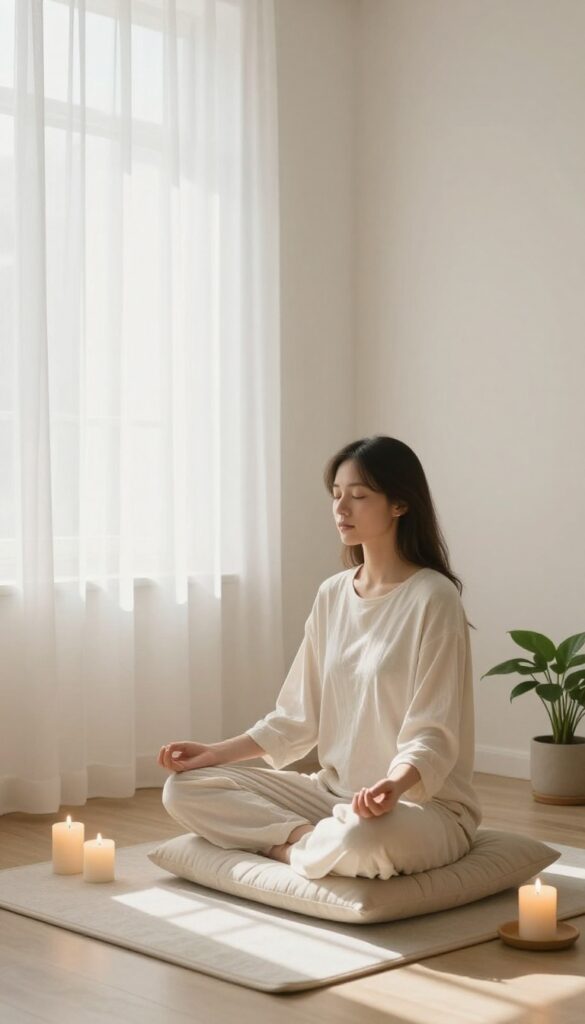
Even three minutes of deep belly breathing can lower your heart rate and quiet your mind. It's one of the simplest ways to hit the reset button after a hectic day. You don't need any special equipment or a lot of time—just a quiet spot and a willingness to focus on your breath.
Deep breathing activates your parasympathetic nervous system, which helps your body relax. It's a direct signal to your brain that it's safe to unwind. Meditation takes it a step further by training your mind to stay present, reducing the mental chatter that keeps you up at night.
Try A Quick Breathing Exercise
Sit comfortably, close your eyes, and inhale slowly through your nose for four counts. Hold for four counts, then exhale through your mouth for six counts. Repeat this cycle five times.
You'll notice your shoulders drop and your pulse slow down.
Use A Guided Meditation App
If sitting in silence feels awkward, apps like Calm or Headspace offer short sessions designed for bedtime. A five-minute body scan or sleep story can guide you into relaxation without effort.
Focus On Just Your Breath
No app needed. Simply pay attention to the sensation of air entering and leaving your nostrils. When your mind wanders—and it will—gently bring it back.
That's the practice.
15. Tidy Up Your Space (Just a Little)
A cluttered space often leads to a cluttered mind. Taking just five minutes to straighten up your immediate surroundings can create a sense of calm and accomplishment. It's not about deep cleaning—just a quick reset to help you unwind.
When your environment feels orderly, your brain gets a subtle signal that it's safe to relax. The act of tidying itself is a gentle, physical task that shifts your focus away from worries. Plus, waking up to a neat space tomorrow morning is a bonus gift to your future self.
Clear The Hotspots
Focus on the areas you see most: the coffee table, your nightstand, or the kitchen counter. Put away stray items, stack magazines, or toss empty wrappers. Even a small visible change can lift your mood instantly.
Fluff And Fold
Fluffing couch pillows or folding a throw blanket adds a cozy touch. It's a simple, satisfying motion that makes the room feel cared for. You're not staging for guests—you're creating a nest for yourself.
Set Up Tomorrow's Essentials
Lay out what you'll need in the morning: your coffee cup, keys, or workout clothes. This small act of preparation reduces morning stress and makes you feel organized. It's a practical step that ties the evening routine to a smoother tomorrow.
16. Write Down Tomorrow's Top Three Priorities
Your brain loves closure. When you leave the day without a plan for tomorrow, those loose threads can keep you tossing and turning. Writing down just three key tasks for the next day gives your mind permission to rest, knowing the most important stuff is already handled.
Keep it simple—three items max. This isn't your full to-do list; it's your focus list. Pick the tasks that truly matter, the ones that will make you feel accomplished if you get them done.
Jot them on a sticky note, in a journal, or in your phone. The act of writing them down signals to your brain, “I've got this, ” and lets you sleep easier.
Why Three Is The Magic Number
More than three and you risk overwhelm. Three keeps you realistic and focused. It's enough to move the needle but not so many that you feel behind before you even start.
Make It A Ritual, Not A Chore
Pair this step with something soothing—like sipping herbal tea or lighting a candle. Soon your brain will associate writing priorities with winding down, making it a natural part of your night routine.
17. Enjoy a Small, Mindful Treat

Sometimes the simplest pleasures make the best rituals. A tiny, intentional indulgence—like a square of dark chocolate or a few ripe berries—can become a beautiful signal that the day is done. The key is to eat it slowly, with full attention, not while scrolling or watching TV.
Mindful eating at night isn't about calories or restrictions. It's about savoring a single, high-quality bite and letting yourself truly enjoy it. This small act can ground you in the present moment and add a touch of sweetness to your evening routine.
Choose Your Treat Wisely
Pick something you genuinely love but don't eat every day. A piece of dark chocolate (70% or higher), a small slice of aged cheese, a few fresh raspberries, or even a single date stuffed with almond butter. The goal is quality over quantity.
Create A Ritual Around It
Take the treat from its container and place it on a small plate or napkin. Sit down somewhere comfortable, perhaps with a cup of herbal tea. Before eating, take a moment to notice the color, texture, and aroma.
Then place it in your mouth and let it dissolve or chew slowly, paying attention to the flavors.
Savor Without Distraction
Put your phone away and turn off the TV. This is a moment just for you. Notice how the taste evolves, how the texture changes, and how you feel as you eat.
When you're finished, take a deep breath and appreciate the small pleasure you've given yourself.
18. Do a Digital Declutter (Photos, Apps, or Inbox)
Your phone can be a source of calm or a source of chaos. When you're winding down, the last thing you need is a cluttered home screen or an overflowing inbox begging for attention. A quick digital declutter takes just five minutes and leaves you feeling lighter and more organized.
Spend five minutes deleting screenshots or unsubscribing from emails. It's a low-effort task that gives a sense of accomplishment and order. You'll be amazed at how much mental space you free up.
Clear Out Screenshots
Scroll through your camera roll and delete any screenshots you no longer need. That meme from last week, the random recipe you'll never make, or the expired coupon can all go. It's a quick win that reduces visual clutter.
Unsubscribe From Newsletters
Open your email and unsubscribe from at least three newsletters you never read. This prevents future inbox buildup and makes your email less stressful to check. You'll feel a small sense of control.
Delete Unused Apps
Swipe through your home screen and delete apps you haven't used in a month. Fewer icons mean less distraction. Your phone will feel cleaner, and you'll be less tempted to mindlessly open social media.
19. Use a Weighted Blanket or Cozy Throw
There's a reason weighted blankets have become so popular. The gentle, even pressure they provide can help calm your nervous system, reducing anxiety and making it easier to drift off to sleep. Even if you don't have a weighted blanket, simply wrapping yourself in a soft, cozy throw can create a similar feeling of comfort and security.
Adding a weighted blanket or a plush throw to your evening routine is a simple way to signal to your body that it's time to relax. The extra layer of warmth and pressure can lower cortisol levels and increase serotonin, helping you unwind after a stressful day. It's a small change that can make a big difference in how quickly you fall asleep and how restful your night is.
Choose The Right Weight
If you're buying a weighted blanket, aim for one that's about 10% of your body weight. Too heavy can feel restrictive, too light won't provide the calming effect. For a throw, any soft fabric you love—like fleece, chunky knit, or faux fur—works beautifully.
Layer It Into Your Wind-down
Drape the blanket over your lap while you read or watch TV, then pull it up when you're ready to sleep. The transition from sitting to lying down with the same comforting weight can be a powerful cue for your brain to shift into rest mode.
Care And Maintenance
Check the care label—many weighted blankets need to be spot cleaned or dry cleaned. For throws, a quick machine wash keeps them fresh. A clean, cozy blanket makes the ritual even more inviting.
20. Set Your Alarm for a Realistic Wake-Up Time
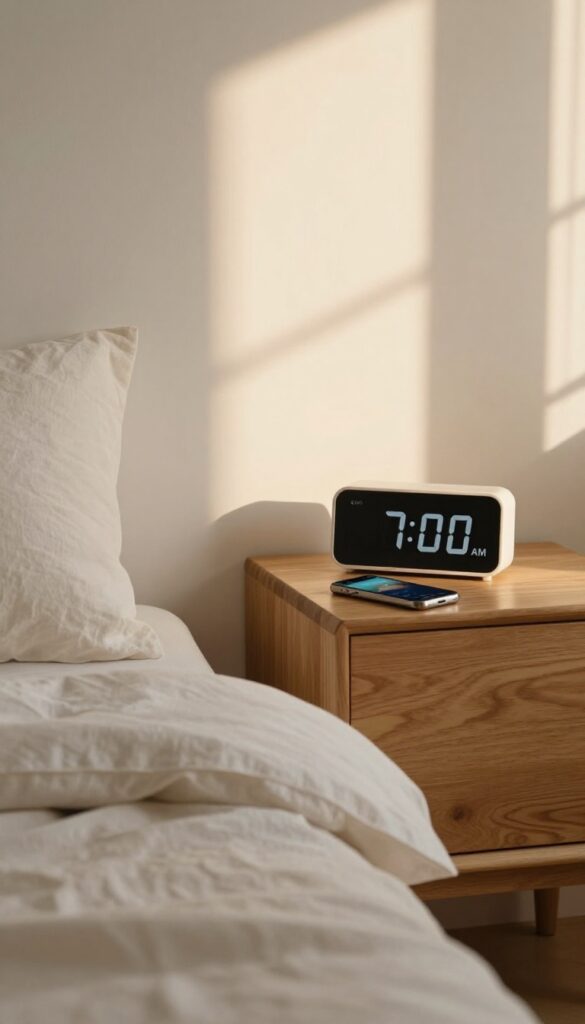
Your evening self-care routine doesn't end when you fall asleep—it carries over into the next morning. Setting your alarm for a realistic wake-up time is a final act of kindness to your future self. It ensures you get the rest you need and start the day on a calm note rather than a rushed one.
Choose a wake-up time that allows for 7-9 hours of sleep from your intended bedtime. If you plan to sleep at 10: 30 PM, set your alarm for 6: 30 AM or later. Avoid the temptation to set it earlier than necessary just to squeeze in more tasks—that often backfires.
When you wake up feeling rested, you're more in control of your morning, and that sets a positive tone for the entire day.
Calculate Your Ideal Bedtime
Work backward from your wake-up time to determine when you need to be asleep. For example, if you want to wake up at 7: 00 AM, aim to be in bed by 10: 00 PM or 11: 00 PM, depending on how much sleep you need. This helps you structure your evening steps accordingly.
Use A Gentle Alarm Sound
A jarring alarm can spike your cortisol levels and ruin the peaceful vibe you cultivated at night. Choose a gradual wake-up light or a soft, nature-inspired sound. Many apps offer alarms that simulate sunrise, making waking up feel more natural.
Avoid The Snooze Button
Hitting snooze fragments your sleep and leaves you feeling groggier. Instead, set your alarm for the latest time you can actually get up. If you need a buffer, set a second alarm 10 minutes later as a backup, but commit to rising with the first one.
FAQ
How long should a self-care night routine take?
It can be as short as 15 minutes or as long as an hour. The key is consistency, not duration. Pick a few steps that fit your schedule.
Can I do these steps every night?
Absolutely, but it's okay to rotate. Some nights you might want a bath, other nights just journaling. Listen to what your body needs.
What if I don't have time for a full routine?
Choose one or two steps that feel most calming. Even a 5-minute wind-down can make a difference. It's about quality, not quantity.
Should I do the steps in order?
Not necessarily. Feel free to rearrange based on your preferences. The order in the list is just a suggestion for a natural flow.
Can I involve my partner or family?
Yes! Some steps like stretching or reading can be shared. Just make sure the activity remains relaxing for everyone involved.
Conclusion
A cozy evening routine doesn't have to be elaborate to work wonders. Pick two or three steps from this list that genuinely appeal to you and give them a try tonight. Maybe it's lighting a candle, brewing some tea, or simply turning off your phone an hour earlier.
The magic lies in the consistency, not the complexity. Over time, these small rituals will signal your brain that it's time to unwind, making it easier to slip into restful sleep and wake up feeling refreshed.