Last updated on June 26th, 2026 at 03:38 pm
Stress doesn't stand a chance when you have a few go-to self-care moves ready. The best part? You don't need a spa day or a weekend getaway to feel the relief.
Small, intentional habits at home can shift your mood and calm your nervous system faster than you'd think. Think of these ideas as gentle anchors in your day. They're not about overhauling your life—just adding tiny pockets of peace that add up.
Whether you have five minutes or an hour, there's something here that fits. Ready to feel lighter? Let's walk through 20 simple ways to ease stress right where you are.
1. Start Your Morning with a No-Screen Window

Mornings set the tone for everything that follows. Grabbing your phone right away floods your brain with emails, news, and notifications before you've even had a sip of water. That jolt of cortisol is the opposite of calm.
A no-screen window is a simple reset. By keeping your phone on airplane mode for the first 15 minutes after waking, you let your body wake up naturally. Natural light does the work—signaling your circadian rhythm to release cortisol in a healthy way, not a stressful one.
This tiny habit creates a buffer between sleep and the demands of the day. It's not about discipline; it's about giving yourself a gentle transition.
Why It Works
Morning light is a master regulator. When it hits your eyes, it tells your brain to stop producing melatonin and start producing serotonin. Phones emit blue light that disrupts this process and triggers a stress response.
Fifteen minutes of natural light before any screen time sets your internal clock for better sleep and lower anxiety later.
How To Make It Stick
Charge your phone outside the bedroom or across the room. Use a traditional alarm clock instead. When you wake, open the curtains or step outside for a minute.
If you need a morning check-in, keep it to a quick glance after the 15-minute window—no scrolling.
What To Do Instead
Stretch, sip water, or sit quietly. Journal a single sentence about how you feel. Listen to birds or the sound of rain.
The point is to exist without input for a few minutes. Your brain will thank you.
2. Brew a Cup of Tea with Intention
There's something about the ritual of making tea that naturally slows you down. The simple act of boiling water, choosing a mug, and watching the steam rise can become a mindful pause in your day. When you do it with intention, it's not just a drink—it's a calming reset for your mind.
Pick a soothing herbal tea like chamomile, lavender, or peppermint. As the water heats, take a few deep breaths. Pour the water slowly and watch the color bloom.
Hold the warm mug in your hands and bring it close to your face, letting the aroma fill your senses. Sip slowly, focusing only on the warmth, the taste, and the moment. This isn't about rushing through a cup—it's about savoring every sip as a small act of self-care.
Choose Your Calming Blend
Not all teas are created equal when it comes to stress relief. Look for blends with chamomile, lavender, lemon balm, or passionflower. These herbs are known for their calming properties.
Avoid caffeine if you're winding down. Experiment with different flavors to find your personal comfort cup.
Create A Tea Ritual
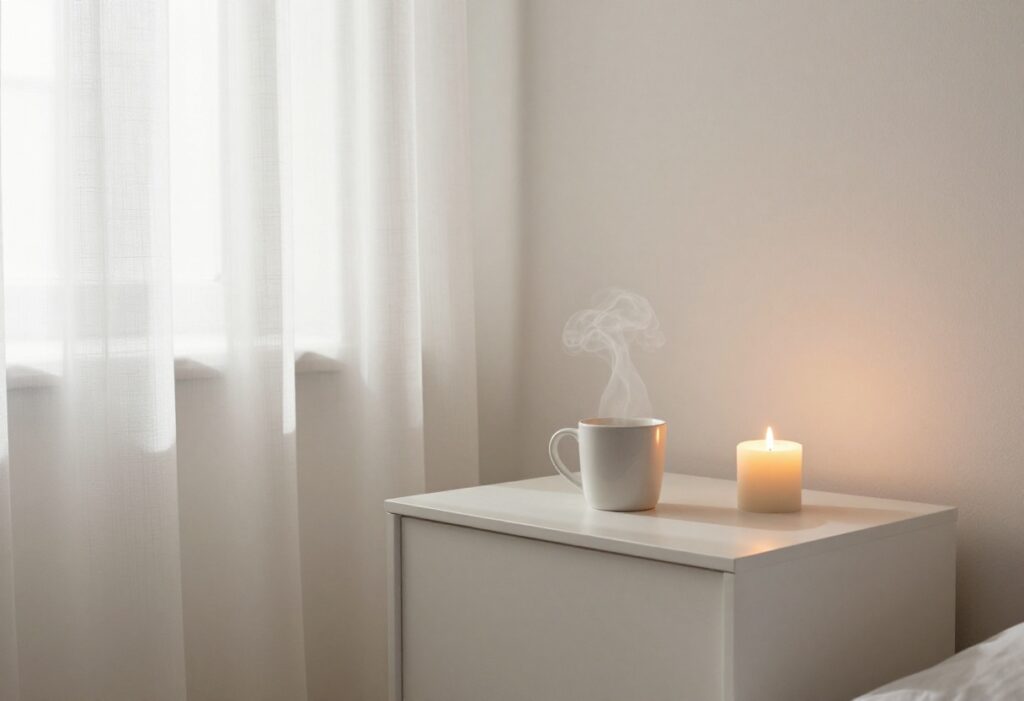
Turn tea time into a mini ritual. Use your favorite mug, light a candle, or put on soft music. The repetition of the same steps each time signals to your brain that it's time to relax.
Even five minutes of this focused practice can lower stress levels noticeably.
Practice Mindful Sipping
Instead of multitasking while you drink, give the tea your full attention. Notice the heat against your palms, the scent rising with each sip, and the flavor spreading on your tongue. If your mind wanders, gently bring it back to the tea.
This is a form of meditation that's easy and enjoyable.
3. Stretch for Five Minutes Right After Waking
Your body holds onto stress even while you sleep. That tightness in your shoulders or lower back? It's tension that built up overnight.
A quick five-minute stretch routine can release it before it settles into your day.
You don't need yoga experience or flexibility. Simple moves like neck rolls, shoulder shrugs, and a gentle cat-cow pose wake up your spine and improve circulation. Doing this before you even get out of bed keeps it effortless.
Why Morning Stretching Works
Overnight, your muscles shorten and stiffen. Stretching first thing signals your nervous system to shift from rest mode to a calm, alert state. It also lowers cortisol levels, the hormone linked to stress.
Three Easy Stretches To Try
Start with neck rolls: slowly drop your chin to your chest and roll side to side. Then move to cat-cow on your hands and knees, arching and rounding your back. Finish with a seated forward fold, letting your head hang heavy.
Make It A Habit
Keep it simple. Set your mat or towel next to your bed the night before. Or just stretch on the floor.
No equipment, no excuses. Five minutes is all it takes to start your day with less tension.
4. Create a Cozy Corner for Quiet Time
You don't need a whole room to escape. A single chair or cushion can become your sanctuary when you set it up with intention. The key is to use this spot only for calming activities, not for scrolling or working.
Pick a corner with good natural light or add a soft lamp. Drape a cozy blanket over the chair and keep a book or journal nearby. This small setup signals to your brain that it's time to unwind.
A designated quiet corner trains your mind to relax quickly. Over time, just sitting there can lower your heart rate and ease tension. It's a simple but powerful anchor in your home.
Choose The Right Spot
Look for a place that feels separate from daily chaos—a bedroom corner, a bay window, or even a padded floor spot. Avoid high-traffic areas. The goal is a visual and physical cue for peace.
Set The Mood With Lighting
Harsh overhead lights kill the cozy vibe. Use a warm-toned lamp, string lights, or a salt lamp. Dimmable options let you adjust brightness to match your activity, whether it's reading or meditating.
Keep It Minimal And Intentional
Limit what's in your corner to a few calming items: a blanket, a book, a candle, or a plant. Resist the urge to pile on decorations. The space should feel open and inviting, not cluttered.
5. Write Down Three Things You're Grateful For
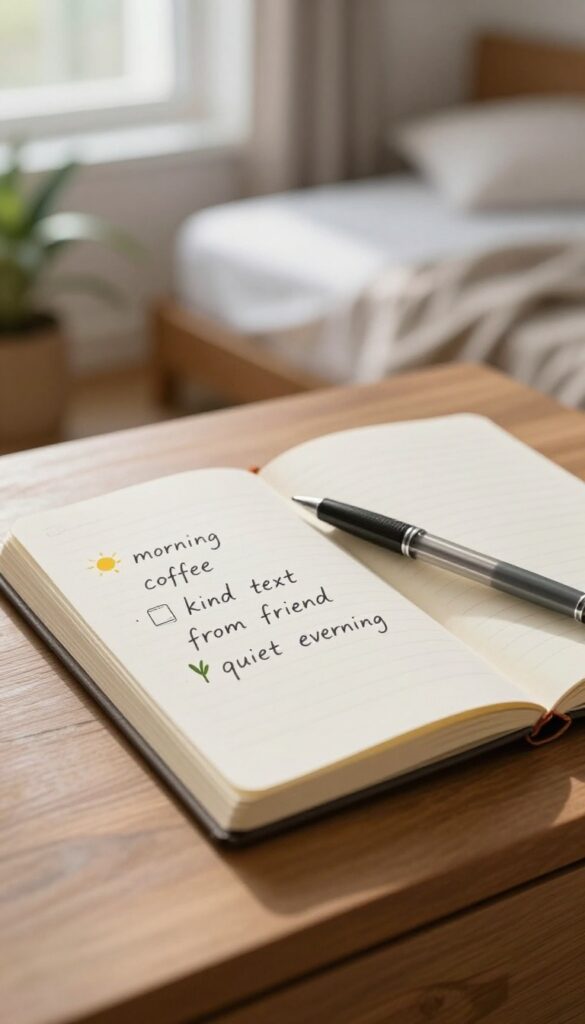
Gratitude is a powerful stress buster. When you deliberately focus on what's good, your brain starts to scan for positives instead of worries. This simple practice can rewire your mindset over time.
You don't need a fancy journal or a long session. Just a small notebook by your bed and a minute before sleep. Write three things you're grateful for that day—they can be as small as a good cup of coffee or a kind text from a friend.
This isn't about toxic positivity. It's about training your mind to notice abundance even on tough days. Over time, you'll find yourself feeling lighter and more grounded.
Gratitude shifts focus from stress to abundance. Keep a small notebook by your bed for this quick practice.
Why It Works
Gratitude activates the brain's reward system, releasing dopamine and serotonin. This naturally lowers cortisol, the stress hormone. It's like a mental reset button that takes just a minute.
Make It A Habit
Pair it with something you already do, like brushing your teeth or turning off the lights. Keep your notebook and pen visible so you remember. Consistency matters more than length.
Mix It Up
Some nights, write about people. Other nights, focus on experiences or simple pleasures. You can even list one thing about yourself you're grateful for.
Variety keeps it fresh.
6. Take a Warm Bath with Epsom Salts
A warm bath is one of the easiest ways to melt stress at home. The heat relaxes tight muscles, and adding Epsom salts takes it a step further. The magnesium in the salts helps soothe your nervous system and ease physical tension.
Why Epsom Salts Work
Epsom salts are made of magnesium sulfate, which your body absorbs through the skin. Magnesium helps reduce inflammation and promotes the production of serotonin, a mood-boosting chemical. This can lower cortisol levels and leave you feeling calmer.
Boost The Calm With Lavender
Add a few drops of lavender essential oil to your bath for extra relaxation. Lavender is known for its calming scent, which can slow down your heart rate and ease anxiety. Just mix it with a carrier oil or add it directly to the water.
Make It A Ritual
Set the mood by dimming the lights, lighting a candle, or playing soft music. Keep your bath at a comfortable temperature—not too hot—and soak for at least 20 minutes. This turns a simple bath into a mini escape from daily stress.
7. Listen to a Guided Meditation or Sleep Story
Your mind doesn't always know how to switch off, especially after a long day. Guided meditations and sleep stories give your brain something gentle to focus on, so it can finally let go of the day's tension.
Apps like Calm or Insight Timer offer short sessions. Even 10 minutes can lower cortisol levels. You don't need to be a meditation pro—just press play and follow along.
Start Small With 5-minute Sessions
If you're new to meditation, five minutes is plenty. Short guided sessions help you build the habit without feeling overwhelmed. Many apps have a "quick start" section for exactly this.
Try A Sleep Story For Wind-down
Sleep stories are narrated tales designed to lull you to sleep. They shift your focus away from worries and into a calming narrative. Perfect for those nights when your mind won't stop racing.
Use Breath-focused Meditations For Instant Calm
Breath-focused meditations guide you to slow your breathing, which directly signals your nervous system to relax. Even a few rounds can make a noticeable difference in how tense you feel.
8. Declutter One Small Area
Clutter has a sneaky way of weighing on your mind. You might not notice it, but that messy counter or overflowing drawer keeps your brain in a low-level state of distraction. The fix isn't a whole-house purge—just one tiny corner.
Pick a single spot that bothers you every time you see it. A junk drawer, a nightstand, or even just one shelf. Set a timer for ten minutes and clear it out.
The goal isn't perfection—it's progress. When that small space feels orderly, your mind gets a little breathing room too.
Start With A Single Surface
Choose a flat surface you look at daily, like your desk or kitchen counter. Remove everything that doesn't belong there. Wipe it down.
Then put back only what you actually use or love. Seeing that clear space first thing in the morning sets a calmer tone for the day.
Tackle A Drawer Or Shelf
Drawers and shelves hide chaos. Open one, empty it, and sort items into three piles: keep, donate, toss. Be honest about what you really need.
Organize the keepers neatly. Closing that drawer on a tidy interior feels like a small victory.
Make It A Five-minute Habit
You don't need a whole afternoon. Set a timer for five minutes and declutter one tiny area—a nightstand, a bathroom cabinet, or a corner of a room. When the timer goes off, stop.
Doing this daily builds momentum without overwhelming you.
9. Practice Deep Breathing for Two Minutes

Breathing is something you do thousands of times a day without thinking. But when stress hits, your breath often becomes shallow and quick, which keeps your nervous system on high alert. Taking just two minutes to breathe with intention can flip that switch and bring your body back to a calm state.
The 4-4-6 pattern is a simple way to slow things down. Inhale through your nose for four counts, hold for four, then exhale slowly through your mouth for six. The longer exhale activates your parasympathetic nervous system, the part that tells your body it's safe to relax.
You can do this anywhere—sitting on your couch, lying in bed, or even at your desk. Close your eyes if it helps, or just soften your gaze. Focus on the sensation of air moving in and out.
If your mind wanders, gently bring it back to your breath. After a few rounds, you'll likely notice your shoulders dropping and your jaw unclenching. That's the signal that your body is letting go.
Why The 4-4-6 Ratio Works
The extended exhale is the key. It stimulates the vagus nerve, which runs from your brain to your abdomen and plays a major role in calming your body. By making your exhale longer than your inhale, you're essentially telling your nervous system, "We're safe, we can rest.
" This technique is backed by research and used in everything from yoga to therapy.
How To Make It A Habit
Tie it to something you already do. For example, practice deep breathing right after you pour your morning coffee or just before you brush your teeth at night. You can also set a random alarm on your phone as a reminder.
Two minutes is short enough that it won't feel like a chore, but consistent enough to make a real difference in your stress levels.
10. Cook a Simple, Nourishing Meal
Cooking can feel like a chore when you're stressed, but it doesn't have to be. Shifting your mindset from "I have to make dinner" to "I get to create something nourishing" changes everything. The kitchen becomes a space for mindfulness, not obligation.
Focus on whole ingredients like fresh vegetables, grains, and healthy fats. The repetitive motions—chopping, stirring, simmering—can be surprisingly meditative. Plus, you end up with a meal that actually supports your body and mood.
When stress hits, convenience foods often win. But taking 20 minutes to cook a simple meal can lower cortisol and boost your sense of control. You don't need a complicated recipe.
A grain bowl with roasted veggies and a drizzle of tahini works beautifully. Or a quick stir-fry with whatever's in your fridge. The key is to engage your senses.
Notice the colors, smells, and textures. Breathe deeply while you cook. Let the process be its own reward, not just a means to an end.
Pick One-pan Meals
Sheet pan dinners are your stress-free friend. Toss chopped veggies and a protein source (like tofu or chicken) with olive oil and herbs. Roast at 400°F for 20-25 minutes.
Minimal cleanup, maximum flavor. The hands-off cooking time lets you step away and decompress.
Make It A Sensory Ritual
Light a candle or put on soft music while you cook. Focus on the sound of sizzling, the aroma of garlic, the vibrant colors on your cutting board. This turns meal prep into a grounding practice.
You're not just feeding your body—you're calming your mind.
Prep For Tomorrow's Calm
Cook a little extra tonight so tomorrow's lunch is ready. Knowing you have a healthy meal waiting reduces decision fatigue and stress. Store it in a nice container so opening the fridge feels like a small gift to future you.
11. Do a Digital Detox for One Hour
Your phone buzzes, your laptop pings, and the TV hums in the background. Constant notifications keep your brain in a low-grade state of alert, which isn't great for relaxation. A digital detox—even just for 60 minutes—gives your mind a real break.
Set a timer and put all screens away. No phone, no tablet, no computer. Use that hour to do something offline that feels good.
You might read a few chapters of a book, doodle in a notebook, or simply sit by a window and watch the clouds. The key is to let your brain wander without digital input. You'll likely notice your shoulders drop, your breathing slow, and your thoughts become quieter.
It's a simple reset that costs nothing but pays off in calm.
Pick An Analog Activity
Choose something that doesn't involve a screen. A physical book, a sketchpad, knitting, or even a puzzle works well. The goal is to engage your hands and mind without blue light.
If you're not sure what to do, grab a magazine you've been meaning to read or write a letter to a friend.
Create A No-tech Zone
Designate a spot in your home where screens aren't allowed during your detox. A cozy armchair, a corner of the couch, or a spot on the balcony can become your tech-free sanctuary. Keep a basket nearby with a few analog options—books, journals, coloring books—so you're always ready.
Notice The Shift
Pay attention to how you feel during and after the hour. Many people report feeling more present, less anxious, and even more creative. The silence can feel strange at first, but it quickly becomes soothing.
Try to do this detox at the same time each day to build a calming ritual.
12. Use a Weighted Blanket While Resting

There's a reason weighted blankets have become so popular—they actually work. The gentle, even pressure across your body mimics the feeling of being held, which can trigger a calming response in your nervous system. It's like a hug you can wrap yourself in anytime.
Using one during naps, while watching TV, or even while reading can help quiet a racing mind. The weight helps ground you, making it easier to relax and drift off. It's a simple tool that turns ordinary rest into a mini therapy session.
Weighted blankets work through deep pressure stimulation, which encourages your body to release serotonin and lower cortisol. This can reduce anxiety and improve sleep quality. Choose a blanket that's about 10% of your body weight for the best effect.
Start with short sessions to see how it feels, and use it during downtime to maximize the calming benefits.
How To Choose The Right Weight
A good rule of thumb is to pick a blanket that's around 10% of your body weight. For example, if you weigh 150 pounds, a 15-pound blanket is a solid choice. If you're between sizes, go lighter rather than heavier.
You want comfort, not a workout.
Best Times To Use It
Use your weighted blanket during activities that are already relaxing: napping, watching a movie, reading, or meditating. Avoid using it when you need to be alert or moving around. The goal is to pair the blanket with restful moments so your brain starts associating it with calm.
Safety And Care Tips
Most weighted blankets are machine washable, but always check the label. Use a duvet cover to keep it clean longer. If you have respiratory issues or claustrophobia, consult a doctor first.
For kids, choose a blanket specifically designed for their size and weight.
13. Journal About What's Weighing on You
Writing freely without editing is one of the simplest ways to untangle your thoughts. When stress builds up, it often feels like a knot in your chest—getting it onto paper can loosen that grip. You don't need to be a writer or have a fancy notebook.
Just let the words flow without judgment.
Journaling helps you process emotions and gain clarity. It's a private space where you can be completely honest. Over time, you'll notice patterns and triggers, which makes it easier to manage stress before it escalates.
Start Small
Set a timer for five minutes and write whatever comes to mind. Don't worry about grammar or spelling. The goal is to empty your head, not to create a masterpiece.
Use Prompts If Stuck
If blank pages feel intimidating, try a simple prompt like "Right now I feel. . . " or "One thing bothering me is. . . " Prompts give you a starting point without pressure.
Make It A Ritual
Pair journaling with a calming activity like sipping tea or lighting a candle. This signals to your brain that it's time to unwind, making the habit stick.
14. Diffuse Calming Essential Oils
Scents have a direct line to the part of your brain that controls mood and memory. That's why a few drops of the right essential oil can shift your whole vibe in seconds. Lavender, frankincense, and cedarwood are go-to choices for stress relief.
They're not overpowering—just gently calming, like a soft background hum for your senses.
Set a timer for 30 minutes and let the diffuser do its thing. That's enough time to signal relaxation without overwhelming the room. Close your eyes, take a few deep breaths, and let the aroma settle in.
Pick Your Scent
Lavender is the classic for winding down. Frankincense adds a grounding, earthy note. Cedarwood feels warm and cozy—like a cabin in the woods.
You can also blend them: try 3 drops lavender + 2 drops frankincense.
Set The Scene
Place the diffuser in a room where you'll actually be—your bedroom, living room, or home office. Dim the lights, put your phone on silent, and let the scent fill the space. Pair it with a cozy blanket or a good book for extra comfort.
Safety First
Always dilute essential oils properly and keep them away from pets. Some oils can be toxic to cats and dogs, so check before diffusing. A little goes a long way—3 to 5 drops per 100 ml of water is plenty.
15. Do a Gentle Yoga Flow
Yoga doesn't have to mean twisting into pretzel shapes or sweating through a power class. A gentle flow—especially one designed for beginners—can melt tension without demanding flexibility or strength. The key is slow, deliberate movements paired with deep breathing.
This combination signals your nervous system to shift from fight-or-flight to rest-and-digest. Even ten minutes on your living room floor can reset your entire evening.
Find A Beginner-friendly Video
Search for "10-minute gentle yoga for stress" or "yoga for beginners relaxation. " Look for videos that emphasize slow transitions, grounding poses like child's pose and cat-cow, and plenty of breath cues. Avoid anything labeled "power" or "flow" unless it specifies gentle.
Stick with a calm instructor whose voice soothes rather than energizes.
Set The Scene
You don't need a studio. Just clear a small space on the floor, grab a towel or mat if you have one, and lower the lights. Consider lighting a candle or playing soft instrumental music.
The goal is to make the experience feel like a mini retreat, not another task on your to-do list.
Focus On Breath, Not Perfection
During the flow, let your breath guide each movement. Inhale as you lift your arms, exhale as you fold forward. If the instructor moves faster, slow down to match your own rhythm.
The point isn't to follow along perfectly—it's to feel your body stretch and release. Notice where you hold tension (jaw, shoulders, hips) and consciously soften those areas.
16. Listen to Instrumental Music or Nature Sounds
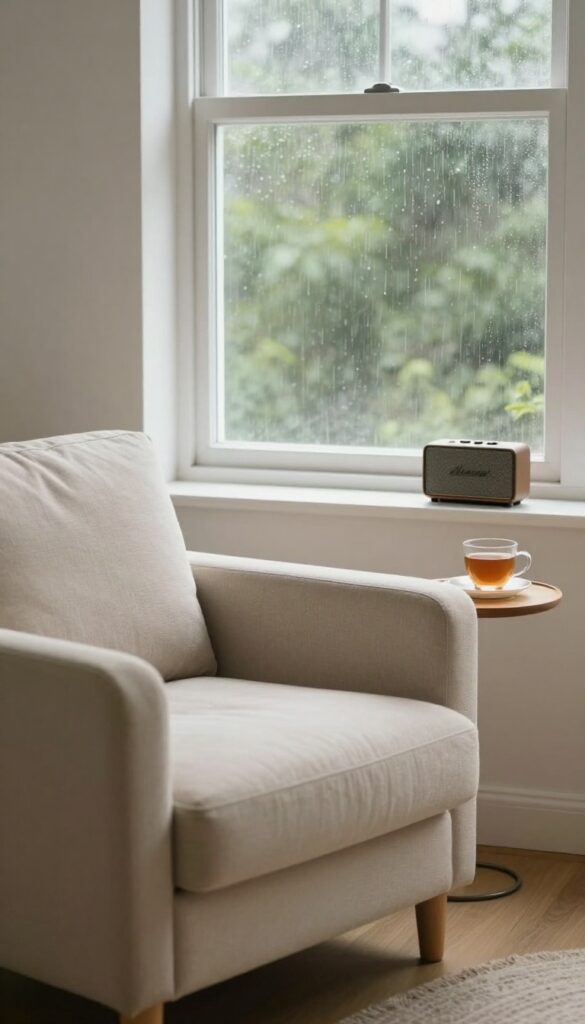
Sound has a powerful effect on your nervous system. The right audio can shift your brain from a stressed state into a calm, focused one without you lifting a finger. Instrumental music or nature sounds work because they lack the unpredictable elements of lyrics or sudden loud noises.
Soft piano, gentle rain, or ocean waves can lower your heart rate and quiet mental chatter. You don't need to sit still and listen. Play them in the background while you work, cook, or unwind.
It's an effortless way to change the energy of a room.
Choose sounds that feel soothing to you, not what's trending. Some people prefer white noise, while others love lo-fi beats. The key is consistency—make it a habit to put on calming audio during stressful parts of your day.
Create A Playlist For Different Moods
Have a go-to playlist for work focus, one for winding down, and another for deep relaxation. This saves you from scrolling through options when you're already stressed. Apps like Spotify or YouTube have endless curated playlists.
Use A Timer To Avoid Overstimulation
Even calming sounds can become background noise if played too long. Set a timer for 30–60 minutes, especially if you're using nature sounds for sleep. This prevents your brain from tuning them out completely.
Pair With Deep Breathing For Extra Calm
Combine the audio with slow, deep breaths. Inhale for four counts, hold for four, exhale for six. The sounds give your mind something to anchor to, making the breathing exercise feel more natural.
17. Give Yourself a Hand or Foot Massage
Your hands and feet work hard all day, but they rarely get the attention they deserve. A quick self-massage can release tension you didn't even realize you were holding. Massaging your palms and soles stimulates pressure points linked to relaxation throughout your body.
It's a simple way to ground yourself when stress feels overwhelming.
Grab your favorite lotion or a drop of essential oil blended with a carrier oil. Sit somewhere comfortable and start with one hand. Use your thumb to press firm circles into the center of your palm, then work each finger from base to tip.
For your feet, sit cross-legged or prop one foot on the opposite knee. Press into the arch with your thumbs, then gently pull each toe. Spend at least one minute on each hand and foot.
Breathe slowly as you go. You can do this while watching TV, listening to a podcast, or just sitting quietly.
Why It Works
Your hands and feet are packed with nerve endings and reflex points connected to different organs and systems. Applying pressure here can lower cortisol levels and trigger a relaxation response. It also improves circulation and eases muscle stiffness.
Quick Technique Tips
Use a rich lotion or oil to reduce friction. Focus on the fleshy parts of your palm and the arch of your foot. If you find a tender spot, hold gentle pressure there for a few seconds.
Don't forget the sides of your fingers and toes.
When To Do It
Try this during a work break, right before bed, or after a long day on your feet. It's also a great way to unwind when you're feeling anxious or restless. Even two minutes can make a noticeable difference.
18. Spend Time with a Pet
Animals have a way of grounding us in the present moment. Whether it's a purring cat on your lap or a dog wagging its tail, that simple connection can melt tension fast. Science backs it up: petting a dog or cat releases oxytocin and lowers blood pressure.
Even watching fish glide in a tank can slow your breathing and quiet your mind.
You don't need a full play session to feel the benefits. Just a few minutes of focused interaction can shift your mood. If you don't have a pet, consider volunteering at a shelter or spending time with a friend's animal.
The key is to be present and let the simple act of touch or observation do its work.
The Science Of The Cuddle
When you stroke a pet, your body releases oxytocin—the bonding hormone—and reduces cortisol, the stress hormone. This combo lowers heart rate and blood pressure almost instantly. It's like a natural chill pill with no side effects.
Low-effort Options
Not up for a walk? Just sit and let your cat knead your lap. Or watch your dog nap.
Even a few minutes of quiet coexistence can reset your nervous system. For fish owners, the rhythmic movement of a fish tank is a proven relaxation tool.
No Pet? No Problem
You can still get the benefit. Visit a local pet store or an animal shelter. Many shelters welcome volunteers to socialize with cats and dogs.
You'll be helping the animals while helping yourself unwind.
19. Light a Candle and Watch the Flame
Sometimes the simplest rituals are the most calming. Lighting a candle and watching the flame can be a surprisingly effective way to anchor your mind in the present moment. The soft glow and gentle movement create a focal point that naturally slows your breathing and quiets mental chatter.
Choose a candle with a scent you genuinely enjoy—lavender for relaxation, vanilla for comfort, or citrus for a gentle lift. Place it somewhere safe where you can sit comfortably and watch it burn. Give yourself permission to do nothing else for a few minutes.
Let your eyes follow the flicker, notice the way the wax pools, and feel the warmth radiate. This tiny act of attention is a form of meditation that doesn't require any special skill or effort.
Pick A Scent That Soothes You
The right scent can enhance the experience. Think about what smells make you feel calm or happy. Lavender, chamomile, sandalwood, or even a woodsy pine can set the mood.
Avoid strong synthetic fragrances if they tend to give you a headache—natural soy or beeswax candles are often gentler.
Make It A Mini Ritual
Turn candle-gazing into a short daily practice. Light the candle at the same time each day—maybe after work or before bed. Sit quietly for three to five minutes.
If your mind wanders, gently bring your focus back to the flame. Over time, this small habit can become a cue for your body to relax.
Combine With Deep Breathing
For an extra layer of calm, pair the candle with slow breathing. Inhale for four counts, hold for four, exhale for four. Watch the flame sway as you breathe.
This simple combo can lower your heart rate and ease tension in just a couple of minutes.
20. End Your Day with a Gratitude Recap

Before you close your eyes tonight, take 60 seconds to replay your day. Not the to-do list or the worries—just three small moments that felt good. Maybe it was the warmth of your morning coffee, a laugh with a friend, or the quiet satisfaction of finishing a task.
This simple mental habit shifts your brain's focus from what went wrong to what went right.
Gratitude recaps are a gentle way to end the day on a positive note. They don't require a journal or any special setup—just a willingness to notice the good. Over time, this practice trains your mind to scan for positives automatically, making it easier to bounce back from stress.
Why Three Moments?
Three is a manageable number. It's enough to build a habit but not so many that it feels like homework. You can list them silently, whisper them, or write them down.
The key is consistency—doing it nightly for at least a week to rewire your brain's default pattern.
Make It A Ritual
Pair your recap with another bedtime cue, like pulling up the covers or turning off the lamp. This pairing helps the habit stick. If your mind wanders to stress, gently guide it back.
The goal isn't perfection—it's presence.
When You're Too Tired
Some nights you'll be too exhausted to think of anything. That's okay. Just say, 'I'm grateful for this bed' or 'I'm grateful for silence. ' Even one tiny positive counts.
The practice is about training your brain, not forcing positivity.
FAQ
How long should a self-care routine take each day?
Even five minutes can make a difference. The key is consistency, not duration. Start with one small habit and build from there.
Can I do these self-care ideas if I have limited space?
Absolutely. Most ideas require no extra space—just a corner, a chair, or even your bed. Adapt them to what you have.
What if I don't feel relaxed after trying a self-care activity?
That's normal. Self-care is personal; experiment with different ideas to find what resonates. Sometimes it takes a few tries.
Should I schedule self-care or do it spontaneously?
Both work. Scheduling helps build a habit, but spontaneous moments of self-care are equally valuable. Do what feels right for you.
Can self-care really reduce stress long-term?
Yes, when practiced regularly. Small daily acts of self-care lower baseline stress levels and build resilience over time.
Conclusion
Self-care doesn't have to be complicated or time-consuming. These 20 ideas prove that small, intentional moments can create real relief from stress. Pick one or two that feel doable today and see how they shift your day.
The goal isn't perfection—it's showing up for yourself in small ways. Over time, these tiny habits add up to a calmer, more centered you. Start where you are, and let your self-care routine grow naturally.

Dr. Pallab Kishore, MS in Orthodontics and owner of Orthodontic Braces Care, shares expert tips on braces, aligners, and oral health from 10+ years of experience.