Last updated on June 26th, 2026 at 03:38 pm
A calm and happy week at home doesn't happen by accident. It starts with small, intentional choices that help you slow down and tune into what you really need. The best part?
You don't need a spa day or a weekend getaway to feel refreshed. These 15 self-care ideas are designed to fit into your daily routine without adding stress. They focus on simple pleasures, mindful moments, and gentle habits that make your home feel like a sanctuary.
Whether you have five minutes or an hour, each idea is a chance to reset and bring a little more peace into your week. Pick one, try it, and see how it changes your day.
1. Start Your Morning with a No-Phone Window

The first moments of your day set the tone for everything that follows. Instead of reaching for your phone and diving into emails or social media, try a simple ritual that grounds you before the noise begins. Standing by a window with a warm cup of tea, watching the light shift and the world wake up, can transform your morning from rushed to restorative.
This practice is about reclaiming your morning from the constant pull of notifications. By giving yourself just ten minutes of quiet observation, you invite calm into your day before stress has a chance to take hold. It’s a small act of rebellion against the always-on culture, and it feels surprisingly luxurious.
Why It Works
Looking outside—especially at nature or open sky—triggers a relaxation response in your brain. It lowers cortisol and helps you feel more centered. Pair that with slow sips of tea or coffee, and you’re easing into the day instead of jolting awake.
How To Make It Stick
Keep your phone in another room overnight. Place your tea kettle and favorite mug near a window the night before. When you wake, head straight there.
Don’t worry about doing it perfectly—just aim for consistency. Even three minutes counts.
What To Focus On
Notice the light, the sounds, the movement outside. Let your mind wander without judgment. If thoughts about the day creep in, gently bring your attention back to the view.
This isn’t about planning—it’s about being present.
2. Create a Cozy Reading Nook for 20 Minutes

Sometimes the best escape is just a few steps away. Carving out a tiny corner for reading can feel like a mini vacation without packing a bag. All you need is a comfortable spot, a good book, and a warm drink to make it special.
Grab a blanket, a book, and a warm drink. Curl up in a corner away from screens and let yourself get lost in a story. It's a mini escape without leaving home.
Pick Your Spot
Find a quiet corner with good light. It could be an armchair, a window seat, or even a pile of cushions on the floor. The key is comfort and minimal distractions.
Set The Mood
Dim the lights or use a soft lamp. Add a cozy blanket and maybe a scented candle. The goal is to create a warm, inviting atmosphere that signals relaxation.
Disconnect To Reconnect
Turn off your phone or put it in another room. Let yourself fully engage with the book. Even 20 minutes of uninterrupted reading can lower stress and improve focus.
3. Take a Sensory Shower with Your Favorite Scents
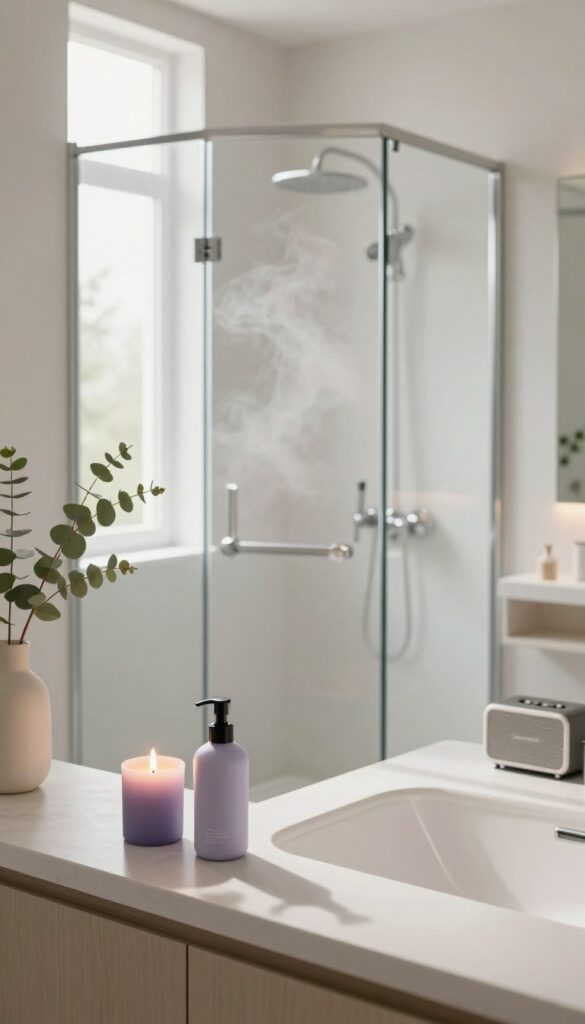
Your daily shower can be more than just a quick rinse. Turn it into a full sensory experience that helps you unwind and reset. By engaging your sense of smell, hearing, and touch, you can transform a routine task into a calming ritual.
Set The Mood Before You Step In
Light a candle with a soothing scent like lavender or eucalyptus. Place it safely on the counter or a shelf where you can see the flame. This simple act signals to your brain that it's time to relax.
Choose A Body Wash That Delights
Pick a scented body wash that you truly love. Inhale the fragrance as you lather up. Let the aroma fill the steam and wrap around you.
Take a few deep breaths and notice how the scent affects your mood.
Add A Soundtrack For Your Shower
Play soft, calming music or nature sounds on a waterproof speaker or your phone. Keep the volume low so it blends with the water. The combination of warm water and gentle melody can ease tension.
Finish With A Cool Rinse And Gratitude
At the end, switch to cooler water for a few seconds. This can invigorate your skin and mind. As you step out, take a moment to appreciate the ritual you just completed.
4. Declutter One Small Space (Just One)

You don't need to tackle the whole house to feel the benefits of decluttering. In fact, trying to do too much at once can backfire and leave you more overwhelmed. The trick is to pick one tiny area—a single drawer, a shelf, or a countertop—and give it your full attention for just 10 to 15 minutes.
That small win can create a ripple effect of calm and clarity.
Clearing out a cluttered spot does more than make things look tidy. It gives your brain a visual rest and a sense of accomplishment. When you see that one organized corner, it reminds you that you have control over your environment, which can instantly lift your mood.
Plus, you might rediscover items you forgot you had.
Choose Your Spot Wisely
Pick a place you see often—like a kitchen counter, a nightstand, or a bathroom drawer. The more visible the space, the more you'll enjoy the payoff. Avoid areas that are too big or emotionally charged.
Stick to something simple that you can finish in one sitting.
The Three-box Method
Grab three boxes or bags: one for trash, one for donate, and one for relocate. As you go through each item, decide quickly. If you haven't used it in a year and it doesn't spark joy, let it go.
This keeps the process fast and decisive, so you don't get stuck.
Wipe It Down And Reset
Before you put things back, give the empty space a quick wipe. A clean surface makes the organization feel fresh. Then return only the items you truly need or love, arranging them neatly.
Step back and admire your work—you've earned that small moment of satisfaction.
5. Have a Tech-Free Hour Before Bed

Screens keep your brain alert long after you've turned off the lights. Blue light from phones and laptops suppresses melatonin, making it harder to fall asleep and stay asleep. A tech-free hour before bed gives your mind permission to slow down naturally.
This doesn't mean staring at the ceiling. It's about replacing scrolling with something calming and analog. You might be surprised how much more relaxed you feel when you give yourself permission to disconnect.
What To Do Instead
Pick one analog activity that feels soothing, not like a chore. Journaling helps you process the day, gentle stretching releases physical tension, and a quiet chat with a partner or roommate can strengthen connection. Even flipping through a magazine or doing a puzzle counts.
Set Up Your Space
Make your wind-down corner inviting. Keep a notebook and pen on your nightstand, a cozy blanket nearby, and maybe a dim lamp. Charge your phone in another room so you're not tempted to check it.
The goal is to make the analog option the easiest choice.
Start Small
If an hour feels too long, begin with 20 minutes. Set a timer, put your phone in another room, and do one calming thing. Once you feel how much better you sleep, you'll naturally want to extend the time.
6. Cook or Bake Something Simple and Nourishing

Pulling out a mixing bowl or chopping board can be a surprisingly soothing ritual. The repetition of stirring, measuring, or kneading gives your hands something to do while your mind unwinds. And the best part?
You end up with something delicious that you made just for you.
Choose a recipe that feels forgiving—maybe a one-bowl banana bread, a simple soup, or no-knead bread. The goal isn't perfection; it's the process. Let yourself enjoy the smells, textures, and the quiet focus of creating food from scratch.
Even if it's just a batch of oatmeal cookies, the act of baking can shift your mood and fill your home with comfort.
Pick A Low-pressure Recipe
Look for recipes with five ingredients or fewer, or ones that don't require precise measurements. A simple tomato soup, scrambled eggs with herbs, or a mug cake are great options. The idea is to keep it easy so you can relax into the process.
Make It A Sensory Experience
Put on some soft music or a podcast you love. Notice the colors of fresh produce, the feel of dough, and the aroma as it bakes. Engaging your senses fully turns cooking into a mini mindfulness practice.
Share Or Save For Later
If you've made more than you need, portion some out for another day. Knowing you have a homemade meal or snack waiting can be a comfort later in the week. Or share with a neighbor or family member—it's a small act of connection.
7. Do a 5-Minute Dance Party in Your Living Room

Sometimes the quickest way to shift your mood is to move your body. A five-minute dance party is one of those rare self-care ideas that feels more like play than effort. You don't need special skills or a playlist—just one song you love and a little bit of space.
Dancing releases endorphins, the feel-good hormones that naturally reduce stress. It also helps you shake off physical tension you might not even realize you're holding. In just a few minutes, you can turn a sluggish afternoon into an energizing break.
Put on a song you love and dance like no one's watching. It's a quick way to boost your energy, release endorphins, and shake off any tension.
Why It Works So Fast
Dancing combines physical activity with emotional expression. The music triggers dopamine, while the movement loosens tight muscles and improves circulation. Unlike a workout, there's no pressure to perform—just let your body move however it wants.
How To Make It A Habit
Pick a go-to song that instantly lifts your mood. Set a timer for five minutes if you're short on time. You can even do it while waiting for coffee to brew or during a commercial break.
The key is to not overthink it.
Try It With A Twist
Invite a family member or roommate to join you for a silly duet. Or make it a solo wind-down ritual before bed with a slower, calming track. You can also vary the genre—one day pop, the next day salsa or old-school hip-hop.
8. Write Down Three Good Things from Your Day
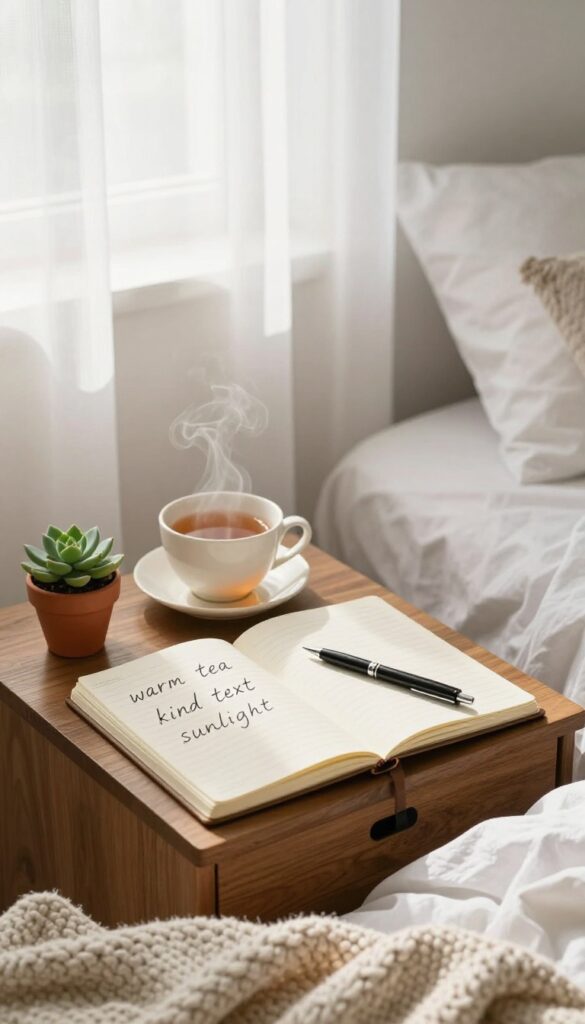
Ending your day on a positive note can be as simple as grabbing a notebook and jotting down three good moments. This isn't about big achievements—it's about noticing the small wins, like a warm cup of tea or a kind word from a friend. Over time, this habit rewires your brain to spot the good more easily.
Gratitude isn't just a feel-good buzzword; it's a proven way to boost resilience and happiness. By writing down three good things each day, you train your mind to focus on what's going well, even during tough weeks. Keep it simple: no need for long paragraphs, just a few words per item.
Why It Works
Research shows that noting positive events increases overall well-being and reduces stress. It shifts your attention away from worries and toward appreciation, creating a mental buffer against negativity.
How To Start
Pick a time that works for you—right before bed or during your morning coffee. Use any notebook or even a notes app. Write three things, no matter how small: a good meal, a laugh, a moment of quiet.
Make It A Ritual
Pair this practice with something you already do, like brushing your teeth or making tea. Consistency is key. After a week, you'll notice yourself actively looking for good moments throughout the day.
9. Give Yourself a Hand or Foot Massage

Your hands and feet work hard all day, yet they rarely get the attention they deserve. A few minutes of focused massage can melt away tension and bring you back to the present moment. It's a simple luxury that costs nothing but feels like a mini escape.
Massaging your hands or feet is more than just relaxing—it's grounding. The pressure points in your palms and soles connect to your whole body, so a little care there can ease stress everywhere. Plus, the repetitive motion is almost meditative.
Choose Your Companion
Grab a rich lotion, a soothing oil, or even a bit of coconut butter. Warm it between your palms first—it feels extra comforting. Scented options like lavender or eucalyptus add an aromatherapy boost, but unscented works beautifully too.
Simple Techniques
Start with slow, firm strokes from the wrist to the fingertips or from the ankle to the toes. Use your thumbs to press small circles into the palm or the arch of your foot. Don't rush—let each press release the day's tightness.
Make It A Ritual
Set aside five minutes before bed or while watching a show. You can even do one hand or foot at a time. The key is consistency—a daily mini massage becomes a calming anchor in your routine.
10. Watch a Comfort Movie or Show You've Seen Before

There's a reason you keep going back to that one movie or series you've already watched multiple times. Familiar stories and characters act like a warm blanket for your brain, lowering stress and letting you unwind without mental effort. It's not about discovering something new—it's about revisiting a safe, happy place.
Revisiting an old favorite is one of the easiest ways to relax at home. You already know the plot, so you can zone out, scroll your phone, or even doze off without missing anything important. The predictability is comforting and helps quiet a busy mind.
Pick something that makes you smile or feel nostalgic—whether it's a childhood classic, a rom-com, or a feel-good comedy.
Why Familiarity Feels So Good
When you watch something new, your brain stays alert, tracking characters and plot twists. With a familiar show, your brain can relax because it already knows what's coming. This lowers cortisol levels and triggers the release of feel-good chemicals like dopamine and oxytocin.
It's like a mini mental vacation.
How To Make It A Ritual
Set aside a specific time—maybe Friday evening or Sunday afternoon—and make it cozy. Grab your softest blanket, a cup of tea or hot chocolate, and dim the lights. Turn off notifications so you can fully sink into the experience.
The ritual itself becomes part of the self-care.
Ideas For Your Watchlist
Not sure what to pick? Think about movies or shows you loved as a teen or young adult. Comedies, animated films, or lighthearted series often work best.
Some popular comfort picks: "Friends, " "The Office, " "Harry Potter, " "Pride and Prejudice, " or any Disney classic. The key is choosing something that makes you feel safe and happy.
11. Try a Guided Meditation or Body Scan
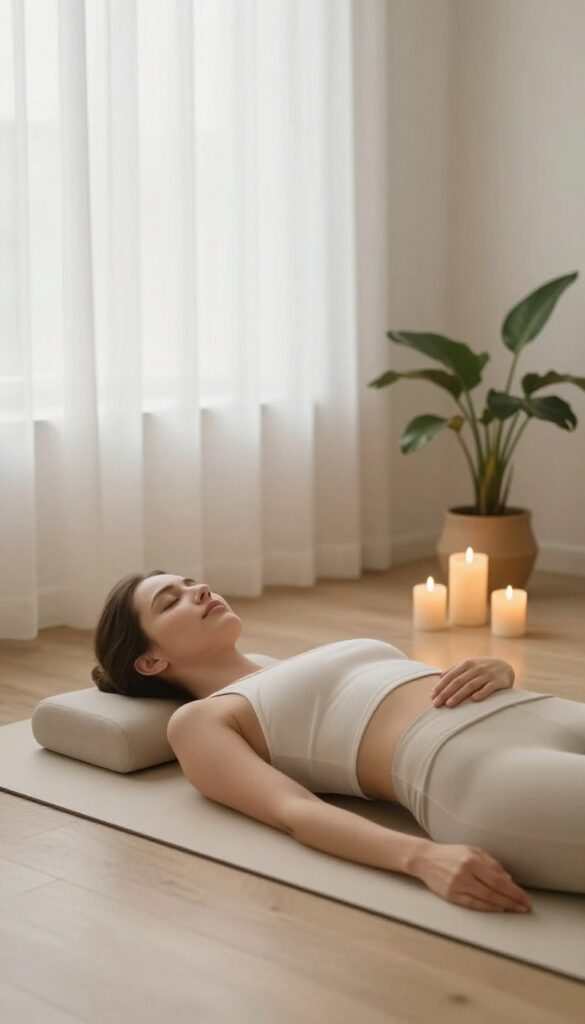
Your mind probably raced through a dozen worries before you finished breakfast. A guided meditation or body scan is a gentle way to press pause and bring your attention back to the present moment. You don't need any experience—just a quiet spot and a few minutes to yourself.
These practices are especially helpful when you're feeling scattered or tense, and they can be done anytime during your day.
Set aside 10 minutes to sit or lie down comfortably. Use a free app like Insight Timer, Calm, or search YouTube for a body scan meditation. Close your eyes and follow the voice as it guides you to notice sensations in your feet, legs, torso, arms, and head.
The goal isn't to empty your mind—it's to observe without judgment. Many people find that a short session leaves them feeling lighter and more grounded.
Why A Body Scan Works
A body scan trains you to notice physical tension you might otherwise ignore. By systematically checking in with each part of your body, you become aware of tight shoulders, a clenched jaw, or a knotted stomach. Simply noticing these areas often helps them soften.
It's a form of mindfulness that connects your mind and body, reducing stress and improving sleep.
Tips For Beginners
Start with a short 5-minute session if 10 feels too long. Find a comfortable position—lying down on your bed or couch works great. If your mind wanders, gently bring it back to the voice or your breath.
There's no wrong way to do this. Consistency matters more than duration, so aim for a few minutes each day rather than a long session once a week.
12. Spend Time with a Houseplant or Pet

Living things have a quiet way of grounding us. Whether it's a leafy friend or a furry one, spending a few minutes tending to another being can shift your whole mood. Plants and pets don't judge or demand much—they just need a little attention, and in return, they offer calm companionship.
Water And Wipe Down Your Plants
Grab a spray bottle and give your houseplants a gentle misting. Wipe off any dust from the leaves so they can breathe better. This small act of care not only helps your plants thrive but also gives you a moment of mindful focus.
Repot Or Propagate
If a plant looks cramped, move it to a slightly bigger pot with fresh soil. Or snip a healthy stem and place it in water to grow roots. Watching new growth appear is strangely satisfying and reminds you that nurturing something simple can be deeply rewarding.
Sit Quietly With Your Pet
Set aside five minutes to just be with your pet. Pet a cat's soft fur, scratch a dog's favorite spot, or watch a fish glide through its tank. No phone, no TV—just you and them.
The gentle rhythm of their breathing can slow down your own heart rate and melt away tension.
13. Do a Gentle Yoga Flow or Stretch Session

Your body holds tension in places you don't even notice until you stop moving. A gentle yoga flow or a simple stretch session helps you release that tightness without needing any fancy equipment or a lot of time. It's a quiet way to reconnect with your body and let go of the stress that builds up during the day.
Start With Your Neck And Shoulders
Most of us carry stress right here. Roll your shoulders slowly, drop your ear toward your shoulder, and hold for a few breaths. Even two minutes of neck stretches can ease that tightness and help you feel more relaxed.
Open Your Hips And Lower Back
Sitting for long periods makes hips and lower back stiff. Try a simple seated figure-four stretch or a gentle forward fold. Hold each stretch for at least 30 seconds, breathing deeply.
You'll feel the release almost immediately.
Follow A Short Online Video
If you want guidance, pick a 10-minute yoga video designed for beginners or relaxation. Plenty of free ones focus on slow movements and breathing. Let the instructor lead you through poses like child's pose, cat-cow, and legs-up-the-wall.
14. Listen to a Podcast or Audiobook While Doing Nothing
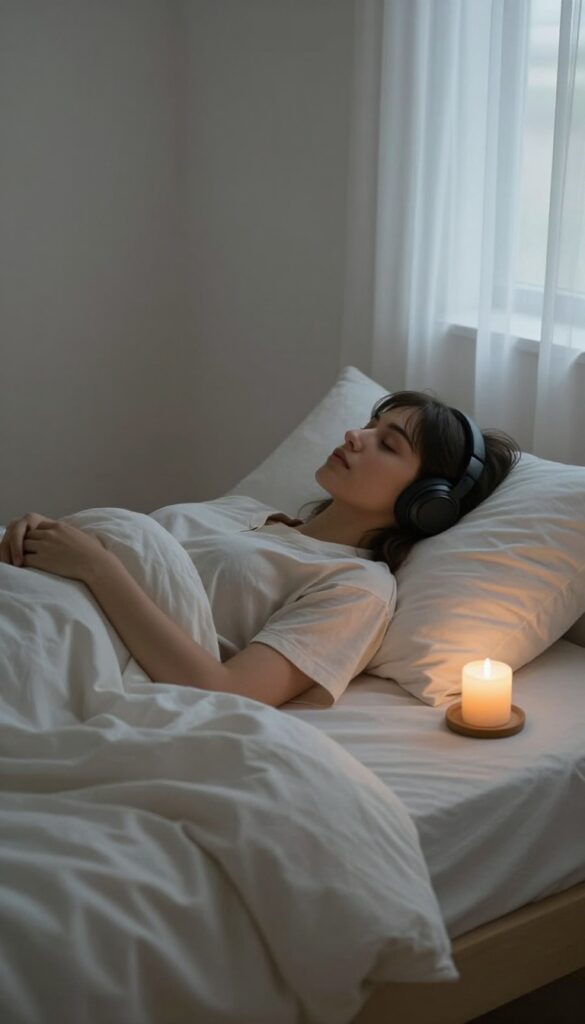
Sometimes the most productive thing you can do is absolutely nothing. Put on a podcast or audiobook, lie down, close your eyes, and let someone else take the wheel. It's a passive way to learn, escape, or just enjoy a story without any effort on your part.
Pick Something Light
Choose a topic that feels like a treat, not a chore. Comedy podcasts, short stories, or a memoir read by the author work well. Avoid anything too dense or stressful.
The goal is relaxation, not homework.
Set The Scene
Get comfortable first. Dim the lights, grab a blanket, and maybe light a candle. Use headphones for a more immersive experience.
Set a timer if you tend to fall asleep—that's totally fine too.
Let Your Mind Wander
Don't worry about catching every word. Let your thoughts drift in and out. The sound becomes a gentle anchor that keeps your mind from spiraling into worries.
It's like a mental massage.
15. End the Day with a Gratitude or Reflection Journal

As the day winds down, your mind might still be replaying conversations, to-do lists, or worries. A quick journaling habit can help you release that mental clutter and settle into rest. It doesn't have to be long or profound—just a few honest lines can shift your mood and prepare you for sleep.
How To Start A Simple Practice
Grab any notebook or even a scrap of paper. Write down three things you appreciated today—they can be as small as a good cup of coffee or a warm blanket. Then, write one thing you're ready to let go of, like a frustration or a mistake.
No editing, no judgment.
Why It Helps You Sleep Better
Reflecting on positives trains your brain to notice good moments, while naming what to release stops you from ruminating. This combination lowers stress hormones and signals your nervous system that it's safe to rest. Many people fall asleep faster and wake up feeling lighter.
Make It A Ritual You Look Forward To
Pair journaling with a calming cup of tea, soft lighting, or your favorite playlist. Keep your journal by your bed so it's easy to grab. Over time, this small act becomes a comforting signal that the day is done and it's time to recharge.
FAQ
How do I make time for self-care during a busy week?
Start small. Pick one idea that takes 5–10 minutes, like a dance party or a no-phone window. Schedule it like an appointment, and remember that even tiny breaks add up.
Can self-care really help with anxiety?
Yes. Regular self-care practices like deep breathing, gratitude journaling, and reducing screen time can lower stress hormones and improve your overall mood over time.
What if I don't have a quiet space at home?
You can still practice self-care. Try noise-canceling headphones, a cozy corner with a blanket, or even a bathroom break. The key is to create a mental boundary, not a physical one.
How often should I do these self-care activities?
Aim for at least one per day, but listen to your needs. Some days you might need more rest; others, a creative activity. Consistency matters more than perfection.
Are these ideas suitable for beginners?
Absolutely. Each idea is simple, low-cost, and requires no special skills. They're designed to be accessible to anyone looking to add more calm to their week.
Conclusion
Self-care doesn't have to be complicated or time-consuming. These 15 ideas are meant to fit into your real life, not add another to-do. Pick the ones that feel right for you and let them become gentle habits.
The goal isn't to do everything—it's to do something that makes you feel a little more calm and happy. Even one small act of kindness toward yourself can change the tone of your entire week. Start today, and see what a difference it makes.

Dr. Pallab Kishore, MS in Orthodontics and owner of Orthodontic Braces Care, shares expert tips on braces, aligners, and oral health from 10+ years of experience.