Last updated on June 26th, 2026 at 03:38 pm
Life has a way of piling on the pressure. Between work deadlines, social obligations, and the constant buzz of notifications, it's easy to feel like you're running on empty. You deserve a break that actually feels like a break.
That's where these 17 self-care ideas come in. They're not about grand gestures or expensive retreats. Instead, they focus on small, intentional moments that add a layer of softness to your week.
Think of this as your permission slip to slow down. Pick one idea, try a few, or work through the whole list. The goal isn't perfection—it's giving yourself the care you need.
1. Start Your Morning with Five Minutes of Silence

Most mornings begin with a jolt—an alarm, a phone, a mental checklist already running. But what if you gave yourself a quiet buffer before the noise takes over? This idea is about reclaiming the first moments of your day for nothing but stillness.
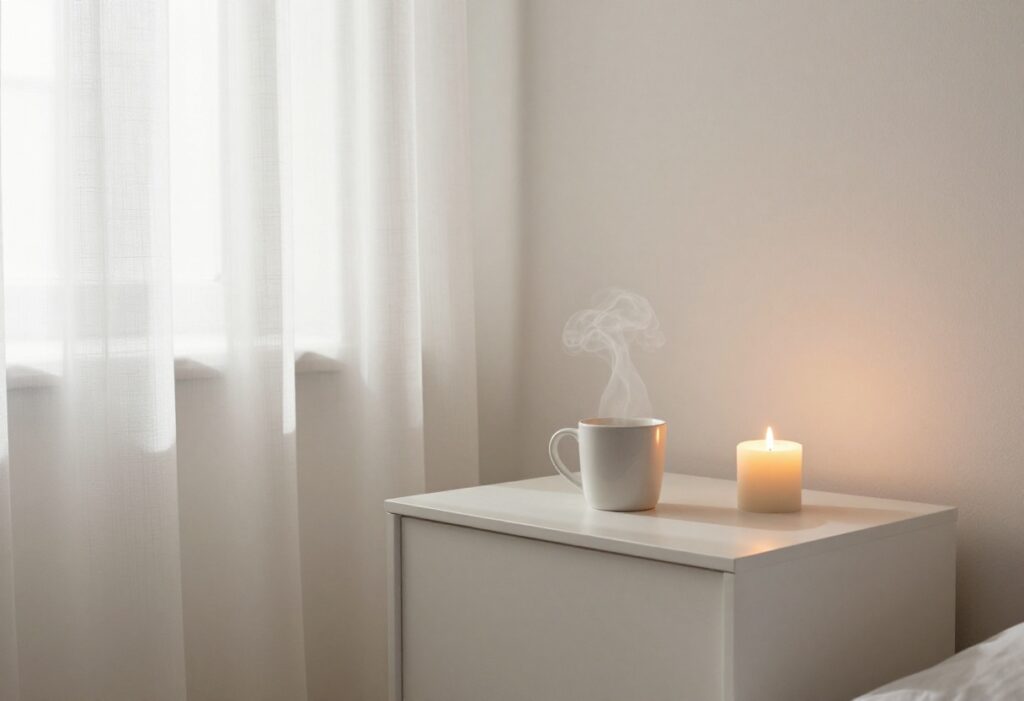
Before you check your phone or dive into your to-do list, sit somewhere comfortable with your coffee or tea. Let your mind wander without direction. Notice the warmth of the mug, the light coming through the window, the sound of your own breathing.
No agenda, no scrolling, no talking. Just five minutes of being.
Why Silence Works
Silence lowers cortisol and gives your brain a chance to transition gently from rest to activity. It's not about meditation or clearing your mind—it's about letting your thoughts settle on their own.
How To Actually Do It
Set a timer if you're worried about losing track of time. Keep your phone in another room. If your mind wanders to your schedule, gently bring it back to the present moment.
The key is consistency, not perfection.
Make It A Ritual
Pair your silence with a simple habit like sipping tea or sitting in your favorite chair. Over time, your brain will start to associate that cue with calm, making it easier to slip into stillness each morning.
2. Swap One Screen Session for a Real Book
Your phone is a portal to everything—work emails, breaking news, your friend's vacation photos. That constant stream keeps your brain in a low-grade fight-or-flight mode. A physical book offers the opposite: a single story, no notifications, no blue light.
Just you and the page.
Replacing thirty minutes of scrolling with a real book isn't just nostalgic—it's a nervous-system reset. The tactile feel of paper, the slower pace of turning pages, and the lack of hyperlinks all signal safety to your brain. You'll likely fall asleep faster, feel less anxious, and actually remember what you read.
Why Paper Beats Pixels
Screens emit blue light that suppresses melatonin and keeps your brain alert. Paper reflects light naturally, so your eyes relax. Plus, a book doesn't have a notification badge or a tempting app icon.
It's a single-focus activity, which is rare and restorative.
How To Make It Stick
Pick a book you're genuinely excited about—no shame in genre fiction or a comfort reread. Keep it on your nightstand or in your bag. Set a timer for 20 minutes if that helps.
The goal isn't to finish chapters; it's to enjoy the act of reading.
What To Read For Softness
Choose something low-stakes: a cozy mystery, a memoir with a gentle tone, or a collection of essays. Avoid high-tension thrillers or dense non-fiction that feels like homework. The point is to unwind, not to impress anyone.
3. Take a Warm Bath with Epsom Salts
There's a reason baths have been a go-to relaxation ritual for centuries. The combination of warm water and Epsom salts creates a simple yet powerful way to unwind both body and mind. The magnesium in the salts absorbs through your skin, helping to ease muscle tension and lower stress hormones.
You don't need fancy bath bombs or expensive oils. Just a handful of Epsom salts, a comfortable temperature, and twenty minutes of uninterrupted soak time. It's a low-effort, high-reward practice that softens the edges of a hard day.
Drawing a bath is an act of slowing down. It forces you to stop, step away from screens, and be still. The warmth increases blood flow, while magnesium works to calm the nervous system.
Many people find that regular Epsom salt baths improve sleep quality and reduce anxiety. To get the most out of it, make the space inviting. Dim the lights, light a candle, or put on a playlist of soft instrumentals.
Keep a glass of water nearby to stay hydrated. The goal is to create a mini retreat in your own bathroom.
Why Epsom Salts Work
Epsom salts are made of magnesium sulfate, a compound that's easily absorbed through the skin. Magnesium is known to relax muscles, reduce inflammation, and support the production of serotonin, the feel-good neurotransmitter. A warm bath enhances absorption, making it an effective way to relieve physical and mental tension.
How To Make It A Ritual
Set aside a specific time each week for your bath. Maybe Sunday evening or Wednesday night. Treat it as a non-negotiable appointment with yourself.
Add a few drops of lavender essential oil for extra calm, or a cup of baking soda to soften the water. The consistency will train your mind to relax as soon as you hear the water running.
4. Write Down Three Things You're Grateful For

Gratitude has a funny way of softening the edges of a rough day. When you intentionally look for the good, you train your brain to notice more of it. This simple practice can shift your entire perspective.
Grab a notebook and jot down three small wins or joys from your day. It could be a warm cup of coffee, a kind text from a friend, or just making it through a tough meeting. The act of writing solidifies the memory and makes gratitude feel real.
Keep It Small
You don't need to list life-changing events. The best entries are often the tiny, everyday pleasures—a sunny window, a good song, a comfortable bed. Small joys add up fast.
Make It A Ritual
Try doing this at the same time each day, like right before bed or with your morning coffee. Consistency helps it become a habit. You'll start looking for things to be grateful for throughout the day.
Get Specific
Instead of writing "I'm grateful for my family, " try "I'm grateful that my sister called me today just to check in. " Specificity makes the gratitude more vivid and meaningful.
5. Go for a Slow Walk Without a Destination
We often walk to get somewhere—to the car, to a meeting, to the kitchen. But walking without a purpose changes everything. It turns movement into meditation and the world around you into a gentle companion.
Leave your phone behind or put it on silent. Step outside and let your feet choose the path. Notice the way light filters through leaves, the rhythm of birdsong, the cool breeze on your skin.
This isn't exercise; it's an invitation to be present. Aimless wandering reconnects you with your senses and reminds you that you don't always need a plan. It's a soft rebellion against the constant need to optimize every moment.
A slow walk without a destination is one of the simplest ways to reset your nervous system. Without the pressure to reach a goal, your mind can wander freely, and your body can relax into a natural rhythm. This practice is rooted in mindfulness but feels effortless—just you and the world, moving at your own pace.
Let Your Senses Lead
Instead of focusing on where you're going, tune into what you're experiencing. Notice the colors of the sky, the texture of tree bark, the scent of damp earth or blooming flowers. Listen for sounds you usually filter out: leaves rustling, a dog barking in the distance, your own footsteps.
This sensory shift pulls you out of your head and into the present moment.
No Route, No Rush
Resist the urge to map out a loop or set a time limit. Turn down streets you've never explored, follow a path that looks inviting, or simply circle a park. The goal is to move without agenda.
If you feel like stopping to watch a squirrel or sit on a bench, do it. This is your time to be unhurried.
Let Your Thoughts Drift
Without the distraction of a phone or a destination, your mind will naturally settle. Don't try to control your thoughts—let them come and go like clouds. You might find yourself solving a problem you've been stuck on, or you might simply enjoy the quiet.
Either way, you're giving your brain a much-needed break from constant input.
6. Make Yourself a Fancy Drink
There's something about a beautifully crafted drink that feels like a hug in a mug. It's not just about the taste—it's the whole process: the steam rising, the gentle stirring, the moment you take that first sip. This week, give yourself permission to make a drink that's a little extra.
The ritual of making a special drink can be just as soothing as drinking it. Whether you're a coffee lover, tea enthusiast, or smoothie fan, taking those few extra minutes to create something beautiful can shift your whole mood.
The Ritual Matters
Set aside 10 minutes with no distractions. Boil water, froth milk, slice a lemon—whatever your drink requires. Focus on each step.
The clink of the spoon, the aroma filling the room, the warmth of the cup in your hands. This is your moment.
Make It Look Good
Presentation counts. Use your favorite mug, add a cinnamon stick, or sprinkle some cocoa on top. A pretty drink feels more like a treat.
If you're making a smoothie, layer the ingredients for a gradient effect. You're not just making a drink—you're creating a small work of art.
Sip Slowly
Once your drink is ready, resist the urge to gulp it down. Find a cozy spot, sit down, and savor it. Put your phone away.
Let the warmth spread through you. This is self-care in a cup.
7. Declutter One Small Area

Clutter can feel heavy, even if you don't notice it. That pile of mail on the counter or the jumbled drawer adds a low-level stress to your day. Clearing just one small spot can lighten that load fast.
You don't need to tackle the whole house. Pick a single drawer, a shelf, or your nightstand. Set a timer for 10 minutes and clear out anything that doesn't belong.
Wipe it down, put things back neatly, and enjoy the calm that follows.
Start With A Hotspot
Choose a spot you see every day—like the entryway table or your desk corner. When that area looks clean, you get a small mental reset each time you pass by.
Use The Three-box Method
Grab three boxes or bags: keep, donate, and trash. Sort items quickly. This keeps you from getting stuck deciding and makes the process feel manageable.
Make It A Ritual
Turn decluttering into a weekly 10-minute habit. Pair it with a cup of tea or your favorite playlist. Over time, these small wins add up to a noticeably softer space.
8. Listen to a Soothing Playlist
Music has a direct line to your mood. A carefully chosen playlist can shift your nervous system from fight-or-flight to rest-and-digest in minutes. The best part?
You don't have to do anything but press play.
Curate Your Soundscape
Start by picking a vibe—calm instrumentals, lo-fi beats, or nature sounds like rain and ocean waves. Streaming platforms have pre-made playlists for relaxation, or you can build your own over time. Aim for at least 30 minutes of uninterrupted listening.
Make It A Ritual
Set aside a specific time each day for your playlist. Maybe it's during your morning coffee, right after work, or before bed. Pair it with a cozy activity like stretching, journaling, or just closing your eyes.
The consistency trains your brain to relax on cue.
Use Headphones For Full Immersion
Headphones block out background noise and create a private bubble of calm. Noise-canceling ones are ideal, but any pair works. Let the music wash over you without multitasking—this is your moment to simply listen.
9. Stretch for Ten Minutes Before Bed
Your body holds onto stress in ways you might not even notice—tight shoulders, a clenched jaw, or a stiff lower back. A short, gentle stretching routine before bed helps release that tension and signals your nervous system that it's time to rest. Ten minutes is all it takes to shift from a busy day into a calm night.
Simple stretches like child's pose or forward folds release tension held in your body. Pair with deep breaths for extra relaxation.
Why Nighttime Stretching Works
Stretching before bed activates the parasympathetic nervous system, which lowers your heart rate and cortisol levels. It also loosens muscles that have tightened from hours of sitting or standing, reducing aches and improving sleep quality.
Three Easy Stretches To Try
Child's pose: Kneel on the floor, sit back on your heels, and stretch your arms forward on the ground. Hold for 30 seconds. Forward fold: Stand with feet hip-width apart, hinge at your hips, and let your head hang heavy.
Hold for 30 seconds. Seated spinal twist: Sit cross-legged, place one hand on the opposite knee, and gently twist your torso. Hold for 30 seconds on each side.
Make It A Ritual
Pair your stretches with a few deep breaths—inhale for four counts, exhale for six. Dim the lights, put on soft music, or light a candle. Over time, this routine becomes a cue for your brain to wind down.
10. Cook a Comfort Meal from Scratch
There's something grounding about making a meal with your own hands. When you choose a recipe that feels nurturing—like a hearty soup, creamy pasta, or roasted vegetables—the process becomes more than just cooking. Chopping, stirring, and tasting can turn into a meditative ritual that slows down your mind.
Cooking from scratch doesn't have to be complicated. Pick a dish that feels like a warm hug on a chilly day. Let the rhythm of prep work quiet your thoughts, and enjoy the simple pleasure of creating something nourishing.
Pick A Recipe That Soothes
Go for something familiar and comforting—maybe your grandmother's lentil soup or a simple garlic pasta. Avoid overly complex recipes that might stress you out. The goal is to feel relaxed, not overwhelmed.
Make It A Sensory Experience
Notice the colors of fresh vegetables, the smell of garlic hitting hot oil, the sound of a simmering pot. Engage all your senses as you cook. This mindfulness turns a routine task into a calming practice.
Savor Without Distractions
When your meal is ready, sit down and eat without your phone or TV. Focus on each bite. Let the flavors settle.
This small act of presence can make the meal feel even more comforting.
11. Say No to One Obligation

Declining a request can feel uncomfortable, but it's also a direct way to protect your time and energy. This week, give yourself permission to say no to one thing that drains you—whether it's a meeting, a hangout, or a favor. You don't need a long excuse; a simple, polite refusal is enough.
Every time you say yes to something that doesn't serve you, you're saying no to yourself. By choosing one obligation to skip, you free up space for rest or something you actually enjoy. It's a small act of self-respect that can shift your whole week.
How To Say No Gracefully
You don't need to overexplain. A simple "I can't make it this time, but thanks for thinking of me" works. If you feel guilty, remind yourself that protecting your energy isn't selfish—it's necessary.
Which Obligation To Choose
Pick something that feels like a chore or a low-priority commitment. Maybe it's a coffee catch-up you're not excited about or a volunteer shift you took on out of guilt. Trust your gut: if it feels heavy, it's a good candidate.
The Ripple Effect
Saying no once builds confidence for future boundaries. You'll likely find that people respect your honesty, and you'll feel lighter knowing you prioritized your well-being. Plus, the time you reclaim can go toward something that genuinely fills you up.
12. Light a Candle and Just Breathe
A flickering flame has a way of pulling you into the present moment. It's simple, almost too simple, but that's exactly why it works. No app, no playlist, no complicated routine—just you and a small flame.
Set a candle on your desk or coffee table. Light it, sit nearby, and take five slow breaths. Watch the flame flicker.
Notice how your shoulders drop after just a few seconds. This is a tiny ritual that signals to your nervous system: it's okay to pause.
Choose A Scent That Soothes
Lavender, vanilla, or sandalwood are great for relaxation. Pick a scent that feels comforting, not stimulating. The goal is to create a sensory anchor for calm.
Make It A Moment, Not A Task
Don't light the candle while scrolling or working. Give it your full attention for those five breaths. That's the whole point—a mini meditation without the pressure.
Try It At Different Times
Morning candle time can set a gentle tone for the day. Evening candle time helps you unwind. Experiment to see what feels best.
13. Do a Digital Detox for One Hour
Your phone is a portal to the world, but it's also a portal to stress. Constant notifications, endless scrolling, and the pressure to respond instantly can leave your brain feeling fried. Even one hour of intentional disconnection can reset your nervous system and give your mind the breather it craves.
Create A No-phone Zone
Pick a spot in your home where phones aren't allowed—your bedroom, a cozy chair, or even the bathroom. Leave your phone in another room entirely. The physical distance makes it easier to resist the urge to check it.
Fill The Hour With Something Slow
This isn't about being productive. Read a few pages of a book, doodle in a notebook, or just sit and stare out the window. The goal is to let your mind wander without digital input.
You might be surprised how refreshing boredom can be.
Notice How You Feel Afterward
When the hour is up, check in with yourself. Do your shoulders feel less tight? Is your breathing deeper?
That's the effect of giving your brain a break from constant stimulation. Try to carry that calm into the rest of your day.
14. Write a Letter to Your Future Self

Sometimes the most grounding thing you can do is pause and capture where you are right now. Writing a letter to your future self isn't just a sentimental exercise—it's a way to honor your present feelings and give your future self a gift of perspective. You don't need perfect handwriting or profound words.
Just a few honest sentences about what matters today.
Grab a pen and a piece of paper. Write a short note about your current hopes, worries, or something you're proud of. Seal it in an envelope, write "Open in six months" on the front, and stash it somewhere safe.
Set a calendar reminder to open it later. When you read it months from now, you'll see how far you've come—or simply smile at the version of you who cared enough to write.
What To Include
Keep it simple. Maybe list three things you're grateful for today, one fear you're facing, and a dream you're holding onto. Or just describe a recent happy moment.
The goal isn't a masterpiece—it's a snapshot of your inner world right now.
How To Make It Stick
Use a real envelope and seal it with a sticker or wax seal for a tactile ritual. Store it in a book, a drawer, or with a trusted friend. Set a recurring reminder in your phone so you don't forget.
When the day comes, find a quiet moment to read it alone.
15. Give Yourself a Hand or Foot Massage
Your hands and feet work hard all day, often without a second thought. Treating them to a short massage can release tension you didn't even realize you were holding. It's a simple way to reconnect with your body and invite a moment of calm.
Grab your favorite lotion or a few drops of oil. Find a comfortable spot where you can sit undisturbed for five or ten minutes. Start by rubbing your palms together to warm the product, then slowly work it into each hand, paying attention to the base of your thumb and the spaces between your fingers.
For your feet, use your thumbs to press gently into the arch and along the heel. Breathe deeply as you go, and let your mind follow the sensation of touch.
Focus On Pressure Points
Your hands and feet are packed with pressure points that correspond to different parts of your body. Applying gentle, steady pressure to these spots can help release tension elsewhere. Try pressing the fleshy pad just below your thumb for a few seconds, then release.
On your foot, work the area just under the ball of your foot.
Make It A Ritual
Turn this into a nightly ritual by pairing it with a calming activity. Light a candle, put on soft music, or do it right before bed. The repetition will train your brain to recognize this as a signal to unwind, making it easier to slip into relaxation mode.
16. Watch a Feel-Good Movie or Show
Sometimes the simplest way to soften your week is to press play on something that makes you smile. A feel-good movie or show can shift your mood without requiring any effort on your part. Think of it as a mini mental vacation—no packing required.
Pick something light and uplifting—a comedy, a nature documentary, or a nostalgic favorite. Let yourself laugh or smile. The goal isn't to be productive; it's to give your brain a break and let joy in.
Choose Your Vibe
Not sure what to watch? Go with a classic comedy you've seen before, a heartwarming rom-com, or a stunning nature documentary. The key is to avoid anything heavy or stressful.
Save the thrillers for another week.
Make It An Experience
Set the scene for maximum coziness. Grab a blanket, make some popcorn or tea, and dim the lights. Treat it like a mini home theater.
The extra effort makes the moment feel more intentional and special.
Let Yourself Be Absorbed
Put your phone on silent and resist the urge to multitask. Let the story carry you away for an hour or two. Laughing out loud or tearing up at a sweet moment is part of the self-care.
It's okay to feel good.
17. End Your Day with a Gratitude Pause

The last moments before sleep often get hijacked by scrolling or replaying the day's worries. A gratitude pause is a gentle way to reclaim that time and shift your mind toward peace. It doesn't require a journal or a long ritual—just a few seconds of intentional thought.
Before you close your eyes, take a slow breath and think of one moment from the day that felt good. Maybe it was the taste of your morning coffee, a laugh with a coworker, or the feeling of fresh sheets. Hold that memory in your mind without analyzing it.
Let it be the last thing you focus on as you drift off. This simple practice trains your brain to notice the small joys and ends your day on a soft, grateful note.
Why It Works
Gratitude activates the brain's reward system, releasing dopamine and serotonin. When you practice it right before sleep, you're essentially programming your mind to settle into a positive state. It also breaks the cycle of rumination that often keeps us awake.
How To Make It A Habit
Keep it easy. You don't need a fancy setup—just a quiet moment. If you forget, don't stress.
Pair it with an existing habit like brushing your teeth or turning off the lamp. Over time, it becomes a natural part of your wind-down.
A Gentle Variation
If picking one moment feels hard, try naming one person you're grateful for or one thing your body did for you today. The key is to keep it simple and genuine. No pressure to find something profound—a small, ordinary joy counts.
FAQ
What does 'making life feel softer' mean?
It means intentionally adding comfort, ease, and gentleness to your daily routine. Instead of pushing through stress, you create moments that soothe and nurture you.
How many of these ideas should I try in a week?
Start with one or two that resonate most. The goal is quality, not quantity. You can always add more as you feel ready.
Can I adapt these ideas if I'm short on time?
Absolutely. Most ideas can be scaled down to five or ten minutes. For example, a gratitude pause can take just one minute.
Are these ideas suitable for someone with anxiety or depression?
Many of these gentle practices can help, but they are not a substitute for professional help. If you're struggling, please reach out to a therapist or counselor.
Do I need any special equipment or supplies?
Not at all. Most ideas use items you already have at home, like a book, a candle, or your own hands. Keep it simple.
Conclusion
Softness isn't about doing less—it's about choosing differently. These 17 ideas are small invitations to swap hustle for ease, even just for a moment. Pick one that feels doable today.
Let yourself off the hook.
You don't need to transform your life overnight. A softer week is just a series of gentle choices away. Start with one, and see how it feels.

Dr. Pallab Kishore, MS in Orthodontics and owner of Orthodontic Braces Care, shares expert tips on braces, aligners, and oral health from 10+ years of experience.