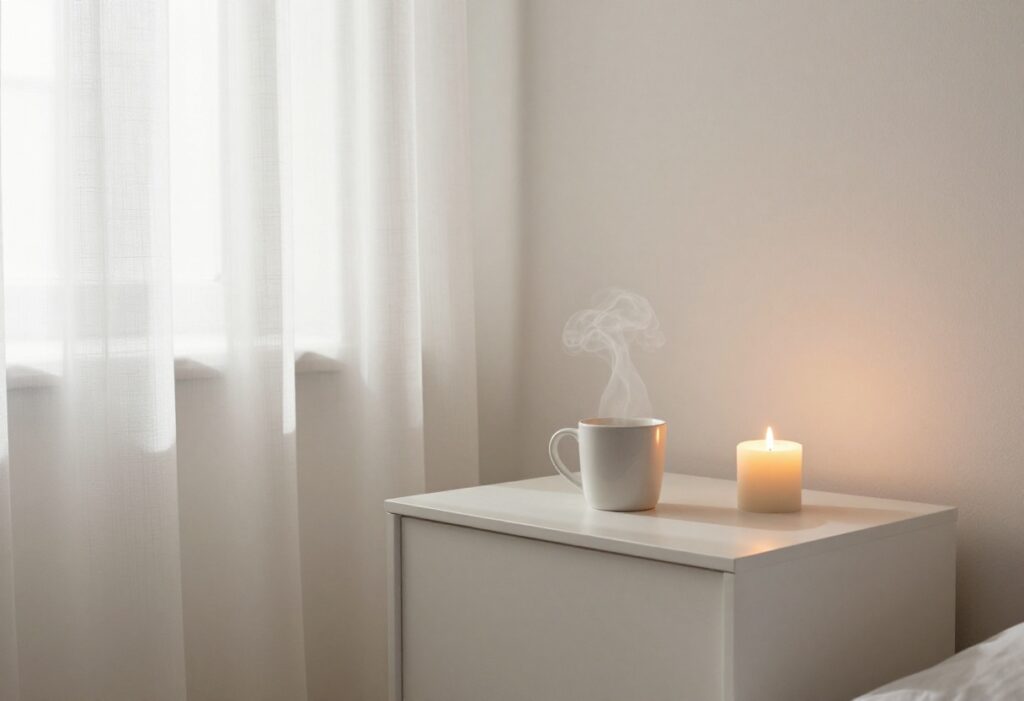
Inner calm and joy aren't reserved for people with endless free time. They grow from small, intentional habits woven into your daily rhythm.
These 20 self-care routines are simple, practical, and designed to fit real life—no perfection required. From mindful mornings to tech-free moments, each step helps you reconnect with yourself.
Pick what feels right for you today, and let these tiny acts of care quietly transform your day.
1. Wake Up Without Your Phone

The first moments of your morning set the tone for the entire day. Grabbing your phone immediately floods your brain with notifications, emails, and social media noise—before you've even had a chance to breathe. Giving yourself just 10 minutes of phone-free quiet can shift your whole mindset from reactive to intentional.
Resist the urge to check notifications first thing. Instead, stay in bed, stretch, or simply sit with your thoughts. This small buffer helps you start the day on your own terms, not the world's.
Why It Works
When you wake up, your brain is in a theta state—calm and receptive. Jumping straight into digital input triggers a cortisol spike, making you feel stressed before you've even gotten out of bed. Waiting just 10 minutes preserves that natural calm.
How To Make It Stick
Charge your phone in another room overnight. Use a traditional alarm clock if you need one. When you wake up, take three deep breaths, then do one simple thing: sip water, journal one sentence, or just look out the window.
What To Do Instead
Try a mini grounding ritual: place your hand on your chest, feel your heartbeat, and set one intention for the day. It takes 30 seconds and beats scrolling any day.
2. Sip Warm Lemon Water Mindfully
This isn't just about hydration—it's about starting your day with a gentle ritual. A warm cup of lemon water can be a quiet anchor before the rush begins. By drinking it slowly, you give yourself permission to pause, breathe, and ease into the morning.
The simple act of sipping warm lemon water mindfully can transform a hurried routine into a moment of calm. The warmth soothes your digestive system, while the lemon provides a burst of vitamin C. But the real magic is in the slowness—each sip becomes a mini meditation, grounding you in the present.
Why Warm Water Works
Warm water is gentle on your stomach and helps wake up your internal systems. It's like a soft alarm for your body, signaling that it's time to start the day without the jolt of caffeine.
The Lemon Factor
Lemon adds a bright, refreshing flavor that can lift your mood. The aroma alone can be invigorating. Plus, it supports your immune system and aids digestion, making it a small but mighty addition to your morning.
How To Sip Mindfully
Find a quiet spot, hold your cup with both hands, and take small sips. Notice the warmth traveling down your throat, the tang on your tongue, and the feeling of calm settling in. Let this be your first act of self-care.
3. Stretch for Five Minutes
Your body holds onto tension from sleep, stress, and yesterday's worries. A short morning stretch wakes up your muscles and signals your nervous system that it's safe to relax. You don't need a full yoga session—just gentle movements for five minutes can shift how you feel for the rest of the day.
Why Five Minutes Matters
Five minutes is short enough to fit into any morning, but long enough to release tightness in your neck, shoulders, and back. Consistent stretching improves circulation and flexibility, which reduces the physical effects of stress.
Simple Moves To Start
Try a few slow neck rolls, shoulder shrugs, and a gentle forward fold. Reach your arms overhead and side to side. Move at your own pace—no forcing or bouncing.
The goal is to feel good, not to achieve a pose.
Link It To Something You Already Do
Stretch right after you get out of bed or while your coffee brews. Tying it to an existing habit makes it more likely to stick. Before long, those five minutes will feel like a natural, welcome part of your morning.
4. Write One Thing You're Grateful For
Gratitude is a simple but powerful tool. Taking a moment each morning to name one thing you're thankful for can shift your entire outlook. It doesn't have to be big—a warm cup of coffee, a kind text from a friend, or the fact that you woke up rested.
This tiny practice trains your brain to notice the good, even on tough days.
Start a small journal or use a notes app. Each morning, write down one specific thing you're grateful for. Keep it brief and genuine.
Over time, this habit builds a reservoir of positivity you can draw from when stress hits.
Why One Thing Works
Keeping it to just one item makes the habit easy to stick with. You're not overwhelmed by listing everything—just one real, present-moment gratitude. This simplicity lowers the barrier to entry, so you're more likely to do it daily.
Make It A Morning Anchor
Pair this habit with something you already do, like sipping your first sip of coffee or brushing your teeth. The association makes it automatic. Within a week, you'll find yourself naturally scanning for things to appreciate.
Let It Evolve
Some days you'll write about people, other days about small comforts. That's fine. The goal isn't perfection—it's presence.
Over time, you'll notice your gratitude list reflects what truly matters to you, deepening your sense of joy.
5. Set a Daily Intention

A day without direction can feel scattered and reactive. Setting a daily intention gives you a gentle anchor—a single word or phrase that keeps you grounded. It’s not a to-do list item; it’s a compass for how you want to show up.
Whether it’s “patience, ” “focus, ” or “kindness, ” this small practice helps you filter decisions and reactions through what matters most.
Each morning, before the rush begins, pause for a few seconds. Ask yourself: What quality do I want to bring into today? Pick one word or short phrase that resonates.
Write it on a sticky note, set it as your phone wallpaper, or just whisper it to yourself. Throughout the day, whenever you feel off track, come back to that intention. It’s a reset button for your mind.
How To Choose Your Intention
Keep it simple and personal. Your intention could reflect a challenge you’re facing, like “calm” before a big meeting, or a value you want to embody, like “presence” during family time. Don’t overthink it—whatever comes to mind is likely what you need.
Weave It Into Your Day
Use reminders to keep your intention alive. Set an alarm with a label, place a note on your mirror, or tie it to a daily habit like brushing your teeth. When you catch yourself drifting, take a breath and silently repeat your word.
End With Reflection
In the evening, take a moment to reflect. Did your intention influence your actions? How did it feel?
This isn’t about judgment—it’s about noticing. Over time, you’ll see how a simple word can shape your entire day.
6. Take a Tech-Free Walk
Your phone buzzes, pings, and pulls your attention a hundred times a day. A tech-free walk is a small rebellion against that noise. Leave your device behind and step outside for just ten minutes.
Let your senses take the lead instead of your notifications.
Why It Works
Without a phone, your brain shifts from multitasking to simply being. You notice the breeze on your skin, the rhythm of your footsteps, and the distant sound of birds. This break lowers cortisol and gives your mind a reset.
How To Start
Pick a short loop near your home or office. Leave your phone on the counter or in your bag—out of sight, out of mind. If you're worried about emergencies, tell someone your route or carry a basic watch for time.
Make It A Habit
Tie this walk to an existing routine, like right after lunch or before your evening shower. Even three times a week makes a difference. Over time, your brain will start craving these quiet, screen-free moments.
7. Practice Deep Breathing for Two Minutes
When your mind is racing or stress creeps in, your breath is always there as an anchor. Deep breathing is one of the fastest ways to shift from chaos to calm—no equipment, no app, no special place needed. Just two minutes can reset your nervous system and bring you back to the present moment.
The 4-4-4 breathing technique is simple: inhale through your nose for four counts, hold for four, then exhale slowly through your mouth for four. Repeat for two minutes. This pattern activates your parasympathetic nervous system, lowering heart rate and easing tension.
You can do it at your desk, in the car, or before bed. Make it a habit by pairing it with a daily trigger, like after brushing your teeth or before a meal.
Why Two Minutes Works
Short enough to fit any schedule, long enough to create a shift. Two minutes of focused breathing breaks the stress cycle without requiring a big time commitment. Consistency matters more than duration.
How To Make It A Habit
Pick a cue you already do daily, like waiting for your coffee to brew or sitting down at your desk. Set a gentle reminder on your phone or use a breathing app. Over time, it becomes automatic.
Try Different Patterns
Box breathing (4-4-4-4) or extended exhales (inhale 4, exhale 6) can also work well. Experiment to find what feels most calming for you. The goal is not perfection but presence.
8. Enjoy a Cup of Tea Without Distractions
A simple cup of tea can become a mini ritual of calm when you give it your full attention. Instead of gulping it down while scrolling or watching TV, try sitting with your tea and nothing else. Feel the warmth of the mug, notice the aroma, and sip slowly.
This small act of mindfulness can ground you in the present moment and bring a quiet sense of joy.
Turning tea time into a distraction-free pause doesn't take much effort. Just a few minutes of focused sipping can reset your mood and lower stress. It's a gentle reminder that joy often hides in simple, unhurried moments.
Choose Your Tea Mindfully
Pick a tea that you genuinely enjoy—whether it's chamomile, green, or a spicy chai. The ritual starts with the selection. Let the color, scent, and taste become part of the experience.
Set The Scene
Find a quiet spot, even if it's just a corner of your kitchen. Put your phone on silent or in another room. Hold the mug with both hands and take slow, deliberate sips.
Let your mind rest on the sensation of warmth and flavor.
Make It A Daily Anchor
Try this practice at the same time each day—maybe first thing in the morning or as an afternoon break. Consistency turns it into a comforting habit that signals your brain to slow down and breathe.
9. Declutter One Small Area

Physical clutter often mirrors mental clutter. When your space is chaotic, your mind can feel the same way. The good news is you don't need to tackle your whole house at once.
Just five minutes on one small spot can shift your mood and focus.
Choose a single drawer, a shelf, or the corner of your desk. Set a timer for five minutes and clear out what doesn't belong. Wipe the surface, organize the essentials, and let go of anything you no longer need.
That tiny win creates a ripple effect of calm.
Start With One Drawer
Open a junk drawer or a kitchen drawer you avoid. Pull everything out, toss the trash, and put back only what you use. Close it and enjoy the satisfaction of a neat, functional space.
Clear Your Desk Corner
Your workspace affects your productivity. Pick one corner—maybe where your laptop sits—and remove everything except what you need right now. A clear surface invites clear thinking.
Refresh A Shelf
Look at a bookshelf or bathroom shelf. Dust it off, straighten items, and remove anything that feels out of place. Even a small visual reset can make the room feel lighter.
10. Listen to a Calming Playlist
Music has a direct line to your emotions. The right sounds can slow your heart rate, lower stress hormones, and shift your mood in minutes. A calming playlist is one of the easiest self-care tools you can create—it's always ready when you need a reset.
Curate Your Soundtrack
Spend a few minutes gathering songs that genuinely relax you. Think acoustic guitar, soft piano, ambient electronic, or nature recordings like rain and ocean waves. Streaming services have pre-made playlists for calm, but a personal mix feels more intentional.
Use It Intentionally
Don't save your playlist only for dedicated relaxation time. Play it during chores, while cooking, or as background noise when you're feeling scattered. It turns ordinary moments into mini retreats.
Keep It Accessible
Save your playlist to your phone's home screen or download it for offline use. That way, you can tap into calm whether you're at home, commuting, or taking a break at work.
11. Do a Digital Detox Hour
Your phone buzzes, pings, and pulls your attention a hundred times a day. That constant connectivity keeps your brain in a low-grade state of alert, making it hard to truly relax. A digital detox hour gives your mind the break it desperately needs.
Set aside one hour each day where you step away from all screens—phone, laptop, tablet, TV. Use that time to read a physical book, doodle in a notebook, or simply sit with your thoughts. You might be surprised how much clarity and calm emerges when you're not constantly reacting to notifications.
Why It Works
Screens stimulate the brain's reward system with dopamine hits from every like, message, or alert. This keeps you in a reactive state, making it hard to settle into deeper relaxation. Removing that stimulus for an hour allows your nervous system to downshift into a restful mode.
How To Start
Pick a time that naturally fits your day—maybe the first hour after work or the last hour before bed. Turn off notifications, put your devices in another room, and choose a low-tech activity you genuinely enjoy. Start with 30 minutes if an hour feels too long, then build up.
What To Do Instead
Read a paperback, write in a journal, do a puzzle, stretch, or just sit outside and watch the clouds. The key is to engage in something that doesn't involve a screen. Let your mind wander without purpose—that's where creativity and calm often sneak in.
12. Write Down Three Wins of the Day

It's easy to focus on what went wrong or what you didn't finish. Shifting your attention to small wins rewires your brain to notice the good. This simple practice builds a genuine sense of achievement and joy, no matter how minor the victories seem.
Each evening, grab a notebook or open a notes app. List three things that went well today—they can be tiny, like finishing a task, having a nice chat, or just getting out of bed on time. The act of writing reinforces positive memories and trains your mind to seek out wins.
Why Small Wins Matter
Big goals can feel overwhelming, but small wins are achievable every day. They create momentum and boost your mood. Over time, this habit builds resilience and a more optimistic outlook.
How To Make It Stick
Keep it simple. Don't overthink what counts as a win. Even 'drank enough water' or 'took a short walk' qualifies.
Pair it with another routine, like brushing your teeth, to make it automatic.
Notice The Shift
After a week or two, you'll start spotting wins throughout the day. You'll feel more accomplished and grateful. This tiny habit can quietly transform your perspective.
13. Use a Weighted Blanket for Rest
Sleep is when your body and mind truly reset. But if racing thoughts or restlessness keep you tossing, a weighted blanket might be the simple fix you need. The gentle pressure mimics a calming hug, signaling your nervous system to slow down.
Weighted blankets work through deep pressure stimulation, which can lower cortisol and boost serotonin and melatonin. This makes falling asleep easier and staying asleep longer. Use it during naps or bedtime to create a cocoon of calm.
Start with a blanket that's about 10% of your body weight for the best balance of comfort and effectiveness.
Why It Works
The evenly distributed weight triggers a relaxation response. It's like a gentle, constant squeeze that tells your brain it's safe to let go. Many people with anxiety or insomnia find it noticeably easier to unwind.
How To Choose One
Pick a breathable fabric like cotton or bamboo to avoid overheating. Weight options range from 5 to 25 pounds. If you're unsure, start lighter and test it during a short nap before committing to a full night.
Make It A Habit
Use your weighted blanket consistently during wind-down time. Pair it with a calming routine like reading or deep breathing. Over time, your brain will associate the weight with rest, making it easier to switch off.
14. Practice Progressive Muscle Relaxation
Your body holds tension in ways you might not even notice until you stop to check. Progressive muscle relaxation (PMR) is a simple technique that helps you identify and release that hidden stress, one muscle group at a time. It's a powerful way to unwind both physically and mentally, especially after a long day.
How It Works
You systematically tense and then relax each muscle group, starting from your toes and working up to your head. The contrast between tension and relaxation helps you recognize what true relaxation feels like. It only takes about 10–15 minutes.
Step-by-step Guide
Lie down or sit comfortably. Take a deep breath, then tense your toes for 5 seconds, then release and notice the sensation. Move up to your calves, thighs, stomach, hands, arms, shoulders, neck, and face.
Breathe slowly throughout.
Best Time To Practice
Try PMR before bed to ease into sleep, or during a midday break to reset. It's especially helpful after a stressful meeting or a long period of sitting.
15. Cook a Simple, Nourishing Meal
Cooking can feel like a chore when you're tired, but preparing a simple meal with whole ingredients is a form of self-care that feeds both body and soul. Focusing on colors, textures, and aromas turns a routine task into a mindful ritual. Eating slowly and without distractions helps you savor every bite, boosting your sense of joy and gratitude.
Choose Whole Ingredients
Pick a few fresh vegetables, a protein source, and a grain. Think bright bell peppers, leafy greens, or sweet potatoes. The variety of colors and textures makes the meal visually appealing and more satisfying.
Engage Your Senses
As you chop, stir, and season, notice the sounds, smells, and sights. Feel the knife against the cutting board, inhale the garlic sizzling in oil, and admire the vibrant mix in your pan. This sensory focus anchors you in the present moment.
Eat Without Distractions
Sit down at a table, put your phone away, and take small bites. Chew slowly and appreciate the flavors. Eating mindfully not only improves digestion but also turns a simple meal into a moment of calm and joy.
16. Say No to One Non-Essential Task

Every day, you're faced with requests, invitations, and to-dos that drain your time and energy. Saying yes to everything leaves you running on empty, with little left for what truly matters. Learning to say no is a powerful act of self-care.
It's not about being rude or unhelpful—it's about protecting your peace and honoring your limits. By declining one non-essential task today, you create space for calm and joy.
Why Saying No Is Self-respect
When you say yes to something that doesn't serve you, you're saying no to yourself. Each unnecessary commitment chips away at your energy and focus. Prioritizing your own needs isn't selfish—it's essential for showing up as your best self.
How To Say No Gracefully
You don't need a long excuse. A simple, polite refusal works: "I can't take that on right now" or "Thanks for thinking of me, but I have to pass. " Practice makes it easier, and most people will respect your honesty.
Start Small: One No Per Day
Begin by identifying one task, invitation, or request that feels draining or unnecessary. It could be an extra meeting, a social event you dread, or a favor that stretches you too thin. Declining it frees up time and mental space for what truly brings you joy.
17. Diffuse Calming Essential Oils
Scents have a direct line to the emotional centers of your brain. A few drops of the right essential oil can shift your mood from frazzled to peaceful in minutes. Using a diffuser is one of the easiest ways to fill your space with calming aromas.
It turns your home into a personal sanctuary without any extra effort.
Choose Your Calm
Lavender is the go-to for relaxation, but don't stop there. Chamomile brings a gentle, soothing sweetness, while frankincense adds a grounding, earthy note that helps quiet a busy mind. Experiment with blends or stick to a single oil that resonates with you.
Set The Scene
Add 3-5 drops of your chosen oil to a diffuser with water, then let it run for 30-60 minutes. Place the diffuser in your bedroom during wind-down time or on your desk while you work. The soft mist and subtle scent create a cue for your brain to shift into a calmer state.
Make It A Ritual
Consistency amplifies the effect. Try diffusing the same calming oil every evening as part of your bedtime routine. Over time, the scent alone will trigger a relaxation response, making it easier to unwind night after night.
18. Take a Warm Bath with Epsom Salts
A warm bath is more than just a way to get clean—it's a ritual that signals your nervous system to slow down. When you add Epsom salts, the magnesium sulfate absorbs through your skin, helping to ease muscle tension and reduce stress. Twenty minutes of soaking can feel like a mini-vacation for your mind and body.
Set The Scene
Draw a bath at a comfortably warm temperature—not too hot, not too cool. Add about two cups of Epsom salts and let them dissolve while the water runs. Dim the lights, light a candle, and place a towel or bath pillow behind your neck.
This simple setup transforms your bathroom into a personal sanctuary.
Bring A Companion
A bath is the perfect time to disconnect from screens but still enjoy a little company. Grab a waterproof book or e-reader, or play a calming playlist on a speaker outside the tub. If you prefer silence, just close your eyes and focus on your breath.
Let the warmth and stillness do their work.
Post-bath Care
After your soak, pat your skin dry (don't rub) and apply a rich moisturizer while your skin is still slightly damp. This locks in hydration and extends the feeling of relaxation. Drink a glass of water to rehydrate, and give yourself a few minutes to ease back into your evening without rushing.
19. Read a Few Pages of a Fiction Book
Your brain needs a break from the constant input of news, notifications, and to-do lists. Fiction offers a gentle escape that lowers cortisol and invites your mind to wander. Just ten minutes of reading before bed can shift your mood and help you sleep more soundly.
Getting lost in a story is one of the simplest ways to unwind. It pulls you away from your own worries and into another world, giving your mind a chance to reset. Plus, regular reading has been shown to improve empathy and creativity—bonus benefits for your inner calm.
Why Fiction Works
Non-fiction can feel like work. Fiction lets you relax without the pressure to learn or remember. The narrative flow soothes your brain, and the emotional connection to characters releases feel-good hormones.
Make It A Ritual
Keep a book on your nightstand. Set a timer for 10 minutes, get cozy, and read without interruption. No scrolling, no multitasking—just you and the story.
What To Read
Choose something light and engaging. A novel, a short story collection, or even a graphic novel works. The goal is enjoyment, not literary achievement.
20. End the Day with a Gratitude Reflection

The way you finish your day matters just as much as how you start it. A gratitude reflection is a gentle anchor that helps you close out the hours with a sense of peace. Instead of replaying worries or scrolling through your phone, you deliberately choose one good moment.
This simple practice trains your brain to notice the positive, making it easier to drift off with a calm heart. It doesn't require a journal or a long meditation—just a few seconds of honest appreciation before you close your eyes.
Gratitude reflection is a low-effort, high-reward habit. It shifts your focus from what went wrong to what went right, even on tough days. By making it the last thing you do, you set a gentle tone for restful sleep and wake up with a more positive outlook.
Start small: recall one moment—a warm cup of tea, a kind word from a friend, or a beautiful sunset. Let that be your final thought, and notice how it changes your nights.
Why It Works
Gratitude activates the brain's reward system, releasing dopamine and serotonin. Ending your day with a positive memory counteracts the brain's natural negativity bias, making it easier to relax and fall asleep. Over time, this rewires your neural pathways to default to appreciation.
How To Make It A Habit
Pair it with an existing bedtime cue, like turning off the lights or pulling up the covers. Keep it simple: ask yourself, "What was one good thing today? " If you want, whisper it out loud or jot it down in a small notebook.
Consistency matters more than length.
When You're Too Tired
Even on exhausted nights, you can manage a one-second gratitude. Just think of your pillow, your pet, or the fact that the day is over. The act of choosing to appreciate something, no matter how small, still carries the calming benefit.
FAQ
How long does it take to build a self-care routine?
It varies, but most people start feeling benefits within a week. Consistency matters more than perfection.
Can I do these habits if I'm busy?
Absolutely. Most habits take 5–10 minutes. Start with one or two and gradually add more.
Do I need special equipment for these habits?
No. Items like a journal, tea, or a weighted blanket are optional. Many habits require nothing but your presence.
What if I miss a day?
That's okay. Self-care isn't about being perfect. Just pick up where you left off without guilt.
How do I choose which habits to start with?
Pick the ones that feel most appealing or needed. Trust your intuition—it knows what you need.
Conclusion
True calm and joy don't come from a perfect routine—they come from small, intentional choices repeated over time. Pick just one habit from this list that feels doable today, whether it's a morning stretch or an evening gratitude note. Let that one practice become a gentle anchor in your day.
As these tiny rituals stack up, you'll notice a quiet shift in how you feel. Start small, stay consistent, and let your self-care grow naturally.

Dr. Pallab Kishore, MS in Orthodontics and owner of Orthodontic Braces Care, shares expert tips on braces, aligners, and oral health from 10+ years of experience.