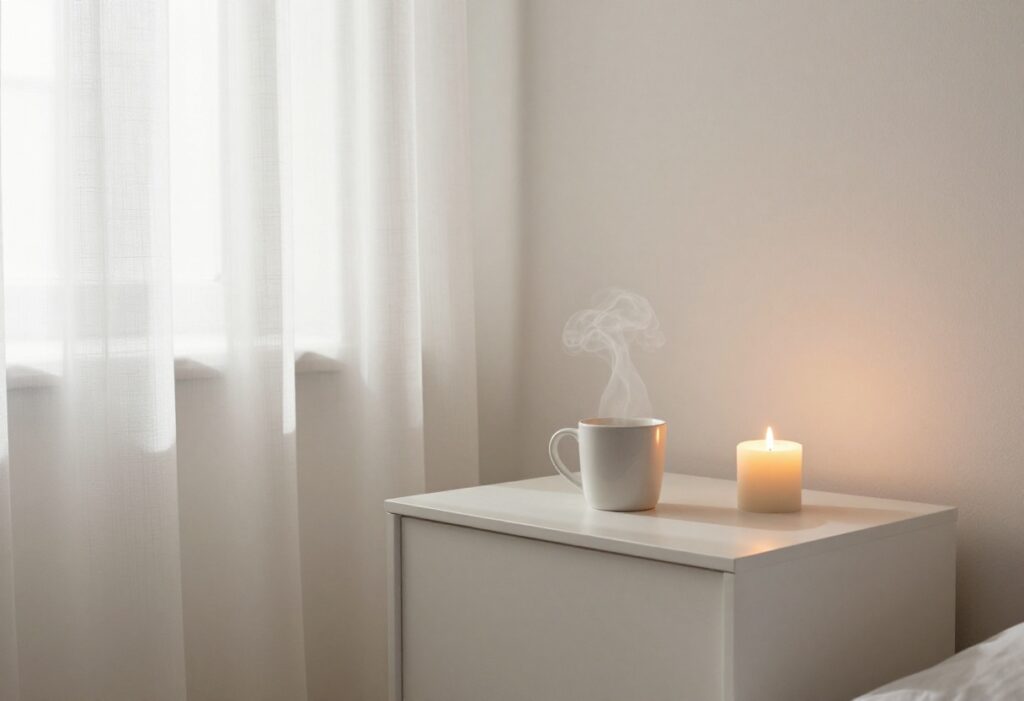
Your to-do list is endless, and your mind won't stop racing. You know you need a break, but carving out hours for self-care feels impossible. The good news?
Peace doesn't require a spa day or a weekend getaway.
Small, intentional moments can shift your whole mood. A few deep breaths, a warm drink, or a short walk might be all you need to reset. These 17 ideas are quick, realistic, and designed to fit into even the busiest day.
Pick one that speaks to you right now. No pressure, no guilt—just a gentle nudge toward calm. Let's make your day feel a little lighter.
1. Sip a Cup of Tea with Full Attention

When was the last time you actually tasted your tea? Most of us drink it on autopilot while scrolling, working, or rushing out the door. But this simple ritual can become a powerful anchor for calm.
Turn your next cup of tea into a mini mindfulness practice. Choose a mug that feels good in your hands. Notice the steam rising, the color of the liquid, the first sip warming your throat.
Let your thoughts soften as you focus on the present moment.
Engage All Your Senses
Look at the deep amber or pale green hue. Inhale the earthy or floral aroma. Feel the warmth radiating through the ceramic.
Let each sensory detail pull you into the now.
Savor Without Distraction
Put your phone face down. Step away from your laptop. Sit somewhere comfortable and just be with your tea for five minutes.
This small break can reset your nervous system.
Make It A Daily Ritual
Consistency builds peace. Try sipping your tea at the same time each day—first thing in the morning, during an afternoon lull, or before bed. Over time, this simple act becomes a signal to your brain that it's time to relax.
2. Take a 5-Minute Breathing Break
Breathing is something you do automatically, but a few minutes of conscious breathing can change how you feel. This simple practice doesn't require any equipment or special skills—just a quiet spot and a timer. When you slow your breath, you send a signal to your nervous system that it's safe to relax.
The result? Lower heart rate, calmer mind, and a sense of control returning to your day.
Set a timer for five minutes. Breathe in slowly through your nose for four counts, then exhale through your mouth for six counts. Focus on the sensation of air moving in and out.
If your mind wanders, gently bring it back to your breath. That's it—no need to clear your head or achieve anything.
Why The 4-6 Pattern Works
Longer exhales activate the vagus nerve, which helps shift your body from fight-or-flight to rest-and-digest. This pattern naturally slows your heart rate and lowers blood pressure. It's like a reset button for your stress response.
When To Use This Break
Try this breathing break first thing in the morning, before a stressful meeting, or right before bed. It's also great when you feel overwhelmed or notice tension building in your shoulders. Even one round can make a difference.
3. Write Down Three Things You're Grateful For
Gratitude is one of the fastest ways to quiet a restless mind. It gently pulls your attention away from worries and toward what's already good. You don't need a fancy journal—just a scrap of paper or a notes app will do.
The key is keeping it small and specific. Not "I'm grateful for my family" but "the way my cat curled up next to me this morning. " Tiny moments add up fast.
This practice trains your brain to scan for positives, making peace feel more accessible throughout the day.
Why Small Things Work Best
Big gratitude lists can feel overwhelming or forced. Instead, focus on micro-moments: the warmth of your coffee mug, a stranger's smile, the feeling of clean sheets. These are easy to find and don't require major life changes.
Over time, noticing them rewires your brain for calm.
How To Make It A Daily Habit
Tie it to something you already do. Write your three things while your coffee brews, right before bed, or during a lunch break. Keep a small notebook by your kettle or set a phone reminder.
Consistency matters more than length—even 30 seconds counts.
What To Do When You're Stuck
Some days nothing comes to mind. That's okay. Use prompts like "something I saw today, " "a sound I enjoyed, " or "a person who made me smile.
" You can also list the same thing for a few days—gratitude doesn't have to be original every time.
4. Stretch for Two Minutes Right Where You Are

You don't need a yoga mat or workout clothes to release tension. A two-minute stretch can be done at your desk, in the kitchen, or even while waiting for your coffee to brew. It's one of the fastest ways to shake off stiffness and reset your energy.
Roll your shoulders back and down, then gently tilt your head from side to side. Reach both arms overhead and stretch your fingers toward the ceiling. Finally, twist your torso gently left and right.
That's it—you've just interrupted the stress cycle and invited a little ease back into your body.
Why It Works So Fast
Sitting or standing still for long periods causes muscles to tighten and energy to drop. A quick stretch increases blood flow, releases endorphins, and signals your nervous system to shift from 'fight or flight' to 'rest and digest. ' Two minutes is enough to break the tension loop.
Three Simple Moves To Try
- Shoulder rolls: Inhale as you lift your shoulders up, exhale as you roll them back and down. Repeat 5 times. 2) Neck tilts: Gently drop your right ear toward your right shoulder, hold for 3 breaths, then switch sides.
- Sky reach: Interlace your fingers, palms up, and stretch your arms overhead. Hold for 5 deep breaths. Each move targets common tight spots.
When To Sneak It In
Mid-morning slump? After a long phone call? Before a meeting?
Any transition point is a perfect moment. You can even set a gentle reminder on your phone to stretch every hour. Over time, these micro-breaks build a habit of checking in with your body.
5. Listen to One Song Without Distraction
Music has a way of reaching parts of us that words can't. But most of the time, we listen while driving, working, or scrolling. The song becomes background noise instead of a reset button.
Try this: pick one track, put on headphones, and close your eyes. No multitasking, no skipping. Just let the melody and lyrics wash over you for a few minutes.
It's a mini escape that can shift your mood instantly.
Why One Song Works
A single song is short enough to feel doable, even on a busy day. It's a low-commitment break that doesn't require planning. The focused listening activates your senses and gives your brain a real pause from constant input.
How To Make It A Ritual
Choose a song that matches how you want to feel—calm, energized, or reflective. Set a timer if you tend to wander. Keep a playlist of go-to tracks for these moments so you don't waste time deciding.
What To Notice
Pay attention to the instruments, the singer's breath, or the silence between notes. Let any thoughts pass without holding onto them. Notice how your body relaxes as the music plays.
6. Step Outside and Feel the Air
Stepping outside is one of the simplest ways to reset your nervous system. You don't need a long hike or a beach trip—just a minute or two of fresh air can work wonders. The key is to be present and notice what's around you.
Even 60 seconds of fresh air can calm your mind. Notice the temperature, the breeze, and any sounds around you. Nature is an instant mood booster.
Pause And Breathe Deeply
Stand still and take three slow, deep breaths. Feel the air fill your lungs and notice any scents—rain, grass, or just the crispness of the season. This simple act signals your body to relax.
Tune Into Your Senses
Close your eyes for a moment and listen. Birds, distant traffic, leaves rustling. Open your eyes and look for something you haven't noticed before—a cloud shape, a flower, or the way light filters through trees.
Let The Sun Reset You
If it's sunny, let the warmth hit your face for a few seconds. Sunlight triggers vitamin D production and helps regulate your mood. Even on cloudy days, the change of scenery can break a stressful thought loop.
7. Declutter One Small Surface

You don't need to Marie Kondo your whole home to feel lighter. Picking just one small surface—a desk, nightstand, or kitchen counter—and clearing it off can instantly calm your mind. It's a quick win that takes under five minutes and leaves you with a visible sense of order.
Clutter isn't just messy—it's mentally draining. When you clear a single surface, you create a visual anchor of peace in your space. That clean spot becomes a reminder that you can create calm, even in small ways.
Plus, you get the satisfaction of a completed task, which can motivate you to tackle other things with a clearer head.
Choose Your Spot
Pick a surface you see often, like your bedside table or the corner of your desk. The goal isn't to organize everything—just to remove what doesn't belong there. Grab a basket or a bag to temporarily stash items that need a home elsewhere.
Wipe It Down
Once the surface is clear, give it a quick wipe with a cloth or a disinfecting wipe. The physical act of cleaning reinforces the fresh start. You'll be surprised how much brighter the area feels.
Add One Calming Object
To keep the surface peaceful, place just one intentional item on it—a small plant, a candle, or a photo that makes you smile. This prevents the space from becoming a dumping ground again and gives you a focal point for relaxation.
8. Apply a Favorite Lotion or Perfume
Your sense of smell is directly linked to the emotional centers of your brain. That means a familiar, pleasant scent can instantly shift your mood. Taking a moment to massage lotion into your hands or spritz a perfume you love is a tiny ritual that grounds you in the present.
The physical act of rubbing in lotion is also a form of self-massage, which releases tension. And the scent becomes a personal anchor for calm. It's a simple, luxurious feeling that costs almost nothing and takes less than a minute.
Choose A Calming Scent
Lavender, chamomile, sandalwood, and vanilla are known for their relaxing properties. If you prefer something uplifting, try citrus or peppermint. Pick a lotion or perfume that makes you feel good when you catch a whiff.
Make It A Mini Ritual
Instead of rushing through it, pause. Take a deep breath before applying. Rub your hands together slowly, noticing the warmth and texture.
Close your eyes for a second as you inhale the fragrance. This turns a mundane step into a mindful moment.
Keep It Accessible
Place your favorite lotion or perfume somewhere you'll see it often—by your bed, at your desk, or in your bag. That way, you can reach for it whenever you need a quick sensory reset. A small bottle in your purse works wonders during a stressful commute.
9. Read a Few Pages of a Comforting Book
Sometimes the fastest way to calm a busy mind is to slip into someone else's world for a bit. Reading a few pages of a comforting book can be like a mini mental vacation—no packing required. The key is choosing something light and enjoyable, not work-related or heavy.
Think of it as a gentle escape that lasts just 10 minutes.
Pick a book that feels like a warm blanket—maybe a childhood favorite, a light romance, or a collection of poems. Set a timer for 10 minutes and read without rushing. Let the words wash over you.
If your mind wanders, gently bring it back to the page. This isn't about finishing a chapter; it's about savoring the moment.
Choose The Right Book
Keep a few go-to options handy. A novel with a cozy setting, a book of short essays, or even a poetry collection can work wonders. Avoid anything that feels like a chore or reminds you of work.
The goal is pure enjoyment.
Create A Cozy Reading Spot
Find a comfortable chair, dim the lights, and maybe grab a cup of tea. Make it a ritual—a small sanctuary where you can disappear into the story. Even a few minutes in the right spot can feel like a reset.
Let Go Of Expectations
Don't worry about how many pages you read or remembering every detail. This is about the experience, not achievement. If a sentence resonates, pause and let it sink in.
If not, just keep turning pages gently.
10. Do a Quick Body Scan from Head to Toe
You carry tension in places you don't even notice—your jaw, your shoulders, your hands. A body scan is a simple way to check in with yourself without needing any equipment or extra time. It's like a gentle conversation between your mind and body.
Close your eyes and mentally check in with each part of your body. Notice tension without trying to fix it. Awareness alone often brings release.
Start At The Top
Begin with your scalp and forehead. Are you furrowing your brows? Relax them.
Move down to your jaw—unclench your teeth. Let your tongue rest softly at the roof of your mouth.
Work Through Your Core
Notice your neck and shoulders. Are they creeping up toward your ears? Let them drop.
Scan your chest and stomach—are you holding your breath? Take a slow exhale. Feel your ribs soften.
Finish With Your Limbs
Check your arms and hands. Are your fists clenched? Open them.
Move to your hips, legs, and feet. Wiggle your toes. Notice any areas of tightness and simply breathe into them.
11. Light a Candle or Use an Essential Oil Diffuser
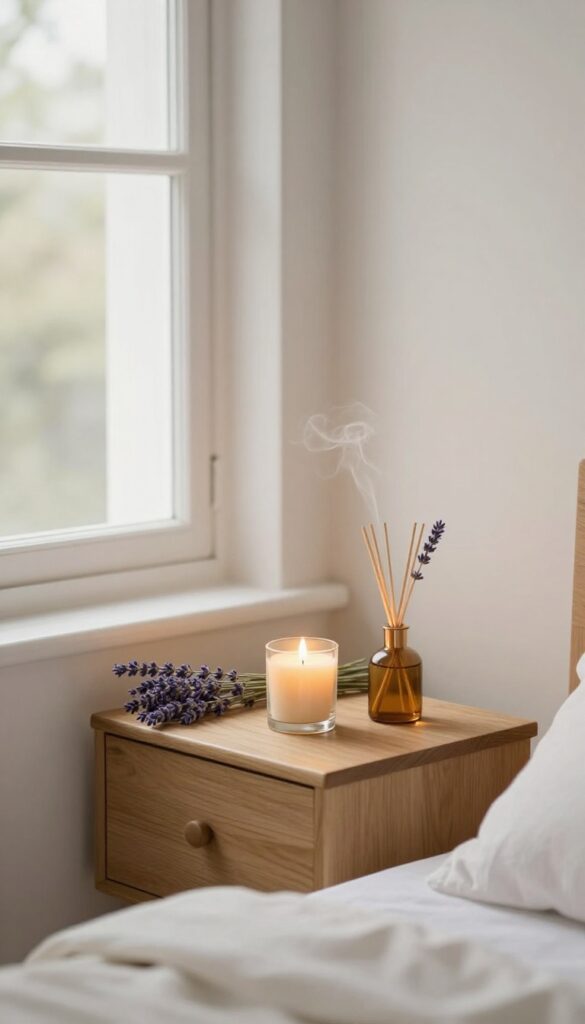
Your sense of smell is a fast track to your brain's relaxation center. Certain scents like lavender, chamomile, or vanilla can actually lower your heart rate and cortisol levels. Lighting a candle or turning on a diffuser is a simple way to create an instant calm zone, even if you only have a few minutes.
Pick A Scent That Signals Relaxation
Not all scents are created equal when it comes to winding down. Lavender is the most researched for stress relief, but vanilla, sandalwood, and bergamot are also great choices. Keep a small candle or rollerball at your desk for a quick sensory reset.
Make It A Mini Ritual
The act of lighting a match or turning on the diffuser can be a mindful moment in itself. Pair it with three deep breaths, and you've just created a tiny ritual that tells your brain: it's time to relax. Try this before starting a calming activity like reading or journaling.
Try An Essential Oil Inhaler For On-the-go Calm
If you can't have a candle at work or while traveling, a personal inhaler is a discreet alternative. Just add a few drops of your favorite oil to the wick, and take a gentle sniff whenever you need a moment of peace.
12. Hug Someone or Cuddle a Pet
Physical touch is a powerful stress reliever. A warm hug or a few minutes with a furry friend can lower cortisol and release oxytocin, the bonding hormone. It's an instant mood boost that costs nothing.
You don't need a long conversation or a deep connection—just a simple embrace. Even a quick squeeze can calm your nervous system and make you feel grounded.
The Science Of Touch
When you hug someone or pet an animal, your body releases oxytocin. This hormone reduces stress and promotes feelings of trust and safety. It's a biological shortcut to peace.
How To Make It Happen
Ask a family member or friend for a hug. If you're alone, cuddle a pet or even a soft pillow. The key is to focus on the sensation—feel the warmth and pressure.
When You Can't Touch
No one around? Try a weighted blanket or a self-hug. Cross your arms and give yourself a gentle squeeze.
It mimics the calming effect of being held.
13. Doodle or Color for Five Minutes
Remember the simple joy of scribbling in the margins of your notebook? That mindless doodling actually does more than pass the time—it quiets your inner critic and gives your brain a mini vacation. Coloring books for adults became popular for a reason: focusing on filling shapes with color can be as soothing as meditation, without the pressure to clear your mind completely.
No Artistic Talent Required
You don't need to draw a masterpiece. Grab any pen, pencil, or marker and let your hand wander. Circles, squiggles, or abstract shapes—whatever comes out is perfect.
The goal isn't to create something beautiful; it's to give your brain a gentle, repetitive task that drowns out anxious thoughts.
Try A Coloring App Or Book
If you prefer structure, keep a small coloring book and a set of colored pencils at your desk or on your coffee table. Alternatively, download a coloring app on your phone for a quick session during a break. The act of choosing colors and staying inside the lines helps anchor you in the present moment.
Set A Timer And Let Go
Five minutes is enough. Set a timer, and when it rings, stop—even if you're in the middle of a shape. This trains your brain to take short, guilt-free breaks.
Over time, you'll look forward to these tiny creative pauses as a reliable way to reset your mood.
14. Take a Warm Shower or Bath with No Rush

When was the last time you took a shower just for the pleasure of it—not to get clean or race to your next meeting? A warm shower or bath can be a mini retreat if you let it. The key is to treat it as a sensory experience, not a chore.
Step into the water and let it wash over you. Notice the warmth on your skin, the sound of the water, the steam filling the air. Breathe slowly and give yourself permission to stay a few extra minutes.
This is your time, not a pit stop.
Set The Scene
Dim the lights or light a candle. Keep your phone out of reach. If you have a bath tray or a small speaker, bring them in.
The goal is to create a calm environment that signals relaxation.
Focus On Sensation
Pay attention to how the water feels on different parts of your body. Notice the temperature, the pressure, the way it runs down your back. If your mind wanders, gently bring it back to the physical experience.
Extend The Calm
After you finish, don't jump straight into your next task. Wrap yourself in a towel, sit for a moment, and let the calm linger. Apply lotion or oil slowly, as if you have all the time in the world.
15. Repeat a Calming Affirmation Silently
Your inner critic can be loud, especially when you're stressed. A simple way to quiet that noise is with a calming affirmation. Choose a short, comforting phrase and repeat it silently to yourself a few times.
It's like giving your mind a gentle hug.
Affirmations work by interrupting anxious thought patterns. When you repeat a positive statement, you signal your brain to shift focus from worry to safety. Pick something that resonates with you, like "I am safe" or "This moment is enough.
" Say it slowly, breathing deeply between each repetition. You might feel a subtle sense of calm settle in.
Choose Your Phrase
Your affirmation should feel true and soothing. Avoid overly ambitious statements like "I am perfectly calm" if you're not. Instead, try "I am okay right now" or "I can handle this.
" Write down a few options and test them out. The right one will feel like a small exhale.
Practice In Quiet Moments
You don't need a meditation cushion for this. Try it while waiting for your coffee to brew, sitting in traffic, or lying in bed before sleep. The key is to repeat it slowly, at least three to five times.
Let the words sink in without rushing.
Pair With Your Breath
For extra grounding, sync your affirmation with your breathing. Inhale as you think the first half, exhale as you think the second. For example, breathe in "I am" and breathe out "safe.
" This combo can deepen the relaxation response.
16. Make a Warm Drink and Hold the Mug with Both Hands
Sometimes the most soothing rituals are the simplest. Making a warm drink and holding the mug with both hands can be a small but powerful act of grounding. The heat seeps into your palms, your breath slows, and for a moment, nothing else matters.
Choose a drink that feels comforting to you—tea, coffee, hot chocolate, or even warm water with lemon. As you prepare it, focus on the sounds and smells. Then, when you sit down, wrap both hands around the mug.
Close your eyes if you like. Take small, slow sips. Notice how the warmth travels through your hands and up your arms.
This is a mini meditation that takes just a few minutes but can reset your entire mood.
Why It Works
The warmth from the mug stimulates sensory receptors in your hands, sending calming signals to your brain. The act of holding something gently also encourages a mindful pause, breaking the cycle of rushing.
Make It A Ritual
Try doing this at the same time each day—first thing in the morning, during an afternoon break, or before bed. Pair it with a cozy blanket or a quiet spot. Over time, the mug itself becomes a cue for relaxation.
No Tea? No Problem
Not a hot drink person? Warm apple cider, broth, or even a mug of warm water works. The key is the temperature and the two-handed hold.
You can also use a heated hand warmer or a warm rice bag if you prefer not to drink.
17. Do Absolutely Nothing for One Minute

We spend every waking moment doing something—scrolling, planning, worrying. But what if you gave yourself permission to do nothing at all? Just one minute of stillness can reset your nervous system and quiet the noise.
Set a timer for 60 seconds. Sit comfortably, close your eyes if you like, and simply exist. No phone, no book, no agenda.
Let your thoughts drift without trying to control them. It sounds easy, but most people find it surprisingly hard—and surprisingly refreshing.
Why It Works
When you stop doing, your brain shifts from active problem-solving to a default mode that helps process emotions and reduce stress. One minute is long enough to break the cycle of constant doing, but short enough to fit anywhere.
How To Make It Stick
Pick a regular trigger—like after brushing your teeth or before your morning coffee. Use a gentle alarm so you don't have to watch the clock. If your mind wanders, that's fine.
The goal isn't emptiness; it's a brief pause from effort.
FAQ
How long should each self-care activity take?
Most of these ideas take 1 to 10 minutes. The goal is to fit them into your day without adding stress. Even 60 seconds of intentional calm can make a difference.
Can I do these self-care ideas at work?
Absolutely. Many of them, like deep breathing, stretching, or sipping tea, are discreet and can be done at your desk. Just step away for a minute if you need privacy.
What if I don't feel calm after trying one?
That's okay. Self-care isn't a magic fix. Sometimes it takes a few tries or a different activity.
Be patient and experiment to find what works for you.
Do I need any special tools or products?
Not at all. Most ideas use things you already have—a mug, a candle, a pen. The focus is on simple, accessible practices, not on buying anything.
How often should I practice self-care?
Daily is ideal, but even a few times a week can help. Consistency matters more than duration. Pick one or two ideas and weave them into your routine.
Conclusion
Peace doesn't require a full day off—just a few intentional moments woven into your routine. Pick one idea from this list that feels doable right now, whether it's sipping tea without your phone or stretching for five minutes.
These small pauses create ripples of calm that carry through your entire day. Start with what feels good, and let your self-care practice unfold naturally.

Dr. Pallab Kishore, MS in Orthodontics and owner of Orthodontic Braces Care, shares expert tips on braces, aligners, and oral health from 10+ years of experience.