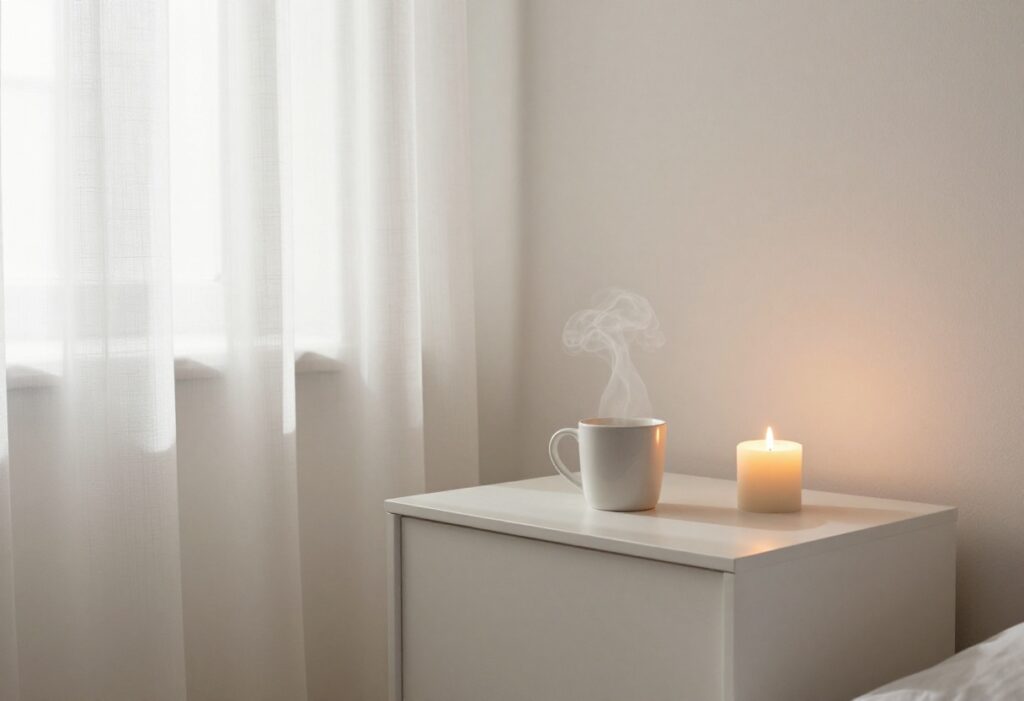
You've been home all day, yet you feel completely wiped out. The couch seems to drain your energy, and even small tasks feel overwhelming. That bone-tired feeling isn't just physical—it's mental and emotional exhaustion piling up.
When you're drained, the last thing you need is a complicated routine. You need simple, effective ideas that actually work without demanding more from you. These 23 self-care ideas are designed for those low-energy moments at home.
Each idea targets a different kind of tiredness. Some take five minutes, others a bit longer. Pick one that matches how you feel right now, and give yourself permission to pause.
1. Take a 5-Minute Power Nap

Sometimes the best thing you can do for yourself is nothing at all. A power nap isn't about catching up on lost sleep—it's about hitting the reset button on your brain. Five minutes is all it takes to shift your energy and mood.
Set a timer for exactly 5 minutes. Find a quiet spot, close your eyes, and focus on your breath. Let your mind drift without trying to fall asleep.
When the timer goes off, stretch gently and notice how much lighter you feel. This short pause can break the cycle of exhaustion without leaving you groggy.
Why 5 Minutes Works
Short naps prevent you from entering deep sleep, so you wake up refreshed instead of disoriented. Even a brief rest lowers cortisol and gives your brain a mini reboot.
How To Make It Effective
Use a timer to avoid oversleeping. Lie down or recline in a comfortable chair. Dim the lights or use an eye mask.
Focus on slow, deep breaths to calm your nervous system.
When To Try This
Mid-afternoon is ideal, when energy naturally dips. Avoid napping too close to bedtime. If you're feeling overwhelmed or foggy, this is your quick fix.
2. Make a Cup of Herbal Tea
There's a reason tea is the go-to comfort drink for so many cultures. The simple act of boiling water, choosing a blend, and waiting for it to steep forces a pause in your day. That short ritual can be enough to reset your nervous system when you're running on empty.
Chamomile and peppermint are classic choices for a reason. Chamomile gently calms, while peppermint can lift your spirits without caffeine. Even just holding the warm mug in your hands sends a signal to your brain that it's time to relax.
Pick Your Calming Blend
Not all herbal teas are created equal when you're drained. Chamomile is the gold standard for relaxation—it contains apigenin, an antioxidant that binds to receptors in your brain to reduce anxiety. Peppermint is great if you need a gentle energy lift without jitters.
Lavender and lemon balm are also excellent for soothing frayed nerves. Avoid anything with caffeine or stimulating herbs like ginseng.
Make It A Mini Ritual
Don't just microwave a mug of water. Take the extra minute to boil a kettle, choose your favorite mug, and watch the tea steep. Inhale the steam as it rises.
Hold the warm mug with both hands and take slow sips. This sensory experience—warmth, aroma, taste—grounds you in the present moment and pulls you out of your racing thoughts.
Pair It With Stillness
For the best effect, drink your tea without distractions. No phone, no TV. Just sit somewhere comfortable and let the warmth spread through your body.
If your mind wanders, bring your attention back to the taste and temperature. Even five minutes of this mindful tea break can lower your heart rate and ease that drained feeling.
3. Stretch for 10 Minutes
Your body holds onto stress like a sponge holds water. After hours of sitting or lying around, tension settles into your neck, shoulders, and lower back. A short stretch session can release that physical tightness and send a signal to your brain that it's okay to relax.
You don't need to be flexible or know fancy poses. Just move gently into positions that feel good. Focus on areas that store the most tension from being hunched over or lying down.
Ten minutes is enough to reset your body and quiet your mind.
Neck And Shoulder Release
Start by sitting comfortably. Slowly tilt your head to one side, holding for 30 seconds, then switch. Roll your shoulders backward in slow circles.
These simple moves ease the tightness from screen time or stress.
Lower Back Stretch
Lie on your back and hug your knees into your chest. Rock gently side to side. This releases lower back tension that builds up from sitting or lying in one position too long.
Full Body Shake Out
Stand up and shake your hands, arms, legs, and feet. Let your whole body jiggle for a minute. It sounds silly, but it loosens up muscles and shifts your energy.
Finish with a few deep breaths.
4. Write Down Three Things You're Grateful For
Gratitude might sound cheesy when you're running on empty, but it's one of the fastest ways to reset your mood. You don't need a fancy journal or a long list—just three small things that went right today. It could be a warm cup of coffee, a good song, or a text from a friend.
The act of writing shifts your brain from what's draining you to what's still good.
This practice works because it forces you to scan your day for positives, even on rough days. Over time, your brain gets better at spotting the good stuff automatically. Keep it simple: grab any notebook or scrap paper and jot down three items.
No overthinking allowed.
Why Three Is The Magic Number
Three is small enough to feel doable when you're exhausted, but enough to create a shift. Research shows that listing three good things daily can boost happiness and reduce depressive symptoms. You're not pretending everything is perfect—you're just giving your brain a balanced view.
Make It A Ritual, Not A Chore
Tie this to something you already do, like brushing your teeth or waiting for your coffee to brew. Keep a small notebook on your nightstand or a note on your phone. The goal is consistency, not perfection.
Some days your list might be as simple as: 1) I got out of bed, 2) The sun was out, 3) Pizza for dinner.
What If You Can't Think Of Anything?
Start with basic sensory pleasures: a comfortable blanket, a good smell, a funny video you saw. Or think about what didn't go wrong—no major disasters, no traffic, no arguments. Even the absence of bad counts as a win.
The more you practice, the easier it gets.
5. Listen to a Calming Playlist

Music has a direct line to your emotions. When you're drained, your brain craves soothing input without demands. A carefully chosen playlist can shift your nervous system from fight-or-flight to rest-and-digest mode.
Put on instrumental music, nature sounds, or lo-fi beats. Let the melodies wash over you without multitasking. Close your eyes for a few minutes or just sit still and breathe.
The goal isn't to be productive—it's to let sound carry some of your mental load.
Choose The Right Vibe
Not all calming music is the same. If you're wired, try ambient or classical with slow tempos. If you're foggy, nature sounds like rain or ocean waves can ground you.
Lo-fi beats work well when you need a gentle rhythm without lyrics that distract.
Make It A Ritual
Set aside 10–15 minutes where you do nothing but listen. Lie down, close your eyes, and focus on the layers of sound. Let your mind wander where it wants.
This isn't background noise—it's active rest.
Curate Your Own Collection
Create a playlist specifically for drained days. Include tracks that reliably calm you. Having it ready means you can start listening the moment you feel overwhelmed, without decision fatigue.
6. Take a Shower or Bath
Water has a way of washing off the weight of the day. A warm shower or bath can reset your nervous system and relax tight muscles. It's a simple act that signals your body it's time to unwind.
Let the water do its job. Stand under the shower and feel the heat melt the tension in your shoulders. For a bath, add Epsom salts to soothe sore muscles or a few drops of lavender oil to calm your mind.
Keep it simple—no need for a full spa routine.
Why It Works
Warm water increases blood flow and loosens stiff joints. The steam helps clear your head, and the alone time gives your brain a break from constant stimulation.
Make It Feel Special
Dim the lights, light a candle, or play soft music. You don't need fancy products—just a few small touches can turn a quick rinse into a mini ritual.
When You Have No Energy
Even a 5-minute shower can shift your mood. If a bath feels like too much effort, just sit on the shower floor and let the water run over you. No rules here.
7. Do a Quick Room Tidy
Your environment affects your mental state more than you realize. When you're drained, visual clutter can make you feel even more overwhelmed. A quick tidy-up doesn't need to be a deep clean—just clearing a small area can bring a sense of control and calm.
Set a timer for 5 minutes and put away clutter in one area. A cleaner space often leads to a clearer mind.
Start Small
Pick one surface—like your nightstand, coffee table, or kitchen counter. Focus only on that spot. You'll be surprised how much lighter you feel after clearing just that one area.
Use The Timer Trick
A timer makes it feel like a game, not a chore. Race against the clock. When the timer goes off, stop immediately—even if you're not done.
The goal is progress, not perfection.
Notice The Shift
After those 5 minutes, step back and take a look. Notice how the cleared space makes you feel. Often, a small visual change can spark a mental reset, making it easier to relax or move on to your next activity.
8. Read a Few Pages of a Fun Book
Reading can feel like a chore when you're exhausted, but the right book is a mini escape. Pick something light and purely entertaining—no work, no self-improvement, just a story that pulls you in. Even a few pages can shift your mental state and give your brain a break from the day's noise.
When you're drained, your brain craves a change of scenery. A fun book offers that without requiring you to leave the couch. It's a low-effort way to reset your mood and forget about your to-do list for a while.
Choose Your Escape
Reach for a genre you genuinely enjoy—rom-com, mystery, fantasy, or humor. Avoid anything dense or heavy. The goal is pleasure, not progress.
If you're not sure, pick a book you've already loved and reread a favorite chapter.
Set A Tiny Goal
Don't pressure yourself to read a chapter or finish a section. Just read one page, or even a paragraph. If you want to keep going, great.
If not, you still gave yourself a mini mental vacation. No guilt allowed.
Make It Cozy
Grab a blanket, a cup of tea, or whatever makes you comfortable. Dim the lights a bit and hold the book in your hands—no screens if possible. The physical act of turning pages can be soothing and help you disconnect from digital noise.
9. Practice Box Breathing
When your mind is racing and your body feels heavy, your breath is the quickest tool to reset. Box breathing is a simple technique used by Navy SEALs and stressed parents alike. It takes less than two minutes and can calm your nervous system almost instantly.
Box breathing is a structured pattern that forces your body to slow down. By focusing on equal counts of inhale, hold, exhale, and hold, you interrupt the stress cycle and signal safety to your brain.
How To Do It
Find a comfortable seat or lie down. Inhale through your nose for 4 counts. Hold your breath for 4 counts.
Exhale slowly through your mouth for 4 counts. Hold your lungs empty for 4 counts. Repeat this cycle 5 times.
Why It Works
This rhythmic breathing activates your parasympathetic nervous system, which lowers heart rate and blood pressure. It also shifts focus away from anxious thoughts and gives your mind a mini-break.
When To Use It
Try box breathing when you feel overwhelmed, before a difficult conversation, or right before bed. It's also great during a work break if you're feeling foggy.
10. Watch a Funny Video

Laughter really is medicine, especially when you're running on empty. A short comedy clip or a cute animal video can shift your brain chemistry fast. It releases endorphins, lowers stress hormones, and breaks that heavy cycle of fatigue.
Why It Works
Laughter triggers the release of endorphins—your body's natural feel-good chemicals. It also reduces cortisol, the stress hormone, helping you feel lighter and more relaxed. Even a forced smile can trick your brain into improving your mood.
What To Watch
You don't need a full comedy special. Try a two-minute stand-up clip, a blooper reel from your favorite show, or a compilation of puppies falling over. Platforms like YouTube and TikTok are full of quick laughs.
How To Make It A Ritual
Bookmark a few go-to funny videos so you can access them instantly when you're low. Keep a playlist of guaranteed mood boosters. Even one minute of genuine laughter can reset your energy.
11. Diffuse Essential Oils
Scents have a direct line to the emotional centers of your brain. When you're drained, the right aroma can gently nudge your mood without requiring any effort from you. Aromatherapy works because it bypasses your tired thoughts and speaks straight to your nervous system.
You don't need a fancy setup or a dozen oils. Just one or two blends that resonate with how you want to feel—energized, calm, or comforted. The act of filling your space with a pleasant scent is itself a small ritual that signals to your brain: it's time to shift.
Pick Your Mood
Citrus oils like sweet orange, grapefruit, or lemon are bright and uplifting—great for when you need a gentle energy boost. For calming, lavender, chamomile, or frankincense can help quiet a racing mind. If you're feeling emotionally heavy, try grounding scents like cedarwood or patchouli.
Keep It Simple
You don't need to follow complex recipes. Just add 3–5 drops of your chosen oil to a diffuser with water and let it run for 30 minutes. If you don't have a diffuser, place a drop on a cotton ball near your workspace or add a few drops to a bowl of hot water for steam diffusion.
Make It A Mini Ritual
Pair your diffusion with a small intentional act—like taking five deep breaths while the scent fills the room, or setting a timer and allowing yourself to do nothing else during that time. This turns a simple sensory experience into a mindful self-care moment.
12. Do a Digital Detox for 30 Minutes
Notifications, emails, and endless scrolling keep your brain in a constant state of alert. That low-level stress adds to your exhaustion without you even noticing. A short digital break can reset your focus and lower your mental load.
Put your phone on silent and step away from screens. Give your eyes and brain a break from constant notifications.
Why 30 Minutes Works
Half an hour is long enough to break the cycle of checking but short enough to feel doable. Your brain gets a chance to unwind without triggering withdrawal anxiety.
What To Do Instead
Sit with a cup of tea, stare out the window, or stretch. The goal is not to fill the time with another activity but to let your mind wander.
Make It A Habit
Try the same 30-minute window each day, like right after work or before bed. Consistency trains your brain to expect a break, making it easier to disconnect.
13. Doodle or Color
You don't need to be an artist to benefit from putting pen to paper. Doodling or coloring shifts your brain into a gentle, focused state—similar to meditation but way more fun. It's a low-pressure way to express yourself without words.
Let Your Hand Wander
Grab any pen or pencil and a blank sheet of paper. Start making shapes, lines, or patterns without planning. Let your hand move freely.
There's no right or wrong—just the act of creating something from nothing.
Try A Coloring Book
Adult coloring books are popular for a reason. The repetitive motion of filling in detailed designs calms your mind. Pick a page that appeals to you and focus on staying inside the lines—or don't.
It's your page.
Keep It Simple
You only need five minutes. Set a timer and doodle until it rings. The goal isn't a masterpiece; it's the peaceful rhythm of your hand moving across the page.
When you're done, you might feel a little lighter.
14. Make a Simple Healthy Snack

When you're drained, reaching for chips or cookies is tempting. But that quick sugar spike often leads to a crash that leaves you feeling worse. Instead, try a snack that actually fuels your body and lifts your energy naturally.
You don't need a gourmet recipe. Something as simple as slicing an apple and adding peanut butter takes two minutes and provides protein, fiber, and healthy fats. A smoothie with banana, spinach, and yogurt works too—it's hydrating and packed with nutrients.
The act of preparing something real can also be grounding. It pulls you out of autopilot and into the present moment, even if just for a few minutes.
Nourishing your body with real food can boost energy levels without the crash. Choose snacks that combine protein, fiber, and healthy fats for sustained fuel.
Keep It Simple
The best snack when you're drained is one you can make without thinking. Apple slices with peanut butter, a handful of almonds, or Greek yogurt with berries all work. No chopping, no cooking—just grab and go.
Hydrate While You Snack
Dehydration often masquerades as fatigue. Pair your snack with a glass of water or herbal tea. You can also make a hydrating snack like cucumber slices with hummus or watermelon cubes.
Make It A Mini Ritual
Instead of eating mindlessly, take a moment to sit down and really taste your snack. Put it on a plate, not the package. This small act of mindfulness can turn a quick bite into a genuine self-care moment.
15. Sit by a Window and Watch the World
Sometimes the most restorative thing you can do is absolutely nothing. Plopping down by a window with no phone, no book, no agenda lets your brain finally power down. You're not meditating or practicing mindfulness—you're just looking outside.
That gentle shift in focus can quiet the mental noise and help you feel more grounded.
When you're drained, your mind is probably stuck in overdrive, replaying worries or to-do lists. Watching the world outside offers a soft reset. The movement of leaves, the pattern of clouds, or a neighbor walking their dog gives your brain something simple to follow.
It's a low-effort way to step out of your head and into the present moment.
Pick A Good Spot
Choose a window with a view you enjoy, even if it's just a tree or a street. If you have a comfy chair or cushion, bring it over. If not, sitting on the floor works too.
The key is to get comfortable and let your gaze rest on something outside.
Set A Gentle Timer
Start with five minutes. You don't have to stare intently—let your eyes wander. Notice colors, shapes, and movements.
If your mind drifts, gently bring it back to what you see. No pressure to do it right. Just sit and be.
Pair It With A Warm Drink
Holding a warm mug of tea or coffee can make the moment even more soothing. The warmth in your hands, the steam rising, and the view outside create a simple sensory experience that feels deeply calming. It's a small ritual that says, 'I'm taking a break. '
16. Write a Brain Dump
Your mind can feel like a browser with thirty tabs open. Each worry, task, or random thought drains a little more energy. A brain dump is simply getting all of that out of your head and onto paper.
Grab any notebook or scrap paper. Set a timer for five minutes if that helps. Write down everything that's floating around in your head—no filtering, no organizing.
The goal is to empty your mental clutter.
Why It Works
Your brain treats uncompleted tasks as open loops, constantly reminding you of them. Writing them down tells your brain they're handled, freeing up mental space.
How To Start
Don't worry about structure. Just write whatever comes: "call mom, " "why did I say that? , " "need milk. " Let it flow without judgment.
What To Do After
Once you've dumped everything, close the notebook. You can sort it later if you want, but the act of releasing is what matters. Take a deep breath and notice the lightness.
17. Do a Face or Hand Massage
Your face and hands carry a lot of tension without you realizing it. Clenching your jaw, squinting, or gripping your phone all day adds up. A quick self-massage can release that built-up stress and signal your nervous system to calm down.
Use your fingertips to gently massage your temples, jaw, and hands. This releases tension and promotes relaxation.
Where To Start
Begin with your temples. Use your middle fingers to make small circles for 30 seconds. Then move to your jaw—place your fingers on the hinge and press gently while opening and closing your mouth slowly.
Hand Massage Basics
Your hands work hard all day. Use your thumb to press into the palm in circular motions. Then squeeze each finger from base to tip.
Finish by shaking your hands out for a few seconds.
Add A Scent Boost
If you have a scented lotion or a drop of essential oil on your hands, the aroma adds an extra layer of calm. Lavender or chamomile work well for relaxation.
18. Light a Candle
There's a reason candles show up on almost every self-care list. The simple act of striking a match and watching a flame catch can shift your entire mood. Light a candle with a scent you genuinely enjoy—maybe lavender for calm, vanilla for comfort, or citrus for a little lift.
Place it somewhere you'll see it, like your desk or nightstand, and let the soft glow and gentle fragrance do their thing.
Lighting a candle is a small ritual that signals to your brain: it's time to slow down. The flickering light alone can lower stress, and the right scent can transport you mentally to a calmer place. Keep a favorite candle within reach so you can light it whenever you need a quick reset.
Choose Your Scent Intentionally
Scents affect your mood differently. Lavender and chamomile promote relaxation, while peppermint and eucalyptus can help you feel more alert. Pick a candle that matches how you want to feel, not just what smells nice.
Make It A Mini Ritual
Don't just light it and walk away. Take a moment to watch the flame, take a few deep breaths, and set an intention. Even thirty seconds of mindful presence can make the candle feel like a meaningful pause.
Combine With Other Low-energy Activities
Pair your candle with another gentle self-care idea, like stretching, reading a few pages, or listening to a calm playlist. The candle becomes a backdrop for a cozy, restorative moment.
19. Try a Guided Meditation App

When your brain feels like it's running on empty, the thought of meditating on your own can feel like just another chore. That's where guided meditation apps come in. They do the heavy lifting for you, so you can just follow along and let go.
Apps like Calm or Headspace offer sessions as short as five minutes. You don't need to clear your mind or focus on your breath—just listen to a soothing voice and let the instructions carry you. It's meditation on autopilot.
Guided meditations are perfect for drained moments because they remove all the guesswork. You don't have to remember techniques or worry about doing it right. The app tells you when to breathe, when to release tension, and when to simply be still.
It's like having a meditation coach in your pocket, ready whenever you are. Start with a beginner-friendly session focused on relaxation or sleep. Many apps have themed categories like "Stress Relief" or "Quick Calm" that match your mood.
Even a few minutes can shift your nervous system from fight-or-flight to rest-and-digest.
Pick Your Session Length
Most guided meditation apps let you choose how long you want to meditate. If you're truly drained, start with the shortest option—often 3 to 5 minutes. You can always extend if you feel like it.
The key is to remove any barrier to starting, so keep it short and sweet.
Try A Body Scan Or Sleep Story
Not all guided meditations involve sitting still with your eyes closed. Body scans guide you through relaxing each part of your body, which is especially helpful when you feel physically heavy. Sleep stories are narrated tales designed to lull you into rest—perfect for when you're winding down in bed.
Use It As A Transition Ritual
A short guided meditation can signal to your brain that it's time to shift gears. Use it after work to separate your day from your evening, or before a nap to help you settle. The consistency of the ritual can make the meditation more effective over time.
20. Water Your Plants
Your indoor plants don't ask for much, but they do need a little attention now and then. When you're feeling drained, tending to them can be a gentle way to reconnect with something living and growing. It's a small act that brings a sense of calm and purpose.
Check Soil And Leaves
Start by feeling the soil. If it's dry, give each plant a slow, thorough drink until water runs out the drainage holes. While you're at it, wipe dust off the leaves with a damp cloth—this helps them breathe and photosynthesize better.
It's a simple, meditative task.
Talk Or Sing To Them
You don't need to be a botanist to chat with your plants. Speaking softly or humming a tune can be surprisingly soothing. Some people believe plants respond to sound, but even if they don't, the act of vocalizing can release tension and make you feel less alone.
Notice New Growth
Take a moment to look for new leaves or buds. Spotting fresh growth is a small but genuine reward. It reminds you that care and patience lead to progress—something you might need to hear when you're feeling stuck.
21. Do One Small Creative Task
Creativity doesn't have to mean painting a masterpiece. When you're drained, the pressure to produce something impressive can stop you before you start. Instead, pick a tiny creative act that feels like play, not work.
Write a haiku about your coffee mug. Knit two rows of a scarf. Snap a photo of the light hitting your wall.
These small gestures engage a different part of your brain, giving your tired thoughts a break.
The goal isn't to finish or be good. It's to shift your focus from the mental loop of exhaustion to something simple and tangible. A few minutes of creating can reset your mood without demanding much energy.
Why It Works
Creative tasks activate the default mode network in your brain, which is linked to daydreaming and problem-solving. This shift can reduce mental fatigue and spark a sense of accomplishment. Plus, the physical act of making something—even a doodle—grounds you in the present moment.
Ideas To Try
Write a six-word story. Doodle a pattern in the margin. Arrange three objects on a shelf and photograph them.
Fold a paper crane. Sing a made-up song. The key is to choose something that feels light and doesn't require planning.
Keep It Low Pressure
Set a timer for five minutes. When it goes off, you can stop. There's no need to share or save what you made.
The act itself is the self-care. If you enjoy it, you can do more next time. If not, that's fine too.
22. Hug a Pillow or Pet
Sometimes the simplest comfort is a good squeeze. Wrapping your arms around something soft—a plush pillow, a stuffed animal, or your furry friend—can instantly shift your mood. Physical touch releases oxytocin, the bonding hormone, which lowers stress and makes you feel safe.
It's a quick, no-effort way to ground yourself when you're feeling untethered.
The Science Of A Squeeze
When you hug something, your body gets a signal that you're not alone. Oxytocin floods your system, lowering cortisol and blood pressure. Even a 20-second hug can start the process.
No need for deep conversation—just pressure and warmth.
Pet Power
If you have a pet, you already know the magic. Petting a cat or dog lowers your heart rate and boosts feel-good chemicals. The rhythmic motion is meditative.
Plus, they don't judge if you're in your pajamas at 3 p. m.
No Pet? No Problem
A firm hug on a body pillow or weighted stuffed animal works too. Weighted plushies mimic the feeling of being held. You can also wrap a blanket tightly around yourself for a similar effect.
The key is pressure, not perfection.
23. Say 'No' to One Thing

It's easy to say yes to everything, especially when you're already drained. But every yes costs energy. Giving yourself permission to decline one optional task or request can feel surprisingly freeing.
Protecting your energy is a valid form of self-care.
Why It's Hard To Say No
You might worry about disappointing someone or missing out. But when you're running on empty, saying yes to others often means saying no to yourself. That guilt isn't worth the extra exhaustion.
How To Say No Gracefully
Keep it simple. A polite "I can't take that on right now" or "I need to rest today" works. You don't need to over-explain.
A short, honest decline is kinder than a resentful yes.
What Happens When You Do
You free up mental space and physical energy. That one 'no' can be the difference between feeling overwhelmed and having just enough to get through the day. It's a small act with big impact.
FAQ
How do I know which self-care idea to choose?
Start by noticing what kind of drained you feel. If you're physically tired, try a nap or stretching. If you're mentally exhausted, a brain dump or digital detox may help more.
Can these ideas really help if I'm severely burned out?
These are gentle resets, not cures for burnout. If you're severely burned out, consider speaking with a professional. But small breaks can still offer moments of relief.
How long should I spend on self-care each day?
Even 5 minutes can make a difference. Consistency matters more than duration. Pick one idea and do it daily for a week.
What if I don't have the energy to do any of these?
Start with the simplest option: lie down and breathe deeply for 2 minutes. That counts as self-care. You can build from there.
Should I do multiple ideas in one session?
It's better to do one fully than several half-heartedly. Choose one that resonates and give it your full attention.
Conclusion
You don't need to overhaul your whole day to feel better. Pick just one idea from this list—maybe a five-minute breathing exercise or a quick stretch—and try it when you feel most drained. Small, consistent actions like these can quietly rebuild your energy without demanding much time or effort.
The key is to start gently and let these moments of care become a natural part of your routine. Over time, you'll notice how even tiny pauses can help you feel more grounded and less overwhelmed at home.

Dr. Pallab Kishore, MS in Orthodontics and owner of Orthodontic Braces Care, shares expert tips on braces, aligners, and oral health from 10+ years of experience.