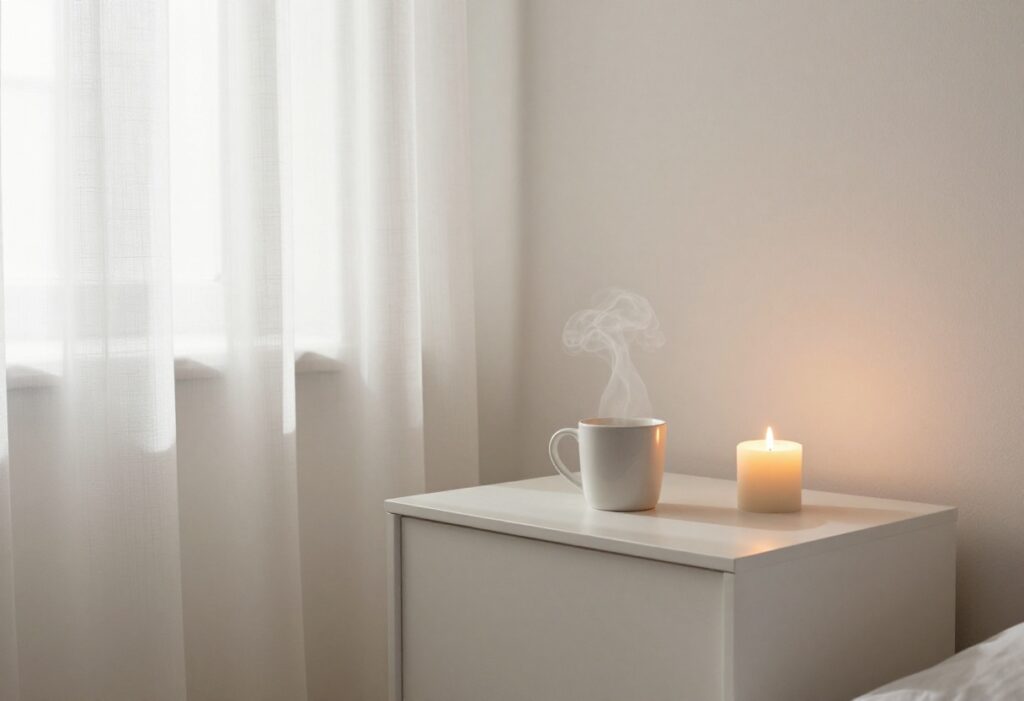
Your evenings don't have to be a blur of scrolling and stress. With a few intentional tweaks, you can turn them into a sanctuary for your mind and body.
These 23 self-care night routine tips are designed to help you unwind, let go of the day, and drift into restful sleep. From setting a digital curfew to sipping calming tea, each idea is simple yet powerful.
Pick the ones that feel right for you, and watch how small shifts can transform your nights.
1. Set a Firm Digital Curfew

Your phone is probably the biggest thief of quality sleep. Scrolling through social media or answering emails late into the night keeps your brain wired and alert. That blue glow tricks your body into thinking it's still daytime, making it harder to wind down.
Setting a digital curfew means turning off all screens at least 30 minutes before you plan to sleep. This gives your brain a chance to shift into relaxation mode. Use this time for analog activities that calm you instead.
Why Blue Light Matters
Blue light from screens suppresses melatonin, the hormone that regulates sleep. Even a short exposure can delay your body's natural sleep cycle. By cutting off screens early, you let melatonin rise naturally.
What To Do Instead
Fill that screen-free window with relaxing activities. Try reading a physical book, journaling, gentle stretching, or listening to a podcast. The goal is to engage your mind without overstimulating it.
Make It A Habit
Start by setting an alarm on your phone to remind you when it's time to unplug. Keep a book or journal next to your bed so you have something ready. Over time, this ritual will signal your brain that sleep is coming.
2. Dim the Lights Gradually
Light is a powerful cue for your internal clock. Bright, blue-rich light tells your brain it's still daytime, while warm, dim light signals that sleep is near. By gradually lowering the brightness in your home about an hour before bed, you help your body ease into rest mode naturally.
Start by switching off overhead lights and using lamps or dimmable fixtures instead. If you don't have dimmers, try swapping a few bulbs for lower-wattage or warm-toned ones. The goal is to create a cozy, cave-like atmosphere that feels calming and safe.
Why Gradual Dimming Works
Your brain's pineal gland produces melatonin, the sleep hormone, in response to darkness. When you suddenly plunge from bright light into pitch black, it can feel jarring. A slow fade gives your body time to adjust and ramp up melatonin production naturally.
Easy Ways To Dim Your Space
Use smart bulbs with a sunset mode that automatically warms and dims. Or simply turn off half the lights and rely on a single salt lamp or candle. Even closing curtains earlier can help lower overall light levels.
What About Screens?
Dimming your home lights won't help much if you're still staring at a bright phone or laptop. Pair this tip with a digital curfew—turn off screens at least 30 minutes before bed, or use a blue-light filter if you must.
3. Write a Brain Dump
Your mind can feel like a browser with fifty tabs open. A brain dump is simply writing down everything that's floating around in your head—worries, tasks, random ideas—without any filter. This practice clears mental clutter and helps quiet racing thoughts, making it easier to relax.
A brain dump is a simple but powerful tool. It gets all those nagging thoughts out of your head and onto paper, where they can't keep you up at night. You don't need to organize or prioritize—just let it flow.
This can be done in a journal, a notes app, or even on scrap paper. The key is to write until you feel a sense of release.
Why It Works
When you write down your thoughts, you're offloading them from your brain's working memory. This reduces the mental load and signals to your brain that it's okay to stop worrying. It's like closing those open tabs so your mind can rest.
How To Start
Set a timer for 5-10 minutes. Write continuously without judging or editing. If you get stuck, write "I don't know what to write" until something comes.
Don't worry about spelling or grammar. The goal is to empty your mind, not to create a masterpiece.
What To Include
Anything that's on your mind: tomorrow's to-do list, a conversation you're replaying, a worry about work, a random memory. Include feelings, ideas, and even things you're grateful for. The more you let out, the lighter you'll feel.
4. Sip a Calming Tea
There's something magical about wrapping your hands around a warm mug as the day winds down. A cup of herbal tea can be a simple yet powerful signal to your body that it's time to relax. Choose a caffeine-free blend like chamomile, lavender, or valerian root.
The warmth alone is soothing, but these herbs have natural properties that help calm your nervous system and prepare you for sleep. Make it a ritual. Boil the water, steep the tea for a few minutes, and sip slowly without distractions.
That quiet moment can become a cherished part of your evening.
Sipping a warm, caffeine-free tea is a gentle way to transition from the busyness of the day into a state of calm. Herbal teas like chamomile, lavender, and valerian root are known for their relaxing effects. The act of preparing and slowly drinking tea can be a mindful ritual that signals your body it's time to wind down.
Choose The Right Blend
Not all teas are created equal when it comes to relaxation. Look for blends that contain chamomile, lavender, passionflower, or valerian root. These herbs have been used for centuries to promote calmness and improve sleep quality.
Avoid anything with caffeine or stimulants like green or black tea.
Make It A Ritual
Turn tea time into a mindful practice. Boil fresh water, pour it over your tea bag or loose leaves, and let it steep for the recommended time. Use your favorite mug, maybe one that feels good in your hands.
Sit in a cozy spot, take slow sips, and focus on the warmth and aroma. This simple routine can become a comforting anchor in your night.
Add A Touch Of Honey Or Lemon
If you like a little sweetness, add a teaspoon of raw honey or a slice of lemon. Honey adds a subtle flavor and has natural soothing properties. Lemon gives a bright note that complements floral teas.
Just keep it simple—the goal is to relax, not overcomplicate.
5. Try Progressive Muscle Relaxation

Tension has a way of hiding in your body without you even realizing it. Progressive muscle relaxation (PMR) is a simple technique that helps you find and release that hidden stress, one muscle group at a time. It's like giving your body a gentle reset before bed.
Start by lying down in a comfortable position. Take a few deep breaths, then focus on your feet. Tense the muscles as tightly as you can for about five seconds, then suddenly release.
Notice the wave of relaxation that follows. Work your way up through your calves, thighs, abdomen, chest, hands, arms, shoulders, neck, and face. The whole process takes about 10 to 15 minutes.
Why It Works
The contrast between tension and relaxation helps your brain recognize what true relaxation feels like. It also shifts your focus away from racing thoughts and onto physical sensations, making it a form of moving meditation.
Tips For Beginners
Don't overthink it. You don't need to be perfect. If you miss a muscle group, that's okay.
Pair it with slow, deep breaths for extra calming effect. You can find guided PMR recordings online if you prefer someone to walk you through it.
When To Do It
Right after you get into bed or during a wind-down period before sleep. It's especially helpful after a stressful day or when you feel physically restless.
6. Take a Warm Bath or Shower
There's a reason a warm bath feels so good at the end of a long day. The heat helps your muscles relax, and the drop in body temperature when you step out signals your brain that it's time to sleep. It's a simple ritual that can turn your bathroom into a mini spa.
A warm bath or shower isn't just about getting clean—it's a powerful tool for winding down. The key is to make it intentional. Light a candle, set a timer for 15-20 minutes, and let the water work its magic.
Your body will thank you, and your mind will follow.
Add Epsom Salts For Muscle Relief
Epsom salts are rich in magnesium, which can ease sore muscles and reduce stress. Sprinkle a cup into your bath and let it dissolve. The warm water helps your skin absorb the minerals, leaving you feeling looser and more relaxed.
Use Essential Oils For Aromatherapy
Lavender, chamomile, and sandalwood are known for their calming properties. Add a few drops to your bath or a shower steamer. The scent lingers, helping your mind shift into relaxation mode.
Keep The Water Warm, Not Hot
Very hot water can strip your skin of natural oils and leave you feeling overheated. Aim for a temperature that's comfortably warm—around 37-39°C (98-102°F). This is ideal for promoting sleep without causing irritation.
7. Practice Gentle Yoga or Stretching
Your body holds onto stress just as much as your mind does. After a long day, your shoulders might be tight, your lower back achy, and your neck stiff. Gentle yoga or stretching helps release that physical tension and signals your nervous system that it's time to rest.
You don't need to be flexible or experienced. Simple, slow poses done on your bedroom floor can make a world of difference. The goal isn't to break a sweat but to unwind and reconnect with your body.
Why Slow Poses Work Best
Fast-paced yoga can energize you, which is the opposite of what you want before bed. Restorative poses like child's pose, legs-up-the-wall, or a gentle forward fold activate the parasympathetic nervous system, also known as the "rest and digest" mode. This lowers your heart rate and tells your brain it's safe to relax.
A Simple 5-minute Routine
Start seated, take a few deep breaths, then fold forward over your legs. Hold for 1 minute. Next, come to all fours and round your spine like a cat, then arch it like a cow—repeat slowly for 5 rounds.
Finish by lying on your back with your legs up the wall for 2 minutes. That's it.
Listen To Your Body
Never push into pain. Stretching should feel like a gentle release, not a struggle. If a pose doesn't feel right, skip it or try a variation.
The point is to feel better, not to achieve a perfect shape. Your body knows what it needs—trust it.
8. Listen to a Sleep Story or Podcast

Sometimes your brain just won't shut off, replaying the day's events or worrying about tomorrow. That's where a good sleep story or podcast comes in. By focusing on a gentle narrative, you give your mind something else to latch onto—something low-stakes and soothing, not thrilling or thought-provoking.
Choose audio that's designed to lull you to sleep, not keep you awake. Sleep stories often have soft voices, slow pacing, and calming sound effects. Guided meditations can also work well, walking you through relaxation techniques.
The key is to make it a ritual: put on your headphones, set a sleep timer, and let the story carry you away from overthinking.
Pick The Right Content
Look for podcasts or apps specifically made for sleep. Avoid anything with a gripping plot or intense emotions. Nature sounds, ambient music, or a calm narrator describing a peaceful scene are ideal.
Experiment to find what works for you—some people prefer a familiar story they've heard before.
Set A Sleep Timer
Most podcast apps have a sleep timer feature that stops playback after a set time. This prevents the audio from playing all night and disturbing your rest. Start with 15 or 30 minutes, and adjust as needed.
The goal is to drift off before the timer ends.
Make It A Consistent Habit
Listen to the same story or podcast each night to create a strong sleep cue. Your brain will start associating that voice and narrative with winding down. Over time, just pressing play can signal your body that it's time to relax.
9. Use Aromatherapy
Scents have a direct line to the brain's limbic system, which controls emotions and memory. That's why a whiff of lavender can instantly make you feel calmer. Aromatherapy is a simple, powerful way to signal your body that it's time to wind down.
Choose Your Scent
Lavender is the classic choice for relaxation, but cedarwood and bergamot are also excellent. Cedarwood has a warm, woody aroma that feels grounding, while bergamot is citrusy yet calming. Pick one that resonates with you.
How To Use It
A diffuser is the easiest method—just add a few drops of essential oil and let it run for 30 minutes before bed. You can also add a drop to your pillowcase or mix with a carrier oil for a soothing massage.
Safety Tips
Always dilute essential oils if applying to skin, and never ingest them. If you have pets, check which oils are safe—some, like tea tree, can be toxic to cats and dogs.
10. Read a Physical Book
There's something about the weight of a real book in your hands that no screen can replicate. When you curl up with a physical book, your brain gets a clear signal that it's time to slow down. Unlike digital reading, there are no notifications, no blue light, and no temptation to multitask.
Reading a physical book before bed is one of the simplest ways to ease your mind into relaxation. The tactile experience—turning pages, feeling the paper—helps ground you in the moment. Plus, it's a healthy alternative to scrolling through social media, which often leaves you feeling wired instead of winded.
Choose A Light Read
Opt for something enjoyable and not too heavy. A novel, a collection of short stories, or even a fun non-fiction book works well. Avoid intense thrillers or dense textbooks that might keep your brain actively problem-solving instead of winding down.
Set The Mood
Create a cozy reading nook with soft lighting—a warm lamp or a string of fairy lights works perfectly. Add a comfortable chair or pile of pillows, and maybe a cup of herbal tea. The goal is to make reading feel like a ritual, not a chore.
Limit Your Time
Aim for 15 to 30 minutes of reading. You don't need to finish a chapter or hit a certain page count. The point is to relax, not to race through a book.
When you feel your eyelids getting heavy, it's time to put the book down and let sleep take over.
11. Journal with Gratitude
When your mind is buzzing with worries, gratitude journaling can be a gentle reset. It's not about ignoring problems—it's about training your brain to notice the good. Writing down three things you're grateful for each night shifts your focus from what went wrong to what went right.
Over time, this simple habit can ease anxiety and help you feel more content.
Keep It Simple
You don't need a fancy journal or long entries. A small notebook by your bed works perfectly. Each night, jot down three things—big or small—that you appreciated today.
It could be a warm cup of tea, a kind text from a friend, or just the fact that you made it through the day. The key is consistency, not length.
Focus On Feelings
Instead of just listing events, try to capture how they made you feel. For example, instead of "I had a good lunch, " write "I felt peaceful eating lunch in the sun. " This deepens the emotional impact and helps your brain associate gratitude with positive emotions.
Over time, you'll naturally start scanning your day for these moments.
Make It A Ritual
Pair your gratitude practice with another night routine step, like sipping herbal tea or after brushing your teeth. This creates a cue that makes the habit stick. Keep your journal in the same spot every night, and soon you'll find yourself reaching for it automatically.
It's a small time investment with big returns for your mental well-being.
12. Do a Quick Tidy-Up

Your environment shapes your mood more than you realize. A cluttered room can keep your brain in a state of low-level alertness, making it harder to relax. Spending just five minutes tidying up before bed signals to your mind that it's time to wind down.
A quick tidy-up doesn't mean deep cleaning. It's about clearing surfaces, putting things back in their place, and removing visual chaos. This small effort reduces visual stress and creates a peaceful atmosphere for sleep.
Clear Your Surfaces
Focus on nightstands, desks, or dressers. Put away loose items like books, glasses, or chargers. A clear surface instantly makes the room feel calmer.
Fluff And Straighten
Fluff your pillows, straighten your duvet, and fold any blankets. This simple act makes your bed look inviting and signals that it's time to rest.
Put Away Clutter
Hang up clothes, toss trash, and return items to their designated spots. Even five minutes of this can transform your space and your mental state.
13. Apply a Face Mask or Skincare Ritual
Skincare can be more than just a chore—it can be a soothing ritual that signals your body it's time to wind down. The repetitive motions of cleansing, toning, and moisturizing, paired with the sensory experience of textures and scents, create a mindful moment that anchors you in the present.
Turn your nightly skincare routine into a deliberate act of self-care. Instead of rushing through it, slow down and pay attention to each step. Notice how the water feels, how the product smells, and how your skin responds.
This simple shift can transform a mundane task into a grounding practice that helps release the day's tension.
Choose A Mask That Matches Your Mood
Clay masks for deep cleansing, sheet masks for hydration, or gel masks for soothing—pick one that feels like a treat. While it's on, lie back, close your eyes, and focus on your breath. The waiting time becomes a mini meditation.
Add Massage To Your Routine
Use your fingertips or a gua sha tool to gently massage your face in upward strokes. This boosts circulation, relaxes facial muscles, and feels incredibly calming. Pair it with a few drops of facial oil for extra slip.
Set The Scene With Soft Lighting
Dim the lights or light a candle while you do your skincare. The warm glow makes the experience feel more like a spa ritual and less like a task. It also helps cue your brain that the day is over.
14. Practice Deep Breathing
Breathing is something you do all day without thinking, but when you do it with intention, it becomes a powerful tool for relaxation. Deep breathing techniques can shift your body from fight-or-flight mode to rest-and-digest mode, helping you release tension and prepare for sleep.
Try The 4-7-8 Method
This technique, popularized by Dr. Andrew Weil, is simple yet effective. Inhale quietly through your nose for 4 seconds, hold your breath for 7 seconds, and exhale completely through your mouth for 8 seconds.
Repeat this cycle three to four times. The extended exhale activates your parasympathetic nervous system, which calms your heart rate and relaxes your muscles.
Why It Works
The 4-7-8 pattern encourages a longer exhale, which triggers the vagus nerve—a key player in the relaxation response. This helps lower cortisol levels and reduce anxiety. It's a quick reset you can do anywhere, even in bed.
Make It A Habit
Incorporate this breathing exercise into your nightly wind-down routine. Pair it with dim lighting or calming music to enhance the effect. Over time, your body will associate the practice with sleep, making it easier to transition into rest.
15. Listen to Calming Music or Nature Sounds
Sound has a direct line to your nervous system. The right audio can slow your heart rate, lower cortisol, and shift your brain into a restful state. Instead of reaching for your phone or TV, try letting music or nature sounds guide you into relaxation.
Creating a calming audio ritual is simple. Build a playlist of instrumental tracks, ambient music, or nature recordings like rain, ocean waves, or forest sounds. Let the audio wash over you as you unwind—no lyrics, no distractions.
This can be your cue that the day is done and it's time to rest.
Pick The Right Sounds
Not all music is created equal for relaxation. Look for slow tempos (60–80 BPM), minimal instrumentation, and no sudden changes. Nature sounds like gentle rain or a babbling brook can be especially effective.
Experiment to find what calms you most.
Create A Dedicated Playlist
Curate a go-to playlist specifically for your night routine. Keep it around 30–60 minutes long. Streaming services have pre-made sleep and relaxation playlists, but making your own adds a personal touch.
Use the same playlist each night to build a strong sleep association.
Set The Volume Just Right
Volume matters. Keep it low enough to be background—just audible without demanding attention. You want the sound to be a gentle presence, not a focal point.
A timer can help it fade out after you've drifted off.
16. Use a Weighted Blanket

There's a reason weighted blankets have become a go-to for better sleep. The gentle, even pressure they provide can calm your nervous system and help you feel grounded.
Think of it as a comforting hug that signals your body to relax. The weight stimulates the production of serotonin and melatonin, the hormones that regulate mood and sleep. Many people find that using a weighted blanket reduces nighttime tossing and turning, leading to deeper, more restorative rest.
Choosing The Right Weight
A good rule of thumb is to pick a blanket that's about 10 percent of your body weight. For most adults, that means 15 to 20 pounds. If you're between sizes, go lighter rather than heavier to avoid feeling trapped.
When To Use It
Use it during the last hour before bed while reading or meditating. You can also keep it on all night, but some people prefer to start with it and switch to a lighter blanket once they're asleep.
Caring For Your Blanket
Most weighted blankets come with a removable cover that's machine washable. The inner blanket usually needs spot cleaning or professional laundering. Always check the care label to keep it in good shape.
17. Visualize a Peaceful Scene
Your mind can be your own escape room. When you close your eyes and paint a calming picture, you trick your brain into relaxing. This simple visualization technique can lower stress and prepare you for deep sleep.
Visualization is like a mini vacation for your brain. By imagining a serene setting, you shift focus away from daily worries and activate your parasympathetic nervous system. It's a powerful way to unwind without moving a muscle.
Choose Your Happy Place
Pick a scene that genuinely calms you. It could be a quiet beach at sunset, a sun-dappled forest path, or a cozy cabin with a crackling fire. The more personal, the better.
Engage All Five Senses
Don't just see the image—hear the waves, smell the pine, feel the warm sand or soft blanket. Taste the salt in the air or the hot cocoa. This sensory immersion makes the scene feel real.
Add Movement And Detail
Imagine yourself walking along the shore, noticing seashells and seagulls. Or picture the leaves rustling in the breeze. Small details keep your mind occupied and deepen relaxation.
18. Write a Tomorrow To-Do List
Your brain loves to rehearse tomorrow's tasks while you're trying to sleep. That mental checklist keeps you wired and restless. The fix is simple: write it down before you hit the pillow.
Jotting down just 3-5 key tasks for the next day offloads that mental burden. It's a small act that tells your brain, “I've got this covered, now rest. ” Keep it short and achievable—this isn't about planning your whole week, just the essentials.
Keep It Short
Limit your list to 3-5 items. Any more can feel overwhelming and defeat the purpose. Choose the most important tasks that will move the needle tomorrow.
Be Specific
Instead of “work on project, ” write “draft outline for project. ” Specific tasks are easier to start and less likely to trigger anxiety. Your brain can relax knowing exactly what's next.
Use Pen And Paper
Typing on a phone can backfire—you might end up checking emails or scrolling. A physical notebook or a sticky note by your bed keeps it simple and screen-free.
19. Stretch Your Neck and Shoulders

After a long day, your neck and shoulders are probably carrying more tension than you realize. Hours of hunching over screens or stressing about deadlines leave these muscles tight and knotted. A few simple stretches can release that built-up stress and signal your body that it's time to relax.
Neck rolls and shoulder shrugs are easy to do right in bed or on the couch. They don't require any equipment, and they take just a couple of minutes. The goal is to gently loosen up so you can physically let go of the day.
Neck Rolls
Sit up straight, then slowly drop your right ear toward your right shoulder. Hold for a few breaths, then roll your chin down toward your chest and over to the left side. Repeat in both directions, moving slowly and breathing deeply.
Shoulder Shrugs
Lift both shoulders up toward your ears as high as you can, hold for a second, then drop them down completely. Repeat this ten times, feeling the release each time you let go. You can also roll your shoulders forward and backward in circles.
Gentle Side Stretch
Reach your right arm overhead and lean to the left, feeling a stretch along your right side. Hold for a few breaths, then switch sides. This helps release tension that travels from your shoulders down your sides.
20. Drink a Glass of Warm Milk or Tart Cherry Juice
Sometimes the simplest remedies are the most effective. A warm glass of milk or a small cup of tart cherry juice can be a soothing part of your night routine. Both have natural compounds that help your body prepare for sleep.
Why Warm Milk Works
Warm milk contains tryptophan, an amino acid that your body uses to produce serotonin and melatonin. Sipping it about 30 minutes before bed can help you feel calm and drowsy. The warmth itself is also comforting, signaling to your brain that it's time to wind down.
The Power Of Tart Cherry Juice
Tart cherry juice is one of the few natural food sources of melatonin. Studies suggest that drinking it regularly can improve sleep quality and duration. A small glass (about 8 ounces) an hour before bed is enough to get the benefits without overloading on sugar.
Tips For Best Results
For warm milk, try adding a pinch of cinnamon or nutmeg for extra flavor. With tart cherry juice, look for unsweetened varieties to avoid extra sugar. Make it a ritual: heat the milk or pour the juice, sit in a quiet spot, and sip slowly while you relax.
21. Do a Body Scan Meditation
If your mind is racing when you hit the pillow, try shifting your focus inward. A body scan meditation is a simple way to release physical tension and quiet mental chatter. You don't need any special equipment—just a quiet space and a few minutes of your time.
How To Start
Lie down comfortably in bed, close your eyes, and take a few deep breaths. Begin by bringing your attention to the top of your head. Slowly move your focus downward—your forehead, eyes, jaw, neck, shoulders, and so on—all the way to your toes.
Spend a few breaths on each area, noticing any sensations without judgment.
What To Look For
As you scan, you might notice tightness in your shoulders, a clenched jaw, or a furrowed brow. Simply acknowledge the tension and imagine it melting away with each exhale. The goal isn't to change anything, just to become aware.
This awareness alone often triggers a relaxation response.
Make It A Habit
A body scan works best when you do it regularly. Try it for five minutes each night, gradually increasing to ten or fifteen. You can use a guided meditation app or just follow your own mental map.
Over time, you'll find it easier to let go of the day's stress and drift into sleep.
22. Keep a Consistent Sleep Schedule
Your body craves routine, especially when it comes to sleep. Going to bed and waking up at the same time every day helps regulate your internal clock, making it easier to fall asleep and wake up naturally. Even on weekends, sticking to your schedule prevents that dreaded Sunday night insomnia.
Consistency is key for quality rest. When you keep a regular sleep-wake cycle, your body learns when to release melatonin and when to ramp up cortisol for waking. This reduces the time it takes to fall asleep and improves overall sleep depth.
Over time, you'll likely find yourself feeling more refreshed and alert during the day.
Set A Fixed Bedtime And Wake Time
Choose a bedtime that allows for 7-9 hours of sleep and stick to it every night, including weekends. Use an alarm to remind you when to start winding down, and set a separate alarm for waking up. Consistency trains your circadian rhythm, making mornings easier and nights more restful.
Adjust Gradually If Needed
If your current schedule is far off from your goal, shift your bedtime and wake time by 15-30 minutes every few days. This gradual change helps your body adapt without feeling jarred. Patience pays off as your internal clock syncs with your new routine.
Create A Pre-bed Routine To Signal Sleep
Pair your consistent schedule with a relaxing pre-bed ritual, like reading or gentle stretching. This cues your body that sleep is coming, making it easier to transition. Over time, your brain will associate these activities with winding down, reinforcing the schedule.
23. Create a Bedtime Playlist

Music has a direct line to your emotions and nervous system. The right songs can signal your brain that it's time to slow down and relax. Curating a short playlist for your wind-down ritual is like creating a sonic cue for sleep.
Choose 3 to 5 songs that make you feel calm, safe, or nostalgic in a good way. Instrumental tracks, lo-fi beats, or acoustic covers work well. Keep the playlist short so it becomes a consistent part of your routine, not something you skip because it's too long.
Pick Your Vibe
Think about what sounds help you unwind. Maybe it's piano melodies, nature sounds, or soft vocals. Create a playlist that feels like a warm hug.
Avoid songs with strong emotional memories or upbeat tempos.
Keep It Short
Aim for 10 to 15 minutes of music. That's enough time to brush your teeth, put on pajamas, and settle into bed. When the playlist ends, it's a gentle reminder that it's time to sleep.
Make It A Ritual
Press play at the same point in your routine each night. Over time, your brain will associate those first notes with relaxation and sleep. It's a simple but powerful anchor for your wind-down.
FAQ
How long should a self-care night routine be?
It can be as short as 15 minutes or as long as 2 hours. The key is consistency, not duration. Start with a few small steps and build from there.
What if I can't fall asleep after my routine?
Don't force it. Get up and do something quiet like reading or listening to soft music until you feel sleepy. Avoid screens and bright lights.
Can I do these tips with a partner?
Absolutely. Many activities like stretching, tea, or listening to music can be shared. Just make sure you both agree on the wind-down time.
What's the most important tip for beginners?
Start with a digital curfew. Turning off screens 30 minutes before bed has the biggest impact on sleep quality and relaxation.
Should I do all 23 tips every night?
No, that would be overwhelming. Pick 3-5 that resonate with you and rotate them. The goal is to create a sustainable, enjoyable routine.
Conclusion
A calm mind isn't built overnight, but these 23 tips give you a solid starting point. Pick just two or three that feel right for you tonight—maybe it's a warm bath, some gentle stretching, or simply turning off your phone an hour earlier. Small, consistent actions create lasting peace.
You don't need to do everything at once; just start where you are and let the relaxation grow naturally. Your wind-down routine will soon become the best part of your evening.