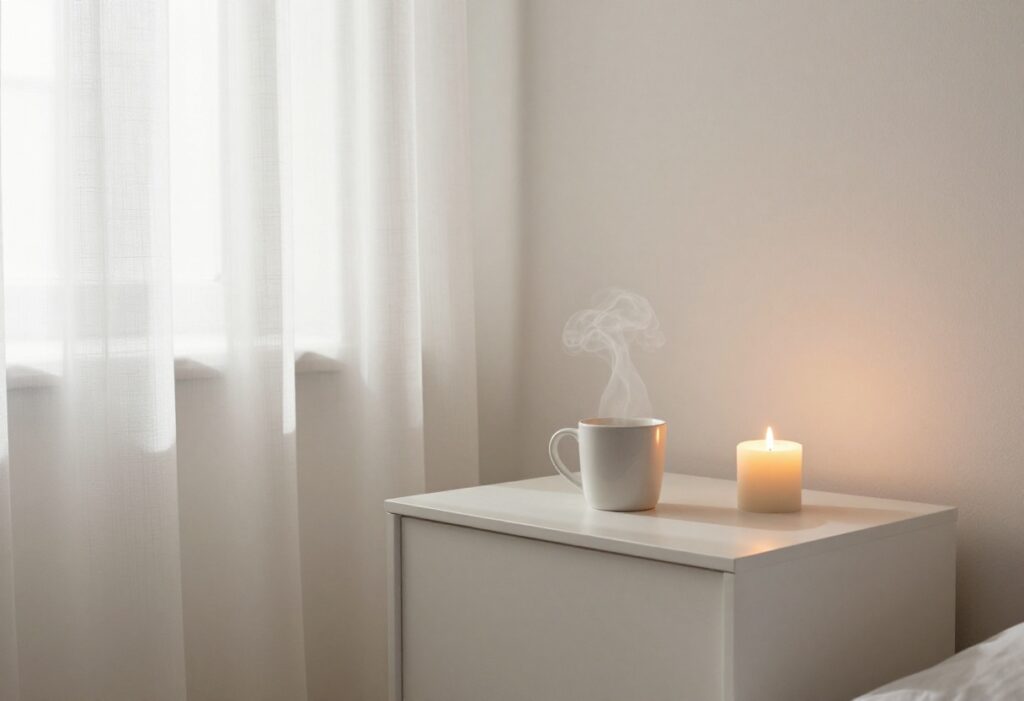
Your mind feels like a browser with thirty tabs open—and none of them are playing music. That mental clutter doesn't vanish on its own; you need small, intentional steps to quiet the noise.
Self-care for a calm mind isn't about bubble baths or pricey retreats. It's about building micro-habits that signal your nervous system to slow down.
These 20 checklist steps are designed to fit into your real day, not require a whole new schedule. Pick one, try it, and notice how even a single shift can soften the edge.
1. Start Your Morning Without Your Phone

That first reach for your phone sets the tone for the whole day. Scrolling notifications, emails, and news before your feet hit the floor floods your brain with stress hormones and other people's demands. You deserve a gentler start.
Giving yourself the first 10 minutes of the day phone-free prevents information overload and sets a calm tone. It's a small boundary that protects your mental space before the world rushes in.
Why It Works
Your brain's transition from sleep to wakefulness is delicate. Jumping straight into a screen activates your fight-or-flight response, raising cortisol levels. A phone-free buffer allows your nervous system to ease into the day naturally, reducing anxiety and improving focus.
How To Make It Stick
Charge your phone outside the bedroom or use a traditional alarm clock. Place a book or journal on your nightstand instead. When you wake, take a few deep breaths, stretch, or simply sit quietly.
The goal isn't to fill the time—it's to let your mind arrive before you engage with the digital world.
What To Do Instead
Use those first minutes to drink a glass of water, open a window for fresh air, or write down one thing you're grateful for. These small rituals signal safety to your brain and create a ripple effect of calm throughout your morning.
2. Drink a Full Glass of Water
Your brain is about 75% water, so even mild dehydration can mess with your mood and concentration. Before you reach for coffee or tea, drink a full glass of water first. It's a simple reset that helps you start the day more clear-headed.
Why Water First Matters
Overnight, your body loses fluids through breathing and sweat. That morning fog you feel? Often it's just thirst.
Drinking water before anything else rehydrates your brain and body, making it easier to focus and feel less irritable.
How Much Is Enough?
A standard glass (8–12 ounces) is plenty. You don't need to chug a gallon—just enough to take the edge off. Keep a glass by your bed or on the bathroom counter so you see it first thing.
Make It A Ritual
Pair your water with a deep breath or a moment of stillness. Let it be a mindful pause before the day's rush. Over time, this small act becomes a signal to your brain that you're taking care of yourself.
3. Write Down One Thing You're Grateful For
Gratitude is like a reset button for your brain. When you're stuck in a loop of worry or frustration, naming one good thing—no matter how small—shifts your focus away from stress. It's not about ignoring problems; it's about giving your mind a break from them.
The best part? It takes ten seconds. You don't need a fancy journal or a long list.
One sentence is enough to remind your brain that not everything is going wrong.
Why One Sentence Works
Your brain has a negativity bias—it naturally zeroes in on threats and problems. Gratitude forces it to scan for positives instead. Just writing one sentence trains your mind to notice good moments throughout the day.
Over time, this rewires your default thinking pattern.
How To Pick Your One Thing
It doesn't have to be deep or life-changing. The warm coffee this morning. A text from a friend.
The way sunlight hit your desk. The key is specificity: instead of "I'm grateful for my family, " try "I'm grateful that my sister called to check on me. " Specific moments feel more real.
When To Do It
First thing in the morning sets a calm tone for the day. Right before bed helps you end on a positive note. Or do it during a stressful moment—pause, breathe, and write one thing you're grateful for right now.
It's a quick way to interrupt the stress cycle.
4. Take Three Deep Breaths Before Reacting

Emotions can hijack your brain in seconds. That surge of anger or anxiety feels urgent, but it's actually a signal to pause. Three deep breaths create a tiny window between the trigger and your response, giving your rational mind time to catch up.
This isn't about suppressing feelings. It's about choosing how you respond instead of reacting on autopilot. Practice this in low-stakes moments first—like when someone cuts you off in traffic—so it becomes second nature when it really matters.
Why Three Breaths Work
Deep breathing activates your vagus nerve, which tells your nervous system to shift from fight-or-flight to rest-and-digest. It literally lowers your heart rate and cortisol levels. Three breaths take about 15 seconds—short enough to do anywhere, long enough to reset.
How To Practice The Pause
Inhale slowly through your nose for four counts, hold for four, exhale through your mouth for six. Focus on the sensation of air moving. Do this three times before speaking, typing, or deciding.
The physical act interrupts the emotional loop.
Real-life Scenarios
Use it before replying to a tense email, during a heated conversation, or when you feel overwhelmed by a task. Over time, you'll notice you react less and respond more. It's a small habit with a big payoff for your mental clarity.
5. Move Your Body for 10 Minutes
Sitting still when your mind is racing can backfire. Sometimes the fastest way to calm down is to move—just a little. Gentle motion shakes off the day's tension and gives your brain a reset.
You don't need a gym or a workout plan; ten minutes of easy movement can be enough to drop your stress levels and bring your focus back.
A short burst of physical activity releases endorphins and breaks the cycle of anxious thoughts. The key is to keep it low-pressure and enjoyable. Choose something that feels good in the moment, not another chore.
Stretch Out The Knots
Start with a few simple stretches. Reach your arms overhead, roll your shoulders, and gently twist your torso. Hold each stretch for about 20 seconds.
This releases physical tension that often goes unnoticed until you stop to feel it.
Walk It Off
A short walk around the block or even just pacing your living room can work wonders. Focus on the rhythm of your steps and your breath. Notice the ground under your feet.
It's a mini reset that costs nothing.
Dance Like No One's Watching
Put on a song you love and move however your body wants. No choreography required. Dancing for a few minutes can shift your mood instantly and shake off mental fog.
6. Set One Intention for the Day
Every morning, your brain faces dozens of micro-decisions—what to eat, what to wear, what to tackle first. That constant choosing drains mental energy before you even start. Setting one clear intention cuts through the noise and gives your day a gentle anchor.
Choosing a single focus word or goal each morning keeps you grounded and reduces decision fatigue. It doesn't have to be grand—just something that matters today.
Pick A Word, Not A List
Instead of a long to-do list, choose one word to guide your day—like 'patience, ' 'progress, ' or 'calm. ' Write it on a sticky note or set it as your phone wallpaper. Let it filter your choices.
Keep It Realistic
Your intention should be something you can actually act on today. 'Finish that project' might be too vague or big. Try 'write for 15 minutes' or 'respond to three emails. ' Small wins build momentum.
Revisit It At The End Of The Day
Before bed, take a moment to reflect on your intention. Did it help you stay focused? Did you stray?
No judgment—just notice. This simple check-in reinforces the habit and helps you refine tomorrow's intention.
7. Eat a Meal Without Screens

When was the last time you ate a meal without scrolling, watching, or reading something? If you're like most people, probably never. Eating with screens trains your brain to ignore fullness signals and rush through meals, which leaves you unsatisfied and still mentally wired.
Mindful eating helps you enjoy your food and notice fullness cues. It also gives your brain a break. Here's how to make it work.
Why Screens Sabotage Calm
When you eat while watching something, your brain splits focus. You miss the taste, texture, and smell of your food. More importantly, you miss your body's signals that you're full.
This often leads to overeating and a lingering sense of mental noise.
How To Start A Screen-free Meal
Pick one meal a day—breakfast or lunch works well—and commit to no phone, TV, or laptop. Sit at a table if you can. Focus on the colors, smells, and flavors.
Chew slowly. Put your fork down between bites. Even five minutes of this resets your attention.
What To Do Instead
If you feel weird eating alone in silence, try soft background music or eat with a real person. You can also practice gratitude by naming one thing you appreciate about the meal. The goal is presence, not perfection.
8. Step Outside for Fresh Air
Sometimes the fastest way to calm your mind is to change your scenery. Stepping outside—even for just five minutes—can lower cortisol and shift your perspective. Sunlight and nature are natural mood boosters that don't cost a thing.
Fresh air works fast. A short walk or just standing in the sun can reset your nervous system. No need for a long hike; your backyard or a nearby bench works fine.
Why It Works
Natural light helps regulate your circadian rhythm, and exposure to green spaces reduces stress hormones. Even a brief moment outdoors can improve focus and mood.
Quick Ways To Do It
Step onto your porch for two minutes. Sit by an open window. Walk around the block once.
No phone, just breathe.
Make It A Habit
Tie it to something you already do—like after lunch or before starting work. Consistency matters more than duration.
9. Declutter One Small Area
A tidy space supports a tidy mind. You don't need to clean the whole house—just pick one drawer, counter, or corner and clear it. This small win creates a visual cue that your environment is under control, which helps your brain relax.
When your surroundings are cluttered, your brain has to process extra visual information, which can add to mental fatigue. By decluttering just one small area, you give your mind a break and create a sense of order. It's a simple, low-effort task that can have an outsized impact on your mood.
Start With A Single Surface
Choose a countertop, desk corner, or nightstand. Remove everything that doesn't belong there—old receipts, empty cups, random knickknacks. Wipe it down and put back only what you actually use or love.
Tackle A Drawer Or Shelf
Open a junk drawer or a messy shelf. Take everything out, sort into keep, donate, or toss piles. Return only the keep items in an organized way.
This takes 10–15 minutes and leaves you with a satisfying sense of accomplishment.
Create A Visual Reset
After decluttering, step back and look at the cleared space. Notice how it feels—lighter, calmer. This visual reset can lower stress and help you focus better on the rest of your day.
10. Listen to a Calming Playlist
Music has a direct line to your nervous system. A fast beat can rev you up, while slow tempos—around 60 to 80 BPM—can coax your brain into a more relaxed state. The right playlist acts like a gentle reset button when stress starts to build.
You don't need to curate a perfect library overnight. Start with a few songs that make you feel grounded, and build from there. The goal is to have a go-to set of tracks you can reach for when your mind needs a break.
A calming playlist is a simple tool that works almost instantly. When you feel tension rising, putting on familiar, slow music can lower your heart rate and shift your focus. It's a portable, zero-effort self-care step you can use anywhere.
Choose The Right Tempo
Look for songs with a tempo between 60 and 80 beats per minute. This range syncs with your resting heart rate and can encourage your body to slow down. Instrumental tracks or ambient music work well because lyrics can sometimes distract.
Build Your Go-to List
Start with 5 to 10 songs that reliably calm you. Add nature sounds, classical pieces, or lo-fi beats if that helps. Keep this playlist separate from your workout or commute playlists so your brain associates it with relaxation.
Use It Intentionally
Don't just press play and forget. Close your eyes for a few minutes, take deep breaths, and let the music guide your attention. Even one song can be enough to reset your mood.
11. Say No to One Non-Essential Request

Every "yes" you give away is a piece of your energy that you don't get back. That's why learning to say no is one of the most powerful self-care tools you have. It's not about being rude—it's about protecting your mental space so you can show up fully for what matters.
Saying no can feel uncomfortable at first, but it gets easier with practice. Start small: decline one request today that doesn't align with your priorities. Notice how freeing it feels to choose your own peace over obligation.
Why Boundaries Are Self-care
When you say yes to something you don't want to do, you're saying no to your own well-being. Boundaries aren't walls; they're filters that keep your energy safe. Each time you set a boundary, you're telling yourself that your calm matters.
How To Say No Gracefully
You don't need a long excuse. A simple "I can't commit to that right now" or "That doesn't work for me" is enough. Keep it brief and polite.
Most people will respect your honesty, and you'll feel lighter for honoring your limits.
Start With One Small No
Pick a low-stakes request today—maybe an invitation to a meeting you don't need to attend or a favor that drains you. Practice saying no. Each small refusal builds your boundary muscle, making it easier to protect your peace when bigger requests come.
12. Do a Quick Body Scan
Your body holds onto stress even when your mind tries to ignore it. A quick body scan helps you notice where you're clenching and let go. It takes just 60 seconds and can shift your whole mood.
Close your eyes and bring your attention to your feet. Slowly move your focus up through your legs, torso, arms, neck, and face. At each spot, notice any tension and consciously relax that area.
Pay extra attention to your jaw, shoulders, and hands—common tension hotspots. Even one pass can release built-up tightness and signal your nervous system to calm down.
Start At Your Feet
Begin by noticing the sensations in your feet. Are they cold, warm, or tingling? Wiggle your toes and feel the ground beneath you.
This grounds you in the present moment.
Scan Your Jaw And Shoulders
Most people hold stress in their jaw and shoulders without realizing it. Clench your jaw tight for a second, then release. Roll your shoulders back and down.
Notice the difference between tension and relaxation.
Finish With Your Hands
Make fists and squeeze for a few seconds, then slowly open your fingers. Shake out your hands gently. This releases leftover tension and completes the scan.
13. Write Down Three Wins from Today
Your brain has a negativity bias—it clings to the one awkward conversation while forgetting the three kind gestures you made. That's why ending your day by naming three wins is a powerful reset. They don't have to be big: finishing a task, speaking up in a meeting, or even just drinking enough water counts.
This tiny habit retrains your mind to notice what went right, which directly calms the inner critic.
Why Small Wins Matter
Big achievements are rare, but small wins happen every day. When you deliberately acknowledge them, you build a reservoir of evidence that you are capable and effective. Over time, this shifts your baseline from 'what's wrong' to 'what's working, ' which is a cornerstone of mental calm.
How To Make It Stick
Keep a notebook by your bed or use a notes app. Set a daily reminder for the same time each evening. If you're stuck, ask yourself: Did I learn something?
Did I help someone? Did I show up for myself? Three bullet points is enough—no need to write paragraphs.
What If Today Was Rough?
On hard days, your win might be 'I got out of bed' or 'I didn't snap at anyone. ' That still counts. The point isn't to pretend everything is fine; it's to find one sliver of light, even in the dark. This practice builds resilience, not denial.
14. Unplug from Social Media for an Hour

Scrolling through perfectly curated feeds can leave you feeling drained and inadequate. That constant comparison loop is a fast track to anxiety. A deliberate one-hour break gives your brain room to breathe and resets your perspective.
Why One Hour Works
Even a short break breaks the dopamine cycle that keeps you refreshing. Without the noise of other people's highlights, you reconnect with your own reality. That hour becomes a mental palate cleanser.
What To Do Instead
Don't just stare at the wall—pick a low-stimulus activity. Stretch, brew tea, or flip through a magazine. The goal is to fill the gap with something that feels grounding, not numbing.
Make It A Ritual
Set a timer and place your phone in another room. Treat this hour like a non-negotiable appointment. After a few days, you'll notice how much lighter your mind feels.
15. Stretch Your Neck and Shoulders
When stress piles up, your shoulders creep toward your ears and your neck stiffens into a knot. That tension isn't just uncomfortable—it signals your brain to stay on high alert. Releasing that physical grip can flip a switch in your nervous system.
A few simple stretches help your body remember it's safe to relax, making it easier for your mind to follow.
The Ear-to-shoulder Release
Sit up tall and gently drop your right ear toward your right shoulder. Hold for 20 seconds, breathing slowly. Feel the left side of your neck open.
Switch sides. That's it—no force needed.
Shoulder Rolls, The Reset Button
Roll your shoulders up, back, and down in a slow circle five times. Then reverse. This simple motion loosens the trapezius muscles and improves blood flow, which can ease a tight jaw and a foggy head.
The Doorway Chest Opener
Stand in a doorway with your forearms on the frame at shoulder height. Gently lean forward until you feel a stretch across your chest and front shoulders. Hold 30 seconds.
This counteracts the forward-hunch posture that stress creates.
16. Light a Candle or Use Essential Oils
Scents have a direct line to the brain's emotional center, which is why a familiar smell can instantly shift your mood. Lavender, chamomile, and sandalwood are known for their calming properties, while eucalyptus and peppermint can help clear mental fog. Using scent as a cue for relaxation trains your brain to switch into wind-down mode faster.
Choose a high-quality candle or essential oil diffuser and make it part of your evening routine. Light the candle or start the diffuser about 30 minutes before you plan to sleep. This simple act signals to your body that the day is winding down, helping you transition from busy mode to rest mode.
Best Scents For Calm
Lavender is the most researched scent for relaxation, proven to lower heart rate and blood pressure. Chamomile has a gentle, apple-like aroma that eases anxiety. For a grounding effect, try cedarwood or frankincense.
If you need focus with calm, bergamot or ylang-ylang work well.
How To Use Them Safely
Always place candles on a stable surface away from curtains or drafts. Trim the wick to ¼ inch before each use. For essential oils, use a diffuser with intermittent settings to avoid overwhelming the space.
Never apply undiluted oils directly to skin.
Pair Scent With A Ritual
Combine your chosen scent with a consistent activity, like reading or journaling. Over time, the smell alone will trigger a relaxation response. Keep the same scent for at least a week to strengthen the association.
17. Read a Few Pages of a Fun Book

Reading for pleasure is one of the simplest ways to quiet a busy mind. When you dive into a good story, your brain shifts focus from worries to the narrative, giving your thoughts a much-needed break. It's a gentle escape that doesn't require a lot of time or effort.
Keep a light, enjoyable book on your nightstand or in your bag. It doesn't have to be a literary masterpiece—a fun mystery, a humorous memoir, or a cozy romance works perfectly. The goal is to make reading feel like a treat, not a chore.
Even ten minutes can help you unwind and reset.
Why It Works
Reading engages your imagination and pulls you into another world, which naturally reduces mental chatter. It's a form of active relaxation that lowers cortisol levels and improves focus. Plus, it's a screen-free activity that helps you wind down before bed.
How To Make It A Habit
Set a small, achievable goal—like reading two pages before sleep or during your morning coffee. Keep the book somewhere visible as a reminder. If you're not in the mood, switch to a different genre or a short story collection.
The key is consistency over quantity.
What To Read
Choose something that feels like a treat, not homework. Think fast-paced plots, witty dialogue, or heartwarming stories. Avoid dense or heavy topics that might add stress.
Try a book by an author you already love, or ask a friend for a light recommendation.
18. Practice a Five-Minute Meditation
Meditation doesn't have to mean sitting cross-legged for an hour. In fact, five minutes is plenty to reset your mental state. The key is consistency, not duration.
Short meditations remove the biggest barrier: time. When you know it's only five minutes, you're more likely to actually do it. And those five minutes can lower your heart rate, ease anxiety, and bring your focus back to the present.
Think of it as a mental palate cleanser. You don't need a special cushion or a silent room—just a few minutes of intentional breathing.
Focus On Your Breath
Sit comfortably and close your eyes. Breathe in slowly for four counts, hold for four, then exhale for six. This pattern activates your parasympathetic nervous system, telling your body it's safe.
If your mind wanders—and it will—gently bring your attention back to the breath. No judgment, just return.
Use A Guided App
Apps like Calm, Headspace, or Insight Timer offer five-minute guided meditations. A soothing voice can help you stay on track, especially when you're new. Pick one session and repeat it daily for a week.
The familiarity helps your brain settle faster.
Make It A Habit
Anchor your meditation to an existing routine, like right after brushing your teeth or before your morning coffee. The more you pair it with a daily trigger, the more automatic it becomes. Even on busy days, five minutes is a small investment for a calmer mind.
19. Write Down What's Worrying You
Worries have a way of looping in your head, growing bigger each time they circle back. Putting them on paper breaks that cycle. It also gives you a chance to look at them from a distance, which often reveals solutions you couldn't see before.
Grab a notebook or any scrap of paper and write down whatever is bothering you. Don't worry about grammar or making it sound good. Just let it flow.
Once it's out, you might notice the worry feels smaller. You can even ask yourself: "Is this something I can act on? " If yes, write one small step.
If no, let the paper hold it for now.
Why It Works
Your brain treats a written worry as a completed task. It stops sending alarm signals because the problem is now external. This frees up mental energy for clearer thinking.
Try A Worry Log
Set aside five minutes each evening to jot down your top three concerns. Over time, you'll spot patterns and see which worries actually matter. It's like decluttering your mind on a regular schedule.
20. End the Day with a Gratitude Recap

Your brain has a natural negativity bias—it holds onto frustrations longer than joys. Before sleep, flip that script by replaying one good moment from your day. It doesn't have to be dramatic; a warm cup of coffee or a kind text counts.
This tiny ritual trains your mind to scan for positives, making calmness more automatic over time. It's a gentle way to close the day on a peaceful note.
A gratitude recap takes less than a minute but rewires your brain for positivity. By consistently noting one good thing, you build a mental habit that counteracts stress and promotes restful sleep.
Why It Works
Gratitude shifts focus from what went wrong to what went right. Neuroscientists have found that regular gratitude practice increases dopamine and serotonin, the brain's feel-good chemicals. Over time, it literally strengthens neural pathways that make calmness your default state.
How To Make It Stick
Keep it simple. Right before turning off the light, ask yourself: "What's one moment today that felt good? " Say it aloud, write it in a notebook, or just hold it in your mind.
The key is consistency—even on rough days, there's usually a small win to find.
When You're Too Tired
Some nights your brain is fried. That's fine—just think of one sensory pleasure: the taste of dinner, the softness of your pillow, the sound of rain. The act of recalling any positive sensation still counts.
No pressure, no judgment.
FAQ
How often should I use this self-care checklist?
You can use it daily or whenever you feel overwhelmed. Even picking a few steps a few times a week can make a difference.
Do I need to do all 20 steps every day?
No, that's not realistic. Start with 2-3 steps that resonate most and gradually add more as they become habits.
Can these steps help with anxiety?
Yes, many of these steps are designed to reduce stress and promote calm. However, if you have severe anxiety, consider professional support.
How long does it take to see results?
Some benefits are immediate, like deep breathing or stretching. Long-term changes usually appear after a few weeks of consistent practice.
What if I miss a day?
That's okay. Self-care isn't about perfection. Just pick up where you left off without guilt.
Conclusion
A calm mind isn’t built overnight, but these 20 steps give you a clear starting point. Pick just two or three that resonate and weave them into your daily rhythm.
Small, consistent actions create lasting peace. You don’t need to do everything at once—just start where you are and let the calm grow naturally.