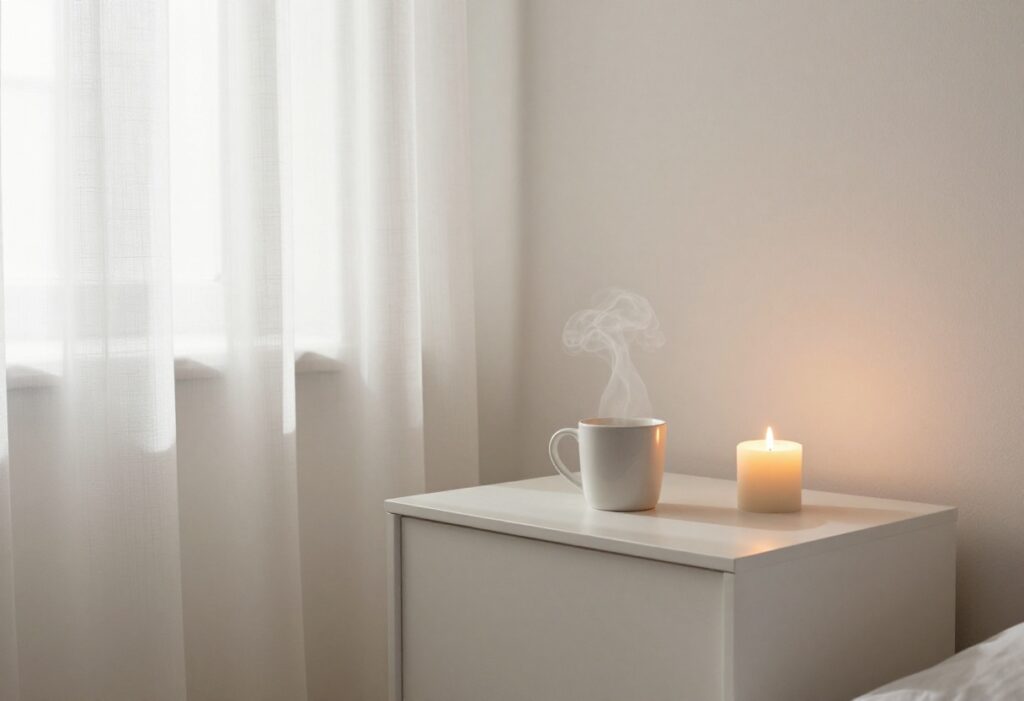
You know the feeling—rushing through mornings, skipping meals, and collapsing into bed exhausted. A daily self-care checklist doesn't have to be another chore; it's a gentle framework for living simply and intentionally.
These 20 steps are small, practical actions that fit into any routine, from waking up without your phone to connecting with someone you care about. They're designed to help you slow down without adding pressure.
Pick one or two to start, and let the rest follow naturally. Simple living begins with small, consistent choices.
1. Wake Up Without Your Phone

The first moments of your day set the tone for everything that follows. Grabbing your phone immediately floods your brain with notifications, emails, and social media—before you've even had a chance to wake up. Instead, give yourself a small buffer of calm.
By waiting just 10 minutes before checking your phone, you allow your mind to transition gently from sleep to wakefulness. You might notice how you actually feel—rested or groggy—and respond accordingly. This simple pause can reduce morning anxiety and help you feel more in control of your day.
Why It Matters
Starting your day with your phone means starting with other people's demands. Your brain goes into reactive mode immediately. A phone-free window lets you be proactive instead—choosing how you want to feel and what you want to focus on.
How To Make It Stick
Keep your phone in another room overnight or use a traditional alarm clock. Place a book or a glass of water on your nightstand as a visual cue. Even five minutes of stillness counts—stretch, take a few deep breaths, or simply lie there and listen to the morning sounds.
2. Drink a Full Glass of Water
Your body goes hours without hydration while you sleep. Replenishing first thing in the morning is one of the simplest ways to support your metabolism, energy, and skin. Keep a glass or reusable bottle on your nightstand so you can drink it before reaching for coffee or your phone.
It's a tiny habit that sets a healthy tone for the rest of your day.
Why Morning Hydration Matters
After 7-8 hours of sleep, you're mildly dehydrated. Drinking water first thing helps kickstart your digestion, flush out toxins, and improve mental clarity. It also gives your skin a natural glow without any fancy products.
Make It Easy To Remember
Place a glass or bottle beside your bed each night. Add a slice of lemon or a pinch of sea salt for extra electrolytes if you like. The key is to drink it before anything else—even before your morning coffee.
How Much To Drink
Aim for 8-12 ounces (about 250-350 ml) first thing. You can gradually increase if that feels good. Listen to your body—sipping is better than gulping.
Over time, this small act becomes a non-negotiable part of your self-care routine.
3. Make Your Bed
Starting your day with a made bed might seem trivial, but it’s a small win that sets a productive tone. It instantly makes your bedroom feel more organized and gives you a sense of order before you even step out the door. This simple habit is a cornerstone of simple living—it requires minimal effort but pays off in peace of mind.
Making your bed takes less than two minutes but delivers a psychological boost. It’s a clear signal that you’re ready to take on the day, and it keeps your space tidy, reducing visual clutter. Plus, coming home to a neat bed at night feels like a small gift to yourself.
Why It Works
A made bed creates a ripple effect. It encourages you to keep the rest of the room tidy, and studies show that people who make their beds report better sleep and higher productivity. It’s a low-stakes commitment that builds discipline.
How To Make It Stick
Keep it simple—straighten the sheets, fluff the pillows, and smooth the duvet. No need for hospital corners. Tie it to an existing habit, like right after you get up.
Within a week, it’ll feel automatic.
4. Stretch for Five Minutes

After hours of sleep, your body can feel stiff and tight. A short stretch routine helps wake up your muscles, improve blood flow, and release tension built up overnight. Five minutes is all it takes to feel more limber and ready for the day.
Focus on areas that hold the most overnight tension: neck, shoulders, and back. Simple moves like neck rolls, shoulder shrugs, and a gentle forward fold can make a big difference. You don't need any equipment—just a small space and comfortable clothing.
Why Stretch In The Morning?
Morning stretching eases muscle stiffness and boosts circulation. It also signals to your body that it's time to wake up, helping you feel more alert and less groggy.
A Quick Five-minute Routine
Start with neck rolls: slowly roll your head in circles. Then do shoulder shrugs—lift your shoulders toward your ears and release. Finish with a standing forward fold: bend at the hips and let your arms hang.
Hold each stretch for about 30 seconds.
Tips For Consistency
Keep it simple so you actually do it. Pair stretching with another habit, like after brushing your teeth. If you're short on time, even two minutes is better than nothing.
5. Eat a Mindful Breakfast
Breakfast often gets eaten on the go—in the car, at your desk, or while scrolling through your phone. But rushing through your first meal can leave you feeling scattered and unsatisfied. Mindful eating is about slowing down and actually tasting what's in front of you, even if it's just for a few minutes.
It's a simple way to start the day with intention rather than autopilot.
Sit down at a table, put your phone away, and focus on the colors, smells, and textures of your food. Chew slowly and notice the flavors. You don't need a fancy meal—a bowl of oatmeal or a piece of toast works fine.
The key is presence, not perfection. This small ritual can shift your entire morning from rushed to calm.
Why Mindful Eating Matters
When you eat without distractions, you're more likely to notice when you're full and enjoy your food more. It also reduces stress by grounding you in the present moment. Over time, this practice can improve digestion and your relationship with food.
How To Start
Pick one meal a day—breakfast is easiest since it's often quiet. Set a timer for five minutes if that helps. Take a few deep breaths before you begin, then eat slowly.
If your mind wanders, gently bring it back to the taste and sensation of eating.
Simple Breakfast Ideas
You don't need elaborate recipes. Try yogurt with berries and granola, scrambled eggs with avocado, or a smoothie bowl topped with nuts and seeds. The goal is to prepare something you genuinely enjoy and then savor it without rushing.
6. Set One Daily Intention
Instead of letting the day happen to you, start it by choosing one small, meaningful goal. This isn't your to-do list—it's a compass that points toward what truly matters. A daily intention can be as simple as 'notice three things that make me smile' or 'listen more than I speak. ' It's a gentle anchor that keeps you grounded when life gets noisy.
Setting an intention shifts your focus from productivity to presence. It's not about getting more done; it's about doing what matters with more awareness. This practice helps you filter out distractions and align your actions with your values.
Why One Intention Works
When you set multiple goals, you scatter your energy. One intention creates clarity. It's like choosing one path in a forest instead of trying to walk all trails at once.
You'll find yourself making decisions that support that intention throughout the day.
How To Choose Your Intention
Think about what you need more of—calm, connection, creativity, or rest. Then pick one action that embodies that. For example, if you need calm, your intention could be 'take three deep breaths before each meal. ' Keep it small and doable.
Make It Stick
Write your intention on a sticky note or set a phone reminder. Say it out loud in the morning. When you feel off track, revisit it.
Over time, this simple habit rewires your brain to focus on what truly enriches your day.
7. Take a Short Walk Outside

Stepping outside for a quick walk is one of the simplest ways to reset your mind and body. You don't need a long hike or a gym session—just 10 minutes of fresh air and movement can lower stress, boost your mood, and help you feel more connected to the world around you.
A short walk outside is a powerful self-care tool that costs nothing and fits into even the busiest day. It breaks up screen time, gets your blood flowing, and offers a mental reset. Whether you stroll around the block or through a nearby park, the benefits are immediate and lasting.
Why 10 Minutes Works
Research shows that even brief exposure to nature reduces cortisol levels and improves focus. A 10-minute walk is long enough to clear your head but short enough to fit between meetings or chores. It's a manageable commitment that delivers real results.
Tips For Making It A Habit
Keep walking shoes by the door or set a daily reminder on your phone. Pair your walk with another habit, like after lunch or when you finish work. Don't worry about pace or distance—just step outside and let your feet lead.
What To Notice During Your Walk
Use the time to engage your senses. Feel the breeze, listen for birds, or notice the colors of leaves and sky. This mindful attention amplifies the calming effect and turns a simple walk into a mini meditation.
8. Declutter One Small Area
Clutter has a sneaky way of weighing on your mind. Even a single messy drawer or crowded shelf can create a low-level hum of stress. The fix isn't to overhaul your entire home—just pick one tiny spot and clear it out.
When you clear physical clutter, you often clear mental clutter too. That small win gives you a sense of control and a breath of fresh air. Plus, it takes only a few minutes, so there's no excuse to skip it.
Start With A Drawer
Choose a junk drawer, a desk drawer, or even a kitchen drawer. Empty it completely, wipe it down, and only put back what you actually use. Toss expired coupons, broken pens, and random receipts.
You'll be amazed how satisfying a tidy drawer feels.
Tackle A Shelf Or Counter
Pick one shelf in your bathroom, a bookshelf section, or a corner of your kitchen counter. Remove everything, dust, and return only items that belong there. Group similar things together and let go of duplicates or things you never reach for.
Make It A Daily Habit
Set a timer for five minutes each day and declutter one small area. Over a week, you'll cover a lot of ground without feeling overwhelmed. This keeps clutter from piling up and reinforces a simple, intentional lifestyle.
9. Practice Deep Breathing
When life feels overwhelming, your breath is always there as an anchor. Deep breathing is one of the quickest ways to calm your nervous system and bring your mind back to the present moment. It costs nothing, takes only a minute, and can be done anywhere—whether you're stuck in traffic or sitting at your desk.
How It Works
Deep breathing activates your parasympathetic nervous system, which helps your body shift from fight-or-flight mode to rest-and-digest. This lowers your heart rate, reduces blood pressure, and signals your brain that it's safe to relax. The key is slow, intentional breaths—not shallow chest breaths.
A Simple Technique
Try the 4-7-8 method: inhale through your nose for 4 counts, hold for 7 counts, then exhale through your mouth for 8 counts. Repeat three times. If holding feels uncomfortable, just focus on making your exhale longer than your inhale.
That alone triggers the relaxation response.
When To Use It
Use deep breathing whenever you notice tension building—before a meeting, after a stressful call, or when you're trying to fall asleep. You can also pair it with other self-care steps, like during your morning stretch or right before bed. The more you practice, the more automatic it becomes.
10. Unplug for 30 Minutes
Your phone buzzes, notifications pile up, and before you know it, hours have vanished into a screen. That constant input keeps your mind racing even when you're trying to rest. Setting aside just 30 minutes without screens gives your brain the reset it desperately needs.
Pick a time that works for you—maybe right after work or before bed. During that half hour, no phones, tablets, or laptops. Use it to read a few chapters of a book, write in a journal, or simply sit and let your thoughts wander.
You'll be surprised how much clearer you feel afterward.
Choose Your Offline Activity
Have a few go-to options so you don't waste time deciding. A physical book, a notebook for journaling, or a puzzle are great screen-free choices. Even just sitting in a quiet spot and breathing counts.
Set A Timer And Stick To It
Use a kitchen timer or an alarm on your watch (not your phone). When the timer goes off, you can check your devices if you need to, but try to ease back slowly. Over time, you might find you want more than 30 minutes.
Make It A Daily Habit
Consistency is key. Try to unplug at the same time each day so it becomes part of your routine. After a week, notice how your focus and mood improve.
11. Write Down Three Things You're Grateful For

Gratitude has a quiet way of reshaping your day. When you pause to notice what's good—even the tiny things—your mind starts to shift away from stress and scarcity. It's not about ignoring problems; it's about balancing the picture.
A small notebook by your bed or on your desk can become a daily anchor. Each morning or evening, jot down three simple things you're grateful for. They don't have to be profound: a warm cup of coffee, a kind text, or the sound of rain.
Over time, this practice trains your brain to look for the positive, making contentment a habit.
Gratitude shifts your focus from what's missing to what's present. Keeping a dedicated notebook makes it easy to stick with the habit. You'll start noticing small joys you used to overlook, and that changes your whole outlook.
Start Small And Specific
Instead of vague entries like "my family, " get specific: "my daughter's laugh this morning" or "the way sunlight hit my desk. " Specific details make the gratitude feel real and personal. It also helps you remember the moment more vividly.
Pick A Consistent Time
Anchor your gratitude practice to an existing routine. Try writing right after you brush your teeth at night or as you sip your morning coffee. Consistency turns it into a natural part of your day, not another task to remember.
Let It Be Messy
Your gratitude list doesn't need to be perfect. Some days you'll write the same thing three times—that's okay. The goal is simply to show up and reflect.
Over time, you'll notice patterns and appreciate the constants in your life.
12. Connect with Someone You Care About
A quick check-in with a friend or family member can shift your whole mood. We often think connection requires big plans, but a simple text or a short call works wonders. It reminds you that you're not alone and adds warmth to your day.
Make it a habit to reach out to someone daily, even if just for a minute. This small act strengthens bonds and boosts your sense of belonging. Keep it low-pressure—no need for long conversations.
A "thinking of you" message or a shared laugh over coffee can be enough.
Send A Thoughtful Text
A quick message like "Hope you're having a good day" or a funny meme can brighten someone's afternoon. It takes ten seconds but can make both of you feel more connected. No need to overthink—just a genuine check-in.
Make A Brief Call
Hearing a voice adds a layer of connection that texts can't match. A five-minute call during a break or commute can feel surprisingly grounding. Keep it light—share a story, ask how they are, and listen.
Share A Meal Together
If you can, eat with someone—in person or over video call. Sharing a meal naturally encourages conversation and slows down your eating. It turns a routine activity into a moment of connection.
13. Do One Thing Just for Fun
Somewhere between work, chores, and responsibilities, play got pushed off the schedule. But fun isn't a luxury—it's a reset button for your brain. When you do something just because it makes you smile, you're giving yourself permission to be present and lighthearted, even for a few minutes.
Adults often think play is unproductive, but it's actually essential for mental health. A quick burst of joy can lower stress, boost creativity, and improve your mood for hours. The key is to choose an activity that feels like pure fun, not another task on your list.
Keep It Simple
You don't need elaborate plans. Read a single comic strip, doodle on a sticky note, or listen to one song you loved as a kid. The goal is a moment of lightness, not a full hobby session.
Let Go Of Guilt
It's easy to feel like you should be doing something 'productive. ' Remind yourself that fun is fuel. A five-minute dance break in the kitchen can recharge you more than scrolling through emails.
Make It A Daily Habit
Pick one tiny playful act and slot it into your day—right after lunch, before bed, or whenever you need a pick-me-up. Consistency turns it into a reliable self-care anchor.
14. Eat a Vegetable-Rich Meal

Vegetables are nature's multivitamin, packed with fiber, antioxidants, and water to keep you energized and satisfied. Making one meal a day veggie-forward is a simple way to nourish your body without overcomplicating your routine. You don't need to go fully plant-based—just aim to fill half your plate with colorful produce.
It's a small shift that pays off in steady energy, better digestion, and a clearer mind.
A vegetable-rich meal doesn't have to be boring or time-consuming. Think roasted sheet-pan veggies, a big salad with protein, or stir-fry loaded with bell peppers, broccoli, and snap peas. The key is variety: different colors bring different nutrients, so mix it up throughout the week.
Start with what you already like. If you're not a salad fan, try roasting carrots and zucchini with olive oil and garlic. Or add spinach to your morning eggs.
Small swaps add up.
Why Veggies Matter For Self-care
Vegetables provide the raw materials your body needs to function well. Fiber supports gut health and keeps you full longer, while vitamins like A, C, and K boost immunity and skin health. Eating them regularly can reduce inflammation and stabilize blood sugar, which helps your mood stay even.
Simple Ways To Add More Veggies
Keep frozen vegetables on hand for quick meals—they're just as nutritious as fresh. Add a handful of spinach to smoothies, swap half your pasta for zucchini noodles, or top your pizza with extra peppers and mushrooms. Pre-chopped veggies from the store save time on busy days.
One Meal At A Time
You don't have to overhaul your entire diet. Pick one meal—lunch or dinner—and make it veggie-centric. Over time, it becomes a habit.
Pair it with a simple protein and whole grain for a balanced plate that feels satisfying, not restrictive.
15. Tidy Up for Five Minutes Before Bed
There's something calming about waking up to a clean space. A quick five-minute tidy before bed clears the visual clutter and sets a peaceful tone for the next morning. It's not about deep cleaning—just putting things back where they belong.
Spend five minutes before bed walking through your main living areas. Put away stray items, wipe down counters, and set out anything you'll need tomorrow. This small habit prevents morning chaos and helps you start the day with a clear head.
Focus On High-traffic Areas
Target the kitchen counter, dining table, and living room floor. These spots collect the most daily clutter. A quick sweep of these surfaces makes the biggest difference in how your home feels.
Prepare For Tomorrow
Lay out your clothes, pack your bag, or set the coffee maker. These tiny actions save decision-making energy in the morning and make your wake-up routine smoother.
Make It A Ritual, Not A Chore
Put on a short song or light a candle while you tidy. Associating this task with a pleasant cue makes it something you look forward to, not another item on your to-do list.
16. Use a Relaxing Scent
Scents have a direct line to the emotional center of your brain. A familiar, calming fragrance can instantly tell your nervous system it's time to unwind. Whether you're winding down after work or preparing for sleep, a simple scent ritual can make the transition smoother.
Lighting a candle, diffusing essential oils, or spritzing lavender on your pillow are small actions that create a sensory cue for relaxation. Over time, your brain associates that scent with rest, making it easier to let go of the day's stress.
Choose Your Calming Scent
Lavender is a classic for a reason—it's widely studied for its calming effects. Chamomile, sandalwood, and vanilla also work well. Pick one that feels comforting to you, not just trendy.
Make It A Ritual
Use the same scent at the same time each evening. Light a candle while you read, or spritz your pillow before bed. Consistency strengthens the relaxation response.
Keep It Simple
You don't need a fancy diffuser. A small candle, a drop of oil on your wrist, or a linen spray works just fine. The goal is ease, not expense.
17. Stretch or Do Gentle Yoga Before Sleep

After a long day, your body holds onto tension in ways you might not even notice. A short bedtime stretch routine signals your nervous system that it's time to unwind. You don't need to be flexible or experienced—just a few minutes of gentle movement can make falling asleep easier and deeper.
Wind down with a few gentle poses like child's pose or legs-up-the-wall. This helps release physical tension and prepares your body for rest.
Why It Works
Gentle stretching activates the parasympathetic nervous system, lowering your heart rate and cortisol levels. It also loosens tight muscles from sitting or standing all day, reducing aches that can keep you awake.
Simple Poses To Try
Child's pose, legs-up-the-wall, and a seated forward fold are all beginner-friendly. Hold each for 30 seconds to a minute, breathing deeply. You can do these on your bed or a yoga mat.
Make It A Habit
Pair your stretch routine with another bedtime cue, like dimming the lights or putting on soft music. Consistency helps your brain associate these movements with sleep, making it easier to transition into rest.
18. Write a Brain Dump
Your mind is like a browser with too many tabs open. By the end of the day, random worries, to-dos, and ideas are competing for attention. That mental clutter makes it hard to relax and fall asleep.
A brain dump is exactly what it sounds like: you grab a notebook and write down everything that's floating around up there. No filtering, no organizing—just get it out. Once those thoughts are on paper, your brain can finally let them go.
This takes five minutes, but the payoff is a clearer head and a more peaceful night. It's one of the simplest ways to reset your mental space.
Doing a brain dump before bed clears the decks so you can rest without your mind racing. It's not about solving problems or making lists—it's about releasing. Keep a notebook by your bed and let it all out.
Why It Works
Your brain has a limited capacity for holding information. When you write things down, you offload that mental burden. Studies show that journaling before sleep reduces anxiety and improves sleep quality.
It's like closing those browser tabs one by one.
How To Do It
Set a timer for five minutes. Grab a pen and paper—no screens. Write whatever comes to mind: worries about tomorrow, a funny thing your kid said, a random idea for a project.
Don't judge or edit. Just let it flow. When the timer goes off, close the notebook and breathe.
When To Brain Dump
Right before bed is ideal, but you can also do it mid-afternoon if you're feeling overwhelmed. Some people like to brain dump first thing in the morning to start the day fresh. Experiment and see what works for you.
The key is consistency.
19. Read Something Light
Your brain needs a gentle off-ramp at the end of the day, not a crash landing. Heavy news, work emails, or social media feeds keep your mind racing when it should be winding down. Swapping those for a few pages of a novel or a magazine signals your nervous system that it's safe to rest.
Reading something light before bed is a simple way to shift gears. It pulls your attention away from daily worries and into a story or topic that doesn't demand much from you. The key is choosing material that feels like a treat, not a task.
Pick The Right Material
Stick with fiction, poetry, or uplifting non-fiction. Avoid thrillers or anything too gripping that will keep you turning pages past bedtime. A magazine, a collection of short essays, or a cozy mystery works well.
Set A Time Limit
Give yourself 15 to 20 minutes. Use a timer if you tend to lose track of time. The goal is to relax, not to finish a chapter.
When the timer goes off, close the book and let your mind settle.
Create A Cozy Reading Spot
A comfortable chair, soft lighting, and maybe a cup of herbal tea can make the ritual feel special. Keep your reading material by your bedside so it's easy to grab. This small setup cues your brain that it's time to unwind.
20. Go to Bed at a Consistent Time

Sleep is the foundation of simple living, but it's easy to let bedtime drift. When you go to bed at a different time every night, your body's internal clock gets confused, making it harder to fall asleep and wake up refreshed. Consistency is the secret to deep, restorative rest.
Aim for the same bedtime each night, even on weekends. This reinforces your body's natural sleep-wake cycle, so you fall asleep faster and wake up feeling more alert. Start by choosing a realistic bedtime and stick with it for at least a week.
Your body will thank you.
Why Consistency Matters
Your body runs on a circadian rhythm, a 24-hour internal clock that regulates sleep, hormones, and energy. When you go to bed at the same time, you sync with this rhythm, making sleep more efficient. Irregular bedtimes can lead to poor sleep quality, fatigue, and even health issues over time.
How To Find Your Ideal Bedtime
Think about when you need to wake up and count backward 7-9 hours. If you wake up at 6: 30 AM, aim for 9: 30 PM to 11: 30 PM. Start with the later end and gradually shift earlier if you still feel tired.
Your perfect bedtime is one that lets you wake up naturally without an alarm.
Tips For Sticking To It
Set a nightly alarm as a reminder to wind down. Create a relaxing pre-bed routine, like dimming lights, reading, or gentle stretching. Avoid screens an hour before bed, as blue light can disrupt melatonin production.
Be patient—it takes a few weeks for a new bedtime to feel automatic.
FAQ
How long does it take to complete this daily self-care checklist?
Most steps take 5–10 minutes each, so the entire checklist can be completed in about 1–2 hours spread throughout the day. You can also pick and choose based on your schedule.
Do I have to do all 20 steps every day?
No, this is a flexible guide. Start with a few that resonate most and gradually add more. Consistency matters more than perfection.
Can this checklist help with anxiety?
Yes, many steps like deep breathing, gratitude, and unplugging are proven to reduce anxiety. However, if you have severe anxiety, consider professional support as well.
What if I miss a day?
That's okay. Self-care isn't about being perfect. Just pick up where you left off without guilt.
The goal is progress, not perfection.
Is this checklist suitable for beginners?
Absolutely. Each step is simple and requires no special equipment or experience. It's designed for anyone looking to add more calm and intention to their daily life.
Conclusion
A simpler life doesn't require a complete overhaul—just a few daily check-ins with yourself. Pick two or three steps from this list that feel genuinely doable and start there. Maybe it's making your bed each morning or taking five minutes to stretch before bed.
Consistency matters more than perfection. These small actions will gradually become habits that support a calmer, more intentional day. You've got this—one simple step at a time.

Dr. Pallab Kishore, MS in Orthodontics and owner of Orthodontic Braces Care, shares expert tips on braces, aligners, and oral health from 10+ years of experience.