A peaceful night's rest doesn't happen by accident. It's the result of small, intentional choices that signal to your body and mind that it's time to slow down. The right evening routine can transform your sleep quality and your overall well-being.
These 25 self-care night routine ideas are designed to be practical and adaptable. You don't need to do them all—just pick the ones that resonate with you. The goal is to create a ritual that feels soothing, not like another chore.
Whether you have five minutes or an hour, there's something here for you. Let's explore simple ways to end your day with calm and wake up feeling truly rested.
1. Sip a Cup of Herbal Tea

There's a reason tea is the go-to wind-down drink for so many cultures. A warm, caffeine-free cup like chamomile or lavender sends a direct signal to your nervous system that it's time to relax. The simple act of holding the mug, feeling the warmth in your hands, and sipping slowly can be a mini meditation in itself.
Make this more than just a drink. Choose a tea that's specifically known for its calming properties—chamomile, lavender, passionflower, or valerian root are all excellent choices. Brew it with intention, maybe using a special mug you love.
The ritual matters as much as the tea.
Pick The Right Blend
Not all herbal teas are created equal when it comes to relaxation. Look for blends that include chamomile, lavender, lemon balm, or passionflower. Avoid anything with caffeine or stimulating herbs like ginseng.
A cup of warm milk with a pinch of nutmeg can also work if tea isn't your thing.
Create A Tea Ritual
Turn tea time into a mindful moment. Boil the water, steep the bag for the recommended time, and then sit down without distractions. No phone, no TV—just you and your tea.
Focus on the warmth, the aroma, and the taste. This simple practice can lower stress hormones and prepare your mind for sleep.
2. Take a Warm Bath with Epsom Salts
There's a reason bath time has been a go-to relaxation ritual for centuries. The combination of warm water and Epsom salts works wonders on tired muscles and a busy mind. It's a simple pleasure that can turn your bathroom into a personal spa.
A warm bath signals your body to lower its core temperature afterward, which helps you fall asleep faster. Epsom salts contain magnesium, which is absorbed through the skin and known to reduce stress and inflammation. Adding lavender essential oil enhances the calming effect with its soothing aroma.
Set The Scene
Dim the lights, light a candle, and play some soft music. Keep your phone out of reach. This is your time to disconnect from the world.
Make It A Ritual
Use 1-2 cups of Epsom salts and a few drops of lavender oil. Soak for 20 minutes—any longer and your skin might get pruney. Sip some herbal tea while you soak.
Post-bath Care
Pat dry gently and apply a rich moisturizer while your skin is still damp. Slip into cozy pajamas and keep the calm going.
3. Write a Gratitude Journal Entry
Gratitude journaling is a simple but powerful way to end your day on a positive note. By focusing on what went well, you train your brain to notice the good, even on tough days. This practice can lower stress and help you fall asleep with a lighter heart.
Jot down three things you're grateful for from the day. They don't have to be big—a warm cup of coffee, a kind text from a friend, or a beautiful sunset all count. The act of writing them down shifts your focus from worries to positive moments, making it easier to drift off.
Keep It Simple
You don't need a fancy journal or long paragraphs. A small notebook by your bed works perfectly. Spend just two to three minutes writing bullet points.
The key is consistency, not perfection.
Mix It Up
To keep it fresh, vary what you're grateful for. One night focus on people, another on experiences, and another on simple pleasures. This prevents the exercise from feeling repetitive and helps you notice different sources of joy.
Pair It With Deep Breaths
After writing, take three slow, deep breaths. Inhale gratitude, exhale tension. This combines the mental benefits of journaling with a physical relaxation cue, signaling your body it's time to rest.
4. Do a 5-Minute Guided Meditation

Meditation doesn't have to be a long, intimidating practice. A five-minute guided session can be enough to quiet your mind and ease you into sleep. It's like giving your brain a gentle reset button before you close your eyes.
Choose The Right App Or Track
Apps like Calm, Headspace, or Insight Timer offer short sleep meditations. Look for ones labeled “sleep” or “wind down. ” You can also find free tracks on YouTube or Spotify. Pick a voice that feels soothing to you.
Create A Cozy Setup
Dim the lights, get comfortable in bed, and put on headphones if you like. The goal is to minimize distractions. Even a few deep breaths with your eyes closed can make a difference.
Focus On Your Breath
If you don't have an app, simply breathe in for four counts, hold for four, and exhale for four. Repeat for a few minutes. This pattern signals your nervous system to relax and prepares your body for rest.
5. Stretch with Gentle Yoga Poses
After a long day, your body holds onto tension in places you might not even notice. Gentle yoga poses can help release that tightness and prepare your muscles for deep rest. Unlike an intense workout, these stretches are meant to calm your nervous system and encourage relaxation.
Adding a few simple yoga poses to your night routine can make a big difference. You don't need to be flexible or experienced—just move at your own pace and focus on your breath. This practice signals your body that it's safe to let go.
Start With Child's Pose
Kneel on your mat, sit back on your heels, and fold forward, extending your arms in front or resting them by your sides. Breathe deeply for five to ten breaths. This pose gently stretches your lower back, hips, and shoulders.
Try Legs-up-the-wall
Sit sideways against a wall, then swing your legs up as you lie back. Stay here for a few minutes, letting your legs rest at a 90-degree angle. This inversion helps improve circulation and can ease tired legs and feet.
Finish With A Gentle Twist
Lie on your back, bring your knees to your chest, then slowly lower them to one side. Turn your head in the opposite direction. Hold for a few breaths, then switch sides.
Twists help release tension in your spine and promote digestion.
6. Apply a Face Mask or Skincare Treatment
A soothing face mask or a layered skincare routine feels like a treat. The act of massaging your face can also relieve jaw tension, which many of us hold unconsciously. It's a simple way to pamper yourself while prepping your skin for overnight repair.
Choose a mask that suits your skin's needs—hydrating, calming, or purifying. Apply it after cleansing, then take a few minutes to gently massage your face with upward strokes. This boosts circulation and helps products absorb better.
Rinse off and follow with a light moisturizer to lock in benefits.
Pick Your Mask Type
Sheet masks are mess-free and great for hydration. Clay masks work well for oily or congested skin. Cream masks are ideal for dry or sensitive skin.
Pick one that feels right for your skin that day.
Add A Facial Massage
Use your fingers or a gua sha tool to massage your face for 2-3 minutes. Focus on your jawline, cheekbones, and forehead. This helps release tension and gives you a natural glow.
Finish With A Night Cream
After rinsing the mask, apply a rich night cream or sleeping mask. These products work while you sleep, supporting skin renewal. Your skin will feel soft and refreshed by morning.
7. Read a Physical Book for 20 Minutes
Swap scrolling for pages. Reading a physical book—especially fiction or something light—helps your brain shift from the high-alert mode of screens to a calmer, more relaxed state. The simple act of turning pages and focusing on a story can be a gentle signal that it's time to wind down.
Aim for about 20 minutes of reading before bed. That's enough time to get absorbed without keeping your mind too active. Keep a book on your nightstand so it's easy to grab.
Choose something enjoyable, not work-related or too intense. The goal is relaxation, not mental effort.
Why A Physical Book?
Unlike screens, paper books don't emit blue light that can interfere with your sleep hormones. The tactile experience—feeling the pages, the weight of the book—can be grounding. Plus, there are no notifications or temptations to multitask.
What To Read
Light fiction, short stories, or even a collection of essays work well. Avoid thrillers or anything that might keep you turning pages out of anxiety. Think cozy, comforting, or mildly engaging.
If you're not sure, try a book you've read before and loved.
Make It A Ritual
Pair reading with a cup of herbal tea or a cozy blanket. Set a timer if you tend to lose track of time. The consistency of this small habit can train your brain to associate reading with sleepiness.
8. Listen to a Sleep Story or Podcast
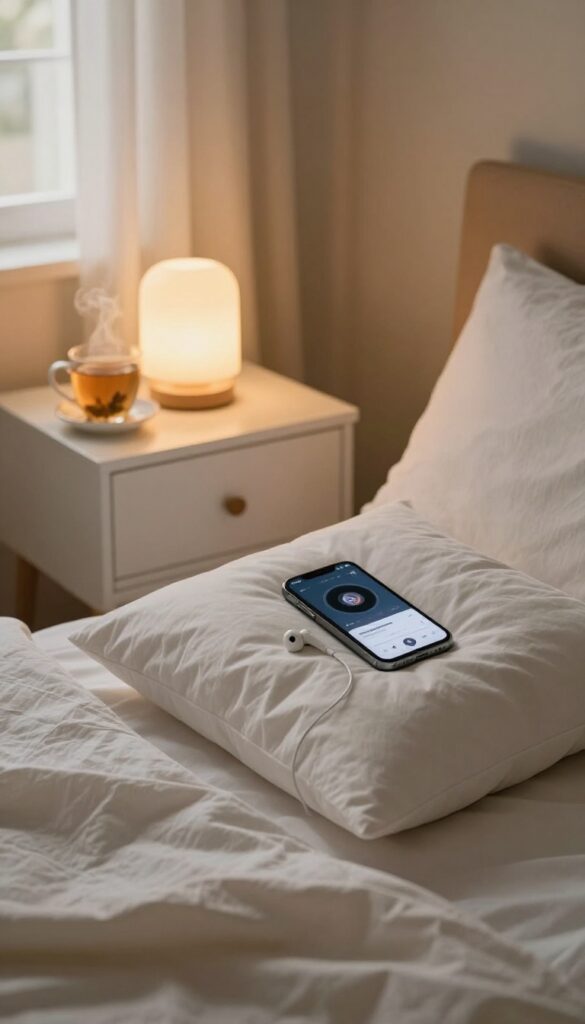
Sometimes your brain just won't stop chattering. A sleep story or calming podcast can be the gentle distraction you need to drift off. Instead of lying there wrestling with thoughts, you let a soothing voice guide you into dreamland.
The key is choosing content that's intentionally boring or relaxing—think nature sounds, slow narration, or fictional stories with no plot twists. Set a sleep timer so the audio turns off automatically after 15-30 minutes. That way, you won't wake up to a blaring podcast at 3 AM.
Pick The Right Genre
Look for sleep-specific podcasts like "Nothing Much Happens" or "Get Sleepy. " They feature gentle, mundane stories that are designed to be unexciting. Avoid true crime or anything suspenseful—you want your mind to power down, not perk up.
Use A Timer
Most podcast apps have a sleep timer feature. Set it for 20 or 30 minutes. If you fall asleep before that, the audio stops on its own.
This saves battery and prevents your brain from being stimulated later in the night.
Create A Playlist
Curate a few go-to episodes so you don't have to search each night. Keep them in a "Sleep" playlist. Familiar voices and stories can become a powerful sleep cue over time, signaling your brain that it's time to rest.
9. Dim the Lights and Use Warm Lighting
Lighting sets the mood more than you think. Bright, blue-toned lights trick your brain into thinking it's still daytime, making it harder to wind down. Swapping to dim, warm lighting an hour before bed creates a cozy atmosphere that naturally signals rest.
Your body's internal clock, or circadian rhythm, responds to light cues. Blue light from screens and cool white bulbs suppresses melatonin, the hormone that helps you fall asleep. Warm, dim light mimics the golden hues of sunset, encouraging your brain to produce melatonin and prepare for sleep.
It's a simple switch that makes a big difference.
Swap Bulbs For Warm Tones
Replace cool white or daylight bulbs in your bedroom and living area with warm white bulbs (2700K–3000K). These emit a soft, amber glow that feels calming. Dimmable bulbs give you even more control—start bright enough to see, then gradually lower the brightness as bedtime approaches.
Use Lamps Instead Of Overheads
Overhead lights can feel harsh. Table lamps, floor lamps, or string lights create pockets of soft illumination that feel more intimate. Place a small lamp on your nightstand for reading or journaling, and keep the main light off.
This simple change transforms the energy of your space.
Try Salt Lamps Or Candles
Himalayan salt lamps give off a warm, pinkish glow that's incredibly soothing. They're not just decorative—they add a gentle ambient light perfect for winding down. Unscented candles work too, but if you use scented ones, stick to calming fragrances like lavender or chamomile.
Always blow them out before sleeping.
10. Practice Progressive Muscle Relaxation
Your body holds onto stress even when your mind thinks it's ready to rest. Progressive muscle relaxation (PMR) is a simple technique that helps you release that hidden tension. By systematically tensing and relaxing each muscle group, you send a clear signal to your nervous system that it's safe to let go.
Start at your feet and work your way up to your face. Tense each muscle group for about 5 seconds, then release for 10 to 15 seconds. Notice the contrast between tightness and relaxation.
This practice not only eases physical tension but also quiets a racing mind, making it easier to drift off to sleep.
How To Do It
Lie down in bed and take a few deep breaths. Begin with your toes: curl them tightly, hold, then release. Move to your calves, thighs, abdomen, hands, arms, shoulders, neck, and face.
Spend about 2 to 3 minutes on the whole body. You can find guided PMR recordings online if you prefer following along.
Why It Works
PMR activates the parasympathetic nervous system, which promotes rest and digestion. It also distracts your mind from anxious thoughts by focusing on physical sensations. Over time, you'll become more aware of where you hold stress and learn to release it more quickly.
Tips For Better Results
Pair PMR with slow, deep breathing. Inhale as you tense, exhale as you release. Keep your environment calm—dim lights and a comfortable temperature help.
If you have sore muscles, avoid straining; just gently tense. Consistency matters more than perfection.
11. Diffuse Calming Essential Oils
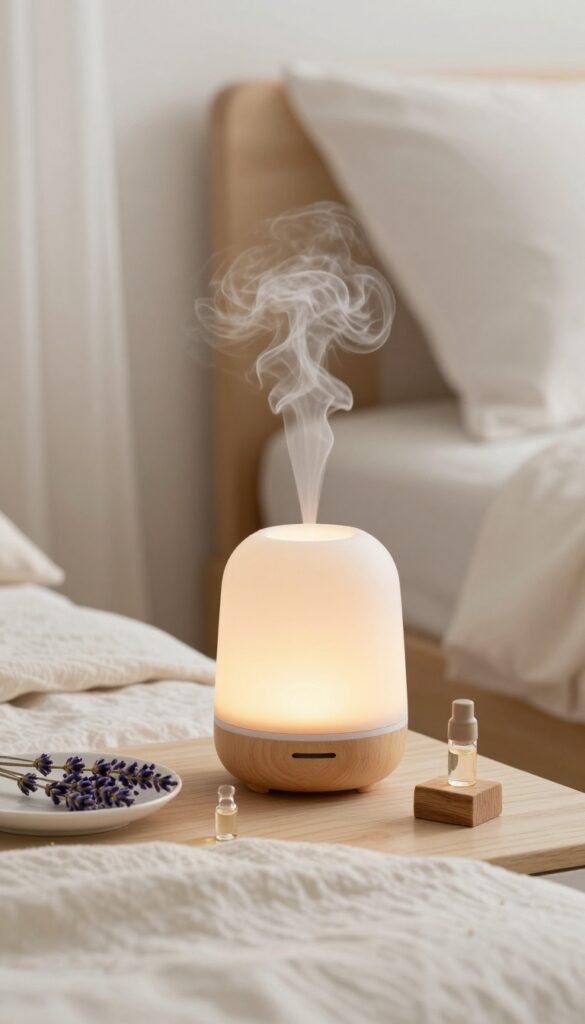
Scents have a direct line to the brain's emotional center, which is why the right aroma can instantly shift your mood. A diffuser filled with calming essential oils turns your bedroom into a personal sanctuary. It's a simple, passive way to cue relaxation without any extra effort.
Lavender, cedarwood, and frankincense are top picks for winding down. Lavender is widely studied for its ability to lower heart rate and blood pressure, while cedarwood has a grounding, woodsy scent that promotes tranquility. Frankincense adds a warm, resinous note that many find meditative.
Fill your diffuser with water and 3–5 drops of your chosen oil about 30 minutes before bed. Let the mist fill the room gradually. You'll notice your breathing deepen and your mind slow down almost automatically.
Keep safety in mind: always use high-quality, pure essential oils and clean your diffuser regularly. Avoid synthetic fragrances, which can be irritating and counterproductive for rest.
Best Oils For Sleep
Lavender is the gold standard for sleep support, but don't overlook clary sage or chamomile. Cedarwood and sandalwood offer earthy, calming notes that work well for deeper relaxation. If you prefer something lighter, try bergamot or ylang-ylang in small amounts.
How To Diffuse Safely
Place the diffuser on a stable surface away from your bed to avoid direct mist exposure. Use intermittent settings if available, and limit diffusion to 30–60 minutes. Always follow the manufacturer's instructions and use only recommended water levels.
12. Do a Digital Detox 30 Minutes Before Bed
Blue light from screens tricks your brain into thinking it's still daytime, suppressing melatonin and making it harder to fall asleep. A 30-minute digital detox before bed gives your mind a chance to unwind naturally. This small window of offline time can dramatically improve how quickly you drift off and how deep your sleep feels.
Start by setting a timer 30 minutes before your target bedtime. Put your phone on Do Not Disturb or leave it in another room. Use this time for quiet, screen-free activities that signal rest.
Swap Scrolling For Journaling
Grab a notebook and jot down anything on your mind—what went well today, what you're grateful for, or just a brain dump of lingering thoughts. This helps clear mental clutter and prevents racing thoughts when your head hits the pillow.
Gentle Stretching Or Yoga
A few minutes of gentle stretching releases physical tension built up during the day. Focus on your neck, shoulders, and lower back. Pair it with deep breathing to activate your parasympathetic nervous system.
Read A Physical Book
Reading from a real book or an e-reader without a backlit screen is a classic wind-down activity. Choose something light and enjoyable—not a thriller that will keep you turning pages.
Listen To Calm Audio
If silence feels uncomfortable, try a sleep story, a calming podcast, or soft instrumental music. Keep the volume low and avoid anything stimulating or news-related.
13. Prepare Your Bedroom for Sleep
Your bedroom should be a sanctuary for sleep, not a catch-all for clutter and distractions. Small adjustments to your environment can make a big difference in how quickly you fall asleep and how well you stay asleep. Think of this as setting the stage for your body to naturally wind down.
A cool, dark, and quiet room is the gold standard for quality rest. When your surroundings are optimized, your brain gets the signal that it's safe to let go. Here are a few ways to dial in your sleep environment.
Set The Temperature
Most people sleep best in a slightly cool room, around 65°F (18°C). If your thermostat allows, set it to drop a few degrees an hour before bed. If not, a fan or an open window can help.
Your body temperature naturally dips during sleep, and a cooler room supports that process.
Block Out Light And Noise
Darkness triggers melatonin production, so close your curtains or blinds fully. If streetlights or early morning sun are an issue, consider blackout curtains or a sleep mask. For noise, a white noise machine or a simple fan can mask disruptive sounds.
Even small sources of light—like a blinking charger—can disturb your sleep, so cover or unplug them.
Fluff And Arrange Your Bedding
Take a minute to fluff your pillows, straighten your sheets, and arrange your comforter. A tidy bed feels more inviting and comfortable. If your pillows are old or flat, consider replacing them.
Your mattress matters too—if it's sagging or too firm, a mattress topper can make a surprising difference.
14. Write a To-Do List for Tomorrow
Your brain loves to replay unfinished tasks when you're trying to sleep. That mental list of errands, emails, and deadlines can keep you wired long after you've climbed into bed. The simple act of writing it all down can quiet that noise and help you drift off peacefully.
Grab a notebook or a scrap of paper and do a complete brain dump. Write down everything you need to do tomorrow, no matter how small. This isn't about organizing or prioritizing—it's about getting thoughts out of your head and onto paper.
Once it's written, your mind can let go, knowing you won't forget anything important.
Why It Works
This practice reduces cognitive load and lowers anxiety. Studies show that writing down unfinished tasks helps your brain stop ruminating on them, allowing you to fall asleep faster and sleep more deeply.
How To Make It A Habit
Keep a small notebook and pen on your nightstand so it's always within reach. Spend just two minutes before lights out jotting down tomorrow's tasks. Over time, this becomes a calming ritual that signals your brain it's time to rest.
15. Use a Weighted Blanket
The gentle pressure of a weighted blanket can reduce anxiety and improve sleep quality. It feels like a comforting hug, helping your nervous system shift into rest mode. Many people find it easier to fall asleep and stay asleep with this simple addition.
How It Works
Weighted blankets use deep pressure stimulation, which triggers the release of serotonin and melatonin while lowering cortisol. This natural response promotes calm and drowsiness, making it ideal for winding down.
Choosing The Right Weight
A good rule is to pick a blanket that's about 10% of your body weight. Too light won't provide enough pressure, and too heavy can feel restrictive. Start with a 15-20 pound option if you're unsure.
Best Materials For Comfort
Look for breathable fabrics like cotton or bamboo to avoid overheating. Glass bead fillings are quieter and more evenly distributed than plastic pellets. Removable covers make washing easier.
16. Drink a Glass of Warm Milk or Golden Milk
There's a reason a warm drink before bed is a classic comfort. Warm milk contains tryptophan, an amino acid that helps your body produce serotonin and melatonin, making it easier to drift off. If dairy isn't your thing, golden milk—a blend of turmeric, ginger, and a touch of honey—offers a soothing, anti-inflammatory alternative that feels like a hug in a mug.
Both options are simple to prepare and can become a calming nightly ritual. The warmth itself is relaxing, and the ingredients work with your body's natural sleep processes. Sip slowly, maybe while reading or journaling, to double down on the relaxation.
Why Warm Milk Works
Milk contains tryptophan, which your brain uses to produce serotonin and then melatonin, the sleep hormone. The warmth also has a mild psychological effect—it signals comfort and safety, helping you unwind. For best results, use whole milk or a plant-based milk with a similar protein profile, like oat or soy.
Golden Milk: A Turmeric Twist
Golden milk combines turmeric, ginger, cinnamon, and a pinch of black pepper (to boost turmeric absorption) with your choice of milk and a little honey. Turmeric's anti-inflammatory properties can reduce nighttime aches and pains, while ginger soothes digestion. It's a caffeine-free, cozy drink that's become a wellness staple.
Tips For The Perfect Nightcap
Heat your milk gently—don't boil it—and add a dash of nutmeg or vanilla for extra flavor. If you're using turmeric, a small amount of coconut oil can help your body absorb it better. Drink it about 30 minutes before you plan to sleep, and keep the portion small (6–8 ounces) to avoid middle-of-the-night bathroom trips.
17. Listen to Calming Music or White Noise
Sound has a powerful effect on your nervous system. The right audio can shift your brain from alert mode to rest mode, making it easier to drift off. Whether you prefer gentle piano, ocean waves, or the hum of a fan, curating a sleep soundtrack is a simple yet effective self-care step.
Creating a calming audio environment helps mask sudden noises and signals your brain that it's time to wind down. Experiment with different genres—classical, ambient, nature sounds, or white noise—to find what works for you. Many apps and streaming services offer dedicated sleep playlists.
Keep the volume low and set a timer so the music fades out after you fall asleep.
Pick Your Soundscape
Not all relaxing sounds are the same. Some people find rain sounds soothing, while others prefer soft instrumental music. Try a few options: binaural beats, pink noise, or even a simple fan sound.
The key is consistency—once you find a sound that helps you relax, stick with it.
Set Up Your Audio Routine
Make listening part of your wind-down sequence. Put on your chosen sound as you get into bed or during your last few minutes of stretching. Use a Bluetooth speaker or headphones designed for sleep.
Avoid using your phone screen to start the audio—use voice commands or a timer to keep blue light out of the equation.
Keep It Low And Timed
Volume matters. The sound should be just loud enough to mask background noise but not so loud that it becomes distracting. Set a sleep timer so the audio turns off automatically after 30 to 60 minutes.
This prevents your brain from waking up when the music stops abruptly.
18. Do a Quick Tidy-Up of Your Space
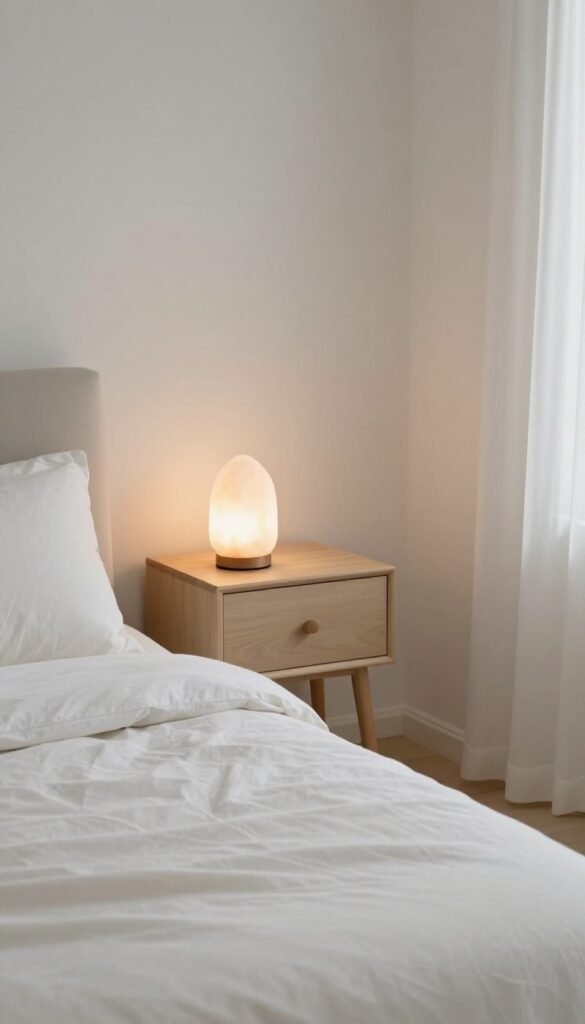
A cluttered room can clutter your mind. When your space is messy, your brain keeps processing the visual chaos, making it harder to unwind. A quick 5-minute tidy-up signals that the day is done and it's time to rest.
You don't need to deep-clean the whole house. Just focus on your immediate sleep area. Put away stray clothes, clear your nightstand of coffee mugs and papers, and fluff your pillows.
This small effort creates a calm, orderly environment that encourages relaxation.
Start With The Visual Hotspots
Identify the spots you see from your bed. That pile of laundry, the stack of books, or the phone charger tangle. Spend 2 minutes clearing those first.
A clear line of sight to a tidy surface instantly soothes your mind.
Make It A 5-minute Wind-down Ritual
Set a timer and race against the clock. Put clothes in the hamper, toss trash, and straighten your bedding. The time limit keeps it from feeling like a chore.
You'll be surprised how much you can accomplish in just five minutes.
Finish With One Calming Touch
After tidying, add one small calming element. Light a candle, turn on a salt lamp, or spritz lavender linen spray. This final step transforms the space from just clean to truly peaceful, signaling that rest is next.
19. Practice Deep Breathing Exercises
Your breath is a powerful tool that's always with you. A few minutes of focused breathing can shift your nervous system from fight-or-flight to rest-and-digest. It's one of the quickest ways to calm a racing mind before bed.
Deep breathing doesn't require any equipment or special skills. The 4-7-8 technique is a favorite because it's simple and effective. Inhale quietly through your nose for 4 seconds, hold your breath for 7 seconds, and exhale completely through your mouth for 8 seconds.
Repeat this cycle four times. You'll notice your heart rate slows and tension melts away.
Why It Works
This pattern forces your body to take in more oxygen and activates the parasympathetic nervous system. It's like pressing a reset button on your stress response.
When To Do It
Right after you get into bed is perfect. Or try it during a wind-down moment like after brushing your teeth. Consistency helps your brain associate the exercise with sleep.
Making It A Habit
Start with just one minute. Pair it with another bedtime cue, like turning off the lights. Soon it'll become an automatic part of your routine.
20. Apply a Hand or Foot Cream with Massage
Your hands and feet work hard all day, yet they rarely get the attention they deserve. A few minutes of massaging a rich cream into your skin can be deeply grounding. The repetitive motion, combined with the soothing scent of your favorite lotion, turns a simple task into a calming ritual that signals your body it's time to unwind.
Massaging cream into your hands or feet does more than moisturize. It stimulates pressure points, improves circulation, and releases tension built up from daily activities. This small act can lower your heart rate and shift your focus inward, making it an ideal pre-sleep practice.
Choose A Soothing Scent
Pick a cream with lavender, chamomile, or vanilla to enhance relaxation. The scent works aromatherapy magic while you massage, helping calm your mind and prepare for sleep.
Focus On Pressure Points
Spend extra time on the soles of your feet or the palms of your hands. Press into the arch of your foot or the base of your thumb with gentle, circular motions. This releases stored tension and feels incredibly soothing.
Make It A Ritual
Keep your cream by your bed or in your nightstand. Pair it with a few deep breaths as you massage. Over time, this simple routine becomes a powerful cue that it's time to rest.
21. Write Down Three Good Things from Your Day
Gratitude journaling is powerful, but this twist is even simpler. Instead of listing everything you're grateful for, just jot down three good things that happened today. They can be tiny—a good cup of coffee, a laugh with a coworker, or the feeling of fresh sheets.
The key is to be specific.
This practice trains your brain to scan for positives before sleep, which can shift your mood and reduce nighttime worry. It takes two minutes, but the effect on your mindset can last through the night. Keep a small notebook by your bed and make it a non-negotiable part of your routine.
Why Three Is The Magic Number
Three is small enough to feel doable every night, but large enough to require a little thought. It forces you to search your memory for bright spots, which builds a habit of noticing the good. Over time, your brain gets better at spotting positives during the day.
How To Make It Stick
Don't overthink it. Use a dedicated notebook or a notes app. Write in bullet points, not paragraphs.
If you're stuck, think about a moment that made you smile, something you accomplished, or a connection with someone. The simpler, the better.
A Gentle Variation
If writing feels like effort, try saying them out loud or recording a quick voice memo. You can even share them with a partner or roommate. The act of articulating the good—no matter the format—reinforces the positive emotion.
22. Do a Body Scan Meditation

Your body holds onto stress in ways you might not even notice. A body scan meditation is a simple way to check in with yourself and let go of that hidden tension. It's a mindfulness practice that guides your attention through each part of your body, helping you relax deeply.
Start by lying down in a comfortable position. Close your eyes and take a few deep breaths. Then, slowly bring your awareness to the top of your head.
Notice any sensations—tingling, warmth, or tightness. Without trying to change anything, just observe. Gradually move your attention down to your face, neck, shoulders, arms, chest, belly, back, legs, and feet.
Spend a few breaths on each area. If you notice tension, imagine breathing into that spot and letting it soften. The whole process can take 5 to 20 minutes.
It's a gentle way to unwind and prepare for sleep.
How To Start
Find a quiet space where you won't be disturbed. Lie down on your bed or a yoga mat. Set a timer if you want, so you don't worry about the time.
Begin with a few deep breaths to center yourself.
Tips For Staying Focused
It's normal for your mind to wander. When it does, gently bring your attention back to the body part you were scanning. Don't judge yourself.
You can also use a guided body scan audio if that helps you stay on track.
23. Use a Silk Pillowcase
Swapping your cotton pillowcase for a silk one is a small change that can make a big difference. Silk's smooth surface reduces friction, which means less tugging on your skin and hair while you sleep. Over time, this can help prevent sleep lines, wrinkles, and hair breakage.
Beyond the beauty benefits, silk feels incredibly soft and cool against your face. It's a simple luxury that can make your bed feel more inviting and your night routine feel more special. Plus, silk is naturally hypoallergenic and resistant to dust mites, making it a great choice for sensitive skin.
Why Silk Beats Cotton
Cotton pillowcases can absorb moisture from your skin and hair, leaving them dry. Silk, on the other hand, helps retain natural oils, keeping your skin hydrated and your hair less frizzy. The low friction also means fewer tangles and less breakage when you toss and turn.
How To Choose A Good Silk Pillowcase
Look for 100% mulberry silk with a momme weight of at least 19 (higher momme means denser, more durable silk). A charmeuse weave gives that classic smooth, shiny finish. And don't forget to check the care instructions—most silk pillowcases are hand-wash or delicate cycle only.
Make It Part Of Your Routine
Keep your silk pillowcase on your pillow all the time, not just on self-care nights. To make it feel extra special, spray a light linen mist on it before bed. The combination of silk and a calming scent can become a powerful cue for your brain that it's time to wind down.
24. Set an Intention for the Next Day
Ending your day with a clear intention for tomorrow is like leaving a gentle note for your future self. It doesn't have to be a big goal—just one positive focus, like 'I will be patient' or 'I will enjoy my morning coffee. ' This simple practice helps you wake up with direction and calm.
Before you close your eyes, take a moment to choose one intention. It could be how you want to feel, what you want to accomplish, or a small kindness you want to show yourself. Keep it simple and positive.
Why It Works
Setting an intention shifts your mind from worry to purpose. It primes your subconscious to look for opportunities to fulfill that intention, making your morning feel more grounded and less reactive.
How To Choose One
Think about what would make tomorrow feel good. Maybe it's 'I will take three deep breaths before meetings' or 'I will notice something beautiful. ' Pick something that feels light and doable.
Make It A Ritual
Keep a small notebook by your bed to jot down your intention each night. Over time, you'll build a collection of gentle guides that reflect what matters most to you.
25. Do a Quick Gratitude Meditation
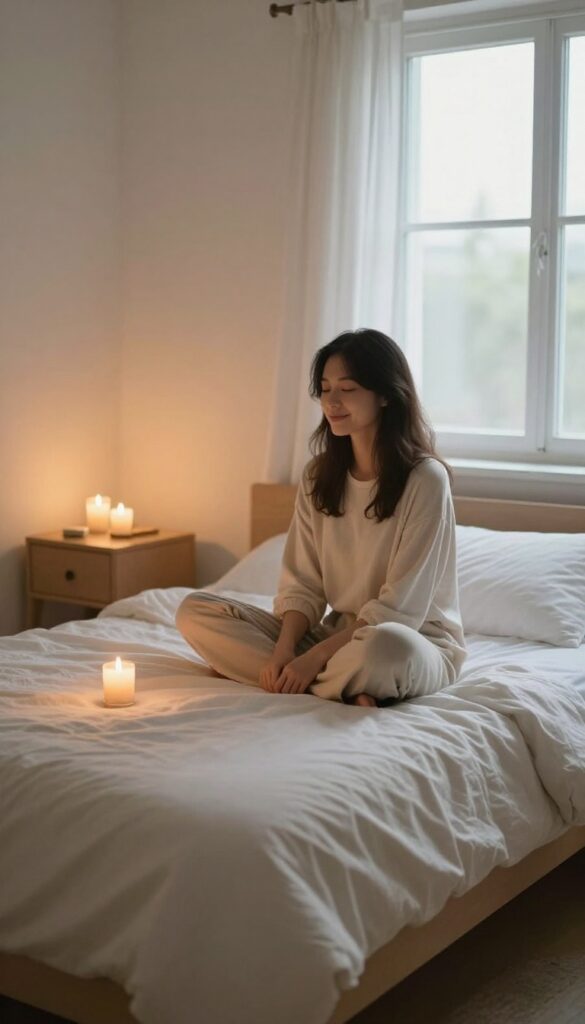
Gratitude has a way of shifting your entire perspective, especially at the end of a long day. Instead of letting your mind spiral into worries, you can guide it toward appreciation. A short gratitude meditation takes just a few minutes and leaves you feeling lighter and more at peace.
Close your eyes and take three slow breaths. Then, think of one person, one moment, and one simple pleasure you're grateful for. Let each thought settle in your chest.
Notice the warmth that spreads through your body. Stay with that feeling for a minute or two before opening your eyes.
Why It Works
Gratitude activates the brain's reward system and reduces stress hormones. It shifts focus from what's missing to what's already present, making it easier to relax and fall asleep.
How To Make It A Habit
Keep it simple. You don't need a special app or a long session. Just set a reminder on your phone to pause for two minutes before bed.
Over time, it becomes a natural part of your wind-down.
FAQ
How long should a self-care night routine be?
It can be as short as 10 minutes or as long as an hour. The key is consistency, not duration. Even a few calming activities can make a difference.
What if I don't have time for a full routine?
Pick one or two small activities, like drinking herbal tea or doing a 2-minute breathing exercise. Small steps still signal your body to wind down.
Can I do these routines if I share a bed?
Absolutely. Many ideas are quiet and non-disruptive, like journaling or using a weighted blanket. Communicate with your partner to find what works for both.
How soon before bed should I start my routine?
Aim to start 30 to 60 minutes before you plan to sleep. This gives your body enough time to transition from wakefulness to rest.
What if I still can't sleep after trying these?
If sleep troubles persist, consider consulting a healthcare professional. These routines are supportive, but chronic insomnia may need additional help.
Conclusion
The best self-care night routine is the one that actually helps you unwind. Start with just one or two ideas from this list that feel most inviting to you tonight. Over time, these small rituals will signal to your brain that it's time to rest.
Be patient with yourself—some nights will flow better than others. What matters is showing up for yourself, even in small ways.