Self-care doesn't have to mean elaborate routines or expensive products. Often, the most impactful habits are the simplest ones that fit seamlessly into your day. These 17 tips focus on streamlining your life so you can feel more grounded with less effort.
From making your bed to scheduling 'do nothing' time, each idea is designed to reduce decision fatigue and create small pockets of calm. You don't need to overhaul your entire schedule—just pick a few that resonate and build from there.
The goal is to simplify, not complicate. Start small, stay consistent, and watch how these tiny shifts free up mental space and energy for what truly matters.
1. Start Your Day with One Glass of Water

Before you reach for your phone or coffee, try this: drink a full glass of water. After hours of sleep, your body is naturally dehydrated, and even mild dehydration can make you feel sluggish or foggy. A simple glass of water first thing hydrates you, wakes up your metabolism, and helps you feel more alert without needing caffeine right away.
This tiny habit takes less than a minute but sets a positive tone for the day. Keep a glass or bottle by your bed so you remember. If plain water feels boring, add a squeeze of lemon or a pinch of salt for electrolytes.
Why It Works
Your body loses water overnight through breathing and sweat. Replenishing first thing helps your organs function better, improves digestion, and can even boost your mood. It's a gentle, natural way to signal to your body that it's time to wake up.
How To Make It A Habit
Set out a glass of water on your nightstand before bed. As soon as your alarm goes off, sit up and drink it. Pair it with another morning action, like stretching or opening the curtains, to create a simple routine.
2. Make Your Bed Every Morning
There's a reason why military training starts with making your bed. It's a small win that sets a productive tone for the rest of the day. Plus, walking into a tidy bedroom at night instantly feels more calming.
Making your bed takes less than two minutes, but the payoff is bigger than you'd think. It gives you a quick sense of accomplishment and makes your space look put together. That visual order can actually reduce mental clutter, helping you feel more in control.
Start Your Day With A Win
Completing this one simple task first thing creates momentum. You've already done something productive before you even leave the room. That small success can carry you through tougher decisions later.
Create A Calming Evening Vibe
A made bed invites you to unwind. When your bedroom feels tidy, your brain can relax more easily. It's a subtle signal that your day is winding down and it's time to rest.
3. Use a Single To-Do List for Everything
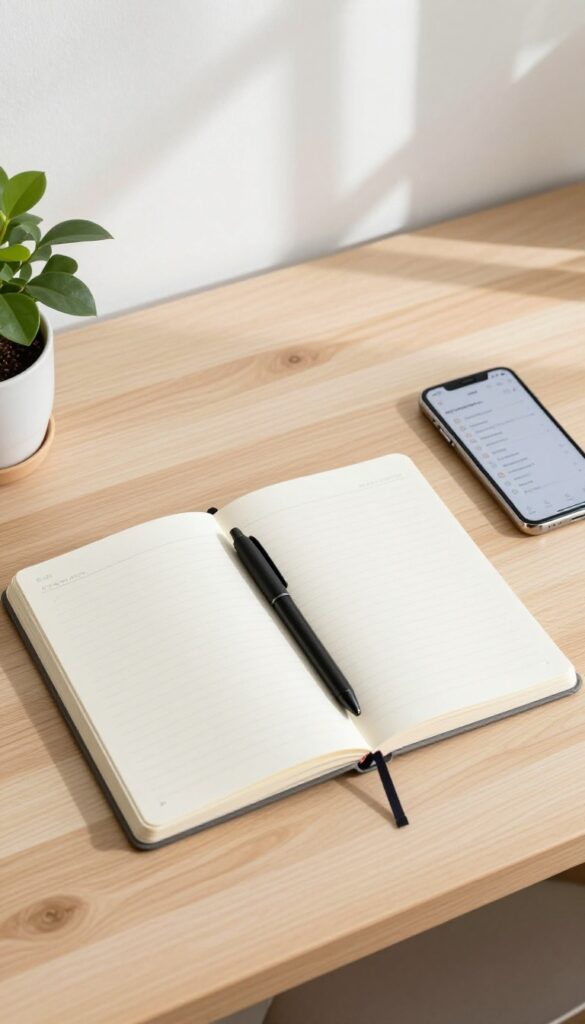
If you're like most people, your tasks are scattered across a dozen places: a notes app, a sticky note on your monitor, a mental list in your head, and maybe even a forgotten whiteboard. That fragmentation creates mental noise. Every time you switch tools, you risk losing a task or forgetting a deadline.
The fix is simple: consolidate everything into one master list.
Pick one system—paper or digital—and make it your single source of truth. When a task pops up, it goes on that list. No exceptions.
This eliminates the overhead of deciding where to store something and reduces the chance of things slipping through the cracks. Over time, you'll build trust in your system, which lowers anxiety and frees up mental energy for actually doing the work.
Choose Your Tool Wisely
Paper works if you prefer a tactile experience and don't mind rewriting. Digital tools like Todoist, TickTick, or even a simple Notes app are great for searchability and portability. The key is to pick one and stick with it for at least a week.
Don't get stuck in analysis paralysis—just pick something and adjust later.
Keep It Simple, Not Perfect
Your master list doesn't need fancy categories or priority levels at first. Just dump everything in. Once you're comfortable, you can add tags for context (e. g. , @home, @work, @errand) or due dates.
But start with a flat list. The goal is to capture, not to organize perfectly.
Review And Reset Daily
Set aside five minutes each morning or evening to review your list. Cross off completed items, move unfinished ones forward, and add anything new. This ritual keeps your list current and prevents it from becoming a graveyard of forgotten tasks.
It also gives you a clear picture of what's ahead, so you can plan your day with intention.
4. Set a 'No Screens' Window Before Bed
Screens are everywhere, and they're not doing your sleep any favors. The blue light from phones, tablets, and laptops tricks your brain into thinking it's still daytime, making it harder to drift off. Creating a 30-minute no-screen buffer before bed gives your mind a chance to slow down naturally.
Put away your phone, tablet, and laptop 30 minutes before sleep. This helps your brain wind down, improves sleep quality, and makes mornings easier.
Why It Works
Blue light suppresses melatonin, the hormone that regulates sleep. Without that signal, your body stays alert. Cutting screens lets melatonin rise naturally, so you fall asleep faster and stay asleep longer.
What To Do Instead
Use that half-hour for something calming: read a physical book, take a warm shower, write in a journal, or do some gentle stretching. The goal is to transition your brain from 'on' to 'off' without digital noise.
Stick With It
Start small—maybe 10 minutes without screens—and build up. Set a phone reminder to start winding down. After a few nights, you'll notice how much easier it is to wake up refreshed.
5. Prep Your Outfit the Night Before
Mornings can be chaotic, especially when you're trying to pick out an outfit while half asleep. By choosing your clothes the night before, you eliminate one more decision from your morning to-do list. This small habit saves time and reduces stress, leaving you with a clearer mind to start the day.
Spend just five minutes each evening selecting your outfit for the next day. Consider the weather, your schedule, and how you want to feel. Lay everything out—including shoes, accessories, and undergarments—so you can get dressed on autopilot.
This simple practice also helps you avoid last-minute laundry emergencies or rushing out the door in something you regret.
Why It Works
Decision fatigue is real. Every choice you make in the morning uses mental energy that could be saved for more important tasks. By deciding your outfit ahead of time, you preserve that energy and start your day with one less thing to worry about.
How To Make It A Habit
Tie it to an existing routine, like brushing your teeth or setting your alarm. Keep a designated spot in your closet or a hook on your door for tomorrow's clothes. If you're feeling extra organized, plan a whole week of outfits on Sunday evening.
Bonus Benefits
Picking clothes in advance gives you a chance to check for wrinkles, stains, or missing buttons. It also lets you coordinate outfits more thoughtfully, which can boost your confidence throughout the day. And if you're someone who changes their mind often, just give yourself permission to swap one item in the morning—it's still faster than starting from scratch.
6. Take a Five-Minute Breathing Break

Stress can spike without warning, pulling you out of focus and into fight-or-flight mode. Instead of pushing through or reaching for another coffee, try a short breathing reset. It's free, private, and works anywhere — at your desk, in the car, or even in a bathroom stall.
When you feel overwhelmed, step away from whatever you're doing. Set a timer for five minutes, close your eyes, and breathe in for four counts, hold for four, exhale for four. This box breathing pattern directly calms your nervous system, lowering heart rate and quieting mental chatter.
After just a few rounds, you'll notice your shoulders drop and your thoughts slow down. Make this a go-to habit whenever tension builds — it's like a mini reset button for your brain.
Why Box Breathing Works
Box breathing, also called square breathing, activates the parasympathetic nervous system. By extending each phase equally, you signal safety to your body, reducing cortisol and anxiety. It's used by Navy SEALs and first responders for a reason — it works fast.
When To Use It
Try this breathing break before a stressful meeting, after a frustrating email, or when you can't focus. You can also use it as a transition between work and home life. Five minutes is enough to reset without derailing your schedule.
Make It A Ritual
Pair your breathing break with a consistent trigger — like closing your laptop lid or stepping onto your porch. Over time, the cue alone will help you relax. You can also use a simple app with a timer or just count in your head.
7. Eat One Meal Without Distractions
We often treat eating as just another task to check off while scrolling or working. But when you eat on autopilot, you miss the signals your body sends about hunger and fullness. Choosing one meal a day to eat without screens or multitasking can transform how you nourish yourself.
Set aside one meal—maybe breakfast or lunch—where you sit at a table with no phone, TV, or computer. Focus on the flavors, textures, and aromas of your food. Eat slowly and notice when you start to feel satisfied.
This simple practice improves digestion, reduces overeating, and turns a daily necessity into a mindful moment.
Why It Works
When you eat without distractions, your brain properly registers the food you consume. This triggers digestive enzymes and signals fullness, which can prevent mindless snacking later. It also reduces stress by giving your mind a break from constant input.
How To Start
Pick the meal that fits your schedule best. Maybe it's a quiet breakfast before the house wakes up, or a lunch away from your desk. Set a timer for 20 minutes and commit to staying off your devices.
Over time, this becomes a calming ritual.
Making It A Habit
Start with just one meal per day, and don't worry if you slip up. The goal is progress, not perfection. Pair it with a cue, like placing your phone in another room before you sit down.
Soon, this undistracted meal will feel like a small act of self-care.
8. Declutter One Small Area Each Day
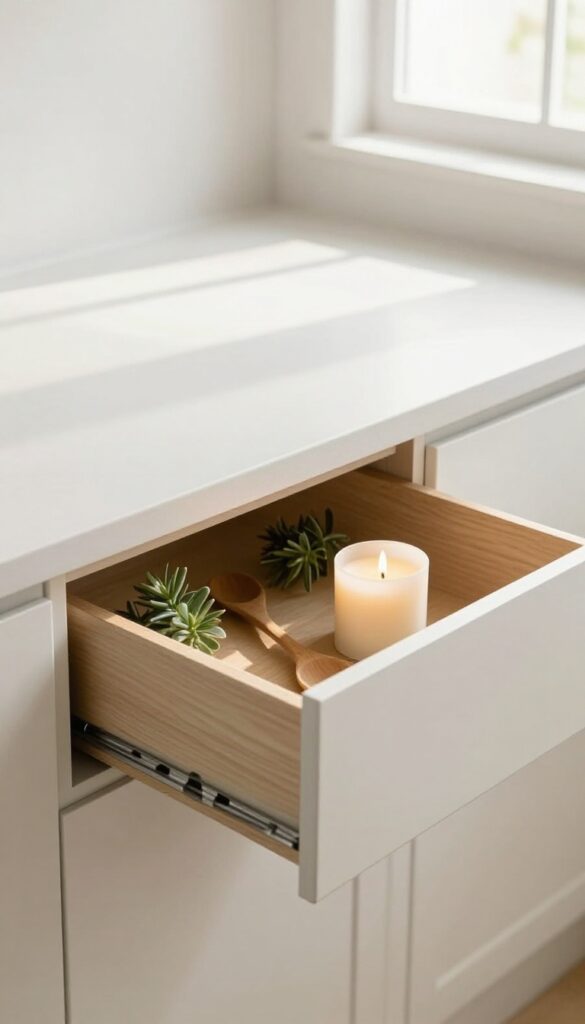
Clutter has a sneaky way of piling up until your space feels overwhelming. The good news? You don't need to dedicate a whole weekend to tidying.
Just ten minutes a day on one tiny spot can make a big difference over time.
Pick a drawer, a shelf, or a corner and spend 10 minutes clearing it out. Small wins add up, and a tidier space makes it easier to relax.
Start With A Single Drawer
Open that junk drawer or a kitchen drawer you've been avoiding. Toss expired coupons, broken pens, and random receipts. Wipe it down and put back only what you actually use.
That quick win feels great and takes less time than scrolling social media.
Tackle One Shelf Or Counter
Maybe it's the bathroom counter or a bookshelf that's collecting dust. Clear everything off, wipe the surface, and put back only the essentials. Group similar items together.
You'll instantly notice how much calmer the room feels.
Don't Forget Digital Clutter
Your phone or desktop can get cluttered too. Spend ten minutes deleting old screenshots, unused apps, or duplicate photos. A cleaner digital space reduces mental noise and makes finding what you need faster.
9. Schedule 'Do Nothing' Time
We're so used to filling every moment with tasks that stillness can feel uncomfortable. But giving yourself permission to do absolutely nothing is a powerful form of self-care. It's not laziness—it's intentional rest that resets your mind without requiring any effort.
Block out 15 minutes in your calendar where you have no obligations. Just sit, stare out the window, or lie down. This downtime recharges your energy without any effort.
Why It Works
When you constantly push yourself, your brain never gets a break. Scheduled nothing-time lowers cortisol and gives your mind space to wander, which boosts creativity and reduces burnout. It's like a mini vacation for your nervous system.
How To Actually Do It
Pick a time when you're least likely to be interrupted—maybe right after lunch or before a transition. Set a timer for 15 minutes, put your phone facedown, and just be. No music, no podcast, no scrolling.
Let your thoughts drift.
Make It A Habit
Start with once a week, then gradually increase. Pair it with something you already do, like after your morning coffee or before bed. Soon, your brain will crave this pause, and you'll notice how much clearer you feel afterward.
10. Use a Reusable Water Bottle as a Reminder
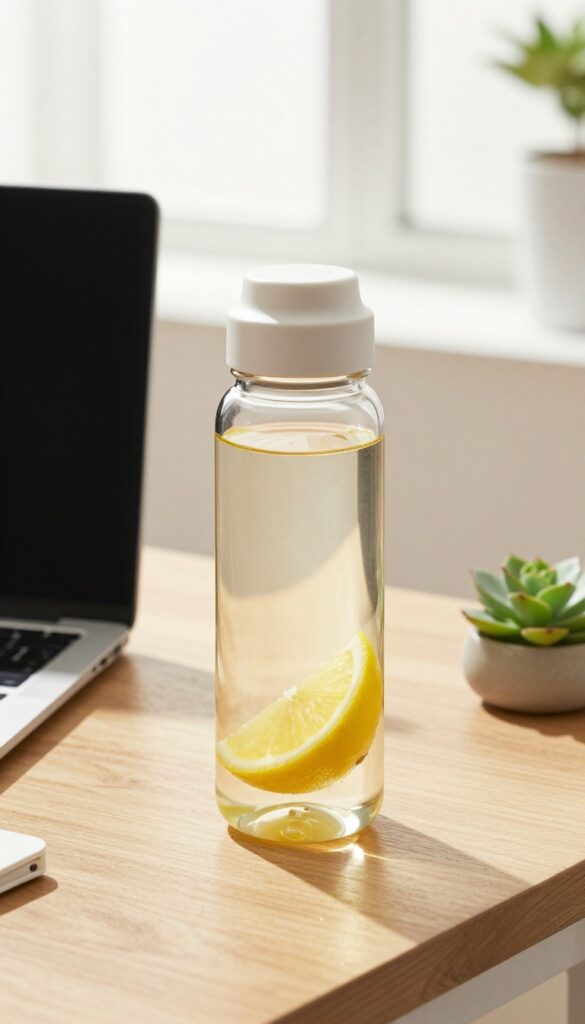
Hydration is one of those things that sounds easy but somehow slips through the cracks during a busy day. Instead of relying on memory, let a simple object do the reminding for you.
Keep a reusable water bottle on your desk, in your car, or in your bag. Every time you see it, take a sip. This visual cue turns hydration into an automatic habit without any extra effort.
Choose A Bottle You Love
Pick a bottle that feels good in your hand and looks nice. When you enjoy using it, you're more likely to keep it nearby and actually drink from it.
Set Small Goals
Aim to finish one bottle by lunch and another by the end of the day. Breaking it down makes the goal feel achievable rather than overwhelming.
Add Flavor Naturally
Drop in a slice of lemon, cucumber, or a few berries. A hint of flavor can make water more appealing and encourage you to drink more.
11. Write Down Three Good Things Each Day
Our brains have a natural negativity bias—we remember the criticism, the mishap, the awkward moment far longer than the small wins. That's why deliberately noting the good stuff matters. Before bed, grab a notebook or open a notes app and jot down three positive moments from your day.
They can be tiny: a good cup of coffee, a kind word from a friend, or simply making it to the end of the week. This simple practice trains your brain to scan for the bright spots, and over time, it rewires your default perspective. It's not toxic positivity—it's just giving the good stuff its fair share of airtime.
The idea is straightforward: every evening, write down three things that went well. They don't have to be big—a warm shower, a laugh with a coworker, or finishing a task counts. The key is consistency.
This habit shifts your focus from what's wrong to what's right, building a more balanced outlook. Studies in positive psychology show that this practice can increase happiness and decrease depressive symptoms in as little as two weeks. Start small: keep a notebook by your bed or set a phone reminder.
Over time, you'll notice you start looking for the good throughout the day, not just at bedtime.
Why It Works
Your brain is wired to remember threats and disappointments—it's an ancient survival mechanism. By deliberately recalling positive events, you strengthen neural pathways that make optimism more automatic. This isn't about ignoring problems; it's about creating a more balanced mental landscape.
The simple act of writing also reinforces memory, making the good moments stick.
How To Make It A Habit
Pair it with an existing routine, like brushing your teeth or getting into bed. Keep a small journal on your nightstand or use a notes app. If you're stuck, start with the basics: something you saw, something you did, or someone who made you smile.
Don't overthink it—even "I had a good sandwich" works. The consistency matters more than the content.
What To Do When You Forget
Don't stress if you miss a day. Just pick up again the next evening. You can also do a quick mental recap during a commute or shower.
The goal is to build a gentle habit, not a chore. If you're really struggling, try writing just one thing. Often, that one leads to two more.
Real-life Examples
Maybe today you finally fixed that squeaky door, received a compliment on your presentation, or enjoyed a quiet moment with your pet. Maybe you just got through a tough meeting without losing your cool. All of these count.
The more specific you are, the more powerful the effect. Instead of "work was good, " try "my colleague shared her lunch with me. "
12. Move Your Body for Just 10 Minutes

Exercise doesn't have to mean a full workout or a trip to the gym. In fact, short bursts of movement can be just as effective for boosting your mood and energy. A 10-minute walk, stretch, or dance session in your living room counts as real self-care.
The key is to make it easy and enjoyable. You're more likely to stick with it when it feels like a break, not a chore. Plus, those ten minutes add up over time, improving your physical and mental health without taking over your day.
Why 10 Minutes Works
Research shows that even brief physical activity can reduce stress, improve focus, and lift your spirits. It's enough to get your blood flowing and release endorphins, but short enough to fit into a busy schedule. No excuses needed.
Easy Ways To Get Moving
Try a brisk walk around the block, a quick yoga flow, or put on your favorite song and dance like no one's watching. You can also do bodyweight exercises like squats or lunges during a commercial break. The goal is to move, not to perfect a routine.
Make It A Habit
Anchor your 10-minute movement to an existing habit, like right after your morning coffee or before your evening shower. Set a timer if needed. Over time, it becomes automatic—a small gift you give yourself daily.
13. Create a Simple Morning Routine with Three Steps
Mornings can feel chaotic when you're trying to do too much at once. The key is to strip it down to three simple actions that ground you before the day takes over. This isn't about waking up at 5 AM or meditating for an hour—it's about starting with intention, not overwhelm.
A three-step morning routine removes decision fatigue and sets a calm tone for the hours ahead. By keeping it short, you're more likely to stick with it, and the small wins early on build momentum for the rest of the day.
Wake Up Without Your Phone
The first step is simply waking up and staying off your phone for at least five minutes. Give your brain a moment to adjust before diving into emails or social media. This tiny buffer helps you start the day on your own terms.
Hydrate Before Caffeine
Drink a full glass of water as soon as you're upright. Your body is dehydrated after sleep, and water wakes up your system more gently than coffee. Keep a glass by your bed so you don't forget.
Do One Small Task
Pick one simple action—make your bed, stretch for two minutes, or open the curtains. This gives you an immediate sense of accomplishment and signals to your brain that the day has begun. Keep it easy so there's zero resistance.
14. Say 'No' to One Non-Essential Request Each Week
Every week, requests pile up—favors, meetings, social events. Many feel obligatory, but they drain your time and energy. Learning to say no is a powerful act of self-care that protects your priorities.
Start small: each week, identify one request that doesn't align with your goals or values. Politely decline without over-explaining. A simple 'I can't commit to that right now' works.
This reduces resentment and burnout, freeing you for what truly matters.
Why Saying No Is Self-care
Every yes to something non-essential is a no to yourself. Protecting your time prevents overcommitment and keeps your energy for priorities like rest, hobbies, or family.
How To Say No Gracefully
Be direct but kind. Use phrases like 'I appreciate the offer, but I have to pass' or 'That doesn't work for me right now. ' No need to lie or apologize excessively.
Start With One No Per Week
Pick a low-stakes request first—maybe a casual hangout or an optional work task. Build the muscle gradually. Soon, it becomes natural to prioritize your own needs.
15. Invest in One Comfort Item for Your Home

Your home should feel like a retreat, not just a place to crash. One small upgrade—a weighted blanket, a memory foam pillow, or a pair of plush slippers—can transform how you unwind after a long day. It doesn't have to be expensive or elaborate; just one item that signals comfort can make your space feel more like a sanctuary.
Think about what makes you feel instantly relaxed. For many, it's something soft and warm. A high-quality throw blanket draped over your couch invites you to curl up with a book.
A supportive pillow can turn your bed into a cloud. Even a pair of cozy slippers waiting by the door can shift your mindset the moment you step inside. The key is to choose something you'll actually use daily, not something that just looks pretty.
Pick Something You Touch Often
The best comfort items are the ones you interact with regularly. A soft rug under your desk, a cushioned bath mat, or a plush robe can elevate mundane moments. Focus on items that come into contact with your skin—those have the biggest impact on your sense of ease.
Prioritize Quality Over Quantity
Instead of buying several cheap items, invest in one well-made piece. A durable, machine-washable blanket or a supportive ergonomic pillow will last longer and provide consistent comfort. Check materials like bamboo, cotton, or memory foam for breathability and longevity.
Let It Serve A Purpose
Your comfort item should also simplify your routine. For example, a weighted blanket can help you fall asleep faster, reducing bedtime anxiety. A cozy reading chair can become your designated relaxation spot, helping you mentally switch off from work.
Choose something that actively supports your self-care habits.
16. Practice the 'Two-Minute Rule' for Chores
Small tasks have a sneaky way of piling up into a mountain of to-dos. The two-minute rule is a simple hack to keep them from overwhelming your day. If a task takes less than two minutes, do it right away—no postponing, no adding to a list.
This rule works because it eliminates the mental load of remembering and rescheduling tiny chores. Hanging up your coat, wiping down the counter, or sending a quick reply takes almost no time, but the cumulative effect is a cleaner space and a clearer mind. You don't need to apply it to everything—just the little things that nag at you.
Over time, this habit prevents clutter and keeps your routine flowing smoothly.
The two-minute rule is a productivity principle that turns procrastination into action. By immediately handling quick tasks, you stop them from accumulating and reduce decision fatigue. It's especially useful for maintaining a tidy home and staying on top of daily responsibilities without feeling overwhelmed.
Where To Start
Identify the small tasks you tend to put off: hanging up clothes, washing a single dish, throwing away junk mail, or putting shoes away. These are perfect candidates. Keep a mental note or a small list, and commit to doing them as soon as they pop up.
Make It A Habit
Set a trigger, like walking through the door or finishing a meal, to scan for two-minute tasks. Over time, this becomes automatic. You'll notice your space stays tidier with minimal effort, and you'll feel less mental clutter from unfinished chores.
When To Skip It
The rule isn't for everything. If a task truly takes longer than two minutes, schedule it for later. Also, avoid interrupting deep focus or important work for a quick chore.
Use the rule during transition times—like between meetings or while waiting for coffee.
17. End Your Day with a Gratitude Pause

Your mind can be your own worst enemy at bedtime, replaying worries or to-do lists on a loop. Breaking that cycle doesn't take much—just a simple shift in focus. A gratitude pause is a gentle way to close the day, leaving you feeling lighter and more at peace before sleep.
Instead of scrolling through your phone or rehashing the day's stresses, take a moment to think of one person, experience, or thing you're grateful for. It could be as small as a good cup of coffee or as big as a loved one's support. This practice trains your brain to seek out positives, even on tough days.
Over time, it rewires your default thinking toward appreciation, making it easier to fall asleep with a calm heart.
Make It A Ritual
Consistency matters more than duration. Pair your gratitude pause with an existing habit, like brushing your teeth or turning off the lights. Within a week, it will feel like a natural part of your wind-down routine.
Keep It Simple
You don't need a journal or a fancy app. Just close your eyes and let one grateful thought surface. If your mind wanders, gently bring it back.
The goal is ease, not effort.
Share It With A Partner
If you share a bed, take turns saying one thing you're grateful for. It deepens connection and sets a positive tone for both of you. Plus, hearing someone else's gratitude can inspire your own.
FAQ
How many of these tips should I try at once?
Start with just one or two that feel easiest. Trying all 17 at once can be overwhelming. Gradually add more as the first ones become habits.
Are these tips suitable for people with very busy schedules?
Absolutely. Each tip is designed to take minimal time—most under 10 minutes. They're meant to fit into even the busiest day without adding stress.
Do I need to buy anything to practice these self-care tips?
No. Most tips require zero cost. A few suggest small purchases like a water bottle or a comfort item, but you can adapt them with what you already own.
Can these tips help with anxiety or stress?
Yes. Many tips, like breathing breaks and gratitude pauses, directly help calm your mind. Simplifying your routine also reduces the mental load that contributes to stress.
How long before I see results from these tips?
Some benefits, like better hydration or a tidier space, are immediate. Others, like improved sleep or mood, may take a few days to a week of consistent practice.
Conclusion
Simplifying your self-care routine doesn't mean doing less for yourself—it means doing what actually works. Start with one or two tips that feel doable today, not the whole list.
Small, consistent steps build lasting habits without the overwhelm. You don't need a perfect system, just a few intentional choices that make your day a little easier and a lot kinder to you.