A soft life isn't about doing nothing—it's about doing things with intention and ease. These 17 aesthetic self-care habits are designed to help you slow down without sacrificing productivity. Think of them as small rituals that make your daily routine feel more like a gentle embrace than a checklist.
Each habit focuses on creating moments of calm through sensory pleasures and mindful pauses. From morning slowness to evening wind-downs, these practices are simple to implement but powerful in their effect.
You don't need a complete lifestyle overhaul—just a few tweaks to invite more softness into your day. The goal is to feel more present and less rushed.
1. Start Your Morning with Intentional Slowness

The way you begin your morning often sets the rhythm for the rest of the day. Instead of diving straight into notifications and to-do lists, give yourself permission to ease in. This isn't about adding more to your routine—it's about shifting how you approach the first few minutes after waking.
By replacing the phone grab with a simple grounding ritual, you signal to your nervous system that there's no rush. Even just three deep breaths or a gentle neck roll can make a difference. The goal is to feel your body and your space before the world starts demanding your attention.
The 5-minute Stretch Sequence
You don't need a full yoga flow. Try a few simple stretches while still in bed: arms overhead, knees to chest, and a gentle spinal twist. This wakes up your muscles without jolting you into alertness.
Tea Over Screens
Make your first drink—whether tea, coffee, or warm lemon water—a screen-free moment. Hold the mug with both hands, notice the warmth, and take small sips. This tiny ritual anchors you in the present.
Set A Single Intention
Before you check emails or social media, ask yourself: 'What would make today feel good? ' It can be as simple as 'I will take a walk at lunch' or 'I'll speak kindly to myself. ' This shifts your focus from urgency to intention.
2. Create a Signature Scent Ritual
Scents have a direct line to your emotions and memories. By choosing a specific fragrance for your quiet moments, you can train your brain to relax on cue. It’s like having a personal aromatherapy session built into your day.
A signature scent doesn’t have to be expensive. It could be a rollerball of your favorite perfume, a few drops of lavender oil on your wrist, or lighting a sandalwood candle while you read. The key is consistency—use the same scent each time you want to unwind.
Over time, that smell becomes a shortcut to calm.
Pick Your Scent
Choose a fragrance that feels like a warm hug. Floral, woody, or citrus—whatever makes you smile. Test a few and stick with the one that instantly shifts your mood.
Anchor The Ritual
Use your scent at the same time each day—maybe during your morning coffee or before bed. Pair it with a simple action like deep breathing or stretching. This creates a powerful sensory anchor.
Make It Portable
Carry a small vial or a scented handkerchief. When stress hits, take a whiff and close your eyes for ten seconds. It’s a mini escape you can access anywhere.
3. Curate a Soft Music Playlist

Sound shapes your mood more than you realize. A carefully chosen playlist can turn a hectic afternoon into a peaceful one, or make a mundane task feel like a ritual. The goal here is not just any music, but a collection that feels like a sonic hug—gentle, unobtrusive, and calming.
Building a soft playlist takes a little intention, but it's worth it. Start with instrumental or lo-fi tracks that don't demand your attention. Think piano, acoustic guitar, or ambient electronic.
Add songs that make you take a deep breath without thinking. Over time, you'll have a go-to soundtrack for your soft life moments.
Choose Your Vibe
Not all soft music sounds the same. Decide if you want something warm and acoustic, or airy and electronic. Lo-fi beats work great for focus, while classical piano suits winding down.
Pick a mood and build around it.
Keep It Fresh
A playlist can get stale. Every few weeks, swap out a few tracks or add new discoveries. This keeps your ears engaged and your environment consistently serene.
Apps like Spotify or Apple Music make it easy to find curated soft playlists for inspiration.
Use It Intentionally
Don't just let it play in the background—use it to signal transitions. Play it when you start your morning routine, during chores, or as you wind down. Over time, the music becomes a cue for your brain to shift into a softer state of mind.
4. Practice the Art of Single-Tasking
In a world that glorifies multitasking, doing one thing at a time feels almost rebellious. But single-tasking is a secret ingredient for a soft life—it brings you fully into the moment, reduces mental clutter, and turns everyday chores into calming rituals. When you give your complete attention to a single activity, you'll notice more details, feel more satisfied, and experience less stress.
Single-tasking isn't about being slow; it's about being present. When you fold laundry, feel the fabric and the warmth. When you eat, savor each bite.
This practice trains your brain to focus, making you more efficient in the long run. Start small: pick one daily task and do it without distractions. You'll be amazed at how much calmer you feel.
Choose One Ritual To Start
Pick a simple activity you already do daily—like making tea, brushing your teeth, or watering plants. For that few minutes, commit to doing only that. No phone, no TV, no planning your next move.
Notice the sensations, the sounds, the smells. This tiny shift can become a cherished pause in your day.
Turn Chores Into Meditations
Washing dishes, folding laundry, or sweeping the floor can be surprisingly soothing when done mindfully. Focus on the physical sensations: the warmth of water, the rhythm of your hands, the sight of order emerging. These moments become moving meditations that ground you in the here and now.
Set Boundaries For Focus
To single-task well, you need to protect your attention. Put your phone in another room, close unnecessary tabs, and let others know you're unavailable for a bit. Use a timer if it helps—just 10 minutes of focused work or play can reset your mind.
Over time, you'll find it easier to slip into a flow state.
5. Establish an Evening Wind-Down Routine
As the day winds down, your body craves signals that it's safe to rest. A deliberate evening routine helps you transition from the hustle of the day into a state of calm. Instead of collapsing into bed after scrolling through your phone, create a ritual that soothes your senses and prepares you for deep sleep.
Dim the lights an hour before bed to mimic the sunset and boost melatonin production. Swap screens for a physical book, a journal, or gentle stretches. This isn't about productivity—it's about unwinding.
Your wind-down routine can be as short as 15 minutes; consistency matters more than length.
Set The Scene
Lower the lights, light a candle, or use a salt lamp. Soft, warm lighting tells your brain it's time to slow down. You can also play a calming playlist or white noise to block out distractions.
Choose A Calming Activity
Journaling, light stretching, or reading a few pages of a gentle book work well. Avoid anything stimulating—save the thrilling novels for daytime. The goal is to quiet your mind, not engage it.
Stick To A Consistent Time
Going to bed at roughly the same time each night reinforces your body's internal clock. Even on weekends, try to keep your wind-down window consistent. Your sleep quality will thank you.
6. Keep a Gratitude or Joy Journal

There's something magical about writing down the good stuff. A gratitude or joy journal is a simple practice that trains your brain to notice the little moments of happiness scattered throughout your day. It doesn't have to be long or elaborate—just a few lines can shift your entire outlook.
Grab a pretty notebook and a pen that feels good in your hand. Each evening, jot down three small things that brought you joy. Maybe it was the way sunlight hit your coffee cup, a kind text from a friend, or the perfect bite of toast.
Over time, this habit rewires your mind to seek out the positive, making your days feel softer and more abundant.
Make It A Ritual
Set aside five minutes before bed. Light a candle, brew a cup of tea, or put on a calming playlist. This turns journaling into a cozy ritual rather than a chore.
Consistency matters more than length—even one sentence counts.
Focus On The Small Stuff
Big wins are great, but the magic is in the tiny joys. The warmth of your blanket, a bird singing outside, the smell of rain. These everyday pleasures add up and create a soft life mood.
Mix It Up
Some days you might write about gratitude, other days about joy or simple pleasures. You can also add a doodle, a sticker, or a pressed flower. Let the journal be a creative outlet that reflects your mood.
7. Surround Yourself with Soft Textures
Your environment speaks directly to your nervous system. When every surface feels gentle against your skin, your body gets the message that it's safe to relax. Soft textures aren't just decorative—they're a form of tactile self-care that can shift your mood without you even noticing.
Choose Fabrics That Feel Like A Hug
Think cashmere throws, faux fur pillows, or a weighted blanket that drapes over you like a cloud. Keep a basket of these within arm's reach on your couch or bed. When you feel tense, reaching for something plush can instantly ground you.
Layer Your Bedding For Maximum Coziness
A crisp sheet set is nice, but a layered bed with a quilt, a chunky knit blanket, and a velvet duvet cover creates a nest-like feel. Swap out stiff pillowcases for sateen or bamboo—the smoothness against your face at night is a small luxury that pays off in better sleep.
Add A Soft Layer To Your Daily Routine
A plush robe after a shower or a pair of fleece slippers when you wake up can turn a mundane moment into a ritual. Even a soft scrunchie or a cashmere beanie can bring a touch of comfort to your day.
8. Take a Screen-Free Hour Each Day
Your phone is a portal to the world, but it can also be a portal to constant noise. Setting aside just one hour without screens gives your brain a real break. No notifications, no scrolling, no blue light—just you and the present moment.
This hour isn't about being productive. It's about reclaiming your attention and letting your mind wander. You might read a physical book, go for a walk without a podcast, or simply sit with a cup of tea.
The key is to do something that doesn't involve a screen.
Why It Works
Constant screen time keeps your brain in a state of low-grade alertness. An hour offline lowers cortisol, improves focus, and helps you sleep better. It's like a reset button for your nervous system.
How To Start
Pick a time that naturally works for you—maybe the first hour after work or the last hour before bed. Put your phone in another room, turn off the TV, and let yourself be bored. Boredom is where creativity and calm begin.
What To Do Instead
Keep a list of screen-free activities handy: journal, stretch, water your plants, or listen to a record. The goal isn't to fill the time but to enjoy the slowness. Over time, this hour becomes something you look forward to.
9. Savor a Slow Cup of Tea or Coffee
Turning your morning coffee or afternoon tea into a mindful ritual is one of the easiest ways to invite softness into your day. Instead of gulping it down while scrolling, treat the process as a gentle pause. The warmth of the mug, the aroma, the first sip—all of it becomes a mini meditation that anchors you in the present.
Choose Your Vessel
Pick a mug that feels good in your hands—maybe one with a smooth ceramic finish or a favorite color. The tactile experience matters. Holding something beautiful adds to the pleasure.
Engage Your Senses
Before drinking, take a moment to notice the steam rising, the color of the liquid, and the scent. Inhale slowly. Then sip, letting the warmth spread.
Pay attention to the flavors without rushing.
Put Away Distractions
Set your phone aside or turn off notifications. This is your time. Even five minutes of uninterrupted sipping can reset your mood and lower stress.
10. Move Your Body Gently

Movement doesn't have to be intense to count. In fact, the softest forms of exercise can be the most restorative. Think yoga flows, slow stretching, or a meandering walk without a destination.
The only goal is to feel good in your body—not to burn calories or hit a personal record.
When you move gently, you invite your nervous system to settle. Your muscles release tension, your breath deepens, and your mind gets a chance to wander. This kind of movement is a form of self-care, not a chore.
It's about listening to what your body needs and giving it exactly that—nothing more, nothing less.
Morning Stretch Ritual
Start your day with five minutes of stretching in bed or on a mat. Reach your arms overhead, roll your shoulders, and gently twist your spine. This simple sequence wakes up your body without shocking it, setting a calm tone for the hours ahead.
The Leisurely Walk
Instead of power-walking with a podcast blaring, take a slow stroll. Notice the way the light filters through the trees, the sounds of birds, the feeling of the ground under your feet. Let your pace be dictated by curiosity, not a timer.
Evening Yin Yoga
Yin yoga involves holding poses for several minutes, targeting deep connective tissues. It's perfect for winding down. Try a few hip-openers or a forward fold before bed.
The stillness helps release the day's accumulated tension and invites restful sleep.
11. Declutter a Small Space
A soft life thrives in calm surroundings. You don't need to Marie Kondo your entire home—just pick one tiny area. A single drawer, a shelf, or a corner of your room can become a sanctuary of order.
When you clear that small space, your mind follows. Clutter is visual noise, and removing it lets you breathe easier. It's a quick win that rewards you with both a tidy spot and a clearer head.
Start With One Drawer
Open that junk drawer and take everything out. Wipe it down, then put back only what you truly need. Arrange items neatly—maybe use small boxes or dividers.
Closing it feels like a mini victory.
Tidy A Shelf Or Countertop
Choose a surface that catches your eye every day. Clear off the extras, dust it, and add one pretty object—a candle, a small plant, or a framed photo. That spot becomes a visual anchor of peace.
Corner Reset
Even a floor corner can accumulate bags, shoes, or random stuff. Clear it out, vacuum, and maybe place a basket for daily items. An empty corner makes the whole room feel more spacious.
12. Indulge in a Weekly Bath or Spa Moment

A warm bath is more than just hygiene—it's a full sensory reset. When you intentionally set aside time to soak, you signal to your body that it's safe to rest. This weekly ritual becomes a cornerstone of your soft life practice, blending warmth, fragrance, and stillness into one luxurious experience.
Set The Scene
Start by dimming the lights and lighting a candle. Add Epsom salts or a bath bomb to the water—something that smells lovely and feels soothing. The goal is to create a mini sanctuary where you can fully unwind.
Unplug And Unwind
Leave your phone in another room. Bring a book or play a calming playlist instead. This is your time to disconnect from the outside world and reconnect with yourself.
Extend The Calm
After your bath, wrap yourself in a soft robe and apply a rich lotion or body oil. Sip a cup of herbal tea and stay in that relaxed state for at least 15 more minutes. Let the peace linger.
13. Write a Letter to Your Future Self
There's something quietly powerful about sitting down and writing to the person you'll be in a year. It's not about predicting the future—it's about planting a seed of intention today. This small ritual helps you check in with your current hopes, fears, and dreams, and offers a gentle reminder that you're exactly where you need to be.
Grab a pen and a piece of paper you love the feel of. Write a few lines about what you're grateful for right now, what you're learning, or what you wish for your future self. Seal it in an envelope with a date on it, and tuck it away.
When you open it later, you'll be amazed at how far you've come.
Why It Works
This practice builds self-compassion by letting you speak kindly to your future self. It also creates a tangible record of your growth, which can be deeply grounding when life feels chaotic.
How To Make It Aesthetic
Use a beautiful journal or handmade paper. Light a candle while you write, or add a pressed flower to the envelope. The sensory details make the ritual feel special and intentional.
What To Write
Keep it simple: a few hopes, a favorite memory from today, or a piece of advice you need to hear. You can also ask your future self a question, like "Are you proud of us? "
14. Practice Saying No Without Guilt
One of the most aesthetic self-care habits is learning to say no—gracefully and without apology. A soft life isn't about pleasing everyone; it's about honoring your own energy. When you decline an invitation or request that drains you, you're not being rude—you're protecting your peace.
Why It's Essential
Every yes you give away is a piece of your time and energy. If you constantly say yes to things that don't align with your needs, you'll end up resentful and exhausted. Saying no preserves your resources for what truly matters—your rest, your hobbies, and your relationships that fill you up.
How To Say It Softly
You don't need a long excuse. A simple, warm "I can't make that work, but thank you for thinking of me" is enough. You can also say, "I need to prioritize some quiet time right now.
" The key is to be clear and kind—without over-explaining.
Let Go Of The Guilt
Guilt often comes from the fear of disappointing others. Remind yourself that your boundaries are not selfish—they're an act of self-respect. Over time, saying no becomes easier, and you'll notice how much lighter and more peaceful you feel.
15. Decorate with Meaningful Objects
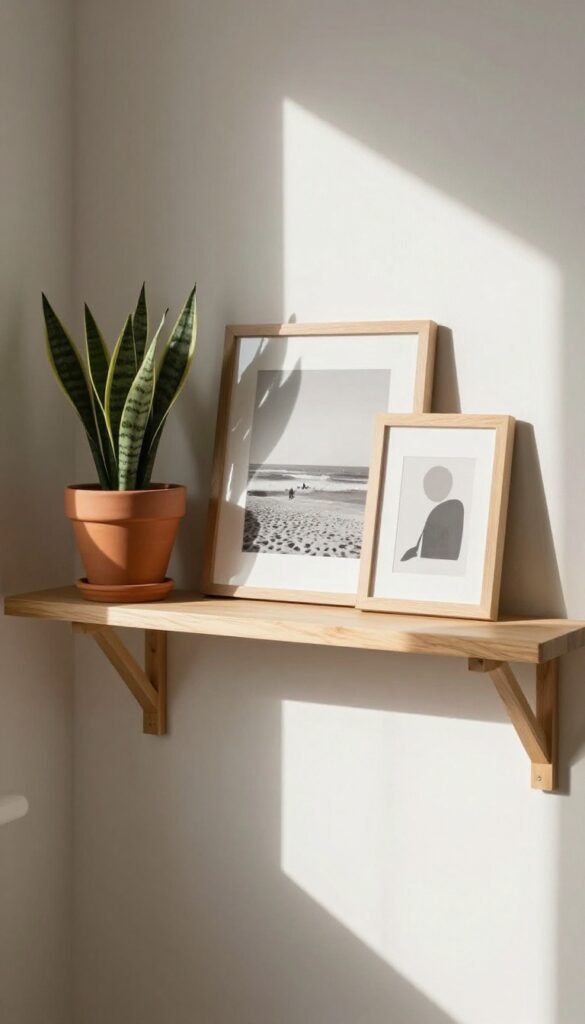
Your environment shapes your mood more than you realize. When you fill your space with objects that spark joy or hold special memories, every glance becomes a small moment of comfort. This isn't about following trends—it's about curating a personal sanctuary that feels like you.
Think of your home as a gallery of your life. Each item should tell a story or evoke a feeling. A framed photo from a happy trip, a plant you've nurtured from a cutting, or a piece of art that makes you smile—these are the things that turn a room into a retreat.
Choose Photos That Make You Smile
Print your favorite memories and display them where you'll see them daily. A small gallery wall or a single frame on your nightstand can instantly lift your mood. Rotate them seasonally to keep the feeling fresh.
Add Greenery For Life
Plants bring a soft, organic energy to any space. Even a single low-maintenance snake plant or a tiny succulent on your desk can make the air feel fresher. If you're not a plant person, high-quality faux greenery works too.
Display Art That Speaks To You
You don't need expensive originals. Print your favorite digital art, frame a postcard, or hang a textile you love. The key is that it resonates with you—not what's trendy.
Let your walls reflect your inner world.
16. Cook a Simple, Nourishing Meal
There's a reason why cooking is often called a labor of love—especially when the love is directed at yourself. Preparing a meal with whole ingredients is one of the most grounding self-care rituals you can adopt. It's not about gourmet techniques or complicated recipes; it's about choosing colors, textures, and flavors that make you feel cared for.
When you cook with intention, you're telling yourself that you are worth the time and effort. Eating well is a form of self-respect, and the act of creating something nourishing from scratch can be deeply satisfying. Plus, a beautifully plated meal is a feast for the eyes as much as the stomach.
Start With One Ingredient
Pick a vegetable, grain, or protein that you love and build around it. A single sweet potato can become roasted wedges, a creamy soup, or a hearty bowl. Let that one ingredient guide your choices—it simplifies decision-making and keeps the process calm.
Engage All Your Senses
Notice the sound of onions sizzling, the smell of garlic hitting hot oil, the vibrant red of a ripe tomato. Cooking mindfully turns a chore into a sensory experience. Put on some soft music, pour a glass of water, and take your time.
Plate With Purpose
Use your prettiest bowl or a wooden board. Arrange the food with care—a sprinkle of sesame seeds, a drizzle of olive oil, a few herb leaves. Eating from a beautiful plate makes the meal feel like an event, not just fuel.
17. End Your Day with a Gratitude Pause

The way you close your day sets the tone for your sleep and your tomorrow. Instead of scrolling or worrying, a gratitude pause invites a moment of quiet reflection. It's a tiny ritual that costs nothing but pays dividends in peace.
Before you drift off, take 60 seconds to recall one good moment from your day. It doesn't have to be big—a warm cup of tea, a laugh with a friend, or the feeling of fresh sheets. Let that memory be the last thing on your mind, like a gentle lullaby for your soul.
Why It Works
Gratitude shifts your focus from what went wrong to what went right. This simple mental reset lowers stress hormones and trains your brain to notice the good. Over time, it rewires your default mindset toward contentment.
How To Make It A Ritual
Keep a small notebook by your bed. Each night, write down one sentence about your highlight. Or simply close your eyes and replay the moment in your mind.
Pair it with a calming scent like lavender to anchor the habit.
The Soft Life Benefit
This practice invites a softer transition into rest. Instead of carrying the day's weight into bed, you release it with a gentle sigh. You'll fall asleep feeling lighter, and wake up with a more peaceful heart.
FAQ
What does 'soft life mood' mean?
A soft life mood is about prioritizing comfort, rest, and joy over hustle and stress. It's a gentle approach to living that values peace and intentionality.
How many of these habits should I try at once?
Start with one or two that resonate most. Gradually add more as they become natural. The goal is sustainable change, not overwhelm.
Can I practice these habits if I'm busy?
Absolutely. Many habits take just a few minutes. Even a single slow cup of tea or a five-minute stretch can shift your mood.
Do I need special tools or products?
No. Most habits use items you already have—a favorite mug, a cozy blanket, or a notebook. Focus on the experience, not the stuff.
How do I stay consistent with these habits?
Tie them to existing routines, like after brushing your teeth or before bed. Consistency comes from small, easy steps.
Conclusion
A soft life isn't about doing everything perfectly—it's about choosing small moments that feel gentle and true to you. Pick one or two habits from this list that spark a little joy, whether it's journaling by candlelight or swapping your phone for a paperback. Let those simple acts become your anchors.
Remember, the goal isn't to curate an aesthetic; it's to create space for ease in your everyday. Start with what feels good today, and let your soft life unfold naturally.