You don't need a full day off to feel like you've truly reset. Sometimes just a few intentional habits can turn an ordinary day into a personal retreat.
These 25 self-care ideas are designed to be simple, doable, and genuinely refreshing. From waking up without an alarm to unplugging for an hour, each one helps you slow down and reconnect with yourself.
Pick the ones that fit your schedule and energy level. The goal isn't to do everything—it's to find what makes you feel renewed.
1. Wake Up Without an Alarm

Most of us start the day jolted awake by a harsh alarm, already behind before we've even opened our eyes. Letting your body wake naturally, even just on weekends, can lower cortisol and set a calmer tone for the whole day. It's a simple shift that makes a big difference in how refreshed you feel.
When you wake without an alarm, your body completes its last sleep cycle naturally, leaving you feeling more rested and less groggy. This practice reduces the stress of being abruptly pulled from deep sleep and helps regulate your internal clock over time. Start by setting your alarm 30 minutes later than usual, or try a sunrise alarm clock that mimics natural light.
Why It Works
Your body's natural sleep-wake cycle, or circadian rhythm, is designed to wake gradually. An alarm interrupts that process, spiking stress hormones. Waking naturally lets your body ease into the day, improving mood and mental clarity.
How To Start
Begin by going to bed early enough to get 7–9 hours of sleep. If you must use an alarm, choose a gentle, gradual sound. On days off, try sleeping without an alarm entirely and notice how you feel.
Pro Tips
Keep your room dark and cool for better sleep quality. Avoid screens an hour before bed, and let natural light into your room in the morning to help your body wake naturally.
2. Drink a Full Glass of Water First Thing
After hours of sleep, your body wakes up dehydrated. That groggy feeling? Often it's just thirst in disguise.
A full glass of water first thing helps kickstart your metabolism, flush out toxins, and wake up your system gently. No need for fancy infused waters or lemon slices—plain water works perfectly. Keep a glass or bottle by your bedside so it's the first thing you reach for.
This tiny habit sets a hydrated, energized tone for the rest of your day.
Why Morning Hydration Matters
Your body loses water overnight through breathing and sweating. Replenishing fluids first thing helps regulate body temperature, lubricate joints, and improve digestion. Even mild dehydration can cause fatigue, headaches, and brain fog—so this simple step can make a real difference.
How Much Water To Drink
Aim for 8 to 12 ounces (about 250–350 ml) right after waking. That's roughly one standard glass or a small water bottle. You can sip it slowly over 5–10 minutes if chugging feels uncomfortable.
Listen to your body—drink enough to feel refreshed, not bloated.
Easy Ways To Make It A Habit
Place a glass or reusable bottle on your nightstand before bed. Add a small note or set a gentle phone reminder. Pair it with another morning habit, like stretching or brushing your teeth, so it becomes automatic.
Within a week, it'll feel strange to skip it.
3. Spend 5 Minutes in Silence
Silence is a luxury most of us rarely experience. Between notifications, conversations, and background noise, your brain rarely gets a true break. Taking just five minutes to sit in complete quiet can lower stress and improve focus for the rest of the day.
This isn't about meditation or clearing your mind completely. It's simply about giving your senses a rest. No music, no podcasts, no scrolling—just you and the quiet.
You don't need a special spot or a cushion. Just find a comfortable place to sit, set a timer for five minutes, and close your eyes. Let your thoughts come and go without chasing them.
If your mind wanders, gently bring your attention back to the silence. That's it.
Why Silence Works
Constant noise keeps your nervous system on high alert. Silence allows your brain to process information and recharge. Studies show that just two minutes of silence can be more relaxing than listening to calming music.
How To Make It A Habit
Tie it to an existing routine. Sit in silence right after you pour your morning coffee or before you start work. Keep your phone in another room so you're not tempted to check it.
Start with two minutes if five feels too long.
What To Do If You Feel Restless
It's normal to feel fidgety at first. Focus on your breath or the sensation of sitting. If you absolutely can't sit still, try a walking meditation—walk slowly in silence, paying attention to each step.
4. Write Down Three Things You're Grateful For

Gratitude has a funny way of shifting your entire mood. When you take a moment to notice what's good, your brain starts looking for more positives. It's not about ignoring problems—it's about balancing them with appreciation.
A quick gratitude practice can turn a gloomy day into one that feels lighter. You don't need a fancy journal or a long session. Just three things, written down, can make a real difference.
Gratitude rewires your brain to focus on the positive. By writing down three things you're grateful for, you train your mind to spot good moments throughout the day. This simple habit boosts mood, reduces stress, and helps you feel more content.
Keep it simple. Think of small pleasures like a warm cup of coffee, a kind text from a friend, or the feeling of sunshine on your skin. The key is to be specific and genuine.
Why It Works
Gratitude activates the brain's reward system, releasing dopamine and serotonin. These feel-good chemicals improve your mood and create a positive feedback loop. Over time, this practice can increase overall happiness and resilience.
How To Start
Grab a notebook or a scrap of paper. Set a timer for two minutes. Write down three things you're grateful for today.
They can be big or small—just make them real. Try to do this at the same time each day, like right after waking up or before bed.
Make It A Ritual
Pair your gratitude practice with another habit, like sipping your morning coffee or brushing your teeth. Keep a small notebook by your bed or use a notes app on your phone. The easier it is to do, the more likely you'll stick with it.
5. Stretch for 10 Minutes
Your body holds tension from sitting, staring at screens, and just… life. A quick stretch session can release that tightness and get your blood flowing again. It doesn't take long—just ten minutes can make a noticeable difference in how you feel.
Focus On Problem Areas
Neck, shoulders, and lower back tend to carry the most stress. Simple neck rolls, shoulder shrugs, and a seated forward fold can target those spots. Hold each stretch for about 30 seconds and breathe deeply.
Add A Gentle Flow
If static stretches feel boring, link a few together. A slow sun salutation or a cat-cow sequence warms up the whole body. Moving with your breath makes it feel more like a mini yoga session than a chore.
No Equipment Needed
You can do this anywhere—your bedroom floor, a living room rug, or even at your desk. Just wear comfortable clothes and give yourself space to move. No mat?
A towel works fine.
6. Take a Slow Morning Walk
Morning walks often get overlooked in favor of more intense workouts, but there's something special about a slow, aimless stroll. It's not about steps or calories—it's about easing into the day with fresh air and gentle movement. When you walk without a destination or timer, your mind gets space to wander.
The rhythm of your footsteps can be surprisingly calming, helping you shake off sleepiness and gather your thoughts. This simple habit can turn a rushed morning into a peaceful ritual. Even ten minutes can make a difference.
Leave your phone behind and let your senses tune into the world around you.
Why Slow Beats Fast
A slow walk activates your parasympathetic nervous system, which helps you relax. Fast walking or jogging triggers a stress response, which isn't ideal first thing. By keeping your pace leisurely, you signal to your body that it's safe to unwind.
What To Notice
Pay attention to the small details—the way light filters through leaves, the sound of birds, the feel of pavement under your feet. This kind of mindful attention pulls you into the present moment and away from mental chatter.
Make It A Ritual
Pair your walk with a consistent cue, like stepping outside right after brushing your teeth. Over time, your brain will associate that trigger with calm, making it easier to stick with the habit. Even a short loop around the block counts.
7. Enjoy a Nourishing Breakfast
Breakfast sets the tone for your entire day. When you take time to prepare something balanced and satisfying, you're not just feeding your body — you're telling yourself that you matter. A nourishing breakfast doesn't have to be elaborate.
It can be as simple as eggs with avocado toast or a smoothie bowl loaded with fruits and nuts. The key is to include protein, healthy fats, and fiber to keep your energy steady and your mind clear.
Why It Matters
Skipping breakfast or grabbing something sugary might save time, but it often leads to an energy crash later. A balanced meal stabilizes blood sugar, supports focus, and prevents mid-morning cravings. It's a small investment that pays off in how you feel all day.
Quick Ideas For Busy Mornings
Not a morning person? No problem. Overnight oats, Greek yogurt with berries and granola, or a pre-made egg muffin tin can be ready in minutes.
Even a simple peanut butter banana sandwich on whole-grain bread works. The goal is real food that fuels you, not perfection.
Make It A Ritual
Instead of eating on the go, try sitting down without your phone. Light a candle, play soft music, or just enjoy the quiet. This turns breakfast from a rushed task into a calming self-care moment that nourishes both body and mind.
8. Unplug from Screens for an Hour

Your phone, laptop, and TV are constantly demanding your attention. Even when you're not actively working, the blue glow keeps your brain in a low-level state of alert. Giving yourself just one screen-free hour can feel like a mini vacation for your mind.
This isn't about going full digital detox for a week. It's a short, intentional break that resets your focus and reduces eye strain. You'll be surprised how much calmer you feel after stepping away from notifications and endless scrolling.
What To Do Instead
The key is to replace screen time with something that feels restorative, not productive. Read a physical book, doodle in a notebook, or simply sit outside and watch the clouds. You could also try a low-tech hobby like knitting, journaling, or playing a board game.
The goal is to engage your hands and mind without a glowing rectangle.
How To Make It Stick
Pick a consistent time that works for you—maybe the hour after dinner or first thing in the morning. Set a timer on your stove or use an analog alarm clock so you don't have to touch your phone. Let your family or roommates know so they don't interrupt with texts.
Treat this hour as non-negotiable, like a doctor's appointment for your brain.
The Benefits You'll Notice
Within minutes, you might feel your shoulders drop and your breathing slow. Without constant input, your mind can wander and make creative connections. Many people find they sleep better after an evening screen break.
Even one hour can reduce mental fatigue and help you feel more present in your own life.
9. Read a Few Pages of a Book
Reading is one of those rare activities that can both relax and energize you at the same time. It pulls you away from screens and into a different world—whether that's a fictional universe or a new area of knowledge. The best part?
You don't need to finish a chapter or even a whole page. Just a few minutes is enough to shift your mindset and give your brain a gentle reset.
Choose Something Light
Self-care reading shouldn't feel like homework. Pick a book that's easy to get into—a cozy mystery, a feel-good romance, or a short essay collection. The goal is enjoyment, not obligation.
If a book doesn't grab you in the first few pages, put it down and try another.
Set A Timer
It's easy to get lost in a good book, but self-care reading is about quality, not quantity. Set a timer for 10 or 15 minutes. When it goes off, you can stop guilt-free.
This keeps reading refreshing rather than something that eats into your day.
Make It A Ritual
Pair reading with a cozy drink or a comfortable spot. A cup of tea, a soft blanket, and a few pages can become a mini escape you look forward to. Over time, this small habit can become a cornerstone of your self-care routine.
10. Take a Long, Hot Bath or Shower
There's a reason hot baths and showers have been go-to relaxation methods for centuries. The warmth eases muscle tension, lowers stress hormones, and signals your nervous system to shift from fight-or-flight to rest-and-digest. It's one of the simplest ways to physically and mentally reset.
Let warm water soothe your muscles and wash away tension. This is about making the experience intentional, not just a quick rinse.
Set The Scene
Dim the lights, light a candle, or add a few drops of lavender or eucalyptus oil to the water. If you're showering, try a steam-friendly essential oil blend. The goal is to create a sensory cocoon that tells your brain it's time to unwind.
Temperature Matters
Aim for water that's warm but not scalding—around 100°F to 104°F for baths. Too hot can dry out your skin and spike your heart rate. Stay in for 15 to 30 minutes, and keep a glass of water nearby to stay hydrated.
Add A Simple Ritual
Use this time to do a quick body scan or practice deep breathing. Inhale for four counts, hold for seven, exhale for eight. Or just let your mind drift—no phone, no music, just the sound of water.
This quiet space is where the real refresh happens.
11. Listen to Your Favorite Music

Music has a direct line to your emotions. A few carefully chosen songs can shift your mood, lower stress, and bring back good memories. Whether you need energy or calm, the right playlist works like a reset button for your mind.
Build A Mood-boosting Playlist
Take ten minutes to curate a playlist of songs that make you feel happy, nostalgic, or relaxed. Include a mix of upbeat tracks for motivation and slower ones for winding down. Name it something like "Self Care Sunday" so it's easy to grab whenever you need a lift.
Listen Without Distractions
Put on headphones or sit in a quiet space and give the music your full attention. Close your eyes and notice the instruments, lyrics, and how the rhythm makes you feel. This mindful listening turns a simple activity into a mini meditation.
Match Music To Your Activity
Use music intentionally throughout your day. Play energizing tunes while you cook or clean, and switch to soothing instrumentals during a bath or journaling session. Let the soundtrack guide your pace and mood.
12. Declutter One Small Area
Clutter has a sneaky way of adding mental weight. Even a messy drawer or a cluttered corner can make your brain feel busy. That's why tidying up one small area is such a powerful self-care move—it's quick, visible, and instantly calming.
You don't need to organize your whole house. Just pick one tiny spot: a junk drawer, a bathroom shelf, or the top of your nightstand. Set a timer for 10 minutes and clear it out.
The goal isn't perfection—it's creating a little pocket of order that you can enjoy every day.
Start With A Single Drawer
A junk drawer is a perfect target. Empty it onto a towel, toss old receipts and broken pens, and group like items together. Use small containers or dividers if you have them.
Even just wiping the inside makes a difference.
Tackle A Counter Or Shelf
Choose a surface that collects clutter—like the kitchen counter or a bathroom shelf. Remove everything, wipe it down, and only put back what you actually use. Store the rest out of sight.
Clear Your Nightstand
Your nightstand should be a calm place, not a catch-all. Keep only a lamp, a book, and maybe a glass of water. Clear off old receipts, empty glasses, and random items.
You'll sleep better with a clean view.
13. Practice Deep Breathing for 5 Minutes
When stress builds up, your breath often becomes shallow without you even noticing. That sends signals to your brain that something is wrong, keeping your body in a low-level fight-or-flight mode. The fix is surprisingly simple: a few minutes of intentional breathing can flip that switch back to calm.
Deep breathing is one of the most accessible self-care tools because it requires nothing but a quiet moment. It lowers your heart rate, reduces tension, and gives your mind a mini reset. And the best part?
You can do it anywhere—at your desk, in the car, or before bed.
Start with just five minutes. Find a comfortable seat, close your eyes, and focus on slow, even breaths. Inhale for four counts, hold for four, exhale for four.
That rhythmic pattern naturally calms your nervous system. If your mind wanders, gently bring it back to your breath. No judgment, just practice.
For an extra layer of relaxation, try box breathing: inhale, hold, exhale, hold—each for four counts. This technique is used by athletes and first responders to stay centered under pressure. You can also place one hand on your chest and one on your belly to feel the rise and fall, which deepens the mind-body connection.
Consistency matters more than duration. Even two minutes of focused breathing can shift your mood. Try pairing it with a daily trigger, like after you pour your morning coffee or right before you start work.
Over time, it becomes a natural reflex to reset whenever you feel overwhelmed.
Why It Works So Fast
Deep breathing activates the vagus nerve, which runs from your brainstem to your abdomen. This nerve is a key player in your parasympathetic nervous system—the part that helps you rest and digest. When you take slow, deep breaths, you're essentially telling your body it's safe to relax.
Within a few cycles, your heart rate slows, muscles soften, and your mind clears.
Simple Techniques To Try
Box breathing is a solid starting point: inhale for 4 seconds, hold for 4, exhale for 4, hold for 4. Repeat for 5 minutes. Another option is 4-7-8 breathing: inhale for 4, hold for 7, exhale for 8.
This longer exhale promotes deeper relaxation. You can also try diaphragmatic breathing—place a hand on your belly and feel it rise as you inhale, then fall as you exhale.
Making It A Daily Habit
Set a gentle reminder on your phone or pair it with an existing habit. For example, breathe deeply for one minute after you brush your teeth or before you eat a meal. Use a calm app or a simple timer to keep track.
The goal is not perfection but consistency. Even on busy days, a few conscious breaths can make a difference.
14. Do a Face Mask or Skincare Ritual
Skincare isn't just about looking good—it's a moment to slow down and care for yourself. A simple face mask or a few mindful steps can turn your bathroom into a mini spa. Even 10 minutes of gentle cleansing, masking, and moisturizing can feel like a reset.
The sensory experience—warm water, calming scents, soft textures—helps quiet your mind while your skin gets some love. No need for a complicated routine. Pick one product you enjoy and give it your full attention.
A skincare ritual doesn't have to be expensive or time-consuming. It's about the intention behind it. Choose a mask that suits your skin type—clay for deep cleaning, sheet masks for hydration, or gel masks for soothing.
While it sets, close your eyes, breathe deeply, or listen to calming music. After rinsing, follow with a moisturizer and a gentle facial massage using your fingertips or a jade roller. This small act of care can boost circulation, ease tension, and leave your skin glowing.
Pick The Right Mask For Your Mood
Different masks serve different needs. If you're feeling sluggish, a brightening or exfoliating mask can give you a quick pick-me-up. For stressed or irritated skin, a soothing mask with ingredients like aloe or oatmeal can calm both your complexion and your nerves.
Let your skin's needs guide your choice.
Make It A Multi-sensory Experience
Light a candle, put on a playlist, or use a warm towel to open your pores. The more senses you engage, the more relaxing the ritual becomes. Pay attention to the texture, scent, and temperature of each product.
This mindfulness turns a simple routine into a true self-care moment.
15. Write in a Journal

Journaling is one of those habits that feels simple but works wonders. It gives your thoughts a place to land, so they stop bouncing around in your head. Whether you write for five minutes or fill a page, the act of putting pen to paper can be surprisingly calming.
Grab any notebook or even a scrap piece of paper. There's no need for a fancy journal or perfect handwriting. The goal is just to let it out—whatever is on your mind, worries, gratitude, random ideas.
You might be surprised how much lighter you feel afterward.
Try A Prompt
If staring at a blank page feels intimidating, use a simple prompt like "Today I felt. . . " or "One thing I'm grateful for is. . . " Prompts give you a starting point and make the habit easier to stick with.
Keep It Private
Your journal is for you and only you. Don't worry about grammar, spelling, or making sense. This is a judgment-free space where you can be completely honest.
That freedom is what makes it so refreshing.
Make It A Ritual
Try journaling at the same time each day, maybe with a cup of tea or while sitting in a cozy spot. Pairing it with another calming habit helps it become a natural part of your self-care routine.
16. Cook a Meal You Love
There's something grounding about making a meal from scratch, especially when it's one of your favorites. The process of chopping, stirring, and seasoning can be surprisingly meditative. It's a chance to focus on something tangible and delicious, leaving the rest of the world behind for a bit.
Cooking a meal you love is more than just feeding yourself—it's an act of self-care. The sensory experience of fresh ingredients, the rhythm of prep work, and the satisfaction of creating something nourishing can lift your mood and help you feel accomplished. Plus, you get to enjoy the fruits of your labor.
Pick A Recipe That Excites You
Choose a dish you genuinely crave, not something that feels like a chore. It could be a childhood comfort food, a new recipe you've been wanting to try, or a simple pasta you know by heart. The key is to pick something that makes you look forward to the process.
Set The Mood
Turn on some music, pour a glass of water or tea, and clear your workspace. Light a candle if you like. Creating a pleasant environment makes cooking feel like a ritual rather than a task.
Give yourself permission to take your time and enjoy each step.
Savor Without Distractions
When your meal is ready, sit down and eat without your phone or TV. Focus on the flavors and textures you created. Eating mindfully helps you appreciate the effort and can make the experience even more satisfying.
17. Spend Time in Nature
Nature has a way of resetting your nervous system without you having to do much at all. A few minutes outside can lower cortisol, improve mood, and bring a sense of calm that's hard to find indoors. You don't need a long hike or a trip to the woods.
Even a short walk in a park or sitting under a tree can work wonders. The key is to be present—notice the breeze, the sounds, the light filtering through leaves. Make it a non-negotiable part of your self-care day.
Step away from screens and let the outdoors do its thing.
Connecting with nature is one of the simplest ways to feel refreshed. Whether you have five minutes or an hour, time outside can shift your perspective and ease stress. Here are a few ways to make the most of it.
Take A Mindful Walk
Leave your phone behind or put it on silent. Walk slowly and pay attention to your surroundings—the crunch of leaves, the smell of rain, the warmth of the sun. This isn't exercise; it's a moving meditation.
Sit And Observe
Find a bench, a patch of grass, or a quiet spot. Just sit for five or ten minutes and watch the world go by. Notice the birds, the clouds, the way the wind moves the trees.
Let your mind wander without judgment.
Bring Nature Inside
If you can't get outside, bring nature to you. Open a window, sit near a plant, or listen to a recording of birdsong. Even looking at photos of green spaces can lower stress and improve focus.
18. Take a Nap (No Guilt)

Let’s be real—most of us could use a midday reset. A short nap can boost your mood, sharpen your focus, and give you a second wind without messing up your nighttime sleep. The key is to keep it brief and let go of any guilt.
Keep It Short And Sweet
Aim for 10 to 20 minutes. That’s enough to feel refreshed without falling into deep sleep, which can leave you groggy. Set an alarm so you don’t oversleep.
Create A Cozy Setup
Find a quiet, dim spot. Use an eye mask or close the curtains. A light blanket and comfortable position help you drift off quickly.
No need for a bed—a couch or recliner works fine.
Let Go Of The Shoulds
Napping isn't lazy—it's self-care. Your body knows what it needs. If you're tired, rest.
You'll be more productive and present afterward. No guilt allowed.
19. Do a Creative Hobby
Creative hobbies are a fantastic way to shift your focus away from stress and into a flow state. Whether you're painting, knitting, or crafting, the act of making something with your hands can be deeply calming and satisfying. It's not about being good at it—it's about enjoying the process and expressing yourself freely.
Pick Something Low-pressure
Choose a hobby that feels fun, not like a chore. Adult coloring books, simple watercolor kits, or a small knitting project are great options. The goal is to enjoy the act of creating without worrying about the outcome.
Set Up A Creative Space
You don't need a whole studio—just a small corner with your supplies ready to go. A tidy desk with your sketchbook and pencils, or a basket with yarn and needles, makes it easy to jump in whenever you have a few minutes.
Let Go Of Perfection
This is your time to play. Embrace mistakes as part of the process. The messy lines or uneven stitches add character.
Remember, you're doing this for yourself, not for an audience.
20. Call or Text a Friend
Sometimes the most refreshing thing you can do is connect with someone who gets you. A quick call or text can lift your mood and remind you that you're not alone. It doesn't have to be a long conversation—just a few genuine words can make a big difference.
Reaching out to a friend is a simple but powerful self-care habit. It breaks the cycle of overthinking and brings you back to the present. Whether you share a laugh, vent for a minute, or just say hi, that moment of connection can feel like a mini reset for your spirit.
Keep It Light
You don't need to dive into heavy topics. A funny meme, a shared memory, or a quick "thinking of you" text can be enough. The goal is to feel a little closer, not to solve big problems.
Set A Timer
If you're worried about getting stuck on the phone, set a 5-minute timer. It takes the pressure off and lets you enjoy a brief but meaningful chat. You can always call back later if you want.
Choose Your Person Wisely
Pick someone who usually leaves you feeling better, not drained. A friend who listens without judgment or makes you laugh is ideal. Save the heavy conversations for when you have more time and energy.
21. Watch a Comfort Movie or Show
There’s a reason you’ve seen that same episode or film a dozen times. Familiar stories are like a warm blanket for your brain—they require no mental effort and instantly signal safety. When you’re running on empty, revisiting an old favorite can be just what you need to reset.
A comfort watch isn't about discovering something new. It's about letting a story you already love wrap around you like a cozy routine. Whether it's a nostalgic cartoon, a lighthearted rom-com, or a beloved sitcom, the predictability is the point.
You know the jokes, you know the ending, and that certainty feels soothing.
Pick Something That Feels Like A Hug
Think about movies or shows that make you feel warm and safe. Maybe it's a childhood favorite, a feel-good comedy, or a series you've watched with friends. The goal isn't to be impressed—it's to feel comforted.
Avoid anything too intense or emotionally draining. Save thrillers and dramas for another day.
Set The Scene For Maximum Coziness
Dim the lights, grab your softest blanket, and make a warm drink. If you want, pair it with a simple snack like popcorn or tea. The environment matters as much as the content.
Turn off your phone notifications and let yourself be fully present in the story. This is your time to unwind without distractions.
Let Yourself Get Lost In The Familiar
Don't multitask or scroll through your phone while watching. Allow yourself to sink into the scenes you already know. Notice the small details you might have missed before, or just enjoy the rhythm of the dialogue.
The point is to let your mind rest, not to analyze or critique. It's a form of gentle escapism.
22. Light a Candle or Use Essential Oils
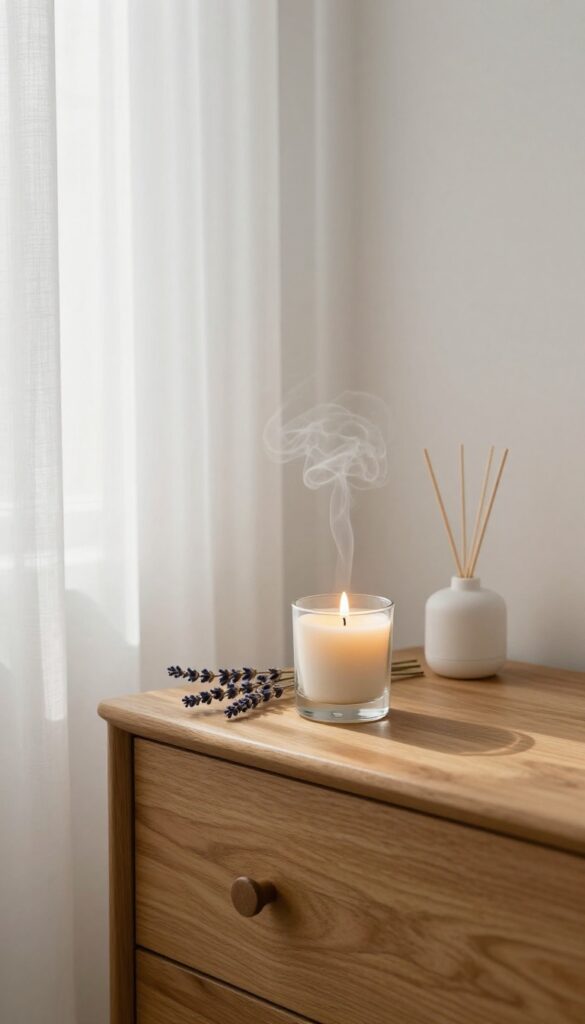
Scents have a direct line to the emotional centers of your brain. A familiar fragrance can calm anxiety, lift your mood, or transport you to a peaceful memory. That's why lighting a candle or diffusing essential oils is such an effective self-care habit—it instantly shifts the energy of a room and your mind.
You don't need a fancy setup. A single candle or a few drops of oil in a diffuser can transform your space into a sanctuary. Choose scents that resonate with you: lavender for relaxation, citrus for energy, or eucalyptus for clarity.
The simple act of pausing to light a match or turn on a diffuser signals to your body that it's time to unwind.
Pick Your Scent Intentionally
Not all scents are created equal when it comes to self-care. Floral and herbal notes like chamomile, rose, and sage promote calm. Woody scents like cedar and sandalwood ground you.
If you need a pick-me-up, go for bright, clean smells like lemon, peppermint, or grapefruit. Experiment to find what makes you take a deep, happy breath.
Create A Simple Ritual
Lighting a candle can become a mindful moment. As you strike the match, take a few seconds to watch the flame catch. Let the first wisp of scent fill the air while you set an intention for your self-care time.
Even a five-minute pause with a favorite scent can reset your mood.
Safety And Quality Tips
Opt for natural candles made from soy or beeswax with essential oils, not synthetic fragrances. If using a diffuser, clean it regularly to avoid mold. Always place candles on a stable surface and never leave them unattended.
A little care ensures your calming atmosphere stays safe.
23. Do a Digital Detox for the Evening
Your phone buzzes, pings, and lights up all day long. By evening, that constant connection can keep your brain in a state of low-grade alertness, making it hard to truly unwind. A digital detox—just for a few hours—gives your mind permission to power down too.
Set a time—say, 8 PM—when you turn off notifications and put devices in another room. Use that screen-free window to do something that doesn't involve a display: read a physical book, take a bath, or just sit and listen to music. The absence of blue light helps your body produce melatonin, so you'll fall asleep more easily.
How To Start
Begin with one evening a week. Pick a consistent night—maybe Sunday—and make it your official unplugged evening. Let close friends and family know so they won't worry if you don't reply.
What To Do Instead
Have a few go-to activities ready: a puzzle, a journal, a playlist of calm music, or even a simple stretching routine. The key is to replace scrolling with something that feels restorative, not like a chore.
The Payoff
After just one evening without screens, you'll likely notice a quieter mind and a deeper sense of calm. Over time, this habit can improve sleep quality and reduce overall stress.
24. Write Down Tomorrow's Top Priority
Ending your day with a clear head is one of the best gifts you can give your future self. Instead of lying in bed mentally running through tomorrow's to-do list, take two minutes to write down one key task. This small habit clears mental clutter and lets you relax fully.
You know exactly what matters most, so you can wake up with direction instead of overwhelm.
Choosing just one priority forces you to focus on what truly matters. It’s not about listing everything—it’s about identifying the single task that will make the biggest difference. This could be finishing a work project, scheduling a doctor’s appointment, or even just making time for a morning walk.
Keep a small notebook or sticky note by your bed. When you write it down, you offload the thought from your brain. Your subconscious can rest, knowing the plan is already set.
Why One Task Works
Limiting yourself to one priority prevents decision fatigue the next morning. You don’t waste energy choosing what to do first—you just start. This also builds momentum, because completing that one task often leads to tackling more.
How To Pick The Right Task
Ask yourself: If I only get one thing done tomorrow, what would bring me the most relief or progress? It should be something achievable and meaningful, not a huge project. A small win early in the day sets a positive tone.
Make It A Ritual
Pair this habit with another bedtime routine, like brushing your teeth or drinking herbal tea. The consistency makes it automatic. Over time, you’ll notice how much calmer your evenings feel.
25. Go to Bed Early

Sleep is the ultimate reset button, yet it's often the first thing we sacrifice. Heading to bed just 30 minutes earlier than usual can make a surprising difference in how you feel the next day. It's not about strict rules—it's about giving your body the deep rest it craves.
Prioritizing sleep doesn't mean you have to overhaul your entire evening routine. Small shifts can lead to big improvements in your mood, energy, and overall well-being. Think of early bedtime as a gentle gift to your future self.
Why It Works
When you go to bed earlier, you increase your chances of getting more restorative deep sleep. This is when your body repairs tissues, consolidates memories, and balances hormones. Even one extra sleep cycle can leave you feeling noticeably sharper and calmer.
How To Make It Happen
Start by setting a bedtime alarm 30 minutes before your target time. Use that window to wind down without screens—try reading, gentle stretching, or listening to calm music. Dim the lights and keep your bedroom cool and quiet for the best sleep environment.
The Ripple Effect
An early bedtime often leads to waking up naturally before your alarm, which sets a positive tone for the whole day. You'll likely feel more patient, focused, and ready to tackle whatever comes your way. Plus, it's a simple habit that costs nothing but pays huge dividends.
FAQ
How often should I have a self-care day?
Ideally, aim for one self-care day per week, but even a few hours can make a difference. Listen to your body and schedule it when you feel drained.
What if I don't have a full day for self-care?
No problem. Pick just two or three habits from the list and fit them into a morning or evening. Even 30 minutes of intentional self-care can refresh you.
Can self-care habits help with anxiety?
Yes. Many habits like deep breathing, gratitude journaling, and unplugging from screens can lower stress and help manage anxiety symptoms.
Do I need to buy anything for a self-care day?
Not at all. Most habits on this list are free or use items you already have at home. Self-care is about intention, not spending money.
How do I make self-care a consistent habit?
Start small. Choose one habit to practice daily, then gradually add more. Schedule it on your calendar and treat it as non-negotiable.
Conclusion
You don't need a whole day to feel refreshed—just a few intentional habits woven into your routine. Start with one or two that genuinely appeal to you, whether it's a morning stretch or an evening digital detox. Notice how these small shifts change your energy and mood.
The goal isn't to do everything; it's to find what works for you and make it a gentle priority. Your refreshed self is just a few habits away.