Your home should be your sanctuary, but sometimes it feels like just another place on your to-do list. The good news? Small, intentional habits can shift that feeling completely.
You don't need a major overhaul—just a few simple practices that bring calm and joy into your daily life. From the moment you wake up to the way you wind down, these 25 self-care habits are designed to fit seamlessly into your routine. They're practical, budget-friendly, and focused on making your home feel more like a haven.
No complicated rituals, just real actions that help you feel happier and more grounded. Start with one or two that resonate with you.
1. Start Your Morning with a Glass of Lemon Water

Hydrating first thing in the morning is one of the simplest ways to boost your energy and set a positive tone for the day. After hours of sleep, your body is naturally dehydrated, and a glass of lemon water can help kickstart your metabolism and digestion.
It's a small ritual that takes less than a minute but can make a big difference in how you feel. Plus, the vitamin C from the lemon gives your immune system a gentle lift. Keep a pitcher of water with lemon slices in the fridge so it's ready to go.
Why It Works
Lemon water helps rehydrate your body, aids digestion, and provides a dose of antioxidants. The mild acidity can also stimulate your digestive system, making it easier to process food throughout the day.
How To Make It A Habit
Place a glass and a lemon on your counter the night before. In the morning, squeeze half a lemon into warm or room-temperature water. Drink it before your coffee or tea to make it a consistent part of your routine.
Tips For Best Results
Use fresh lemons instead of bottled juice for maximum flavor and nutrients. If the taste is too tart, add a pinch of honey or a few mint leaves. Avoid ice-cold water—lukewarm is gentler on your system.
2. Make Your Bed Every Day
It sounds almost too simple, but making your bed each morning is a small win that sets a productive tone for the rest of the day. That two-minute task gives you an instant sense of accomplishment and order, which can ripple into better focus and a calmer mindset. Plus, walking into a tidy bedroom at the end of the day feels surprisingly good.
The Psychology Of A Made Bed
A made bed signals that your space is cared for, which subconsciously tells your brain that you are too. It reduces visual clutter and can lower stress levels, making your bedroom a more relaxing retreat. Even if the rest of your day feels chaotic, that one neat corner stays constant.
How To Make It Stick
Keep your bedding simple so the task stays quick. Use a duvet or comforter that you can just pull up, and limit decorative pillows to one or two. The goal is efficiency—not perfection.
Set a reminder on your phone for the first week until it becomes automatic.
Extra Benefits You’ll Notice
You’ll be less likely to crawl back into bed when you’re feeling unmotivated. It also makes your room feel larger and more inviting. And if you have a partner, making the bed together can become a small bonding ritual.
3. Create a Cozy Reading Nook
A cozy reading nook isn't just for bookworms—it's a dedicated space to unplug and unwind. Carving out a small corner with a comfy chair, soft lighting, and a blanket signals your brain that it's time to relax. You don't need a whole room.
A window seat, an armchair in the bedroom, or even a pile of floor cushions can work. The key is making it inviting enough that you actually want to sit there.
Start with a comfortable seat. Add a soft throw blanket and a small side table for your drink or book. Good lighting is essential—a warm lamp or a clip-on reading light beats harsh overheads.
Keep a basket nearby for your current reads and a mug for tea or coffee. Make it personal: a candle, a small plant, or a framed photo can make the spot feel like yours. The goal is to create a mini escape without leaving home.
Pick The Perfect Spot
Look for a quiet corner with natural light if possible. A spot near a window is ideal, but any unused nook can work. Avoid high-traffic areas so you can actually relax without interruptions.
Layer In Comfort
Soft textures make all the difference. Add a plush cushion, a chunky knit blanket, and maybe a small rug underfoot. The cozier it feels, the more you'll want to curl up there.
Keep It Clutter-free
A reading nook should feel calm, not cramped. Use a small shelf or basket to store books and a coaster for drinks. Clear surfaces help your mind settle.
4. Practice Gratitude Journaling

Writing down what you're thankful for might feel a little awkward at first, but it's one of the most powerful ways to rewire your brain for happiness. The act of putting pen to paper forces you to notice the good stuff you'd otherwise overlook. You don't need a fancy journal or a long list.
Just a few genuine things each day can shift your entire perspective. Over time, this simple habit trains your mind to scan for positives instead of dwelling on negatives.
Gratitude journaling isn't about pretending everything is perfect. It's about training your brain to notice what's already going well. Research shows that people who regularly practice gratitude report higher levels of optimism, better sleep, and stronger relationships.
The best part? It takes less than five minutes a day. Start with a small notebook or even a notes app.
Write down three things you're grateful for—they can be as simple as a warm cup of coffee or a kind text from a friend. The key is to be specific and feel the gratitude as you write.
How To Start
Pick a consistent time, like right after you wake up or just before bed. Keep your journal next to your bed or on your desk as a visual reminder. Don't overthink it—just jot down whatever comes to mind.
Make It A Ritual
Pair your journaling with another habit, like sipping your morning tea or brushing your teeth. This creates a natural cue so you remember to do it. Over time, it becomes an automatic part of your day.
Keep It Fresh
To avoid repetition, challenge yourself to find new things each day. You can also use prompts like "What made me smile today? " or "Who am I grateful for and why?
" This keeps the practice engaging and meaningful.
5. Declutter One Small Area Daily
Clutter has a sneaky way of weighing on your mind, even when you don't realize it. By tackling just one tiny zone each day, you keep chaos from building up without turning cleaning into a weekend marathon. A single drawer, a shelf, or even a countertop—that's all it takes to feel a little lighter.
Start With The Obvious Hotspots
Begin where mess tends to pile up: the junk drawer, the entryway table, or that one kitchen counter. These areas get the most traffic, so clearing them gives you the biggest mental payoff. Spend five minutes—set a timer if you need to—and toss or relocate anything that doesn't belong.
Use The “one-touch” Rule
When you pick something up, decide immediately where it goes. Don't set it down “for now. ” This habit prevents new clutter from forming and makes your daily declutter session faster. Over time, you'll instinctively put things in their place.
Celebrate The Small Wins
After you finish, take a moment to appreciate the clean space. A tidy drawer or clear shelf is a visual reminder that you're in control. This positive reinforcement makes you more likely to stick with the habit tomorrow.
6. Enjoy a Caffeine-Free Evening Tea Ritual
After a long day, your nervous system needs a signal that it's safe to slow down. A warm cup of herbal tea does exactly that—no caffeine, no fuss, just a simple ritual that tells your body it's time to rest. This isn't about complicated brewing techniques or fancy teaware.
It's about creating a small, repeatable moment that separates the busyness of the day from the calm of the evening. Chamomile, lavender, or peppermint are great starting points, but feel free to explore blends that appeal to you. The key is consistency.
When you make this a nightly habit, your brain starts associating that warm mug with relaxation, making it easier to unwind and fall asleep naturally.
A caffeine-free evening tea ritual is a low-effort way to transition from daytime stress to nighttime calm. Herbal teas contain compounds that support relaxation and sleep, without the stimulating effects of black or green tea. By repeating this simple act each night, you train your body to recognize the cue for rest, improving both sleep quality and overall mood.
Choose The Right Blend
Not all herbal teas are created equal. Look for blends with chamomile, lavender, lemon balm, or passionflower—these herbs are known for their calming properties. Avoid any teas with added caffeine or stimulants like guarana.
Experiment with different flavors to find one you genuinely look forward to sipping.
Create A Ritual, Not A Chore
The magic is in the routine. Boil water, steep your tea for the recommended time, and then sit down without distractions. Leave your phone in another room.
Hold the warm mug, breathe in the aroma, and take slow sips. This 10-minute pause can reset your evening more effectively than scrolling through social media.
Pair It With A Wind-down Activity
Enhance the ritual by pairing it with another relaxing activity. Read a few pages of a book, journal about your day, or simply sit in silence. The combination of the tea and a calming activity reinforces the transition to rest, making it easier to let go of the day's stress.
7. Stretch for Five Minutes After Waking
Your body spends all night in rest mode, but it doesn't always wake up feeling refreshed. A quick stretch session can change that. Five minutes is all it takes to release the stiffness that settles in while you sleep and get your blood moving.
Morning stretches don't need to be complicated. Focus on areas that tend to hold tension: your neck, shoulders, back, and hips. Simple moves like a cat-cow stretch, a gentle spinal twist, or a forward fold can make a world of difference.
You'll feel more awake and ready to take on the day.
Why It Works
Stretching increases blood flow to your muscles and joints, which helps reduce morning stiffness. It also signals your nervous system to shift from sleep mode to awake mode. This gentle transition can improve your mood and energy levels for hours.
Easy Stretches To Try
You don't need a yoga mat or special gear. Try a neck roll: slowly circle your head in both directions. Then do a shoulder shrug: lift your shoulders to your ears, hold for a few seconds, and release.
Finish with a standing forward fold: bend at your hips and let your arms hang toward the floor.
Make It A Habit
The easiest way to stick with it is to do your stretches right after you turn off your alarm. Keep it short and simple so it feels doable. Pair it with a deep breath or two, and you've got a morning ritual that sets a calm, positive tone.
8. Light a Candle with a Calming Scent
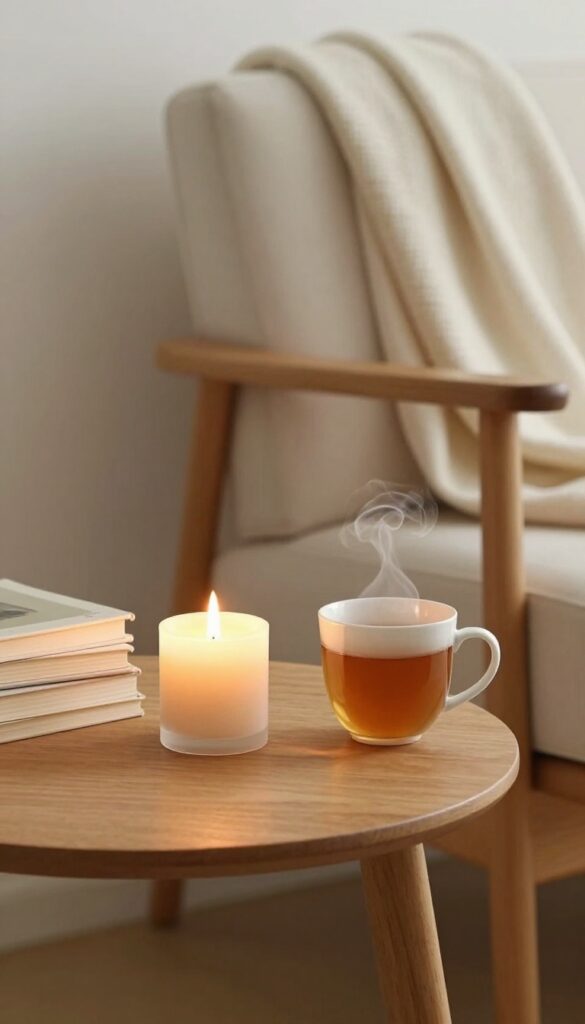
Few things transform a room's mood as quickly as a flickering flame and a gentle fragrance. Lighting a candle signals to your brain that it's time to slow down, making it a perfect anchor for evening self-care. The right scent can turn an ordinary moment into a mini ritual.
Why Scent Matters
Our sense of smell is directly linked to the brain's emotional and memory centers. A familiar calming scent can lower stress hormones and ease anxiety almost instantly. Lavender, chamomile, and vanilla are classic choices for relaxation, while citrus or peppermint can gently energize without overwhelming.
Make It A Ritual
Instead of just lighting a candle on autopilot, pair it with a calming activity. Light it while you take a bath, read a few pages, or do a short meditation. The repetition trains your brain to associate that scent with winding down, making the relaxation response stronger over time.
Choose Quality And Safety
Opt for candles made with natural waxes like soy or beeswax and essential oils to avoid synthetic chemicals. Always trim the wick to ¼ inch before lighting to prevent smoke and ensure an even burn. Never leave a burning candle unattended, and place it on a stable surface away from drafts.
9. Take a Screen-Free Hour Before Bed
Your phone might be the last thing you see before closing your eyes, but that blue light is working against you. It tricks your brain into thinking it's still daytime, making it harder to fall asleep and stay asleep. A screen-free hour before bed gives your mind a chance to unwind naturally.
Without the constant pings and scrolling, anxiety levels drop and your sleep quality improves significantly.
Ditching screens an hour before bed isn't about willpower—it's about creating a calming ritual that signals your body it's time to rest. You'll fall asleep faster, sleep deeper, and wake up feeling more refreshed.
What To Do Instead
Swap your phone for something that relaxes you. Read a physical book, listen to a podcast (on low volume), or write in a journal. Gentle stretching or a warm bath also work wonders.
The key is to avoid anything that stimulates your brain.
Set Up Your Environment
Dim the lights in your bedroom about an hour before bed. Use warm-toned lamps or candles instead of overhead lights. Keep your phone in another room or on 'Do Not Disturb' mode.
This physical separation makes it much easier to stick to the habit.
Start Small
If an hour feels too long, begin with 15 or 20 minutes. Gradually increase the time as you get used to it. Even a short screen-free window can improve your sleep and lower your stress levels.
10. Play Your Favorite Music While Cooking
Cooking can feel like a daily obligation, especially after a long day. But adding music turns meal prep into a mini celebration. It shifts your focus from the task to the experience, making chopping veggies and stirring sauces feel more like a dance than a chore.
When you pair cooking with music you love, the kitchen becomes a happier place. The rhythm can help you move faster or slow down, depending on your mood. Suddenly, you're not just making dinner—you're creating a moment for yourself.
Set The Vibe
Choose a playlist that matches the energy you want. Upbeat songs for quick weeknight meals, mellow tunes for Sunday prep. Let the music guide your pace and make the process feel effortless.
Make It A Ritual
Treat this as a daily self-care practice. Light a candle, pour a glass of water or tea, and hit play. Over time, your brain will associate cooking with relaxation and joy, not obligation.
Sing Along Or Dance
Don't hold back—belt out lyrics or do a little kitchen dance. It adds movement to your day and releases endorphins. Plus, it makes the meal taste better (science says so, or at least your mood does).
11. Use a Weighted Blanket for Deep Relaxation

Imagine being wrapped in a gentle, calming hug that tells your body it's time to unwind. That's exactly what a weighted blanket does. The deep pressure stimulation it provides can lower cortisol levels, increase serotonin, and help you fall asleep faster.
Weighted blankets aren't just a cozy trend—they're backed by science. The even pressure mimics a therapeutic technique called deep pressure therapy, which has been shown to reduce anxiety and improve sleep quality. For best results, choose a blanket that's about 10% of your body weight.
Why It Works
The gentle weight triggers your parasympathetic nervous system, shifting your body from 'fight or flight' to 'rest and digest'. This can lower heart rate and blood pressure, making it easier to relax after a stressful day.
How To Choose One
Look for a blanket with glass beads or ceramic beads for even distribution. Cotton or bamboo covers are breathable and machine-washable. Start with a lighter weight if you're unsure, and test it for a few nights to see how it feels.
Tips For Best Use
Use your weighted blanket while reading, watching TV, or sleeping. Avoid folding it in half to double the weight, as that can be too heavy. And remember, it's not for everyone—if you have respiratory issues or claustrophobia, check with your doctor first.
12. Write a To-Do List for Tomorrow Tonight
Your brain loves to keep a running tally of everything you need to do—especially when you're trying to fall asleep. That mental checklist can turn your quiet bedroom into a noisy office. The fix is simple: get it out of your head and onto paper before you hit the pillow.
Writing a to-do list for the next day takes just a few minutes, but the payoff is huge. It clears mental clutter, reduces anxiety, and signals to your brain that it's okay to rest. You'll drift off faster and wake up with a clear plan, not a fog of worry.
Why It Works
When you write down tasks, you offload them from your working memory. This reduces cognitive load and stops your mind from replaying obligations. Studies show that jotting down a to-do list before bed can help you fall asleep faster than journaling about completed tasks.
It's like closing all the open tabs in your brain.
How To Start
Keep a small notebook and pen on your nightstand. Each evening, write down 3 to 5 key tasks for the next day. Be specific—"finish project report" is better than "work.
" Keep it short so you don't feel overwhelmed. You can also include one small personal goal, like reading for 10 minutes or stretching.
Make It A Ritual
Pair your list writing with another wind-down activity, like sipping herbal tea or dimming the lights. This creates a cue that tells your body it's time to relax. Over time, the act of writing becomes a calming signal, not just a productivity tool.
Consistency matters more than perfection.
13. Diffuse Essential Oils During Work Hours
Your workspace at home might be the last place you think about self-care, but the air you breathe while working directly affects your focus and mood. A few drops of the right essential oil can turn a stale corner into an energizing, calming pocket of productivity.
Peppermint and citrus oils are your go-to for a mental boost. Peppermint wakes up the senses, while lemon or orange uplifts without being overpowering. Keep a small diffuser on your desk and run it during deep-focus blocks or when you feel an afternoon slump coming on.
If you're sensitive to strong scents, start with just one drop or use a personal inhaler instead.
Why Scent Matters For Focus
Your olfactory system is directly linked to the brain's limbic system, which controls emotion and memory. That's why a familiar scent can instantly shift your mindset. Peppermint, for example, has been shown to increase alertness and reduce fatigue.
Citrus oils like sweet orange or grapefruit can lower stress while keeping you sharp.
Simple Diffusion Tips
You don't need a fancy setup. A small ultrasonic diffuser with a timer works perfectly. Add 3–5 drops of oil per 100ml of water and run it in 30-minute intervals.
If you're sharing a space, choose milder oils like lavender or bergamot to avoid overwhelming others. Always clean your diffuser weekly to keep the scent pure.
Best Oils For A Home Office
Stick with uplifting, non-sedating oils during work hours. Peppermint, lemon, rosemary, and eucalyptus are excellent for concentration. For a calmer focus, try frankincense or cedarwood.
Avoid heavy florals or bedtime blends like chamomile until you're ready to wind down.
14. Take a Warm Bath with Epsom Salts
There's a reason baths have been a go-to relaxation method for centuries. The combination of warm water and Epsom salts does more than just clean you—it actively helps your muscles unwind and your mind slow down. It's a simple ritual that carves out a pocket of quiet in your day.
A warm bath with Epsom salts is one of the easiest ways to signal to your body that it's time to relax. The magnesium in the salts is absorbed through your skin, helping to reduce muscle soreness and ease tension. Plus, the warmth itself soothes stiff joints and encourages your nervous system to shift into rest mode.
It's not just about getting clean—it's about giving yourself permission to pause.
Set The Mood
Light a few candles, dim the lights, and maybe play some soft music. The environment matters just as much as the water. A calm setting helps your brain associate the bath with unwinding, making it even more effective.
Add The Right Amount
For a standard tub, about two cups of Epsom salts is plenty. Swirl it around to dissolve before you get in. You can also add a few drops of lavender or eucalyptus essential oil for an extra layer of relaxation.
Soak Smart, Not Long
Aim for 15 to 20 minutes—long enough to feel the benefits, but not so long that your skin gets pruny or you start to feel dizzy. Use this time to breathe deeply, close your eyes, or just stare at the ceiling without thinking about your to-do list.
15. Keep Fresh Flowers or Greenery in Your Space
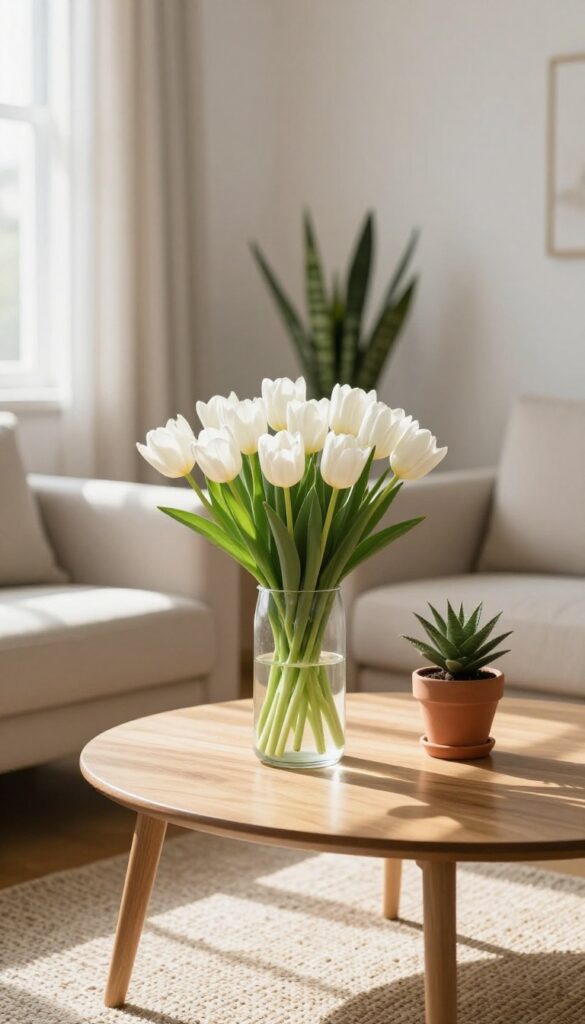
Adding a touch of nature to your home is one of the simplest ways to lift your mood. Fresh flowers or a small potted plant bring life, color, and a sense of calm to any room. Plus, they improve air quality by filtering toxins and releasing oxygen.
You don't need a green thumb or a big budget. A single stem in a vase or a low-maintenance snake plant can make a surprising difference. The key is to choose something that fits your light and care level, then place it where you'll see it often.
Why It Works
Studies show that being around plants reduces stress and boosts creativity. The visual break from screens and the gentle reminder of nature help your mind reset. Even a small succulent on your desk can shift your focus and improve your mood.
Easy Options For Beginners
If you're new to plants, start with hardy varieties like pothos, ZZ plant, or peace lily. They tolerate low light and irregular watering. For flowers, buy a bunch of seasonal blooms once a week—sunflowers, tulips, or daisies are affordable and cheerful.
Where To Place Them
Put greenery in spaces where you spend the most time: the living room, kitchen, or home office. A small vase on your nightstand can make mornings feel softer. Just avoid direct drafts or extreme temperatures, and rotate the pot occasionally for even growth.
16. Practice Deep Breathing for Two Minutes
You don't need a meditation cushion or a quiet room to reset your mind. Two minutes of deep breathing can shift your mood faster than scrolling through your phone ever will. It's a tiny pause that works anywhere—while you're waiting for your coffee to brew or right before a stressful call.
Deep breathing triggers your parasympathetic nervous system, which helps you relax. It lowers your heart rate and reduces tension almost instantly. The best part?
You can do it without anyone even noticing.
The 4-7-8 Method
Inhale through your nose for 4 seconds, hold for 7 seconds, and exhale slowly through your mouth for 8 seconds. This pattern is especially calming and can help you fall asleep faster if you do it right before bed.
Box Breathing
Inhale for 4 seconds, hold for 4 seconds, exhale for 4 seconds, and pause for 4 seconds before the next inhale. It's a favorite of athletes and first responders for staying calm under pressure.
When To Use It
Try it when you feel overwhelmed, after a long day, or even as a morning ritual to start the day with clarity. Set a timer for two minutes and just breathe.
17. Wear Comfortable but Put-Together Clothes at Home
What you wear at home affects how you feel. There's a fine line between cozy and sloppy, and crossing it can leave you feeling unmotivated. The trick is to choose loungewear that feels soft and comfortable but still looks intentional.
When you dress like you're ready to face the day, your brain follows suit. You don't need to wear jeans or a blazer—just swap your old sweats for a matching set or a soft knit top with joggers. It signals to yourself that you matter, even when no one else is watching.
This small shift can boost your mood and confidence instantly. Plus, you'll be ready for unexpected video calls or a quick trip outside without scrambling to change.
Dressing in soft, nice loungewear boosts confidence and mood. Here's how to make it work for you.
Pick Fabrics That Feel Good
Cotton, bamboo, and modal blends are breathable and gentle on the skin. Avoid anything scratchy or too tight. The goal is to feel comfortable all day without sacrificing style.
Go For Coordinated Sets
Matching tops and bottoms instantly look more put-together. Even if they're just sweats, a coordinated set feels intentional. It takes the guesswork out of getting dressed and gives you a polished look with zero effort.
Add One Small Accessory
A simple watch, a pair of earrings, or a soft headband can elevate your look. It doesn't have to be fancy. Just one little touch reminds you that you're worth the extra care.
18. Schedule a Weekly 'Me Time' Block

Life gets busy, and it's easy to put everyone else first. But here's the thing: you can't pour from an empty cup. Setting aside just 30 minutes each week for yourself isn't selfish—it's essential.
This isn't about grand gestures; it's about carving out a small, sacred window where you're not needed by anyone else.
That half-hour is yours to do whatever fills you up. Maybe it's reading a chapter of a book, taking a long bath, or simply sitting in silence with a cup of tea. The key is to guard it fiercely.
No canceling, no rescheduling, no guilt. Over time, this weekly appointment becomes a non-negotiable anchor for your well-being, preventing burnout and reminding you that you matter too.
Pick A Time That Sticks
Choose a slot that's realistic and consistent. Sunday afternoon, Wednesday evening, or Saturday morning—whatever works with your routine. Put it in your calendar with a reminder.
Treat it like any other important meeting.
Make It About You
This isn't the time to catch up on chores or answer emails. It's for activities that recharge you. Experiment with different things until you find what truly relaxes you.
No pressure to be productive.
Communicate Your Boundaries
Let your family or roommates know that this block is off-limits. A simple “I’m taking some me time from 3 to 3: 30” works wonders. They'll respect it if you're clear and consistent.
19. Listen to a Podcast or Audiobook While Doing Chores
Chores feel like a drag when your mind is stuck on the task itself. But pair them with a gripping story or an interesting conversation, and suddenly folding laundry or washing dishes becomes something you almost look forward to. This simple shift turns mundane moments into a chance to learn, laugh, or escape.
The key is to match the content to the chore. For routine tasks like sweeping or wiping counters, choose something light and easy to follow. For more involved chores like organizing a closet, a fast-paced thriller can make the time fly.
Keep headphones handy or a speaker in the kitchen so you're always ready to press play.
Pick Your Perfect Audio Companion
Not all audio is created equal for chores. Podcasts with short episodes work well for quick tasks, while audiobooks are great for longer cleaning sessions. Try comedy shows for a mood boost, or educational podcasts if you want to feel productive in more ways than one.
Set Up A Chore + Listen Routine
Link specific chores to specific episodes or chapters. Maybe you only listen to your favorite true crime podcast while doing the dishes. This creates a small reward system—you'll actually want to do the chore to find out what happens next.
Make It A Habit, Not A Chore
Keep a pair of earbuds in a designated spot, like near the cleaning supplies. Or create a playlist of go-to podcasts for different days. The less friction, the more likely you'll stick with it.
Soon, you might even catch yourself smiling while scrubbing the sink.
20. Keep a Water Bottle at Your Desk
Hydration is one of those things we know we should do, but somehow forget until we're already feeling sluggish. Keeping a water bottle at your desk is a tiny habit that pays off big time. It's a visual cue that reminds you to sip throughout the day, and it makes staying hydrated almost effortless.
When you have water right in front of you, you're more likely to drink it. This simple act boosts your energy, sharpens your focus, and even helps your skin glow. Plus, it's a cheap and easy way to practice self-care without adding anything to your to-do list.
Why It Works
Having a water bottle within arm's reach removes the friction of getting up and filling a glass. You're more likely to take small sips regularly, which keeps your body consistently hydrated. This steady intake supports better concentration and mood throughout the day.
Make It A Habit
Start by choosing a bottle you actually like—something that fits your style and is easy to clean. Fill it every morning and place it next to your workspace. You can even set a gentle reminder on your phone to take a sip every hour until it becomes automatic.
Extra Benefits
Staying hydrated can also curb mindless snacking and reduce headaches. Your skin will thank you too, as proper hydration helps maintain elasticity and a healthy glow. It's one of the simplest ways to feel better without any extra effort.
21. Use a Sunrise Alarm Clock
Waking up to a blaring alarm can jolt you out of sleep and leave you feeling groggy. A sunrise alarm clock offers a gentler start by gradually increasing light, mimicking a natural dawn. This simple switch can make mornings feel less rushed and more peaceful.
Why Gradual Light Works
Our bodies are wired to respond to light. A sudden alarm triggers a stress response, while gradual light signals your brain to produce less melatonin and more cortisol, easing you into wakefulness. You'll feel more alert and less disoriented.
Picking The Right Clock
Look for a clock with adjustable brightness and sunrise duration. Some models also include sunset simulations to help you wind down at night. Choose one that fits your bedside and budget—good options exist under $50.
Making It Part Of Your Routine
Set the alarm 20–30 minutes before you need to be up. Place the clock across the room so you have to get out of bed to turn it off. Pair it with a consistent bedtime to maximize the benefits.
22. Create a Playlist for Different Moods
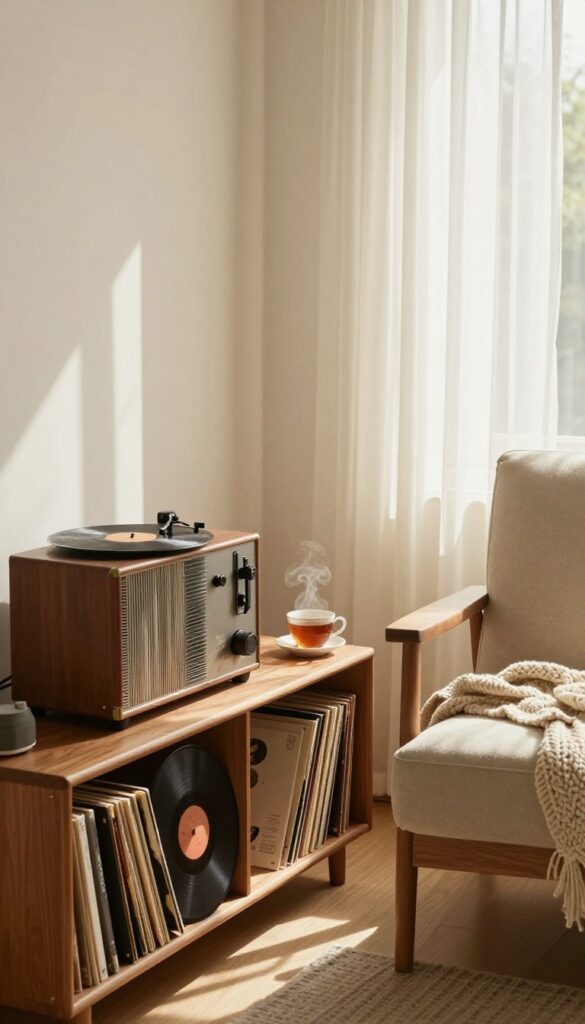
Music has a direct line to your emotions. A single song can lift your spirits, calm your nerves, or help you focus. By curating playlists for specific moods, you can set the tone for your day without any extra effort.
Think of it as your personal soundtrack for self-care. Whether you need energy for a workout, relaxation before bed, or deep focus for work, having a go-to playlist saves you from scrolling endlessly. It's a simple habit that instantly shifts your environment.
Morning Energy Boost
Start your day with upbeat tracks that get you moving. Think pop, dance, or anything with a strong rhythm. Keep this playlist around 20 minutes—just enough time to shower, dress, and feel awake.
Deep Focus Flow
For work or creative tasks, choose instrumental or ambient music. Avoid lyrics that distract. Classical, lo-fi, or nature sounds work well.
This playlist can be longer, maybe an hour, to match your deep work sessions.
Evening Wind-down
As the day ends, switch to slower, soothing melodies. Acoustic, soft jazz, or calming piano pieces help signal your brain that it's time to relax. Pair this with a cup of tea or a good book.
23. Do a Quick 10-Minute Yoga Flow
You don't need an hour-long class to feel the benefits of yoga. A focused 10-minute flow can loosen tight muscles, quiet your mind, and reset your mood. It's short enough to squeeze in between meetings or before bed, but powerful enough to make a difference.
Why 10 Minutes Works
Consistency beats duration. A daily 10-minute practice builds flexibility and reduces stress more effectively than a sporadic hour-long session. It's also easier to stick with when life gets busy.
Simple Flow To Try
Start with Cat-Cow for spinal warm-up, then move through Downward Dog, Warrior I, and Warrior II. Add a gentle twist like Revolved Triangle, and finish with Child's Pose. This sequence targets major muscle groups and encourages deep breathing.
Create A Calm Space
Roll out your mat in a quiet corner. Dim the lights, light a candle, or put on soft instrumental music. A dedicated spot signals your brain that it's time to unwind.
24. Write Down One Intention for the Day
Mornings can feel like a race before you even open your eyes. Instead of letting the day happen to you, take a moment to decide how you want it to go. Writing down one simple intention—just one—can keep you grounded and purposeful, no matter what comes up.
An intention isn't a to-do item; it's a feeling or focus you want to carry with you. Maybe it's "stay patient with the kids" or "notice three good things. " Keep it short and positive.
Jot it on a sticky note, in your phone, or in a journal. Then let it guide your decisions and reactions throughout the day.
Why One Is Enough
Multiple goals can scatter your attention. A single intention acts like a compass—simple to remember and easy to return to when you feel off track. It's a gentle anchor, not another task.
How To Choose Your Intention
Think about what you need most today. Calm? Connection?
Energy? Then phrase it as a short statement in the present tense, like "I am open to joy" or "I move through today with ease. " Let it feel true and doable.
Bringing It Into Your Evening
Before bed, reflect on how your intention showed up. Did you act on it? Did it shift your mood?
This simple check-in reinforces the habit and helps you set a new intention tomorrow.
25. End the Day with a Gratitude Reflection
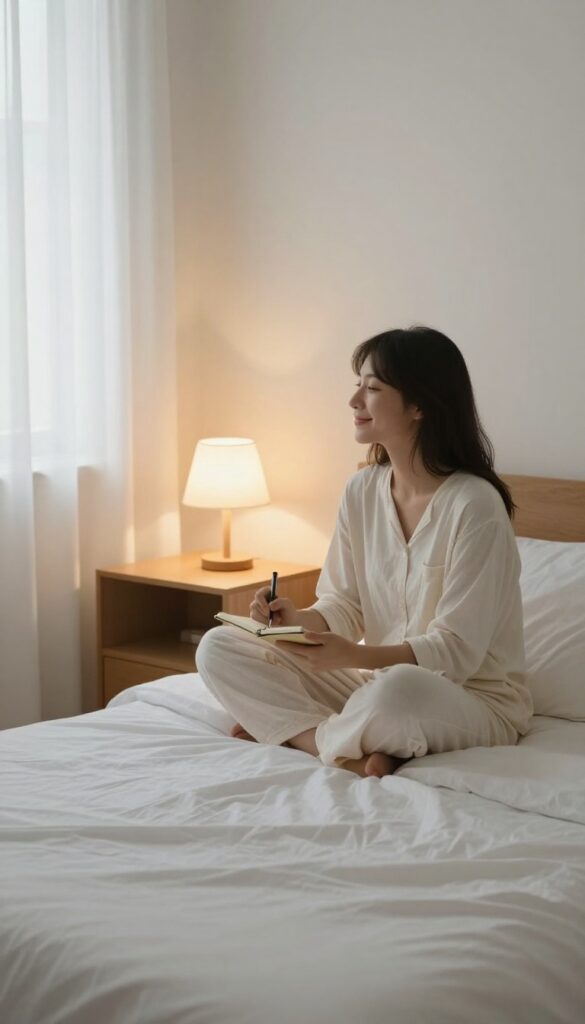
Before your head hits the pillow, take two minutes to replay the good parts of your day. It doesn't have to be dramatic—just a small moment that made you smile, a kind word, or a warm cup of tea. This simple practice trains your brain to notice the positive, even on tough days.
Gratitude reflection is a low-effort, high-reward habit. It shifts your focus from what went wrong to what went right, which naturally boosts contentment. You can do it in bed, in a journal, or even just in your head.
The key is consistency: aim for every night, even if it's just one thing.
Keep It Simple
You don't need a fancy journal. A sticky note, a notes app, or just thinking about three good things works. The simpler the method, the more likely you'll stick with it.
Make It A Ritual
Pair your reflection with another bedtime cue—like brushing your teeth or turning off the lamp. This creates a trigger that makes the habit automatic over time.
Share It With Someone
If you share a bed, try telling your partner one thing you're grateful for. It deepens connection and doubles the positivity. If you're solo, say it out loud to yourself.
FAQ
How many of these habits should I try at once?
Start with 2-3 habits that feel easiest. Adding too many at once can be overwhelming. Gradually build up as they become automatic.
Can these habits really make me happier?
Yes, small consistent actions train your brain to focus on well-being. Over time, they reduce stress and increase feelings of control and joy.
What if I don't have time for self-care?
Most habits take under 10 minutes. Prioritize one or two that fit your schedule. Even a two-minute breathing break counts.
Do I need special equipment for these habits?
No. Most require items you already have at home, like a notebook, tea, or a candle. A few optional items like a weighted blanket are nice but not necessary.
How long until I notice a difference?
Some benefits, like better hydration or a tidier space, are immediate. Emotional shifts may take a week or two of consistent practice.
Conclusion
You don't need to adopt all 25 habits at once. Choose one or two that resonate most—maybe a morning journal or an evening walk—and weave them into your daily rhythm.
Small, consistent actions create lasting shifts in how you feel at home. Start with what fits your life today, and let your self-care practice grow naturally from there.