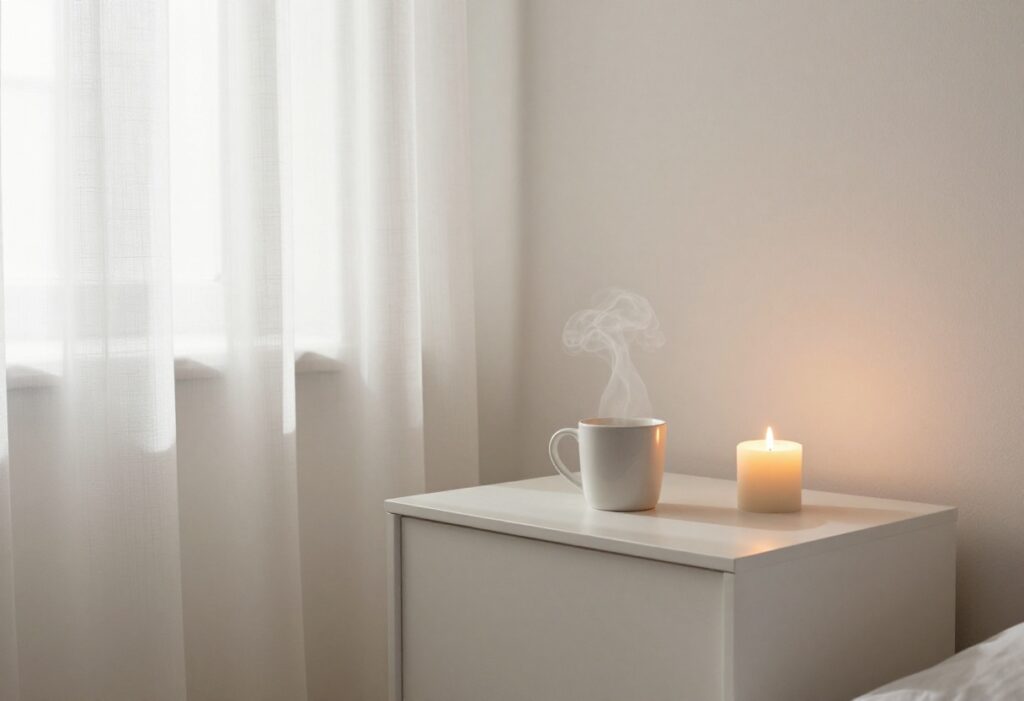
You don't need a complicated morning routine to feel grounded. In fact, the simplest habits often make the biggest difference. Imagine waking up not to a frantic rush, but to a slow, steady wave of calm energy that carries you through the day.
These 25 self-care morning habits are designed to help you start your morning with intention, not urgency. Each one is a small anchor—something you can do in five minutes or less—that shifts your mindset from reactive to responsive.
Whether you have ten minutes or an hour, these ideas fit into real life. Pick a few that resonate, and let your mornings become a source of quiet strength.
1. Wake Up Without Your Phone

The first moments of your morning set the tone for everything that follows. When you reach for your phone immediately, you invite the world's demands into your head before you've even had a sip of water. Instead, give yourself a ten-minute buffer zone—no scrolling, no notifications, no emails.
Just you, the quiet, and the soft morning light filtering through the window.
This simple shift can transform how you feel for the rest of the day. Without the dopamine hits and stress triggers of social media, your brain stays in a calm, receptive state. You get to choose your first thoughts rather than letting an algorithm decide them.
It's a small act of rebellion against the always-on culture, and it pays off in clarity and composure.
Why It Works
Your brain's prefrontal cortex—the part responsible for focus and emotional regulation—is most vulnerable right after waking. Flooding it with information overload triggers a stress response that can linger for hours. A phone-free start lets your nervous system ease into the day, reducing cortisol spikes and promoting a sense of control.
How To Make It Stick
Keep your phone in another room overnight, or use a traditional alarm clock. If you rely on your phone for an alarm, place it face-down across the room so you have to get out of bed to turn it off. Then, instead of picking it up, head straight to the bathroom or sit by a window for a few minutes of stillness.
What To Do Instead
Use those ten minutes to stretch, take a few deep breaths, or simply gaze outside. Notice the color of the sky, the sound of birds, or the feeling of your feet on the floor. These small sensory anchors ground you in the present moment and build a foundation of calm energy that lasts.
2. Drink a Full Glass of Water
Before you reach for the coffee pot, grab a glass of water. Your body loses fluids overnight, and even mild dehydration can leave you feeling sluggish and foggy. A full glass of water—plain or with a squeeze of lemon—helps kickstart your metabolism and rehydrate your brain for clearer thinking.
Why Water Before Caffeine?
Caffeine is a diuretic, which means it can actually dehydrate you further if you haven't had water first. Drinking water before coffee primes your system, so the caffeine works more effectively without the jitters. Plus, you'll feel more alert naturally, not just from a stimulant.
Make It A Ritual
Keep a glass or reusable bottle by your bedside so you see it first thing. Add a slice of lemon or a pinch of sea salt for electrolytes. Sip it slowly while you take a few deep breaths—it's a simple way to signal to your body that the day has started.
How Much Is Enough?
Aim for 8 to 12 ounces (about 250–350 ml) within the first 15 minutes of waking. If plain water feels boring, try cucumber slices, mint leaves, or a splash of fruit juice. The goal is to rehydrate, not to chug—so take your time.
3. Stretch for Five Minutes
Your body holds onto tension while you sleep—especially in your neck, shoulders, and hips. A quick five-minute stretch routine can release that tightness and wake up your muscles gently. No equipment, no mat needed, just you and a few purposeful movements.
This habit is less about flexibility and more about signaling to your body that it's time to move. It boosts circulation, improves posture, and helps you feel more present. Plus, it's a low-effort way to shake off grogginess without jumping straight into a high-intensity workout.
Start With Your Spine
Begin by standing or sitting tall. Slowly roll your shoulders back, then forward. Follow with a gentle cat-cow stretch: arch your back, then round it.
This wakes up your spine and releases lower back tension.
Open Your Hips
Hip flexors get tight from sitting all day. Try a standing hip circle or a simple lunge stretch. Hold each side for 30 seconds.
You'll feel a release that makes walking and sitting more comfortable later.
Finish With A Forward Fold
Stand with feet hip-width apart, then slowly hinge at your hips and let your head hang. Let gravity do the work. Stay here for a few deep breaths, then roll up one vertebra at a time.
This calms your nervous system and stretches your hamstrings.
4. Breathe Deeply for 60 Seconds

Your breath is a remote control for your nervous system. A single minute of intentional breathing can shift you from fight-or-flight to rest-and-digest. It’s the quickest way to invite calm without any equipment or prep.
This habit is deceptively simple, but its effects are profound. By lengthening your exhale, you activate the vagus nerve, which lowers heart rate and signals safety. It’s like pressing a reset button for your mind and body.
The 4-4-4 Technique
Inhale through your nose for a slow count of four. Hold that breath for four counts. Then exhale completely through your mouth for four counts.
Repeat four times—that’s 60 seconds total. If four feels too long, start with three and build up.
Why It Works So Fast
This pattern is called box breathing, used by Navy SEALs and first responders to stay calm under pressure. It forces your brain to focus on counting instead of spiraling thoughts. Within a few rounds, your shoulders drop and your mind clears.
When To Do It
Right after you wake up, before you even open your eyes. Or after checking your phone, to undo the stress of notifications. You can also use it between tasks during the day to reset.
5. Make Your Bed
There's something quietly powerful about smoothing out your sheets and fluffing your pillows before you've even had coffee. It's a tiny act of order in a world that often feels chaotic. Making your bed takes less than two minutes, but it signals to your brain that you're capable of creating structure—even in small ways.
This simple habit is often recommended by psychologists and productivity experts because it triggers a sense of accomplishment right away. That small win builds momentum for the rest of your morning. Plus, walking back into a tidy bedroom at the end of the day feels surprisingly calming.
The Psychology Of A Made Bed
A made bed reduces visual clutter, which lowers cognitive load. Your brain doesn't have to process mess, so it stays calmer. Studies also show that people who make their bed are more likely to have better sleep quality and feel more in control of their day.
How To Make It Stick
Keep it simple: pull up the sheets, straighten the duvet, and fluff the pillows. Don't worry about hospital corners. The goal isn't perfection—it's consistency.
If you're short on time, just smooth the covers. Even that counts.
A Ripple Effect For Your Day
That first small win creates a domino effect. You feel more motivated to tackle the next task, whether it's washing your face or preparing breakfast. Over time, this habit reinforces a mindset of order and self-discipline without any heavy lifting.
6. Step Outside for Fresh Air
Even two minutes on the porch or by an open window connects you to nature and wakes up your senses. Morning air carries a different quality—cooler, fresher, and full of promise. It's a simple reset that costs nothing but pays in calm energy.
Stepping outside first thing signals to your body that the day has begun. The natural light helps regulate your circadian rhythm, and the change in temperature can invigorate without shocking your system. It's a gentle transition from sleep to wakefulness.
Feel The Ground Beneath You
If you can, stand barefoot on grass, soil, or a wooden deck. This grounding practice, also called earthing, is believed to reduce inflammation and improve mood. Even just a minute of connecting with the earth can leave you feeling more centered.
Breathe Deeply Outdoors
Take three slow, deep breaths while facing the morning light. Inhale through your nose, feeling your belly rise, and exhale fully. The combination of fresh air and intentional breathing calms your nervous system and sets a peaceful tone.
Notice One Thing In Nature
Pick a leaf, a cloud, or a bird and observe it for a few seconds. This tiny mindfulness exercise pulls you out of your head and into the present moment. It's a quick way to shift from autopilot to awareness.
7. Write Down One Intention
Setting an intention is like planting a flag for your day. It's a quiet way to tell your brain what matters most, without the pressure of a to-do list. Just one word or a short phrase can shift your focus from autopilot to purpose.
Keep It Simple
You don't need a full journal entry. Grab a sticky note or a small notebook and write a single word like "calm, " "focus, " or "kind. " That word becomes your touchstone for the day.
Feel It In Your Body
After you write it down, close your eyes for a few seconds and imagine what that intention feels like. If your word is "calm, " notice how your shoulders relax. This bridges the gap between thought and experience.
Place It Where You'll See It
Stick the note on your mirror, your laptop, or your water bottle. A visual reminder helps you come back to your intention when life gets noisy. It's a small anchor that keeps you grounded.
8. Sip Something Warm Slowly

That first warm sip of the day can be more than just a caffeine fix. When you drink it without scrolling or rushing, it becomes a tiny ritual that signals your brain to slow down. Tea, coffee, or simple hot water with lemon—each one offers a chance to pause before the demands of the day kick in.
The key is to make drinking your warm beverage a single-tasking event. Put your phone away, sit down, and focus on the warmth in your hands, the aroma, and the taste. This small act of mindfulness can set a calm tone for the hours ahead.
Choose Your Comfort Cup
Pick a mug that feels good in your hands—maybe one with a favorite color or a smooth ceramic finish. The vessel matters more than you think. It turns a quick drink into a sensory experience.
Savor The First Three Sips
Commit to just three slow, intentional sips before you do anything else. Notice the temperature, the flavor, and how it feels going down. That's enough to anchor you in the present moment.
Create A No-phone Rule
Keep your phone out of reach while you sip. No emails, no social media, no news. This five-minute break from screens helps your nervous system shift from reactive to calm.
9. Do a Quick Gratitude Check
Gratitude isn't just for Thanksgiving or journaling before bed. A quick check-in first thing can rewire your brain to notice the good stuff all day long. It takes maybe thirty seconds, but the ripple effect is huge.
Start by naming three things you're grateful for. They can be tiny—like a good pillow or the color of the sky. The goal isn't to force positivity, just to shift your focus from what's missing to what's already here.
Why Three?
Three is enough to get the brain scanning for positives, but not so many that it feels like a chore. You can do it while you're still in bed, brushing your teeth, or waiting for your coffee to brew.
Keep It Simple
Don't overthink it. Your list can change daily. Some mornings it might be 'warm blanket, quiet house, no alarm. ' Other days it could be 'my health, my people, this cup of tea. ' The point is the act of noticing.
10. Move Your Body Gently
Morning movement doesn't have to mean a high-intensity workout. In fact, gentle motion can be more effective at waking you up without draining your energy. Think of it as a conversation with your body, not a command.
A few minutes of stretching, a slow walk, or even some silly dancing in your room can shift your whole mood. The goal is to feel alive, not exhausted.
Start with something that feels good. You're not training for a competition; you're just reminding your body that it's time to wake up. Gentle movement increases blood flow, loosens stiff joints, and releases feel-good endorphins.
It also signals to your nervous system that the day is starting in a safe, calm way. No pressure, no performance—just movement for the sake of moving.
Yoga Stretches
A few sun salutations or simple stretches like cat-cow and child's pose can work wonders. They target the back, hips, and shoulders—areas that get tight from sleeping. You don't need a full class; five minutes is plenty.
Follow a short video or just listen to your body.
Short Walk
Step outside for a five-minute walk around the block or just to the end of your driveway. Fresh air and natural light help regulate your circadian rhythm. It's also a chance to notice the morning—birds, sky, the way the air feels.
No headphones, just presence.
Dance It Out
Put on one upbeat song and move however you want. Flail, sway, bounce—whatever feels right. This isn't about looking good; it's about shaking off sleep and inviting joy.
It's hard to feel grumpy when you're dancing, even for a minute.
11. Listen to Uplifting Music

Sound shapes your mood more than you realize. The first few minutes of your morning set the tone, and the right song can shift your energy instantly. Instead of checking notifications or letting silence feel heavy, choose a track that makes you feel good.
Let it be the soundtrack for your routine.
Music is a direct line to your emotions. A few upbeat notes can turn a sluggish morning into one that feels lighter and more motivated. You don't need a full playlist—just one song that resonates with you in the moment.
Let it play while you stretch, sip your coffee, or get dressed. Notice how your shoulders relax and your step gets a little lighter.
Pick The Right Vibe
Not all uplifting music sounds the same. For some, it's an acoustic guitar melody. For others, it's a driving pop beat or a classic rock anthem.
Choose something that genuinely lifts your spirits, not just what's trending. Your morning song should feel like a personal pep talk.
Make It A Ritual, Not A Distraction
The key is to listen with intention, not as background noise. Put your phone on speaker or use a dedicated speaker. Let the music fill the space.
Sing along if you want—it adds a breathwork element and releases tension. Keep it short: one song is enough to shift your state.
Rotate Your Playlist
Hearing the same song every day can lose its magic. Create a short rotating playlist of three to five songs that spark joy. Swap them out weekly or whenever you feel the energy fade.
Fresh music keeps the habit exciting and effective.
12. Practice a Minute of Mindfulness
Mindfulness doesn't require a meditation cushion or a 20-minute commitment. One minute is enough to reset your nervous system and bring you into the present moment. It's a simple pause that cuts through the mental noise and helps you start the day with clarity instead of chaos.
Sit quietly and notice your breath or the sounds around you. No agenda, just presence.
How To Do It
Find a comfortable seat, close your eyes, and take three deep breaths. Then let your breathing return to normal. Simply observe the sensation of air moving in and out.
If your mind wanders, gently bring it back to the breath.
Why It Works
This practice activates your parasympathetic nervous system, lowering cortisol and heart rate. It also trains your brain to focus better and react less to stress throughout the day.
Tips For Consistency
Pair this minute with an existing habit, like after you brush your teeth or before you check your phone. Use a gentle alarm or a mindfulness app to remind you. Over time, it becomes an automatic anchor.
13. Use a Silk or Soft Pillowcase
Your morning routine starts the night before, and the surface your head rests on matters more than you'd think. A silk or soft pillowcase is a small upgrade that pays off in comfort and skin health. It's one of those subtle changes that makes waking up feel a little more luxurious.
Swapping your cotton pillowcase for silk or satin reduces friction on your skin and hair. That means fewer sleep creases on your face in the morning and less frizz in your hair. Plus, silk is naturally breathable and gentle, so it feels cool and smooth against your skin.
It's a tiny indulgence that sets a calm, pampered tone from the moment you open your eyes.
Why Your Pillowcase Matters
Cotton pillowcases can absorb moisture from your skin and hair, leaving them dry. Silk helps retain natural oils, which keeps your skin hydrated and your hair less tangled. The smooth surface also reduces the chance of waking up with pillow lines or creases.
How To Choose The Right One
Look for 100% mulberry silk with a high momme count (19 or above) for durability. If silk isn't in your budget, a high-quality satin or bamboo rayon pillowcase works almost as well. Machine wash on gentle with cold water and air dry to keep it soft.
Make It Part Of Your Morning
When you wake up, take a second to notice how your skin feels against the pillowcase. That small moment of sensory comfort can be a gentle anchor for a relaxed morning. Pair it with a few deep breaths before you get up.
14. Apply a Facial Mist or Splash Cold Water
Cold water does more than wake you up—it sends a direct signal to your brain that it's time to be alert. A quick splash or a gentle mist can transform your face and your mindset in seconds. It's one of the fastest ways to shake off sleepiness without reaching for caffeine.
This simple ritual is about more than just feeling refreshed. The shock of cold water constricts blood vessels, reduces puffiness, and boosts circulation. It also triggers the mammalian dive reflex, which slows your heart rate and increases focus.
You don't need a full cold plunge—just a few splashes or a fine mist can do the trick.
The Wake-up Effect
Cold water on your face activates the trigeminal nerve, which sends an alert to your brainstem. This instantly increases your heart rate variability and makes you more alert. It's like a gentle nudge that says, "Hey, we're awake now.
"
How To Make It A Habit
Keep a facial mist on your nightstand or in the bathroom. After washing your face, spritz 3-4 times and pat dry. Or simply turn the tap to cold and splash for 10 seconds.
Do it right after you brush your teeth so it becomes part of your routine.
Extra Benefits For Your Skin
Cold water tightens pores and reduces redness. If you use a mist with ingredients like rose water or green tea, you also get antioxidants and a soothing effect. Your skin will look brighter and feel more awake, which is a nice bonus.
15. Read a Few Pages of Something Inspiring

Your brain gets bombarded with information the moment you wake up. Emails, headlines, notifications—they all pull your attention outward before you've had a chance to center yourself. Instead of diving into the noise, try feeding your mind something nourishing first thing.
Reading a few pages of an inspiring book, a poem, or even a single quote can shift your entire outlook. It's a small act that reminds you what matters, without the pressure of finishing a chapter or retaining every detail.
The key is choosing material that lifts you up, not something that feels like homework. Keep a book on your nightstand or coffee table that aligns with the energy you want to cultivate—whether that's gratitude, creativity, or resilience. Even five minutes is enough to set a positive tone for the hours ahead.
What To Read
Stick with short, digestible content. Poetry collections, daily devotionals, or books of affirmations work well. You could also keep a folder of printed quotes or a digital note with passages that resonate.
The goal is inspiration, not information overload.
How To Make It A Habit
Pair reading with another anchor habit, like sipping your first cup of tea or coffee. Keep the book in plain sight so you remember. And don't worry about finishing—just read until you feel a shift in your mindset, even if that's only two paragraphs.
16. Set a Daily Priority
Mornings can feel like a flood of tasks before your feet even hit the floor. Instead of letting the day choose for you, take one minute to pick the single most important thing you want to accomplish. This small act of clarity turns chaos into direction.
Writing down your top priority does two things at once. It clears mental clutter and gives your brain a target. When you know what matters most, your energy flows toward it instead of scattering across a dozen small distractions.
Why One Thing Works
Limiting yourself to one priority sounds counterproductive, but it actually boosts focus. Multitasking drains your battery; a single clear goal keeps you steady. You can always add more later, but starting with one anchors your morning.
How To Choose It
Ask yourself: If I only get one thing done today, what would make me feel good about the day? It could be a work task, a personal project, or even a relationship check-in. Trust your gut—it usually knows what needs attention.
Make It Visible
Write your priority on a sticky note, in a journal, or on your phone lock screen. Seeing it first thing keeps you on track. Out of sight often means out of mind, so put it where your eyes will land.
17. Diffuse a Calming Essential Oil
Scents have a direct line to the brain's emotional center, which means a few drops of the right oil can shift your entire mood. Diffusing lavender, frankincense, or a bright citrus blend fills the room with a gentle aroma that signals safety and ease—no effort required. It's one of the quickest ways to create a serene morning atmosphere without turning on another screen.
A diffuser works quietly in the background while you go about your routine, so you don't have to do anything extra. Just add water and a few drops of oil before you start your day. The scent lingers for hours, making your whole morning feel like a mini retreat.
Best Oils For Morning Calm
Lavender is the classic choice for relaxation, but if you want something uplifting, try sweet orange or grapefruit. Frankincense adds a grounding, almost meditative quality. You can also blend two or three oils to create your own signature morning scent.
How To Set It Up
Place the diffuser in your bedroom or bathroom—anywhere you'll be during the first 30 minutes of your day. Fill it with water, add 3–5 drops of oil, and turn it on. Most diffusers run for several hours, so you won't need to refill until later.
Make It A Ritual
Pair the diffuser with another simple habit, like stretching or journaling. The scent becomes a cue that tells your brain, "It's time to slow down. " Over time, just the smell alone will trigger that calm feeling.
18. Do a Quick Journal Entry

Journaling doesn't have to be a long, emotional process. Three minutes is enough to clear the mental static and get your thoughts in order. Think of it as a brain dump—no structure, no pressure, just whatever comes to mind.
Set A Timer
Grab a notebook and pen, then set a timer for three minutes. Write without stopping, without judging, and without worrying about spelling or grammar. The goal is to empty your mind, not to write a masterpiece.
Use A Prompt If You're Stuck
If your mind goes blank, start with a simple prompt like "Today I need…" or "Right now I feel…" That tiny nudge is often enough to get the words flowing. Over time, you'll find your own rhythm.
Notice The Shift
After the timer goes off, take a deep breath. You'll likely feel lighter and more focused. The scattered thoughts that were competing for attention are now on the page, leaving your mind free to focus on what matters.
19. Eat a Nourishing Breakfast
Breakfast can be more than just fuel—it's a moment of care. When you choose something nourishing, you're telling yourself, "I matter. " That simple act sets a compassionate tone for the day ahead.
A nourishing breakfast doesn't have to be elaborate. Even a bowl of oatmeal with berries or a piece of whole-grain toast with nut butter provides steady energy and stabilizes your mood. The key is to eat something that feels good for your body, not just convenient.
Keep It Simple
You don't need a gourmet meal. A banana with peanut butter, a smoothie, or overnight oats work perfectly. The goal is to break the fast with something that supports your body, not a sugar crash.
Make It Mindful
Instead of scrolling through your phone while eating, try sitting down and savoring each bite. Notice the flavors and textures. This small practice turns breakfast into a grounding ritual rather than a rushed chore.
Prep The Night Before
If mornings are tight, set yourself up for success. Pre-portion oats, chop fruit, or blend a smoothie pack. When breakfast is ready to go, you're more likely to eat well and start your day with intention.
20. Avoid News and Social Media
The first few minutes after waking up are like a blank canvas. But if you immediately check the news or scroll through social media, you're letting other people paint all over it. Headlines are designed to grab attention—often through negativity—and that can spike your stress before you've even had water.
Your brain hasn't had time to settle into its own rhythm, so protect that quiet space.
This habit is simple: keep your phone on Do Not Disturb until you've completed your morning routine. That might mean no phone for the first 20 minutes, or even the first hour. Use that time to stretch, sip tea, journal, or just sit in silence.
You'll notice that without the noise, your mind feels clearer and your mood stays more even. And when you finally do check in, you'll be grounded enough to handle whatever you find.
Why It Works
Your brain's prefrontal cortex—the part that handles decision-making and emotional regulation—isn't fully online right when you wake up. This is called 'sleep inertia. ' If you flood your system with alarming news or curated highlight reels, your amygdala (the fear center) takes over. You end up reactive instead of responsive.
Delaying that input lets your rational brain catch up first.
How To Make It Stick
Start small. Commit to just 10 minutes of no-phone time after you wake up. Keep your phone across the room or in another room entirely.
Replace the habit with something you actually enjoy—like making coffee or sitting by a window. Over time, you'll crave that peaceful buffer. You can also set your phone to grayscale mode in the morning to make it less visually stimulating.
What To Do Instead
Fill that empty space with a grounding activity. Try deep breathing for one minute, writing down three things you're grateful for, or simply looking out the window. If you need a bit of structure, listen to a calming podcast or instrumental music.
The goal is to let your own thoughts and feelings surface before the world's demands do.
21. Repeat a Personal Affirmation
Words carry weight, especially the ones you say to yourself. Repeating a short, kind affirmation out loud can rewire your brain for the day ahead. It's not about pretending everything is perfect—it's about reminding yourself that you're enough, right now, as you are.
Choose an affirmation that feels true and simple. It could be as short as "I am calm" or "I choose peace. " Say it while looking in the mirror, or whisper it as you brew your coffee.
The key is repetition and belief. Over time, this small act builds a foundation of self-trust and resilience.
Pick A Phrase That Fits
Your affirmation should resonate with your current needs. If mornings feel rushed, try "I move at my own pace. " If anxiety creeps in, use "I am safe and grounded.
" Keep it in the present tense and positive.
Make It A Ritual
Pair your affirmation with a daily anchor, like brushing your teeth or opening the curtains. This helps it stick. Say it three times, slowly, letting the words sink in.
No rush.
Let It Evolve
Your needs change, and so can your affirmation. Check in with yourself every few weeks. If a phrase stops feeling meaningful, swap it out.
The goal is to support your growth, not to repeat a hollow script.
22. Tidy One Small Area

Clutter has a sneaky way of cluttering your mind, too. You don't need to clean the whole house—just one small, visible spot. Clearing your nightstand or folding a throw blanket can instantly lower your stress and make the room feel more peaceful.
A tidy space sends a signal to your brain that things are under control. It's not about perfection; it's about creating a visual anchor of calm. Plus, the act itself is meditative—repetitive, simple, and satisfying.
Choose A High-impact Spot
Pick a surface you see first thing in the morning, like your nightstand, dresser top, or bathroom counter. Clearing just that one area gives you a quick win and sets a calm tone for the day.
Set A Timer For Two Minutes
You don't need to deep clean. Set a timer for two minutes and put away stray items, wipe down the surface, or fluff a pillow. When the timer goes off, stop.
This keeps it from becoming a chore.
Make It A Ritual, Not A Task
Pair this habit with something enjoyable, like listening to a favorite song or sipping your coffee. Over time, it becomes a comforting morning anchor rather than another to-do.
23. Use a Gua Sha or Face Roller
Facial massage might sound like a luxury, but it's one of the quickest ways to wake up your face and your senses. A minute or two with a gua sha tool or face roller can reduce puffiness, boost circulation, and give you that glowy, refreshed look without any products. Plus, the gentle pressure feels incredible—like a mini spa treatment right in your bathroom.
Gua sha and face rollers work by stimulating lymphatic drainage and blood flow, which helps move stagnant fluid and reduce morning puffiness. The coolness of a jade or rose quartz roller also constricts blood vessels, calming any redness. It's a simple, drug-free way to look more awake and feel more centered.
Why It Works So Well In The Morning
After sleeping, fluid can pool in your face, especially around the eyes and jawline. A few upward strokes with a gua sha tool or roller gently encourages that fluid to drain toward your lymph nodes. The result is a more sculpted, less puffy appearance.
Plus, the physical sensation of massaging your face signals your nervous system to shift from sleep mode to alert calm.
How To Add It To Your Routine
Keep your gua sha or roller on your nightstand or bathroom counter so you see it first thing. Use it after washing your face, with a few drops of facial oil or serum to let the tool glide smoothly. Start at your neck, moving upward, then work from the center of your face outward.
Spend extra time on your jaw and under your eyes. The whole thing takes less than two minutes.
Choosing The Right Tool
Gua sha stones are flat and come in different shapes for different areas—heart-shaped ones work well for cheeks and jaw, while small curved ones are great for under-eye. Face rollers have a larger roller for cheeks and forehead and a smaller one for under-eye and nose. Both are effective, so pick whichever feels more intuitive.
Jade and rose quartz are classic, but stainless steel options stay cooler longer.
24. Plan a Small Pleasure for Later
Your morning sets the tone, but what about the rest of the day? One simple trick is to schedule something you genuinely look forward to. It could be a favorite snack, a short walk, or an episode of a show.
That tiny spark of anticipation can shift your whole mood.
When you know a little treat is waiting, your brain releases dopamine—the feel-good chemical. This makes you more motivated and resilient throughout the morning. Plus, it breaks up the day into manageable, enjoyable chunks.
Choose Something Simple
It doesn't have to be big. A piece of dark chocolate, a five-minute dance break, or a call with a friend. The key is that it's genuinely pleasurable and easy to fit in.
Set A Gentle Reminder
Write it on a sticky note or set a phone alert. This way, you won't forget, and the anticipation builds naturally. Even a quick glance at the note can lift your spirits.
Savor The Anticipation
Throughout the morning, let yourself think about that planned pleasure. The feeling of looking forward to something is often just as rewarding as the event itself. It keeps your energy calm and positive.
25. End Your Routine with a Smile

How you finish your morning routine matters just as much as how you start. Ending on a positive note locks in that calm energy and sets a gentle tone for the rest of the day. One of the simplest ways to do that is something you might not think of: smile.
Smiling, even when you don't feel like it, sends a signal to your brain that everything is okay. This small act releases feel-good neurotransmitters like dopamine and serotonin, which help lower stress and boost mood. It's a quick reset that takes just a few seconds but leaves a lasting impression on your mindset.
The Science Behind The Smile
Your brain doesn't always know the difference between a real smile and a forced one. When you smile, facial muscles trigger neural messages that reduce cortisol and increase endorphins. This is called the facial feedback hypothesis, and it works even if you start with a fake smile.
After a few seconds, it often becomes genuine.
How To Make It A Habit
Right after your last morning step—whether it's drinking water, stretching, or journaling—pause and smile at yourself in the mirror. Hold it for five to ten seconds. Pair it with a deep breath to amplify the relaxation response.
Over time, this simple anchor becomes a cue for calm confidence.
FAQ
How long should a self-care morning routine take?
It can be as short as 5 minutes or as long as an hour. The key is consistency, not duration. Start with one or two habits and build from there.
What if I'm not a morning person?
These habits are gentle and low-effort. Even doing one or two can make a difference. You don't need to wake up earlier—just use the time you have.
Can I do these habits while getting ready for work?
Absolutely. Many of these, like drinking water or stretching, can be woven into your existing routine. They're designed to fit real life.
Do I need any special equipment?
No. Most habits require nothing more than your attention. A few suggest items like a diffuser or face roller, but they're optional.
How do I stay consistent with a morning routine?
Start small. Pick one habit and do it for a week. Then add another.
Link them to existing cues, like after brushing your teeth.
Conclusion
A calm morning doesn't require a complete life overhaul. It's built from small, intentional choices that add up over time. These 25 habits are tools you can pick up and put down as needed.
Start with just one that feels easy. Let it become a gentle anchor in your day. Over time, you'll notice how these tiny moments of self-care create a steady, quiet energy that stays with you long after the morning ends.