A restorative weekend retreat doesn't require a fancy spa or a remote cabin—just a few intentional self-care essentials. Whether you're carving out time at home or escaping to a quiet spot, the goal is to slow down and reset without overcomplicating things.
These 15 ideas are simple, budget-friendly, and designed to help you truly unwind, recharge, and return to your week feeling lighter.
From digital detoxes to cozy rituals, each item focuses on what matters most: giving yourself permission to rest.
1. Digital Detox: Unplug to Reconnect

Constant notifications and screen time keep your brain in a low-grade state of alert. A digital detox is the quickest way to signal your nervous system that it's safe to rest. By stepping away from devices, you create space for deeper relaxation and genuine presence.
Set a clear boundary—maybe 24 hours or just a full afternoon. Use an app blocker or simply turn off notifications. Let close contacts know you'll be offline.
Then, fill that time with analog activities: reading a physical book, journaling, or taking a slow walk without headphones. Notice how your mind settles and your senses sharpen.
Pick Your Offline Window
Decide on a realistic timeframe. If a full day feels daunting, start with a half-day block. The key is to commit fully—no checking "just one thing.
" Treat it like a non-negotiable appointment with yourself.
Create A No-screen Zone
Designate one area—like your bedroom or a cozy chair—as a screen-free sanctuary. Keep a stack of books, a notebook, or a puzzle there. When you sit in that spot, your brain will automatically shift into unwind mode.
Replace Scrolling With Slow Activities
Have a few go-to offline rituals ready: brewing tea, stretching, sketching, or listening to a vinyl record. The goal isn't to be bored—it's to rediscover the pleasure of doing one thing at a time.
2. Cozy Reading Nook: A Space for Escape
Carving out a dedicated spot for reading does more than just give you a place to flip pages—it signals to your brain that it's time to slow down. A cozy nook doesn't need much: a corner with a comfortable chair or pile of cushions, a soft throw blanket, and warm, adjustable lighting. Stack a few books or magazines you've been meaning to read, and you've created a sanctuary for quiet moments.
Your reading nook becomes a refuge from the noise of daily life. It's where you can get lost in a story, learn something new, or simply sit with your thoughts. The key is to make it inviting enough that you actually want to curl up there.
Keep it clutter-free and personal—add a small plant, a candle, or a mug of tea to make the space feel truly yours.
Lighting Matters Most
Good lighting can make or break a reading nook. Natural light is ideal, but a warm-toned floor lamp or adjustable reading light works wonders in the evening. Avoid harsh overhead lights—they kill the cozy vibe.
A dimmable lamp or a clip-on book light gives you control over the ambiance.
Comfort Is Key
You'll want to sink into this spot for hours, so prioritize comfort. Layer soft textures: a plush cushion, a chunky knit blanket, maybe a small footstool. If you're using a chair, make sure it supports your back.
A floor cushion or a beanbag can also work if floor seating feels more relaxing.
Curate Your Reading Stack
Don't just grab any book—choose titles that genuinely excite you. Mix a novel, a magazine, and maybe a poetry collection or a short story anthology. The variety keeps things fresh and gives you options depending on your mood.
Keep the stack small and intentional, so it feels like a treat, not a chore.
3. Gentle Morning Stretching: Wake Up Slowly
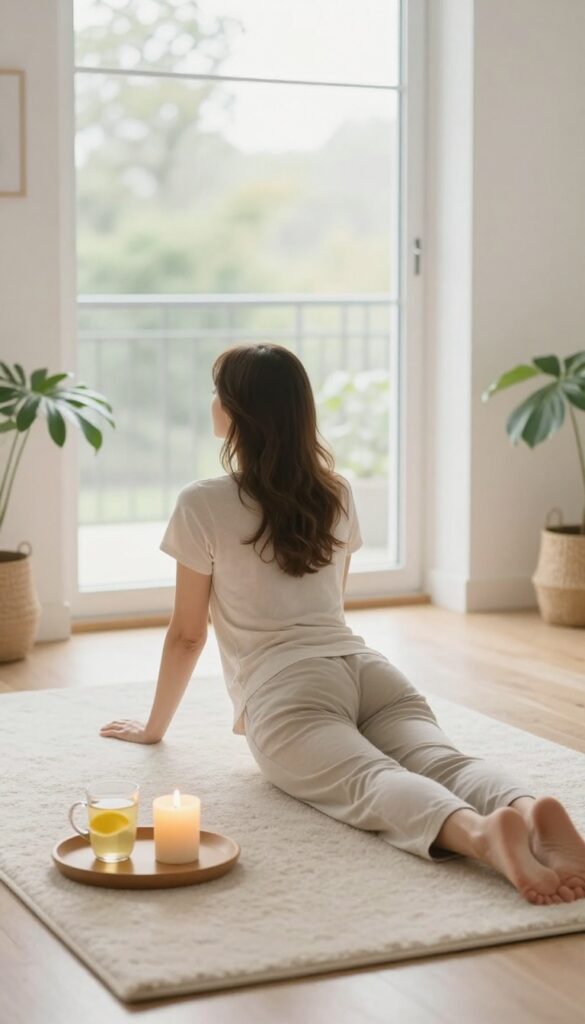
Mornings during a retreat should feel unhurried—no alarms, no rushing. Starting the day with gentle stretching invites your body to awaken naturally. It's a quiet ritual that shifts your focus from what you need to do to how you want to feel.
Ten minutes is all you need. Roll out your mat or just use a soft rug. Move through simple poses like cat-cow, child's pose, and a forward fold.
Breathe deeply and let your mind follow the rhythm of your body. Skip any strain—this isn't about performance, it's about presence.
Why Slow Movement Matters
Jumping straight into a busy day keeps your nervous system on high alert. Gentle stretching activates the parasympathetic response, helping you shift into rest-and-digest mode. It's a small investment that pays off in calmness for hours.
A Simple Sequence To Try
Start seated: neck rolls, shoulder shrugs, and a gentle twist. Move to all fours for cat-cow, then downward dog. Finish lying down with a supine twist and a few minutes in savasana.
No need to follow a strict order—just listen to what feels good.
Pair It With A Calming Habit
Enhance the experience by lighting a candle, playing soft instrumental music, or opening a window for fresh air. You could also sip warm lemon water while you stretch. The combination turns a simple routine into a cherished morning ritual.
4. Aromatherapy: Scents That Soothe
Your sense of smell is directly linked to the part of your brain that controls mood and memory. That’s why a few drops of the right essential oil can shift your entire state of mind in seconds. For a restorative weekend, let aromatherapy be your silent partner in relaxation.
You don’t need a full spa setup—just a diffuser, a candle, or even a cotton ball with a few drops of oil. The goal is to create a sensory environment that tells your nervous system it’s safe to unwind.
Start with lavender or chamomile for deep calm, or try eucalyptus if you want to clear your head. Place your diffuser in the room where you’ll be resting most, and let it run on a low setting. If you prefer candles, choose soy or beeswax options with pure essential oils—they burn cleaner and smell more natural.
A quick tip: rotate scents throughout the weekend. Use uplifting citrus in the morning to ease into the day, and switch to grounding woods like cedar or sandalwood in the evening. This keeps your senses engaged without becoming nose-blind to the benefits.
Best Oils For Rest
Lavender is the gold standard for sleep and relaxation. Roman chamomile is gentler and great for anxiety. Bergamot lifts mood without being stimulating, and frankincense helps deepen your breath during meditation or quiet moments.
How To Use Them
A diffuser is the easiest method—just add water and a few drops. If you don’t have one, put oil on a cotton ball and tuck it inside your pillowcase. You can also add a few drops to a warm bath mixed with a carrier oil like jojoba.
Always dilute essential oils before applying to skin.
Safety First
High-quality oils matter—look for 100% pure therapeutic grade. Avoid synthetic fragrances, which can cause headaches. If you have pets, check which oils are safe (lavender and chamomile are generally fine, but tea tree and citrus can be toxic to cats and dogs).
5. Nature Walk: Fresh Air and Grounding
Stepping outside for a walk might seem too simple to qualify as a self-care essential, but its effects are anything but ordinary. Fresh air, natural light, and a change of scenery work together to reset your nervous system and quiet your mind. A short walk can break the cycle of overthinking and bring you back to the present moment.
Leave your phone and headphones behind—this is about noticing the world around you. Pay attention to the crunch of leaves underfoot, the way the breeze feels on your skin, and the distant sounds of birds or rustling trees. Even 20 minutes in a nearby park or quiet neighborhood can lower cortisol levels and improve mood.
The goal isn't exercise or distance; it's simply being outside, moving slowly, and letting nature do its thing.
Where To Walk
You don't need a scenic trail or a forest preserve. A local park, a tree-lined street, or even a large backyard can work. The key is choosing a place where you won't be rushed or distracted.
If possible, pick a spot with some greenery and minimal traffic noise.
How To Make It Mindful
Walk at a relaxed pace and use your senses as anchors. Notice three things you see, two you hear, and one you feel. If your mind wanders, gently bring it back to your breath or the rhythm of your steps.
This simple practice turns a casual stroll into a grounding ritual.
When To Go
Early morning or late afternoon are ideal—the light is softer, and the world tends to be quieter. But any time you feel overwhelmed or stuck is a good time. Even a five-minute break can shift your perspective and help you reset.
6. Journaling: Release Your Thoughts

There's something quietly powerful about putting pen to paper. Journaling during your retreat isn't about writing perfectly or filling pages—it's about giving your thoughts a place to land. A few minutes of free writing each day can help you untangle worries, celebrate small joys, and simply notice what's happening inside.
Journaling helps clear mental clutter and process emotions. It's a simple practice that fits any retreat style, whether you prefer structured prompts or blank pages.
Start With Gratitude
List three things you're grateful for each morning. They can be as small as the warmth of your coffee or the sound of birds outside. Gratitude shifts your focus to what's good, setting a positive tone for the day.
Brain Dump Before Bed
Spend five minutes writing whatever comes to mind—worries, to-dos, random thoughts. Getting it all on paper clears your head and makes it easier to fall asleep without racing thoughts.
Use Prompts For Deeper Reflection
If you're not sure what to write, try a simple prompt like "What do I need right now? " or "What am I holding onto that I can let go of? " Prompts guide you toward insights without pressure.
7. Warm Bath Ritual: Soak Away Stress
A warm bath is one of the simplest yet most effective ways to signal your body that it's time to unwind. The combination of heat, buoyancy, and quiet creates a sensory experience that melts tension from your muscles and quiets your mind. Making it a ritual rather than a quick rinse transforms an ordinary bath into a restorative practice.
Set The Scene
Start by dimming the lights and lighting a candle or two. Gather everything you need within arm's reach—a towel, a book, or a speaker for soft music. The goal is to minimize interruptions so you can fully immerse yourself in the experience.
Choose Your Add-ins
Epsom salts are a classic choice for muscle relaxation, while bath bombs add a touch of luxury with fizz and fragrance. If you prefer a more natural option, try a few drops of lavender or eucalyptus essential oil mixed with a carrier oil. Avoid anything too stimulating—this is about calming down.
Soak And Savor
Slide into the water and set a timer for 20 minutes. Let your thoughts drift as you focus on the warmth and the gentle scent. Reading or listening to a soothing playlist can help you stay present, but even just closing your eyes and breathing deeply works wonders.
8. Nourishing Meals: Eat with Intention
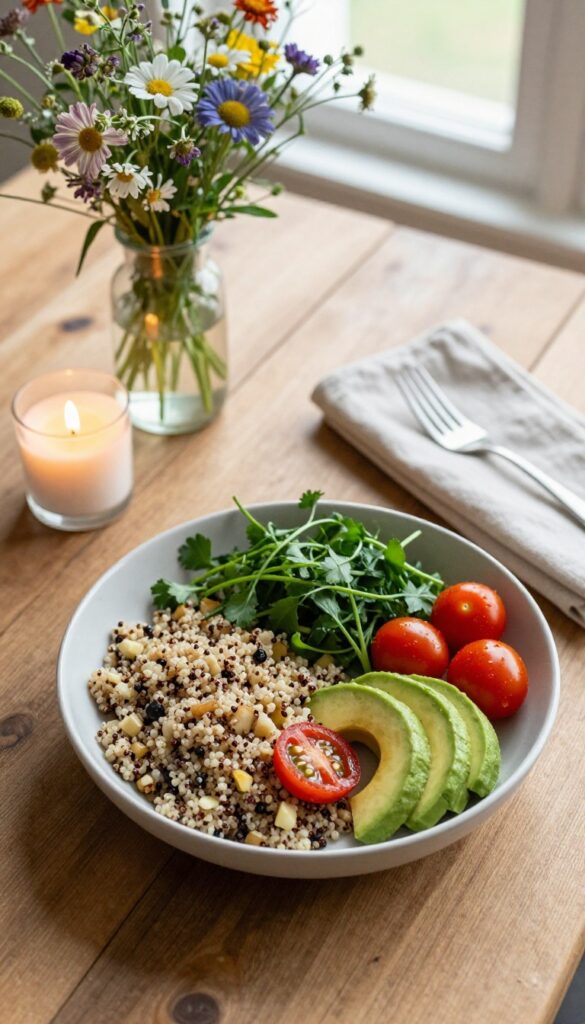
Food is more than fuel—it's a chance to practice mindfulness and care for your body. A restorative weekend is the perfect time to slow down and prepare meals that feel good to eat and make. Skip the takeout and convenience foods.
Instead, choose simple, whole ingredients and let cooking become part of your relaxation ritual.
When you eat with intention, every meal becomes a grounding moment. Start by planning a few easy recipes that use fresh vegetables, whole grains, and lean proteins. Think hearty soups, grain bowls, or roasted vegetables with herbs.
The act of chopping, stirring, and seasoning can be meditative. Then, when you sit down to eat, put away your phone and turn off the TV. Focus on the colors, textures, and flavors of your food.
Chew slowly and notice how each bite makes you feel. This mindful approach turns a simple meal into a nourishing self-care practice that leaves you satisfied—not just full.
Keep It Simple
You don't need complicated recipes. A sheet pan dinner with salmon and asparagus or a big salad with chickpeas and avocado can be ready in under 30 minutes. The key is using fresh, high-quality ingredients that taste great on their own.
Set The Scene
Eating mindfully starts before the first bite. Set a nice table, light a candle, or play soft music. These small touches signal to your brain that this is a special moment, not just another meal to rush through.
Savor Every Bite
Practice eating without distractions. Notice the aroma, the temperature, and the way the food feels in your mouth. Put your fork down between bites.
This not only helps you enjoy your food more but also improves digestion and helps you recognize when you're truly full.
9. Creative Outlet: Make Something for Fun
When was the last time you made something just for the joy of it? Adult life tends to squeeze out unstructured creativity, but a restorative weekend is the perfect time to bring it back. The goal isn't a masterpiece—it's the process of playing with colors, textures, or shapes without any pressure.
Creative activities can quiet the mind in a way that passive relaxation sometimes can't. They engage your hands and focus your attention on the present moment, making them a form of active meditation. Plus, you get a tangible souvenir of your weekend.
Why Low-pressure Creativity Works
Coloring books for adults, knitting a simple scarf, or doodling in a sketchbook—these aren't about skill. They're about flow. When you're focused on mixing colors or following a pattern, your brain gets a break from overthinking.
It's like a reset button for your mental clutter.
Easy Ideas To Try
Grab a beginner-friendly kit: watercolor postcards, a small embroidery hoop, or a paint-by-numbers set. If you prefer something digital, try a drawing app on your tablet. The key is to choose something that feels like play, not work.
Set a timer for 30 minutes and see where it takes you.
No Talent Required
You don't need to be an artist to benefit. The act of making—whether it's a lumpy clay pot or a crooked sketch—builds confidence and reduces stress. Keep your creation as a reminder that you can do things just for fun.
10. Nap Time: Honor Your Need for Rest

Sleep isn't the only kind of rest your body craves. A short, intentional nap can be a powerful reset button during a restorative weekend. It's not about laziness—it's about listening to your energy levels and giving yourself permission to pause.
A 20- to 30-minute nap can boost alertness, improve mood, and even enhance creativity. The key is timing and setting yourself up for success. Keep it short to avoid grogginess, and create a cozy, distraction-free zone.
Find Your Sweet Spot
Aim for early afternoon, between 1 and 3 p. m. , when your natural energy dip occurs. Set a timer for 20–30 minutes to prevent oversleeping. This length keeps you in light sleep stages, so you wake up refreshed, not groggy.
Create A Nap Sanctuary
Dim the lights, use a soft blanket, and block out noise with earplugs or a white noise app. A comfortable temperature (slightly cool) and a quiet environment help you drift off quickly. Even a couch or a hammock can work—just make sure you can fully relax.
Make It A Ritual
Treat your nap like a mini ceremony. Light a calming candle, put on soothing music, or do a quick breathing exercise before lying down. Over time, these cues signal your brain that it's time to rest, making it easier to fall asleep.
11. Face Mask or Skincare Ritual: Pamper Your Skin
Your skin works hard all week, so why not give it a little extra love during your retreat? A simple face mask or skincare ritual can feel like a mini spa session without leaving home. It's a chance to slow down, breathe, and focus on yourself for a few minutes.
Plus, the physical sensation of a cool mask or warm steam can be incredibly grounding.
Choose Your Mask
Sheet masks are a no-mess favorite—just peel and apply. Or go DIY with ingredients like honey (hydrating), oatmeal (soothing), or yogurt (gentle exfoliation). Pick one that matches your skin's mood: calming if you're stressed, brightening if you feel dull.
Create A Ritual
Set the scene: light a candle, put on soft music, and lie down for 10–15 minutes while the mask works. Use this time to close your eyes, take deep breaths, or just do nothing. After removing the mask, gently massage any leftover serum into your face and neck.
Finish With A Massage
A quick facial massage boosts circulation and helps products absorb better. Use your fingertips to make small circles on your temples, jawline, and cheeks. Even two minutes can release tension and leave your skin glowing.
12. Music or Sound Bath: Let Sound Heal
Sound has a direct line to your nervous system. A carefully chosen playlist or a live sound bath can shift your brainwaves from stress mode to deep relaxation. You don't need any special equipment—just your ears and an open mind.
This is one of the easiest ways to drop into a restorative state without moving a muscle.
Curate Your Personal Soundtrack
Create a playlist of calming music, nature sounds, or binaural beats. Aim for at least 30 minutes of uninterrupted listening. Use headphones for an immersive experience or play it softly in the background while you journal or stretch.
Try A Singing Bowl Or Chimes
If you have a singing bowl, chime, or even a small bell, use it to anchor your attention. Ring it once and listen until the sound fades completely. This simple practice trains your mind to stay present and can be repeated throughout your retreat.
Use A Meditation App
Apps like Insight Timer, Calm, or Spotify offer guided sound baths and nature soundscapes. Pick a track that resonates with you—ocean waves, rain, or Tibetan bowls—and let it guide you into a meditative state.
13. Digital Photo Album: Revisit Happy Memories

Scrolling through old photos isn't just a trip down memory lane—it's a proven mood booster. Taking a few minutes to revisit happy moments can shift your mindset from stress to gratitude. This weekend, turn your phone into a tool for joy, not distraction.
Pick a handful of photos that make you genuinely smile. It could be a vacation snapshot, a silly selfie with a friend, or a quiet moment with your pet. Avoid the temptation to edit or organize—just enjoy the memories as they are.
If you want to go a step further, create a small digital album or a quick slideshow. The act of curating happy moments reinforces positive emotions and gives you a visual reminder of the good times.
Why It Works
Looking at happy photos triggers the release of dopamine and oxytocin, the feel-good hormones. It's like a mini gratitude practice without the journaling. Plus, it reminds you that joy exists even on tough days.
How To Make It A Ritual
Set aside 10 minutes with no notifications. Open your photo app and scroll slowly. Pick 5 to 10 favorites and save them to a new album titled something like "Weekend Joy.
" You can even add a caption or a date for future smiles.
Keep It Simple
No need to overthink this. You don't have to print photos or create a fancy scrapbook. The goal is to reconnect with happy moments, not add another task to your weekend.
Just scroll, smile, and move on.
14. Gratitude Practice: End the Day on a High Note
Before you drift off to sleep, take a few minutes to reflect on the good stuff. A simple gratitude practice can transform your mindset and help you end your retreat on a positive, peaceful note.
Writing down three things you're grateful for each evening shifts your focus from what went wrong to what went right. It doesn't have to be profound—maybe it's the taste of your morning coffee, a warm blanket, or a kind word from a friend. This small habit trains your brain to notice the good, making it easier to relax and sleep soundly.
Why It Works
Gratitude activates the brain's reward system, releasing dopamine and serotonin. This lowers stress hormones and quiets the mind, preparing you for restful sleep. Over time, it rewires your brain to default to positivity.
How To Start
Keep a small notebook by your bed. Each night, jot down three specific things you appreciated that day. They can be tiny—like a sunny window or a good stretch.
No need to overthink it; just write whatever comes to mind.
Make It A Ritual
Pair your gratitude practice with another bedtime habit, like sipping herbal tea or lighting a candle. This creates a calming routine that signals to your body it's time to wind down. Consistency is key—even two minutes makes a difference.
15. Intentional Sleep Routine: Wind Down Properly
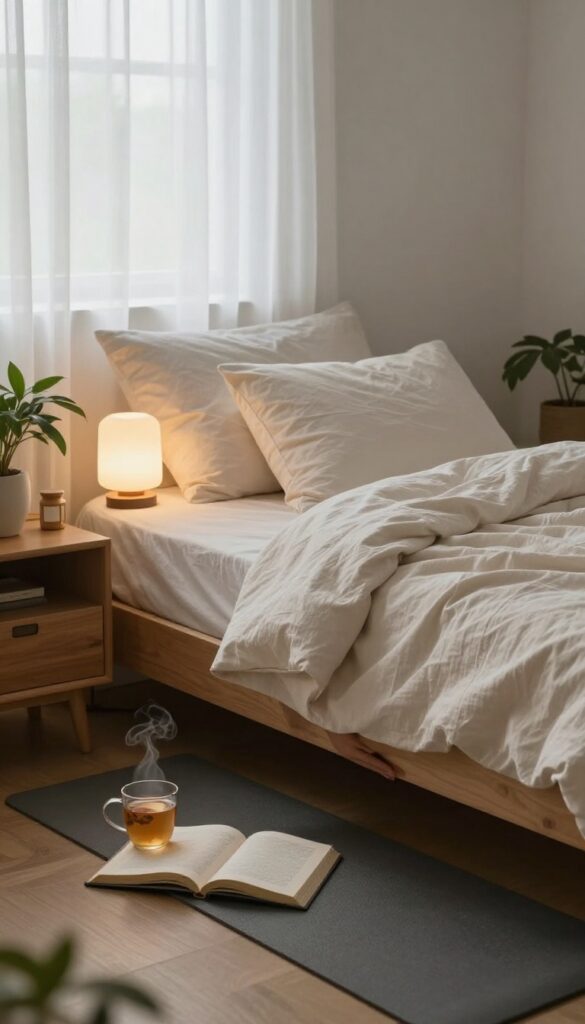
Sleep is the ultimate reset button, but it doesn't just happen automatically. The hour before bed sets the stage for deep, restorative rest. By creating a simple wind-down ritual, you train your brain to shift into relaxation mode.
Dim the lights about an hour before you plan to sleep. This signals your body to produce melatonin, the sleep hormone. Avoid screens entirely—blue light tricks your brain into thinking it's still daytime.
Instead, pick up a physical book, do some light stretching, or sip a cup of herbal tea. Consistency is key: doing the same steps each night reinforces the habit, so your body learns to expect rest.
Set The Scene
Lower the lights, adjust the temperature to cool, and remove clutter from your bedside. A calm environment makes it easier to let go of the day's stress.
Screen-free Zone
Keep your phone, tablet, and laptop out of reach. The blue light and endless notifications can keep your mind wired. Swap scrolling for a calming activity.
Calming Rituals
Try gentle yoga poses, journaling, or listening to a sleep story. The goal is to slow your breathing and quiet your mind, preparing your body for deep sleep.
FAQ
How do I create a restorative weekend retreat on a tight budget?
Focus on free or low-cost activities like nature walks, journaling, and stretching. Use items you already own—like candles, books, and bath salts. The key is intention, not expense.
Can I do a self-care retreat if I have kids or a busy household?
Yes, but you may need to adapt. Involve family in some activities (like a nature walk) or schedule quiet time when others are asleep. Even 30 minutes of solo time can be restorative.
What if I can't commit to a whole weekend?
No problem. Pick a few essentials and do them over a single day or even an evening. The goal is quality, not quantity.
A few hours of intentional self-care still helps.
How do I stay off my phone during a digital detox?
Use an app blocker, put your phone in another room, or set a specific time to check it. Replace screen time with a physical activity like reading or stretching.
What's the best essential oil for relaxation?
Lavender is a classic for relaxation. Chamomile, ylang-ylang, and frankincense also work well. Choose a scent you personally find calming.
Conclusion
A restorative weekend retreat doesn't require a lavish spa—it's about intentionally choosing small comforts that recharge you. Start with just a few of these essentials that fit your budget and energy level.
Your self-care practice should feel like a relief, not another chore. Pick what resonates, leave what doesn't, and let the weekend unfold at its own gentle pace.