Last updated on June 26th, 2026 at 03:38 pm
You close your laptop, and your brain is still buzzing with emails, deadlines, and to-do lists. The couch calls, but scrolling through your phone doesn't actually help you recharge. What you need is a real transition from work mode to rest mode.
Self-care after work doesn't have to be complicated or time-consuming. It's about small, intentional actions that signal to your body and mind that the workday is over. These 15 ideas are designed to fit into your evening, no matter how tired you are.
Pick one or two that resonate with you. The goal isn't to do them all—it's to find what helps you feel restored and ready for tomorrow.
1. Change Out of Work Clothes Immediately

There's a reason why putting on pajamas as soon as you walk in the door feels so good. Your brain associates your work attire with focus, deadlines, and stress. By swapping it for something soft and loose, you're drawing a clear line between your professional and personal life.
This tiny ritual takes less than two minutes but has a big impact. It's not just about comfort—it's a psychological cue that helps you unwind faster. Plus, you'll feel more ready to do something restorative, whether that's cooking dinner, reading, or just sitting quietly.
Why It Works
Your brain forms strong associations between clothing and behavior. Work clothes keep you in a productive, alert mindset. Changing into loungewear or pajamas triggers a relaxation response, making it easier to leave work stress behind.
Make It A Habit
Keep a cozy outfit ready near your entryway or in your bedroom. The easier it is to change, the more likely you'll do it. Even on days when you're exhausted, this simple act can jumpstart your transition to rest mode.
What To Wear
Think soft fabrics, loose fits, and items you associate with comfort. It could be sweatpants and a t-shirt, a soft robe, or your favorite pair of leggings. The key is choosing clothes that feel like a reward after a long day.
2. Take a 5-Minute Breathing Break
After a long day, your nervous system is probably still stuck in fight-or-flight mode. A quick breathing exercise can flip the switch to rest-and-digest, helping you unwind fast. You don't need a special app or a quiet room—just a few minutes and your own breath.
This simple practice lowers your heart rate and signals to your brain that it's safe to relax.
Why Box Breathing Works
Box breathing (inhale, hold, exhale, hold—each for four counts) activates the parasympathetic nervous system. It's used by Navy SEALs to stay calm under pressure, but it works just as well for post-work stress.
How To Fit It In
Set a timer for five minutes right after you walk in the door. Sit somewhere comfortable, close your eyes, and breathe. Even three minutes can make a difference if you're short on time.
Make It A Habit
Pair this with another routine, like taking off your shoes or pouring a glass of water. After a week, your brain will automatically associate that trigger with relaxation.
3. Make a Cup of Tea Mindfully
Rushing through a drink is just another task. But when you slow down and make tea with intention, it becomes a calming ritual. The simple act of boiling water, steeping leaves, and holding a warm mug can signal your brain that it's time to unwind.
Instead of gulping down a drink, take time to prepare tea slowly. Notice the steam, the aroma, and the warmth. This ritual can be a mini-meditation that grounds you.
Choose Your Tea With Care
Pick a tea that matches your mood. Herbal blends like chamomile or lavender promote relaxation, while green tea offers a gentle lift. Let the color and scent guide you.
Engage All Your Senses
As the water heats, listen to its gentle bubbling. Watch the tea leaves unfurl or the bag release its color. Inhale the steam deeply before your first sip.
This sensory focus pulls you into the present moment.
Sip Slowly Without Distractions
Put your phone away and sit in a quiet spot. Hold the mug with both hands, feel its warmth, and take small, deliberate sips. Let this be a few minutes of pure stillness.
4. Step Outside for Fresh Air

When your brain feels foggy and your shoulders are tight, the easiest reset button is right outside your door. Stepping into fresh air—even for a few minutes—shifts your focus from screens to surroundings. It's a simple way to break the cycle of work thoughts and remind yourself that the day has moved on.
Just Five Minutes Will Do
You don't need a long walk or a scenic hike. Just stand on your porch, balcony, or in your backyard. Breathe in slowly, feel the temperature on your skin, and look up at the sky.
Notice the clouds, the trees, or the stars if it's dark. This mini-break can lower your heart rate and quiet your mind faster than you'd expect.
Engage Your Senses
Make it a full sensory experience. Feel the breeze on your face, listen for birds or rustling leaves, and notice any scents in the air—fresh grass, rain, or blooming flowers. Touch a leaf or the bark of a tree.
Grounding yourself in the present moment through your senses helps pull you out of work mode.
Add A Little Movement
If you have a bit more energy, pair your fresh air with gentle movement. Walk around the block, stretch your arms overhead, or do a few neck rolls. The combination of outdoor air and physical motion releases tension and boosts your mood.
Even a slow stroll can make a difference.
5. Write Down Three Wins from Today
Your brain has a negativity bias—it clings to the one awkward meeting and forgets the five things that went right. That's why ending your day by noting three wins is such a powerful reset. It's not toxic positivity; it's training your mind to see what's good.
Grab a notebook or open a notes app. Think back over your day and list three things that went well, no matter how small. Maybe you finished a tricky task, had a nice chat with a coworker, or just remembered to drink water.
The act of writing them down makes them real.
Why Three Is The Magic Number
One win is easy to dismiss. Five can feel overwhelming. Three is just right—enough to shift your perspective, but not so many that you strain to find them.
It's a manageable habit that sticks.
How To Make It A Habit
Pair it with something you already do, like brushing your teeth or making your evening tea. Keep a small notebook on your nightstand. Within a week, you'll start scanning your day for wins automatically.
What Counts As A Win?
Anything that brought you a moment of satisfaction, progress, or connection. Finished a report? Win.
Didn't lose your temper in traffic? Win. Made someone laugh?
Absolutely a win. No win is too small.
6. Stretch for 10 Minutes
Your body holds tension from sitting all day. A short stretching routine targeting your neck, shoulders, and hips can release physical stress and improve circulation. It's a simple way to signal to your muscles that work is over.
Ten minutes is all it takes to unwind tight spots and reset your body. You don't need any equipment or special flexibility—just a quiet space and willingness to move slowly.
Target The Usual Suspects
Focus on areas that get tight from desk work: neck, shoulders, lower back, and hips. Simple moves like neck rolls, shoulder shrugs, cat-cow, and seated hip openers work wonders.
Breathe Deeply While You Stretch
Pair each stretch with slow, deep breaths. Inhale as you lengthen, exhale as you deepen the stretch. This helps calm your nervous system and improves flexibility.
Make It A Habit
Set a reminder or pair stretching with another routine, like changing out of work clothes. Consistency matters more than duration—even five minutes daily adds up.
7. Listen to a Calming Playlist
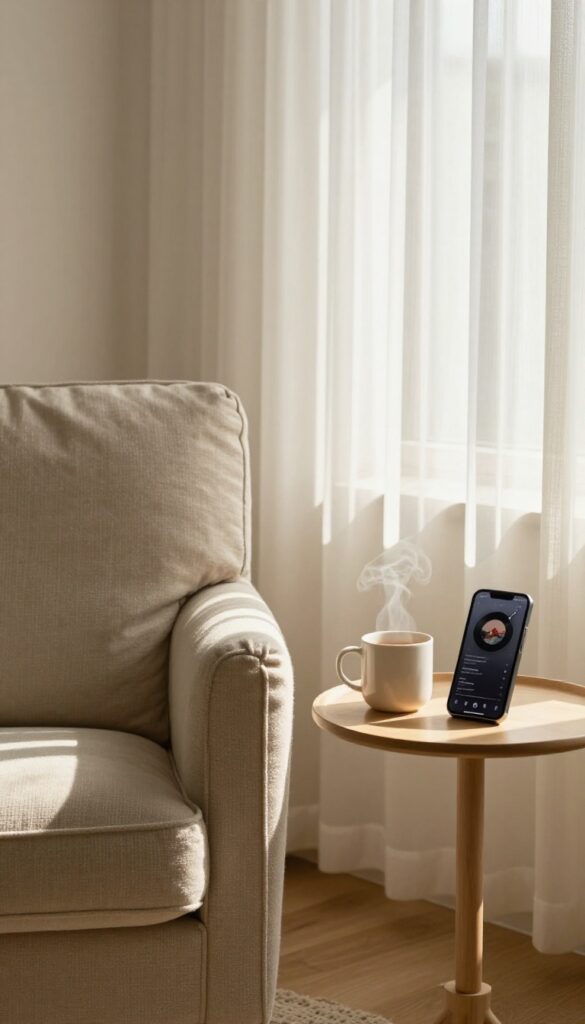
Music has a direct line to your emotions. A carefully chosen playlist can shift your mood from wired to relaxed in minutes. Instead of defaulting to the news or a podcast, try curating a set of songs that help you decompress.
You don't need to spend hours making it perfect. Start with five or six tracks that feel like a deep breath. Over time, your brain will associate that playlist with the end of the workday, making the transition even smoother.
What To Include
Think instrumental, ambient, or acoustic. Nature sounds, lo-fi beats, or classical pieces work well. Avoid songs with strong memories or lyrics that pull you into a story.
The goal is to calm, not distract.
When To Press Play
Put it on as soon as you walk through the door, or during your commute home. Let it play while you change clothes, make tea, or just sit for a few minutes. The ritual matters as much as the music.
Keep It Accessible
Save your playlist to your phone or streaming app so it's always one tap away. Update it seasonally to keep it fresh. A little effort now means effortless relaxation later.
8. Do a Quick Digital Detox
Your phone is probably the biggest source of after-work noise. Every ping, buzz, and notification pulls your attention back to the world of tasks and expectations. Even if you're not actively working, that constant availability keeps your brain in a low-grade stress state.
A short digital detox is like hitting the reset button on your focus. By removing the temptation to check just one more email or scroll through social media, you give your mind the space it needs to unwind.
Set A Timer
Commit to just 30 minutes of no screens. Set a timer on your phone, then place it in another room. This small boundary makes a big difference—you can't reach for it out of habit.
Replace The Urge
Have a non-digital activity ready to fill that time. Stretch, brew a cup of tea, or flip through a magazine. The key is to replace the scrolling habit with something calming and tactile.
Notice The Shift
After the timer goes off, check in with yourself. You'll likely feel a noticeable drop in mental chatter and a greater sense of presence. That's your brain thanking you for the break.
9. Take a Warm Shower or Bath

There's a reason warm water is a go-to for relaxation. It's a physical and mental reset button that signals your body to shift gears. A warm shower or bath can wash away not just the dirt from the day, but also the tension and stress you've been carrying.
Let warm water work its magic. The heat helps relax your muscles, lower your heart rate, and calm your mind. You don't need a long soak—even 10 minutes can make a difference.
To boost the effect, try adding Epsom salts to soothe tired muscles or a few drops of lavender oil for its calming scent. Make it a ritual: light a candle, play soft music, or just enjoy the quiet. This simple act can be a powerful way to transition from work mode to rest mode.
Why Warm Water Works
Warm water increases blood flow and relaxes muscle tension. The warmth also triggers a parasympathetic response, helping your nervous system calm down. It's a gentle, effective way to signal your body that the workday is over.
Quick Upgrade Ideas
Add Epsom salts for muscle relief or a few drops of lavender essential oil for aromatherapy. Use a bath pillow or a shower steamer to create a spa-like experience. Even a simple cup of tea waiting for you afterward can extend the relaxation.
Making It A Ritual
Set aside 10–15 minutes right after work. Keep your bathroom dimly lit, play some calming music, or just enjoy the silence. This consistent practice helps train your brain to recognize that it's time to unwind.
10. Read a Few Pages of a Fun Book
When your brain is fried from spreadsheets and meetings, the last thing it wants is more dense information. But a light, entertaining book can be the perfect escape. Reading for pleasure lowers your heart rate and shifts your focus away from work worries.
Pick a genre you genuinely enjoy—mystery, romance, fantasy, or humor. Keep the book on your nightstand or coffee table so it's easy to grab. Even 10 minutes of reading can help you unwind and signal to your brain that the day is over.
Why It Works
Reading a fun story engages your imagination without demanding mental effort. It's a form of active relaxation that keeps your mind occupied with something pleasant, not stressful.
How To Make It A Habit
Set a timer for 10 minutes right after work. Keep the book somewhere visible. Don't pressure yourself to finish chapters—just enjoy a few pages.
Book Suggestions
Try a lighthearted novel like 'The House in the Cerulean Sea' or a collection of short stories. Avoid anything work-related or self-help for this slot.
11. Cook a Simple, Nourishing Meal
After a long day, the idea of cooking might feel like another chore. But shifting your mindset can turn meal prep into a calming ritual. Focus on fresh ingredients, vibrant colors, and simple techniques that don't require a recipe.
Cooking can be a form of active meditation. Chopping vegetables, stirring a pot, and smelling herbs ground you in the present moment. The reward is a meal that truly nourishes, both body and soul.
Choose one or two ingredients that excite you—like a seasonal vegetable or a new grain. Keep the process low-pressure: roast everything on a sheet pan or toss together a hearty salad. The goal is to enjoy the act of making food, not to impress anyone.
Start With One Fresh Ingredient
Pick a vegetable or protein you love and build around it. A bunch of asparagus, a fillet of salmon, or a ripe avocado can be the star. Keep sides simple: steamed rice, a quick vinaigrette, or toasted bread.
Use All Your Senses
Notice the sizzle of garlic in oil, the bright color of bell peppers, the texture of kneading dough. Engaging your senses pulls you out of your head and into the kitchen. This mindfulness makes cooking feel restorative.
Set The Mood
Play some music, light a candle, or pour a glass of water with lemon. Treat the kitchen like a sanctuary. A calm environment transforms cooking from a task into a soothing evening ritual.
12. Call or Text a Friend

Work can make you feel isolated, even if you're surrounded by people. A quick conversation with someone who knows you outside of your job can break that bubble. It's a simple way to remind yourself that your identity isn't tied to your inbox.
Reach out to someone you trust. A short chat about non-work topics can lift your spirits and remind you that you're more than your job.
Keep It Light
You don't need to dive into deep conversations. Ask about their day, share a funny meme, or talk about a show you're both watching. The goal is connection, not problem-solving.
Set A Time Limit
A 10-minute call or a quick text exchange is enough. You're not looking to catch up on weeks of news—just a small dose of social warmth to reset your mood.
Choose The Right Person
Pick someone who energizes you, not drains you. That friend who always makes you laugh or listens without judgment is perfect for this.
13. Light a Candle or Use Essential Oils
Your sense of smell is directly linked to the part of your brain that controls emotions and memory. That's why a familiar scent can instantly shift your mood. After a stressful day, a calming fragrance can be a powerful cue that it's time to unwind.
Scents like lavender, chamomile, or sandalwood are known for their relaxing properties. Lighting a candle or using a diffuser fills your space with these aromas, creating a peaceful environment. It's a simple way to signal to your brain that work is over and relaxation has begun.
Choose Your Scent
Not all scents are created equal. Lavender is great for sleep, while citrus can be uplifting. Experiment with a few to find what calms you.
A small candle or a few drops of oil in a diffuser is all you need.
Make It A Ritual
Consistency helps. Light the same candle or use the same oil blend each evening. Your brain will start associating that scent with relaxation, making it easier to switch off.
Safety First
Always place candles on a stable surface away from drafts and flammable items. Never leave them unattended. If you prefer a flame-free option, a diffuser or reed diffuser works just as well.
14. Do a Creative Hobby for 15 Minutes
After a day of deadlines and decisions, your brain craves a different kind of stimulation. Creative hobbies offer a low-pressure way to shift gears, using a different part of your mind. Fifteen minutes is all it takes to reset your mood and feel a sense of accomplishment that has nothing to do with work.
Pick Something Low-stakes
The key is choosing an activity where the outcome doesn't matter. Doodle in a sketchbook, knit a few rows, or strum a simple chord on a ukulele. There's no goal, no deadline, just the joy of making something for yourself.
Set A Timer And Let Go
Commit to just 15 minutes. When the timer goes off, you can stop or keep going if you're in the flow. This short window removes any pressure to be productive, so you can fully immerse in the process.
Rotate Your Options
Keep a few different supplies handy—a notebook, colored pencils, a small instrument, or a poetry journal. Rotating activities prevents boredom and keeps your creative spark alive. You might discover a hidden talent or a new way to unwind.
15. Set an Intention for Tomorrow

The evening is a natural time to wrap up your day and prepare for the next. Instead of letting your mind wander into worry or endless planning, try setting a single intention for tomorrow. This small ritual can bring a sense of closure and calm to your evening.
Before bed, decide one thing you want to focus on tomorrow. Keep it simple. This helps you feel prepared and reduces morning anxiety.
It's a gentle way to guide your energy without overwhelming yourself.
Why It Works
Your brain likes having a clear target. When you set an intention, you're giving your subconscious a direction to work on overnight. You wake up with a sense of purpose instead of a fog of tasks.
How To Choose Your Intention
Pick something small and achievable. It could be as simple as "drink water before coffee" or "finish the report draft. " The key is to choose one thing that matters to you, not a list of everything.
Make It A Habit
Keep a notebook or a note on your phone. Write your intention right after your evening wind-down routine. Over time, this becomes a powerful anchor for your evenings and mornings.
FAQ
How long should after-work self-care take?
It can be as short as 5 minutes. The key is consistency, not duration. Even a brief ritual can help you transition from work mode to rest mode.
What if I'm too tired to do anything?
Start with the simplest option, like changing clothes or taking three deep breaths. Doing something small is better than doing nothing.
Can I combine multiple self-care ideas?
Absolutely. For example, you could stretch while listening to calming music, or sip tea while journaling. Just don't overwhelm yourself.
What if my evenings are already packed?
Pick one idea that takes less than 5 minutes, like a breathing break or writing down wins. Even a tiny pause can make a difference.
Do I need special equipment for these ideas?
No. Most ideas require nothing more than what you already have at home. The focus is on simple, accessible actions.
Conclusion
Recharging after work doesn't require a full evening overhaul. Pick one idea that feels doable tonight—maybe a quick walk or a few minutes of quiet.
Small, consistent actions like these can transform your evenings from drained to refreshed. Start with what fits your energy, and let the habit grow naturally.

Dr. Pallab Kishore, MS in Orthodontics and owner of Orthodontic Braces Care, shares expert tips on braces, aligners, and oral health from 10+ years of experience.