Last updated on June 26th, 2026 at 03:38 pm
You don't need hours of free time to practice self-care. On hectic days, small, gentle habits can make a big difference. The key is choosing actions that feel doable, not overwhelming.
These 23 ideas are designed to fit into your busiest schedule. They take just a few minutes each but can shift your whole day. Think of them as tiny resets for your mind and body.
No complicated routines or expensive tools required. Just simple, kind practices you can start today. Pick one or two that resonate and see how they feel.
1. Sip a Warm Cup of Tea Slowly

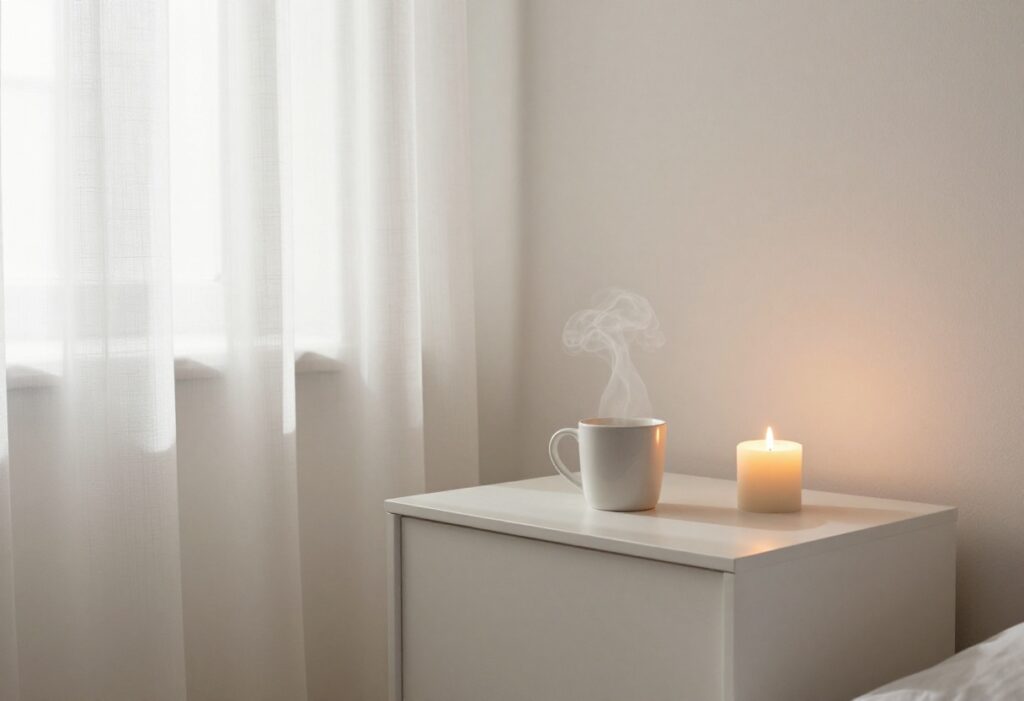
When your day feels like a race, pausing for a warm cup of tea can be a gentle reset. It’s not about caffeine—it’s about the ritual. The simple act of holding a warm mug, breathing in the steam, and taking small sips can slow down your nervous system.
You don’t need fancy blends; any herbal tea works. The key is to give yourself permission to sit still for just five minutes.
Instead of gulping down coffee, take five minutes to enjoy a warm cup of herbal tea. Focus on the warmth and aroma.
Choose A Calming Flavor
Pick a tea that soothes you—chamomile, peppermint, or lavender. Avoid caffeinated options if you’re winding down. Let the scent be part of the experience.
Make It A Mini Ritual
Boil fresh water, pour it slowly, and watch the tea steep. Use your favorite mug. Hold it with both hands and breathe deeply before your first sip.
Sip Without Distractions
Put your phone away and close your laptop. Just be with your tea. Notice the temperature, the taste, and how your body relaxes with each sip.
2. Stretch for Two Minutes Right After Waking Up

Before you check your phone or rush out of bed, give yourself two minutes to stretch. A quick full-body stretch in bed wakes up your muscles and sets a calm tone for the day. It's a simple way to transition from sleep to wakefulness without jolting your system.
This tiny ritual helps release the stiffness that builds up overnight. It also signals to your brain that you're starting the day with intention, not haste. You don't need any equipment or special knowledge—just your body and a few deep breaths.
Why It Works
Overnight, your muscles can tighten and your joints may feel stiff. A gentle stretch increases blood flow and wakes up your nervous system gently. It also lowers cortisol levels, helping you start the day feeling less stressed.
How To Do It
While still lying down, reach your arms overhead and point your toes. Hold for a few breaths. Then hug your knees to your chest and gently rock side to side.
Finally, twist your spine by dropping both knees to one side while keeping your shoulders flat. Repeat on the other side.
Make It A Habit
Place a sticky note on your alarm clock or set a gentle reminder on your phone. Keep it simple—just two minutes. Over time, this small act becomes a non-negotiable part of your morning, even on the busiest days.
3. Write Down One Thing You're Grateful For

Before you grab your phone in the morning, take a moment to write down one thing you're grateful for. It doesn't have to be profound—a good cup of coffee, a sunny window, or a friend's text counts. This tiny habit shifts your brain from 'what's missing' to 'what's already good. ' It's a gentle way to start the day with a positive mindset, even when you're short on time.
Gratitude doesn't require a long journal session. One sentence is enough. The key is doing it before you dive into emails or social media, so your mind starts from a place of appreciation rather than comparison or stress.
Keep It Simple
You don't need a fancy journal. A sticky note, a notes app, or even the back of a receipt works. The act of writing it down makes it stick.
If you're really pressed, just whisper it to yourself while brushing your teeth.
Make It A Ritual
Pair it with something you already do—like waiting for your coffee to brew or sitting on the edge of your bed. That way, it becomes automatic. Over time, this tiny pause can rewire your brain to notice the good stuff more often.
Switch It Up
Avoid repeating the same thing every day. Challenge yourself to find something new. It could be the way sunlight hits your desk, a kind word from a coworker, or the fact that you have a warm bed.
Variety keeps the practice fresh and meaningful.
4. Take a Short Walk Without Your Phone

Your phone is a portal to everyone else's demands. A short walk without it is a small act of rebellion that reclaims a few minutes just for you. Even five minutes around the block can shift your perspective and lower stress.
The goal isn't distance—it's disconnecting.
Leaving your phone behind might feel uncomfortable at first, but that's exactly why it works. Without notifications or the urge to scroll, you can actually notice the breeze, the birds, or the way the light hits the leaves. It's a mini reset that costs nothing.
Why It Works
Walking without a phone forces your brain to take a real break. Constant pings keep your mind in a low-level stress state. A few minutes of untethered movement allows your nervous system to settle and your thoughts to wander freely.
How To Start
Pick a short loop—just five minutes. Leave your phone on your desk or in your bag. If you're worried about emergencies, let someone know you'll be back in five.
The key is to commit to the full walk without checking your device.
Make It A Habit
Tie it to an existing routine. Maybe right after lunch or before your afternoon coffee. The more you do it, the more you'll look forward to those few minutes of quiet.
Over time, it becomes a natural part of your day.
5. Do a One-Minute Breathing Exercise

When your brain is buzzing with to-dos, a one-minute breathing exercise can cut through the noise. It’s a quick way to hit pause and reset your nervous system. No special skills needed—just your breath and a minute of focus.
This simple technique is backed by science. Deep breathing activates the vagus nerve, which helps calm your fight-or-flight response. It lowers heart rate and reduces stress hormones.
You’ll feel more centered and less frazzled.
How To Do It
Find a quiet spot—or just close your eyes where you are. Inhale slowly through your nose for a count of four. Hold that breath for four counts.
Exhale gently through your mouth for four counts. Repeat this cycle four times. That’s it.
When To Use It
Try it before a stressful meeting, after a tough conversation, or when you’re stuck in traffic. It also works great as a transition between work and home. Keep it in your back pocket for any moment you need instant calm.
Why It Works
This pattern is called box breathing. It forces your mind to focus on counting, which interrupts anxious thoughts. The extended exhale signals your body to relax.
After just one minute, you’ll notice a difference in your tension levels.
6. Listen to One Song You Love Without Distraction

Music has a way of cutting through mental clutter faster than almost anything else. But when was the last time you actually sat and listened to a song from start to finish? Not as background noise, not while scrolling, not while cooking dinner—just you and the music.
This habit is about giving yourself permission to stop and feel. Pick a song that moves you, put on headphones, and close your eyes. Let the melody, lyrics, and rhythm wash over you without interruption.
It only takes three to five minutes, but it can reset your mood and lower stress levels almost instantly.
Why Headphones Matter
Headphones create a private sound bubble. They block out external noise and signal to your brain that this is a focused moment. Even if you're in a busy office or a noisy home, headphones help you slip into your own world for a few minutes.
Choose A Song That Resonates
Don't overthink it. Pick something you already love—a song that makes you feel happy, nostalgic, or calm. Avoid new or complex tracks that demand active listening.
The goal is emotional connection, not analysis.
Let Yourself Feel It
As the song plays, notice how your body responds. Maybe you tap your foot, sway, or just breathe deeper. If tears come, let them.
This isn't about performance—it's about releasing what you've been holding onto.
7. Eat One Meal Without Screens

When was the last time you ate a meal without scrolling, watching, or reading something? For many of us, screens have become a constant companion at the table. But this simple habit—eating just one meal in silence—can ground you in a way that feels surprisingly refreshing.
Focus solely on your food for one meal. Notice flavors, textures, and how full you feel. This practice turns eating into a mindful act rather than a mindless task.
It helps you tune into your body’s hunger and fullness cues, which can prevent overeating and improve digestion.
Start Small
If a whole meal feels daunting, begin with the first five minutes. Put your phone in another room, turn off the TV, and just eat. You might notice tastes you'd otherwise miss.
Engage Your Senses
Look at the colors on your plate. Smell the aroma before each bite. Chew slowly and feel the textures.
This sensory focus pulls you into the present moment.
Notice Your Fullness
Without distractions, you're more likely to notice when you're comfortably full. Pause halfway through and ask yourself how hungry you still are. This can lead to more satisfying portions.
8. Apply Lotion or Oil with Intention

Lotion is often something we rush through—slap it on and go. But what if you turned it into a small ritual? Taking 60 seconds to massage lotion or oil into your hands or feet can feel like a gentle hug to yourself.
It's a tiny act of physical kindness that grounds you in the present moment.
The key is to slow down. Instead of mindlessly rubbing lotion onto your arms while thinking about your to-do list, focus on the sensation. Feel the texture, the warmth of your hands, and the way your skin absorbs the moisture.
This simple shift turns a routine task into a mindful self-care moment.
Why Hands And Feet?
Your hands and feet work hard all day. They're also packed with nerve endings, making them incredibly receptive to touch. Massaging them can reduce tension, improve circulation, and signal your nervous system to relax.
Plus, it's easy to do anywhere—at your desk, on the couch, or before bed.
How To Do It With Intention
Choose a lotion or oil that smells good to you. Warm it in your palms, then slowly massage each finger, your palm, and the back of your hand. Use your thumb to press into the center of your palm.
For feet, sit down, cross one ankle over your knee, and work from toes to heel. Breathe deeply as you go.
Make It A Habit
Pair this ritual with an existing habit, like after washing your hands or before putting on socks. Keep a bottle of lotion in your bag or on your nightstand. Even once a day can become a cherished moment of self-connection.
9. Declutter One Small Surface

A cluttered space often leads to a cluttered mind. You don't need to tackle the whole house—just pick one small surface. Your desk, nightstand, or kitchen counter will do.
Spend two minutes clearing it off. Wipe it down if you have time. The visual calm that follows can feel like a deep breath for your brain.
This tiny task takes almost no effort but delivers an outsized sense of control. When everything around you feels chaotic, a single tidy spot becomes an anchor. It's a reminder that you can create order, even in small ways.
Choose Your Surface
Pick a spot you see often. A cluttered desk stresses you out every time you sit down. A messy nightstand greets you at the end of the day.
Start with whichever one bothers you most. You only need one.
Set A Timer
Give yourself just two minutes. Toss trash, put things back where they belong, and stack papers. When the timer rings, stop.
You're done. No pressure to keep going.
Enjoy The Aftermath
Step back and look at your clean surface. Notice how it makes you feel. That tiny win can shift your mood for the rest of the day.
Breathe in the calm.
10. Drink a Full Glass of Water First Thing

Before you reach for the coffee pot, try a simple shift: drink a full glass of water. Your body has been without fluids for hours, and even mild dehydration can leave you feeling sluggish. Water first thing gently wakes up your system and gives you a natural energy lift.
Hydrating before caffeine helps your body wake up naturally. It kickstarts your metabolism, supports brain function, and can even improve your mood. Plus, it sets a healthy tone for the rest of the day.
Why Water Before Coffee Works
After sleeping, your body is dehydrated. Coffee is a diuretic, so drinking it first can make dehydration worse. Water replenishes fluids and helps your cells function better, leading to clearer thinking and steadier energy.
How To Make It A Habit
Keep a glass or water bottle on your nightstand. As soon as you sit up, take a few sips. Aim for 8–12 ounces.
If plain water feels boring, add a squeeze of lemon or a pinch of salt for electrolytes.
The Ripple Effect
Starting your day with water often leads to better hydration throughout the day. You'll likely feel less tempted by sugary drinks and more inclined to reach for water later. It's a small win that builds momentum.
11. Step Outside for Fresh Air for 60 Seconds

Sometimes the simplest acts have the biggest impact. Stepping outside—even for just sixty seconds—can break the cycle of stress and mental fatigue. It's not about a long walk; it's about a conscious pause to breathe and reset.
When your day feels overwhelming, your nervous system is likely in overdrive. A quick dose of fresh air can help shift it from fight-or-flight to rest-and-digest. Open a window, step onto a balcony, or walk to your front door.
Take three slow, deep breaths. Notice the temperature, the breeze, the sounds around you. That's it.
In under a minute, you've given your brain a sensory reset and a moment of calm.
Why 60 Seconds Works
You don't need a full break to benefit. A minute of fresh air lowers cortisol, slows your heart rate, and clears mental fog. It's a micro-reset that fits between meetings, chores, or demands.
Make It A Cue
Pair this habit with something you already do—like after a phone call or before pouring your afternoon coffee. Soon, stepping outside becomes an automatic signal to your brain to pause and reset.
No Window? No Problem
If you can't get outside, stand by an open window or even step into a hallway with better airflow. The key is changing your environment and taking deep breaths.
12. Do a Quick Face Massage

Your face holds a lot of tension, especially on busy days. A quick massage can release that tightness and help you feel more relaxed in minutes. No special tools needed—just your fingertips and a minute or two.
This simple practice can ease headaches, soften your expression, and even boost circulation. It's a gentle way to reconnect with your body when you're feeling scattered.
Start At The Temples
Press your fingertips gently into your temples and make small circles. This area often clenches up when you're stressed. Breathe deeply for 30 seconds.
Release The Jaw
Clenching your jaw is a common stress habit. Use your knuckles to massage the muscles along your jawline, from your ears down to your chin. Open and close your mouth slowly as you go.
Smooth The Forehead
Place your fingers at the center of your forehead and sweep outward toward your temples. Repeat several times. This can help soften a furrowed brow and calm your mind.
13. Say One Affirmation Aloud

Words have power, especially the ones you say to yourself. On a busy day, your inner critic might be loud, but you can counter it with a single, intentional affirmation. This isn't about grand declarations—just one kind sentence spoken out loud can shift your mindset.
Stand in front of a mirror, look yourself in the eye, and say something like 'I am doing enough' or 'I am worthy of rest. ' Hearing your own voice speak kindness builds self-compassion and breaks negative thought loops. It takes less than 30 seconds but can change the tone of your entire day.
Why It Works
Speaking affirmations aloud engages both your auditory and visual senses, reinforcing the message. It also interrupts autopilot thinking, giving you a moment of mindful presence. Over time, this rewires your brain to default to self-kindness.
How To Make It Stick
Choose one affirmation that feels true to you—not overly positive, but believable. Repeat it every morning or whenever you feel stressed. You can also write it on a sticky note as a reminder.
Consistency matters more than length.
14. Tidy Up Your Bed Right After Getting Up

That first moment of the day sets the tone. Making your bed takes less than a minute, but it gives you a small win before you've even had your coffee. It's a gentle nudge that says, "I've got this.
"
Pulling up the covers and smoothing out the pillows creates a sense of order in your personal space. It's a tiny act of control on a day that might feel chaotic. Plus, coming back to a tidy bed at night feels like a gift to your future self.
The One-minute Win
Set a timer if you need to. Just straighten the sheets, fluff the pillows, and pull up the duvet. That's it.
No hospital corners required. The goal is progress, not perfection.
A Ripple Effect
Starting your day with one finished task often leads to another. You might find yourself tidying up the nightstand or putting away laundry. It's a small domino that can tip over into a more organized morning.
15. Sit in Silence for Three Minutes

On a packed day, your brain never gets a break. Notifications, decisions, conversations—it all adds up. Sitting in silence for just three minutes gives your mind a chance to reset.
No phone, no music, no agenda. Just you and the quiet.
It sounds too simple to matter, but silence is surprisingly powerful. Those three minutes lower your heart rate, reduce stress hormones, and help you think more clearly afterward. You don't need a meditation cushion or a special app.
Just a chair, a bench, or even the floor.
Where To Do It
Find any spot where you won't be interrupted. A parked car, a quiet corner at work, a park bench, or even a bathroom stall if that's all you have. The location matters less than the commitment to stay still.
What To Do With Your Mind
Let your thoughts drift without chasing them. Notice the sounds around you—the hum of a fridge, birds outside, your own breath. If your mind wanders to your to-do list, gently bring it back to the present moment.
How To Make It A Habit
Tie it to an existing routine. Right after you finish a task, before you start the next one, or during your coffee break. Set a timer on your phone so you don't have to watch the clock.
Three minutes goes by fast.
16. Write Down Three Things You Did Well Today

It's easy to focus on what went wrong or what you didn't finish. But ending your day by acknowledging small wins can shift your mindset. This habit trains your brain to notice your efforts, not just your shortcomings.
Grab a notebook or open a notes app. List three things you did well today—no matter how small. Maybe you replied to an important email, made a healthy lunch, or simply stayed patient in a stressful moment.
The act of writing reinforces a positive self-view and helps you end the day on a kind note.
Why It Works
Our brains have a negativity bias—we remember criticism more than praise. By deliberately recalling wins, you counterbalance that. Over time, this rewires your brain to see your own competence and effort.
Make It Stick
Keep your list somewhere visible, like a journal or a sticky note on your mirror. You can also share one win with a friend or partner. The key is consistency—do it every night, even when it feels silly.
17. Use a Calming Scent Like Lavender

Scents can shift your mood in seconds. A calming fragrance like lavender signals your brain to slow down, even when your schedule is packed. It's one of the easiest self-care habits because it requires almost no effort—just a single drop or a quick sniff.
Aromatherapy works directly on the limbic system, the part of the brain that controls emotions. Lavender is known for its relaxing properties and can help reduce stress and anxiety. On a busy day, using this scent can create a mini mental escape.
How To Use It Quickly
Keep a small bottle of lavender essential oil in your bag or desk drawer. When you feel overwhelmed, put one drop on your wrist, rub your wrists together, and take three slow breaths. That's it—no diffuser or special equipment needed.
Other Easy Options
If you don't have oil, try a lavender-scented candle or a linen spray. Light the candle while you work or spritz your pillow before a short break. Even a lavender-scented hand lotion can do the trick.
The goal is to introduce the scent without adding extra steps to your day.
18. Do a Gentle Yoga Pose Like Child's Pose

When your day feels like a whirlwind, your body holds that tension in your back, shoulders, and neck. A simple yoga pose can release it without requiring a mat or special clothes. Child's pose is one of the most grounding stretches you can do anywhere, anytime.
Hold child's pose for five deep breaths. Kneel on the floor, sit back on your heels, and fold forward, resting your forehead on the ground or a cushion. Let your arms relax alongside your body or stretch them forward.
Focus on slow, even breathing to signal your nervous system that it's safe to unwind. This pose gently stretches your lower back, hips, and shoulders, and it naturally calms your mind.
Why It Works So Well
Child's pose is a resting pose that activates your parasympathetic nervous system. The forward fold and supported position help lower cortisol levels and reduce muscle tension. It's a mini reset for your body and brain.
How To Make It Feel Better
If your knees are uncomfortable, place a folded blanket or pillow under your thighs. You can also spread your knees wider for more space. Rest your forehead on a stacked fist or a small cushion if the floor feels too hard.
When To Sneak It In
Try it during a work break, before bed, or right after you get home. Even 60 seconds can help. No one will notice if you step into a quiet corner for a quick stretch.
19. Read One Page of a Non-Work Book

A single page is all it takes to step away from your to-do list. Reading just one page of a novel, poem, or any book unrelated to work gives your brain a break from constant problem-solving. It's a tiny escape that feels like a mental mini-vacation, even if you only have sixty seconds.
When your day is packed, reading can feel like a luxury you don't have time for. But one page is always doable. It's enough to transport you somewhere else, reset your focus, and remind you that life exists beyond deadlines and emails.
Keep a book on your desk or in your bag so you can grab it during a spare moment.
Why One Page Works
One page is a low bar, so you'll actually do it. It doesn't require settling in or finding a long stretch of time. Just a minute of reading can lower stress and shift your mood.
Plus, it often leads to reading a second page because you want to know what happens next.
Best Books For Quick Escapes
Choose something light and engaging. Short story collections, poetry anthologies, or a chapter book you loved as a kid work great. Avoid dense non-fiction or anything work-related.
The goal is pleasure, not productivity.
Make It A Habit
Tie this habit to something you already do. Read one page with your morning coffee, during a bathroom break, or right before bed. Keep the book in plain sight as a visual reminder.
Over time, those single pages add up to whole books.
20. Send a Kind Text to a Friend

A quick message can do more than you think. It takes just seconds to type out a simple 'thinking of you' or 'hope you're having a good day. ' That small gesture lifts your own mood and strengthens your bond with someone else.
Reaching out doesn't have to be elaborate. A short, genuine note can brighten both your day and theirs. It's a gentle reminder that you're not alone, and it helps you feel connected even when you're busy.
Keep It Simple
You don't need a long paragraph. A few words like 'Just wanted to say hi' or 'Sending good vibes your way' are enough. The key is authenticity, not length.
Choose The Right Person
Think of a friend who might appreciate a check-in. Maybe someone you haven't talked to in a while, or a friend who's been on your mind. A targeted message feels more personal.
Make It A Habit
Set a reminder to send one kind text each day. It takes less than a minute, and over time it builds a habit of connection. You'll start noticing more opportunities to reach out.
21. Take a Warm Shower and Focus on the Sensation

A warm shower can be more than just a way to get clean. It's a chance to tune into your body and let the water do its magic. Instead of rushing through it, slow down and notice how the warmth feels on your skin.
When you're busy, a shower might feel like just another task. But with a small shift in attention, it becomes a mini mindfulness practice. The key is to engage your senses fully and let the experience ground you.
Feel The Temperature
Start by adjusting the water to a comfortable warmth. As you step in, notice the initial sensation on your feet, then your legs, and finally your whole body. Let the heat relax tight muscles and ease tension.
Notice The Pressure
Pay attention to how the water hits your skin. Is it gentle or strong? Follow the streams as they run down your body.
This simple focus can quiet a busy mind and bring you into the present moment.
Let It Wash Away Stress
Imagine the water carrying away the day's worries and fatigue. With each drop, visualize stress melting off you. Breathe deeply and enjoy the feeling of letting go.
When you step out, you'll feel refreshed and lighter.
22. Do a Digital Detox for 30 Minutes

Your phone buzzes, pings, and lights up constantly. Each notification pulls your attention away from the present moment. A 30-minute digital detox gives your brain a much-needed break from the noise.
This isn't about quitting technology forever. It's about carving out a small window of uninterrupted time for yourself. No emails, no social media, no news alerts—just you and whatever you choose to do.
Even half an hour can lower stress and help you feel more centered. You might be surprised how much mental space opens up when you silence the digital world.
Set The Stage
Before you start, let people know you'll be offline. Turn your phone on silent or airplane mode and place it in another room. Close unnecessary tabs on your computer.
The goal is to remove temptation and create a tech-free zone.
What To Do Instead
Use this time for something calming and screen-free. Read a few pages of a book, stretch, journal, or just sit quietly with a cup of tea. The activity doesn't matter as much as the act of disconnecting.
Ease Back In
When the 30 minutes are up, don't immediately check everything. Take a deep breath, then slowly re-engage. Prioritize what's truly important rather than reacting to every notification.
23. End the Day by Listing One Good Moment

Before sleep, your mind often replays the day's stresses. Instead of letting that spiral, try a simple shift: recall one positive moment. It could be a laugh with a coworker, a warm cup of tea, or just a moment of quiet.
This tiny practice trains your brain to notice the good, even on tough days. It takes less than a minute but can ease you into restful sleep.
This habit is about quality, not quantity. You don't need a long gratitude list—just one genuine moment. It could be something small, like a kind text or a sunny patch on your walk.
The key is to feel it again briefly. This signals your nervous system that the day is complete and safe, helping you drift off more peacefully.
Why One Is Enough
A single positive memory is easier to recall when you're tired. It avoids the pressure of finding multiple things. One moment is enough to shift your focus from what went wrong to what went right.
Over time, this rewires your brain to scan for the good naturally.
How To Make It Stick
Keep it simple: as you lie in bed, ask yourself, "What's one good thing that happened today? " Say it silently or whisper it. If you want, jot it in a notebook by your bed.
No need for elaborate journals—a quick note works. Consistency matters more than length.
What If Nothing Comes?
Some days truly feel empty. That's okay. You can still pick something neutral, like the feeling of your pillow or the sound of rain.
The act of choosing itself is calming. Eventually, your mind will start offering moments on its own.
FAQ
How long should each self-care habit take?
Most of these habits take between one and five minutes. They're designed to fit into busy schedules without feeling like a chore.
Do I need any special equipment?
No. All habits use items you likely already have, like tea, lotion, or a phone. No special gear required.
Can I combine multiple habits?
Absolutely. You can pair a warm drink with a breathing exercise, or a walk with a gratitude moment. Just don't overwhelm yourself.
What if I miss a day?
That's okay. Self-care isn't about perfection. Just pick up where you left off without guilt.
Are these habits backed by science?
Many are supported by research on mindfulness, gratitude, and relaxation. But the best proof is how they make you feel.
Conclusion
You don't need a full spa day to practice self-care. Even one small habit from this list—like stretching for two minutes or sipping tea without your phone—can shift your whole mood. Start with whatever feels easiest today.
These 23 ideas are meant to fit into your real life, not add pressure. Pick two or three that genuinely appeal to you and weave them into your routine. Over time, these gentle moments will become second nature, helping you feel more grounded even on the busiest days.

Dr. Pallab Kishore, MS in Orthodontics and owner of Orthodontic Braces Care, shares expert tips on braces, aligners, and oral health from 10+ years of experience.