Last updated on June 26th, 2026 at 03:38 pm
Sleep isn't just about closing your eyes—it's about setting the stage for deep, restorative rest. If your mind races the moment your head hits the pillow, a few intentional habits can change that.
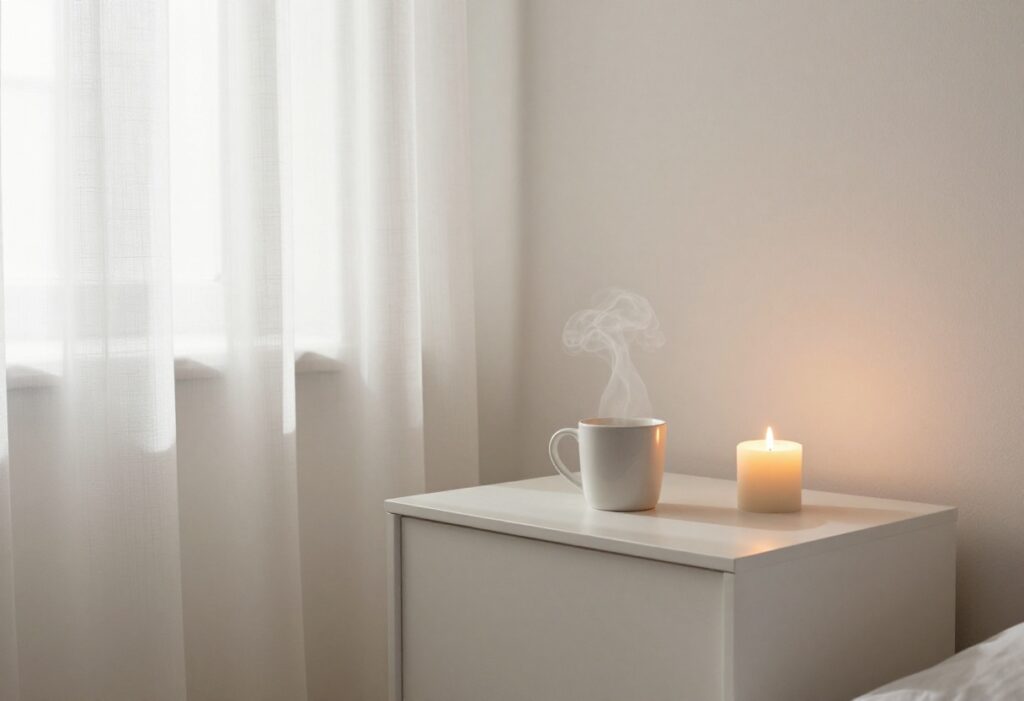
These 17 self-care routines are simple, practical, and designed to ease you into sleep tonight. From dimming the lights to sipping herbal tea, each step signals your body that it's time to unwind.
Pick one or two to start, and notice how small shifts can lead to better sleep.
1. Set a Fixed Wind-Down Time

Your body craves routine. When you start winding down at the same time every night, your internal clock learns to expect sleep. This isn't about forcing yourself to bed early—it's about giving your brain a clear signal that the day is ending.
Pick a time that works for your schedule and stick with it, even on weekends. Consistency is key. Over time, you'll notice that your body naturally starts to relax as that time approaches.
Why It Works
A fixed wind-down time strengthens your circadian rhythm. This makes falling asleep easier and improves sleep quality. Your brain starts releasing melatonin before you even hit the pillow.
How To Choose Your Time
Work backward from your ideal wake-up time. Aim for 7-9 hours of sleep, then subtract 30-60 minutes for winding down. That's your start time.
Stick To It
Set an alarm as a reminder. Treat this time as non-negotiable, like an important appointment. Your sleep will thank you.
2. Dim the Lights an Hour Before Bed
Bright light is a powerful signal to your brain that it's time to be alert. When you're exposed to harsh overhead lights or blue screens late at night, your body suppresses melatonin—the hormone that helps you fall asleep. Dimming the lights about an hour before you plan to sleep can flip that switch and cue your internal clock that nighttime has begun.
Switching to warm, dim lighting is one of the simplest ways to ease into sleep mode. It doesn't require a complete home makeover—just a few small changes can make a big difference. Think soft lamps, salt lamps, or even candles instead of overhead fixtures.
The goal is to create a cozy, low-lit environment that feels calm and inviting.
Why Warm Light Works
Our eyes are sensitive to blue light, which mimics daylight and keeps us awake. Warm light—like amber or soft yellow—has less blue wavelength, so it doesn't interfere with melatonin production. Using bulbs labeled 'warm white' or dimmable LEDs can help you gradually lower the light intensity as bedtime approaches.
Easy Ways To Start Tonight
You don't need fancy smart bulbs. Try using a small table lamp with a low-wattage bulb instead of your main ceiling light. If you read before bed, use a warm book light or a Kindle with the brightness turned down.
Even lighting a candle (safely! ) can set a relaxing mood. The key is consistency—make dimming part of your nightly wind-down.
What About Screens?
Screens are a major source of blue light, so try to put away phones, tablets, and laptops at least 30 minutes before dimming the lights. If you must use a device, enable night mode or install a blue-light filter app. Better yet, swap screen time for a calming activity like stretching or journaling in your dimly lit space.
3. Swap Screens for a Book
That last scroll through social media or email before bed? It's probably making it harder to fall asleep. Blue light from screens tricks your brain into thinking it's still daytime, suppressing melatonin and keeping you alert.
Reading a physical book, on the other hand, is a low-stimulation activity that helps you wind down naturally.
Replacing your phone or laptop with a real book for 20–30 minutes before bed can dramatically improve how quickly you fall asleep and how deep your sleep feels. The key is to choose something light and enjoyable—not a thriller or a work-related read—so your mind can ease into rest mode.
Why Paper Beats Pixels
Physical books don't emit blue light, so your body's sleep hormones stay on track. The act of turning pages and focusing on a single storyline also reduces mental clutter, making it easier to drift off.
Pick The Right Read
Go for something calming—fiction, poetry, or a gentle non-fiction topic you enjoy. Avoid anything too gripping or emotionally intense, as that can keep your brain wired instead of relaxed.
Make It A Ritual
Pair reading with a cup of herbal tea or a cozy blanket. Doing the same sequence each night trains your brain to associate reading with sleep, reinforcing the habit.
4. Try a 5-Minute Journaling Ritual

Your brain loves to replay the day's events or worry about tomorrow right when you're trying to sleep. A quick journaling session can stop that loop. Spending just five minutes writing down what's on your mind helps you let go of those thoughts so you can rest.
Grab a notebook and pen, and set a timer for five minutes. Write whatever comes to mind—worries, to-dos, random ideas. The goal isn't to write beautifully; it's to get the clutter out of your head and onto paper.
This simple act can quiet your mind and make falling asleep feel easier.
What To Write
You can jot down a quick brain dump of everything bothering you, or list three things you're grateful for. Another option is to write down tomorrow's top three tasks so your brain stops trying to remember them. Keep it short and simple.
Keep It Low-pressure
Don't worry about grammar or making sense. The point is to release thoughts, not create a masterpiece. Use a notebook you keep by your bed so it's easy to grab.
A pen and paper work better than a phone, which can keep you awake with its bright screen.
Make It A Habit
Try journaling at the same time every night, right after you brush your teeth. Pair it with a cup of herbal tea or a few deep breaths. Consistency helps your brain recognize this as the start of wind-down time, making it easier to transition to sleep.
5. Sip a Caffeine-Free Herbal Tea
A warm cup of tea before bed can be a simple but powerful signal that it's time to wind down. The key is choosing blends that support relaxation rather than stimulation. Chamomile, lavender, and valerian root are classic choices known for their calming properties.
They can help ease tension and prepare your mind for sleep without the jolt of caffeine.
Steeping a cup of herbal tea about 30 minutes before bed gives your body time to absorb the soothing compounds. Make it a ritual: boil the water, breathe in the aroma, and sip slowly. Avoid adding sugar, which can spike energy, and opt for a touch of honey if needed.
Best Teas For Sleep
Chamomile is the go-to for mild relaxation, while valerian root is stronger and better for occasional restlessness. Lavender tea offers a floral, calming effect, and passionflower can help reduce anxiety. Rotate between them to keep your nightly ritual interesting.
How To Make It A Habit
Pair your tea with another wind-down activity, like reading or gentle stretching. Keep a kettle and your favorite blends within easy reach. Consistency matters—doing it nightly trains your brain to associate the taste and warmth with sleep.
6. Do a Simple Body Scan Meditation
Your body holds tension you might not even notice until you try to relax. A body scan meditation helps you find and release that tightness, making it easier to drift off. It's a mindful practice that doesn't require any special skills—just a few minutes of focused attention.
Lie down in bed, close your eyes, and take a few deep breaths. Start by bringing your awareness to your toes. Notice any sensations—warmth, pressure, or maybe nothing at all.
Slowly move your attention up through your feet, ankles, calves, knees, and thighs. Don't try to change anything; just observe. As you scan each area, imagine breathing into it and letting go of any tightness.
Continue up through your hips, belly, chest, fingers, arms, shoulders, neck, and finally your head. The whole process takes about 5–10 minutes. By the time you reach your scalp, your body will feel heavier and more relaxed, ready for sleep.
Why It Works
A body scan shifts your focus from racing thoughts to physical sensations. This breaks the cycle of worry and activates your parasympathetic nervous system, which promotes relaxation. It also helps you identify where you hold stress—like a clenched jaw or tight shoulders—so you can consciously let it go.
Tips For Beginners
If your mind wanders, that's okay. Gently bring it back to the body part you were scanning. You can use a guided body scan audio if it helps.
Keep your eyes closed and breathe naturally. There's no right or wrong way—just notice what you feel without judgment.
7. Stretch for 5 Minutes

Your body holds tension you might not even notice until you try to relax. A quick five-minute stretch routine can release that built-up tightness and send a clear signal to your nervous system that it's time to wind down. Gentle moves like child's pose or forward folds help shift your body from fight-or-flight to rest-and-digest mode, making it easier to drift off.
Why Stretching Works
When you stretch, your muscles send a message to your brain that it's safe to relax. This activates the parasympathetic nervous system, which lowers your heart rate and blood pressure. The result?
A calmer mind and a body ready for sleep.
Best Stretches For Bedtime
Focus on slow, gentle movements that target your neck, shoulders, hips, and lower back. Child's pose, seated forward fold, and lying knee twists are excellent choices. Hold each stretch for about 30 seconds and breathe deeply.
Keep It Simple
You don't need a full yoga class. Just a few stretches on your bedroom floor or even in bed can do the trick. The goal isn't flexibility—it's relaxation.
So move slowly, breathe, and let go of the day.
8. Use a Weighted Blanket
Weighted blankets aren't just a cozy trend—they're backed by science. The gentle, even pressure mimics a therapeutic technique called deep pressure stimulation, which can help calm your nervous system and prepare your body for sleep. By increasing serotonin and melatonin levels while lowering cortisol, a weighted blanket can make falling asleep feel more natural and less like a struggle.
It's like a gentle hug that tells your brain it's safe to rest.
How It Works
The weight (usually between 5 and 30 pounds) stimulates pressure receptors in your skin. This triggers a relaxation response, reducing heart rate and breathing. Studies show it can help with insomnia, anxiety, and even restless leg syndrome.
Choosing The Right Weight
A good rule of thumb is to pick a blanket that's about 10% of your body weight. For most adults, that's between 12 and 20 pounds. If you're between sizes, go lighter rather than heavier to avoid feeling trapped.
Tips For First-time Users
Start by using the blanket for short periods during the day to get used to the sensation. Lay it over just your legs or torso at first. Make sure it's breathable—look for cotton or bamboo covers to prevent overheating.
9. Keep Your Room Cool
Ever notice how much harder it is to fall asleep on a hot, sticky night? That's because your body needs to drop its core temperature to initiate sleep. A cool bedroom—around 65°F (18°C)—helps speed up that natural cooling process, making it easier to drift off and stay asleep.
Why Temperature Matters
Your body's internal thermostat plays a key role in your sleep-wake cycle. As bedtime approaches, your core temperature naturally decreases. A warm room can interfere with this drop, leaving you tossing and turning.
Keeping your bedroom cool supports this biological process, signaling your body that it's time to rest.
Simple Ways To Cool Down
You don't need to blast the AC all night. Try using a fan, opening a window, or swapping your comforter for a lighter blanket. A cooling mattress pad or breathable cotton sheets can also make a big difference.
If you tend to get warm during the night, keep a glass of ice water on your nightstand.
Adjust For Your Comfort
While 65°F is a good target, everyone's ideal temperature varies slightly. Experiment with your thermostat or bedding until you find what works for you. The goal is to feel comfortably cool—not cold.
A slight chill is fine; you can always add a light blanket if needed.
10. Try Aromatherapy with Lavender
Scents can be powerful triggers for relaxation. Lavender, in particular, has been studied for its calming effects on the nervous system. A few drops of essential oil can transform your bedroom into a sleep sanctuary.
Using lavender before bed is one of the simplest ways to cue your brain that it's time to rest. You don't need a fancy setup—just a bottle of pure lavender essential oil and a diffuser or a cotton ball.
How To Use Lavender For Sleep
Add 3–5 drops to a diffuser about 30 minutes before bed. Alternatively, put a drop on your pillowcase or a tissue near your head. You can also mix a few drops with a carrier oil and massage it onto your wrists or temples.
Why Lavender Works
Lavender's aroma interacts with the limbic system, which influences emotions and memory. Studies show it can reduce heart rate and blood pressure, promoting a state of calm. A 2015 review found that lavender improved sleep quality in people with mild insomnia.
Tips For Best Results
Use 100% pure lavender oil, not synthetic fragrances. Start with a low amount—too much can be overwhelming. Pair it with other bedtime rituals like dim lighting or deep breathing for a stronger effect.
11. Write a Gratitude List

Sometimes the loudest noise at night comes from inside your own head. Racing thoughts about what went wrong or what you forgot to do can keep you wired for hours. Writing a quick gratitude list is a simple way to quiet that mental chatter.
When you jot down three things you're grateful for, your brain shifts from worry mode to appreciation mode. It's not about ignoring problems—it's about giving your mind a positive anchor before sleep. Try it tonight and see how much lighter you feel.
Gratitude lists work because they redirect your focus from what's missing to what's already good. This small mental shift reduces cortisol and helps your nervous system settle. Keep a notebook by your bed and write down three specific things—big or small—that went well today.
Keep It Simple And Specific
Don't overthink it. Your list can include things like "the warm cup of tea this morning" or "my partner made me laugh. " Specific details trigger more positive emotions than vague statements like "I'm grateful for my family.
" Aim for three concrete items that you can actually picture.
Make It A Ritual, Not A Chore
Pair your gratitude list with another bedtime habit, like brushing your teeth or turning off the lights. This creates a natural cue that signals your brain it's time to wind down. Over time, the act itself becomes a relaxing part of your routine.
Focus On The Feeling, Not Just The Words
After writing each item, pause for a few seconds and let yourself feel the gratitude. Imagine the warmth, the smile, or the comfort that moment brought you. This deepens the emotional impact and helps your body release tension.
12. Take a Warm Bath or Shower
There's a reason a warm bath feels so soothing before bed. The heat helps your muscles relax, and the drop in body temperature when you step out mimics the natural cooling that signals your brain it's time to sleep. It's a simple ritual that can make a big difference in how fast you drift off.
A warm bath or shower about 90 minutes before bed can significantly improve sleep quality. The key is the temperature drop afterward, which triggers your body's sleep mechanisms. Keep the water warm, not hot, and aim for 10–20 minutes.
Why It Works
Your body's core temperature naturally decreases as you prepare for sleep. A warm bath speeds up this process by first raising your temperature, then causing a rapid cooldown. This drop tells your brain it's time to produce melatonin, making you feel drowsy.
Make It A Ritual
Add calming elements like Epsom salts, lavender essential oil, or a few drops of chamomile. Keep the bathroom dimly lit and avoid any stimulating activities. This becomes a consistent signal that the day is winding down.
13. Put Your Phone on Do Not Disturb
Your phone is probably the biggest sleep thief in your bedroom. Every buzz, ping, and glowing notification pulls your attention away from rest and back into the waking world. The fix is simple: silence it all.
Setting your phone to Do Not Disturb isn't just about muting sounds—it creates a clear boundary between your sleep time and everyone else's demands. Once you turn it on, you're telling yourself (and your device) that nothing is more important than your rest.
Why Notifications Are So Disruptive
Even a quick glance at a notification can spike your cortisol and keep your brain alert. Your mind starts processing that email, text, or social media post, making it harder to drift off. Do Not Disturb eliminates that temptation completely.
How To Set It Up For Sleep
Most phones let you schedule Do Not Disturb automatically. Set it to turn on 30 minutes before bedtime and off after your wake-up time. You can still allow calls from favorites or repeat callers in case of emergencies, so you won't miss anything truly important.
Bonus: Keep The Phone Out Of Reach
Pair Do Not Disturb with placing your phone across the room or in another room. That way, you won't be tempted to pick it up if you wake up in the middle of the night. Your future well-rested self will thank you.
14. Practice 4-7-8 Breathing

Breathing is something you do all day without thinking, but a specific pattern can flip a switch in your nervous system. The 4-7-8 technique is like a remote control for your relaxation response. It's simple, free, and works in minutes.
The 4-7-8 breathing pattern is designed to calm your mind and body by activating the parasympathetic nervous system. It's especially useful when you're lying in bed and your thoughts won't settle.
How It Works
You inhale quietly through your nose for 4 seconds, hold your breath for 7 seconds, then exhale completely through your mouth for 8 seconds. That long exhale triggers a relaxation reflex, slowing your heart rate and lowering blood pressure.
Getting Started
Start with just 4 cycles. You can do it lying down, sitting up, or even while waiting for sleep to come. The key is to exhale fully—make that whoosh sound if it helps.
With practice, you can work up to 8 cycles.
Why It Works So Well
The 4-7-8 ratio forces you to focus on counting, which distracts from racing thoughts. The extended exhale stimulates the vagus nerve, which is the main highway for your relaxation response. It's like a gentle reset button for your nervous system.
15. Listen to a Sleep Story or White Noise
Sometimes your brain just needs a little distraction to let go of the day's chatter. Calming audio—whether it's a soothing story, gentle rain, or steady white noise—can mask disruptive sounds and guide your mind toward rest. Instead of lying in silence replaying worries, you can let a narrated tale or ambient sound carry you into sleep.
Why Audio Helps
Background noise reduces the contrast between sudden sounds (like a car horn or a partner's snore) and silence, so your brain isn't jolted awake. A sleep story with a soft, monotonous voice can also occupy your conscious mind just enough to prevent rumination, while the predictable rhythm lulls you into drowsiness.
Choosing Your Sound
White noise machines or apps offer options like fan hum, ocean waves, or rainfall. For stories, look for ones specifically written for sleep—they have calm plots, slow pacing, and no dramatic twists. Avoid anything with sudden loud noises or cliffhangers.
Experiment to find what works: some people prefer pure noise, others need a narrative.
Setting It Up
Use a timer so the audio stops after 30–60 minutes, preventing it from disturbing later sleep stages. Keep the volume low—just loud enough to cover background noise. A dedicated speaker or old phone on airplane mode works well; avoid using your main device to reduce temptation to check notifications.
16. Wear Comfortable, Breathable Pajamas
What you wear to bed matters more than you think. Synthetic fabrics can trap heat and moisture, leaving you tossing and turning. Natural, breathable materials help your body stay at the right temperature all night long.
Choosing the right sleepwear is a simple but powerful step. Fabrics like cotton, bamboo, or linen allow air to circulate and wick away sweat. This prevents overheating and night sweats, so you stay comfortable and sleep deeper.
Look for loose-fitting styles that don't restrict movement.
Why Fabric Matters
Synthetic materials like polyester can trap body heat and moisture, disrupting your sleep cycle. Natural fibers are more breathable and help regulate your body temperature, keeping you cool in summer and warm in winter.
Best Fabrics For Sleep
Cotton is soft, affordable, and breathable. Bamboo is even more moisture-wicking and has a silky feel. Linen is lightweight and perfect for hot sleepers.
Choose what feels best on your skin.
Fit And Comfort Tips
Loose-fitting pajamas allow air to circulate and prevent overheating. Avoid tight waistbands or restrictive cuts that can disturb your sleep. A comfortable fit helps you move freely and relax fully.
17. Make Your Bed a Screen-Free Zone

Your bed should be a sanctuary for sleep, not a second office or entertainment center. When you scroll through your phone or watch TV in bed, your brain starts associating that space with alertness instead of rest. By reserving your bed only for sleep and intimacy, you strengthen the mental connection between your mattress and relaxation.
This simple boundary can dramatically improve how quickly you fall asleep and how deeply you rest. It's one of the most effective sleep hygiene habits because it tackles the root cause of bedtime alertness.
Why Screens Disrupt Sleep
Blue light from screens suppresses melatonin production, the hormone that regulates sleep. Even a few minutes of scrolling can delay your sleep onset by an hour or more. Plus, engaging content—like social media or work emails—keeps your brain active when it should be winding down.
What To Do Instead
Create a relaxing pre-bed routine that doesn't involve screens. Read a physical book, listen to a podcast or audiobook, or try gentle stretching. Keep a notebook by your bed to jot down any racing thoughts so you can let them go until morning.
How To Enforce The Rule
Start by charging your phone in another room. If you use your phone as an alarm, get a basic alarm clock. Set a digital curfew—say, no screens in bed 30 minutes before sleep.
Be consistent; it takes about two weeks to form a new habit.
FAQ
How long does it take to see results from these sleep habits?
Many people notice improvements within a few days, but consistency over 1-2 weeks usually yields the best results.
Can I combine multiple habits in one night?
Absolutely. Start with 1-2 that feel easy, then gradually add more as they become routine.
What if I can't fall asleep after trying these?
If you're still awake after 20 minutes, get up and do something calming in dim light until you feel sleepy again.
Are these habits safe for everyone?
Generally yes, but if you have a medical condition, check with your doctor before trying new supplements or routines.
Do I need to do all 17 every night?
No. Pick the ones that fit your lifestyle. Even one or two can make a meaningful difference.
Conclusion
Better sleep isn't about perfecting every habit at once. Start with just one small change tonight—maybe dimming the lights earlier or swapping your phone for a book. These tiny shifts signal your body it's time to wind down.
Over time, they build into a rhythm that feels natural, not forced. Your best rest starts with one gentle step.

Dr. Pallab Kishore, MS in Orthodontics and owner of Orthodontic Braces Care, shares expert tips on braces, aligners, and oral health from 10+ years of experience.