Last updated on June 26th, 2026 at 03:38 pm
Slowing down doesn't require a weekend retreat or a hefty budget. Small, intentional moments woven into your day can quietly restore your sense of calm.
These 25 self-care ideas are designed to fit into real life—no perfection needed. Some take just a few minutes, others a bit longer.
Pick what feels right for you today, and let each small act of care bring a little more peace into your routine.
1. Start your morning without a phone

The first few minutes after waking set the tone for your entire day. Grabbing your phone immediately floods your brain with notifications, emails, and social media—before you've even had a chance to breathe. This simple shift can protect your mental space and help you feel more centered.
By keeping your phone on airplane mode for the first 15 minutes, you give your mind a gentle transition into the day. No urgent emails, no comparison traps, no information overload. Just you, your thoughts, and a quiet start.
Why It Works
Your brain's first waking moments are in a theta state—ideal for calm, creative thinking. Jumping straight into digital noise disrupts this natural rhythm and spikes cortisol. A phone-free buffer lets you ease into alertness without stress.
How To Make It Stick
Charge your phone outside the bedroom or in a drawer. Use a regular alarm clock instead. Replace the phone habit with something simple: stretch, sip water, or sit by a window for a few minutes.
What To Do With Those 15 Minutes
Try deep breathing, journaling one sentence, or just sitting quietly. No pressure to be productive—this time is for you to arrive in your day, not to check things off a list.
2. Brew a cup of tea mindfully
Tea is more than a warm drink—it can be a mini meditation. The simple act of brewing and sipping tea invites you to pause, breathe, and focus on the present moment. No need for fancy rituals; just a mug, your favorite tea, and a few minutes of undivided attention.
Mindful tea drinking turns a daily habit into a calming ritual. By engaging all your senses, you ground yourself in the now, leaving worries about the past or future behind. It's a small, accessible way to reset during a hectic day.
Engage Your Senses
Start by noticing the sound of water heating up—the gentle rumble, then the soft pour. Watch the tea leaves or bag steep, releasing color and aroma. Inhale the scent before taking your first sip.
Feel the warmth of the mug in your hands.
Sip Slowly, Stay Present
Take small, deliberate sips. Notice the temperature, the flavor notes, the sensation as it travels down your throat. If your mind wanders, gently bring it back to the taste and warmth.
This focused attention is a form of mindfulness that calms the nervous system.
Make It A Daily Anchor
Choose one cup of tea each day to drink mindfully—maybe your morning cup or an afternoon break. Over time, this simple ritual becomes a reliable pause button, a signal to your brain that it's time to relax and recharge.
3. Take a 10-minute walk without headphones
We often fill every spare moment with podcasts, music, or calls. But constant input can keep your mind buzzing instead of settling. A short walk without headphones lets your brain truly disconnect.
It’s a chance to notice the world around you and let your thoughts drift naturally.
Leave your music and podcasts behind. Listen to the sounds around you—birds, wind, footsteps. It's a simple way to ground yourself.
Why Silence Matters
Without audio input, your brain can process background noise and ambient sounds. This gentle stimulation helps lower cortisol and shift your focus outward, breaking the loop of internal chatter.
How To Start
Pick a short route you know well—no need to navigate. Leave your phone in your pocket or bag. Pay attention to what you hear, smell, and see.
If your mind wanders, just bring it back to the sensation of walking.
Make It A Habit
Try this once a day, perhaps after lunch or before bed. Even five minutes counts. Over time, you’ll notice how much calmer you feel after a silent stroll.
4. Write down three things you're grateful for
Gratitude shifts your focus from what's missing to what's already good. It's a simple mental reset that takes just a few minutes. Grab a notebook and jot down three small wins or joys from your day.
They don't have to be big—a good meal, a kind text, a sunny moment. Over time, this habit trains your brain to notice the positive more often, making calm feel more accessible.
Why Three?
Three is a manageable number—not so few that you skim, not so many that it feels like homework. It forces you to dig a little, but not too deep. Plus, three small things add up to a noticeable shift in perspective.
Keep It Specific
Instead of writing "my family, " try "my sister's unexpected call today" or "the way my dog curled up next to me. " Specific details make the gratitude feel real and vivid, which boosts the emotional payoff.
Make It A Ritual
Pair this practice with something you already do—like sipping your morning coffee or brushing your teeth at night. The cue helps you remember, and soon it becomes a natural part of your day.
5. Do a 5-minute breathing exercise
When your mind feels cluttered or your body tense, a short breathing exercise can reset everything. Box breathing is a simple technique used by Navy SEALs to stay calm under pressure—and it works just as well for everyday stress. All you need is five minutes and a quiet spot.
Try box breathing: inhale for 4 counts, hold for 4, exhale for 4, hold for 4. Repeat five times. It calms your nervous system fast.
Why Box Breathing Works
Box breathing activates your parasympathetic nervous system, which helps lower heart rate and blood pressure. The equal counts create a rhythm that distracts your brain from anxious thoughts and brings you into the present moment.
How To Make It A Habit
Set a recurring alarm on your phone for a time you know you'll need a reset—like mid-afternoon or before bed. Pair it with an existing routine, like after brushing your teeth or before your morning coffee. Consistency builds the habit.
Variations To Try
If 4-count feels too fast or too slow, adjust to 3 or 5 counts. You can also try a simple 4-7-8 breath: inhale for 4, hold for 7, exhale for 8. Experiment to find what feels most calming for you.
6. Declutter one small space
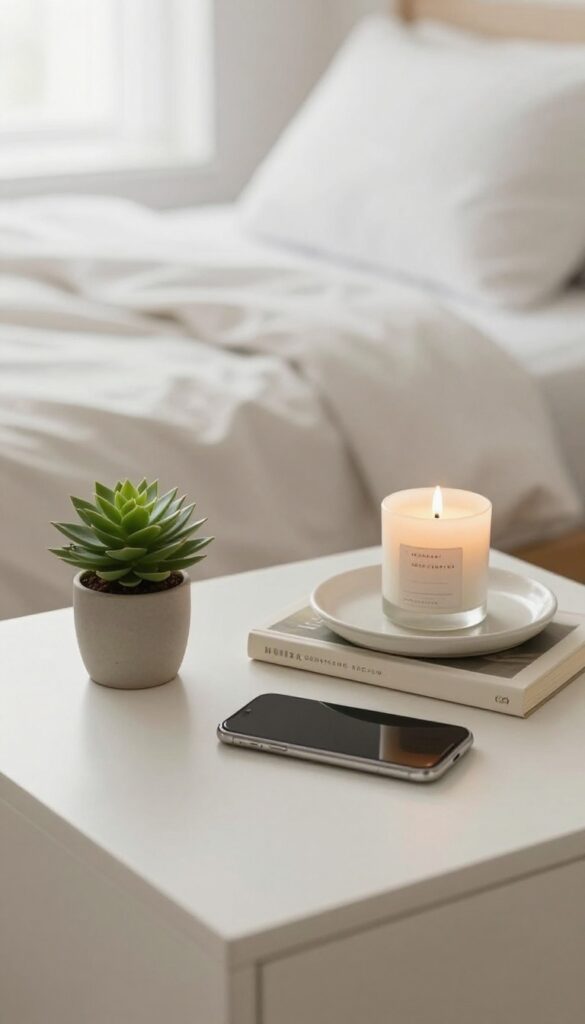
Clutter has a way of weighing on your mind, even when you don't notice it. A messy nightstand or overflowing drawer can create low-level stress that lingers in the background. The fix doesn't require a whole day of cleaning—just ten minutes and one small spot.
Pick a drawer, a shelf, or your nightstand. Spend 10 minutes clearing it out. A tidy corner can bring a surprising sense of order.
Start With A Single Surface
Choose a spot you see every day—your desk corner, a kitchen counter, or the coffee table. Clear everything off, wipe it down, and only put back what belongs there. That one clean surface becomes a visual anchor of calm.
The Five-item Rule
If you're short on time, just remove five things from a cluttered area and put them where they belong. It's quick, easy, and surprisingly satisfying. You'll likely want to keep going once you see the difference.
Keep A Donate Box Handy
As you declutter, you'll find things you no longer need. Keep a small box or bag nearby to collect items for donation. Letting go of unused stuff lightens both your space and your mental load.
7. Stretch for five minutes
Your body holds tension in ways you might not even notice—tight shoulders, a stiff neck, or a clenched jaw. A quick five-minute stretch can release that stored stress and signal your nervous system to relax. No yoga mat or special outfit required, just a few simple moves wherever you are.
Why Five Minutes Works
Short stretches are easier to fit into a busy day than a full workout. Five minutes is long enough to loosen tight muscles but short enough that you won't talk yourself out of it. Consistency matters more than duration.
Simple Moves To Try
Start by rolling your shoulders forward and backward five times each. Gently tilt your head side to side, holding each stretch for a few breaths. Then reach both arms overhead, interlacing your fingers and turning your palms toward the ceiling.
Finish with a forward fold, letting your head hang heavy.
When To Do It
First thing in the morning to shake off sleep stiffness, mid-afternoon when your energy dips, or right before bed to unwind. You can also stretch after sitting for long periods—your body will thank you.
8. Read a few pages of a fiction book
Picking up a fiction book for just ten minutes can be a powerful way to step away from your own thoughts. Unlike scrolling through news or social media, a story invites your mind to wander somewhere new—without the stress of real-world headlines. Fiction offers a gentle escape that actually lowers cortisol and helps you reset.
Reading fiction engages your imagination and emotions in a way that feels restorative. It’s not about finishing chapters; it’s about losing yourself in a different world for a few minutes. That short break can leave you feeling lighter and more focused.
Why Fiction Works
Fiction activates parts of your brain linked to empathy and relaxation. When you read about characters and places, your mind shifts away from your own worries. Studies show that even six minutes of reading can reduce stress by up to 68%.
How To Make It A Habit
Keep a book on your nightstand or in your bag so it’s easy to grab. Set a timer for ten minutes—no pressure to read more. Choose genres you genuinely enjoy, whether it’s fantasy, romance, or mystery.
The goal is pleasure, not productivity.
What To Avoid
Skip books that feel like work or trigger anxiety. Stay away from dense nonfiction or heavy topics during this break. Stick to light, engaging stories that let your mind rest.
9. Take a warm bath or shower with intention
A warm bath or shower can be more than just a hygiene routine—it can become a ritual of release. When you bring intention to the water, it transforms into a sensory reset. The warmth relaxes muscles, the steam clears your mind, and the quiet moment becomes yours alone.
Light a candle, use a soothing scent, and let the water wash away tension. Focus on the sensation, not your to-do list. This simple act can ground you in the present and signal to your nervous system that it's safe to unwind.
Set The Mood
Dim the lights, light a candle, and add a few drops of lavender or eucalyptus oil to the water or shower floor. These small touches signal to your brain that this is a special moment, not just another chore.
Focus On Sensation
Instead of rushing through, notice the warmth on your skin, the sound of water, and the scent in the air. Let your mind rest on these sensations. If thoughts drift to your to-do list, gently guide them back to the water.
End With A Cool Rinse
A quick 30-second cool rinse at the end can boost circulation and leave you feeling refreshed. It also creates a clear transition from relaxation back to the rest of your day.
10. Listen to a calming playlist
Music has a direct line to your mood. A few minutes of the right sounds can lower your heart rate, ease tension, and quiet a busy mind. You don't need to sit still and focus—just let the playlist run in the background while you go about your day.
Curate Your Own Soundtrack
Build a playlist that feels like a deep breath. Include instrumental tracks, ambient music, or nature sounds like rain, ocean waves, or forest birds. Keep it between 30 and 60 minutes so it's easy to replay.
Streaming services have pre-made options, but your own mix will feel more personal.
Use It As A Mood Reset
Play your calming list during chores to make them feel lighter, during work breaks to reset focus, or right before bed to signal your body it's time to wind down. The key is consistency—let the music become a cue for relaxation.
Keep It Accessible
Save the playlist to your phone's home screen or download it for offline use. That way, you can tap into calm wherever you are—on a commute, in a waiting room, or during a stressful moment. A simple pair of earbuds turns any space into a peaceful pocket.
11. Say no to one thing today

Saying yes to everything often means saying no to yourself. Each time you agree to something that drains you, you're sacrificing a bit of your own peace. Today, practice the art of a gentle but firm no.
It's not about being rude; it's about protecting your energy so you can show up fully for what truly matters.
Declining an invitation or request can feel uncomfortable, but it's a powerful act of self-care. Start small—maybe skip a social event you're not excited about or turn down an extra task at work. Notice how freeing it feels to prioritize your own needs.
Over time, saying no becomes easier and helps you build boundaries that support your mental well-being.
Why It's Hard To Say No
Many of us fear disappointing others or missing out. We've been conditioned to be agreeable, but constantly saying yes can lead to burnout and resentment. Recognizing that your time and energy are limited resources is the first step toward setting healthy boundaries.
How To Say No Gracefully
You don't need a long excuse. A simple 'I can't make it work today, but thank you for thinking of me' is enough. If you feel guilty, remind yourself that you're not rejecting the person—you're choosing your peace.
Practice in low-stakes situations to build confidence.
The Ripple Effect Of One No
Each no creates space for a yes that aligns with your values. You'll have more energy for activities that truly recharge you, like reading, resting, or spending time with loved ones who respect your boundaries. Over time, this habit transforms how you approach your day.
12. Cook a simple meal from scratch
Cooking can feel like a chore, but when you strip it down to a simple recipe, it becomes something else entirely—a quiet, hands-on practice. Choosing a dish with just a few ingredients takes the pressure off, letting you focus on the process rather than the outcome. The repetitive motions of chopping, stirring, and tasting can anchor you in the present moment.
And when you finally sit down to eat, you get to enjoy something you made with your own hands, without any rush.
Pick A Low-stakes Recipe
Start with something forgiving—like a pasta aglio e olio, a simple omelette, or a one-pan roasted vegetable dish. Minimal ingredients mean less cleanup and fewer chances for things to go wrong. The goal isn't culinary perfection; it's the act of making.
Focus On The Sensory Details
Notice the sound of onions sizzling in oil, the smell of garlic blooming, the vibrant color of fresh herbs. Let your senses take the lead instead of your to-do list. This turns cooking into a mini meditation session.
Eat Without Distraction
When your meal is ready, sit down at a table—even if it's just for five minutes. Put your phone away and take a few mindful bites. Taste what you've created.
This simple act of presence can make the meal feel like a true act of self-care.
13. Spend 10 minutes in nature
Nature doesn't ask for your to-do list. It just is. Stepping outside for ten minutes—without your phone—can reset a frazzled nervous system faster than any app or playlist.
The key is to engage your senses, not just pass through.
Find a bench, a patch of grass, or even a quiet corner with a tree. Sit down and let your eyes wander. Notice the way light filters through leaves, the sound of birds or wind, the feel of air on your skin.
You don't need a forest; a small park or your own backyard works just as well. The goal is to be present with what's around you, not to think about anything in particular.
Touch Something Real
Run your hand along tree bark, pick up a smooth stone, or let grass tickle your fingers. Tactile connection with natural elements grounds you in the moment and pulls your mind away from mental loops.
Watch The Sky
Lie on the ground or lean back and observe clouds moving, birds gliding, or leaves swaying. This simple act shifts your focus from internal chatter to the slow, steady rhythm of the world outside.
Breathe With The Breeze
Close your eyes and take five slow breaths, imagining you're inhaling the calm around you and exhaling tension. Let the breeze guide your pace—it's a natural metronome for relaxation.
14. Write a brain dump
Your mind is probably running a dozen tabs right now. Work deadlines, that awkward conversation, what to cook for dinner—it all loops endlessly. A brain dump is the mental equivalent of clearing your browser history.
You take five minutes, open a notebook, and let everything spill out. No structure, no editing, no judgment. Just raw thoughts landing on paper.
The goal isn't to solve anything or produce beautiful prose. It's to get the noise out of your head and onto a page where it can't ping you anymore. You might write about your worries, random ideas, or even just "I don't know what to write.
" That's fine. The act of unloading is what clears the clutter.
Why It Works
When thoughts stay in your head, they loop and amplify. Writing them down externalizes them. Your brain gets a signal that the thought has been processed and can be released.
This reduces mental load and frees up space for calm.
How To Do It
Grab any notebook or scrap paper. Set a timer for five minutes. Write continuously without stopping.
Don't worry about spelling, grammar, or making sense. If you get stuck, write "I'm stuck" until something else comes. The only rule is that the pen keeps moving.
When To Use It
Try a brain dump when you feel overwhelmed, can't focus, or are lying in bed with a racing mind. It's also great as a morning reset or before a big decision. Keep a notebook by your bed or in your bag so it's always ready.
15. Do a digital sunset

Blue light from screens can trick your brain into thinking it's still daytime, making it harder to wind down. A digital sunset means powering down all devices about an hour before bed. This simple habit signals your body that it's time to rest, not scroll.
Replace screen time with calming activities. Read a physical book, write in a journal, or just sit in dim light. Your mind will quiet down, and your sleep quality will improve noticeably.
Why It Works
Screens emit blue light that suppresses melatonin, the sleep hormone. By cutting off screens, you allow melatonin to rise naturally. Plus, you avoid the mental stimulation of notifications and endless content.
What To Do Instead
Try gentle stretching, listening to a podcast (without video), or having a warm caffeine-free tea. The key is to keep the atmosphere low-stimulation and cozy.
How To Start Tonight
Set a recurring alarm 60 minutes before bed. When it goes off, put your phone in another room or a drawer. Light a candle, grab a book, and give yourself permission to unplug.
16. Practice a self-compassion mantra
The way we talk to ourselves matters more than we realize. Harsh inner critics can keep us on edge, while kind words can soften the pressure we put on ourselves. A self-compassion mantra is a simple, repeatable phrase that reminds you of your worth and need for rest.
Repeating a mantra like 'I am doing enough. I am allowed to rest. I deserve kindness' can shift your mindset from self-judgment to self-acceptance.
Say it out loud or silently whenever you feel overwhelmed or inadequate. Over time, these words become a gentle anchor that brings you back to calm.
Why Mantras Work
Mantras help interrupt negative thought loops. By replacing self-criticism with compassion, you train your brain to respond to stress with kindness instead of anxiety.
How To Make It Yours
Feel free to tweak the words until they resonate. The key is to choose phrases that feel true and soothing to you. Practice them during quiet moments or when you notice your inner critic getting loud.
17. Color or doodle for fun
Grab a coloring book or a blank page and let your hand move freely. No artistic skill needed—just playful expression. This simple act quiets the mind and brings you into the present moment.
Coloring or doodling is a low-pressure way to unwind. It shifts your focus away from worries and onto the simple joy of creating. You don't need to be an artist—just pick up a pen or crayon and see where your hand takes you.
Why It Works
The repetitive motion and focus on color or shape engage your brain in a meditative state. It lowers cortisol and gives your thoughts a gentle break.
How To Start
Keep a small coloring book or notebook handy. Set a timer for five minutes and doodle without judgment. Try patterns, shapes, or just scribble—whatever feels good.
Make It A Ritual
Pair coloring with a calming playlist or a cup of tea. Let it become a cue for relaxation, like a mini mental reset in your day.
18. Call a friend without an agenda
Sometimes we treat friendships like meetings—there has to be a reason, a problem to solve, or a plan to make. But the best connections often happen when there's no agenda at all. A quick, lighthearted call just to say "I was thinking of you" can be surprisingly refreshing.
It reminds both of you that the relationship exists beyond tasks and troubles.
When you call without an agenda, you remove the pressure to perform or fix anything. You're free to laugh about something silly, share a random observation, or simply enjoy a moment of shared silence. This kind of low-stakes interaction can lower your stress and boost your mood without any emotional labor.
Try it with a friend who makes you feel at ease. Keep it short—five to ten minutes is plenty. Notice how your mind feels lighter afterward, like you've taken a mini mental vacation.
Why It Works
Social connection is a core human need, but high-pressure conversations can drain you. An agenda-free call taps into what psychologists call "positive social interactions"—they release oxytocin and reduce cortisol. It's a simple way to feel supported without having to dive into heavy topics.
How To Start
You don't need a reason. Just pick up the phone and say, "Hey, I had a few minutes and wanted to hear your voice. " If that feels awkward, try asking a playful question like "What's the best thing that happened to you today?
" or "Remember that funny thing we saw last week? "
When To Try It
This works best during a low-energy part of your day—mid-afternoon slump, while waiting for an appointment, or after a long meeting. It's also a great way to break out of a ruminating thought loop. Just keep it brief and light.
19. Make your bed every morning
Starting your day with a made bed might seem small, but it sets a tone of order and accomplishment. This two-minute task instantly makes your room feel calmer and more put together. It's a simple win that signals to your brain that you're capable and in control.
Making your bed is a low-effort, high-reward habit that creates a ripple effect of productivity and calm. It's one of the easiest ways to start your day with a sense of completion, and it keeps your space tidy, which can reduce mental clutter.
The Psychological Boost
A made bed gives you an immediate sense of achievement. It's a small but visible sign that you've already done something productive, which can motivate you to tackle other tasks. Plus, returning to a neat room at the end of the day feels more relaxing.
How To Make It Stick
Keep it simple: pull up the sheets, straighten the comforter, and fluff the pillows. Don't aim for perfection—just a quick tidy. If you struggle to remember, pair it with another morning habit like brushing your teeth or making coffee.
20. Drink a full glass of water slowly

Hydration is one of the simplest ways to support your mental clarity and mood. When you're dehydrated, even mildly, it can show up as irritability, fatigue, or brain fog. Taking a moment to drink a full glass of water—slowly and with intention—can act as a tiny reset for your nervous system.
This isn't about chugging water mindlessly. It's about pausing, feeling the coolness of the glass, noticing each sip as it travels down your throat. That brief, mindful break pulls you out of autopilot and back into your body.
It's a small act that says, "I matter right now. "
Why Slow Sips Matter
Drinking water quickly can actually send your body into a mild stress response. Sipping slowly signals safety and calm. It gives your brain a moment to register hydration and your digestive system a gentle cue to relax.
How To Make It A Ritual
Keep a glass or bottle on your desk, nightstand, or kitchen counter. Before you drink, take one deep breath. Then sip, pause, and sip again.
You don't need to finish the whole glass—just the act of slowing down counts.
Pair It With A Gratitude Thought
While you sip, think of one thing you're grateful for. It could be the water itself, the fact that you have clean drinking water, or something else entirely. This pairing turns a simple hydration break into a mini mindfulness practice.
21. Light a candle or use essential oils
Scents have a direct line to the emotional centers of your brain. Lighting a candle or diffusing essential oils can instantly shift your mood and signal your body that it's time to unwind. Choose a calming scent like lavender, chamomile, or sandalwood.
Let the aroma fill your space and become a gentle anchor for relaxation. This simple act turns any room into a personal sanctuary.
Pick Your Scent
Not all scents are created equal. Lavender is a classic for sleep and calm, while chamomile soothes anxiety. Sandalwood or cedar can ground you, and citrus like bergamot lifts your mood without overstimulating.
Experiment to find what feels right for you.
Make It A Ritual
Light your candle or turn on your diffuser at the same time each day—maybe during your morning coffee or before bed. This repetition trains your brain to associate the scent with relaxation, making it easier to switch off.
Safety First
Always place candles on a heat-safe surface and never leave them unattended. If you prefer a flame-free option, reed diffusers or electric warmers are great alternatives that still fill the room with calming aromas.
22. Watch a comfort show or movie
There's a reason why rewatching your favorite series or a classic comedy feels so good. Familiar stories and characters create a safe mental space where you don't have to think or worry. Laughter and nostalgia release feel-good chemicals that lower stress and improve your mood almost instantly.
Why Familiar Favorites Work
Our brains find comfort in predictability. When you already know what happens, you can relax and enjoy the ride without any surprises. This reduces cortisol and lets your mind take a real break.
How To Make It A Ritual
Set aside one evening a week for your comfort watch. Dim the lights, grab a cozy blanket, and maybe some herbal tea. Make it a no-phone zone so you can fully immerse yourself in the experience.
Best Picks For Pure Calm
Think lighthearted comedies, nostalgic cartoons, or gentle romance. Shows like The Office, Parks and Rec, or Studio Ghibli films are popular choices. The key is to choose something that makes you smile, not think.
23. Do a single-task session
Multitasking feels productive but often leaves us scattered and drained. A single-task session is the antidote—a short, focused block where you give one activity your full attention. It's a simple way to reset your mind and find calm in the middle of a busy day.
Pick one task—anything from folding laundry to reading a page of a book—and commit to doing only that for 15 minutes. No phone, no tabs open, no mental to-do list. Just you and the task.
You'll likely notice how soothing it is to let your brain rest from constant switching.
Choose A Low-pressure Task
The best tasks for single-tasking are simple and don't require heavy decision-making. Think washing dishes, sweeping a floor, or coloring in a notebook. Avoid anything that might tempt you to check your phone or jump to another task.
Set A Timer And Commit
Use a timer on your phone (in airplane mode) or a kitchen timer. Tell yourself: for 15 minutes, this is the only thing I'm doing. If your mind wanders, gently bring it back to the task at hand.
No judgment.
Notice The Difference
After your session, take a moment to check in with yourself. You might feel more grounded, less anxious, or simply more present. This small practice trains your brain to focus and can become a go-to reset when life feels chaotic.
24. Write a kind note to yourself
We're often our own harshest critics. A sticky note with a gentle reminder can interrupt that inner critic and offer a moment of self-compassion. It's a tiny act that plants a seed of kindness in your daily environment.
Leave a sticky note on your mirror: 'You're doing great' or 'Take a breath. ' Small reminders matter. They can shift your mindset when you're rushing or feeling down. Keep it simple and genuine.
Where To Place Your Notes
Stick them where you'll see them often: bathroom mirror, laptop lid, refrigerator door, or inside your planner. The more you encounter them, the more they sink in.
What To Write
Write phrases that resonate with you: 'I am enough, ' 'This too shall pass, ' or 'One step at a time. ' Rotate them weekly to keep the message fresh.
Make It A Ritual
Set aside a few minutes each Sunday to write a few notes for the week ahead. Involve your family or partner—leave kind notes for them too. It becomes a shared practice of care.
25. End the day with a gratitude moment

The last few minutes before sleep often get filled with scrolling or worrying about tomorrow. But how you end your day can shape your mental peace more than you realize. A simple gratitude moment helps you close the day on a positive note, making it easier to drift off with a calm mind.
Before you turn off the light, take a few breaths and think of one good thing that happened today. It doesn't have to be big—a warm cup of tea, a kind text from a friend, or a moment of laughter. Let that thought be the last thing you hold in your mind as you fall asleep.
This small practice trains your brain to notice the good, even on tough days.
Why It Works
Gratitude shifts your focus from what went wrong to what went right. It lowers stress hormones and helps you feel more content. Over time, it rewires your brain to default to a more positive outlook.
How To Make It A Habit
Keep a small notebook on your nightstand or just say it silently. Pair it with brushing your teeth or turning off your alarm. Consistency matters more than length—even 10 seconds counts.
FAQ
How long should I spend on each self-care idea?
Most ideas take 5 to 15 minutes. Pick what fits your schedule—even a few minutes count.
Do I need to buy anything for these ideas?
No. Almost all ideas use things you already have at home. The focus is on simple, free practices.
Can I do multiple ideas in one day?
Absolutely. Mix and match based on your energy. Just don't overwhelm yourself—quality over quantity.
What if I miss a day?
That's okay. Self-care isn't about perfection. Pick up where you left off without guilt.
How do I know which idea is right for me?
Start with one that feels easy and enjoyable. Notice how it makes you feel, and adjust from there.
Conclusion
Self-care isn't about doing everything at once—it's about finding what fits your life and leaning into it. Pick one or two ideas from this list that feel manageable today, whether it's a five-minute breathing exercise or finally turning off notifications after dinner. Small, consistent actions create lasting calm.
You don't need a perfect routine, just a willingness to start where you are. Let these simple practices become gentle anchors in your day, and watch how they quietly shift your sense of peace.

Dr. Pallab Kishore, MS in Orthodontics and owner of Orthodontic Braces Care, shares expert tips on braces, aligners, and oral health from 10+ years of experience.