Last updated on June 26th, 2026 at 03:38 pm
Sunday evenings often bring a mix of relaxation and dread. The weekend is winding down, and Monday looms. But a intentional Sunday reset can flip that script, turning anxiety into anticipation.
A reset doesn't mean a full day of chores. It's about small, meaningful actions that help you feel grounded and ready. Think of it as a gentle bridge between rest and productivity.
These 20 ideas are designed to fit different lifestyles and energy levels. Pick one or mix a few. The goal is simple: end your Sunday feeling calm, not rushed.
1. Do a 10-Minute Digital Declutter
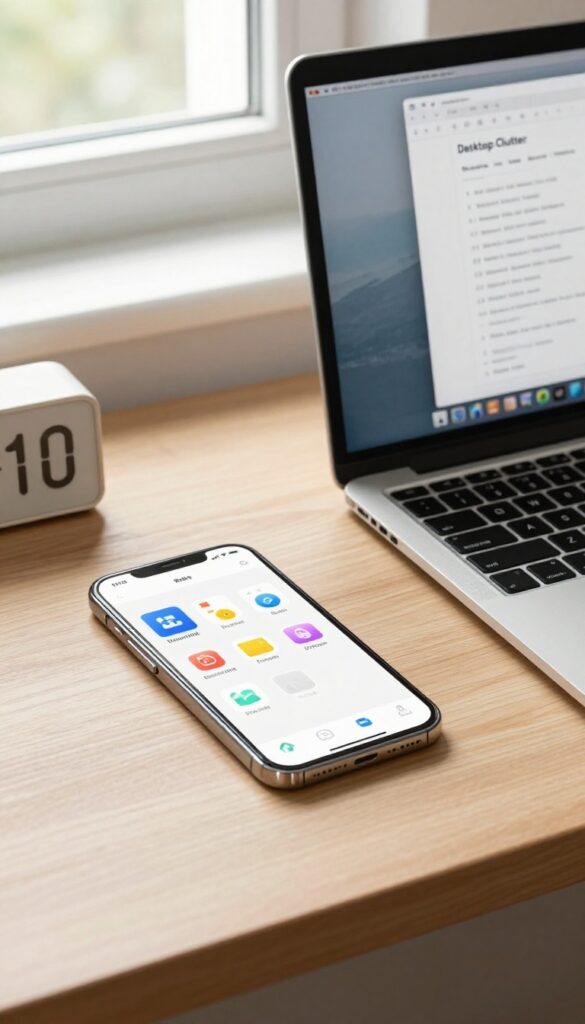
Your phone and laptop can collect digital junk just like your desk. That cluttered home screen and endless spam emails add to mental noise without you even noticing. A quick 10-minute digital declutter clears that static, making your devices feel lighter and easier to use.
Set a timer for 10 minutes and focus on one device at a time. Start with your phone: delete unused apps, move similar apps into folders, and remove widgets you never use. Then tackle your inbox—unsubscribe from at least five newsletters you ignore.
Finally, organize your bookmarks or desktop files into simple folders. You'll be surprised how much calmer your screen feels.
Clean Your Home Screen
Remove every app you haven't opened in the past month. Group the rest into logical folders like Social, Productivity, or Entertainment. Keep only your most-used apps on the main screen.
A sparse home screen reduces visual stress every time you unlock your phone.
Unsubscribe Ruthlessly
Open your email and search for 'unsubscribe'. Click through and remove yourself from any mailing list that doesn't bring value. Aim to cut at least five.
Fewer emails mean less distraction and less mental clutter.
Organize Your Desktop
Move all files off your desktop into a single folder named 'Desktop Clutter'—or better, into proper project folders. Delete duplicates and old screenshots. A clean desktop helps you find what you need faster and feels like a fresh start.
2. Write a Brain Dump in a Journal
Your mind can feel like a browser with thirty tabs open. A brain dump is simply getting all those thoughts—worries, tasks, random ideas—out of your head and onto paper. It's a fast way to clear mental clutter and see what's actually important.
This practice takes just five to ten minutes. You don't need fancy journaling skills. Just write whatever comes to mind, without judging or organizing.
The act of writing frees up mental space and helps you feel lighter.
Why It Works
When thoughts stay in your head, they loop and feel bigger than they are. Writing them down externalizes the noise. Your brain stops trying to hold onto everything, which reduces anxiety and makes it easier to focus on what matters.
How To Start
Grab any notebook or scrap paper. Set a timer for five minutes. Write continuously without stopping to edit or rethink.
If you get stuck, write "I don't know what to write" until something else comes. The goal is flow, not perfection.
What To Do After
Once you're done, read through what you wrote. Circle or underline anything that stands out as a priority. You can transfer action items to your to-do list or calendar.
Then close the journal and let the rest go. You've done enough.
3. Prep a Simple Weekly Meal Plan
Mealtime decisions can drain mental energy faster than you'd think. By Sunday, a little planning removes the daily "what's for dinner? " scramble.
You don't need gourmet recipes—just a loose sketch of 3 to 5 meals that fit your week.
Grab a notebook or open a notes app. List three to five dinners that use overlapping ingredients to cut waste and prep time. Think sheet pan chicken, pasta with jarred sauce, or tacos.
No need to cook everything now—just decide. Pair each meal with a simple side like frozen veggies or a bagged salad. Done.
Keep It Flexible
Life happens. Leave one or two nights open for leftovers, takeout, or spontaneous plans. A rigid menu adds stress.
A loose one saves it.
Write It Down
Put the plan somewhere visible—on the fridge, in a shared family app, or as a note on your phone. Seeing it reduces the mental load of remembering.
4. Take a Screen-Free Hour Before Bed
Blue light from screens can trick your brain into thinking it's still daytime, making it harder to fall asleep. A screen-free hour before bed gives your mind a chance to slow down naturally. You don't have to do anything elaborate—just step away from the glow and let your body remember how to unwind.
When you put your phone away, you remove the endless scroll of notifications, emails, and social media that keep your brain alert. Instead, you create space for calm activities that signal rest. This simple habit can improve both how quickly you fall asleep and how deep your sleep is.
What To Do Instead
Read a physical book, do gentle stretches, or simply sit in a quiet room. Journaling or listening to soft music also works well. The key is to choose something that doesn't involve a screen.
Start Small
If an hour feels too long, begin with 15 or 20 minutes. Gradually increase the time as you get used to it. Even a short break from screens can make a difference in your sleep quality.
5. Set Three Intentions for the Week
Instead of a massive to-do list that sets you up for guilt, try setting just three intentions. These are small, achievable goals that align with what you truly want—not everything you feel you should do. Intentions keep you focused without the overwhelm.
Choosing three intentions forces you to prioritize. It's a gentle way to guide your week without rigid expectations. Write them down somewhere visible, like a sticky note on your mirror or a note on your phone.
Why Three?
Three is a manageable number. It's enough to feel purposeful but not so many that you feel scattered. Research suggests that limiting choices reduces decision fatigue and increases follow-through.
How To Choose Them
Think about what would make this week feel good. Maybe one intention is work-related, one is personal, and one is just for fun. For example: finish a project draft, call a friend, and read for 20 minutes each day.
Keep Them Visible
Write your intentions on a small card and tuck it in your wallet, or set a daily reminder on your phone. The key is to see them often so they stay top of mind without becoming a chore.
6. Do a Quick Living Room Reset
Your living room is the heart of your home, and a cluttered one can weigh on your mind. A five-minute reset can transform the space from chaotic to calming. It’s not about deep cleaning—just a few simple moves that make a big difference.
Start by fluffing pillows and folding blankets. Stray items like magazines, remote controls, or shoes should go back to their homes. Then, light a candle or turn on a soft lamp to set a cozy mood.
This small ritual signals to your brain that it’s time to unwind.
Quick Tidy
Set a timer for five minutes and speed-walk around the room, putting things in their place. Focus on flat surfaces like coffee tables and shelves. You’ll be surprised how much you can accomplish in that short time.
Scent & Ambiance
Choose a calming candle or essential oil diffuser with lavender, vanilla, or eucalyptus. The scent will instantly shift the atmosphere. Dim the lights or turn on warm-toned lamps to create a relaxing evening vibe.
Final Touch
Give the rug a quick vacuum or sweep if needed. Open a window for fresh air for just a minute. Then step back and enjoy your refreshed space—it’s now ready for a peaceful Sunday evening.
7. Enjoy a Caffeine-Free Evening Ritual
Caffeine can linger in your system for hours, making it harder to wind down on Sunday night. Swapping your evening coffee or soda for a calming, caffeine-free drink signals your body that it's time to relax. This simple switch can improve your sleep quality and leave you feeling more refreshed come Monday morning.
Create a soothing end-of-weekend ritual by sipping herbal tea or warm lemon water while listening to soft music. The warmth and lack of stimulants help lower your heart rate and quiet your mind. This small act of self-care can become a cherished part of your Sunday evening routine, easing the transition into the new week.
Choose Your Calming Brew
Herbal teas like chamomile, lavender, or peppermint are excellent choices for a caffeine-free wind-down. Warm lemon water with a touch of honey is another gentle option that hydrates and soothes. Avoid any teas with caffeine or stimulating herbs like ginseng.
Set The Mood With Soft Music
Pair your drink with ambient music, nature sounds, or a calming playlist. Keep the volume low and let the music fill the background. This sensory combination can help you decompress and signal to your brain that the day is over.
Make It A Ritual, Not A Chore
Consistency is key. Try doing this at the same time each Sunday evening, perhaps after dinner or before your bedtime routine. Over time, your body will associate this ritual with relaxation, making it easier to let go of the weekend and embrace rest.
8. Stretch for 5 Minutes
Your body holds onto stress more than you realize. After a weekend of lounging, running errands, or maybe even sleeping in a weird position, tension settles in your neck, shoulders, and back. A quick five-minute stretch routine can release that tightness and signal your body that it's time to reset.
You don't need a yoga mat or special flexibility. Simple moves like neck rolls, shoulder shrugs, and a gentle forward fold can make a world of difference. The goal is to feel looser, not to break a sweat.
This tiny investment pays off fast. Your posture improves, your mind clears, and you physically let go of the weekend's baggage. Plus, it's a calm way to transition into the evening.
Neck And Shoulder Release
Start by sitting comfortably. Slowly roll your head in a circle, first clockwise then counterclockwise, going only as far as feels good. Follow with shoulder shrugs: lift your shoulders up toward your ears, hold for a breath, then drop them completely.
Repeat five times. This combo targets the most common tension hotspots.
Hamstring And Lower Back Stretch
Stand up and place your feet hip-width apart. Hinge forward at your hips, letting your arms hang toward the floor. Keep a slight bend in your knees to protect your lower back.
Hold for 30 seconds, breathing deeply. This stretch counteracts all the sitting you did over the weekend.
Spinal Twist For Mobility
Sit on the floor or in a chair. Cross your right leg over your left, then twist your torso to the right, using your left hand on your knee for leverage. Hold for 20 seconds, then switch sides.
This gentle twist wrings out tension from your spine and improves flexibility.
9. Plan Your Outfits for the Week

Mornings can be chaotic when you're staring at a closet full of clothes with nothing to wear. Planning your outfits on Sunday removes that stress entirely. It's a small time investment that pays off in smoother mornings all week long.
Pick Five Core Outfits
Choose five outfits that match your week's schedule. Include work looks, casual options, and one dressier choice. Hang them together in your closet or on a separate rack so you can grab and go.
Accessorize In Advance
Pair each outfit with the right shoes, jewelry, and bag. Store accessories nearby or in a small bin. This eliminates last-minute scrambling for matching pieces.
Check The Weather
Glance at the weekly forecast before finalizing. Swap in a jacket or umbrella if needed. Being prepared means no surprises when you step out the door.
10. Listen to a Calming Playlist
Music has a direct line to your mood. A carefully chosen playlist can shift your brain from weekend chaos to calm focus in minutes. For a Sunday reset, skip the high-energy bangers and opt for something that soothes rather than stimulates.
Think lo-fi beats, acoustic covers, or nature soundscapes. The goal isn't to get pumped up—it's to create a sonic backdrop that helps you unwind and mentally prepare for the week ahead.
Creating a Sunday reset playlist doesn't take much effort. Pick a streaming service you already use and search for terms like "calm study, " "acoustic chill, " or "rain sounds. " Curate 10 to 15 tracks that feel consistent in tempo and mood.
Keep it instrumental or with very soft vocals to avoid distraction. Once your playlist is ready, use it as a ritual cue. Press play when you start your reset routine—whether that's journaling, stretching, or tidying up.
Over time, those first notes will signal your brain that it's time to shift gears.
Why Music Works
Sound affects your nervous system directly. Slow tempos (around 60–80 BPM) can lower your heart rate and reduce cortisol levels. Lo-fi and nature sounds are especially effective because they lack sudden changes that could jolt you out of relaxation.
Building Your Playlist
Don't overthink it. Start with three to five songs you already love that fit a mellow vibe. Then let the algorithm suggest similar tracks.
Aim for at least 30 minutes of music—enough to cover your reset activities without repeating too soon.
When To Listen
Play it during your entire Sunday reset session, or save it for a specific part like journaling or a bath. You can also use it as background noise while meal prepping or doing light chores. The key is consistency—make it a Sunday-only ritual so your brain starts associating the music with winding down.
11. Do a 15-Minute Deep Clean of One Area
You don't need to scrub the whole house to feel a sense of order. Picking one small zone—like a junk drawer, a bathroom counter, or a corner of your desk—and giving it a focused 15-minute reset can work wonders. It's quick, doable, and the payoff is instant.
Set a timer for 15 minutes and tackle just one small area. Remove everything, wipe surfaces, toss trash, and put back only what belongs. The visual clarity of that one spot will make your whole space feel lighter.
Choose A High-impact Spot
Pick a place you see every day: the entryway table, the kitchen counter, or a nightstand. These high-traffic zones affect your mood the most. A clear surface in plain sight sets a calm tone for the week.
Gather Supplies First
Save time by grabbing a cloth, all-purpose cleaner, a trash bag, and a small bin for items that belong elsewhere. Having everything ready keeps you from wandering off mid-clean.
Finish With A Simple Reward
After the timer goes off, step back and appreciate your work. Light a candle, spray a little linen spray, or just enjoy the sight of that clean spot. It reinforces the habit and makes the next reset easier.
12. Write a Gratitude List
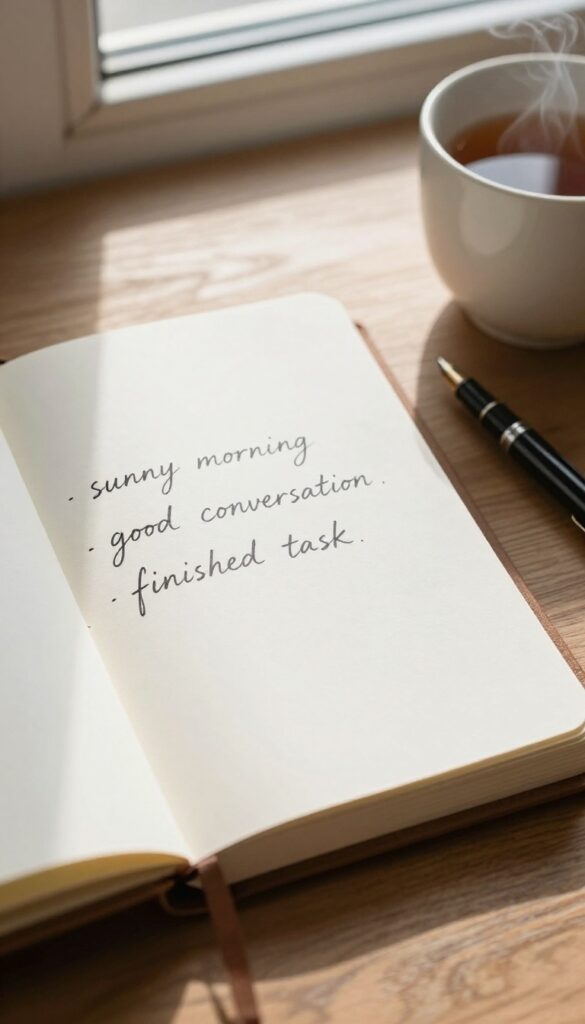
Gratitude is a simple but powerful tool to reset your mindset. Instead of worrying about what's ahead, take a moment to appreciate what went well. This small shift can make Sunday feel more positive and less anxious.
Before the week begins, pause and reflect on three things you're grateful for from the past seven days. They don't have to be big—maybe a good conversation, a sunny morning, or a task you finished. Write them down in a notebook or your phone.
This practice trains your brain to notice the good, which makes Monday feel less daunting.
Why It Works
Gratitude shifts your focus from what's missing to what's good. It lowers stress and increases optimism, which is exactly what you need before a new week. Studies show that regular gratitude practice improves sleep and overall well-being.
How To Make It A Habit
Keep a small journal by your bed or set a Sunday evening reminder on your phone. You can also share one thing with a friend or family member. The key is consistency—even two minutes makes a difference.
13. Prep Your Work or Study Space
A cluttered desk can weigh on your mind before you even sit down. Taking ten minutes on Sunday to tidy your workspace removes that mental friction. You'll walk into Monday with a clear surface and a clearer head.
Clear The Clutter
Remove anything that doesn't belong: old coffee cups, stray papers, yesterday's snack wrappers. Wipe down surfaces and organize pens, chargers, and notebooks. A clean desk signals that it's time to focus.
Charge And Arrange
Plug in your laptop, phone, and any other devices you use daily. Lay out your notebook or planner open to tomorrow's page. Having everything powered and positioned saves you precious Monday morning minutes.
Set The Vibe
Adjust your chair height, check your lighting, and maybe add a small plant or a photo that makes you smile. A space that feels good to be in makes starting work less daunting.
14. Take a Slow, Mindful Shower
A shower can be more than just a hygiene routine. When you slow down and pay attention, it becomes a reset for both your body and mind. Hot water, good scents, and a few deep breaths can wash away the tension of the weekend and prepare you for the week ahead.
Transform your daily shower into a mini spa session. The goal is to be fully present, not just to get clean. Let the warmth relax your muscles and the steam clear your head.
This is your time to decompress before Monday.
Set The Mood
Dim the lights if you can, or use a candle for soft lighting. Play a calming playlist or just enjoy the silence. The less stimulation, the more relaxing the experience.
Engage Your Senses
Pick a body wash or soap with a scent you love—lavender, eucalyptus, or citrus. Breathe in the aroma as you lather. Notice the temperature of the water, the feel of the suds, and the sound of the water hitting the floor.
Breathe And Stretch
Take a few slow, deep breaths while the water runs over your shoulders and back. Gently roll your neck or stretch your arms overhead. Let the heat ease any tightness from the week.
End With A Cool Rinse
If you're brave, switch to cool water for the last 30 seconds. It can boost circulation and leave you feeling refreshed and alert. If not, just enjoy the warmth a little longer.
15. Review Your Calendar for the Week
Sunday evening is the perfect time to peek at what's coming up. A quick calendar review can save you from Monday morning surprises and help you feel prepared instead of panicked. This isn't about overplanning or stressing over every detail.
It's a simple mental walkthrough of your week so you can spot potential conflicts or gaps before they catch you off guard.
Spot The Busy Days
Flip through your calendar and note which days are packed with meetings, appointments, or deadlines. Knowing this in advance lets you adjust your energy and schedule accordingly. Maybe you'll decide to keep that Wednesday evening free or prep a quick dinner for Tuesday.
Check For Conflicts
Look for overlapping events or unrealistic back-to-backs. If you see a double booking or a tight turnaround, you can reschedule now rather than scrambling later. A few minutes of prevention can save you a headache.
Add Buffer Time
If your week looks jam-packed, consider adding small buffer blocks between activities. Even 15 minutes can help you transition smoothly and avoid burnout. Treat those buffers as non-negotiable appointments with yourself.
16. Do a Skin or Hair Mask

Applying a hydrating mask is one of the easiest ways to pamper yourself without much effort. While it sits, you can read, stretch, or just zone out. It's a small ritual that leaves you feeling refreshed and ready for the week.
Choose Your Mask
Pick a sheet mask for quick hydration or a clay mask if your skin needs deep cleansing. For hair, a coconut oil or argan oil mask works wonders. Just check what you already have in your bathroom cabinet.
Set The Mood
Light a candle, put on some calming music, and lie down for 10–15 minutes. Let the mask do its job while you unwind. This turns a simple beauty step into a mini self-care session.
Rinse And Glow
After rinsing, pat your skin dry and follow with moisturizer. For hair, shampoo and condition as usual. You'll step out feeling softer, smoother, and noticeably more refreshed.
17. Read a Few Pages of a Non-Work Book
Sunday evenings are perfect for escaping into a story or learning something new without pressure. Reading for pleasure shifts your brain out of work mode and into a relaxed, curious state. Just a few pages can be enough to reset your mood and spark creativity for the week ahead.
Pick a book that has nothing to do with your job or to-do list. A novel, a memoir, or an inspiring non-fiction title works best. The key is to read without any goal other than enjoyment.
Keep it on your nightstand or coffee table so it's easy to grab when you have a quiet moment.
Why It Works
Reading reduces stress by lowering cortisol levels and improving focus. It also expands your perspective, which can help you approach challenges with fresh eyes. Even 10 minutes can make a difference.
How To Make It A Habit
Set a timer for 15 minutes and commit to reading without multitasking. Choose a physical book or an e-reader with no notifications. If you're not enjoying the book, swap it—there's no shame in putting down a dud.
Book Suggestions
Light fiction, like a cozy mystery or a feel-good romance, is great for unwinding. For non-fiction, try a biography or a book on a hobby you love. The goal is pleasure, not productivity.
18. Practice 5 Minutes of Deep Breathing
Breathing is something you do all day without thinking. But a few minutes of intentional deep breathing can shift your entire mood. It's a reset button for your nervous system, and it costs nothing.
Deep breathing activates your parasympathetic nervous system, which helps you relax. It lowers heart rate and blood pressure, reduces stress hormones, and improves focus. This simple practice can be done anywhere, anytime.
The 4-4-6 Technique
Inhale slowly through your nose for 4 counts. Hold your breath for 4 counts. Then exhale gently through your mouth for 6 counts.
The longer exhale triggers a relaxation response. Repeat for 5 minutes.
When To Do It
Try this right after you wake up, before bed, or during a stressful moment. It's especially effective on Sunday evenings to ease into the week ahead.
Tips For Beginners
Find a quiet spot. Sit comfortably with your back straight. Close your eyes if it helps.
If your mind wanders, gently bring it back to your breath. Even 2 minutes makes a difference.
19. Water Your Plants or Tend to a Hobby
There's something quietly grounding about caring for a living thing or losing yourself in a simple hobby. Plants don't judge your messy desk, and a hobby doesn't care if you're slow. It's just you, the moment, and a small act of attention.
Spending a few minutes with your plants or a hobby shifts your focus from the week ahead to the here and now. It's a gentle reset that reminds you that not everything has to be productive. Some things just need to be enjoyed.
Check In On Your Plants
Walk around your home and give each plant a quick look. Water the thirsty ones, wipe dusty leaves, or rotate pots for even light. It's a small ritual that connects you to nature and slows down your pace.
Pick Up A Low-pressure Hobby
Grab that book you've been meaning to read, doodle in a notebook, or knit a few rows. No goals, no deadlines. Just the pleasure of doing something for its own sake.
Make It A Weekly Habit
Set aside 15 minutes every Sunday for plant care or your hobby. Over time, it becomes a calming anchor in your week. You'll look forward to it, and your plants will thank you.
20. Write One Nice Thing to Yourself

Before the week begins, give yourself a small dose of kindness. A sticky note on your mirror with a simple affirmation can shift your mindset for days. It's a quiet, private act that reminds you you're on your own team.
Grab a sticky note and write one genuine, kind thing about yourself. It doesn't have to be profound—just true. Place it where you'll see it first thing in the morning, like on your bathroom mirror or beside your bed.
Let that sentence be the first thing your eyes land on. Over the week, you might even add more notes, creating a little gallery of self-compassion.
Why It Works
Your brain naturally looks for threats and flaws, a survival holdover. A written affirmation interrupts that loop, giving you a moment of warmth. It's not about toxic positivity; it's about balancing the inner critic with a friendly voice.
Keep It Real
Avoid generic lines like "I am enough" if they don't resonate. Instead, pick something specific: "I handled that tough conversation with grace" or "I made my friend laugh today. " Specificity makes the message stick.
Make It A Ritual
Pair the note with a small habit, like sipping your morning coffee or brushing your teeth. That way, you won't forget to read it. Over time, this tiny act becomes a anchor for self-compassion, setting a gentle tone for your week.
FAQ
What is a Sunday reset?
A Sunday reset is a set of intentional activities done on Sunday to relax, organize, and prepare for the upcoming week. It helps reduce stress and improve focus.
How long should a Sunday reset take?
It can be as short as 15 minutes or as long as a few hours. The key is consistency, not duration. Even one small reset activity makes a difference.
Can I do a Sunday reset on another day?
Absolutely. If Sunday doesn't work, choose any day that feels like a natural break before your busy week starts. The concept is flexible.
Do I need to do all 20 ideas?
No. Pick the ones that resonate with you. Doing 2-3 consistently is more effective than trying to do everything at once.
What if I feel too tired for a reset?
Start with the simplest idea, like deep breathing or a 5-minute stretch. Even a tiny reset can shift your mindset without draining your energy.
Conclusion
A Sunday reset doesn't have to be elaborate to be effective. Pick just one or two ideas from this list that feel manageable—maybe a quick meal prep session or a calming bath. Small, consistent actions like these can help you start the week feeling grounded rather than rushed.
The goal isn't to do everything, but to find what genuinely helps you recharge. Over time, these simple rituals will become a natural part of your weekend, making Monday mornings feel a little lighter and a lot more doable.

Dr. Pallab Kishore, MS in Orthodontics and owner of Orthodontic Braces Care, shares expert tips on braces, aligners, and oral health from 10+ years of experience.