Last updated on June 26th, 2026 at 03:38 pm
You don't need a fancy spa or a full day off to reset your mood. Small, intentional actions woven into your daily routine can shift your energy and help you feel more like yourself. The key is keeping things realistic—no expensive products or elaborate plans required.
These 17 tips are designed to fit into a normal day, even when you're short on time or energy. Some take just a minute, others a little longer, but all are gentle on your wallet and your schedule.
Pick one or two to start, and notice how even tiny changes can lift your spirits. Self-care doesn't have to be complicated to be effective.
1. Start with a Glass of Water

Before you reach for coffee or scroll through your phone, drink a full glass of water. It sounds simple, but hydration directly impacts your mood and energy levels. After hours of sleep, your body is naturally dehydrated, and even mild dehydration can leave you feeling sluggish or irritable.
Making water your first morning ritual sets a positive tone for the day. It's a small, gentle act of self-care that requires zero prep or expense. Keep a glass or bottle by your bed so you can sip before your feet even hit the floor.
Over time, this habit becomes automatic and can improve your focus, skin, and overall sense of well-being.
Why It Works
Your brain is about 75% water, so even slight dehydration can affect concentration and mood. Drinking water first thing helps kickstart your metabolism, flush out toxins, and rehydrate your cells. It's a quick, effective way to feel more alert and ready for the day.
Make It Easy
Set a glass of water on your nightstand before bed. Add a slice of lemon or a pinch of salt for electrolytes if you like. If plain water bores you, try sparkling water or herbal tea.
The goal is just to hydrate before anything else enters your system.
When You Forget
If you skip it some mornings, don't stress. Just grab water as soon as you remember. You can also pair it with another habit, like after brushing your teeth, to make it stick.
Consistency matters more than perfection.
2. Make Your Bed

Starting your day with a made bed might seem small, but it sets a positive tone. A tidy space can calm your mind and give you a quick sense of control. It's a simple act that signals to your brain that you're ready to take on the day.
Making your bed each morning is a low-effort habit with high emotional payoff. It creates order in your immediate environment, which can reduce feelings of chaos. Plus, returning to a neat bed at night feels like a small gift to yourself.
Why It Works
Psychologically, completing a task first thing builds momentum. It's a clear win that boosts your confidence. The visual cue of a made bed also reduces visual clutter, which can lower stress levels.
How To Make It Stick
Keep it simple: straighten the sheets, fluff the pillows, and smooth the comforter. Aim for a 2-minute routine. If you're rushed, just pull the duvet up—something is better than nothing.
Bonus Mood Boost
Add a small touch like a decorative pillow or a folded throw. It makes the bed look inviting and gives you a subtle mood lift every time you walk into the room.
3. Step Outside for Five Minutes

When your mood starts to dip, the quickest reset button might be just outside your door. Fresh air and natural light work fast to shift your mental state, often in under five minutes. You don't need a scenic hike—just stepping onto your balcony, patio, or sidewalk can do the trick.
Even a brief dose of nature helps lower stress hormones and improve focus. The key is to leave your phone behind and simply be present. Notice the breeze, the sounds of birds or traffic, the feeling of sun on your skin.
This tiny break interrupts negative thought loops and gives your brain a chance to recalibrate.
Make It A Non‑negotiable
Treat those five minutes like a mini appointment. Set a timer if you need to, but don't skip it. Consistency builds the habit, and soon your brain will associate stepping outside with an instant mood lift.
Engage Your Senses
Use the time to actively notice three things you see, two you hear, and one you feel. This simple sensory check pulls you out of your head and into the present moment, making the reset even more effective.
Pair It With A Breath
Take a few slow, deep breaths while you're out there. Inhale through your nose for four counts, hold for four, exhale for four. The combination of fresh air and intentional breathing amplifies the calming effect.
4. Write Down One Thing You're Grateful For

Gratitude is a powerful mood shifter. It redirects your brain from what's going wrong to what's going right. The best part?
It takes less than a minute. Keeping a gratitude journal or just jotting down one thing on a sticky note can start your day on a positive note.
Gratitude doesn't have to be grand. It can be as simple as the smell of coffee, a warm blanket, or a kind text from a friend. The act of writing or speaking it out loud reinforces the positive emotion.
Try it tomorrow morning before you check your phone.
Keep It Simple
You don't need to write a paragraph. One sentence or even a single word works. The goal is to acknowledge something good, not to create a lengthy list.
Simplicity makes it easy to stick with.
Make It A Morning Habit
Tie gratitude to an existing habit, like after brushing your teeth or while your coffee brews. Consistency is key. Over time, this small practice rewires your brain to notice the positive more naturally.
5. Stretch for Two Minutes

Your body holds onto stress like a sponge, especially after hours of sleep or sitting. A quick two-minute stretch can release that built-up tension and wake up your muscles. You don't need to be flexible or have a yoga mat—just move in ways that feel good.
Focus on areas that tend to tighten up: neck, shoulders, and back. Simple moves like shoulder rolls, side bends, and a forward fold can make a big difference. Stretching increases blood flow and signals your nervous system to shift from stress mode to relaxation.
Why Two Minutes Works
Short stretches are easy to fit into any schedule. Two minutes is long enough to release tension but short enough that you won't skip it. Consistency matters more than duration.
Simple Moves To Try
Start with neck tilts: slowly lower your ear toward your shoulder, hold for a few breaths, then switch. Roll your shoulders backward in circles. Finish with a standing forward fold, letting your head hang heavy.
When To Stretch
First thing in the morning, after sitting for a while, or whenever you feel your mood dip. Use it as a mini reset button throughout the day.
6. Eat a Meal Without Screens

When was the last time you ate without scrolling, watching, or working? If you can't remember, you're not alone. Multitasking during meals has become the norm, but it robs you of the chance to truly reset.
Mindful eating—just focusing on your food—can calm your nervous system and help you tune into your body's hunger and fullness cues.
Even one screen-free meal a day can reduce stress and improve digestion. Start with breakfast or lunch, when distractions are highest. Put your phone in another room, turn off the TV, and sit at a table.
Notice the colors, smells, and textures of your food. Chew slowly and put your fork down between bites. This simple practice turns a routine task into a mini mindfulness session.
Why It Works
Your brain connects eating with relaxation when you're fully present. Without screens, your body activates the 'rest and digest' mode, which lowers cortisol and improves nutrient absorption. You also tend to eat less because you recognize fullness sooner.
How To Start
Pick one meal today—maybe lunch—and commit to no screens. Set a timer for 15–20 minutes if you're worried about boredom. Eat slowly, savoring each bite.
If your mind wanders, gently bring it back to the food. It feels awkward at first, but after a few days, it becomes a peaceful habit.
Make It A Ritual
Enhance the experience with small touches: light a candle, use a nice plate, or play soft instrumental music. The goal isn't perfection—just a few minutes of undivided attention to your meal. Over time, this practice can become a cherished part of your self-care routine.
7. Do a Mini Digital Declutter

Digital clutter can weigh on your mind just as much as physical mess. A cluttered inbox or desktop sends subtle stress signals to your brain, making it harder to focus or relax. The fix doesn't have to be a full-scale purge—small, targeted actions can bring a surprising sense of calm.
Pick one digital space and spend just 5 minutes tidying it up. Delete unread emails, unsubscribe from newsletters you never open, or organize a folder on your desktop. The goal isn't perfection—it's clearing a little mental bandwidth so you can breathe easier.
Start With Your Inbox
Open your email and delete 10 old messages you don't need. Unsubscribe from one spammy newsletter while you're at it. That small win can cut down on future distractions and make you feel more in control.
Tame Your Desktop
Move stray files into a simple folder or delete screenshots you no longer need. A cleaner desktop can make your workspace feel less chaotic, even if you're just on a laptop.
Clear One App Notification
Swipe away or archive notifications from an app you rarely use. It's a tiny task, but it reduces the visual noise and helps you focus on what matters.
8. Listen to a Song That Matches Your Mood

Music hits differently when you let it meet you where you are. Instead of forcing a cheerful playlist when you're feeling low, try picking a track that actually reflects your current state. It sounds counterintuitive, but validating your mood through music can help you process it faster and then naturally shift toward something lighter.
Think of it as emotional tuning. When you give yourself permission to feel what you're feeling, the song becomes a gentle companion rather than an escape. And once you've sat with that emotion for a few minutes, you might find yourself ready for a song that lifts you up.
Start With Validation
When you're angry, sad, or anxious, a song that mirrors that energy can be surprisingly calming. It tells your brain, "Someone gets it. " Let the first track be a full-on mood match—angsty rock, melancholic indie, or a slow R&B ballad.
Don't try to fix it yet. Just let the music hold space for how you feel.
Gradually Shift The Energy
After one or two validation songs, transition into something that gently nudges your mood upward. This could be an upbeat remix of a familiar song, a nostalgic throwback, or something with a driving beat. The key is a gradual shift—not a jarring jump.
Your brain will follow the musical arc naturally.
Create A Go-to Playlist
Save yourself the mental effort by curating a small playlist for mood resets. Pick 5-7 songs that move from validation to uplift. Name it something like "Mood Shift" or "Reset Button.
" When you feel stuck, you won't have to think—just hit play and let the sequence do the work.
9. Take a Real Break (Not a Scrolling Break)

Let's be honest: scrolling through social media or checking emails isn't a break. Your brain is still processing information, making decisions, and staying alert. A real break means stepping away from screens completely for 5–10 minutes.
No notifications, no blue light, no mental to-do list. Just you and a quiet moment.
Your brain needs true downtime to reset. When you stare at a screen, even passively, your mind stays in a low-level state of alertness. Short, screen-free breaks lower cortisol, improve focus, and give your eyes a rest.
Try these simple ways to unplug:
Stare Out The Window
Find a window with a view—trees, sky, or even a busy street. Let your eyes wander without focusing on anything specific. This is called "soft gaze" and it activates the parasympathetic nervous system, helping you feel calmer in minutes.
Doodle Or Scribble
Grab a pen and paper and just doodle—no artistic skill needed. Circles, lines, shapes, whatever comes to mind. This mindless activity occupies your hands and lets your brain wander, which can spark creativity and reduce stress.
Breathe With Intention
Set a timer for 5 minutes. Close your eyes and focus on your breath. Inhale slowly for 4 counts, hold for 4, exhale for 6.
This simple pattern shifts your nervous system from fight-or-flight to rest-and-digest, leaving you more refreshed than any scroll session.
10. Use a Scent You Love

Smell is one of the fastest ways to shift your mood. The right scent can calm anxiety, boost energy, or bring back a happy memory. You don't need a fancy diffuser—just something that makes you pause and breathe a little deeper.
Pick a scent that genuinely makes you feel good. It could be a candle, an essential oil, a room spray, or even a fresh lemon peel. Keep it somewhere visible so you remember to use it.
When you need a reset, take a moment to inhale slowly and let the aroma do its thing.
Create A Scent Ritual
Make it a habit: light your favorite candle during your morning coffee, or dab a calming oil on your wrists before a stressful meeting. The repetition trains your brain to associate that smell with calm or focus.
Go Natural And Simple
You don't need expensive perfumes. A few drops of peppermint oil on a tissue, a sprig of rosemary from the kitchen, or the zest of an orange can be just as effective. Natural scents are often gentler and more grounding.
Use Scent As A Transition
Let a scent mark the end of work or the start of relaxation. Spray a linen mist on your pillow at night, or diffuse citrus in the morning to signal your brain it's time to shift gears.
11. Move Your Body for Ten Minutes

You don't need a full workout to feel the benefits of movement. A short burst of activity—whether it's dancing in your kitchen, flowing through a few yoga poses, or taking a brisk walk around the block—can quickly shift your mood. Ten minutes is enough to boost endorphins, shake off stagnant energy, and reset your mental state.
Movement doesn't have to be intense or time-consuming. The goal is to get your blood flowing and your mind off whatever's weighing you down. Here's how to make those ten minutes count.
Pick One Activity You Actually Enjoy
If you hate running, don't force a jog. Choose something that feels like a treat, not a chore. Put on your favorite upbeat song and dance like no one's watching.
Or try a simple yoga flow—downward dog, cat-cow, and a few sun salutations. A brisk walk outside also works wonders, especially if you can get some fresh air and sunlight.
Set A Timer And Go All In
Commit to just ten minutes. Set a timer on your phone and give it everything you've got for that short window. Knowing it's brief makes it easier to start, and you'll be surprised how much better you feel after.
No need to overthink it—just move.
No Equipment? No Problem
You don't need a gym or fancy gear. Bodyweight exercises like jumping jacks, high knees, or squats work perfectly. Or simply march in place while pumping your arms.
The key is to get your heart rate up and break the cycle of sitting still.
12. Declutter One Small Area
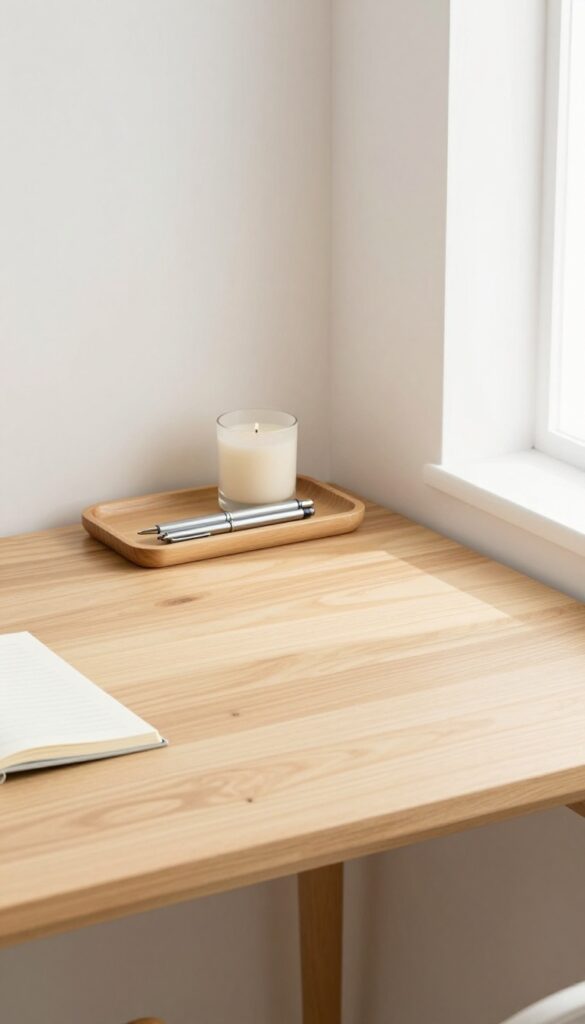
Physical clutter has a sneaky way of creating mental noise. When your space feels chaotic, your brain has to work harder to focus, which can leave you feeling drained or irritable. The fix doesn't require a whole-house purge—just one tiny win can shift your mood.
Pick a drawer, a shelf, or even just your purse. Set a timer for five minutes and clear out anything that doesn't belong. Throw away old receipts, return items to their homes, and wipe down the surface.
That small act of order often sparks a sense of control and calm that carries into the rest of your day.
Start With A Hotspot
Choose a spot you see or use daily—like the kitchen counter, your nightstand, or the entryway table. Clearing a high-traffic area gives you an instant visual reward every time you walk by, reinforcing that you've done something good for yourself.
Keep It Tiny
Resist the urge to tackle a whole closet or room. The goal is a quick win, not a marathon. A single drawer or a corner of a desk is plenty.
When you finish, take a moment to appreciate the cleared space before moving on.
Make It A Ritual
Turn this into a daily or weekly habit. Spend five minutes each morning tidying one small area. Over time, these micro-sessions prevent clutter from piling up and keep your environment—and your mind—feeling lighter.
13. Call or Text a Friend

Sometimes the fastest way to reset your mood is to reach out to someone who gets you. Social connection is a powerful mood booster—a quick check-in with a trusted friend can make you feel less alone and more supported. It doesn't have to be a long conversation; even a short text can remind you that you're cared for.
Keep It Light
You don't need to dive into heavy topics. A simple "Hey, thinking of you" or a funny meme can spark a positive exchange. The goal is connection, not problem-solving.
Set A Timer If Needed
Worried about getting stuck on the phone? Set a 5-minute timer. You can always extend if you're both enjoying the chat, but a short call can be just as effective.
Try A Voice Note
If texting feels too impersonal and a call feels like too much, send a quick voice note. Hearing a friend's voice can be incredibly grounding and often feels more genuine than typed words.
14. Do One Thing Just for Fun

When was the last time you did something purely for enjoyment—no goal, no productivity angle? It's easy to forget that fun is a valid form of self-care. Giving yourself permission to play, even for five minutes, can break the cycle of obligation and remind you that life has more than just tasks.
Play isn't just for kids. A quick burst of fun can lower stress hormones and boost creativity. The trick is to choose something that genuinely makes you smile, not something you feel you should enjoy.
Quick Wins For Busy Days
Short on time? Try a single panel comic, a funny meme, or a one-minute dance break. These tiny moments add up and can shift your mood without requiring a big time commitment.
Longer Play Sessions
If you have 15-20 minutes, pull out a coloring book, play a quick round of a game, or watch a short funny video. The key is to fully immerse yourself and let go of any "shoulds. "
15. Practice a Minute of Deep Breathing

When your mood starts to dip, your breath is the quickest tool you have to reset. Deep breathing activates your parasympathetic nervous system, which helps calm your body's stress response. The best part?
It's free, invisible, and takes less than a minute.
The 4-4-4 technique is simple: inhale through your nose for four counts, hold for four, then exhale through your mouth for four. That's one cycle. Repeat it three to five times, and you'll notice your heart rate slow and your mind quiet down.
You can do this at your desk, in line at the store, or right before a tough conversation.
Why It Works So Fast
Deep breathing sends a signal to your brain that it's safe to relax. It lowers cortisol levels and increases oxygen flow, which instantly shifts your mood from frazzled to focused.
Make It A Habit
Tie your breathing practice to an existing routine, like after you brush your teeth or before you open your email. Soon it'll become automatic.
Try A Variation
If 4-4-4 feels too short, extend to 4-7-8: inhale for four, hold for seven, exhale for eight. This version is especially calming before bed.
16. Write Down a Worry and Let It Go

A racing mind can keep you stuck in a loop of the same anxious thoughts. Writing them down gives those worries a place to live outside your head. It’s a simple act, but it can break the cycle of rumination and free up mental space for what matters.
Grab a piece of paper and scribble down whatever is nagging at you. Don’t worry about grammar or making it perfect—just get it out. Then fold the paper, put it in an envelope, or set it aside in a drawer.
The physical act of moving it away signals to your brain that you can let it go for now. You can even schedule a time to revisit it later if you need to, but often you won’t.
Why It Works
Rumination thrives on vagueness. When a worry is stuck in your head, it feels bigger and more overwhelming. Putting it on paper forces you to define it clearly, which reduces its power.
The symbolic act of setting it aside also creates a mental boundary—you're choosing to stop carrying that weight for a while.
When To Do It
Try this at the end of your workday or right before bed. It’s especially helpful when you’re lying awake with a racing mind. Keep a small notebook or scrap paper nearby so you can do it anytime a worry pops up.
Over time, you’ll train your brain to release thoughts instead of holding onto them.
17. End the Day with a Wind-Down Ritual

The way you end your day sets the stage for how you sleep and how you wake up. A wind-down ritual is a simple way to tell your brain that it's time to shift from go-mode to rest-mode. It doesn't have to be long or complicated—just consistent.
Dim the lights, put away screens, and choose a calming activity like reading, gentle stretching, or journaling. Over time, your brain will start to associate these cues with relaxation, making it easier to fall asleep and wake up refreshed.
Why Screens Disrupt Sleep
Blue light from phones and laptops tricks your brain into thinking it's still daytime. Even a few minutes of scrolling can delay melatonin production. Try switching to a physical book or an audiobook instead.
Simple Wind-down Ideas
Not sure where to start? Try a warm cup of herbal tea, a few minutes of deep breathing, or writing down three things you're grateful for. The goal is to do something that feels soothing, not stimulating.
Make It A Habit
Consistency matters more than duration. Pick one or two activities and do them in the same order each night. Within a week, your body will start to anticipate and respond to the routine.
FAQ
How long should a daily self-care routine take?
It can be as short as 5–10 minutes. The key is consistency, not duration. Even one small habit practiced daily can reset your mood.
Do I need to buy anything for these tips?
No. Most tips are free or use items you already have at home. The focus is on simple, budget-friendly actions.
Can I do these tips if I'm feeling very low?
Yes, but start with the easiest ones like drinking water or deep breathing. If you're struggling with persistent low mood, consider speaking to a professional.
How many of these should I try at once?
Start with one or two that feel doable. Adding too many at once can feel overwhelming. Gradually build from there.
What if I miss a day?
That's okay. Self-care isn't about perfection. Just pick up where you left off the next day without guilt.
Conclusion
You don't need a full spa day to reset your mood—just a few small, consistent habits can make a real difference. Pick one or two tips that feel doable today, whether it's a five-minute stretch or swapping your phone for a book before bed.
Start small, be patient with yourself, and let these practices become part of your natural rhythm. Over time, you'll notice how these tiny moments of care add up to a calmer, more balanced you.

Dr. Pallab Kishore, MS in Orthodontics and owner of Orthodontic Braces Care, shares expert tips on braces, aligners, and oral health from 10+ years of experience.