You don't need a spa day or a week-long retreat to feel better. Small, consistent habits can shift your entire day from draining to delightful. The trick is finding the ones that actually fit your life.
These 17 self-care habits are designed to be realistic, not overwhelming. They target common pain points like low energy, stress, and lack of time. Each one solves a specific problem you might be facing.
Pick one or two to start. You don't have to do them all. The goal is to make everyday life feel a little lighter, a little brighter, and a lot more manageable.
1. Start Your Day with a 5-Minute Stretch

Mornings can feel like a race against the clock, but taking just five minutes to stretch can change your whole outlook. It's not about becoming a yoga master—it's about waking up your muscles and telling your brain, "Hey, we're starting the day. " This tiny habit eases stiffness, gets your blood flowing, and sets a calm, intentional tone before the chaos begins.
A quick stretch routine doesn't require special equipment or a ton of space. You can do it right next to your bed. Focus on areas that get tight overnight: neck, shoulders, back, and hips.
Hold each stretch for about 20 seconds and breathe deeply. That's it. No need to push into pain—just gentle movement to signal your body it's time to shift from rest to action.
Why It Works
After hours of sleep, your muscles are cold and your joints are stiff. Stretching increases blood flow and oxygen to your tissues, which reduces that creaky feeling. It also triggers your parasympathetic nervous system, helping you feel more grounded and less rushed.
A Simple Routine To Try
Start with a neck roll: slowly drop your chin to your chest, then roll your head to one side and hold. Next, do a shoulder shrug—lift your shoulders toward your ears, hold for a few seconds, then release. Finish with a gentle forward fold: stand, bend at your hips, and let your arms hang.
This takes under five minutes and covers the major tight spots.
Make It Stick
Pair your stretch with something you already do, like waiting for your coffee to brew or brushing your teeth. Keep the routine simple enough that you can do it even on groggy mornings. Consistency matters more than duration.
2. Drink a Full Glass of Water Before Coffee
Your body loses water while you sleep, so you wake up mildly dehydrated. Reaching for coffee first thing might feel right, but it can actually make you more tired later. Starting with water sets a better foundation for steady energy.
A full glass of water before caffeine hydrates your cells, kickstarts your metabolism, and helps your brain wake up naturally. It's a small switch that takes ten seconds but pays off all day.
Why Hydration Matters First
After six to eight hours of sleep, your body is thirsty. Coffee is a diuretic, so drinking it on an empty stomach can dehydrate you further. Water first restores fluid balance, which directly improves focus and mood.
How It Prevents The Afternoon Slump
When you hydrate before caffeine, your body processes coffee more slowly and evenly. That means fewer energy spikes and crashes. Many people find they don't need a second cup later because their energy stays steady.
Tips To Make It Stick
Keep a glass or water bottle by your bed. Drink it while you scroll or before you even get up. Add lemon or a pinch of salt for electrolytes if you want.
The habit becomes automatic in just a few days.
3. Set a Daily Intention in One Sentence
Every morning, your brain faces a flood of decisions: what to eat, what to wear, what to tackle first. That mental load can drain your energy before you even start. The fix is simpler than you think—just name one thing you want to accomplish or feel today, in a single sentence.
This tiny habit cuts through the noise and keeps you grounded.
Setting a daily intention isn't about big goals or affirmations. It's a practical tool to reduce decision fatigue and stay focused. You might intend to "feel calm during my meeting" or "finish the report by noon.
" That one sentence becomes your anchor. When distractions pop up, you can check back in with it. Over time, this habit trains your brain to prioritize what truly matters, making your day feel less scattered and more purposeful.
Keep It Short And Specific
Your intention should be a single sentence—no more. If it's too long, it loses power. Focus on one outcome or feeling.
For example, "I want to be patient with my kids today" or "I will finish the first draft of my article. " Specificity helps you measure success at the end of the day.
Write It Down Or Say It Aloud
Don't just think your intention—write it on a sticky note, in a journal, or even type it in your phone. Saying it aloud works too. The act of externalizing it makes it real.
Place it somewhere you'll see it, like your mirror or computer monitor, as a gentle reminder.
Review It At The End Of The Day
Take 30 seconds before bed to reflect on your intention. Did you follow through? If not, that's okay.
The goal isn't perfection—it's awareness. This quick check-in helps you learn what intentions work best for different days and builds the habit over time.
4. Take a 10-Minute Walk Outside

Sitting all day drains your energy and clouds your thinking. A short walk outside breaks that cycle fast. Ten minutes is enough to reset your mood, get your blood moving, and let your brain breathe.
Fresh air and movement work together to lower stress hormones and boost creativity. You don't need a scenic trail—just stepping out your front door counts. Leave your phone behind or put it on silent to fully disconnect.
Why 10 Minutes Works
Research shows that even brief exposure to nature reduces cortisol and improves focus. Ten minutes is short enough to fit into any schedule but long enough to create a real shift. It's the sweet spot between a quick break and a time commitment.
Make It A Habit
Pick a consistent trigger, like after lunch or when you hit an afternoon slump. Keep comfortable shoes handy so you can go without prep. Over time, your brain will start craving that reset.
What To Do During The Walk
Focus on your senses—notice the temperature, the sounds, the colors around you. Let your mind wander instead of problem-solving. If you want structure, try a simple breathing pattern: inhale for four steps, exhale for four.
5. Practice the 'One-Minute Rule' for Chores
Small tasks have a sneaky way of piling up until they feel overwhelming. A stray coffee mug on the counter, a jacket draped over a chair, a bill left on the table—each one adds a tiny weight to your mental load. The one-minute rule cuts that buildup before it starts.
Here's the deal: if a task takes less than sixty seconds, do it right away. Hang up the coat, put the dish in the dishwasher, reply to that short text. It sounds almost too simple, but it works because it stops clutter from accumulating and keeps your environment tidy without a big time investment.
The one-minute rule is a productivity hack that doubles as a self-care habit. By handling quick tasks immediately, you prevent them from turning into a daunting to-do list. This keeps your space—and your mind—clearer throughout the day.
Why It Works
Your brain treats unfinished tasks as open loops, which drain mental energy. Closing those loops quickly reduces stress and frees up focus for more important things. Plus, a tidy space naturally feels more calming and under control.
Where To Start
Pick a few high-traffic areas like the kitchen counter, entryway, or desk. When you notice something out of place that takes under a minute to fix, just do it. Over time, it becomes a habit that keeps your home and mind clutter-free.
Make It Stick
Don't overthink it. If you hesitate, ask yourself, 'Can I finish this in 60 seconds? ' If yes, do it now. You can also pair it with a routine, like scanning the living room before bed.
Soon, it'll feel strange to leave a quick task undone.
6. Eat a Meal Without Screens

When was the last time you ate a meal without scrolling, watching, or reading something? For many of us, screens have become a constant companion at the table. But this habit pulls your attention away from your food, making it harder to enjoy what you're eating and recognize when you're full.
Eating without screens is a simple way to bring mindfulness back to meals. It helps you tune into flavors, textures, and your body's hunger cues. You might find you enjoy your food more and eat just the right amount without feeling stuffed.
Why It Works
When you eat while distracted, your brain barely registers the meal. This can lead to overeating because you miss the signal that you're full. Focusing on your food helps you slow down, savor each bite, and feel satisfied with less.
How To Start
Pick one meal a day to go screen-free. Start with breakfast or lunch when you're on your own. Put your phone in another room, turn off the TV, and just sit with your plate.
Notice the colors, smells, and tastes.
Make It A Ritual
Set the table nicely, even if you're alone. Use a plate you love, light a candle, or play soft music. These small touches make the experience feel special and help you look forward to this quiet time.
7. Write Down Three Things You're Grateful For
It's easy to get caught up in what's going wrong. Your brain is wired to notice problems, not positives. But you can retrain it with one simple practice: gratitude journaling.
It takes less than two minutes and shifts your entire outlook.
Gratitude journaling is one of the most researched happiness habits. Studies show it reduces stress, improves sleep, and boosts overall well-being. The key is consistency, not length.
Three specific things each day is enough to rewire your brain to scan for the good.
Why Three Works Best
Three is a magic number. One is too easy to skip, five feels like a chore. Three forces you to dig a little without overwhelming you.
They don't have to be big—a warm cup of coffee, a kind text from a friend, or a sunny morning all count.
How To Make It Stick
Tie it to an existing habit. Write your gratitudes right after brushing your teeth or while your coffee brews. Use a notebook, a notes app, or even a sticky note.
The format doesn't matter. What matters is that you do it daily.
What To Do When You're Stuck
Some days it's hard to find anything good. That's okay. Start with the basics: you have a roof over your head, food to eat, or a working phone.
Or think of a small moment from the past 24 hours that made you smile. It gets easier with practice.
8. Do a 2-Minute Breathing Exercise When Stressed
Stress has a way of hijacking your body before your mind even registers it. Your shoulders tense, your breath gets shallow, and your heart starts racing. That's your sympathetic nervous system—the fight-or-flight response—taking over.
A two-minute breathing exercise can flip the switch back to calm. It activates your parasympathetic nervous system, which tells your body it's safe to relax. The best part?
You can do it anywhere, anytime, without anyone noticing.
This isn't about complicated breathwork or counting to ten. It's a simple, repeatable pattern that works fast. Here's how to make it a habit when stress hits.
The 4-7-8 Method
Inhale through your nose for 4 seconds. Hold your breath for 7 seconds. Exhale slowly through your mouth for 8 seconds.
That's one cycle. Repeat three more times, and you've just completed a two-minute reset. This pattern naturally slows your heart rate and signals safety to your brain.
Box Breathing For Focus
If 4-7-8 feels too long, try box breathing. Inhale for 4 seconds, hold for 4 seconds, exhale for 4 seconds, hold for 4 seconds. Repeat.
It's used by Navy SEALs and emergency responders to stay calm under pressure. You can do it with your eyes open or closed.
When To Use It
The moment you notice tension—before a meeting, after a frustrating email, or when you're stuck in traffic—is the perfect time. Set a phone reminder or tie it to a daily trigger, like sitting down at your desk or waiting for coffee to brew.
9. Declutter One Small Area Each Day
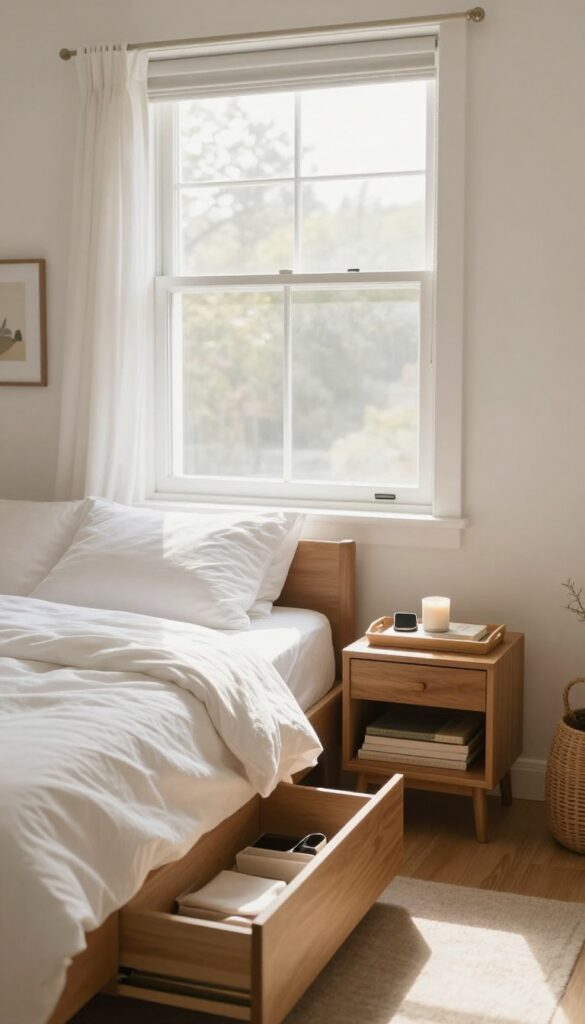
Mess doesn't just clutter your space—it clutters your mind. But the thought of a full deep-clean can stop you before you start. The fix is simple: pick one tiny area each day and tidy it up.
A single drawer, a corner of your desk, or even just a shelf. Five minutes is plenty. Over time, these small wins add up to a noticeably calmer home.
When your environment is chaotic, your brain has to work harder to focus. Decluttering in bite-sized pieces makes the task feel doable and builds momentum. You'll also save time because you won't have to dig through piles to find what you need.
Plus, the act of putting things in order can be oddly satisfying—a quick win that lifts your mood.
Start With High-traffic Zones
Focus on areas you use daily: your kitchen counter, nightstand, or entryway. Clearing these spots gives you immediate relief because you see and interact with them constantly. A clutter-free counter makes morning coffee feel calmer.
A tidy nightstand helps you unwind faster at night.
Use A Timer To Stay On Track
Set a timer for five or ten minutes and stop when it goes off. This prevents perfectionism from taking over. You'll be surprised how much you can accomplish in a short burst.
And because there's a clear end point, you're more likely to start.
Create A Daily Declutter Habit
Tie your declutter session to an existing habit, like after your morning coffee or before bed. Consistency matters more than duration. Even two minutes a day keeps the chaos at bay.
Soon, you'll notice you're spending less time looking for keys, remotes, or important papers.
10. Listen to a Podcast or Audiobook During Chores
Chores don't have to be boring. Slip on some headphones and turn folding laundry or washing dishes into time for learning or entertainment. Suddenly, those tasks feel productive instead of tedious.
Pairing chores with audio content makes the time fly by. You'll look forward to cleaning because it means catching up on your favorite show or that inspiring book. It's a simple swap that transforms a dreaded task into a highlight of your day.
Choose Your Audio Wisely
Match the content to the chore. For mindless tasks like sweeping, pick an engaging story. For something that needs more focus, like cooking, go with a lighter podcast you can dip in and out of.
Set Up For Success
Keep headphones or a speaker in an easy-to-grab spot. Use a streaming app with offline downloads so you're ready even without Wi-Fi. A small habit of queuing up an episode before starting a chore removes friction.
Make It A Ritual
Pair a specific chore with a specific podcast or audiobook series. For example, only listen to that thrilling mystery while mopping. The anticipation builds, and you might even start looking forward to cleaning.
11. Use a Blue Light Filter After Sunset
Your phone and laptop are probably messing with your sleep more than you realize. Blue light from screens tricks your brain into thinking it's still daytime, which messes with your natural sleep-wake cycle. The fix is simple: turn on a blue light filter after the sun goes down.
Most devices have a built-in night mode or blue light filter. On iPhones, it's called Night Shift. On Android, it's often labeled as Blue Light Filter or Night Mode.
You can also use apps like f. lux or Iris for more control. Set it to turn on automatically around sunset, and you won't even have to think about it.
Why It Works
Blue light suppresses melatonin, the hormone that helps you fall asleep. By reducing blue light exposure in the evening, your body can produce melatonin naturally. That means you'll fall asleep faster and stay asleep longer.
Quick Tips
If your screen still feels too bright, lower the brightness manually. You can also wear blue-light-blocking glasses if you work late. And if you really want to level up, try switching to an e-reader or a physical book an hour before bed.
12. Schedule a Weekly 'Do Nothing' Hour

We live in a culture that glorifies busyness. But constant doing drains your mental battery faster than you realize. Giving yourself permission to simply exist for an hour each week can feel uncomfortable at first, but it's one of the most restorative habits you can build.
No goals, no screens, no guilt.
Unstructured time isn't wasted—it's when your brain processes, resets, and sparks creativity. Without it, you're running on fumes. A 'do nothing' hour is a weekly appointment with yourself to just be.
It's not meditation, not napping, not scrolling. It's pure, aimless rest.
How To Actually Do Nothing
Pick a time when you won't be interrupted. Leave your phone in another room. Sit on the couch, lie on the grass, or stare out the window.
Let your mind wander. If you feel the urge to grab a book or start a task, gently resist. The point is to have zero agenda.
Why It Works
Your brain's default mode network activates during unstructured rest. That's the part responsible for creative insights, memory consolidation, and emotional regulation. By doing nothing, you're actually giving your brain the space it needs to solve problems and recharge.
Start Small If Needed
If a full hour sounds impossible, begin with 15 minutes. Work your way up. The key is consistency.
Block it on your calendar like any other appointment. Treat it as non-negotiable. Over time, you'll notice sharper focus, less irritability, and more mental clarity.
13. Keep a Reusable Water Bottle at Your Desk
Hydration is one of those things that sounds simple but somehow slips through the cracks on busy days. You know you should drink more water, but when you're deep in work, it's easy to forget. That's where a reusable water bottle comes in—it's a visual cue and a convenience hack rolled into one.
Having water within arm's reach removes the barrier of getting up to fill a glass. You'll sip mindlessly while working, and those small sips add up. Proper hydration keeps your skin clear, your energy steady, and your brain sharp.
It's a zero-effort habit that pays off all day.
Pick A Bottle You Actually Like
If your water bottle is ugly or annoying to use, you won't reach for it. Choose one that fits your aesthetic and has a mouthpiece you enjoy. Insulated bottles keep water cold, which makes it more refreshing.
A bottle you love becomes a habit you keep.
Set A Refill Routine
Make it easy by filling your bottle first thing in the morning. Then set a goal to refill it by lunch and again by mid-afternoon. If you need a nudge, use a phone reminder or a habit-tracking app.
After a few days, it'll feel automatic.
Add Flavor If Plain Water Bores You
Drop in a slice of lemon, cucumber, or a few berries. Infused water adds a hint of taste without sugar or artificial sweeteners. It makes hydration feel like a small treat rather than a chore.
14. Replace One Social Media Session with a Hobby

Scrolling through social media often leaves you feeling drained or comparing your life to others. What if you swapped just one of those sessions for something you actually enjoy? A hobby like drawing, reading, or knitting can turn that lost time into a moment of real fulfillment.
Social media is designed to keep you hooked, but it rarely leaves you feeling good. By replacing even one session with a hands-on hobby, you shift from passive consumption to active creation. This small swap reduces the constant comparison and gives you a sense of accomplishment.
Plus, hobbies are proven to lower stress and boost mood, making them a powerful self-care tool.
Start Small And Simple
You don't need to be an expert or invest in expensive gear. Pick something that's easy to pick up and put down, like coloring, journaling, or playing a simple instrument. The goal is to enjoy the process, not to produce a masterpiece.
Make It A Ritual
Set a consistent time for your hobby, like right after work or during your morning coffee. Pair it with a cozy drink or a comfortable spot. When it becomes a ritual, you'll look forward to it instead of reaching for your phone out of habit.
Notice The Difference
After a week of swapping one scroll session for a hobby, check in with yourself. You might find you feel more relaxed, more creative, and less inclined to compare your life to others. That's the real win.
15. End Your Shower with 30 Seconds of Cool Water
That final blast of cold water might feel shocking at first, but it's a quick way to wake up your entire body. The brief temperature drop constricts blood vessels near your skin, sending blood to your core and organs. This natural circulation boost can leave you feeling more alert and energized for hours.
Why It Works
Cold exposure triggers a rush of endorphins and increases your heart rate slightly. Over time, your body adapts and becomes more efficient at regulating temperature. Many people also notice their skin looks smoother and their hair shinier after a few weeks of regular cold rinses.
How To Start
You don't have to go full polar plunge. Begin by turning the water to cool for the last 10 seconds, then work up to 30 seconds. Focus the stream on your legs and arms first before moving to your torso.
Breathe steadily and remind yourself it's only half a minute.
When To Skip It
If you have a heart condition or are feeling very run down, check with your doctor first. Cold showers aren't for everyone, and that's okay. Even a few seconds of cool water can still give you a small perk without going all in.
16. Prepare Your Outfit and Bag the Night Before
Mornings can be chaotic when you're rushing to find matching socks or digging for your keys. That frantic energy sets a stressful tone for the rest of the day. Planning ahead the night before is a simple way to reclaim your calm.
Laying out your clothes and packing your bag takes just five minutes. It eliminates decision fatigue when you're groggy and short on time. You'll walk out the door feeling organized and in control.
This habit is about removing friction from your morning routine. When everything is ready, you can move through your morning with ease. It also helps you avoid last-minute panic and forgotten items.
Why It Works
Decision fatigue is real. Every small choice drains mental energy. By pre-deciding what to wear and what to bring, you save that energy for more important things.
Your brain can focus on the day ahead instead of trivial logistics.
How To Start
Pick a consistent time each evening, like after dinner or before brushing your teeth. Choose your outfit based on the next day's weather and plans. Pack your bag with essentials: laptop, charger, water bottle, snacks, and any documents you need.
Place everything by the door so you can grab it and go.
Bonus Tips
Check the weather forecast before selecting your clothes. Keep a small pouch for daily carry items like lip balm and hand sanitizer. If you work out in the morning, pack your gym bag too.
Over time, this habit becomes automatic and saves you precious minutes every day.
17. Reflect on One Win from Your Day Before Bed

Your brain has a negativity bias—it naturally dwells on what went wrong. That's why ending the day with a deliberate positive moment can rewire your mindset over time. Acknowledging one win, no matter how small, shifts your focus to progress and helps you sleep better.
Before you close your eyes, take 30 seconds to think of one thing that went well today. It could be finishing a task, having a good conversation, or simply remembering to hydrate. Write it down or just say it out loud.
This practice trains your brain to notice the good, building confidence and resilience.
Why Small Wins Matter
Small wins create a ripple effect. They release dopamine, the feel-good neurotransmitter, which motivates you to keep going. Over time, this habit shifts your baseline outlook from 'what went wrong' to 'what went right. '
How To Make It Stick
Keep a notebook on your nightstand or use a notes app. Set a phone reminder if needed. The key is consistency—even on bad days, there's usually one tiny win to celebrate.
FAQ
How many self-care habits should I start with?
Start with one or two that feel easiest to implement. Trying all 17 at once can be overwhelming. Build consistency first, then add more.
Can self-care habits really make a difference in everyday life?
Absolutely. Small, consistent actions compound over time. They reduce stress, improve mood, and create a sense of control and well-being.
What if I don't have time for self-care?
Many of these habits take just a few minutes. Prioritize them by integrating into existing routines, like stretching after waking or drinking water before coffee.
Are these habits suitable for everyone?
Most are universally beneficial, but adjust to your needs. For example, if cold showers are uncomfortable, skip that one. Listen to your body.
How long until I notice results from these habits?
Some benefits, like improved hydration or reduced clutter, are immediate. Others, like better sleep or mood, may take a week or two of consistency.
Conclusion
You don't have to overhaul your entire routine overnight. Even adding one small habit—like a five-minute morning stretch or swapping your phone for a book before bed—can shift your whole day. Start with what feels easy, and let each tiny win build momentum.
Over time, these small acts of care become second nature. The goal isn't perfection; it's feeling a little better, one habit at a time.