Let's be real: self-care sounds lovely, but it often feels like just another thing to squeeze into an already packed day. Between work, friends, family, and everything else, the idea of a full spa day or a weekend retreat can seem impossible.
But here's the truth: a peaceful routine doesn't have to be expensive or time-consuming. It's about small, intentional moments that make you feel like you again.
These 17 girl self care ideas are designed to fit into real life—no fancy products, no complicated steps, just simple ways to bring a little calm into your everyday. Whether you have five minutes or an hour, there's something here for you.
1. Start Your Morning with a 5-Minute Stretch

Mornings set the tone for everything that follows. Instead of grabbing your phone and diving straight into notifications, give yourself five quiet minutes to stretch in bed. It's a simple way to wake up your body, release overnight stiffness, and ease into the day without rushing.
This isn't about a full workout—just a few gentle moves that feel good. Think of it as a soft hello to your muscles and joints. Over time, this small habit can reduce tension, improve flexibility, and help you start each day feeling more centered.
Why It Works
Stretching first thing increases blood flow and loosens tight muscles from sleep. It also signals your nervous system to shift from rest to awake mode, but in a gradual, calm way. No jolt of caffeine needed.
Simple Moves To Try
Knee hugs, gentle twists, and a cat-cow stretch are perfect for bed. Reach your arms overhead and point your toes to lengthen your spine. Move slowly and breathe deeply—no rushing.
Make It A Ritual
Keep your phone on silent and out of reach. Maybe light a candle or put on soft music. The goal is to savor this moment, not check it off a list.
2. Create a Simple Skincare Ritual You Actually Enjoy
Skincare can feel like a chore when it's too complicated. The key is to strip it down to what makes you feel good—maybe a gentle cleanser that smells like honey, a moisturizer that sinks in fast, or a face mask you only use when you need a pick-me-up. When you actually like the products, washing your face becomes a moment to look forward to, not another box to check.
A simple routine means you'll stick with it, and that consistency does more for your skin than any fancy 10-step system. Focus on the basics: cleanse, moisturize, protect. Add one extra step if it brings you joy, like a soothing toner or a lightweight serum.
The goal is to create a ritual that feels like a hug for your face.
Pick Products That Make You Happy
Choose a cleanser with a scent you love or a moisturizer in pretty packaging. When your products feel like a treat, you'll actually look forward to using them. It doesn't have to be expensive—drugstore finds can be just as lovely.
Keep It To Three Steps Max
Stick with a simple cleanse, moisturize, and SPF in the morning, and double cleanse plus moisturizer at night. That's enough to keep your skin happy without overwhelming your routine. You can always add a mask or exfoliator once or twice a week.
Turn It Into A Mini Moment
While your moisturizer sinks in, take three deep breaths. Or apply your products while listening to a favorite song. This turns a basic task into a small self-care pause, helping you feel more centered and calm.
3. Write Down One Thing You're Grateful For
Gratitude is one of those things that sounds simple but actually rewires your brain over time. Taking a moment to name one good thing—no matter how small—helps you notice the bright spots in your day. It's a quick mental reset that costs nothing and takes seconds.
Grab a notebook or even a sticky note and jot down one small thing you appreciate. It shifts your focus to the positive and takes less than a minute.
Keep It Tiny
Your gratitude doesn't have to be profound. A warm cup of coffee, a text from a friend, or the way the sunlight hits your floor—all count. The smaller the better, because it trains your brain to notice everyday joys.
Make It A Habit
Try pairing this with something you already do, like brushing your teeth or waiting for your morning coffee to brew. Consistency matters more than length. Even a few words a day can shift your mindset over time.
Mix It Up
Avoid writing the same thing every day. Challenge yourself to find something new. This keeps the practice fresh and helps you see your life from different angles.
4. Take a Tech-Free Walk (Even Just 10 Minutes)

You don't need a long hike or a scenic trail to reset your mind. A short walk without your phone can work wonders. Just step outside and let your senses take over—feel the breeze, listen for birds, notice how the light filters through the trees.
Without notifications or podcasts, your brain gets a real break.
Even ten minutes is enough to shift your mood. Leave your phone at home or in your pocket on silent. Focus on your surroundings: the colors, the sounds, the way the air feels.
This simple practice helps you reconnect with the present moment and clear mental clutter.
Why No Tech?
When you walk with your phone, you're still half in your digital world. Without it, you're fully in the real one. Your mind wanders, you notice details you'd otherwise miss, and you give your eyes and brain a rest from screens.
How To Make It A Habit
Tie it to something you already do. After lunch, before your evening shower, or right after work. Keep a pair of comfortable shoes by the door.
Start with just five minutes and build up. Consistency matters more than distance.
5. Make a Cup of Tea and Sip It Slowly
There's something about holding a warm mug in your hands that instantly signals your brain to slow down. Tea time is a mini ritual that doesn't require any special equipment or skills—just hot water, a tea bag, and a few minutes of your time. It's a simple way to press pause on a busy day and reconnect with yourself.
Choose a tea you love—herbal, green, or black—and drink it without distractions. Feel the warmth, breathe in the aroma, and let yourself pause for a few minutes.
Pick Your Moment
The best part about this ritual is that it works anytime. Morning tea can be a gentle start to the day, while an afternoon cup offers a midday reset. Evening herbal teas like chamomile or lavender help signal that it's time to wind down.
Make It Mindful
Instead of scrolling through your phone or watching TV, just sit with your tea. Notice the steam rising, the warmth in your hands, and the flavor as you sip. Even three minutes of mindful tea drinking can lower stress and bring you back to the present moment.
Experiment With Flavors
Don't be afraid to try new blends. Rooibos, peppermint, ginger lemon, or jasmine green tea each offer unique benefits and flavors. Keep a small collection of teas you enjoy, and let your mood guide your choice.
6. Declutter One Small Area (Like a Drawer or Shelf)
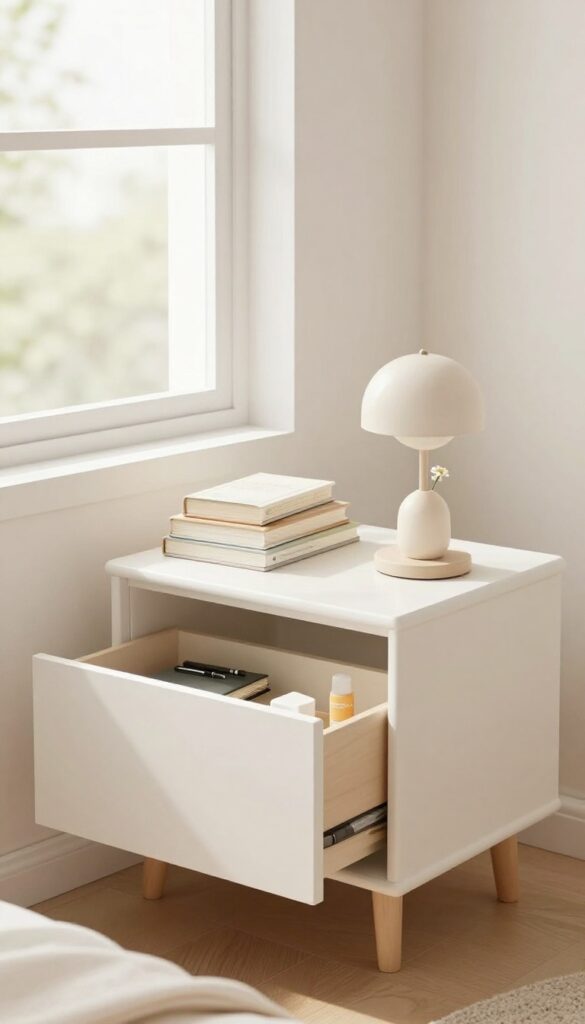
Clutter can quietly drain your mental energy without you even realizing it. But you don't need to Marie Kondo your entire apartment to feel the relief. Just pick one tiny spot—a junk drawer, a bathroom shelf, or even just your nightstand—and give it a quick reset.
The visual calm is instant, and the sense of accomplishment feels great. No need to tackle the whole room. This micro-decluttering habit is a gentle way to reclaim your space and your peace.
Why Small Wins Work
Big decluttering projects can feel overwhelming, which is why we often avoid them. But a single drawer takes less than 10 minutes and gives you a dopamine hit of completion. That positive feeling can motivate you to tackle another small area later, or it can just be a nice moment of order in your day.
Where To Start
Look for a spot that annoys you every time you see it. Maybe it's the kitchen junk drawer, the top of your dresser, or a single shelf in your closet. Clear everything out, wipe it down, and only put back what you actually use or love.
Toss expired stuff, donate duplicates, and group similar items together.
Keep It Going
Set a timer for 5 minutes and see how much you can do. Once you're done, step back and enjoy the fresh space. You can repeat this whenever you need a quick mental reset—no pressure to do more than one area at a time.
7. Listen to a Podcast or Audiobook While Doing Chores
Chores don't have to be mindless drudgery. Pair them with a podcast or audiobook, and suddenly folding laundry feels like a mini escape. Choose something uplifting or funny—it makes the time fly and leaves you feeling entertained, not drained.
Turn boring tasks like washing dishes or tidying up into moments you actually look forward to. A good story or interesting conversation can transform a chore into a chance to learn or laugh. It's multitasking that doesn't feel like work.
Pick Your Vibe
Match your audio to your mood. Need a laugh? Try a comedy podcast.
Want to feel inspired? Go for a motivational audiobook. For pure escapism, dive into a fiction series.
The key is choosing something that pulls you in so chores fade into the background.
Set Up For Success
Use wireless earbuds or a portable speaker so you can move freely. Queue up a playlist of episodes or chapters so you don't have to stop and pick something new mid-task. A little prep turns a chore session into a seamless listening experience.
Make It A Ritual
Reserve certain podcasts or audiobooks for chore time only. That way, you'll actually look forward to folding laundry or scrubbing the sink. It becomes a treat, not a task.
Over time, you'll associate cleaning with the pleasure of your favorite stories.
8. Give Yourself a 5-Minute Hand or Foot Massage
Your hands and feet work hard all day, yet they rarely get the attention they deserve. A quick massage can release built-up tension and bring instant calm. All you need is a few minutes and a bit of lotion or oil.
This simple practice improves circulation, eases stress, and helps you feel grounded. It's a mini reset you can do anywhere—on the couch, at your desk, or before bed. Plus, it costs nothing and takes almost no time.
Why It Works So Well
Your hands and feet are packed with nerve endings and pressure points. Massaging them stimulates your parasympathetic nervous system, which tells your body to relax. It also boosts blood flow, which can soothe headaches and reduce fatigue.
How To Do It Right
Start with a dollop of your favorite lotion or a drop of oil. For hands, use your thumb to press into your palm in small circles, then gently pull each finger. For feet, sit comfortably and use both thumbs to knead the arch, then press each toe.
Focus on any tight spots.
When To Squeeze It In
Try it during a work break, while watching TV, or right before sleep. Even one minute per hand or foot makes a difference. Pair it with deep breathing for an extra calming effect.
9. Light a Candle or Use a Diffuser with a Calming Scent
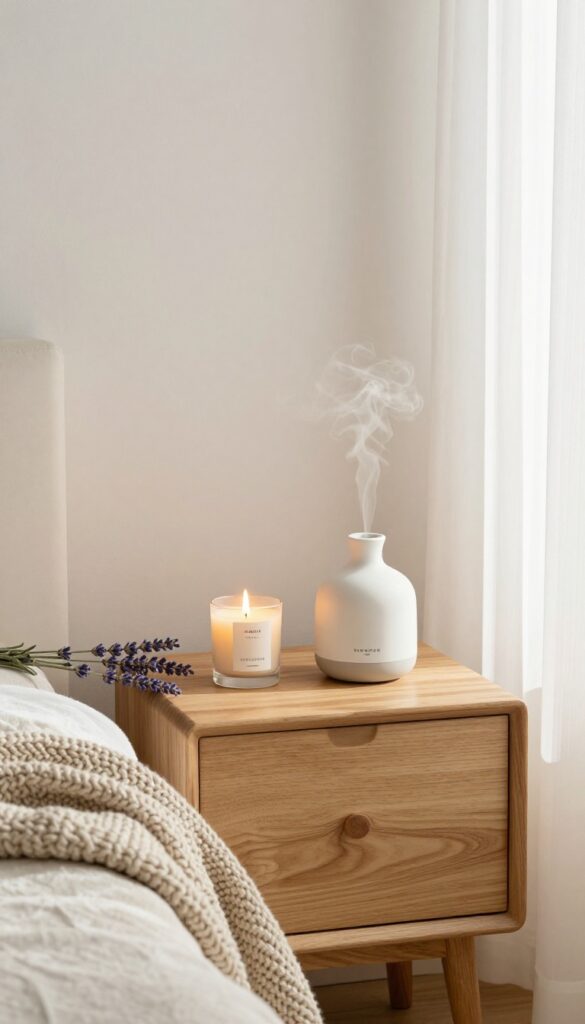
Sometimes the quickest way to shift your mood is through your nose. Scents like lavender, vanilla, or eucalyptus can instantly change the energy of a room, signaling your brain that it's time to relax. Whether you prefer a flickering candle or a quiet diffuser, this simple habit turns any space into a personal sanctuary.
Why Scent Matters
Your olfactory system is directly linked to the emotional centers of your brain. That's why a familiar fragrance can trigger calm or nostalgia almost instantly. By choosing a scent associated with peace—like chamomile or sandalwood—you create a powerful cue for relaxation.
Candle Vs. Diffuser: Which One For You?
Candles offer warmth and a soft glow, perfect for evening wind-downs. Just be sure to trim the wick and never leave them unattended. Diffusers are safer for longer use and can run for hours, filling the room with a consistent, gentle aroma.
Both are great—pick what fits your routine.
Quick Tips For Best Results
Place your candle or diffuser where you'll spend the most relaxed time—like your bedside table or reading nook. Rotate scents to keep your nose from getting bored, and try pairing a scent with a specific activity (like lavender during journaling) to build a calming ritual.
10. Do a Digital Detox for One Hour Before Bed
Your phone might be the biggest thief of peace in your evening routine. Scrolling before bed keeps your brain wired, making it harder to unwind and fall asleep. A digital detox for just one hour before you hit the pillow can transform your nights—and your mornings.
Set a timer an hour before your target bedtime. Put your phone on silent and leave it in another room if you can. Replace screen time with something that actually relaxes you: read a physical book, write in a journal, or just sit with your thoughts.
Your brain needs that transition from busy mode to rest mode, and screens block it completely. You'll notice deeper sleep, fewer racing thoughts, and a calmer mind overall.
What To Do Instead
Grab a book you've been meaning to read, or try a guided journal with prompts. Stretching, light yoga, or even coloring in an adult coloring book works too. The key is to do something that doesn't involve a glowing screen.
Make It A Ritual
Light a candle, brew a cup of herbal tea, and settle into a cozy spot. When you pair the detox with something you look forward to, it stops feeling like a chore and becomes a treat.
The Sleep Payoff
Blue light from screens messes with your melatonin production. Cutting it out an hour before bed helps your body naturally wind down. You'll fall asleep faster and wake up feeling more refreshed.
11. Try a New Healthy Recipe That Excites You
Cooking can feel like a chore, but it doesn't have to. When you pick a recipe that genuinely intrigues you, the whole process shifts from obligation to exploration. It's a chance to engage your senses, learn something new, and nourish your body at the same time.
Choose a recipe that sparks curiosity—maybe a vibrant smoothie bowl, a hearty grain salad, or a comforting soup. The act of measuring, chopping, and tasting becomes a mindful ritual. Plus, you end up with a delicious meal that fuels both body and mood.
Keep It Simple
Don't overcomplicate it. Pick a recipe with 5–10 ingredients and a clear method. The goal is enjoyment, not a culinary challenge.
A simple recipe leaves room for creativity without stress.
Set The Mood
Play some music, pour a glass of water or tea, and clear your counter. Treat the cooking time as a mini escape. This small prep makes the experience feel more like a treat than a task.
Savor The Result
When it's done, sit down and eat without distractions. Notice the colors, smells, and flavors. This final step turns cooking into a full self-care act that nourishes more than just your stomach.
12. Put on a Face Mask (Even a DIY One from Your Kitchen)
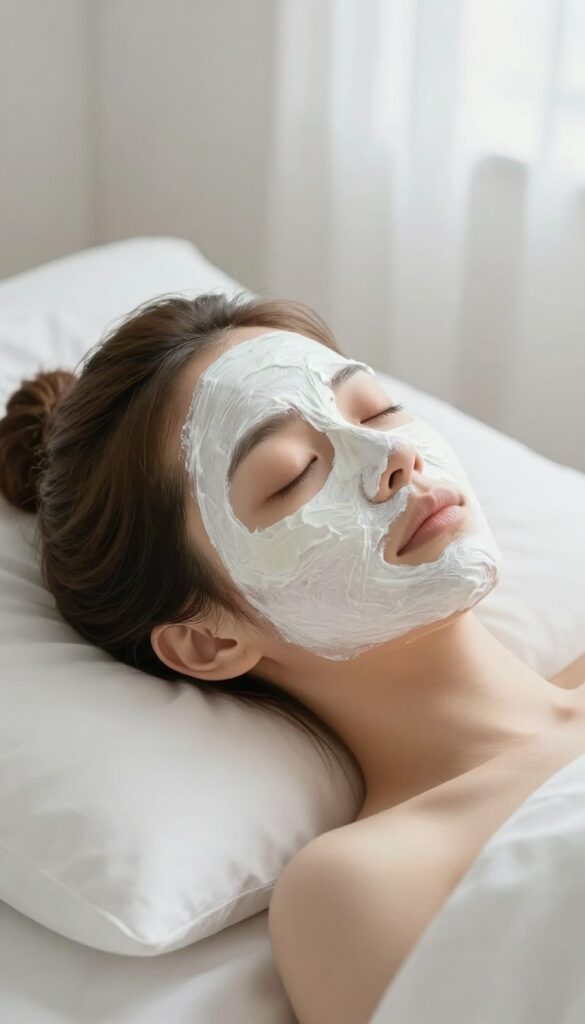
Slathering on a face mask is one of those instant self-care wins. It forces you to sit still for ten minutes while the mask works its magic. And you don't need a fancy jar from Sephora—your kitchen is full of ingredients that can give you glowing skin.
A face mask is a mini ritual that signals to your brain: it's time to relax. The sensation of something cool or warm on your skin, the quiet minutes while it dries, and the fresh feeling after rinsing—it all adds up to a simple but effective reset.
Diy Mask Recipes That Actually Work
Mix one tablespoon of honey with one tablespoon of oatmeal for a soothing, hydrating mask. Honey is antibacterial and oatmeal calms irritation. For a brightening boost, combine a teaspoon of yogurt with a pinch of turmeric.
Yogurt contains lactic acid for gentle exfoliation, and turmeric helps even out skin tone.
How To Make It A Mini Spa Moment
Before applying your mask, tie your hair back and wash your face. Then lie down, close your eyes, and set a timer for 10 minutes. You can put a warm, damp washcloth over your eyes for extra relaxation.
When the timer goes off, rinse with lukewarm water and pat dry.
When To Use A Mask For Best Results
Face masks are perfect for evenings when you have a little downtime—after a shower, before bed, or while you listen to a podcast. Aim for once or twice a week. Overdoing it can strip your skin, so listen to what your face needs.
13. Write Down Three Things You Did Well Today
Ending your day on a high note doesn't have to be complicated. A simple practice of listing three things you did well—no matter how small—can shift your mindset from what went wrong to what went right. It's a gentle reminder that you're making progress, even on messy days.
Before bed, grab a notebook or open a notes app. Write down three things you accomplished or handled well. They don't have to be big: maybe you replied to an important email, made a healthy meal, or simply got out of bed when you felt low.
Over time, this habit builds self-trust and confidence. You'll start noticing your wins more often, and that positive energy carries into the next day.
Why Small Wins Matter
Your brain is wired to focus on negatives—it's a survival instinct. By deliberately noting small wins, you train your mind to spot the good. This doesn't mean ignoring problems; it means balancing the scale.
Even tiny achievements release dopamine, the feel-good chemical, making you more motivated and resilient.
How To Make It Stick
Keep it easy. Set a reminder on your phone for 10 minutes before bed. Use the same spot each night—like your nightstand or pillow.
Don't overthink it; three bullet points is enough. If you miss a day, just start again. Consistency matters more than perfection.
Bonus: Read Them Back Later
Once a week, scroll through your list. You'll see patterns and growth that might otherwise go unnoticed. On tough days, reading past wins can lift your mood and remind you of your strength.
It's like a personal cheerleader you carry in your pocket.
14. Have a Solo Dance Party to Your Favorite Song

When was the last time you danced just for the joy of it? Not at a club or a wedding, but alone in your room, letting the music take over. A solo dance party is one of the simplest ways to shake off stress and reconnect with your playful side.
No skills required, no judgment—just you and a song that makes you want to move.
Why It Works
Dancing releases endorphins, the feel-good chemicals that boost your mood and reduce stress. It's also a form of movement that doesn't feel like exercise. When you're laughing and moving freely, your body relaxes naturally.
How To Make It Happen
Close your bedroom door, put on headphones or speakers, and pick a song that makes you want to jump up. Start with a few stretches to loosen up, then let yourself go. Wave your arms, spin around, or just bounce—whatever feels good.
Aim for at least one full song, but three is even better.
Bonus Benefits
This counts as physical activity, so you're checking off your movement goal without a gym session. Plus, it's a great way to reset your energy when you're feeling sluggish or stuck in your head.
15. Spend 10 Minutes Doing Something Creative (No Pressure)
Creativity doesn't have to mean making a masterpiece. In fact, the best creative moments are the ones where you're just playing around—doodling in a notebook, coloring a page, writing a silly poem, or arranging a few flowers from the garden. The goal isn't to be good; it's to enjoy the process.
Giving yourself permission to create without judgment is a powerful way to reconnect with yourself and quiet the inner critic.
Set a timer for 10 minutes and let yourself explore. No rules, no expectations. You might be surprised how calming it feels to focus on colors, shapes, or words without worrying about the outcome.
Doodle Without A Plan
Grab a pen and paper and just let your hand move. Draw swirls, shapes, or whatever comes to mind. There's no right or wrong—this is about the rhythm of making marks, not the final drawing.
Color In An Adult Coloring Book
Coloring books aren't just for kids. They have intricate patterns that help you focus and relax. Pick a page that speaks to you and fill it with colors you love.
Write A Tiny Poem Or Haiku
You don't have to be a poet. Just write three lines about something you noticed today—a sound, a feeling, a color. Haikus are short and forgiving.
Arrange Flowers Or Leaves
Snip a few stems from your garden or grab a bunch from the store. Arrange them in a vase or even just on a plate. The act of placing each one is meditative.
16. Take a Warm Bath with Epsom Salts
There's a reason baths have been a go-to relaxation method for centuries. The combination of warm water and Epsom salts works wonders for sore muscles and a busy mind. If you have a bathtub, this is one of the easiest ways to unwind after a long day.
Fill the tub with warm water—not too hot—and add about two cups of Epsom salts. Soak for 15-20 minutes, letting the magnesium absorb through your skin. No bathtub?
A foot soak with Epsom salts in a basin works just as well for tired feet and a calm mind.
Set The Mood
Dim the lights, light a candle, or play some soft music. A few drops of lavender essential oil in the water can enhance the calming effect. Keep a glass of water nearby to stay hydrated.
After The Soak
Pat your skin dry gently and moisturize while you're still a little damp. Slip into cozy pajamas and enjoy the lingering relaxation. Your muscles will thank you, and your mind will feel clearer.
17. End Your Day by Reading a Few Pages of a Pleasure Book

Picking up a book that's purely for fun is a simple way to signal to your brain that the day is over. It doesn't have to be a classic or a bestseller—just something that pulls you into a story you enjoy. This small habit can help you unwind without screens and ease into sleep more naturally.
Reading for pleasure before bed is a gentle transition from the busyness of the day to a calm state of mind. It shifts your focus away from to-do lists and worries, allowing your thoughts to settle. Plus, it's a cozy, screen-free activity that can become a cherished part of your nighttime routine.
Choose A Guilty Pleasure Read
Pick a genre you genuinely love, whether it's romance, fantasy, or a light mystery. The goal is enjoyment, not self-improvement. If you're not into long novels, try short stories or even a comforting children's book.
The only rule is that it feels like a treat.
Create A Cozy Reading Nook
Make your reading spot inviting with soft lighting, a warm blanket, and maybe a cup of herbal tea. Keep your book on your nightstand so it's easy to reach. A dedicated space makes the habit feel special and something to look forward to each night.
Set A Page Goal, Not A Time Goal
Instead of reading for a set amount of time, commit to just a few pages—maybe 5 or 10. This keeps the pressure off and makes it easy to do even on tired nights. You'll often find yourself reading more once you start, but the small goal ensures you don't skip it.
FAQ
How do I start a self-care routine if I have no time?
Start with just one idea from this list that takes five minutes or less, like stretching or writing down a gratitude. Consistency matters more than duration. Once it feels natural, add another small practice.
Do I need to spend money on self-care?
Not at all. Many of these ideas are free or use items you already have at home, like tea, a notebook, or Epsom salts. Self-care is about intention, not expense.
How often should I practice self-care?
Aim for a little bit every day, even if it's just a few minutes. The goal is to make it a regular habit, not a once-in-a-while treat. Listen to your body and adjust as needed.
Can self-care help with anxiety or stress?
Yes, regular self-care can reduce stress and improve your mood. Practices like deep breathing, gentle movement, and unplugging from screens help calm your nervous system. However, if you have severe anxiety, consider speaking with a professional.
What if I don't feel like doing any self-care?
That's okay. Start with the easiest thing—maybe just drinking a glass of water or stepping outside for fresh air. Sometimes the smallest action can shift your energy.
Be gentle with yourself.
Conclusion
Self-care doesn't have to be complicated or expensive. These 17 ideas are simple, realistic, and designed to fit into your everyday life. Pick one or two that resonate with you and give them a try.
You might be surprised how much a few small moments can shift your whole day.
Remember, a peaceful routine is built on consistency, not perfection. Start where you are, use what you have, and do what you can. Your future self will thank you.