You don't need a complete lifestyle overhaul to feel more grounded. The secret is weaving small, intentional habits into your daily, weekly, and monthly rhythm—each one a gentle anchor that keeps you balanced without adding pressure.
These 20 self-care ideas are designed to fit real life, from a morning hydration ritual to a Sunday reset that sets you up for the week ahead.
Start with one that feels doable today, and watch how these tiny shifts create lasting calm.
1. Morning Hydration Ritual

Your body goes hours without water while you sleep, so it's naturally dehydrated when you wake. Jumping straight into coffee or breakfast skips a simple chance to rehydrate and energize your system. A glass of water first thing is one of the easiest ways to start your day with intention.
Drinking water right after waking helps flush out toxins, kickstart your metabolism, and improve brain function. It also sets a positive tone—you've already done something good for yourself before the day's demands creep in. Keep a glass or bottle by your bed so you don't forget.
Why It Works
After 7–8 hours of sleep, your body is in a mild dehydrated state. Water first thing rehydrates cells, boosts alertness, and can even improve your mood. It's a zero-effort win that primes you for healthier choices all day.
How To Make It Stick
Put a glass of water on your nightstand before bed. Drink it as soon as you sit up, even before you check your phone. For a gentle wake-up, add a squeeze of lemon or a pinch of sea salt for electrolytes.
Level It Up
Once plain water becomes routine, try warm water with lemon or a splash of apple cider vinegar. Some people add a dash of cinnamon or turmeric for extra anti-inflammatory benefits. Keep it simple—the goal is consistency, not complexity.
2. Five-Minute Mindfulness
Mornings can feel rushed, but carving out just five minutes for silence changes everything. You don't need a cushion or an app—just a quiet corner and a willingness to breathe. This tiny pause signals to your brain that today isn't about reacting; it's about responding with clarity.
Set a timer for five minutes. Sit comfortably, close your eyes, and focus on the sensation of air moving in and out. When your mind wanders—and it will—gently bring it back to your breath.
That's it. No forcing, no judging. Just five minutes of being present.
Why Five Minutes Works
Short sessions are easier to stick with. Five minutes feels doable even on chaotic days, so you're more likely to actually do it. Over time, this brief practice trains your brain to settle faster, reducing overall stress.
How To Make It A Habit
Anchor it to an existing routine—right after you pour your coffee or before you check your phone. Keep a small cushion or chair in the same spot as a visual cue. Consistency matters more than duration.
What If You Can't Sit Still?
Try a walking meditation instead. Slowly pace around your room or hallway, matching each step to your breath. Or use a guided breathing app for structure.
The goal isn't perfection; it's showing up.
3. Move Your Body Daily
Movement doesn't have to mean a grueling gym session. Even a short walk around the block can shift your mood and energy levels. The goal is consistency, not intensity—just 20 minutes a day to get your blood flowing and clear your head.
Daily movement is a cornerstone of self-care because it works on multiple levels. Physically, it reduces tension, improves sleep, and boosts cardiovascular health. Mentally, it releases endorphins that combat stress and anxiety.
The key is finding an activity you actually enjoy so it feels like a treat, not a chore.
Start Small And Build Up
If you're not used to exercising, begin with something gentle like a 10-minute stretch or a slow walk. Gradually increase the duration or intensity as your body adapts. The habit matters more than the distance or speed.
Mix It Up To Stay Engaged
Doing the same routine every day can get boring. Alternate between walking, yoga, dancing, strength training, or a quick HIIT session. Variety keeps your muscles guessing and your mind interested.
Fit Movement Into Your Day Naturally
You don't need a dedicated workout slot. Take the stairs instead of the elevator, park farther from the store, or do a few squats while waiting for coffee. These micro-movements add up.
4. Digital Morning Buffer

That first reach for your phone after waking might feel harmless, but it instantly floods your brain with notifications, emails, and social media noise. This early dopamine hit can spike stress and fragment your focus before your feet even hit the floor. A digital morning buffer simply means keeping your phone on airplane mode or in another room for the first 30 minutes after waking.
It gives your mind a gentle, screen-free transition into the day.
Protecting your morning calm from digital chaos is one of the most impactful self-care shifts you can make. Without the usual barrage of alerts, you can ease into your day with clarity and intention. This habit isn't about being anti-technology—it's about choosing when to invite the world in.
Why It Works
Your brain's first waking moments are in a theta state, ideal for creative thinking and calm. Screens jolt you into beta state, triggering cortisol and reducing your ability to focus later. A 30-minute buffer preserves that natural calm and sets a slower, more centered pace for the morning.
What To Do Instead
Use that screen-free window for something grounding: stretch, sip warm lemon water, journal a few sentences, or simply sit with your thoughts. Even five minutes of quiet presence can shift your whole day's tone. Keep a physical book or a notebook nearby as a replacement for the phone.
Making It Stick
Charge your phone outside the bedroom or use a traditional alarm clock. If you need your phone for alarms, enable airplane mode and place it face down. Start with 10 minutes if 30 feels too long, then gradually extend.
Consistency matters more than duration.
5. Gratitude Journaling
It's easy to get stuck focusing on what's going wrong, especially when life feels heavy. Gratitude journaling is a simple practice that gently nudges your brain to notice the good stuff instead. By writing down three things you're grateful for each day, you train your mind to scan for positives, which over time can lift your mood and shift your overall outlook.
Gratitude journaling doesn't have to be elaborate or time-consuming. Just a few minutes each day can make a real difference. Here's how to make it stick.
Start Small And Specific
Don't overthink it. Write down three things that went well or that you appreciated today. They can be tiny—like a warm cup of coffee or a kind text from a friend.
The more specific you are, the more your brain reaps the benefits.
Pick A Consistent Time
Link your journaling to an existing habit, like right after brushing your teeth at night or during your morning coffee. Consistency helps turn it into a natural part of your routine, so you don't have to rely on memory or motivation.
Mix It Up For Freshness
To keep it from feeling repetitive, vary what you focus on. Some days list people you're grateful for, other days note experiences or simple pleasures. You can even include things you usually take for granted, like having clean water or a cozy bed.
Don't Force It On Hard Days
Some days it's genuinely tough to find things to be grateful for. That's okay. On those days, it's fine to write something basic or even just one thing.
The act of trying still counts and keeps the habit alive.
6. Healthy Lunch Prep
Lunch is often the meal where good intentions go to die. You're busy, hungry, and the vending machine or drive-thru starts looking pretty tempting. But a prepped lunch can be your secret weapon against that 3 PM crash.
By taking 20 minutes to assemble a balanced meal ahead of time, you set yourself up for steady energy and a clearer head.
The Power Combo: Protein + Veggies + Whole Grains
A truly sustaining lunch includes lean protein (chicken, tofu, beans), colorful vegetables, and a whole grain like quinoa or brown rice. This trio stabilizes blood sugar, keeps you full, and delivers a steady release of energy. No more reaching for sugary snacks an hour later.
Container Hacks For Quick Assembly
Use divided containers or mason jars to layer ingredients. Put dressing at the bottom, then hearty veggies, grains, protein, and greens on top. When you're ready to eat, just shake or stir.
This keeps everything fresh and crisp, not soggy.
Make It A Sunday Ritual
Set aside 30 minutes on Sunday to prep 3–4 lunches. Cook a batch of grains, chop veggies, and portion out protein. Store them in the fridge so each morning you just grab and go.
It turns a daily decision into a no-brainer habit.
7. Afternoon Walk Break

Sitting at a desk for hours leaves you mentally foggy and physically stiff. A short afternoon walk breaks that cycle without eating into your schedule. Ten minutes is all it takes to reset your focus and shake off the sedentary slump.
Stepping away from screens and into fresh air does more than stretch your legs. It boosts circulation, lowers stress hormones, and gives your brain a chance to process information. The result?
Better concentration and a calmer mood for the rest of the day.
Why 10 Minutes Works
Research shows that even brief walks improve cognitive function and reduce fatigue. Ten minutes is long enough to reap benefits but short enough to fit into a busy day. You don't need a park—a loop around the block or office hallway works.
Make It A Habit
Set a recurring calendar reminder for mid-afternoon. Pair it with a trigger like finishing lunch or hitting a lull in energy. Keep comfortable shoes at your desk so there's no excuse.
Soon your body will crave that break.
What To Do During The Walk
Leave your phone behind or use it only for a timer. Focus on your breath, notice your surroundings, or listen to the sounds of nature. This isn't a multitasking session—it's a mental reset.
8. Evening Wind-Down Routine
Sleep is the foundation of good health, but quality rest doesn't just happen—you have to ease into it. An evening wind-down routine signals your brain that it's time to shift gears from the day's busyness to a restful state. Without this transition, you might lie in bed with a racing mind, replaying conversations or planning tomorrow's to-do list.
Creating a consistent pre-sleep ritual helps you fall asleep faster and wake up feeling refreshed. The key is doing the same relaxing activities in the same order each night, so your body learns to associate them with sleep. Keep your routine around 30 to 60 minutes long, starting at the same time every evening.
Dim The Lights And Screens
Bright lights and blue light from phones or laptops trick your brain into thinking it's still daytime. About an hour before bed, switch to dim, warm lighting and put away electronic devices. Use this time to disconnect from notifications and give your eyes a break.
Choose A Calming Activity
Pick something that feels soothing to you—reading a physical book, gentle stretching, journaling, or sipping a cup of herbal tea like chamomile or lavender. Avoid anything stimulating or stressful, like checking email or scrolling social media. The goal is to lower your heart rate and quiet your mind.
Stick To A Consistent Schedule
Going to bed and waking up at the same time every day—even on weekends—regulates your internal clock. This consistency makes it easier to fall asleep and wake up naturally. Over time, your body will start to feel sleepy at the same hour without needing an alarm.
9. Screen-Free Hour Before Bed
Blue light from phones, tablets, and laptops tricks your brain into thinking it's still daytime, suppressing melatonin and making it harder to fall asleep. A screen-free hour before bed gives your nervous system a chance to wind down naturally. This simple habit doesn't require buying anything or learning a complicated routine.
It's just about swapping scrolling for something slower—reading a physical book, gentle stretching, or sitting in dim light with a cup of herbal tea.
Committing to a screen-free hour can dramatically improve how quickly you fall asleep and how rested you feel in the morning. The key is to replace the digital habit with something calming and enjoyable, so it doesn't feel like a chore.
Why It Works
Blue light suppresses melatonin production, the hormone that regulates your sleep-wake cycle. When you use screens late at night, you signal your brain to stay alert. Removing screens for an hour before bed allows melatonin to rise naturally, helping you fall asleep faster and sleep more deeply.
What To Do Instead
The best screen-free activities are low-stimulation and relaxing. Try reading a print book, journaling, doing gentle yoga or stretching, listening to an audiobook or podcast (with the screen off), or simply sitting quietly with a warm drink. The goal is to calm your mind, not entertain it.
How To Start Tonight
Set a recurring alarm on your phone for one hour before your desired bedtime. When it goes off, plug your phone in outside the bedroom or in a drawer. Keep a book or journal on your nightstand so you have a ready replacement.
Start with just 30 minutes if an hour feels too long, then gradually increase.
10. Daily Affirmation
Negative self-talk can be a quiet thief of confidence. A daily affirmation is a simple but powerful way to rewrite those inner narratives and build self-compassion over time. Choose a phrase that resonates with your current needs, and repeat it with intention each morning or whenever you need a mental reset.
Pick one affirmation that directly counters your most common negative thought. For example, if you often feel inadequate, try "I am enough exactly as I am. " Say it out loud, write it down, or set it as your phone wallpaper.
Consistency matters more than length—even a single sentence repeated daily can shift your mindset.
Choose Words That Land
Your affirmation should feel true enough to believe, but aspirational enough to stretch you. Avoid vague statements like "I am perfect" and opt for something grounded, like "I am learning and growing every day. " This makes it easier to internalize.
Make It A Ritual
Tie your affirmation to an existing habit, like brushing your teeth or making coffee. Say it three times while looking in the mirror, or whisper it during your commute. The repetition builds a mental groove that eventually becomes automatic.
Let It Evolve
What you need from an affirmation can change over time. Don't be afraid to swap it out when it stops resonating. Keep a short list of go-to affirmations for different moods—confidence, calm, resilience—and rotate as needed.
11. Weekly Meal Planning

The midweek scramble to figure out dinner is a real energy drain. By setting aside 30 minutes each weekend to plan your meals, you remove that daily decision and set yourself up for calmer, healthier days. Meal planning doesn't have to be elaborate.
It's simply deciding what you'll eat for the week, making a grocery list, and maybe doing a little prep. This small habit reduces impulse ordering and helps you stick to nutritious choices without extra mental effort.
Weekly meal planning is a self-care practice that saves time, money, and mental energy. It turns the daily "what's for dinner? " stress into a simple follow-through.
You'll eat better, waste less food, and feel more in control of your week.
Start With A Template
Keep it simple by using a recurring template. For example, Monday: pasta, Tuesday: tacos, Wednesday: stir-fry, and so on. This cuts down on decision fatigue because you're just rotating familiar meals.
Adjust based on what's in season or what you're craving.
Prep Smart, Not Hard
You don't need to cook everything in advance. Focus on high-impact tasks: wash and chop veggies, cook a batch of grains, or marinate proteins. Even 15 minutes of prep can make weeknight dinners come together in half the time.
Build In Flexibility
Life happens, so leave one or two nights open for leftovers, eating out, or a simple backup meal like eggs and toast. This prevents the plan from feeling rigid and keeps it sustainable long-term.
12. Sunday Reset Cleaning
A clean space can do wonders for your mental clarity. Instead of dreading Monday, spend 20 minutes on Sunday tidying up your living area. This simple reset helps you start the week feeling organized and in control, without the overwhelm of a deep clean.
The Sunday reset is about maintenance, not perfection. Focus on the areas that impact your daily flow the most—clearing kitchen counters, fluffing pillows, and putting away stray items. A quick vacuum or wipe-down of surfaces can transform the energy of a room in minutes.
What To Tackle
Target high-traffic zones: the entryway, kitchen island, and living room coffee table. Pick up clutter, return items to their homes, and give each surface a fast wipe. If you have time, run a dust cloth over shelves or electronics.
Make It A Ritual
Pair your cleaning with something enjoyable—put on a podcast, your favorite playlist, or a 20-minute timer. This turns a chore into a mindful transition. The goal isn't a spotless home; it's a space that feels ready for the week ahead.
13. Weekly Social Connection
Relationships are like gardens—they need regular tending to thrive. Yet in our busy lives, it's easy to let weeks slip by without a real conversation. A weekly social connection habit ensures you nurture those bonds before they wither.
This isn't about adding another obligation. It's about protecting the people who make you feel seen and supported. A short call or a coffee meet-up can recharge your emotional battery faster than any solo activity.
Life gets loud, and meaningful connection often gets pushed aside. Setting aside time each week to check in with someone you care about builds a safety net of belonging. It reminds you that you're not alone, and it strengthens the relationships that matter most.
Pick Your Person
Choose one friend or family member each week. Rotate if you want, or stick with a regular call buddy. The key is consistency, not variety.
Keep It Low-pressure
A 15-minute phone call while walking the dog counts. So does a quick video chat over tea. The goal is presence, not perfection.
Make It A Date
Schedule it like any other appointment. Put it in your calendar with a reminder. Treat it as non-negotiable—your relationships deserve that respect.
14. Financial Check-In
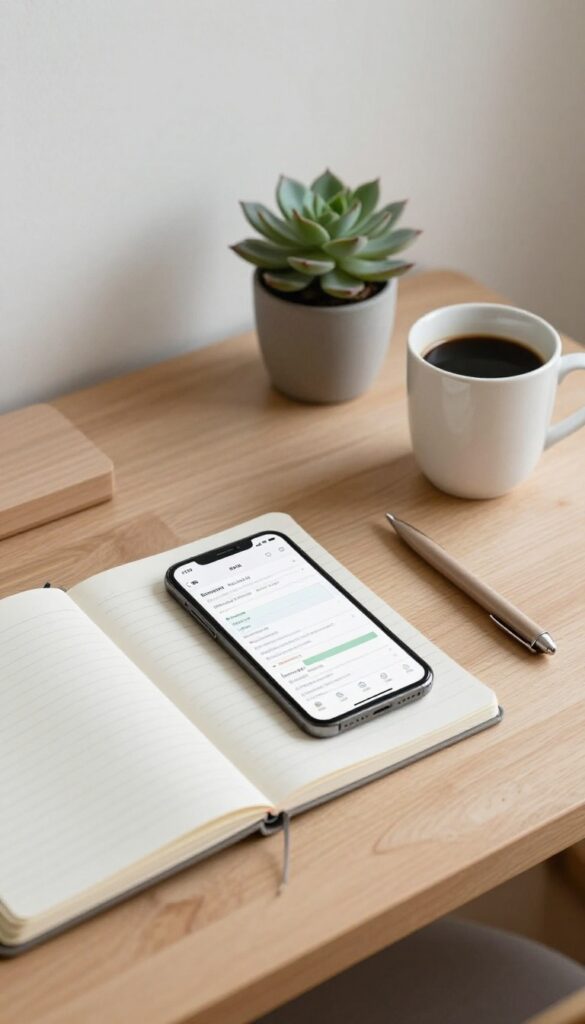
Money stress is one of the biggest drains on mental energy. A weekly financial check-in takes just 10 minutes and stops small issues from snowballing into bigger problems. It’s not about obsessing over every penny—it’s about staying aware and in control.
Pick one day each week, maybe Sunday evening or Monday morning, to review your budget and expenses. Look at what came in, what went out, and whether you’re on track with your savings goals. This simple habit keeps you aligned with your priorities and reduces the anxiety of not knowing where your money went.
Set A Recurring Reminder
Choose a time that works for you and set a recurring reminder on your phone or calendar. Consistency is more important than the exact day. Treat it like a short, non-negotiable meeting with yourself.
Use A Simple Tool
You don’t need a complex spreadsheet. A budgeting app, a notebook, or even a quick glance at your bank account works. The goal is awareness, not perfection.
Pick a method you’ll actually stick with.
Celebrate Small Wins
Did you stay under budget on groceries? Put extra into savings? Acknowledge it.
Positive reinforcement makes the habit stick and turns a chore into something you might even look forward to.
15. Learn Something New
Curiosity keeps life interesting. When you dedicate time each week to explore a new skill or hobby, you're not just filling an hour—you're feeding your brain and boosting your confidence. The goal isn't mastery; it's the joy of discovery and the sense of progress.
Set aside one hour weekly for something that sparks your curiosity. It could be cooking a new cuisine, practicing a language, or trying your hand at crafting. The key is consistency, not intensity.
Over time, this small investment adds up to real growth and a refreshing break from routine.
Pick Something That Excites You
Choose a skill you've always wanted to try but never made time for. It should feel like a treat, not a chore. Whether it's painting, coding, or learning guitar, let your interest guide you.
Use Free Or Low-cost Resources
YouTube tutorials, library books, and free apps like Duolingo or Skillshare's trial period make learning accessible. You don't need expensive classes to start.
Track Your Progress
Keep a simple journal or checklist to note what you learned each week. Seeing your improvement over time is motivating and reinforces the habit.
16. Weekly Reflection
Taking a few minutes each week to look back might sound simple, but it's one of the most powerful habits for personal growth. A weekly reflection helps you notice patterns, celebrate small wins, and course-correct before small frustrations become big ones. It turns your week into a learning loop instead of a blur of busyness.
Set aside 10–15 minutes every Sunday (or whatever day feels right) to jot down two things: what went well and what you'd like to improve. Keep it short and honest—no need to overthink. Over time, you'll spot trends that help you adjust your habits and priorities with less effort.
Keep A Simple Journal Or Notes App
You don't need a fancy system. A notebook or a notes app works perfectly. Just write a few bullet points: wins, challenges, and one thing you'll try differently next week.
Focus On Progress, Not Perfection
The goal isn't to critique yourself harshly. Celebrate the small victories—like sticking to a workout or having a calm conversation. Then gently note one area where you can improve.
Use Prompts If You Get Stuck
If you're unsure where to start, try prompts like: What made me feel energized? What drained my energy? What am I grateful for this week?
They make reflection feel natural, not like homework.
17. Monthly Digital Declutter

Your phone and laptop can become a mental junk drawer over time. Notifications pile up, apps you never use take up space, and your inbox feels like a black hole. A monthly digital declutter clears that noise so you can breathe easier.
Set aside 30 minutes at the end of each month to tidy up your digital life. Start with your inbox: unsubscribe from newsletters you never read and delete old emails that are just clutter. Then move to your phone and computer—remove apps you haven't opened in months and organize your files into clear folders.
The goal isn't perfection; it's reducing the visual and mental noise so your devices feel like tools, not sources of stress.
Unsubscribe & Archive
Go through your email and unsubscribe from at least five mailing lists you ignore. Archive or delete anything older than a month that isn't important. A leaner inbox means fewer distractions.
App Audit
Scroll through your home screen and delete apps you haven't used in the last 30 days. Move the ones you keep into folders by category. A clean home screen gives you a fresh start every month.
File & Photo Cleanup
Delete screenshots you no longer need, empty your downloads folder, and organize documents into folders. For photos, delete blurry shots and duplicates. Your future self will thank you.
18. Monthly Self-Care Date
Once a month, block out a few hours just for you. A solo date is a powerful reset—no compromises, no multitasking, just pure you-time. It's a chance to reconnect with what brings you joy, whether that's a quiet bath, a movie you've been dying to see, or a long walk in nature.
This is your permission slip to recharge fully.
The key to a successful self-care date is treating it like a real appointment. Put it on your calendar, guard it fiercely, and let yourself look forward to it. Here's how to make it count.
Pick An Activity You Genuinely Love
This isn't the time for chores or things you 'should' do. Choose something that lights you up—a hike, a paint-and-sip at home, a new coffee shop, or even a solo picnic. The goal is enjoyment, not productivity.
Set The Mood And Disconnect
Turn off notifications, leave your phone in another room, and create a cozy environment. Light a candle, put on your favorite playlist, or grab a blanket. This is your time to be fully present with yourself.
Make It A Ritual, Not A One-off
Schedule your self-care date for the same day each month—like the first Saturday. Over time, it becomes a cherished ritual you'll automatically protect. Consistency turns a nice idea into a non-negotiable habit.
19. Monthly Goal Review
Life moves fast, and it's easy to lose sight of where you're heading. A monthly goal review gives you a chance to pause, reflect on what's working, and recalibrate before another month flies by. This isn't about judging yourself for unfinished tasks—it's about staying aligned with what matters most.
Celebrate Your Wins
Start by acknowledging what you accomplished. Even small steps forward count. Did you finally start that project?
Stick to a workout routine for two weeks? Give yourself credit. Recognizing progress fuels motivation and reminds you that you're moving in the right direction.
Identify What Stalled
Next, look at the goals that didn't move forward. Was the timeline unrealistic? Did you lose interest?
Maybe the goal wasn't actually important to you. Be honest without being harsh. Understanding the why helps you decide whether to adjust the approach or let the goal go.
Set Next Month's Priorities
Based on your review, choose 1-3 key priorities for the coming month. Keep them specific and achievable. Write them down where you'll see them daily.
A focused plan beats a long list every time. This simple monthly reset keeps your energy directed where it counts.
20. Seasonal Wardrobe Refresh

Your closet can quietly become a source of stress when it's stuffed with clothes you never wear. A seasonal wardrobe refresh is a simple monthly habit that keeps your space organized and your style intentional. By rotating pieces and letting go of what no longer fits your life, you create room for what actually makes you feel good.
Set aside a couple of hours at the start of each season to go through your clothes. Try everything on and be honest about what you reach for. If something hasn't been worn since the last season change, it's probably time to donate it.
Store off-season items in clear bins or under-bed boxes to keep your closet uncluttered. This habit not only saves you time getting dressed but also helps you appreciate what you own.
The One-year Rule
A good rule of thumb: if you haven't worn an item in the past year, let it go. Exceptions exist for formal wear or sentimental pieces, but most clothes deserve to be worn. This rule keeps your collection lean and your choices easy.
Donate Or Repurpose
Bag up clothes that are in good condition and drop them at a local charity or thrift store. For worn-out items, check if your city has textile recycling. Giving clothes a second life feels good and clears mental clutter too.
Rotate And Refresh
Pull out the season's clothes and give them a quick steam or wash before hanging them up. Arrange by category (tops, bottoms, dresses) so you can see everything at a glance. This small ritual makes your closet feel new again.
FAQ
How do I start building self-care habits without feeling overwhelmed?
Pick just one habit from each category—daily, weekly, monthly—and practice them for two weeks before adding more. Consistency matters more than quantity.
Can self-care habits really improve mental health?
Yes. Small, regular actions like gratitude journaling or mindful breathing reduce stress and increase resilience over time. They're not a substitute for professional help but are powerful complements.
What if I miss a day or week of my habit?
Don't stress. Self-care is about flexibility, not perfection. Just pick up where you left off without guilt.
The goal is long-term well-being, not a streak.
How long does it take for a new habit to feel automatic?
Research suggests it takes about 21 to 66 days, depending on the habit and person. Be patient and focus on showing up most of the time.
Are these habits suitable for busy schedules?
Absolutely. Most take under 30 minutes, and many can be combined or done in short bursts. The key is to start small and adapt them to your life.
Conclusion
You don't need to adopt every habit at once. Pick one daily ritual, one weekly reset, and one monthly check-in that feel doable for you. Start small and let consistency build momentum.
Over time, these intentional pauses will reshape how you show up for yourself. The goal isn't a perfect routine—it's a life that feels more balanced, one small habit at a time.