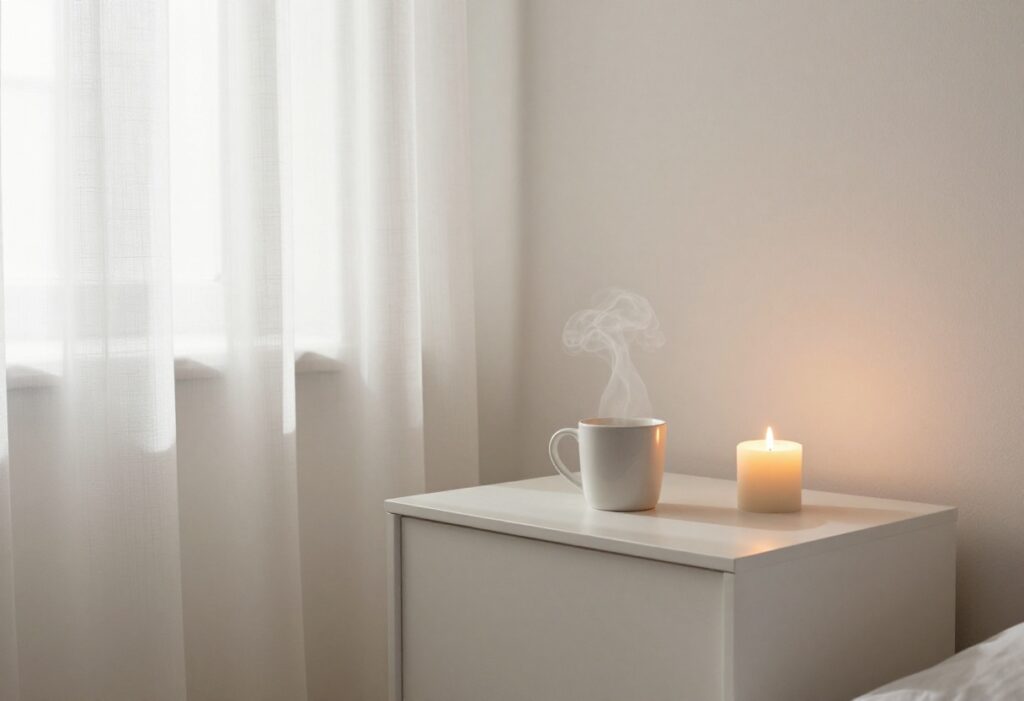
You know that feeling when you've been scrolling for hours and your brain still won't shut off? Screens are often the culprit behind restless nights and mental clutter. Cutting them out before bed can transform your evenings from chaotic to calm.
A screen-free wind down doesn't have to be boring or complicated. In fact, it can become the most anticipated part of your day. The key is finding simple, satisfying activities that help you transition from busy mode to rest mode.
Below are 17 practical ideas to replace your evening scroll with something more nourishing. Each one is designed to be easy to start, screen-free, and genuinely relaxing.
1. Write a Brain Dump in a Journal

Your mind is probably still running through tomorrow's to-do list, replaying conversations, or worrying about things you can't control right now. That mental chatter is exactly what keeps you tossing and turning. A brain dump is a simple way to hit pause on all that noise.
Grab a notebook and pen, and for five minutes, write down everything that's floating around in your head. No filters, no perfect sentences, just get it all out. This small act can make your evening feel lighter and your sleep deeper.
A brain dump isn't about journaling beautifully or reflecting deeply. It's about clearing the mental clutter so you can actually relax. Keep your notebook by your bed and make this a non-negotiable part of your wind-down routine.
Why It Works
When you write down your thoughts, you're essentially telling your brain, "I've got this handled. " Your mind stops trying to hold onto everything because it knows the information is safely stored on paper. This reduces anxiety and makes it easier to let go.
How To Start
You don't need a fancy journal or a specific method. Just open to a blank page and write whatever comes to mind. Set a timer for five minutes and don't stop until it goes off.
If you get stuck, write "I don't know what to write" until something else pops up.
Make It A Ritual
Pair your brain dump with something calming, like a cup of herbal tea or a cozy blanket. Over time, the act of picking up your pen will signal to your body that it's time to wind down. Consistency matters more than content.
2. Sip a Warm Caffeine-Free Tea
There's a reason tea has been a bedtime ritual for centuries. The simple act of brewing a cup and holding the warm mug in your hands can be incredibly grounding. It's a gentle signal to your nervous system that the day is winding down.
Choosing a caffeine-free herbal tea like chamomile, lavender, or peppermint avoids the stimulating effects of black or green tea. The warmth itself helps relax muscles and can ease tension. Make it a mindful moment: breathe in the steam, feel the heat through the ceramic, and sip slowly without distractions.
Pick Your Calming Brew
Chamomile is a classic for a reason—it contains apigenin, an antioxidant that binds to receptors in your brain to promote sleepiness. Lavender tea is floral and soothing, while peppermint is refreshing without being stimulating. Rotate between a few favorites to keep it interesting.
Make It A Mini Ritual
Boil water in a kettle (not a microwave) and let the tea steep for the recommended time. Use your favorite mug—maybe one with a comforting weight or a pretty color. Pair it with a cozy blanket or a soft lamp.
This small routine can become a cue that your body associates with relaxation.
3. Take a Gentle Stretch or Yoga Flow
After a long day, your body holds onto stress in ways you might not even notice. Tight shoulders, a stiff lower back, or clenched jaws are all signs your muscles are still in "go" mode. A few simple stretches or a short yoga sequence can help release that physical tension and signal to your nervous system that it's time to rest.
You don't need to be flexible or experienced. Even five minutes of gentle movement—like a forward fold, cat-cow, or lying twists—can make a difference. The goal isn't to work out; it's to unwind.
Pair each movement with slow, steady breaths, and you'll feel your body soften and your mind quiet down.
Loosen tight muscles with a few simple stretches or a 10-minute yoga routine. Focus on your breath and let go of the day's tension.
Start With A Few Deep Breaths
Before you move, take a moment to breathe deeply. Inhale for four counts, hold for four, exhale for four. This calms your nervous system and prepares your body for stretching.
Try A Simple Bedtime Sequence
A gentle flow like child's pose, seated forward fold, and legs-up-the-wall can release tension without requiring much space or effort. Hold each pose for several breaths, letting gravity do the work.
Use Props For Comfort
A pillow under your knees or a rolled-up blanket behind your back can make stretches more relaxing. Don't push into pain—the goal is ease, not intensity.
4. Read a Physical Book or Magazine

Nothing signals bedtime like the feel of paper between your fingers. Unlike a tablet or phone, a physical book doesn't emit blue light that tricks your brain into staying alert. The simple act of turning pages becomes a calming ritual that helps you ease into sleep mode.
Choose something light and enjoyable—this isn't the time for dense textbooks or stressful thrillers. A novel, a magazine, or even a poetry collection works well. The goal is to engage your mind just enough to distract from daily worries without overstimulating it.
Set The Scene
Create a cozy reading nook with soft, warm lighting. A bedside lamp with a dimmable bulb or a warm-toned reading light is ideal. Add a comfortable chair or pile of pillows, and maybe a light blanket.
This physical setup makes reading feel like a treat, not a chore.
Pick The Right Material
For bedtime, choose genres that are immersive but not intense. Light fiction, memoirs, humor, or beautifully photographed magazines are great options. Avoid anything that triggers anxiety or requires deep concentration.
Your brain deserves a gentle story, not a puzzle.
Make It A Habit
Commit to reading for just 15–20 minutes each night. Over time, this signals your body that it's time to wind down. Keep a stack of options on your nightstand so you always have something ready.
The consistency matters more than the page count.
5. Listen to a Calming Podcast or Audiobook
Let someone else's voice guide you into relaxation without the glare of a screen. A well-chosen podcast or audiobook can become a comforting bedtime ritual, signaling your brain that it's time to power down.
The key is picking content that's soothing, not stimulating. Avoid true crime or intense dramas. Instead, opt for sleep stories, gentle nature narratives, or low-key interview shows where the conversation flows softly.
Choose Your Audio Companion
Look for podcasts specifically designed for sleep, like "Nothing Much Happens" or "Sleep with Me. " Audiobooks with a calm narrator reading fiction or memoirs also work well. The goal is a voice that feels like a gentle presence, not a high-energy performance.
Set The Scene
Use a timer so the audio stops after 20-30 minutes. Keep the volume low and place your device across the room or in another room if you can. A Bluetooth speaker or smart speaker works great—no screen needed.
Make It A Ritual
Pair your listening with another relaxing activity, like sipping herbal tea or lying in a comfortable position. Over time, the sound will become a cue that sleep is coming.
6. Take a Warm Bath or Shower

There's a reason warm baths have been a go-to wind down for centuries. The heat relaxes your muscles while the quiet time gives your mind a break from the day's noise. Plus, the drop in body temperature after you step out naturally signals your brain it's time to sleep.
A warm bath or shower can be a simple yet powerful way to transition from the busyness of the day to a restful evening. The warmth soothes your body, and the steam helps clear your mind. Add a few simple touches to make it even more relaxing.
Enhance With Simple Additions
Epsom salts are great for muscle relaxation, while a few drops of lavender or chamomile essential oil can calm your senses. Keep it simple—no need for a full spa setup. Just a few thoughtful touches can turn a quick rinse into a mini ritual.
Set The Mood
Dim the bathroom lights or use a candle to create a soft glow. Keep the water warm but not too hot, and give yourself at least 10-15 minutes to soak. This isn't about scrubbing—it's about unwinding.
After Your Soak
When you step out, your body temperature will naturally drop, which helps trigger sleepiness. Follow up with a cozy robe and maybe some light stretching. The key is to keep the calm going, not jump right back into a busy routine.
7. Practice Deep Breathing or Meditation
Your breath is always with you, making it the most accessible tool for winding down. Spending just five minutes focusing on your breathing can shift your nervous system from fight-or-flight to rest-and-digest. It's a simple practice that fits right into your evening routine, no equipment needed.
Deep breathing and meditation are proven ways to calm the mind and prepare for sleep. They help lower cortisol levels, reduce anxiety, and create a sense of inner peace. The beauty is you can do them anywhere—in bed, on the couch, or even while sitting on the floor.
Box Breathing Basics
Start with box breathing: inhale for four counts, hold for four, exhale for four, and hold again for four. Repeat this cycle for a few minutes. It's a simple pattern that forces your mind to focus and slows down your heart rate.
Body Scan Meditation
Lie down and mentally scan your body from head to toe. Notice any tension in your shoulders, jaw, or legs, and consciously relax those areas. This practice helps release physical stress you might not even realize you're holding.
Guided Imagery
Close your eyes and imagine a peaceful scene—a quiet beach, a forest path, or a cozy cabin. Engage all your senses: feel the breeze, hear the waves, smell the pine. Guided imagery can transport your mind away from daily worries.
8. Do a Simple Craft or Puzzle
Knitting, coloring, or working on a jigsaw puzzle keeps your hands busy and your mind present. It's a low-effort way to unwind creatively. No screens, no pressure—just the satisfying rhythm of making something or solving a small piece of a bigger picture.
Crafting or puzzling is a gentle way to quiet your mind without demanding much energy. The repetitive motions and focus on a tangible task can ease anxiety and help you transition into sleep mode. Plus, you get the bonus of a finished project or a completed corner of a puzzle.
Why It Works
Activities like knitting or puzzling engage your hands and eyes in a low-stakes way. They shift your brain from high-alert scrolling to a calm, meditative state. The sense of progress—even small—can be deeply satisfying before bed.
Easy Ideas To Try
Grab a simple coloring book and a set of colored pencils. Or start a small jigsaw puzzle (300 pieces or fewer). If you knit or crochet, keep a straightforward project on hand—like a scarf or dishcloth—that doesn't require counting or complex patterns.
Keep It Accessible
Store your supplies in a basket or drawer near your favorite evening spot. That way, you don't have to hunt for them when you're ready to wind down. Choose projects that are forgiving and don't require intense concentration.
9. Write Down Three Good Things

Gratitude journaling shifts your focus to positive moments from the day. It trains your brain to notice the good and ends the day on a high note. This simple practice can rewire your mind for optimism over time.
Each evening, grab a notebook and jot down three things that went well today. They can be small—a good cup of coffee, a kind word from a friend, or a task you completed. The key is specificity: instead of "my family, " try "my daughter laughed at my joke.
" Over weeks, you'll start scanning your day for bright spots automatically.
Why It Works
Research shows that gratitude journaling boosts mood and sleep quality. By actively recalling positive events, you counter the brain's natural negativity bias. It's like a mental palate cleanser before bed.
How To Start
Keep a dedicated notebook and pen by your bed. Set a timer for five minutes. Don't overthink it—just write whatever comes to mind.
Consistency matters more than length.
Make It Your Own
Add a sentence about why each thing happened or how it made you feel. Some people include a photo or a small sketch. The goal is to make it a ritual you look forward to.
10. Prep Your Space for Tomorrow
A few minutes of evening preparation can save you from a chaotic morning. When your future self wakes up to a tidy desk and a packed bag, you'll thank last night's you. This simple habit reduces decision fatigue and helps you ease into sleep knowing tomorrow is handled.
Spend ten minutes before bed setting up for the next day. Lay out your outfit, pack your work or gym bag, and clear your desk of clutter. You might also prep your coffee maker or fill your water bottle.
The goal is to remove small obstacles so your morning flows smoothly. This practice not only lowers morning stress but also signals to your brain that it's time to wind down.
Choose Your Outfit
Pick out clothes for the next day, including accessories and shoes. This eliminates one of the biggest morning time-wasters. If you're indecisive, try a capsule wardrobe approach where most pieces coordinate.
Pack Your Bag
Gather everything you need for work, school, or errands. Laptop, charger, lunch, keys, and wallet. Place the bag by the door so you can grab it and go.
This small step prevents frantic searching and forgotten items.
Tidy Your Space
Spend five minutes clearing surfaces and putting things away. A clutter-free environment promotes a calm mind. Wipe down your desk, return books to shelves, and fluff pillows.
You'll wake up to a space that feels organized and inviting.
11. Use a Weighted Blanket for Deep Pressure
Weighted blankets have gained popularity for good reason. The gentle, even pressure they provide mimics the sensation of being held, which can trigger a calming response in your nervous system. This simple tool can help lower cortisol levels and ease you into a restful state without any effort on your part.
Adding a weighted blanket to your bedtime routine is one of the easiest ways to signal your body that it's time to unwind. The deep pressure stimulation can reduce anxiety and promote relaxation, making it especially helpful after a stressful day. No screens, no fuss—just a comforting weight that helps you settle down.
How It Works
The weight of the blanket activates pressure points that encourage your nervous system to shift from fight-or-flight mode to rest-and-digest mode. This can lower heart rate and breathing, making it easier to drift off.
Choosing The Right Weight
Aim for a blanket that's about 10% of your body weight. Too light and you won't feel the effect; too heavy and it may feel restrictive. Start with a lower weight if you're unsure.
Best Time To Use
Lay it over you during your screen-free wind down, whether you're reading, meditating, or just lying in bed. The pressure works best when you're already in a relaxed position.
12. Listen to Instrumental Music or Nature Sounds
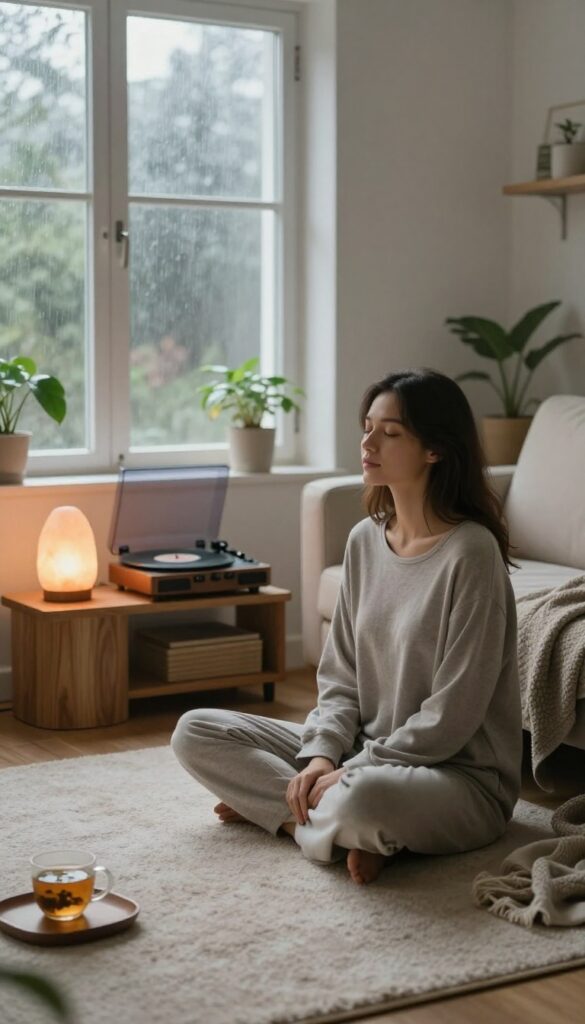
Sound has a powerful effect on your nervous system. The right audio can signal to your brain that it's time to slow down, without the blue light or mental stimulation of a screen. Instrumental music and nature sounds are perfect for this—they fill the room with calm and block out distracting noise.
Curate a playlist of piano pieces, ambient tracks, or rain sounds that last about 30 to 60 minutes. Let the music play softly in the background while you unwind. You can also try binaural beats or white noise if you prefer something more neutral.
The key is to choose sounds that feel soothing, not energizing.
Choose Your Soundscape
Think about what relaxes you most. Piano and classical guitar are great for a gentle, melodic vibe. Rain, ocean waves, or forest sounds can transport you to a peaceful place.
Experiment with different genres until you find your go-to.
Set The Mood
Dim the lights, lie down or sit comfortably, and let the music wash over you. You can pair this with deep breathing or just close your eyes and listen. The goal is to let the sound be the main focus, not a background distraction.
13. Give Yourself a Hand or Foot Massage
Your hands and feet work hard all day, but they rarely get the attention they deserve. A simple self-massage with lotion or oil can release built-up tension and bring you back into your body. It's grounding, soothing, and takes just a few minutes.
Why It Works
Our hands and feet are packed with nerve endings, making them highly sensitive to touch. Massaging them stimulates pressure receptors that calm the nervous system and lower stress hormones. It's like a mini reset for your entire body.
How To Do It
Start with a small amount of lotion or oil. For your hands, use your thumb to make slow circles on your palm, then gently pull each finger. For your feet, sit comfortably and use both hands to knead the sole, paying extra attention to the arch and heel.
Make It A Ritual
Pair your massage with a calming scent like lavender or chamomile. You can also warm the lotion by rubbing it between your palms first. This small act of self-care signals to your brain that it's time to unwind.
14. Light a Candle and Watch the Flame

Sometimes the simplest rituals are the most powerful. Lighting a single candle in a dim room and just watching the flame can quiet your mind in a way that scrolling never will. It's a form of active stillness that invites your thoughts to slow down naturally.
There's no right or wrong way to do this. Place the candle at eye level, sit comfortably, and let your gaze rest on the flame. Notice how it moves, how it changes shape, how the light dances.
If your mind wanders, gently bring your focus back to the candle. You can do this for five minutes or twenty—whatever feels right.
Why It Works
The flickering flame naturally captures your attention without demanding anything from you. It's a gentle anchor for your focus, similar to a meditation object. This simple act can lower your heart rate and signal to your nervous system that it's time to rest.
Make It A Ritual
Choose a candle with a calming scent like lavender or sandalwood to deepen the experience. Keep it in the same spot each evening so your brain associates that corner with winding down. You can even pair it with a few deep breaths before you start.
15. Do a Quick Declutter of One Small Area
A cluttered space can weigh on your mind, especially at night when you're trying to unwind. Tucking away a few stray items can instantly lighten the room and your mental load. The best part?
You don't need to tackle the whole house—just one tiny spot.
Pick a surface or drawer that's been bugging you—maybe a nightstand piled with books and charging cables, a junk drawer, or that one corner of the floor where things accumulate. Set a timer for five minutes and clear it out. Put things where they belong, toss trash, and wipe it down.
That small win can make your whole evening feel more peaceful.
Why It Works
Decluttering a small area gives you a quick sense of accomplishment. It's a low-effort way to create order without draining your energy. Plus, seeing that tidy spot before you turn off the light signals your brain that it's time to rest.
How To Get Started
Scan your room for one spot that's bothering you. It could be a nightstand, a desk corner, or a shelf. Grab a small basket or bag for items that belong elsewhere.
Work fast—don't overthink. Just clear, sort, and admire your handiwork.
Make It A Habit
Turn this into a nightly ritual. Each evening, choose a different small area to tidy. Over time, your whole room will feel more organized without a huge time commitment.
It's a gentle way to close the day and prepare for a fresh start tomorrow.
16. Write a Letter or Card to Someone
There's something special about receiving a handwritten note in the mail. In our digital world, a physical letter feels personal and thoughtful. Writing one before bed is a calming way to end the day while connecting with someone you care about.
Grab some nice stationery or a blank card and write a few lines to a friend or family member. It doesn't have to be long—just a genuine message. The act of putting pen to paper slows you down and lets you reflect on your relationship.
Plus, you'll make someone's day when they find it in their mailbox.
Keep It Simple
You don't need to write a novel. A few sentences about your day or a memory you cherish is enough. The goal is connection, not perfection.
Make It A Habit
Set aside one evening a week to write a note. Over time, you'll build a meaningful practice that strengthens your relationships and gives you a screen-free ritual to look forward to.
17. Plan a Simple Pleasure for Tomorrow

Ending the day with a little anticipation can shift your focus from what's stressing you to what's waiting to lift you up. Jotting down one small thing you're looking forward to—like a favorite coffee, a walk in the park, or a call with a friend—creates a positive anchor for the next day. It's a gentle way to close out tonight with hope instead of worry.
This practice works because anticipation boosts mood and gives your brain a positive focus. It doesn't have to be a big event—just a tiny moment of joy you can count on. Keep a small notebook by your bed and spend a minute writing it down.
That's it.
Why It Works
Anticipation triggers dopamine, the feel-good chemical, even before the event happens. By planning a simple pleasure, you're giving yourself a mini mood boost right before sleep. It also shifts your mind away from worries and onto something uplifting.
How To Choose Your Pleasure
Think small and realistic. It could be the first sip of your morning coffee, a short walk to see the sunrise, or listening to your favorite podcast during breakfast. The key is to pick something you genuinely enjoy and can easily do.
Make It A Ritual
Pair this with another wind-down step, like sipping herbal tea or doing a few stretches. Over time, the act of planning becomes a comforting signal that the day is over and tomorrow holds something good. Keep it simple and consistent.
FAQ
How long should a screen-free wind down be?
Aim for at least 30 to 60 minutes before bed. That gives your brain enough time to transition from alert to relaxed without feeling rushed.
What if I can't fall asleep without my phone?
Start small—replace just 10 minutes of phone time with one activity from the list. Gradually increase as you find what works for you.
Can I listen to music or podcasts without a screen?
Absolutely. Use a dedicated music player, a smart speaker, or set your phone to Do Not Disturb and place it face down. The key is no visual screen.
What if I have trouble staying consistent?
Pick one or two ideas that feel easy and enjoyable. Consistency comes from habits that feel good, not from forcing yourself.
Are there any screen-free activities that help with anxiety?
Yes—deep breathing, journaling, gentle stretching, and listening to calming sounds are all proven to reduce anxiety. Experiment to find your favorite.
Conclusion
A screen-free evening doesn't have to feel like a chore. It's an invitation to reconnect with yourself and end the day on your own terms. Start with just one idea from the list and see how it changes your sleep and mood.
Remember, the goal isn't perfection—it's progress. Over time, these small rituals will become a natural part of your routine, helping you wind down without a screen. Your mind and body will thank you.