You know that feeling when your brain won't stop spinning, even after you've closed your laptop? That's your cue to pause and do something just for you. Self care isn't about bubble baths and face masks—it's about intentional moments that help you reset.
These 25 activities range from five-minute resets to longer rituals. Some are quiet, some are playful, but all are designed to help you unwind without adding pressure. Pick one that fits your mood and energy level.
No guilt, no rules. Just real, practical ways to take a breath and feel a little more like yourself again.
1. Take a tech-free walk without a destination

There's something freeing about moving without a plan. No phone, no map, no destination—just you and the world around you. This simple act can quiet your mind and help you reconnect with your surroundings.
Why It Works
Without a phone, you're not distracted by notifications or the urge to document the walk. Your brain gets a real break. Aimless walking also taps into a gentle form of mindfulness—you notice the breeze, the birds, the cracks in the sidewalk.
How To Start
Step outside your front door and turn left or right—whatever feels right. Don't set a timer or a route. Walk for 10–20 minutes, then turn back.
If you feel like sitting on a bench for a while, do that. There are no rules.
What To Notice
Pay attention to small details: the color of a front door, the shape of clouds, the sound of leaves rustling. Let your mind wander as your feet do. You might be surprised what you see when you're not rushing to get somewhere.
2. Brew a cup of tea and sip it slowly
Tea can be more than a caffeine fix. When you treat it as a ritual, it becomes a gentle anchor for your mind. The key is to slow down and engage your senses.
Pick a calming herbal tea—chamomile, lavender, or peppermint work well. Boil fresh water, warm your cup, and steep the tea for the recommended time. Then sit somewhere quiet, hold the warm mug in both hands, and sip without rushing.
Notice the steam, the aroma, the way the heat travels through your palms. This is your moment to just be.
Choose Your Tea With Intention
Don't just grab any bag. Think about what your body needs. Feeling anxious?
Try chamomile or lemon balm. Need a gentle lift? Go for green tea or a citrus blend.
Let the choice be part of the self-care.
Create A Mini Ritual
Set the scene. Turn off notifications. Light a candle if you like.
Boil water in a kettle you love. Pour slowly. Watch the water change color as it steeps.
This small sequence signals to your brain: time to unwind.
Savor Every Sip
Instead of gulping, take small sips. Close your eyes for a second. Feel the warmth spread.
Let your thoughts drift but keep coming back to the taste and temperature. Even five minutes of this can reset your mood.
3. Write down three things you're grateful for
Gratitude has a way of shifting your focus from what's draining you to what's filling you. This isn't about toxic positivity—it's about training your brain to notice the good stuff, even on rough days. Taking two minutes to write down three specific things can create a small mental reset.
Grab a notebook and jot down three specific things from your day. They can be tiny—like a good cup of coffee or a kind text from a friend. The key is specificity: instead of "my family, " try "my partner made me laugh this morning.
" This practice helps you savor small moments and builds a habit of noticing joy.
Keep It Simple
You don't need a fancy journal or a long list. A sticky note, a phone note, or even a mental list works. The goal is consistency, not perfection.
Try doing it at the same time each day, like right after brushing your teeth.
Go Beyond The Obvious
Challenge yourself to find gratitude in unexpected places. Maybe you're grateful for the green light that let you cruise through traffic, or for the way your cat curled up on your lap. These small acknowledgments can brighten your perspective.
Make It A Ritual
Pair your gratitude practice with something you already do, like sipping your morning coffee or winding down in bed. Over time, it becomes a natural pause that helps you end the day on a lighter note.
4. Stretch for five minutes in the morning or evening
Your body holds stress in ways you might not notice until your neck aches or your shoulders feel like rocks. A quick stretch session can release that tension and bring your mind back to the present. You don't need a yoga mat or special clothes—just a few minutes and a willingness to breathe.
Morning stretches wake up your muscles and set a calm tone for the day. Evening stretches help you shed the day's stress and prepare for restful sleep. Either way, you're giving your body the movement it craves.
Focus On Tension Hotspots
Neck rolls, shoulder shrugs, and gentle back twists target the areas where stress collects. Hold each stretch for a few deep breaths. You'll feel the release almost immediately.
Keep It Simple And Repeatable
Pick three or four stretches you can do without thinking. The easier the routine, the more likely you'll stick with it. Consistency matters more than duration.
Pair With Deep Breathing
Inhale as you lengthen, exhale as you deepen the stretch. This combo calms your nervous system and doubles the relaxation effect. It's like a mini meditation for your body.
5. Listen to a podcast or audiobook while doing nothing else

We're so used to multitasking that sitting still can feel uncomfortable. But there's a deep calm that comes from giving your full attention to a single voice. Pick a podcast or audiobook that genuinely interests you, then lie down, close your eyes, and just listen.
No scrolling, no chores, no planning your next move. This is active rest for your mind.
Let your brain take a break from its own chatter. A soothing narrator can transport you to another world or teach you something fascinating without demanding any effort from you. The key is to do nothing else—resist the urge to check your phone or tidy up.
This is your time to simply receive.
Choose The Right Audio
Go for something with a calm, steady voice. Fiction with a slow pace, a memoir read by the author, or a podcast about a topic you love but don't need to take notes on. Avoid anything too high-energy or dense.
Set The Scene
Find a quiet spot where you won't be interrupted. Use headphones if it helps you focus. Dim the lights, get comfortable, and set a timer if you're worried about falling asleep—though drifting off is perfectly fine too.
Let Your Mind Wander
You don't need to catch every word. Part of the magic is letting your thoughts drift in and out while the story or conversation plays. This isn't a test; it's a gentle way to let your brain decompress.
6. Take a warm bath with Epsom salts
Sometimes the simplest rituals are the most effective. A warm bath is a classic for a reason—it works. The heat helps your muscles release tension, and the quiet time gives your mind a break from the constant buzz of daily life.
It's a full-body signal to slow down.
Fill the tub with warm water, not too hot. Add a cup or two of Epsom salts or drop in a bath bomb. Soak for at least 20 minutes.
Let the warmth sink in. You can light a candle or play soft music if you like, but even silence works. The goal is to let your body unwind without distractions.
Why Epsom Salts Work
Epsom salts contain magnesium sulfate, which is absorbed through the skin. Magnesium helps relax muscles and reduce inflammation. The warm water also boosts circulation, helping your body release physical stress.
It's a simple, science-backed way to ease tension.
Make It A Mini Ritual
Set the mood with dim lighting and a comfortable towel nearby. You can add a few drops of lavender essential oil for extra calm. Keep your phone out of reach.
This is your time to disconnect and just be. Even 15 minutes can reset your nervous system.
When To Skip The Bath
If you have high blood pressure, are pregnant, or have sensitive skin, check with your doctor first. Very hot water can sometimes do more harm than good. A warm foot soak is a good alternative if a full bath isn't right for you.
7. Color in an adult coloring book
Coloring isn't just for kids. Adult coloring books have exploded in popularity for good reason—they offer a simple, screen-free way to focus your mind. The repetitive motion of filling in intricate patterns can quiet mental chatter and lower stress levels in just a few minutes.
Grab a coloring book with detailed designs—think mandalas, nature scenes, or abstract patterns. Set a timer for 15 minutes and let yourself get lost in the shapes. You don't need to be artistic; the goal is relaxation, not perfection.
Why It Works
Coloring engages both hemispheres of your brain, promoting focus and mindfulness. The rhythmic motion triggers a calming response similar to meditation. It's a low-effort way to break the cycle of overthinking.
Getting Started
Pick a book with patterns that appeal to you—intricate or simple, it's your choice. Use colored pencils, markers, or gel pens. No rules here: you can stay inside the lines or go rogue.
Just enjoy the process.
Make It A Ritual
Set aside a regular time, like after work or before bed. Pair it with calming music or a cup of tea. Over time, this small habit can become a reliable way to unwind.
8. Cook a simple, comforting meal from scratch
There's something almost meditative about making a meal with your own hands. When you're feeling scattered, the rhythm of chopping, stirring, and tasting can bring you back to center. Plus, you end up with something delicious to enjoy.
Pick a recipe that's straightforward and forgiving—pasta with garlic and olive oil, a simple omelette, or even just perfectly toasted bread with avocado. The goal isn't to impress anyone; it's to engage your senses and create something nourishing.
Why It Works
Cooking forces you to focus on the present moment. You can't chop an onion while worrying about tomorrow's meeting. The tactile feedback—the sizzle of garlic in oil, the aroma of fresh herbs—grounds you in a way that scrolling on your phone never will.
Keep It Low-pressure
This isn't the time to attempt a complicated soufflé. Stick to recipes with five ingredients or fewer. If you mess up, it's okay—you still learned something.
The act itself is the self care, not the final dish.
Make It A Ritual
Set the mood with some music or a podcast. Pour yourself a glass of water or tea. Light a candle if that's your thing.
The more you treat this as a dedicated unwind session, the more you'll look forward to it.
9. Do a guided meditation using an app
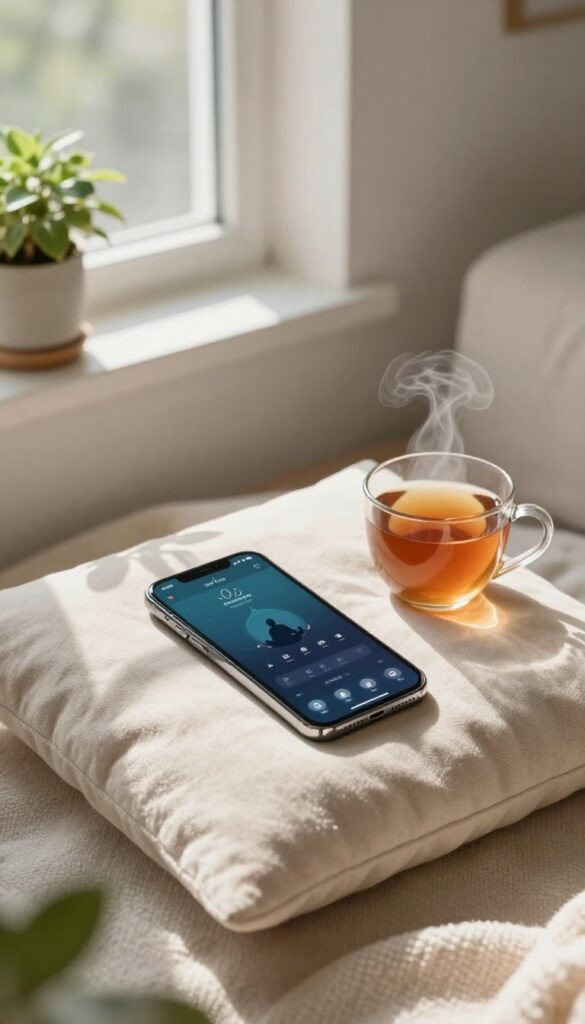
Meditation can feel intimidating if you've never tried it, but guided sessions make it incredibly easy. Apps like Calm and Headspace offer short, structured meditations that walk you through every breath and visualization. You don't need any experience—just a few quiet minutes and your phone.
Start With Just 5 Minutes
You don't need to clear your schedule. Most apps have 5-minute sessions perfect for a quick reset. Set a timer, get comfortable, and let the instructor's voice guide you through breathing exercises.
Even a short session can lower your heart rate and quiet racing thoughts.
Choose A Theme That Fits Your Mood
Feeling anxious? Try a session on stress relief. Struggling to sleep?
Pick a sleep story or body scan. Many apps have themed libraries for focus, gratitude, or calming your mind. You can match the practice to how you're feeling in the moment.
Make It A Daily Habit
Consistency matters more than length. Doing a short meditation every day builds a calming routine. You can set reminders in the app or pair it with your morning coffee.
Over time, you'll notice it gets easier to relax and stay present.
10. Declutter one small area of your home
Clutter has a sneaky way of cluttering your mind too. You don't need to tackle the whole house—just one tiny spot can make a difference. A cleared surface often leads to a clearer head, and the whole process takes less than 15 minutes.
Choose a drawer, a shelf, or even just your nightstand. Set a timer for 10 minutes and remove everything that doesn't belong. Wipe it down, put back only what you need, and toss the rest.
That small win can shift your whole mood.
Start With A High-traffic Spot
Pick somewhere you look at every day: your desk corner, kitchen counter, or entryway table. Tidying a visible area gives you an instant sense of control and calm every time you pass by.
Use The One-minute Rule
If an item takes less than a minute to put away, do it right now. That stray pen, the mail pile, a single coffee mug. Small actions add up fast and keep the space feeling light.
Make It A Sensory Reset
After decluttering, add something pleasant: a small plant, a candle, or a pretty tray. The visual calm plus a nice scent or texture turns a chore into a mini self-care ritual.
11. Read a chapter of a fiction book
Getting lost in a story is one of the easiest ways to quiet your own thoughts. Fiction gives your brain a break from real-world worries by letting you step into someone else's life for a while. Just 15–20 minutes is enough to reset your mood and lower stress.
Why Fiction Works
Reading fiction activates your imagination and empathy, shifting focus away from your own to-do list. It's a form of active relaxation that engages your mind without draining it.
How To Make It A Habit
Keep a book on your nightstand or in your bag. Set a timer for 15 minutes if you tend to get distracted. Even one chapter a day can become a calming ritual.
What To Read
Pick something light and engaging—thrillers, romance, or fantasy work well for escaping. Avoid dense or heavy topics that might feel like work.
12. Practice deep breathing for two minutes
You don't need a meditation cushion or a silent room to reset your nervous system. Two minutes of intentional breathing can shift your body from fight-or-flight to rest-and-digest mode. It's one of the fastest ways to calm down when you're feeling overwhelmed.
Deep breathing is a portable, zero-cost tool you can use anywhere—at your desk, in the car, or before a stressful conversation. The key is to make your exhale longer than your inhale, which signals your brain to relax.
The 4-4-6 Method
Inhale through your nose for four counts. Hold your breath for four counts. Then exhale slowly through your mouth for six counts.
Repeat this cycle four to five times. You'll notice your heart rate slow and your shoulders drop almost immediately.
Why It Works
Longer exhales activate the vagus nerve, which controls your parasympathetic nervous system. This lowers cortisol, reduces blood pressure, and tells your body it's safe to relax. No special skills required—just your breath.
Make It A Habit
Set a timer on your phone for two minutes, or pair this practice with something you already do, like waiting for your coffee to brew or sitting at a red light. Consistency matters more than duration.
13. Spend time with a pet (yours or a friend's)

Animals have a way of grounding us without saying a word. Petting a dog, cuddling a cat, or even watching fish swim can lower cortisol and boost oxytocin, the bonding hormone. It's a simple, joyful reset that doesn't require any special skills.
Whether you own a pet or borrow one from a friend, the benefits are real. The rhythmic motion of stroking fur, the warmth of a purring cat on your lap, or the gentle antics of a playful pup can pull you out of your head and into the present moment. No judgment, no expectations—just connection.
The Science Of Snuggles
When you interact with a pet, your brain releases oxytocin, which reduces stress and promotes feelings of trust and bonding. At the same time, cortisol levels drop, helping you feel calmer. Even a few minutes of petting can lower blood pressure and heart rate.
Make It A Ritual
Set aside dedicated pet time each day—maybe a morning cuddle session or an evening walk. Use this time to focus solely on your pet, leaving your phone behind. Notice the texture of their fur, the rhythm of their breathing, and the simple joy of being together.
No Pet? No Problem
Offer to walk a neighbor's dog, volunteer at a local shelter, or visit a cat café. Even watching fish in an aquarium or birds at a feeder can have a calming effect. The key is to be present and let the animal's natural rhythms soothe yours.
14. Write a stream-of-consciousness journal entry
Sometimes the fastest way to calm a racing mind is to let it run wild on paper. Stream-of-consciousness writing isn't about crafting perfect sentences—it's about releasing whatever is bouncing around in your head without judgment. Set a timer for five minutes and just write.
No stopping, no editing, no worrying about spelling or grammar.
This practice works because it gives your brain permission to offload. When you externalize your thoughts, they lose their power to loop endlessly. You might uncover worries you didn't realize you were carrying, or you might end up with a page of random words.
Either way, you've cleared mental space.
How To Start
Grab any notebook or scrap paper and a pen. Set a timer for five minutes. Write the first thing that comes to mind, even if it's "I don't know what to write.
" Keep your hand moving until the timer goes off. No crossing out, no backspacing—just flow.
What To Do With What You Wrote
You don't have to reread it or analyze it. Many people tear out the page and throw it away as a symbolic release. Others keep the notebook as a private space to vent.
Do whatever feels right for you.
When To Try This
This works especially well when you feel overwhelmed, anxious, or stuck in a thought loop. It's also great right before bed to quiet your mind. If five minutes feels too long, start with two.
The goal is consistency, not duration.
15. Do a face mask or skincare routine
Sometimes the most relaxing thing you can do is give your skin a little extra love. A dedicated skincare routine isn't just about looking good—it's a sensory ritual that forces you to slow down. The cool feel of a sheet mask, the gentle massage of applying serum, and the quiet moment of letting it all soak in can be surprisingly calming.
Create A Mini Spa At Home
Set the mood by dimming the lights, lighting a candle, and putting on some soft music. Choose a mask that matches your skin's needs—hydrating, soothing, or brightening. Apply it slowly, taking time to smooth it over your face and neck.
Then lie down for 10–15 minutes and just breathe. No phone, no TV, just you and the sensation of the mask working.
Make It A Multi-step Ritual
If you have a few more minutes, turn your routine into a full pampering session. Start with a gentle cleanser, then apply a toner, a serum, and finally a moisturizer. The repetitive motions of patting and massaging your face can be meditative.
Focus on the texture and scent of each product. This isn't about fixing skin issues—it's about giving yourself permission to be still.
Use What You Already Have
You don't need fancy products to enjoy this self-care activity. Even a simple washcloth soaked in warm water placed over your face for a few minutes can feel incredibly soothing. Or mix a bit of honey and yogurt for a DIY mask.
The point is the act of caring for your skin, not the products themselves.
16. Listen to your favorite album from start to finish
Remember when listening to music meant more than shuffling playlists? Pick an album you love—one you haven't heard in a while or one that always hits right—and commit to the full journey. No skipping, no multitasking, just you and the music.
Put on headphones and listen to an album you love without skipping tracks. Let the music wash over you and evoke memories or emotions. This intentional listening can be surprisingly meditative, giving your brain a break from constant decision-making.
Choose The Right Album
Pick something that matches your mood or the vibe you want to create. It could be a nostalgic favorite, a calming instrumental, or an upbeat record that makes you want to dance. The key is to choose an album you genuinely enjoy, not one you feel you should listen to.
Create A Listening Space
Find a comfortable spot where you won't be interrupted. Dim the lights, grab a cozy blanket, and maybe make a cup of tea. If you can, use good headphones or speakers to fully appreciate the sound quality.
Let Yourself Feel
As the music plays, allow your mind to wander. Notice any memories, emotions, or physical reactions that come up. Don't judge them—just observe.
This is your time to connect with the music and yourself without any agenda.
17. Take a nap (no longer than 20 minutes)

Napping gets a bad rap, but a short power nap can be a game-changer when your energy dips. The key is keeping it brief—20 minutes max—so you wake up refreshed, not groggy. Set an alarm, find a dark, quiet spot, and let your brain take a mini-vacation.
Why 20 Minutes?
Longer naps can leave you feeling worse because you drift into deep sleep. A 20-minute nap keeps you in light sleep, which boosts alertness and mood without messing with your nighttime sleep. It's like a reset button for your brain.
Set The Scene
Dim the lights, close the curtains, or use an eye mask. A quiet environment helps you fall asleep faster. If noise is an issue, try earplugs or a white noise app.
The goal is to make it easy to drift off quickly.
Timing Matters
Aim for early afternoon, between 1 and 3 PM. Napping too late can interfere with your bedtime. If you're sensitive to caffeine, consider a "coffee nap"—drink a cup right before you lie down, and the caffeine kicks in as you wake up.
18. Do a puzzle (jigsaw, crossword, or sudoku)
Puzzles are a fantastic way to give your brain a focused task that pushes out the noise. Spending 15–20 minutes on a jigsaw, crossword, or sudoku can quiet a racing mind and leave you with a small sense of accomplishment. It's like a mental palate cleanser.
Puzzles require just enough concentration to pull you away from worries, but not so much that they feel like work. The satisfaction of finding the right piece or solving a clue is a nice bonus.
Why Puzzles Work For Unwinding
Puzzles engage your brain in a low-stakes way. They demand focus without pressure, which naturally lowers stress. The repetitive motion of sorting pieces or filling in grids can be meditative.
Which Puzzle To Choose
Go with a jigsaw if you want a visual break, a crossword for wordplay, or sudoku for logic. Pick one that matches your mood—don't force a hard sudoku if you're already tired.
Make It A Ritual
Keep a puzzle on a tray or a dedicated spot so you can return to it easily. Pair it with a cup of tea or soft music to create a cozy unwind moment.
19. Water your plants or tend to a small garden
Plants don't judge, they don't talk back, and they quietly reward your attention with new growth. Spending a few minutes with your leafy friends can be surprisingly grounding. Whether you have a windowsill herb garden or a single pothos, tending to plants shifts your focus outward and slows your breathing.
Caring for plants is a gentle reminder that growth takes time and consistency. It's a low-stakes responsibility that feels good without being overwhelming. Plus, the simple act of touching soil or misting leaves can lower cortisol levels and boost your mood.
Start With A Quick Check-in
Walk around your space and look at each plant. Feel the soil, check for dry leaves, and turn pots for even light. This takes just a few minutes but builds a mindful routine.
Make It A Sensory Moment
Run your fingers through the soil, smell the damp earth, and notice the different textures of leaves. Engaging your senses pulls you into the present moment.
Small Garden Tasks Count Too
If you have outdoor space, spend five minutes pulling weeds, deadheading flowers, or simply watering. Even a tiny balcony garden can become a peaceful escape.
20. Dance to three songs in your living room
Sometimes your body just needs to move, even if your brain is still stuck in work mode. Dancing is one of the most underrated ways to reset your mood and release tension. No skill required—just press play and let your body do what feels good.
Put on upbeat music and move freely for 10 minutes. Dancing releases endorphins and is a fun way to shake off stress. It's a quick, joyful break that gets your heart pumping and your mind off your to-do list.
Why It Works
Dancing boosts your mood by releasing feel-good chemicals like endorphins and dopamine. It also lowers cortisol, the stress hormone, helping you feel calmer afterward. Plus, it's hard to stay anxious when you're moving to a beat.
How To Do It
Pick three songs that make you want to move—anything from pop to rock to old classics. Clear a small space, close the curtains if you feel shy, and just go for it. No choreography, no judgment.
Jump, spin, wave your arms—whatever feels natural.
Make It A Ritual
Try this after a long day or whenever you feel stuck. You can even create a playlist called "Reset" with your go-to dance tracks. Over time, it becomes a signal to your brain that it's time to let go and have fun.
21. Call or video chat a close friend or family member

Sometimes the best self care is a real conversation with someone who gets you. When life feels heavy, reaching out to a trusted person can lighten the load faster than any solo activity. A genuine chat reminds you that you're not alone in whatever you're feeling.
Pick up the phone or start a video call with someone who makes you feel safe and heard. It doesn't have to be a deep conversation—sometimes just hearing a familiar voice or laughing together is enough. Let the conversation flow naturally, without forcing a topic.
The goal is connection, not problem-solving. Even a short 10-minute call can shift your mood and help you feel more grounded.
Who To Call
Think of the people in your life who lift you up, not drain you. That could be a childhood friend, a sibling, a parent, or a cousin you haven't talked to in a while. Choose someone who listens without judgment and makes you feel understood.
Make It A Ritual
If you know a call always leaves you feeling better, turn it into a regular thing. A weekly phone date or a quick video chat during a lunch break can become a reliable anchor in your week. No pressure to talk for hours—just a consistent touchpoint.
Keep It Low Pressure
You don't need a reason to call. A simple "I just wanted to hear your voice" is enough. If you're not up for talking, a shared silence or just knowing they're there can be comforting.
Let the call be whatever you need it to be.
22. Light a candle and watch the flame
There's something hypnotic about a single flame dancing in the dark. It pulls your attention away from racing thoughts and anchors you in the present moment. This isn't about fancy meditation apps—just you, a candle, and a few quiet minutes.
Sit in a dim room with a lit candle placed at eye level. Let your gaze rest on the flame without trying to control your thoughts. Notice how it flickers, sways, and changes color.
If your mind wanders, gently bring it back to the light. Even two or three minutes can feel like a mini reset.
Why It Works
Staring at a flame triggers a relaxation response. It's a form of soft fascination—your brain can rest while still being gently engaged. The warm glow also signals safety, which helps lower stress hormones.
Make It A Ritual
Pick a specific candle you only use for this practice. Light it at the same time each evening, maybe after dinner or before bed. Pair it with a few deep breaths to deepen the calming effect.
Safety First
Always place the candle on a stable, heat-resistant surface away from curtains or papers. Never leave it unattended. A battery-operated LED candle works just as well if you prefer zero risk.
23. Do a digital detox for one hour
Your phone is a portal to endless demands, notifications, and comparisons. Even when you're trying to relax, it's buzzing with emails, alerts, and doom-scrolling. That constant connection keeps your brain in a low-level state of alert, making true rest almost impossible.
A one-hour digital detox is a simple, powerful reset. Turn off notifications, put your phone in another room, and commit to sixty minutes without screens. Use that time to read a few chapters of a book, do some gentle stretching, or just sit quietly and let your thoughts settle.
You'll be surprised how much calmer you feel after just one hour of uninterrupted quiet.
Set Your Boundaries
Before you start, tell someone you'll be offline for an hour, or set an auto-reply if needed. Put your phone on Do Not Disturb and physically move it out of sight—out of the room if possible. Remove the temptation to check by creating a small barrier.
Choose Your Screen-free Activity
Pick something that feels good but doesn't involve a screen. A paperback book, a crossword puzzle, a sketchbook, or a simple stretching routine all work well. The goal isn't productivity—it's presence.
Let yourself get absorbed in the activity without checking the time.
Notice The Difference
After the hour, take a moment to notice how you feel. Your mind might be quieter, your shoulders less tense, your breathing deeper. That's the reset your nervous system needed.
Try making this a regular practice—even once a week can help break the cycle of constant connectivity.
24. Create a playlist of songs that make you feel calm
Music has a direct line to your mood. A few carefully chosen tracks can shift your nervous system from fight-or-flight to rest-and-digest in minutes. Curating your own calm playlist is like building a personal reset button you can press anytime.
Start by thinking about what sounds actually relax you. Maybe it's acoustic guitar, soft piano, or ambient nature recordings. Don't just grab a generic "relaxation" playlist—pick songs that have genuinely helped you unwind before.
Save them in a dedicated folder so you can pull them up without scrolling.
Pick Your Vibe
Not all calm music sounds the same. Some people love lo-fi beats, others prefer classical or gentle folk. Experiment with different genres until you find what makes your shoulders drop.
Instrumental tracks often work best because lyrics can distract your brain.
Keep It Accessible
Your playlist should be easy to reach. Save it to your phone's home screen or use a streaming service's offline mode so you can listen even without Wi-Fi. That way, when stress hits, you're only a tap away from relief.
Update It Regularly
Your tastes change, and so should your playlist. Every few months, swap out songs that no longer resonate and add new discoveries. A living playlist stays fresh and keeps working for you.
25. Say 'no' to one thing without explaining yourself

Declining an invitation or request can feel uncomfortable, but it's one of the most freeing self care moves you can make. You don't owe anyone a detailed excuse—your "no" is complete on its own. Protecting your time and energy is a powerful act of self respect, not rudeness.
Start small: pick one low-stakes request you'd normally accept out of obligation. Maybe it's a coffee catch-up you're not excited about or a favor that drains you. Politely say no and stop there.
No elaborate backstory, no apology spiral. Notice how light you feel afterward. That's the reward.
Why No Explanation Is Enough
When you over-explain, you invite negotiation. A simple "I can't make it, but thanks! " or "That doesn't work for me right now" is clear and kind.
Your time is yours to allocate. You're not being selfish—you're being honest about your capacity.
How To Handle Guilt
Guilt might pop up, especially if you're used to people-pleasing. Remind yourself that saying no to one thing means saying yes to your own well-being. The guilt fades faster than the resentment of overcommitting.
Practice makes it easier.
Real-life Examples
A friend asks you to help move on Saturday. You're exhausted. Say: "I can't this weekend, but I hope it goes smoothly!
" A coworker wants you to take on extra work. Say: "I'm at capacity right now, so I'll have to pass. " No further details needed.
FAQ
How long should a self care activity last?
It depends on your schedule and needs. Some activities take just 2–5 minutes, while others can be 20–30 minutes. The key is consistency, not duration.
Can self care be done every day?
Absolutely. Even small daily acts like deep breathing or a short walk count. The goal is to make self care a regular habit, not a once-in-a-while treat.
What if I don't have time for self care?
Start with micro-moments—1–5 minutes. You can stretch while waiting for coffee, listen to a song, or do a quick breathing exercise. Small breaks add up.
Is self care selfish?
No. Taking care of yourself helps you show up better for others. It's like putting on your own oxygen mask first—you can't pour from an empty cup.
What if I feel guilty taking time for myself?
That's common. Remind yourself that rest is productive. Start with short activities and notice how they improve your mood and energy.
Guilt often fades with practice.
Conclusion
True self-care doesn't require a full spa day or hours of free time. It's about choosing one small moment that helps you reset—whether that's five minutes of deep breathing or reading a chapter of a novel. The best routine is the one you'll actually enjoy and stick with.
Pick two or three ideas from this list that genuinely appeal to you, not the ones you feel you should do.
Let go of any guilt about taking time for yourself. You deserve to unwind without having to earn it. Start tonight with something simple and see how much better you feel.