Kids today face more pressure than ever—from school, social dynamics, and even overscheduled days. But self-care isn't just for adults. When children learn to check in with themselves early, they build emotional strength that lasts a lifetime.
The trick is making it feel like play, not a chore. These 15 self-care activities are designed to be simple, enjoyable, and easy to weave into everyday routines.
From breathing exercises to creative outlets, each idea helps kids reset, recharge, and grow. No complicated plans or expensive supplies needed—just a little intention and a lot of heart.
1. Mindful Breathing with a Pinwheel
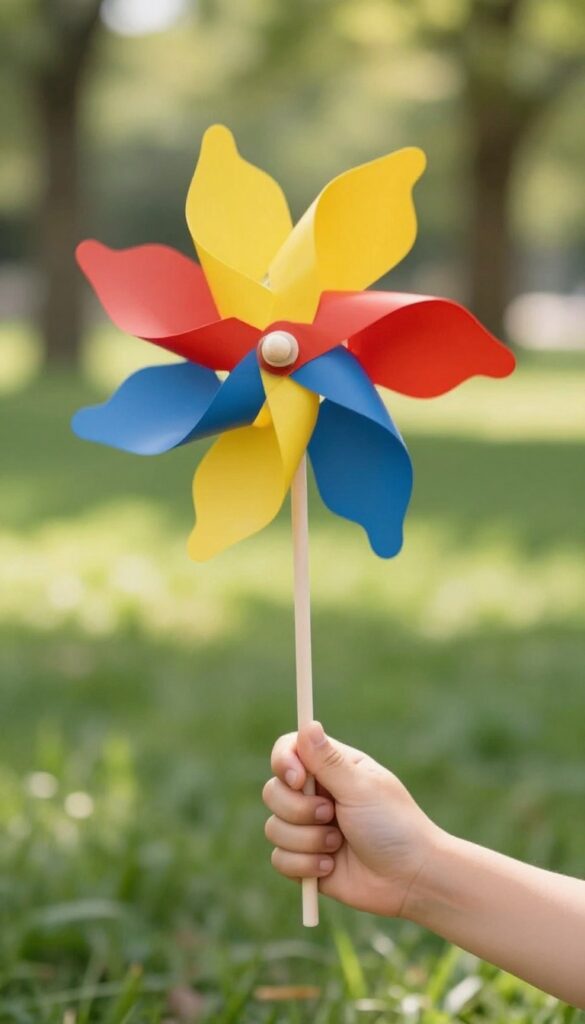
Teaching kids deep breathing doesn't have to be boring. A simple pinwheel turns it into a game they'll want to play. This activity helps children slow down and focus on their breath, which calms their nervous system and builds emotional awareness.
Hand your child a pinwheel and ask them to take a slow, deep breath in, making the pinwheel spin gently. Then have them exhale slowly to stop it. Repeat a few times, encouraging them to notice how their body feels.
This visual feedback makes abstract concepts like "deep breathing" concrete and fun.
Why It Works
Kids are visual and tactile learners. The spinning pinwheel gives immediate feedback, so they can see the effect of their breath. It also turns a mindfulness exercise into a playful challenge, reducing resistance.
Tips For Success
Let your child pick their favorite pinwheel color or design. Practice together during calm moments, not just when they're upset. You can even make it a game: who can make the pinwheel spin the longest?
When To Use It
This works great as a morning reset, before homework, or anytime your child feels overwhelmed. It's also a handy tool for transitions, like moving from playtime to dinner.
2. Create a Calm-Down Jar
Kids get overwhelmed just like adults do. A calm-down jar gives them a simple, visual way to slow down and breathe. It's a hands-on tool that turns a big emotion into something they can watch settle.
Making a calm-down jar is easy and fun. You'll need a clear jar, warm water, clear glue or glitter glue, and fine glitter or sparkles. Fill the jar almost full with warm water, add a few tablespoons of glue, and sprinkle in glitter.
Shake well. When your child feels upset, they shake the jar and watch the glitter slowly drift down. That quiet moment helps their mind settle too.
Why It Works
The glitter represents all those swirling feelings. As it falls, kids learn that emotions settle with time. It's a calming ritual that teaches patience and self-regulation without words.
Make It Personal
Let your child choose their own glitter colors. Maybe blue for calm, red for energy, or rainbow for happy. Adding a small charm or a drop of food coloring makes it feel special and theirs.
When To Use It
Keep the jar in a quiet corner or their bedroom. Use it before homework, after a disagreement, or anytime they need a pause. It's not a punishment—it's a tool they choose.
3. Gratitude Rock Collection
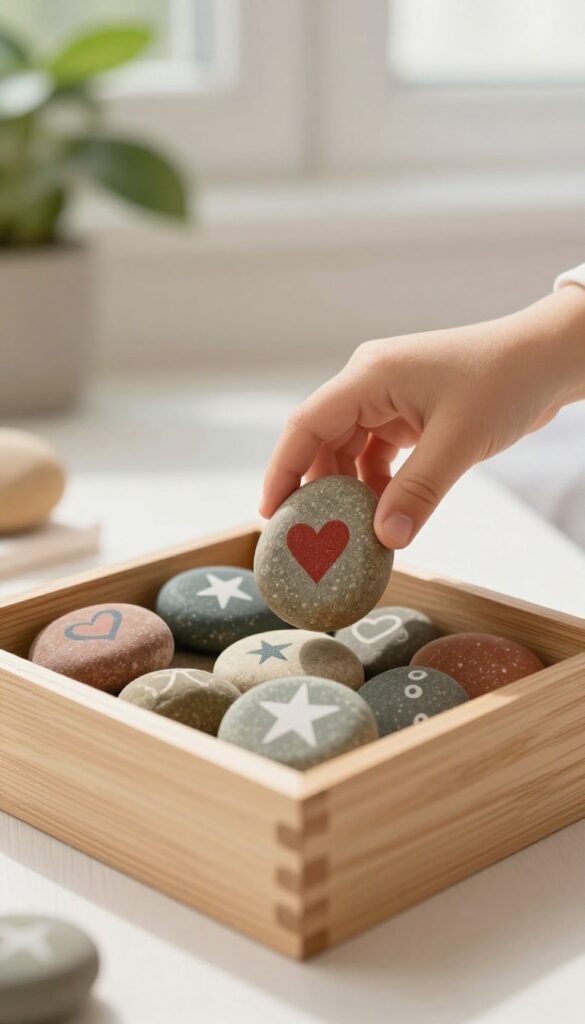
Gratitude is a muscle kids can strengthen with a simple daily ritual. A gratitude rock collection turns abstract thankfulness into something they can see and touch. Each smooth stone becomes a tiny anchor for a positive moment, making the practice feel like a treasure hunt rather than a lesson.
Start by gathering a few smooth rocks—river stones work great, but any clean pebble will do. Let your child decorate a small box or pouch to keep them in. Each day, they pick one rock and say one thing they're grateful for.
Over time, the collection grows into a visual reminder of all the good stuff in their life.
How To Start
Find 5–10 smooth rocks from a craft store, garden, or beach. Wash and dry them. Give your child paint pens or small stickers to personalize each rock with a word, symbol, or color that represents their gratitude.
Keep the rocks in a special jar or box in their room.
Daily Ritual Ideas
Make it part of a bedtime or morning routine. Ask: "What's one good thing that happened today? " Your child picks a rock and shares.
For younger kids, keep it simple—"I'm grateful for my dog. " For older kids, encourage more detail: "I'm grateful my friend helped me with homework. "
Gratitude Rock Display
Arrange the rocks in a visible spot—on a windowsill, nightstand, or shelf. As the collection grows, it becomes a colorful gallery of happy memories. Your child can also give a gratitude rock to someone else as a thoughtful gift, spreading the habit beyond themselves.
4. Yoga Animal Poses
Yoga might sound like something only adults do, but kids love it when you turn poses into a game. By pretending to be animals, children naturally stretch their bodies and learn to focus their minds. It’s a playful way to release wiggles and find a moment of calm.
Downward Dog To Cat-cow
Start on hands and knees. For downward dog, push hips up and back, making an upside-down V. Then lower into cat-cow by arching the spine up like a scared cat, then dropping the belly like a happy cow.
This combo loosens the back and strengthens arms.
Tree Pose Balance
Stand tall, then place one foot on the opposite ankle or calf (not the knee). Bring hands together at the chest or reach them up like branches. Pretend to be a tree swaying in the wind.
It builds balance and concentration.
Make It A Story
String poses together into an animal adventure: “Wake up like a cat, stretch like a dog, stand tall like a tree, then roar like a lion. ” Adding sound effects makes it even more fun. Kids will ask to do it again.
5. Feelings Check-In Chart
Emotions can be confusing for kids. A simple feelings check-in chart turns abstract emotions into something they can see and name. This daily habit builds emotional vocabulary and helps children understand that all feelings are okay.
Create a chart with emoji faces representing different emotions—happy, sad, angry, scared, surprised, and calm. Each day, your child points to how they're feeling and shares one sentence about it. Over time, this practice normalizes talking about emotions and strengthens their ability to self-regulate.
Make It Visual
Use bright colors and clear emojis. Laminate the chart or use a whiteboard so kids can mark their feelings with a dry-erase marker. Place it somewhere they see every day, like near the breakfast table or by their bed.
Keep It Brief
The check-in should take less than two minutes. Ask, "How are you feeling today? " and let them point.
If they want to talk more, great—but don't force it. The goal is consistency, not lengthy conversations.
Model It Yourself
Do your own check-in alongside your child. Say, "I'm feeling a little tired today, so I'm pointing to the sleepy emoji. " This shows them that everyone has feelings and it's normal to express them.
6. Sensory Play with Rice or Sand
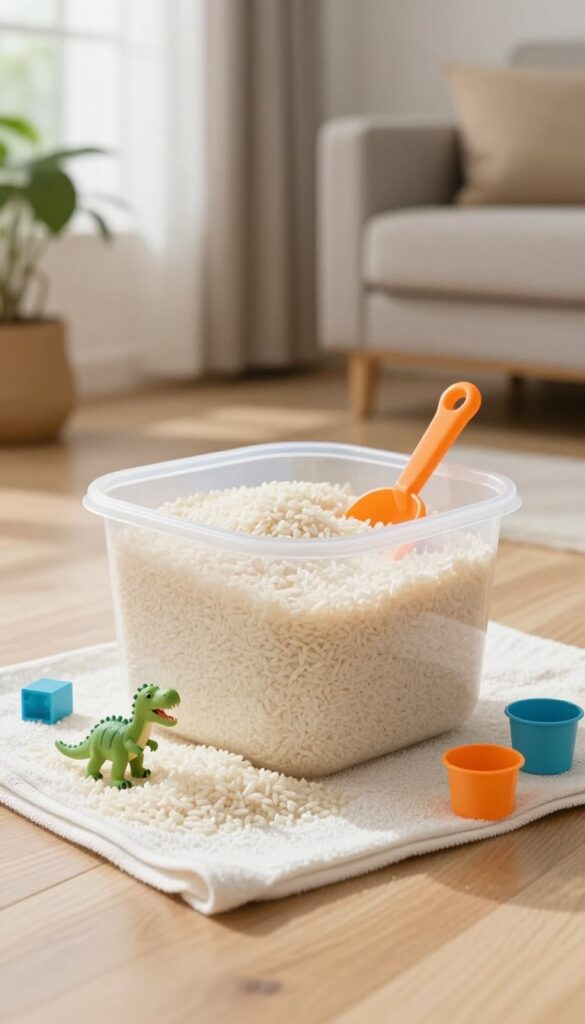
Sometimes the simplest activities are the most calming. A bin filled with rice, sand, or beans gives kids a chance to slow down and focus on touch and movement. Scooping, pouring, and burying small toys can be surprisingly soothing—like a mini escape from a busy day.
This kind of play also strengthens fine motor skills and encourages independent, quiet time.
Setting Up A Sensory Bin
You don't need anything fancy. Grab a shallow plastic bin or a cardboard box and fill it with dry rice, colored sand, or uncooked beans. Add scoops, cups, spoons, and a few small toys like plastic animals or blocks.
Keep it simple—kids often enjoy the basic motions of pouring and sifting the most.
Benefits Beyond Fun
Sensory play helps children regulate their emotions by giving their hands and minds something repetitive to do. It can lower stress, improve concentration, and even help with self-soothing. Many kids find it easier to talk about their feelings while their hands are busy with the sensory bin.
Easy Cleanup Tips
Lay a towel or old sheet under the bin to catch spills. For rice or sand, use a dustpan and brush for quick cleanup. Store the sealed bin in a closet or under a bed so it's ready whenever your child needs a calming break.
7. Nature Scavenger Hunt
A nature scavenger hunt turns a simple walk into an adventure. Kids love searching for hidden treasures, and the fresh air and movement do wonders for their mood. This activity encourages observation, curiosity, and a sense of discovery—all while helping them unwind.
Create a list of items to find outside—a smooth leaf, a yellow flower, a funny-shaped stick. Being in nature reduces stress and boosts mood. You can make it a solo mission or a team challenge with siblings or friends.
The goal isn't to rush but to notice the little details in the world around them.
How To Set It Up
Grab a paper bag or a small basket and a simple checklist. Include items like "something bumpy, " "a feather, " or "a rock that sparkles. " Tailor the list to your surroundings—backyard, park, or trail.
Keep it short enough to finish in 20–30 minutes so it stays fun.
Why It Works
Searching for specific objects shifts focus away from worries and into the present moment. The physical activity releases endorphins, and being in green spaces lowers cortisol levels. Plus, the sense of accomplishment when checking off each item builds confidence.
Make It Their Own
Let kids help create the scavenger list. They might add "a heart-shaped rock" or "something that smells good. " You can also turn it into a photo scavenger hunt using a phone camera.
This gives them ownership and makes the activity feel personal and exciting.
8. Positive Affirmation Cards
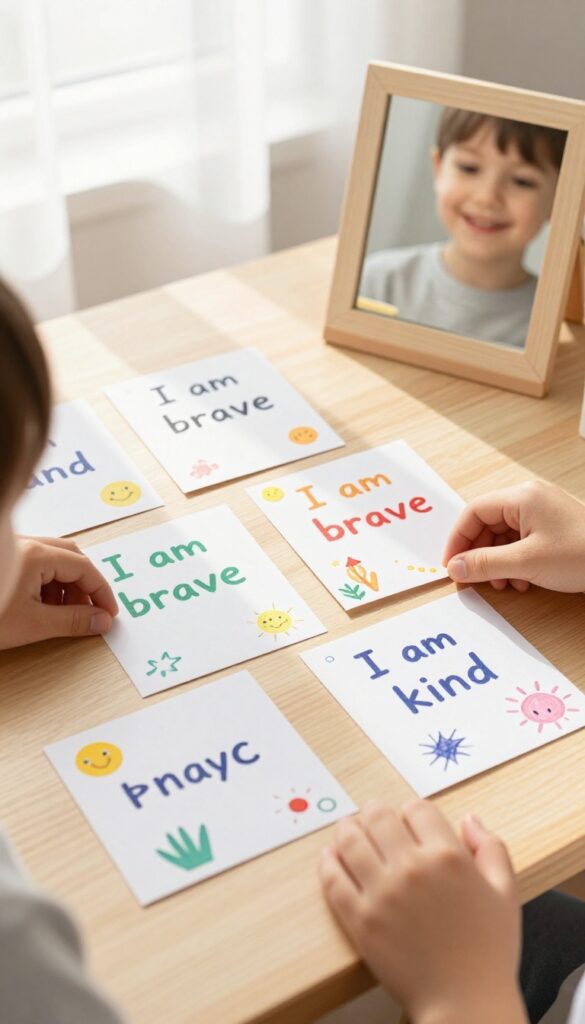
Words have power, especially the ones kids say to themselves. Positive affirmation cards turn self-talk into a fun, daily ritual that builds confidence from the inside out. It’s a simple practice that helps children replace doubts with empowering beliefs.
Write simple affirmations like 'I am brave' or 'I can try again' on small cards. Each morning, let your child pick one card and read it aloud—maybe in front of a mirror for extra impact. Over time, these positive statements become their inner voice, boosting resilience and self-esteem.
How To Make Them
Grab index cards, markers, and stickers. Write short, kid-friendly phrases such as 'I am kind, ' 'I am strong, ' or 'Mistakes help me learn. ' Let your child decorate each card to make it personal. Laminate them for durability, or use a ring to keep them together.
When To Use Them
Morning is ideal—right after breakfast or before school. But you can also pull a card during tough moments: before a test, after a disappointment, or when they need a boost. The key is consistency, not perfection.
Why They Work
Repeating positive statements rewires the brain to focus on strengths rather than fears. For kids, this builds a habit of self-encouragement that carries into adulthood. Plus, the ritual of picking a card adds a fun, surprise element they look forward to.
9. Dance Party for One
Sometimes the best way to reset is to move. A solo dance party gives kids permission to let go, be silly, and shake off whatever is weighing them down. It's pure, unfiltered fun with zero performance pressure.
Three songs, no rules. Kids dance however they want—jumping, spinning, or wiggling. It releases energy and triggers happy hormones.
Why It Works
Dancing boosts endorphins and lowers cortisol. It's a natural mood lifter that requires no equipment or special space. Kids get to express themselves physically, which helps process emotions they can't yet name.
How To Set It Up
Let your child pick three favorite songs. Clear a small area in the living room or bedroom. Set a timer if needed, but let them lead.
No judging, no correcting—just moving.
Make It A Habit
Try a dance break at the same time each day, like after homework or before dinner. Over time, it becomes a go-to coping tool. You might even join in.
10. Cozy Reading Nook Time
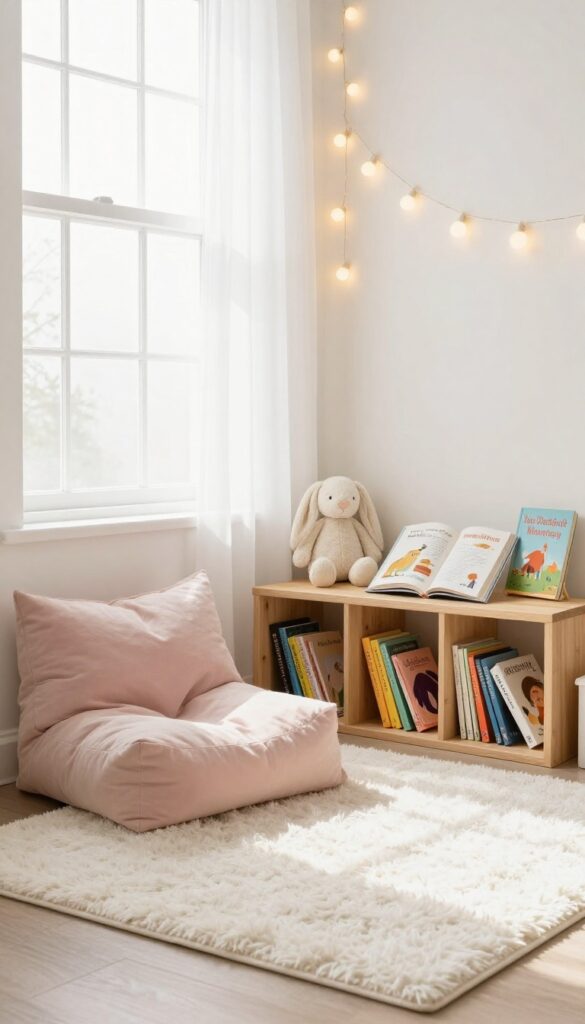
A cozy reading nook gives kids a quiet space to unwind and let their imagination roam. This simple activity helps them slow down and enjoy some alone time, which is a key part of self-care. All you need is a corner with soft pillows and a few favorite books.
Set up a small corner with pillows and books. Kids spend 10 minutes reading or looking at pictures. It's a quiet escape from a busy day.
Setting Up The Nook
Choose a quiet spot away from noise. Add a soft rug, a few cushions, and a small shelf or basket of books. Let your child help decorate it with a string of fairy lights or a stuffed animal.
Making It A Routine
Encourage your child to use the nook at the same time each day—maybe right after school or before bed. Consistency turns it into a calming habit they look forward to.
Letting Them Lead
Don't force reading. Some days they might just flip through pictures or even close their eyes. The goal is relaxation, not achievement.
Over time, they'll naturally gravitate toward books.
11. Bubble Blowing for Calm
Blowing bubbles might seem like just a fun outdoor activity, but it's actually a sneaky way to teach kids deep breathing. The slow, steady exhale needed to create a big bubble naturally calms the nervous system. Plus, watching those shimmering orbs float and pop is surprisingly mesmerizing for little minds.
Bubble blowing is a portable, low-cost tool for emotional regulation. It works because it forces kids to take slow, deep breaths—the same kind used in meditation. And the visual payoff keeps them engaged without feeling like a lesson.
How It Works
When kids blow bubbles, they naturally inhale deeply and exhale slowly. This activates the parasympathetic nervous system, which lowers heart rate and reduces stress. The act of watching bubbles drift and pop also shifts focus away from worries.
Make It A Game
Challenge them to blow one giant bubble without it popping. Or see who can keep a bubble afloat the longest by gently blowing air upward. Adding a timer or a target (like a hoop) adds fun without losing the calming effect.
When To Use It
Bubble blowing works great before homework, after a meltdown, or anytime you notice tension. Keep a small bottle in your bag for on-the-go calm. It's also a quiet activity for waiting rooms or car rides.
12. Draw or Color Your Feelings
Sometimes kids can't find the right words to express what's going on inside. That's where art steps in. Drawing or coloring feelings gives children a safe, pressure-free way to let emotions out without having to explain them.
All you need is paper and something to draw with—crayons, markers, or even finger paints. There are no rules here. The goal isn't to create a masterpiece, but to let the colors and shapes speak for themselves.
This simple act can help kids process anger, sadness, excitement, or worry in a way that feels natural and even fun.
This activity works because it bypasses the need for language. A child who is too upset to talk can scribble furiously with a dark crayon, then gradually switch to lighter colors as they calm down. Over time, they learn to recognize and name their emotions through their art.
Parents can gently ask, "Tell me about your drawing, " opening a door to conversation without pressure.
Set Up A Feelings Art Station
Keep a small box of art supplies handy—paper, crayons, markers, and maybe some stickers. Let your child know this is their special spot for drawing feelings anytime. No instructions, no prompts.
Just freedom to create.
Try Emotion Color Wheels
Help your child create a simple color key: red for anger, blue for sadness, yellow for happiness, etc. Then let them fill a page with colors that match their current mood. It's a quick visual check-in that builds emotional awareness.
Make It A Routine
Consider adding a short drawing time after school or before bed. Even five minutes can help kids transition from a busy day to a calmer state of mind. Over time, they'll start reaching for paper on their own when feelings get big.
13. Stretching Like a Cat
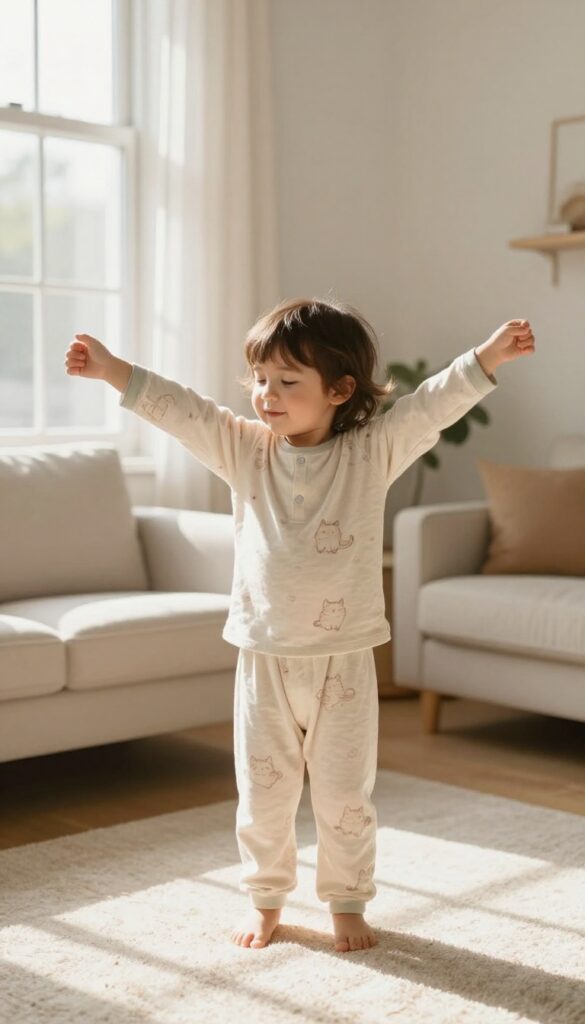
Kids spend a lot of time sitting—at desks, on screens, in cars. Their little bodies need to move and stretch just like adults do. Turning stretching into a playful game makes it feel less like exercise and more like fun.
When children pretend to be cats waking up from a nap, they naturally reach, arch, and twist. These simple movements help loosen tight muscles and shake off stress. Plus, it's a quiet activity that can be done anywhere, anytime.
Stretching like a cat is a gentle way for kids to release physical tension and calm their minds. Encourage them to imagine a sleepy cat slowly waking up—first a big yawn, then a long reach toward the sky. Next, they can curl into a ball and slowly roll back up.
This playful routine improves flexibility and body awareness without feeling like a workout.
Why It Works
Stretching activates the parasympathetic nervous system, which helps the body relax. For kids, pretending to be an animal makes the activity engaging and memorable. They learn to listen to their bodies and notice where they hold tension—like tight shoulders or a stiff neck.
How To Do It
Start by standing tall. Inhale and reach both arms up high, pretending to stretch like a cat waking up. Exhale and slowly bend forward, letting arms hang loose.
Then gently twist side to side. Repeat each stretch three times, holding for a few seconds. Add sound effects like a soft "meow" for extra fun.
When To Use It
This activity is perfect for transition times—right after school, before homework, or before bed. It's also great during screen breaks to reset posture and energy. Keep it short: two to three minutes is plenty.
14. Listening to a Calm Playlist
Sometimes the loudest thing in a child's day is their own busy mind. A calm playlist can help them press pause and just be. It's a simple way to introduce quiet time without it feeling like a punishment.
Creating a calming playlist together gives kids ownership over their wind-down routine. They can choose gentle songs, nature sounds, or even soft lullabies. The key is to keep it short—five to ten minutes—so it feels doable, not daunting.
Encourage them to lie down, close their eyes, and focus on the sounds. This practice builds active listening and helps them learn to settle their thoughts.
Why It Works
Quiet listening shifts the brain from high-alert mode to a relaxed state. It's like a mini meditation that even young kids can handle. Over time, they'll associate certain songs with calmness, making it easier to self-regulate during stressful moments.
How To Get Started
Start by asking your child what sounds they find soothing—rain, ocean waves, piano music? Build a playlist together on a streaming service or use a simple music app. Set a timer for five minutes and listen without distractions.
Make it a daily habit, perhaps right before homework or bedtime.
15. Thank You Letter to Themselves
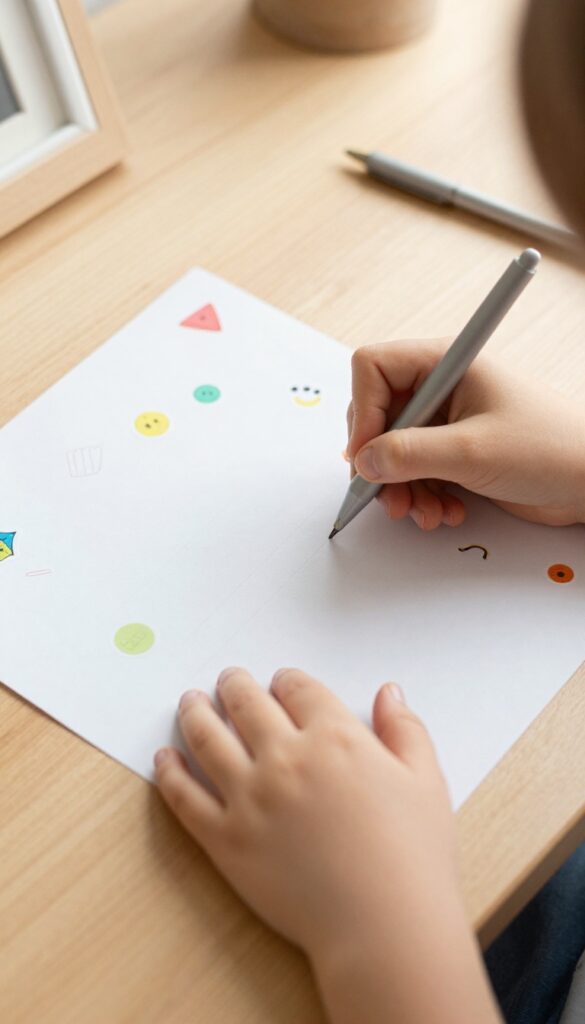
Gratitude isn't just for others. Teaching kids to appreciate their own efforts builds a healthy inner voice. A thank-you letter to themselves helps them recognize their strengths and celebrate small wins.
This simple activity encourages children to pause and reflect on something they did well—whether it was finishing a tough homework assignment, being kind to a friend, or trying a new sport. Writing it down makes the moment real and lasting.
How To Get Started
Give your child a piece of paper and a pen. Ask them to think of one thing they're proud of from the past week. It doesn't have to be big.
Then, have them write a short note starting with "Dear Me, thank you for. . . " They can decorate it with drawings or stickers.
Why It Works
This practice reinforces a growth mindset by focusing on effort, not outcome. Kids learn to acknowledge their own progress and treat themselves with kindness. Over time, it builds self-confidence and emotional resilience.
Make It A Habit
Encourage your child to write a thank-you letter to themselves once a week. Keep the letters in a special folder or jar. On tough days, they can read past letters to remind themselves of their capabilities.
FAQ
At what age can kids start these self-care activities?
Most activities work for ages 3 and up with adult guidance. Older kids can do them independently.
How often should kids practice self-care?
Daily is ideal, even if just for 5 minutes. Consistency builds habits without pressure.
What if my child resists these activities?
Let them choose which activity to try. Offering choices gives them ownership and reduces resistance.
Can these activities help with anxiety?
Yes. Many activities like breathing, sensory play, and yoga are proven to reduce anxiety in children.
Do I need special supplies?
No. Most items are common household objects—jars, paper, crayons, pillows. Keep it simple.
Conclusion
Self-care for kids isn't about perfection—it's about planting seeds for a lifetime of healthy habits. Pick one or two activities from this list that feel fun and doable, like a family dance party or a calm-down jar.
Start small, stay consistent, and let your child lead the way. These little moments of care teach them that looking after themselves is a natural, joyful part of life.