You've had a long day, and your mind is still racing. Maybe it's work deadlines, family demands, or just the constant buzz of notifications. Stress has a way of piling up, but small, intentional acts of self-care can bring you back to center.
These 23 essentials aren't about grand gestures or expensive retreats. They're simple, everyday practices that fit into real life. Some take five minutes, others a bit longer, but each one is designed to help you breathe easier and feel more like yourself.
Think of this list as a toolkit. You don't need to do everything at once. Pick what resonates, try it out, and see what makes a difference.
1. A Morning Ritual That Sticks

Mornings can feel like a race before you even open your eyes. But a tiny, repeatable ritual can anchor your day in calm before the chaos hits. It doesn't have to be elaborate—just something that grounds you and signals to your brain that today is yours.
The key is keeping it simple. A glass of water, two minutes of stretching, or jotting down one thing you're grateful for are all solid options. The goal isn't productivity; it's presence.
When you start your day on your own terms, the rest of it feels more manageable.
Why Simplicity Wins
Complex morning routines often fizzle out because they demand too much time or willpower. A single, two-minute habit is far more likely to stick. Once it becomes automatic, you can build on it—but start small.
Choose Your Anchor
Pick one action that feels good and takes less than five minutes. Drinking water rehydrates your body after sleep. Stretching loosens tight muscles.
Gratitude shifts your focus to the positive. Any of these can be your anchor.
Stack It On An Existing Habit
Tie your new ritual to something you already do, like brushing your teeth or making coffee. This makes it easier to remember. After a week, it'll feel weird to skip it.
2. A Dedicated Tech-Free Zone
Your phone buzzes, your laptop pings, and the TV hums in the background. Technology is amazing, but it never really shuts off—and neither does your brain when it's constantly stimulated. Creating a physical space where devices aren't allowed gives your mind a much-needed break.
It doesn't have to be large or fancy; a corner of your bedroom or a cozy chair by the window works perfectly. The key is consistency: that spot becomes a signal for your brain to unwind.
Why It Works
When you separate yourself from screens, you reduce mental clutter and lower cortisol levels. The physical boundary trains your brain to associate that area with calm, making it easier to relax quickly. Over time, just stepping into your tech-free zone can trigger a relaxation response.
What To Do There
Keep it simple and screen-free. Read a physical book, write in a journal, doodle, meditate, or just sit and breathe. Avoid the temptation to sneak in a quick scroll—that defeats the purpose.
If you need a timer, use an analog one or a simple kitchen timer.
Setting It Up
Choose a spot with good lighting and comfortable seating. Add a soft blanket, a plant, or a few calming objects like a candle or a small fountain. Keep chargers, laptops, and tablets out of sight.
A small basket for books and journals helps keep it tidy and inviting.
3. The Power of a Short Walk
Sometimes the best reset button is just putting one foot in front of the other. A short walk outdoors does more than stretch your legs—it shifts your mental state. In just ten minutes, your body starts to release tension and your mind gets a break from the noise.
You don't need a scenic trail or a specific destination. A stroll around the block, a loop through a nearby park, or even a quiet street works. The key is to move without purpose, letting your thoughts wander as your pace settles.
Walking is one of the simplest ways to lower cortisol, the stress hormone. Studies show that a brief walk in nature can reduce anxiety and improve mood almost immediately. It's not about exercise intensity—it's about changing your environment and rhythm.
Make it a habit by pairing it with a daily cue, like after lunch or when you feel overwhelmed. Leave your phone behind or put it on silent. Notice the breeze, the sounds, the light.
This small act can become a powerful anchor in your day.
Why 10 Minutes Works
Research suggests that even a short walk can trigger relaxation responses. Your breathing deepens, heart rate steadies, and muscles unclench. The combination of movement and outdoor exposure helps reset your nervous system, making it easier to handle what's next.
How To Make It A Ritual
Pick a consistent time and route so it becomes automatic. Keep a pair of comfortable shoes by the door. If weather is an issue, a covered porch or a quiet hallway works too.
The goal is to step away from screens and obligations, even briefly.
4. A Go-To Playlist for Calm
Sound shapes your mood more than you might realize. The right music can lower your heart rate, quiet anxious thoughts, and create a mental buffer between you and the chaos. Building a dedicated calm playlist gives you an instant reset button—no effort required, just press play.
Think of it as your personal audio sanctuary. Whether you're stuck in traffic, overwhelmed at your desk, or winding down for the night, these tracks signal your brain that it's safe to relax. The key is curating intentionally, not just shuffling random chill songs.
What To Include
Aim for a mix of instrumental pieces, ambient nature sounds, and vocal tracks that feel soothing to you. Piano solos, acoustic guitar, lo-fi beats, or soft jazz all work well. Add a few songs with nature elements like rain, ocean waves, or birdsong.
Keep the tempo slow and steady—nothing with sudden loud changes or fast rhythms.
When To Use It
Your calm playlist is versatile. Play it during your morning commute to start the day grounded. Use it as background focus music during work tasks that require concentration.
Let it accompany your evening wind-down routine—try listening while stretching, journaling, or just sitting quietly before bed.
How To Keep It Fresh
Rotate songs every few weeks so your brain doesn't tune them out. Pay attention to how each track makes you feel and remove any that no longer serve you. Create a few variations—one for deep focus, another for unwinding, maybe a short five-minute version for quick resets.
Update your playlist seasonally to match changing moods.
5. A Journal That's Not a Diary
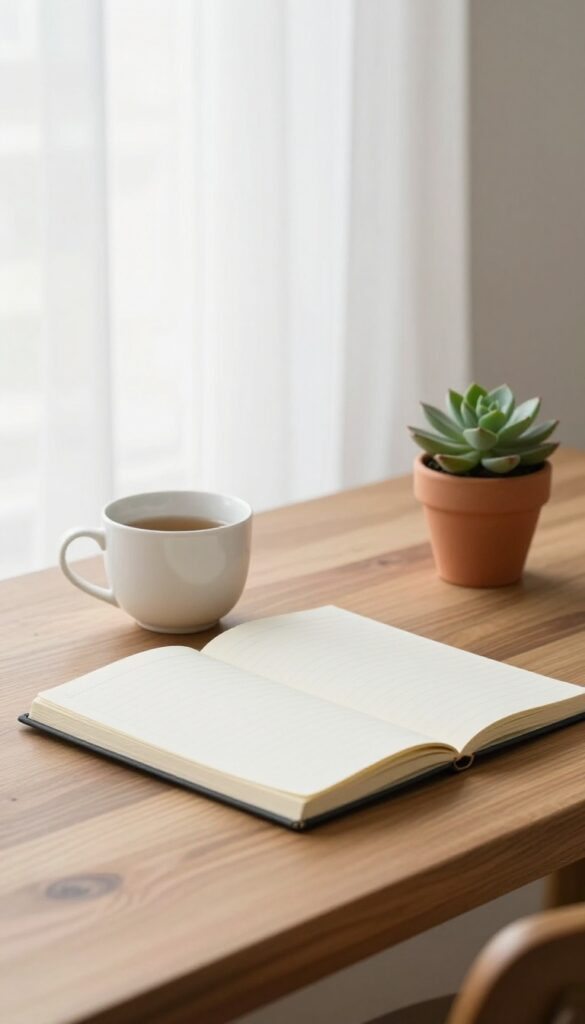
Journaling sounds like a big commitment, but it doesn't have to be. A simple notebook that you use however you want can be a powerful stress reliever. No rules, no expectations—just a space to let your thoughts land.
Keep a simple notebook for brain dumps, to-do lists, or random thoughts. No rules, no pressure. Getting thoughts out of your head and onto paper reduces mental clutter.
Brain Dump Before Bed
Spend five minutes writing down everything on your mind. It clears your head and helps you sleep better.
One Line A Day
Too busy to journal? Write just one sentence. It's low effort but keeps the habit alive.
The 'don't Forget' List
Use your notebook to capture random ideas, reminders, or things you want to look up later. It frees up mental space.
6. A Cozy Corner Just for You
Your environment shapes your mood more than you might realize. When every room feels like it's for work, chores, or other people, your brain never gets a clear signal to unwind. That's why creating a dedicated cozy corner can be a game-changer.
It doesn't need to be big or fancy. A comfortable chair, a soft blanket, and warm lighting are enough. This spot becomes your visual cue that it's time to slow down.
Use it for reading, meditating, or just sitting quietly. Over time, just being there will help you relax.
A cozy corner is a small, intentional space designed for relaxation. It should feel separate from the rest of your home's hustle. The goal is to train your mind to associate that spot with calm.
Start by choosing a quiet area, even if it's just a corner of your bedroom or a nook by a window. Add elements that soothe your senses: a plush chair or floor cushion, a throw blanket, a small side table for a cup of tea, and soft lighting like a lamp or string lights. Keep it clutter-free.
This is your sanctuary, not another storage spot. Use it daily, even for just five minutes, to reinforce the habit.
Choose The Right Spot
Pick a location that's naturally quiet and low-traffic. A corner of your living room, a window nook, or even a padded bench at the foot of your bed can work. The key is consistency: the same spot every time.
Avoid areas near your work desk or TV, as those cues trigger productivity or distraction, not relaxation.
Layer Comfort And Warmth
Texture matters. A soft throw blanket, a plush cushion, and maybe a small rug underfoot make the space inviting. Choose colors that calm you, like muted blues, greens, or warm neutrals.
Add a candle or essential oil diffuser with a soothing scent like lavender or chamomile to engage your sense of smell.
Make It A Daily Ritual
Use your cozy corner at the same time each day, even for a few minutes. Morning coffee, an afternoon break, or wind-down before bed. Leave your phone out of reach.
The repetition strengthens the mental association, so eventually, just sitting down signals your nervous system to relax.
7. A Weekly Digital Detox Hour
Your phone buzzes, your laptop pings, and the TV hums in the background. Screens are everywhere, and they never really stop asking for your attention. That constant demand keeps your brain in a low-grade stress state, even when you think you're relaxing.
A digital detox hour is a simple antidote. One hour, once a week, where you deliberately turn off all screens. No phone, no laptop, no TV.
Just you and the analog world. It sounds small, but it gives your mind a real break from the noise.
What To Do Instead
Pick something that feels genuinely restful, not productive. Read a physical book, take a bath, go for a walk without your phone, or have a face-to-face conversation. The goal is to engage your senses in a low-stimulation way.
Let your brain wander without the constant ping of notifications.
Make It A Ritual
Choose a consistent time each week, like Sunday evening or Wednesday after work. Put your devices in another room or a drawer. Light a candle, make tea, or do whatever signals to your brain that this is downtime.
Over time, the ritual itself becomes a cue to relax.
Notice The Difference
After your detox hour, pay attention to how you feel. Many people notice their shoulders drop, their thoughts slow down, and they sleep better that night. That feeling is your brain resetting.
It's a reminder that you don't need to be available 24/7.
8. A Simple Breathing Exercise

When stress hits, your breath is the fastest tool you have. Box breathing is a technique used by Navy SEALs and yoga teachers alike, and it works because it forces your nervous system to slow down. The beauty is in its simplicity: four counts in, four counts hold, four counts out, four counts hold.
No app, no equipment, just you and your breath.
How It Works
Box breathing, also known as square breathing, activates the parasympathetic nervous system. That's the part of your body that tells everything to calm down. By holding your breath at each stage, you give your brain a chance to reset.
It's like hitting the pause button on a runaway stress response.
When To Use It
Any time you feel your shoulders creeping up or your jaw clenching is a good time. Before a meeting, after a tough conversation, or when you're stuck in traffic. One minute is enough to feel a shift.
You can even do it while waiting for your coffee to brew.
Tips For Beginners
Start with a comfortable count—if 4 seconds feels too long, try 3. The pattern matters more than the speed. Focus on the sensation of air moving in and out.
If your mind wanders, gently bring it back to the count. Over time, it becomes second nature.
9. A Hydration Habit That Works
Water is the simplest stress-buster you might be overlooking. Even mild dehydration can leave you feeling foggy, irritable, and anxious—symptoms that pile on top of everyday stress. The fix isn't complicated: just make drinking water a no-brainer part of your routine.
You don't need a fancy bottle or an app; a simple timer and a desk companion will do the trick.
Keep a water bottle on your desk and set a timer to take a sip every 30 minutes. Dehydration can mimic anxiety symptoms, so staying hydrated keeps your mood steady. This small habit prevents the afternoon slump and helps you think clearly without extra effort.
Why Hydration Matters For Stress
Your brain is about 75% water. When you're low on fluids, your body releases cortisol, the stress hormone. Even a 1-2% drop in hydration can trigger mood dips and fatigue.
By sipping regularly, you keep your nervous system balanced and your mind sharp.
Make It Effortless
Pick a reusable bottle you like looking at. Fill it in the morning and place it right next to your keyboard. Set a gentle alarm on your phone or watch to remind you every half hour.
After a few days, the habit will stick without the alarm.
Flavor It Up
If plain water bores you, add a slice of lemon, cucumber, or a few mint leaves. Herbal teas count too. The goal is to make hydration enjoyable so you actually want to drink.
10. A Stretch Routine for Your Desk
Sitting for hours on end tightens your neck, shoulders, and hips. You don't need a yoga mat or a full class—just a few minutes at your desk can undo the damage. A quick stretch break resets your posture and clears your head, making the rest of your workday feel lighter.
Neck And Shoulder Release
Start with slow neck rolls: drop your chin to your chest, then gently roll your head to one side, hold for a breath, then to the other. Follow with shoulder shrugs—lift both shoulders toward your ears, hold for a few seconds, then release with an exhale. Repeat five times.
This combo targets the tension that builds up from hunching over a keyboard.
Wrist And Finger Stretches
Extend one arm in front, palm up, and gently pull your fingers back with the other hand. Hold for 15 seconds, then switch. Next, make a fist, then open your hand wide, spreading your fingers.
Repeat ten times per hand. These moves counteract the strain from typing and mousing, keeping your hands flexible.
Seated Spinal Twist
Sit tall with your feet flat on the floor. Place your right hand on your left knee and your left hand behind you on the chair. Gently twist your torso to the left, keeping your hips square.
Hold for 20 seconds, then repeat on the other side. This stretch mobilizes your spine and relieves lower back stiffness.
11. A Gratitude Practice in Three Words
Gratitude isn't just for Thanksgiving. A simple nightly ritual of naming three good things can rewire your brain to notice the positive. No journaling expertise required—just a few seconds of reflection.
Each evening, write down three things you're grateful for—they can be as small as a good cup of coffee. This shifts focus from what's wrong to what's right.
Why Three Words Work
Limiting yourself to three items prevents overthinking. It's quick, doable, and forces you to pick what truly mattered that day. Over time, this builds a habit of scanning for positives.
When To Do It
Right before bed works best. Pair it with brushing your teeth or turning off the lights. Consistency matters more than the exact time.
Keep It Simple
No need for deep insights. "Sunshine, " "kind text from Mom, " or "pizza for dinner" all count. The act of noticing is what counts.
12. A Soothing Tea Ritual

Brewing a cup of tea can be a powerful anchor in a hectic day. The simple acts of boiling water, steeping leaves, and holding a warm mug create a moment of calm. This isn't about chugging tea while multitasking—it's a deliberate pause.
A tea ritual turns a beverage into a mini-meditation. The warmth of the cup in your hands, the gentle aroma, and the slow sips all signal your nervous system to relax. It's a five-minute reset that costs almost nothing.
Choose Your Calm
Herbal teas like chamomile, peppermint, or lavender are naturally caffeine-free and known for their soothing properties. Pick one that appeals to your senses. The ritual starts with the selection—let your intuition guide you.
Set The Scene
Use a favorite mug that feels good in your hands. Boil fresh water and pour it over the tea bag or loose leaves. While it steeps, take a few deep breaths.
No phone, no TV—just you and the steam.
Sip Slowly
Hold the mug with both hands, feel its warmth, and take small, deliberate sips. Notice the flavor, the temperature, the sensation as it travels down. Let each sip pull you into the present moment.
When the cup is empty, take one more breath before moving on.
13. A Weekly 'Do Nothing' Slot
We treat busyness like a badge of honor, but constant doing drains your reserves. What if you scheduled time to simply exist? No goals, no productivity, no guilt.
Just a pocket of stillness where you're allowed to be a human being, not a human doing.
Block out 30 minutes on your calendar each week. No chores, no errands, no screens. Sit on the couch, stare out the window, or lie on the floor.
Let your mind wander without direction. This intentional pause resets your nervous system and reminds you that you don't have to earn rest.
Why 'nothing' Is Productive
Downtime isn't laziness; it's essential for brain health. When you do nothing, your default mode network activates, helping you process emotions, consolidate memories, and spark creativity. That blank stare is actually your brain tidying up.
How To Protect This Slot
Treat it like any important appointment. Set a recurring calendar event, and when someone asks for that time, say, 'Sorry, I have a prior commitment. ' Because you do—to yourself. No rescheduling, no exceptions.
What To Do (or Not Do)
No phone, no book, no podcast. You can sit outside, watch clouds, or just breathe. If your mind races, that's okay.
The point isn't to empty your thoughts, but to give them space without trying to fix anything.
14. A Scent That Signals Relaxation
Your sense of smell is directly wired to the emotional centers of your brain. That's why a particular fragrance can instantly calm you down or perk you up. By choosing a scent you associate with peace and using it consistently, you can train your brain to switch into relaxation mode almost on autopilot.
Whether it's a lavender pillow spray, a sandalwood candle, or an essential oil diffuser, the key is consistency. Use the same scent at the same time each evening—during your wind-down routine. Over time, just catching a whiff will cue your nervous system to slow down.
Pick Your Calming Note
Lavender is a classic for a reason—it's backed by research to lower heart rate and blood pressure. Sandalwood offers a warm, grounding aroma. Bergamot and chamomile are also great options.
Choose one that genuinely makes you feel at ease, not just one that's popular.
Create A Scent Ritual
Spritz your pillow with lavender mist before bed, or light a candle while you read. The act of applying the scent becomes a ritual in itself, reinforcing the relaxation response. Keep the scent consistent—don't switch it up every night.
Portable Calm
Try a rollerball of your favorite essential oil blend to carry with you. A quick dab on your wrists during a stressful meeting or commute can bring a moment of calm. It's like having a secret reset button in your pocket.
15. A Movement Break That Feels Fun
Exercise doesn't have to mean a grueling gym session. When you're stressed, the last thing you need is another chore. A movement break should feel like play, not punishment.
The goal is to shake off tension and reset your mood, not to burn a certain number of calories.
Dance Like No One's Watching
Put on a song you love and just move. It can be silly, energetic, or slow. Dancing releases endorphins and instantly lifts your spirits.
No need for choreography—just let your body do what feels good.
Two-minute Yoga Flow
You don't need a mat or special clothes. Try a few simple poses like child's pose, cat-cow, or a gentle forward fold. These moves release tension in your back and neck, and the deep breathing calms your nervous system.
Jump Rope Or Skip
Jumping rope is a quick way to get your heart rate up and shake off stress. Even 60 seconds can shift your energy. If you don't have a rope, just pretend—the motion alone is enough to feel playful.
16. A Bedtime Wind-Down Routine

Sleep is when your body and mind reset, but you can't just flip a switch. A wind-down routine bridges the gap between a busy day and restful sleep. It's a gentle signal to your nervous system that it's time to power down.
Dim the lights, put away screens, and do a calming activity 30 minutes before bed. Reading, gentle stretching, or listening to a podcast can signal your body it's time to sleep. This small ritual can improve your sleep quality and reduce nighttime anxiety.
Why 30 Minutes Matters
Your brain needs time to shift gears. Thirty minutes of low-stimulation activity lowers cortisol and boosts melatonin. It's enough time to decompress without cutting into your sleep.
What To Do Instead Of Screens
Swap scrolling for something soothing. Try a physical book, a warm bath, or a few minutes of journaling. Even a simple cup of herbal tea can become a calming ritual.
Make It A Habit
Consistency is key. Do the same activities at the same time each night. Your body will start to anticipate sleep, making it easier to drift off naturally.
17. A 'No' That Protects Your Energy
Saying no can feel uncomfortable, especially when you want to help. But every yes to something that drains you is a no to your own well-being. Protecting your energy isn't selfish—it's necessary.
A simple 'I can't right now' is enough. You don't owe anyone a long explanation. Over time, setting that boundary becomes easier, and you'll have more energy for what truly matters.
Why It's Hard To Say No
We're wired to seek approval and avoid conflict. Saying no can feel like rejection, but it's actually a form of self-respect. The guilt you feel initially fades when you realize how much lighter your days become.
How To Practice Saying No
Start small. Say no to a low-stakes request, like an invitation you don't really want to accept. Use a simple, polite phrase: 'Thanks for thinking of me, but I can't this time. ' No need to over-explain.
The more you practice, the more natural it feels.
The Ripple Effect Of Boundaries
When you protect your energy, you show others how to treat you. People may be surprised at first, but they'll respect your limits. Plus, you'll have more time and emotional bandwidth for the people and activities that genuinely replenish you.
18. A Creative Outlet Without Pressure
Creativity isn't about producing masterpieces—it's a way to quiet the noise in your head. When you focus on coloring, doodling, or knitting, your brain shifts from problem-solving mode to a more relaxed state. The key is doing something just for the joy of it, with zero expectations about the outcome.
Pick an activity that feels like play, not work. Adult coloring books, simple knitting patterns, or learning a few chords on a ukulele are all great options. The goal is to get lost in the process, not to create something gallery-worthy.
Set a timer for 15 minutes and see how your mood shifts.
Why Low-stakes Creativity Works
When there's no pressure to be good, your brain releases dopamine—the feel-good chemical. This lowers cortisol and helps you unwind. Even 10 minutes of doodling can reduce anxiety and improve focus.
Easy Ways To Start
Keep a small sketchbook and a pen by your couch. Try a simple knitting project like a scarf. Or download a music app and learn one simple song.
The key is to make it accessible and low-commitment.
Make It A Ritual, Not A Chore
Pair your creative time with a cup of tea or a cozy spot. Do it at the same time each day, even if just for a few minutes. Over time, it becomes a signal to your brain that it's time to relax.
19. A Connection with a Friend

Sometimes the best stress relief is a familiar voice on the other end of the line. We get so caught up in doing that we forget to just be with someone who gets us. A quick check-in with a friend can shift your whole mood in minutes.
Make It A Habit
You don't need a long conversation to feel the benefits. A 15-minute call during your lunch break or a quick coffee date once a week can be enough. Put it on your calendar so it actually happens.
Choose Your People Wisely
Not every friend is a stress reliever. Stick with the ones who listen without judging, who make you laugh, and who leave you feeling lighter. If a conversation drains you, it's okay to set boundaries.
Keep It Low Pressure
You don't have to have an agenda. Sometimes you just vent, sometimes you talk about nothing. The point is the connection, not the content.
Even a silly meme exchange can do the trick.
20. A Warm Bath or Shower Ritual
There's a reason warm water feels like a hug for your nervous system. It's one of the fastest ways to signal to your body that it's safe to relax. Turning your shower or bath into a mini ritual makes it even more effective.
You don't need a spa membership or fancy plumbing. A few simple add-ons can transform an ordinary rinse into a deliberate stress-release practice. The key is intention—choosing to be present in the warmth.
Set The Scene
Dim the lights if you can, or light a candle. Keep your phone out of reach. Let the water run for a minute to fill the room with steam.
This small pre-step tells your brain: "We're shifting gears now. "
Add A Soothing Boost
Epsom salts help ease sore muscles, while a bath bomb or a few drops of lavender essential oil add aromatherapy benefits. Even a simple shower can feel special with a eucalyptus spray or a shower steamer. These aren't luxuries—they're tools for calming your senses.
Stay Present
Instead of mentally running through your to-do list, focus on the sensation of warmth on your skin. Take three slow breaths. Notice the scent and the sound of water.
Five minutes of this mindful soak can reset your mood better than an hour of distracted scrolling.
21. A List of Things That Make You Smile
When stress takes over, your brain naturally fixates on problems. A simple way to break that cycle is to intentionally recall things that bring you joy. This isn't about toxic positivity—it's about giving your mind a quick reset.
By keeping a running list of small delights, you create a go-to resource for tough moments. The act of writing it down also reinforces positive memories, making them easier to access later.
Start Your List
Grab a notebook or open a note on your phone. Jot down anything that has made you smile recently: a funny video, a kind text from a friend, the smell of coffee, a favorite line from a book. Don't overthink it—just capture whatever comes to mind.
Aim for at least 10 items, but keep adding as you think of more.
Keep It Handy
Store your list somewhere you can access quickly. Try a sticky note on your mirror, a pinned note in your phone, or a dedicated page in your planner. The goal is to make it easy to pull up when you need a mood boost—during a work break, before a tough conversation, or at the end of a draining day.
Refresh It Often
Your list should evolve as you do. Every few weeks, review and update it. Remove items that no longer resonate and add new joys you've discovered.
This keeps the list fresh and ensures it reflects what truly lifts your spirits right now.
22. A Weekly Review of Your Wins
It's easy to focus on what went wrong or what's still left to do. But taking a few minutes to recognize your wins—however small—can shift your whole perspective. This simple practice trains your brain to notice progress, which builds real momentum over time.
Every Sunday, set aside 10 minutes to reflect on your week. Write down three things you accomplished, no matter how minor they seem. Maybe you finally replied to that email, went for a walk, or just got through a tough day without losing your cool.
Over weeks, this list becomes a powerful reminder that you're moving forward, even when it doesn't feel like it.
Why It Works
Our brains are wired to spot threats and problems, a leftover survival instinct. Actively noting wins rewires that focus, helping you see effort and progress. This builds self-trust and reduces the feeling of being stuck.
How To Start
Pick a consistent time—Sunday evening works well. Use a notebook, a notes app, or even a voice memo. Don't overthink it: just three bullet points.
If you're stuck, ask yourself: What did I do today that I wouldn't have done a month ago?
Make It A Ritual
Pair your review with something you already enjoy—a cup of tea, a cozy blanket, or your favorite playlist. This makes it feel like a treat, not a chore. You can even share one win with a friend or partner to double the positive effect.
23. A Permission Slip to Rest
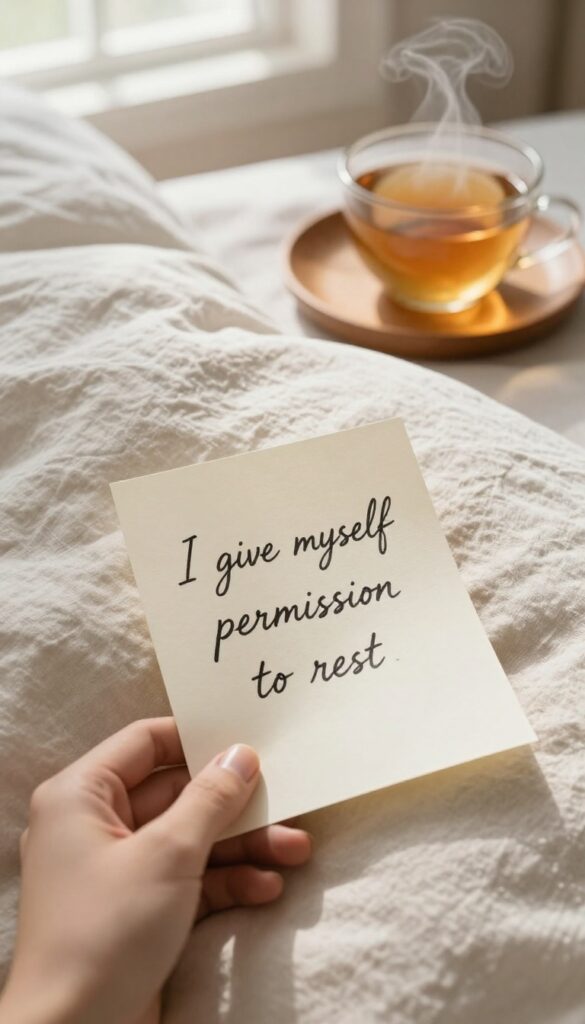
We live in a culture that glorifies busyness, making rest feel like something we have to earn. But your body doesn't care about your to-do list—it needs downtime to function. A permission slip to rest is a simple but powerful way to give yourself what you actually need without the guilt.
Rest isn't a luxury or a reward for being productive. It's a biological requirement. When you give yourself explicit permission to rest, you stop negotiating with yourself and just do it.
That might mean a 20-minute nap, lying on the couch staring at the ceiling, or sitting in the car for five minutes after you park. The key is to do it without mentally listing everything else you could be doing.
Why We Feel Guilty About Resting
We've been conditioned to believe that our worth is tied to output. Taking a break feels like failure. But the truth is, rest actually makes you more effective.
When you're well-rested, you think clearer, react calmer, and have more energy for the things that matter.
How To Write Your Permission Slip
Grab a piece of paper or a note on your phone. Write something like: "I give myself permission to rest for 15 minutes. I do not need to justify this.
My body needs it, and that's enough. " Keep it somewhere visible. When the guilt creeps in, read it out loud.
Small Ways To Practice Rest
Rest doesn't have to mean sleeping. It can be lying on the floor with your eyes closed, sitting on a bench and watching clouds, or just putting your phone face down and breathing. The goal is to be still and let your nervous system settle.
FAQ
How many self-care practices should I start with?
Start with one or two that feel easiest. Trying to do everything at once can be overwhelming. Build slowly and let the habits stick before adding more.
Can self-care really reduce stress?
Yes. Regular self-care lowers cortisol levels, improves mood, and builds resilience. Even small daily acts can make a significant difference over time.
What if I don't have time for self-care?
Self-care doesn't have to be time-consuming. Many essentials on this list take five minutes or less. Start with micro-habits like deep breathing or stretching.
Is self-care selfish?
Not at all. Taking care of yourself allows you to show up better for others. It's like putting on your own oxygen mask first—it's necessary, not selfish.
How do I make self-care a habit?
Tie it to an existing routine, like doing a breathing exercise after brushing your teeth. Consistency matters more than duration. Use reminders or alarms until it becomes automatic.
Conclusion
Self-care isn't a luxury—it's a lifeline. These 23 essentials are designed to fit into real life, no matter how busy you are. Start with one small change and see how it feels.
Remember, the goal isn't to check off every item on this list. It's to find what works for you and make it a regular part of your day. A little intentional care goes a long way toward a calmer, happier you.