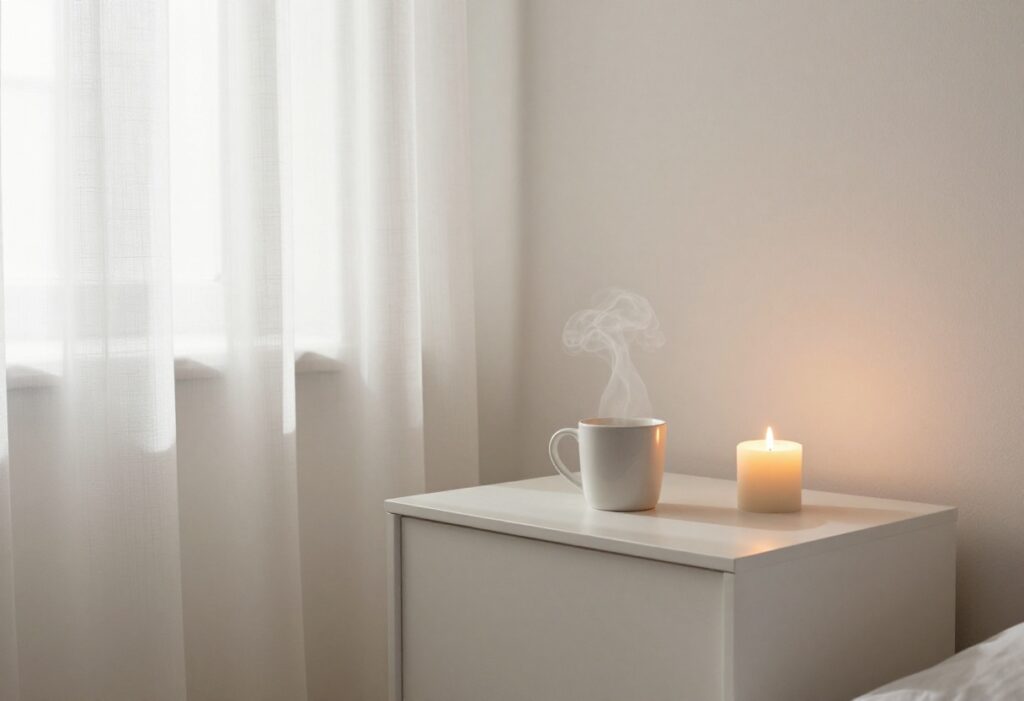
Fall has a way of asking you to slow down. The crisp air, the earlier sunsets, the scent of cinnamon—it's the perfect season to trade hustle for warmth.
But a peaceful routine doesn't happen by accident; it's built on small, intentional habits that help you savor the season. These 25 self-care ideas are designed to wrap your days in comfort without adding pressure.
From quiet morning rituals to cozy evening wind-downs, each one invites you to pause and recharge. Pick a few that feel right, and let autumn become your season of calm.
1. Start your morning with a warm drink in silence

Mornings in autumn feel different. The air is cooler, the light softer, and the world still quiet. Instead of reaching for your phone the second you wake up, try this: make yourself a warm drink—tea, coffee, or even hot lemon water—and sit with it in silence for ten minutes.
No screens, no to-do lists, just you and the warmth in your hands. It's a small ritual that sets a calm, grounded tone for the rest of the day.
This habit is deceptively simple. The first few minutes of your day often set the emotional tone. By choosing stillness over stimulation, you give your mind a chance to wake up gently.
You might notice the steam rising, the taste of the drink, or the sounds of the morning outside. It's not about meditation or mindfulness pressure—just a quiet pause before the rush begins.
Why Silence Works
Silence allows your brain to transition naturally from sleep to wakefulness. Without the flood of notifications, you start your day from a place of calm rather than reaction. Over time, this small buffer can reduce morning anxiety and help you feel more centered.
Make It A Ritual
Pick a cozy spot—a favorite chair, a window with a view, or a corner of the couch. Use a mug that feels good in your hands. The repetition of the same simple act each morning creates a comforting anchor.
You don't need to overthink it; just show up with your drink and let the quiet do the rest.
2. Light a seasonal candle while you get ready
The right scent can shift your whole mood before you even leave the bedroom. A warm, seasonal candle turns a rushed morning into a quiet ritual. It's a small switch that makes a big difference in how your day starts.
Choose Your Fall Signature Scent
Cinnamon, pumpkin, apple, cedar, or clove—pick one that feels like autumn to you. Light it while you wash up or get dressed. The aroma signals to your brain that it's time to slow down and enjoy the moment.
Make It A Five-minute Ritual
Don't just light it and run. Pause for a few seconds, take a deep breath, and let the scent settle. That tiny pause can anchor your morning and set a calm tone for the hours ahead.
Pair It With A Cozy Morning Drink
Match your candle with a warm beverage—coffee, tea, or spiced cider. The combination of scent and taste doubles the comfort. It turns a simple routine into a sensory experience you'll look forward to.
3. Take a short walk to notice fall colors
A short walk outside can reset your whole day. You don't need an hour or a scenic trail—just ten minutes around the block will do. The goal is to pay attention to what's around you: the red leaves, the cooler breeze, the way the light slants differently now.
It's a simple act that pulls you into the present moment and lifts your mood almost instantly.
Even a brief walk outdoors can shift your perspective and ease stress. The combination of gentle movement, fresh air, and natural beauty works like a mini reset for your mind. No headphones, no phone—just you and the season.
Make It A Sensory Experience
Instead of rushing, tune in to your senses. Notice the crunch of leaves underfoot, the earthy smell of damp soil, the cool touch of the breeze on your cheeks. Let your eyes follow the patchwork of golds and oranges.
This turns a simple walk into a mindful ritual that grounds you in the here and now.
Keep It Short And Sweet
You don't need a long commitment. A 10-minute loop around your neighborhood or a nearby park is enough. The key is consistency—making it a daily habit rather than a once-in-a-while treat.
Even on busy days, those few minutes outside can bring a surprising sense of calm.
Bring A Small Token Home
Pick up a pretty leaf or a small acorn on your walk. Place it on your desk or windowsill as a little reminder of your time outside. It's a simple way to carry that peaceful feeling indoors and keep the season close.
4. Swap your skincare for richer, nourishing products
As the air turns crisp and indoor heating kicks in, your skin starts to feel the change. That lightweight gel moisturizer that worked all summer just won't cut it anymore. Fall is the perfect time to switch to richer creams, oils, and balms that lock in moisture and protect your skin barrier.
Cooler weather calls for heavier moisturizers and hydrating masks. Treat your skin to extra care, and it will thank you with a healthy, dewy glow.
Upgrade Your Moisturizer
Swap your water-based gel for a cream with ceramides, shea butter, or squalane. Apply it while your skin is still damp to seal in hydration. Your face will feel plump and protected all day.
Add A Facial Oil
A few drops of jojoba, rosehip, or marula oil can make a world of difference. Press it into your skin after moisturizer for an extra layer of nourishment. It also helps your skin retain moisture overnight.
Don't Skip The Masks
Once or twice a week, use a hydrating sheet mask or a thick overnight mask. Leave it on while you read or sip tea. Your skin will soak up the extra love, and you'll wake up with a softer complexion.
5. Create a cozy reading nook with blankets and pillows

There's something magical about having a dedicated spot to curl up with a book as the leaves fall outside. A reading nook doesn't need much—just a corner that feels like yours. With soft blankets and plush pillows, it becomes an instant retreat for quiet moments.
You don't have to redecorate a whole room; a chair by the window or a pile of cushions on the floor can do the trick.
Start with a comfortable seat—an armchair, a chaise lounge, or even a stack of floor pillows. Layer in textures: a chunky knit throw, a velvet cushion, a fleece blanket. Add warm lighting like a small lamp or string lights.
Keep a basket nearby for your current reads, a mug of tea, and maybe a candle. This nook isn't just for reading—it's for daydreaming, journaling, or simply staring out the window. Make it a no-phone zone to truly unwind.
Pick The Perfect Spot
Look for a quiet corner with natural light if possible. A window seat is ideal, but any unused nook works. Even a small alcove or the end of a hallway can become cozy with the right setup.
Layer Textures For Warmth
Combine different fabrics—wool, cotton, faux fur—to create a tactile experience. The contrast between smooth and fluffy makes the space feel inviting. Don't forget a soft rug underfoot.
Add Personal Touches
Include items that make you smile: a framed photo, a small plant, or a favorite mug. Keep a stack of books nearby, but leave room for spontaneity—a notebook or sketchpad invites creativity.
6. Write down three things you're grateful for each evening
As the day winds down, your mind can easily drift to worries or to-do lists. Gratitude journaling is a simple way to redirect your focus to what went well. Just three things—no pressure to write a novel.
This tiny ritual trains your brain to notice the good, even on tough days. Over time, it rewires your perspective, making you more resilient and content. Keep a notebook by your bed, and jot down three specific things before sleep.
Keep It Simple
You don't need a fancy journal or long entries. A sticky note or a sentence in your phone works. The key is consistency, not length.
Mix It Up
Try to vary what you list. Some days it's a warm cup of tea, other days a kind text from a friend. Variety keeps the practice fresh.
Pair It With Your Wind-down
Tie gratitude to an existing habit, like brushing your teeth or turning off the lights. This makes it stick without extra effort.
7. Make a warm, comforting meal from scratch
There's a reason soup weather feels so good. Simmering a pot of stew or chili fills your kitchen with cozy aromas and gives you something tangible to focus on. The simple act of chopping vegetables and stirring a pot can quiet a busy mind.
Cooking from scratch doesn't have to be complicated. A simple butternut squash soup or a hearty lentil stew requires just a few ingredients and a bit of patience. The process itself is the self-care—the repetitive motions, the warmth of the stove, the anticipation of a nourishing meal.
Choose A One-pot Recipe
Look for recipes that come together in a single pot or Dutch oven. Fewer dishes mean less cleanup, so you can relax and enjoy the meal without dreading the mess. Soups, chilis, and braises are perfect for this.
Savor The Sensory Experience
Notice the colors of the vegetables as you chop them, the sizzle when they hit the pot, and the way the aroma changes as the dish cooks. Let yourself be fully present in the moment. This turns cooking into a mindful ritual.
Pair It With A Cozy Activity
While the soup simmers, light a candle, put on some soft music, or curl up with a book for 20 minutes. The long cooking time of a stew gives you a perfect excuse to do something relaxing while your meal takes care of itself.
8. Set a digital sunset—no screens after a certain hour
Blue light from phones and laptops messes with your sleep hormones, making it harder to drift off. By choosing a specific time to power down, you give your brain a chance to unwind naturally. Think of it as a gentle boundary between the busy day and a restful night.
Pick an hour that works for you—maybe 9 or 10 PM—and commit to putting all screens away. No scrolling, no emails, no last-minute shows. Instead, let your evening become a screen-free sanctuary.
You'll be surprised how much easier it is to fall asleep when your mind isn't buzzing with notifications.
Why It Works
Blue light suppresses melatonin, the hormone that tells your body it's time to sleep. Even a short screen session before bed can delay your sleep cycle. Cutting off screens at least 30 minutes before you plan to sleep gives melatonin a chance to rise naturally.
What To Do Instead
Use that screen-free time to read a physical book, listen to a calming playlist, or write in a journal. You could also try gentle stretches or a warm bath. The goal is to signal to your body that the day is over and it's time to relax.
Make It A Ritual
Set a phone reminder that says "digital sunset" to help you stick with it. Keep a book or a puzzle on your nightstand so you have something ready. Over time, this habit becomes a cozy signal that bedtime is approaching, making it easier to wind down.
9. Use a weighted blanket for deeper relaxation

Weighted blankets have become a go-to tool for calming the nervous system, and they're especially cozy during fall. The gentle pressure mimics a comforting hug, helping to lower cortisol and increase serotonin. As the nights get cooler, wrapping yourself in one can signal your body it's time to unwind.
How It Calms Your Mind
The weight stimulates deep pressure touch, which activates your parasympathetic nervous system. This reduces anxiety and racing thoughts, making it easier to fall asleep. Many people report feeling grounded and safe under the blanket.
Choosing The Right Weight
A good rule is to pick a blanket that's about 10% of your body weight. If you're between sizes, go lighter rather than heavier. Look for breathable materials like cotton or bamboo to avoid overheating.
Pair It With A Bedtime Ritual
Combine your weighted blanket with other calming habits like herbal tea, soft music, or reading. This creates a strong cue for your brain that it's time to relax. Over time, just lying under the blanket can trigger a peaceful state.
10. Practice 5 minutes of deep breathing before bed
After a long day, your nervous system can stay stuck in 'on' mode. A few minutes of deep breathing signals your body that it's safe to rest. Box breathing is simple, effective, and takes almost no time.
Sit or lie down in a comfortable position. Inhale through your nose for 4 counts, hold for 4, exhale for 4, hold for 4. Repeat for 5 minutes.
This pattern activates the parasympathetic nervous system, lowering heart rate and cortisol. It's a gentle bridge from the busyness of the day to peaceful sleep.
Why Box Breathing Works
The equal counts create a rhythm that calms the mind and body. Holding your breath after exhaling triggers a relaxation response. It's a tool you can use anywhere, anytime.
Make It A Habit
Pair it with an existing bedtime cue, like turning off your lamp or pulling back the covers. Soon your brain will associate deep breathing with winding down.
11. Declutter one small area each day
A cluttered space can make your mind feel just as messy. When everything around you is in its place, it's easier to breathe and focus on what matters. That's why dedicating just ten minutes a day to tidying one small spot can be a powerful act of self-care.
You don't need to overhaul your entire home. Choose a single drawer, a shelf, or even just a corner of a room. Set a timer for ten minutes and clear out what you don't need, organize what remains, and wipe down the surface.
The visual calm you create will ripple through your day, giving you a sense of control and accomplishment.
Start With The Most Visible Spot
Pick an area you see every day, like the kitchen counter or your nightstand. Clearing that one spot first thing in the morning sets a tone of order and intention. You'll feel the difference immediately.
Use The One-touch Rule
When you pick up an item, decide right away: keep, toss, or relocate. Avoid setting things down to decide later. This keeps your ten minutes efficient and prevents new piles from forming.
Celebrate The Small Win
After each session, pause and appreciate the clean space. Let yourself feel the relief and pride. Over a week, those small wins add up to a noticeably calmer home.
12. Listen to a podcast or audiobook while doing chores
Chores are inevitable, but they don't have to feel like a drag. Pairing them with a good podcast or audiobook turns folding laundry or washing dishes into something you actually look forward to. It's a simple way to make the most of your time while keeping your mind engaged.
Pick The Right Audio
Choose something that matches your mood—lighthearted comedy for a quick energy boost, a gripping mystery to make time fly, or a self-improvement podcast if you want to feel productive. The key is to save episodes or chapters specifically for chore time so it feels like a treat.
Set Up A Listening Station
Keep a speaker or your phone in a spot where you can hear it clearly while moving around. If you're doing wet chores like washing dishes, a waterproof Bluetooth speaker works wonders. Wireless earbuds are great for vacuuming or yard work.
Turn It Into A Ritual
Assign certain podcasts or audiobooks to specific chores. For example, listen to a true crime series only while cleaning the kitchen, or a novel only while folding laundry. Over time, your brain will start to associate the task with the enjoyment of the story.
13. Take a long, intentional bath with Epsom salts

There's something about sinking into warm water when the air turns chilly. A bath becomes more than just hygiene—it's a ritual that unwinds both body and mind. Epsom salts help soothe sore muscles, and a few drops of lavender oil can turn your bathroom into a personal spa.
Make it intentional by dimming the lights, lighting a candle, and leaving your phone outside. Set a timer for 20 minutes and just soak. Let the warmth melt away the day's tension.
Why Epsom Salts Work
Epsom salts are magnesium sulfate, which absorbs through your skin to reduce inflammation and relax muscles. They're a simple, affordable way to ease aches from fall hikes or long days at a desk.
Setting The Mood
A bath is as much about atmosphere as it is about water. Add a few drops of lavender or eucalyptus essential oil to the water, and place a candle on the edge of the tub. Keep a warm towel nearby so you can wrap up as soon as you step out.
Make It A Weekly Ritual
Pick one evening a week to commit to this bath. It doesn't have to be long—even 15 minutes can reset your nervous system. Over time, this small habit becomes a signal to your body that it's time to rest.
14. Wear something soft and cozy, even at home
The simple act of changing into comfortable clothes can signal your brain that it's time to relax. When you're working from home or just lounging, what you wear matters more than you think. Soft fabrics against your skin create a physical reminder that you're allowed to unwind.
Choose pieces that feel like a hug—oversized sweaters, fleece-lined leggings, or a worn-in cardigan. The goal isn't fashion; it's comfort. Keep a few cozy outfits easily accessible so you can switch out of daytime clothes without effort.
Why Fabric Matters
Natural fibers like cotton, wool, and cashmere breathe better and feel gentler. Synthetic blends can trap heat or feel scratchy. Investing in a few high-quality soft pieces pays off in daily comfort.
Make It A Ritual
Treat changing into cozy clothes as a small transition ritual. Light a candle, put on slippers, and take a deep breath. This simple routine helps separate work mode from rest mode.
Don't Forget Your Feet
Soft socks or fuzzy slippers complete the cozy experience. Cold feet can make the whole body tense, so keep a pair of warm socks or slippers by the door.
15. Schedule a weekly phone-free afternoon
Your phone is a portal to everyone else’s world. A weekly phone-free afternoon is your ticket back to your own. No notifications, no scrolling, no comparisons—just you and the present moment.
It’s not about being unreachable; it’s about being fully reachable to yourself.
Pick one afternoon each week and power down. Put your phone in a drawer or another room. The first few minutes might feel strange, but soon you’ll notice how much space opens up.
Use that time for activities that ground you—things that engage your hands and senses without a screen.
Why Offline Time Matters
Constant connectivity keeps your brain in a low-grade state of alert. A few hours offline lowers cortisol, improves focus, and lets your mind wander. That wandering is often where creativity and clarity come from.
Ideas For Your Phone-free Afternoon
Go for a hike and notice the crunch of leaves underfoot. Bake something from scratch—the measuring, mixing, and waiting are meditative. Try a craft like knitting, whittling, or watercolor.
Read a physical book. Write a letter. The goal isn’t productivity; it’s presence.
Make It A Ritual, Not A Chore
Pair your offline time with something you genuinely look forward to. Light a candle, brew a pot of tea, or put on a cozy sweater. Over time, your brain will start craving this break.
It becomes a small weekly retreat you actually want to protect.
16. Diffuse essential oils like clove or orange
Scents have a direct line to the emotional centers of your brain. A few drops of the right essential oil can shift your mood, ease tension, or simply make your home smell like a fall candle. Clove and orange are especially grounding—warm, spicy, and sweet without being overpowering.
Diffusing them during your morning coffee or evening wind-down adds a layer of seasonal comfort that feels like a hug for your senses.
Aromatherapy isn't just about pleasant smells; it's a tool for regulating your nervous system. Clove oil has a rich, earthy aroma that can help you feel centered and cozy. Orange oil is bright and uplifting, perfect for chasing away the autumn blues.
Together, they create a balanced atmosphere that supports both calm and focus. Plus, the ritual of filling your diffuser with water and counting the drops can be a mindful moment in itself.
Pick Your Fall Blend
Start with a simple combination: 3 drops clove, 3 drops orange, and 1 drop cinnamon or cedarwood for depth. This creates a warm, inviting scent that feels like autumn in a bottle. Adjust ratios to your preference—more orange for energy, more clove for grounding.
Best Times To Diffuse
Use your fall blend first thing in the morning to ease into the day, or in the evening as part of your wind-down routine. Diffusing during a bath or while reading can deepen the relaxation effect. Avoid running the diffuser all day—20 to 30 minutes per session is enough to fill the room without overwhelming your senses.
Safety And Quality Tips
Always choose 100% pure essential oils from reputable brands. Clove oil is potent, so use it sparingly if you have sensitive skin or pets. Keep your diffuser clean to prevent mold and ensure a fresh scent each time.
If you don't have a diffuser, add a few drops to a bowl of hot water or a cotton ball placed near a heat source.
17. Stretch for 10 minutes when you wake up

Your body accumulates tension overnight, especially in your neck, shoulders, and lower back. A short morning stretch routine can release that stiffness and get your blood flowing gently. Think of it as a conversation with your muscles—no forcing, just easing into the day.
Ten minutes is enough to wake up your body without eating into your morning. Focus on areas that hold stress: neck rolls, shoulder shrugs, cat-cow, and a gentle forward fold. Breathe deeply as you move, letting each exhale soften you a little more.
Over time, this simple habit can improve your posture and reduce aches.
Why Stretching Matters In Fall
Cold weather makes muscles tighter and more prone to stiffness. A morning stretch counteracts that by warming up your tissues and increasing flexibility. It also helps shake off the sluggish feeling that can creep in when mornings are dark and chilly.
A Simple 10-minute Routine To Try
Start with neck rolls (1 minute), shoulder circles (1 minute), cat-cow (2 minutes), downward dog (2 minutes), standing forward fold (2 minutes), and a gentle spinal twist (2 minutes). Keep movements slow and controlled. No need to push—just feel the release.
How To Make It A Lasting Habit
Lay your yoga mat out the night before as a visual cue. Pair stretching with something you already do, like making coffee or waiting for the kettle to boil. Even five minutes is better than none.
Consistency matters more than duration.
18. Bake something simple, like banana bread or cookies
The kitchen becomes a sanctuary when you're mixing, measuring, and waiting for something to rise. Baking fills your home with warmth and gives you a treat. The process itself is soothing, and the aroma alone can shift your mood.
Baking doesn't have to be complicated to be comforting. A simple banana bread or a batch of chocolate chip cookies can do the trick. The repetitive motions—stirring, scooping, watching the timer—are almost meditative.
Plus, you end up with something delicious to enjoy with tea or coffee.
Choose A Forgiving Recipe
Pick something that doesn't require precision or fancy equipment. Banana bread, oatmeal cookies, or a simple loaf cake are great options. These recipes are hard to mess up and don't demand special skills.
Make It A Sensory Experience
Put on some soft music, light a candle, and really pay attention to the textures and smells. Feel the dough between your fingers, inhale the vanilla, and watch the butter melt. This turns baking into a full-on mindfulness practice.
Share Or Save For Later
You can enjoy a slice right away, wrap some up for tomorrow, or share with a neighbor. Knowing you have a homemade treat waiting can make the rest of your day feel cozier.
19. Write a letter or note to someone you appreciate
Gratitude is one of the simplest ways to warm your own heart. Taking a few minutes to write a letter or note to someone you appreciate does more than brighten their day—it grounds you in what matters. In a world of quick texts and likes, a handwritten note feels like a small ceremony.
It slows you down, makes you reflect, and wraps you in a sense of connection.
Choose Your Person
Think of someone who has made a difference in your life recently or long ago. It could be a friend, a family member, a mentor, or even a neighbor. The person doesn't need to be far away or someone you've lost touch with.
Sometimes the most powerful notes go to people you see every day.
Keep It Simple
You don't need to write a long essay. A few heartfelt sentences are enough. Mention a specific memory or quality you appreciate about them.
For example: "I still remember the afternoon you helped me move that heavy bookshelf. You made a stressful day feel easy. " Specifics make the note feel genuine.
Make It A Ritual
Set aside 10 minutes once a week during fall to write one note. Light a candle, brew some tea, and let the words flow. Over time, you'll have a stack of gratitude that you can look back on.
And the people who receive them? They'll likely keep your note for years.
20. Create a fall playlist with calming acoustic songs
Music sets the mood. Curate a list of slow, warm tracks to play during quiet evenings, morning coffee, or while you curl up with a book. The right acoustic playlist can turn an ordinary night into a cozy retreat.
Choose Songs That Feel Like A Warm Blanket
Look for acoustic covers of your favorite songs or soft indie folk tracks. Artists like Iron & Wine, Nick Drake, or Fleet Foxes often have the perfect mellow vibe. Aim for songs with gentle guitar, soft vocals, and a tempo that matches a relaxed evening.
Organize By Mood Or Time Of Day
Create separate playlists for different moments. A morning mix with upbeat but gentle tunes, an afternoon focus playlist, and an evening wind-down set. This way, you always have the right soundtrack ready without having to search.
Keep It Fresh With Seasonal Updates
Every few weeks, swap out a few songs to keep the playlist feeling new. Add tracks that remind you of fall—maybe ones with references to leaves, rain, or cozy nights. Streaming services often have fall-themed playlists you can borrow from.
21. Do a digital detox for one hour before sleep
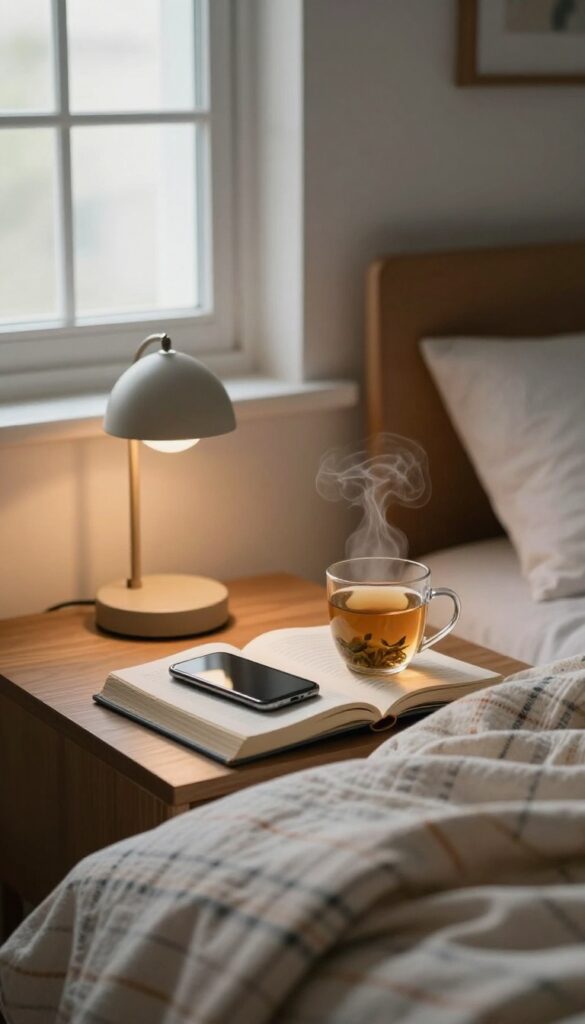
Your phone is probably the biggest thief of peaceful sleep. The blue light and constant notifications keep your brain in alert mode, making it hard to drift off. One simple fix: put it away for the hour before bed and let your mind truly unwind.
Why It Works
Screens emit blue light that suppresses melatonin, the hormone that tells your body it's time to sleep. Scrolling also keeps your brain engaged and stimulated, which is the opposite of what you need before rest. A digital detox gives your nervous system a chance to downshift naturally.
What To Do Instead
Grab a physical book—something light and enjoyable, not work-related. The act of turning pages and focusing on a single story is calming. You could also try journaling, gentle stretching, or listening to a quiet audiobook.
The key is to replace stimulation with stillness.
Make It A Ritual
Set a recurring alarm for one hour before bed as your cue to power down. Charge your phone outside the bedroom so you're not tempted. Pair this habit with a warm cup of herbal tea or a cozy blanket to signal to your brain that it's time to rest.
22. Try a new hobby like knitting, journaling, or watercolor
Learning something new engages your mind in a relaxing way. Fall is perfect for indoor hobbies. Whether it's knitting, journaling, or watercolor, picking up a new skill can be both calming and rewarding.
Why It Works
New hobbies shift your focus away from stress and into a flow state. The repetitive motions of knitting or the gentle brushstrokes of watercolor can quiet your mind. Plus, the sense of progress boosts your mood without pressure.
Getting Started
You don't need fancy supplies. A simple sketchbook, a set of watercolor paints, or a basic knitting kit is enough. Start with a small project—like a scarf or a daily journal entry—and let yourself be a beginner.
Make It Cozy
Set up a little corner with a comfy chair, good lighting, and a warm drink. Light a candle or play soft music. This turns your hobby time into a ritual you'll look forward to each day.
23. Spend time with a pet or volunteer at an animal shelter
There's something about the unconditional love of an animal that melts stress away. Whether it's your own furry friend or a shelter pet waiting for attention, those quiet moments of connection can reset your whole mood. Fall is the perfect time to make this a regular habit.
The cooler weather means longer walks, cozy cuddle sessions, and more indoor time together. Even 15 minutes of petting a dog or cat can lower cortisol and boost oxytocin.
Animal interaction is a scientifically proven stress reliever. It doesn't require a big time commitment—just a few minutes of focused attention can make a difference. If you don't have a pet, volunteering at a local shelter is a meaningful way to get that same calming effect while helping animals in need.
The Science Behind The Calm
Petting an animal releases oxytocin, the bonding hormone, and reduces cortisol, the stress hormone. It also lowers blood pressure and heart rate. These effects happen quickly, so even a short interaction counts.
Make It A Fall Ritual
Incorporate pet time into your autumn routine. Take a longer walk through the fallen leaves, snuggle up with a blanket and a movie, or spend a Saturday morning at the shelter. The routine becomes something you both look forward to.
Volunteering As Self-care
If you don't have a pet, shelters are always grateful for volunteers. Walking dogs, cleaning kennels, or just sitting with the cats provides purpose and connection. It's a double win: you help animals and help yourself feel calmer.
24. Plan a cozy movie night with blankets and hot cocoa
Sometimes the most restorative thing you can do is nothing at all—just a blanket, a warm drink, and a story that makes you feel good. A cozy movie night is a simple ritual that wraps you in comfort and lets your mind reset. No multitasking, no guilt—just you, the glow of the screen, and a mug of something warm.
Choose The Right Film
Pick something that feels like a hug—a classic comedy, a nostalgic favorite, or a gentle romance. Avoid anything too intense or stressful. The goal is relaxation, not adrenaline.
Set The Scene
Dim the lights, pile on your softest blankets, and grab your coziest socks. Add a few candles or fairy lights for extra warmth. Make your space feel like a little cocoon.
Make It A Full Experience
Hot cocoa is non-negotiable, but you can also add popcorn, a slice of pie, or a mug of herbal tea. Keep snacks simple and comforting. The point is to enjoy the moment without fuss.
25. Reflect on your day with one sentence before sleep

Ending the day with a single sentence of reflection might sound too simple to matter, but it's a powerful anchor for gratitude and closure. This tiny ritual helps you acknowledge what went well, what you felt, or what you learned—without overthinking or journaling for twenty minutes. It's a gentle way to let go of the day and welcome rest.
Before you close your eyes, take ten seconds to sum up your day in one sentence. It could be a highlight ("I finally finished that chapter"), a feeling ("I felt calm during my walk"), or even something you're grateful for ("The pumpkin soup was perfect"). The key is brevity and honesty.
This practice trains your brain to notice the good, even on ordinary days, and signals to your mind that the day is complete.
Why One Sentence Works
A single sentence removes the pressure of a full journal entry. It's quick, doable even when you're exhausted, and still effective. Research shows that brief gratitude reflections can improve sleep quality and mood.
By keeping it short, you're more likely to stick with it long-term.
How To Make It A Habit
Pair it with an existing bedtime cue, like turning off the lamp or laying your head on the pillow. Keep a small notebook or sticky note on your nightstand, or just say it aloud. There's no wrong way—consistency matters more than format.
What If Nothing Comes To Mind?
Some days feel flat or hard. That's okay. Your sentence can be as simple as "I made it through" or "The tea was warm.
" The act of acknowledging something—anything—still fosters closure. Over time, you'll notice more moments worth noting.
FAQ
How do I start a fall self-care routine without feeling overwhelmed?
Pick just one or two habits from the list that appeal to you most. Start small and build gradually. Consistency matters more than quantity.
What if I don't have time for long self-care activities?
Many habits take only 5–10 minutes, like deep breathing, stretching, or writing a gratitude list. Short moments add up.
Can these habits help with seasonal affective disorder?
While not a substitute for professional help, habits like morning walks, light exposure, and cozy rituals can improve mood during darker months.
How can I make my home feel cozier for fall self-care?
Add soft lighting, warm textures like blankets and rugs, seasonal scents, and declutter to create a calm environment.
Should I do all 25 habits every day?
No, that's not realistic. Choose a few that fit your lifestyle and rotate them. The goal is to feel nourished, not pressured.
Conclusion
Small habits can reshape your entire season. Pick one or two from this list that feel doable and weave them into your daily rhythm.
Over time, these quiet moments will build a sense of warmth and steadiness that carries you through fall and beyond. Your peaceful routine starts with a single intentional step.