A good week doesn't just happen—you build it, one small choice at a time. Self-care isn't about grand gestures; it's the little things that keep you grounded and energized. Think of these essentials as your toolkit for a smoother, happier seven days.
You don't need a spa day or a vacation to reset. Sometimes it's a five-minute stretch, a better sleep routine, or saying no to one extra commitment. These 25 ideas are simple, realistic, and designed to fit into your real life.
Ready to turn your week around? Let's start with the basics that make the biggest difference.
1. Start with a Morning Ritual That Sticks
Mornings can feel like a race against the clock, but a few intentional minutes can change everything. A short, consistent ritual helps you ease into the day rather than crash into it. Think of it as a gentle anchor for your mind and body.
You don't need an elaborate routine—just something that feels good and doable. Even five minutes of quiet, stretching, or jotting down a thought can shift your whole mood. The key is consistency, not complexity.
Keep It Short And Sweet
A ten-minute window is plenty. Try sipping tea in silence, doing a few yoga poses, or writing one thing you're looking forward to. Short rituals are easier to stick with long-term.
Pick One Simple Anchor
Choose a single action that signals the start of your day—like making your bed, stepping outside for fresh air, or stretching for two minutes. That anchor builds momentum without overwhelming you.
Prep The Night Before
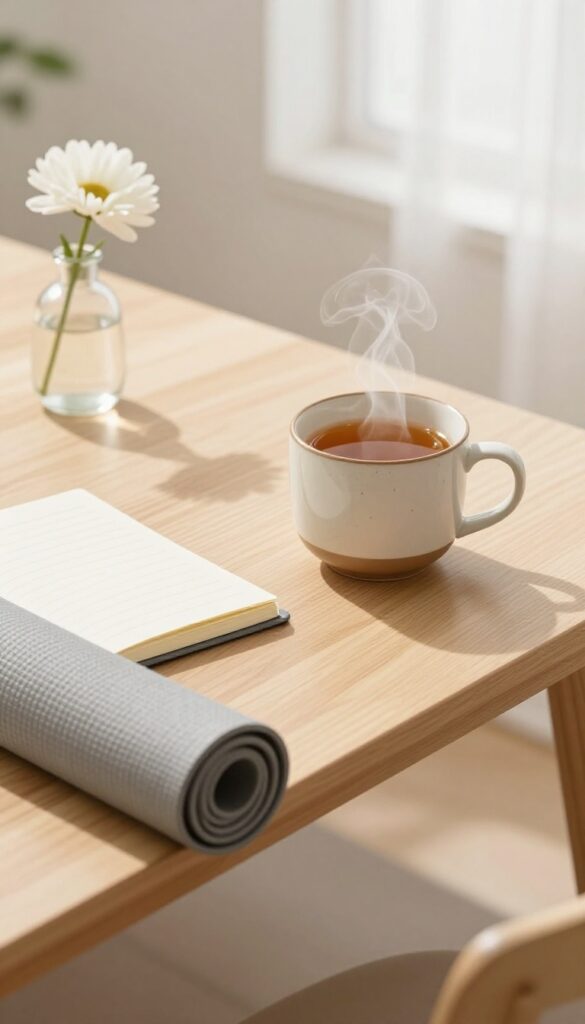
Set out your tea mug, yoga mat, or journal before bed. Removing small barriers makes it much easier to follow through when the alarm goes off.
2. Drink Water Before Coffee
You wake up, head straight for the coffee maker, and think you're winning at mornings. But your body just spent hours without hydration, so that first mug of caffeine actually hits your system harder when you're dehydrated. Drinking a glass of water first thing helps your brain wake up naturally and sets a calmer tone for the day.
It's not about giving up coffee—it's about timing. Water before caffeine signals to your body that it's time to rise, not just jolt. This simple swap can improve your focus, reduce that mid-morning crash, and even help your skin look more awake.
Hydrating before coffee is one of the easiest ways to upgrade your mornings without extra effort. Your body loses water overnight through breathing and sweat, so you're starting the day already behind. A glass of water rehydrates your cells, kickstarts your metabolism, and helps you feel more alert naturally.
Coffee can wait 20 minutes—your brain will thank you.
Why It Works
Sleep dehydrates you more than you realize. Even mild dehydration can make you feel tired, foggy, or irritable. Water first thing replenishes fluids and improves blood flow, so your brain gets oxygen faster.
Coffee then works better because your body isn't fighting dehydration at the same time.
How To Make It Stick
Keep a glass or water bottle by your bed so you see it before your feet hit the floor. Add a squeeze of lemon if plain water feels boring—it also gives you a little vitamin C. Aim for 8 to 12 ounces, then wait 15 to 20 minutes before your first sip of coffee.
The Real Payoff
You'll notice steadier energy through the morning and fewer cravings for sugary snacks later. Your skin may look clearer, and you'll probably feel less reliant on that second cup of coffee. It's a tiny habit that quietly makes everything else easier.
3. Move Your Body for 10 Minutes
You don't need an hour at the gym to feel the benefits of movement. Ten minutes is enough to shake off the stiffness, clear your head, and boost your mood. The key is to make it easy and enjoyable, so you actually do it.
Short bursts of movement—walking, yoga, or dancing—release endorphins and break up sedentary time. They improve circulation, reduce stress, and give you a quick energy lift. The best part?
You can fit them in anywhere, anytime.
Pick Your Style
Not all movement has to be intense. A brisk walk around the block, a few yoga sun salutations, or a spontaneous dance party in your living room all count. Choose what feels good in the moment.
Make It A Habit
Tie your 10 minutes to an existing routine—right after you finish work, before your morning shower, or during a lunch break. Consistency matters more than intensity.
No Equipment Needed
You don't need special gear. Bodyweight exercises like squats, lunges, or stretches work perfectly. Just a small space and a willingness to move.
4. Set Three Daily Intentions
Starting the day without a plan is like driving without a map—you'll probably end up somewhere, but it might not be where you wanted to go. Setting three daily intentions each morning gives your day direction and purpose. It's a simple practice that takes just a few minutes but can transform how you feel by evening.
Intentions are not to-do lists. They are small, meaningful goals that align with what matters most to you today. The key is to keep them achievable—three things you can realistically complete.
This could be a work task, a personal habit, or a moment of connection.
Keep It Realistic
Don't overload yourself. Choose three intentions that you can actually accomplish. If you finish early, you can always add more.
The goal is to build momentum, not stress.
Write Them Down
Put your intentions somewhere visible—a notebook, a sticky note on your monitor, or a note on your phone. Seeing them throughout the day keeps you focused and reminds you of your priorities.
Celebrate The Wins
At the end of the day, take a moment to acknowledge what you achieved. Even if you only hit two out of three, that's progress. This builds a sense of accomplishment and motivates you for the next day.
5. Take a Real Lunch Break

Lunchtime often turns into another work session—you eat at your desk while scrolling emails or watching a tutorial. That's not a break. A real lunch break means stepping away from your workspace, leaving your phone behind, and giving your brain a chance to recharge.
Even 20 minutes of true separation can boost your afternoon focus and mood.
Eat Without Screens
When you eat while staring at a screen, you barely taste your food and your mind never rests. Try eating at a table, in a park, or even just a different room. Focus on the flavors and textures—it's a small act of mindfulness that makes lunch feel like a real meal.
Get Outside If You Can
Fresh air and natural light do wonders for your energy. A short walk around the block, sitting on a bench, or just standing in the sun for five minutes resets your circadian rhythm and clears your head. No need for a full workout—just a change of scenery.
Set A Firm Boundary
It's easy to let work creep into your lunch hour, but that habit drains you over time. Block the time on your calendar, turn off notifications, and let colleagues know you'll be unavailable. Treat your break as non-negotiable—you deserve it.
6. Create a Calming Evening Wind-Down
The way you end your evening sets the tone for tomorrow. A rushed, screen-filled bedtime often leads to restless sleep and a groggy morning. By carving out 30 minutes to intentionally slow down, you signal to your brain that it's time to rest.
A simple wind-down routine doesn't have to be complicated. Start by dimming the lights and putting away your phone, laptop, and TV. Then pick one relaxing activity—reading a physical book, gentle stretching, journaling, or sipping herbal tea.
Consistency matters more than perfection; even a short ritual can improve sleep quality and help you wake up feeling refreshed.
Dim The Lights
Bright light, especially blue light from screens, suppresses melatonin and keeps your brain alert. Switch to warm, dim lighting about an hour before bed. Use lamps instead of overhead lights, or try a salt lamp for a soft glow.
Put Devices Away
Scrolling through social media or answering emails keeps your mind active and stressed. Make a rule: no screens in the last 30 minutes before sleep. If you need background noise, try a white noise machine or a sleep podcast instead.
Do One Relaxing Thing
Choose a calming activity that feels like a treat, not a chore. Read a few pages of a novel, write down three things you're grateful for, do a 5-minute body scan, or sip a cup of chamomile tea. The key is to do it consistently so your body learns to associate it with sleep.
7. Unplug for 30 Minutes Before Sleep
That late-night scroll through social media might feel relaxing, but your brain disagrees. Blue light from screens tricks your body into thinking it's daytime, suppressing melatonin and making it harder to fall asleep. A simple pre-bed wind-down can change that.
Swap your phone for a paperback, a warm bath, or a calming playlist. Your sleep quality will improve, and you'll wake up feeling more refreshed. It's a small habit that pays off big.
Why Blue Light Hurts Sleep
Screens emit blue light that interferes with your body's natural sleep-wake cycle. Research shows it can delay melatonin production by up to 90 minutes. Even dim light from a phone can be enough to disrupt your rest.
Better Alternatives For Your Wind-down
Try reading a physical book, taking a warm bath, or listening to soft music or a podcast. Gentle stretching or journaling also work well. The goal is to signal to your body that it's time to slow down.
Make It A Non-negotiable Routine
Set a timer for 30 minutes before bed and put your devices away. Use an old-fashioned alarm clock if you need to. Consistency is key—your brain will start associating that wind-down time with sleep.
8. Keep a Gratitude Journal
Gratitude isn't just a feel-good concept—it's a tool that actually changes your brain. When you intentionally look for things to appreciate, you train your mind to scan the world for positives instead of negatives. A simple daily practice can shift your entire outlook.
Writing down three things you're grateful for each day takes less than five minutes, but the effects last much longer. Over time, this habit rewires your neural pathways to notice the good more often. It's like giving your brain a new lens to see life through.
Why It Works
Gratitude journaling boosts dopamine and serotonin—the same chemicals that antidepressants target. By actively recalling positive moments, you strengthen the neural circuits that make happiness more automatic. It's not about ignoring problems; it's about balancing your perspective.
How To Start Small
Pick a time that's already part of your routine—right after brushing your teeth or just before bed. Use a simple notebook or a notes app. Don't overthink it.
Even "the coffee was hot" or "my coworker smiled at me" counts. The key is consistency, not perfection.
Keep It Fresh
To avoid repeating the same entries, vary your focus. One day highlight people, another day notice small comforts, and another day reflect on challenges that taught you something. This keeps the practice engaging and deepens your awareness of life's gifts.
9. Declutter One Small Space Daily

Clutter isn't just visual noise—it's mental weight. When your environment feels chaotic, your brain has to work harder to focus. The fix isn't a full-day deep clean; it's one tiny win each day.
Pick a drawer, a shelf, or even just your nightstand. Spend five minutes returning things to their homes and tossing what doesn't belong. That small act of order sends a signal to your brain: you've got this.
Tidying a single small area each day prevents overwhelm and builds momentum. Over a week, those five-minute sessions add up to a noticeably calmer space. And a calmer space means a calmer mind—less distraction, less stress, more room to breathe.
Start With High-traffic Zones
Focus on spots you use every day: your desk corner, the kitchen counter, the bathroom vanity. Clearing these areas first gives you the most relief for your effort. A clear counter makes morning coffee feel less rushed; a tidy desk helps you settle into work faster.
Use A Timer, Not A To-do List
Set a timer for five minutes and tackle one spot. When the timer rings, stop—even if you're not finished. This keeps the task from feeling like a chore and trains you to work efficiently.
You'll be surprised how much you can accomplish in short bursts.
Create A 'maybe' Box
For items you're unsure about keeping, place them in a small box. Label it with today's date and stash it out of sight. If you haven't reached for anything in the box after a month, donate or toss it.
This takes the pressure off decision-making while still reducing clutter.
10. Schedule 'Me Time' Like a Meeting
You wouldn't skip a meeting with your boss, so why skip one with yourself? Treating your personal time as a non-negotiable appointment ensures it actually happens. Block 15 to 30 minutes on your calendar, give it a name like "Recharge" or "Me Time, " and guard it fiercely.
When you schedule it, you're more likely to follow through. Plus, it signals to others that your time is valuable. Start small—even 15 minutes can make a difference.
Choose Your Activity
Decide beforehand what you'll do. Read a book, take a walk, meditate, or just sit with a cup of tea. Having a plan prevents you from wasting the time deciding.
Set Boundaries
Turn off notifications, close your door, or put on headphones. Let colleagues or family know you're unavailable. Treat this block like a doctor's appointment—you wouldn't cancel for a minor interruption.
Make It A Habit
Consistency is key. Try scheduling your me time at the same time each day or week. Soon, it'll feel as natural as brushing your teeth.
11. Practice Deep Breathing for 2 Minutes
Your nervous system is like a car alarm—it goes off at the slightest provocation. Deep breathing is the reset button you can press anywhere, anytime. Just two minutes of intentional breathing can shift your brain from fight-or-flight to rest-and-digest mode.
No app or special place required. You can do this at your desk, in the car, or while waiting in line. It's the cheapest, fastest way to lower stress and sharpen focus.
Deep breathing triggers the vagus nerve, which tells your body to relax. The 4-4-6 pattern (inhale 4 counts, hold 4, exhale 6) is particularly effective because the longer exhale activates the parasympathetic nervous system. Doing this for just two minutes can lower heart rate, reduce blood pressure, and quiet anxious thoughts.
Make it a habit by pairing it with something you already do—like right after you sit down at your desk or just before bed. Consistency matters more than duration.
Why The 4-4-6 Pattern Works
The magic is in the exhale. By making your exhale longer than your inhale, you force your body to relax. It's like gently pressing the brakes on your stress response.
Research shows this pattern can reduce cortisol levels and improve emotional regulation.
How To Fit It Into Your Day
Set a timer for two minutes. Close your eyes or soften your gaze. Breathe in through your nose for 4 counts, hold for 4, then exhale slowly through your mouth for 6 counts.
Repeat until the timer goes off. That's it. You can do this during a break, before a meeting, or when you feel overwhelmed.
Turn It Into A Mini Ritual
Add a simple cue to make it stick. For example, every time you pour your morning coffee, take two minutes to breathe first. Or use it as a transition between work and home.
Over time, your brain will associate the cue with calm, making it easier to slip into relaxation mode.
12. Connect with Someone You Love
We often treat connection as something we'll get to when we have time. But a quick moment with someone who matters can shift your whole mood. It's not about long conversations—just a reminder that you're seen and cared for.
The Science Of A Quick Check-in
A short call or text triggers oxytocin, the bonding hormone that lowers stress and boosts feelings of safety. Even a two-minute chat can reduce cortisol and improve your outlook for hours.
Ideas That Take Under 5 Minutes
Send a voice note instead of typing. Share a funny meme. Ask how their day is going.
The goal isn't to catch up on everything—it's to remind them (and yourself) that you're connected.
Don't Forget Physical Connection
If you're with someone you love, a hug, a hand squeeze, or a pat on the back works wonders. Physical touch releases oxytocin too, and it's often the fastest way to feel grounded.
13. Eat One Meal Without Distractions

When was the last time you ate without scrolling, watching, or working? For most of us, meals are just another task we squeeze in between notifications. But eating with full attention—tasting, chewing, noticing—can transform how you feel afterward.
Distracted eating often leads to overeating and poor digestion. When you focus on your food, you naturally eat slower, recognize fullness sooner, and enjoy every bite more. It's a simple reset for your relationship with food.
Why It Works
Your brain needs about 20 minutes to register fullness. When you're distracted, you miss those signals and eat more than you need. Mindful eating also activates your parasympathetic nervous system, which aids digestion.
How To Start
Pick one meal a day—maybe breakfast or lunch—and commit to no screens, books, or podcasts. Sit at a table, notice the colors and smells, and chew slowly. That's it.
The Payoff
You'll likely feel more satisfied with less food, experience fewer digestive issues, and actually remember what you ate. Over time, this practice can reduce stress around eating and help you make more balanced choices.
14. Get Outside for Fresh Air
Your brain craves nature more than you realize. Just a few minutes outdoors can dial down stress and lift your mood. Sunlight also helps reset your internal clock, making it easier to fall asleep at night.
Stepping outside doesn't require a long hike. A short walk around the block or sitting on a bench counts. The key is to leave your phone behind and let your senses tune into the environment—the breeze, birds, or simply the sky.
The 5-minute Reset
When you're feeling overwhelmed, set a timer for five minutes and step outside. No agenda, no destination. Just breathe and notice what's around you.
This quick break can lower cortisol levels and give your brain a much-needed reset.
Morning Light Matters
Exposure to natural light early in the day helps regulate your circadian rhythm. Try having your morning coffee on the porch or opening the curtains wide. Even 10 minutes of sunlight can improve your sleep quality that night.
Make It A Habit
Weave outdoor time into your routine. Pair it with something you already do—like a lunch break or after-dinner wind-down. Consistency matters more than duration.
A daily dose of fresh air becomes a anchor for your well-being.
15. Say No to One Thing That Drains You
Your time and energy are finite, yet we often treat them as if they're endless. Every unnecessary meeting, favor, or commitment chips away at your reserves. The fix?
Get comfortable with saying no—at least once this week.
Protecting your energy isn't selfish; it's essential. Start by identifying one activity that consistently leaves you feeling depleted. It could be a recurring meeting that could be an email, a favor you resent doing, or a social obligation you dread.
Politely decline it. You'll be surprised how much lighter you feel.
How To Say No Gracefully
You don't need a long excuse. A simple "I can't make that work right now" or "I need to focus on other priorities" is enough. If you want, offer a brief reason, but don't over-explain.
People respect honesty more than a flimsy excuse.
Start Small
If saying no feels uncomfortable, practice with low-stakes situations. Decline an extra task at work or skip a casual hangout. Each small no builds your confidence for bigger ones.
The Ripple Effect
When you stop saying yes to everything, you free up time for what truly matters. You'll have more energy for the people and activities that recharge you. Plus, you model healthy boundaries for others.
16. Stretch for 5 Minutes Midday
Your body wasn't designed to sit still for eight hours straight. By midday, your shoulders creep up toward your ears, your neck feels stiff, and your hips start complaining. A quick five-minute stretch can undo all that tension and give you a second wind.
You don't need a yoga mat or special clothes. Just stand up, roll your shoulders, and reach for the sky. It's amazing how much better your brain works when your body isn't screaming for movement.
Think of it as a mini reboot for your muscles and your mind. Five minutes now can save you from an achy evening and a sluggish afternoon.
A midday stretch is one of the simplest ways to break up the workday slump. It targets the areas that hold the most stress—shoulders, neck, and hips—and gets your blood flowing again. You'll feel more alert, less tense, and ready to tackle the rest of your day.
Set a reminder on your phone or sync it with your lunch break. Even a few gentle moves can make a big difference. No need to be flexible; just move in a way that feels good.
Why Midday?
Your body's natural energy dips in the early afternoon. Stretching counteracts that slump by increasing circulation and releasing endorphins. It's a natural pick-me-up without caffeine.
Quick Moves That Work
Try a seated spinal twist, a neck side stretch, and a standing forward fold. Each takes under a minute. Focus on your breath—inhale as you lengthen, exhale as you sink deeper.
Make It A Habit
Pair your stretch with something you already do, like after your lunch or before your afternoon coffee. Consistency is easier when it's attached to an existing routine.
17. Listen to an Uplifting Podcast or Music

Sound shapes your mood more than you think. A carefully chosen playlist or podcast can shift your energy from sluggish to motivated in minutes. Use it as a tool, not just background noise.
Curate a playlist or podcast that makes you feel good. Use it during chores or commutes.
Build Your Mood Playlist
Create a go-to playlist of songs that instantly lift your spirits. Update it regularly to keep it fresh. Play it when you need a quick mood boost.
Podcasts That Inspire
Subscribe to a podcast that leaves you feeling energized or informed. Comedy, storytelling, or motivational shows work well. Listen during your commute or while cleaning.
Match The Moment
Have different audio options for different situations. Upbeat tunes for exercise, calming sounds for winding down, and educational podcasts for learning. Rotate based on your needs.
18. Write Down What's Worrying You
Your mind can feel like a browser with thirty tabs open. Each worry, task, and what-if competes for attention, leaving you exhausted before the day even starts. The fix is simpler than you think: grab a pen and let it all out on paper.
Brain dumping your anxieties onto paper gets them out of your head and reduces overwhelm. It's a proven way to clear mental clutter and regain focus. You don't need a fancy journal—any scrap of paper will do.
Why It Works
Writing forces your brain to slow down and organize scattered thoughts. It also creates distance between you and your worries, making them feel more manageable. Studies show that expressive writing can lower stress and improve mood.
How To Start
Set a timer for five minutes and write nonstop. Don't worry about grammar or making sense—just dump everything. You can tear up the page afterward or keep it to reflect later.
When To Do It
Try it first thing in the morning or right before bed. Morning writing clears the mind for the day ahead; evening writing prevents rumination from keeping you awake.
19. Treat Yourself to a Small Pleasure
A fancy coffee, a new candle, or a favorite snack. Little treats boost dopamine and break up the routine. You don't need a big reason to indulge—sometimes a small pleasure is exactly what your week needs.
Small pleasures are quick, affordable, and surprisingly effective at lifting your mood. They signal to your brain that you're cared for, even by yourself. The key is to make them intentional, not mindless.
Pick Your Pleasure
Think about what genuinely makes you smile. It could be a latte from your favorite café, a fresh scented candle, a single piece of dark chocolate, or a new lip balm. The size doesn't matter—the joy does.
Make It A Ritual
Savor the moment. Don't just gulp the coffee or light the candle and forget it. Pause for a few minutes to enjoy the taste, the smell, or the feeling.
That mindfulness multiplies the pleasure.
Schedule It In
Treats shouldn't be random. Plan one small pleasure for each day of the week, or at least a few times. Put it on your calendar or set a reminder.
That way, you'll actually follow through.
20. Do a Digital Detox for One Hour
Your phone buzzes with notifications, emails pile up, and social media keeps pulling you in. It's exhausting. Taking just one hour away from screens can reset your focus and calm your mind.
No scrolling, no alerts—just you and the real world.
Set a timer for 60 minutes and turn off all notifications. Put your phone in another room if you have to. Use this time to reconnect with something offline: read a few chapters of a book, go for a walk without headphones, or simply sit and breathe.
You'll be surprised how much clearer your head feels afterward.
Why An Hour Works
An hour is long enough to break the habit loop of checking your phone, but short enough not to feel overwhelming. It's a manageable chunk of time that lets you experience the benefits without the anxiety of a full-day detox.
What To Do Instead
Pick an activity that feels nourishing, not productive. Read a physical book, stretch, journal, or just people-watch from a park bench. The goal isn't to be efficient—it's to give your brain a real break.
Make It A Routine
Try scheduling your digital detox at the same time each day, like during your morning coffee or right after work. Consistency helps it stick, and soon you'll look forward to that quiet hour.
21. Practice a Simple Affirmation

Words have power, especially the ones you say to yourself. A quick affirmation can shift your mindset from doubt to confidence in seconds. It's not about pretending everything is perfect—it's about reminding yourself that you're capable.
Make It Personal
Generic affirmations can feel hollow. Pick a phrase that actually resonates with you. If 'I am enough' doesn't land, try 'I am learning' or 'I am doing my best. ' Your affirmation should feel true, not forced.
Anchor It To A Habit
Attach your affirmation to something you already do—like brushing your teeth or making coffee. Say it out loud or in your head. The repetition builds new mental grooves over time.
Keep It Brief
Short and punchy works best. A single sentence is enough. You don't need a paragraph.
The goal is to interrupt negative spirals, not start a speech.
22. Organize Your To-Do List by Priority
Your to-do list can either be a roadmap or a trap. When you stack tasks by urgency, you end up fighting fires all week instead of making real progress. Shifting your focus to what's truly important—not just what's screaming loudest—changes everything.
Start each week by listing everything you want to accomplish. Then rank each task by importance: does it move you toward a meaningful goal? Does it align with your values?
Put those at the top. Urgent but less important tasks can wait or be delegated. This simple shift prevents you from spending your best energy on busywork.
The Eisenhower Matrix
Draw a four-square box: urgent/important, not urgent/important, urgent/not important, not urgent/not important. Drop each task into a quadrant. Your priority list comes from the 'not urgent but important' box—that's where long-term growth lives.
Pick Your Big Three
Each day, choose three tasks from your priority list that will make the biggest difference. Focus on completing those before touching anything else. This prevents overwhelm and ensures you end each day feeling accomplished.
Batch Similar Tasks
Group low-priority but necessary tasks—like emails, errands, or paperwork—into one block of time. Handling them all at once reduces mental switching and frees up the rest of your week for deeper work.
23. Take a Power Nap (15-20 Minutes)
That mid-afternoon slump hits like a wall. Instead of reaching for another coffee or pushing through with gritted teeth, try a power nap. A short 15-20 minute nap can restore alertness and sharpen your focus without leaving you groggy.
It's a simple reset that fits into even a busy day.
The science is clear: a brief nap boosts cognitive function, memory, and mood. It's not about catching up on lost sleep—it's about giving your brain a quick recharge. The key is keeping it short.
Longer naps can lead to sleep inertia, that heavy, disoriented feeling that defeats the purpose. Set an alarm and stick to it.
Find Your Nap Window
The ideal time is early afternoon, between 1 and 3 PM. This aligns with your body's natural circadian dip. Napping too late can interfere with nighttime sleep.
A quiet, dark room helps, but even a comfortable chair with an eye mask works.
Make It A Habit
Consistency matters. If you nap at the same time each day, your body learns to fall asleep faster. It's not lazy—it's strategic.
Many successful people swear by power naps as a productivity tool.
Tips For A Successful Nap
Keep it short: 15-20 minutes. Use an alarm. Avoid caffeine right before.
If you can't fall asleep, just rest with your eyes closed—it still provides benefits. And don't beat yourself up if you don't drift off; quiet rest counts.
24. Laugh Out Loud
Laughter is one of the fastest ways to shift your mood and shake off stress. It triggers the release of endorphins, relaxes your muscles, and lowers cortisol levels. The best part?
It doesn't take much—just a few minutes of genuine laughter can reset your whole day.
Why It Works
When you laugh, your brain releases feel-good chemicals like dopamine and serotonin. This natural cocktail reduces tension and helps you see challenges from a lighter perspective. Even a forced chuckle can trick your brain into feeling happier.
Quick Ways To Get Your Giggle
Bookmark a few funny YouTube channels or follow a comedian you love. Call a friend who always makes you smile, or flip through a comic strip app. The goal isn't perfection—just a genuine laugh that leaves you feeling lighter.
25. Reflect on Your Week Every Sunday

Sunday evenings often come with a mix of relaxation and dread for the week ahead. Instead of letting that anxiety build, use the time to look back on the past seven days. A short reflection can turn Sunday into a springboard for a better week.
Grab a notebook or open a notes app. Ask yourself two questions: What went well this week? What would I change?
Jot down a few honest answers. This isn't about judging yourself—it's about noticing patterns. Maybe you felt drained after back-to-back meetings, or you crushed a project because you took breaks.
Those insights help you adjust your schedule or mindset for next week.
Keep It Simple
You don't need a long journal entry. Five minutes is enough. Set a timer if you tend to overthink.
Write three wins and one lesson learned. That's it.
Plan One Small Change
Pick one thing from your reflection and decide how to handle it differently. For example, if you felt rushed every morning, plan to prep your coffee or outfit the night before. Small tweaks add up.
Celebrate The Wins
Don't skip over what went well. Acknowledging your successes, even tiny ones, builds momentum. It also trains your brain to notice the good stuff more often.
FAQ
How many self-care essentials should I try at once?
Start with 2-3 that resonate most. Adding too many at once can feel overwhelming. Build slowly.
Can self-care really improve my productivity?
Yes. Taking care of your mental and physical health boosts focus, energy, and resilience, which directly supports productivity.
What if I don't have time for self-care?
Self-care doesn't require hours. Even 5-minute practices like deep breathing or stretching make a difference. Prioritize small moments.
Are these essentials suitable for beginners?
Absolutely. All 25 ideas are simple, low-cost, and easy to start. No special skills or equipment needed.
How do I stay consistent with self-care?
Tie new habits to existing routines (e. g. , stretch after brushing teeth). Use reminders and start small to build momentum.
Conclusion
Building a better week doesn't require a complete life overhaul. These 25 self-care essentials are small, manageable actions that add up to real change. Pick one or two that feel right for you and start there.
Remember, consistency matters more than perfection. Even on busy days, a single deep breath or a moment of gratitude can shift your entire outlook. You deserve a week that feels good from the inside out.