Self-care isn't just bubble baths and face masks—it's about showing up for yourself in meaningful ways every day. An intentional life doesn't happen by accident; it requires small, consistent actions that honor your needs and values.
These 17 self-care checklist ideas are designed to help you build routines that actually stick, without adding more pressure to your plate. Whether you're looking to reset your morning, wind down at night, or simply carve out moments of calm, this list has something for you.
Let's dive into practical steps that make self-care feel less like a chore and more like a gift you give yourself.
1. Morning Intention Setter

Most mornings start with a flood of notifications, emails, and to-do lists before your feet even hit the floor. That reactive mode sets a tone of urgency instead of purpose. By pausing to set an intention first, you reclaim control over how your day unfolds.
This practice is deceptively simple. Before you unlock your phone, grab a notebook or a sticky note and write down one sentence starting with "Today, I intend to. . . " It can be as small as "drink my coffee mindfully" or as big as "finish the project proposal.
" The key is choosing something that aligns with how you want to feel—calm, focused, generous, or accomplished. Over time, this tiny ritual rewires your brain to prioritize what matters over what's urgent.
Make It Foolproof
Keep a dedicated notebook and pen on your nightstand or bathroom counter. If you're a digital person, use a sticky note app or a single note in your phone that you update daily. The simpler the setup, the more likely you'll stick with it.
Choose Intentions That Resonate
Your intention doesn't need to be profound. It just needs to feel true to you. Some days it's "be patient with myself" and other days it's "tackle that one hard task first.
" Let your mood and schedule guide you.
Pair It With A Trigger
Anchor this habit to something you already do, like turning off your alarm or stepping out of bed. After a week, it'll become automatic—and you'll notice how different your mornings feel when you start with purpose.
2. Hydration Tracker
Water is the simplest self-care tool, yet most of us don't drink enough. A hydration tracker helps you turn a basic need into a mindful habit. By marking off eight glasses a day, you'll boost your energy, mood, and skin health without overcomplicating things.
Keeping a water bottle nearby is the first step. Use a marked bottle or a simple app to log your intake. Aim for consistent sipping throughout the day rather than chugging at once.
Pair it with a daily goal, like finishing a bottle by lunch, to stay on track.
Make It Easy
Choose a reusable bottle you love and keep it on your desk or in your bag. Set hourly reminders on your phone or use a smart water bottle that glows. The easier you make it, the more likely you'll stick with it.
Add Flavor Naturally
Plain water can get boring. Infuse it with lemon, cucumber, berries, or mint for a refreshing twist. This makes hydration feel like a treat rather than a chore.
Track With A Habit App
Apps like Plant Nanny or WaterMinder turn logging into a game. You'll get visual progress and gentle nudges to keep going. It's a small investment that pays off in better health.
3. Gratitude Snapshot
Some days it feels like everything went wrong. But even on those days, small good things are hiding in plain sight. A gratitude practice helps you spot them.
Each evening, write down three things you're grateful for. They can be tiny—a warm cup of tea, a kind text, or a sunny patch on your floor. Over time, this rewires your brain to notice the positive more often.
It's not about pretending hard days don't exist; it's about balancing the scales so you don't get stuck in negativity.
Why Three Is The Magic Number
Three is small enough to do every night but big enough to make a difference. It forces you to dig a little deeper than the obvious. Some nights you'll write the same thing—that's okay.
Repetition reinforces the habit.
How To Make It Stick
Pair it with an existing habit, like brushing your teeth or turning off your phone. Keep a small notebook by your bed or use a notes app. The key is consistency, not length.
Even one sentence per item works.
When You're Really Struggling
On tough days, gratitude can feel forced. That's when you look for the smallest things: a breath of fresh air, a comfortable chair, or the fact that you made it through the day. The act of searching matters more than what you find.
4. Digital Sunset

Screens follow us everywhere—from morning alarms to late-night scrolling. That constant blue light exposure can mess with your sleep and keep your brain in a state of low-grade alertness. A digital sunset is simply a set time each evening when you power down devices and shift into a quieter mode.
This isn't about going cold turkey or banning technology forever. It's a small boundary that helps your nervous system recognize it's time to rest. Even thirty minutes of screen-free time before bed can make a noticeable difference in how quickly you fall asleep and how rested you feel the next day.
Pick Your Sunset Time
Choose a time that works with your schedule—maybe 30 minutes before you want to sleep, or a full hour if you can swing it. Stick to it consistently so your body learns the rhythm. Set a gentle alarm as a reminder, and when it goes off, put the phone in another room if you have to.
What To Do Instead
Keep a short list of screen-free activities ready. Stretching, journaling, reading a physical book, or just sitting quietly with a cup of tea all work well. The goal isn't to be productive—it's to unwind.
Even five minutes of deep breathing counts.
Make It A Ritual
Pair your digital sunset with something you look forward to, like a cozy blanket, a specific playlist of calming music, or a warm drink. When it feels like a treat rather than a rule, you'll actually want to stick with it.
5. Movement Micropause
Your body wasn't designed to sit still for hours. A quick movement break every hour can reset your posture, ease muscle tension, and sharpen your mental focus. Think of it as a mini-reboot for both body and brain.
Why 5 Minutes Works
Short breaks are easier to stick with than a full workout. Five minutes is long enough to release tight muscles and boost circulation, but short enough to fit into any schedule. Consistency beats intensity here.
Simple Moves To Try
You don't need equipment or a yoga mat. Try neck rolls, shoulder shrugs, a standing forward fold, or a gentle twist in your chair. Even a quick walk around the room counts.
The key is to move in ways that feel good.
How To Remember
Set a timer or use an app that reminds you hourly. Pair your micropause with a routine trigger—like after finishing a task or before checking your phone. Soon it becomes a natural habit.
6. Meal Prep Win

Eating well is one of the most direct ways to care for your body, but when you're tired or busy, it's easy to grab whatever's fastest. That's where a little Sunday prep comes in. By spending just 30 minutes planning and preparing healthy snacks or lunches, you set yourself up for easier choices all week long.
Meal prep doesn't have to mean cooking full meals for every day. Focus on the small wins: wash and chop veggies, portion out nuts or yogurt, or make a batch of overnight oats. Having nourishing options ready reduces decision fatigue and makes it more likely you'll actually eat them.
Start Small
If you're new to meal prep, pick just one thing—like prepping snacks for the week. Wash some grapes, portion almonds into bags, or hard-boil a few eggs. Small wins build momentum.
Make It Easy To Grab
Store prepped items at eye level in the fridge or pantry. Use clear containers so you can see what's ready. The easier it is to reach for something healthy, the more likely you'll choose it.
Keep It Flexible
You don't have to plan every meal. Prep ingredients that can be used in different ways—like grilled chicken, roasted veggies, or cooked quinoa. Mix and match throughout the week to keep things interesting.
7. Social Connection Check
Humans are wired for connection, yet it's easy to let days slip by without meaningful interaction. A social connection check isn't about accumulating contacts—it's about nurturing the relationships that ground you.
Reach out to one friend or family member each day. It could be a quick text, a phone call, or a coffee meetup. Strong relationships are a cornerstone of well-being, and small gestures keep them alive.
Start Small
You don't need a long conversation. A simple "thinking of you" message can brighten someone's day and strengthen your bond. Consistency matters more than length.
Mix It Up
Vary who you reach out to—a sibling, an old college friend, a neighbor. This prevents your social circle from shrinking and brings fresh perspectives into your life.
Schedule It
Add a daily reminder to your phone or calendar. Treat it like any other important task. Over time, it becomes a natural habit rather than an afterthought.
8. Learning Snack
You don't need hours of study to keep your mind sharp. A quick learning snack—just a few minutes—can spark curiosity and break up a monotonous day. Think of it as a mental palate cleanser that leaves you feeling smarter without the overwhelm.
Read One Page
Grab a book on your nightstand or open an article you've saved. Read just one page—that's it. You'll often find yourself reading more once you start, but the goal is to lower the barrier.
One page a day adds up to about 365 pages a year.
Listen While You Walk
Pair a short podcast episode with a quick walk around the block. You get movement and learning in one go. Choose episodes under 15 minutes so it feels like a treat, not a chore.
Watch A Short Video
YouTube and other platforms are full of high-quality, bite-sized educational content. Watch a 5-minute explainer on a topic you're curious about—history, science, or a new skill. It's like a documentary, but you don't have to commit to an hour.
9. Nature Break

Stepping outside for a few minutes each day can reset your mood and sharpen your focus. Nature has a way of grounding us, pulling us out of our heads and into the present moment. It's one of the simplest, most accessible forms of self-care.
A nature break doesn't require a hike or a trip to a national park. Even five minutes of fresh air can lower cortisol and improve your sense of well-being. The goal is to disconnect from screens and reconnect with the world around you.
Why It Works
Sunlight triggers vitamin D production, which supports bone health and immune function. Fresh air increases oxygen flow, helping you think more clearly. Studies show that time in green spaces reduces stress hormones like cortisol and boosts mood.
How To Make It A Habit
Set a daily reminder to step outside—maybe after lunch or mid-afternoon. Leave your phone inside and simply walk, sit, or stand. Notice the sky, the trees, the sounds around you.
Even a short break can feel like a mini reset.
No Backyard? No Problem
If you don't have easy access to nature, open a window, sit on a balcony, or visit a nearby park. Indoor plants and natural light can also help. The key is to intentionally shift your focus away from screens and tasks.
10. Evening Wind-Down Ritual
After a full day of doing, giving, and showing up, your nervous system deserves a gentle off-ramp. An evening wind-down ritual is that intentional bridge between busyness and rest. It’s not about perfection—just a few calming steps that tell your brain, "We’re safe now, we can let go.
"
When you consistently dim the lights, sip something warm, and journal or meditate, you train your body to recognize sleep cues. This isn't just about better sleep—it's about reclaiming your evenings from scrolling and stress.
Set The Scene
About 30 minutes before bed, lower the lights and put away screens. Light a candle or use a salt lamp. This visual shift signals your circadian rhythm that the day is winding down.
Sip Something Soothing
Herbal tea like chamomile, lavender, or peppermint can be a comforting anchor. The warmth and ritual of holding a mug helps you physically slow down.
Reflect Or Release
Spend five minutes journaling about what went well today or what you're letting go of. Or try a short guided meditation. The goal is to clear mental clutter, not add another task.
11. Affirmation Reminder
Words have power, especially the ones you say to yourself. An affirmation reminder is a simple way to rewire negative self-talk and replace it with kindness. It takes just a few seconds each day, but the cumulative effect can be transformative.
Choose one or two affirmations that resonate with your current needs—something like “I am enough” or “I choose peace today. ” Write it on a sticky note and place it where you'll see it first thing in the morning: your bathroom mirror, phone lock screen, or the edge of your laptop. Each time you see it, pause and say it aloud. Hearing your own voice speak the words reinforces their truth and builds self-compassion over time.
Pick Affirmations That Fit
Your affirmations should feel true, not forced. If “I am confident” feels like a stretch, try “I am learning to be confident. ” The goal is gentle encouragement, not pressure. Rotate them weekly to keep the practice fresh and aligned with what you're working on.
Make It A Ritual
Pair your affirmation with an existing habit, like brushing your teeth or making coffee. This helps you remember and turns it into a natural part of your morning. Over time, that tiny moment of self-talk becomes a steady anchor for your day.
12. Declutter One Thing

Physical clutter often mirrors mental clutter. When your space is messy, your mind can feel scattered and overwhelmed. The good news is you don't need to tackle everything at once.
By committing to declutter just one item each day, you slowly reclaim your environment and your peace of mind.
Start small and stay consistent. Pick one thing—an old magazine, a worn-out shirt, a kitchen gadget you never use—and decide its fate: toss, donate, or organize. This micro-habit takes less than five minutes but builds momentum.
Over time, you'll notice your space feels lighter and your thoughts clearer. It's a simple act of self-care that puts you back in control.
Why One Item Works
Decluttering one thing removes the pressure of a massive cleanup. It's easy to start and even easier to keep going. Each small win reinforces your ability to create order, which reduces decision fatigue and boosts your sense of accomplishment.
Where To Begin
Focus on high-traffic areas first: your desk, nightstand, or kitchen counter. These spots affect your daily mood the most. Keep a donation box handy so you can immediately place items you're letting go of, making the process seamless.
Turn It Into A Ritual
Pair your daily declutter with a habit you already have, like your morning coffee or evening wind-down. This anchors the new behavior and makes it stick. Soon, you'll look forward to finding that one thing to release.
13. Screen Time Audit
Your phone knows exactly how much time you spend scrolling—probably more than you'd like to admit. A screen time audit isn't about guilt; it's about reallocating those minutes to things that actually recharge you. Most of us pick up our phones dozens of times a day without thinking.
By checking your built-in screen time report, you can see which apps eat up the most attention and decide if that's really how you want to spend your day.
Start by opening your phone's screen time settings and reviewing the past week. Look for patterns: are you picking up Instagram when you're bored? Checking email late at night?
Note your top three time-wasting apps and set a daily limit for each. Then, use that reclaimed time for something you've been putting off—reading a chapter of a book, stretching, or just sitting quietly with a cup of tea. The goal isn't to banish screens entirely, but to make sure your digital life supports your real one.
Find Your Leaks
Open your screen time report and look for the apps you use most, especially those that don't add much value. Social media, games, and news apps are common culprits. Notice the time of day you tend to reach for them—this helps you plan better alternatives.
Set Smart Limits
Use your phone's built-in app timers to cap daily usage at a reasonable number, like 30 minutes for social media. When the timer goes off, resist the urge to ignore it. Treat the limit like a friendly nudge from your future self.
Replace With Real Rest
The time you save shouldn't just disappear into another app. Keep a list of quick, screen-free activities nearby—stretching, doodling, or calling a friend. This makes it easier to choose something nourishing when you'd normally scroll.
14. Creative Outlet

Creativity isn't just for artists—it's a built-in stress reliever that anyone can tap into. Setting aside just 15 minutes for a creative activity can quiet your mind, boost your mood, and give you a fresh perspective.
When you engage in a creative act, your brain shifts into a flow state that reduces cortisol and increases dopamine. The key is to choose something that feels like play, not work. Doodling, writing a short poem, playing a few chords on a guitar, or even arranging a small collage can be surprisingly therapeutic.
Why 15 Minutes Works
Short bursts of creativity are easier to stick with than long projects. Fifteen minutes is enough to get into a flow without feeling pressured to finish something perfect. No masterpiece required—just the act of creating.
Low-pressure Ideas To Start
Not sure where to begin? Try a simple doodle pattern, write a haiku about your day, or repurpose old magazines into a vision board. The goal is to express, not impress.
How To Make It A Habit
Pair your creative time with an existing routine—like after your morning coffee or right before bed. Keep supplies handy so there's no friction. A small notebook and pen by your couch can be an open invitation.
15. Body Scan Check-In
Your body holds tension you don't even notice until you stop to feel it. A quick body scan is a simple way to reconnect with your physical self and release stress you've been carrying all day. This practice takes just two minutes and can be done anywhere—at your desk, on the couch, or before bed.
It's not about fixing anything; it's about noticing and letting go.
A body scan check-in is a mini mindfulness exercise that helps you tune into physical sensations. By systematically moving your attention through different parts of your body, you can identify areas of tightness and consciously relax them. This builds body awareness and reduces the cumulative effects of stress.
How To Do A 2-minute Body Scan
Close your eyes or soften your gaze. Take a deep breath. Start at the top of your head and slowly move your attention down to your toes.
Notice any areas of tension, warmth, or discomfort. Don't judge—just observe. Spend a few extra breaths on spots that feel tight, imagining your breath flowing into that area.
Where You're Likely Holding Stress
Common tension hotspots include your jaw (especially if you clench), shoulders (often hunched), and lower back (from sitting too long). Pay extra attention to these areas during your scan. A gentle stretch or a conscious release can make a big difference.
When To Use This Check-in
Try it mid-afternoon when energy dips, after a stressful meeting, or right before sleep. You can also use it as a quick reset during transitions—like after commuting or before dinner. The more you practice, the faster you'll notice tension building throughout the day.
16. Weekly Review
Sundays often feel like a countdown to Monday, but they can be a powerful anchor for self-awareness. A weekly review isn't about judging yourself—it's about pausing to notice what worked and what didn't, so you can adjust with intention.
Set aside 15–20 minutes each Sunday to reflect on your week. Ask yourself two simple questions: What went well? What would I like to improve?
Jot down patterns, celebrate small wins, and identify one shift for the week ahead. This builds a habit of intentional growth.
Keep It Simple
You don't need a fancy journal or app. A sticky note or a notes app works fine. The goal is clarity, not perfection.
Focus On Patterns
Look for recurring themes—maybe you felt drained after back-to-back meetings or energized by morning walks. Use those insights to shape your upcoming week.
Plan One Change
Pick just one small adjustment for the next week. It could be as simple as drinking water before coffee or taking a five-minute stretch break. Small tweaks add up.
17. Kindness Boost
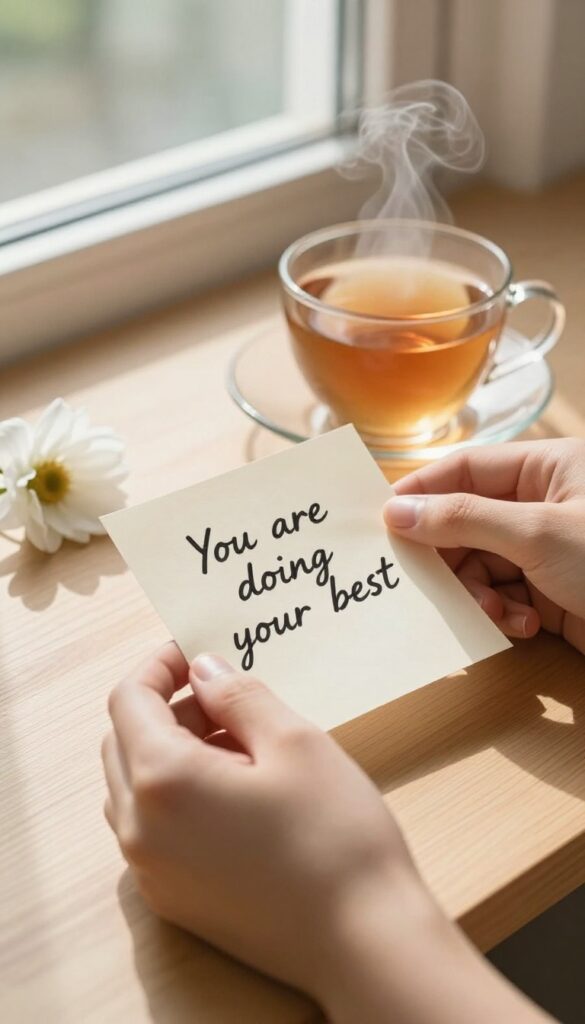
Kindness is a two-way street—it lifts both the giver and the receiver. A small act of generosity or self-compassion can instantly shift your mood and perspective. This isn't about grand gestures; it's about weaving tiny moments of care into your day.
Start With Yourself
Self-kindness often gets overlooked. Try writing down one thing you appreciate about yourself, or give yourself permission to rest without guilt. A simple phrase like "I'm doing my best" can be a powerful reset.
Reach Out To Someone
Send a quick text to a friend just to say you're thinking of them. Compliment a stranger's smile or hold the door a little longer. These tiny ripples of warmth often come back to you.
Make It A Daily Habit
Set a reminder to do one kind act each day—it can be as small as smiling at a passerby. Over time, this practice rewires your brain to notice opportunities for connection and care.
FAQ
What is a self-care checklist?
A self-care checklist is a simple list of actions you can take daily or weekly to nurture your physical, emotional, and mental well-being. It helps you stay consistent and intentional.
How many self-care items should I include in my checklist?
Start with 3-5 items that feel manageable. You can gradually add more as the habits become automatic. Quality matters more than quantity.
Can I customize these self-care checklist ideas?
Absolutely! Tailor each idea to fit your lifestyle, preferences, and schedule. The goal is to create a routine that feels good and sustainable for you.
How often should I update my self-care checklist?
Review your checklist monthly or whenever your needs change. Life evolves, and your self-care practices should too.
What if I miss a day on my self-care checklist?
Don't stress—just pick up where you left off. Self-care is about progress, not perfection. Consistency over time matters more than never missing a day.
Conclusion
Building an intentional life doesn't require a complete overhaul—just small, mindful choices each day. These 17 self-care checklist ideas are starting points to help you prioritize what truly matters. Pick one or two that resonate and give them a try.
Over time, these tiny habits will compound into a more balanced, fulfilling life. Remember, self-care isn't selfish; it's essential. Start where you are, and let your checklist evolve with you.