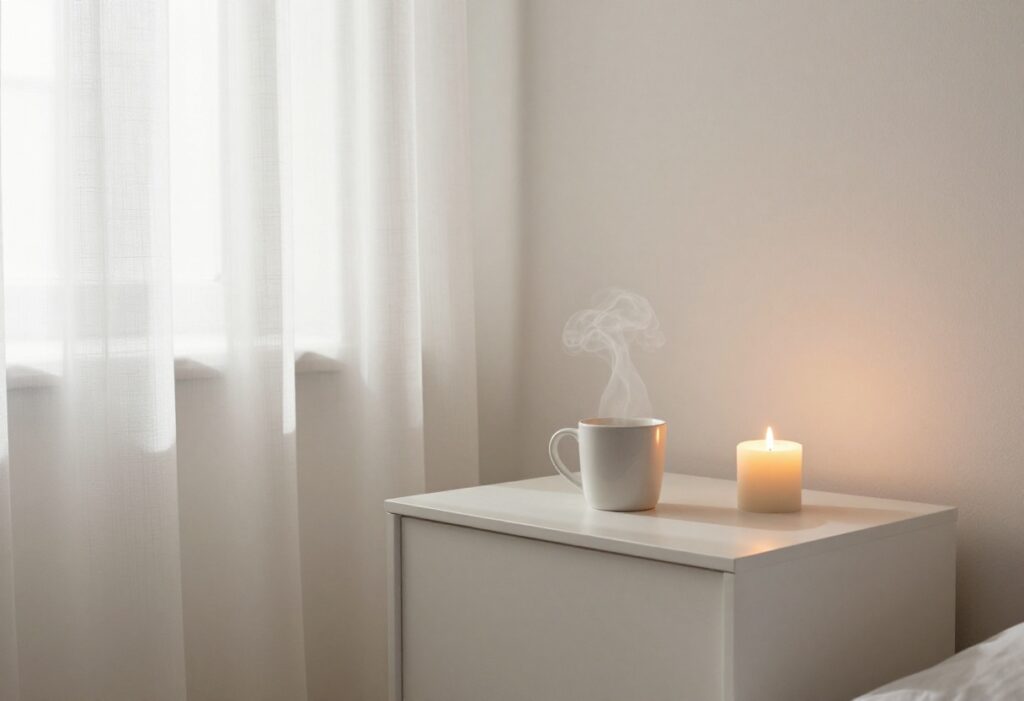
Imagine waking up without an alarm, the morning light filtering through your curtains as you stretch lazily in bed.
That’s the promise of a self-care day—a chance to hit pause on life’s demands and focus entirely on you.
Whether you’re recovering from a busy week or just craving some quiet, these 20 tips will help you craft a peaceful, restorative day at home.
1. Start with a No-Alarm Morning

Let your body wake naturally. Skip the alarm and allow yourself to rise when rested. This sets a calm tone for the entire day.
Why It Works
Alarms jolt your nervous system into fight-or-flight mode. Waking naturally lets your body complete its sleep cycles, leaving you more refreshed and less stressed.
How To Make It Happen
Go to bed early enough to get 7-9 hours of sleep. If you're worried about oversleeping, try a sunrise alarm clock that gently wakes you with light instead of sound.
What To Do When You Wake
Stay in bed for a few extra minutes. Stretch, take a few deep breaths, and enjoy the quiet before you start your day.
2. Sip Something Warm and Mindful
There’s something almost magical about wrapping your hands around a warm mug. It’s a small act that signals to your brain: slow down, you’re safe now. On a self-care day, turning your morning coffee or afternoon tea into a mindful ritual can set a calm, grounded tone for the hours ahead.
No rush, no multitasking—just you and your drink.
Choose Your Comfort Brew
Pick a drink that genuinely soothes you. Maybe it’s a creamy chai latte, a simple green tea, or a rich pour-over coffee. The key is to choose something you look forward to, not just a caffeine fix.
If you’re sensitive to caffeine, go for an herbal or decaf option so the ritual doesn’t interfere with relaxation later.
Create A No-distraction Zone
Set your phone aside, turn off the TV, and find a quiet spot. Sit comfortably—by a window, on a cozy chair, or even on the floor with a cushion. Hold the mug with both hands, feel its warmth, and take a few deep breaths before your first sip.
This simple pause helps you transition from doing to being.
Savor Each Sip Slowly
Instead of gulping your drink while scrolling, take small, deliberate sips. Notice the temperature, the flavor, the aroma. Let your mind wander or just focus on the sensation.
This isn’t about finishing the cup—it’s about enjoying the process. You might be surprised how much more satisfying your drink tastes when you’re truly present.
3. Stretch for Five Minutes in Bed
Your bed is the coziest place to start your self-care day—so why rush out of it? Spending just five minutes on gentle stretches before you stand up can ease overnight stiffness and signal your body that it's time to wake up slowly. Think of it as a warm hug for your muscles.
Before you swing your legs out from under the covers, take a few moments to reconnect with your body. Simple moves like knee hugs (pull your knees to your chest and rock side to side) or a supine spinal twist (drop both knees to one side while keeping your shoulders flat) release tension in your lower back and hips. These stretches don't require any special gear—just your mattress and a willingness to move slowly.
Why Bother Stretching In Bed?
Your body accumulates tightness overnight, especially if you sleep in one position. Gentle morning stretches improve circulation, reduce stiffness, and help you transition from sleep to wakefulness without jarring your nervous system. It's a low‑effort way to set a calm tone for the whole day.
Three Easy Stretches To Try
Start with a full‑body cat‑cow while lying on your side—arch your back like a cat, then gently let it sag. Next, hug one knee at a time into your chest, holding for 20 seconds each. Finish with a figure‑four stretch: cross one ankle over the opposite knee and gently press the knee away from you.
Breathe deeply throughout.
Make It A Ritual
Pair your stretches with a few deep breaths or a short gratitude thought. You can even set a five‑minute timer so you don't have to watch the clock. Over time, this tiny practice becomes a comforting anchor for your self‑care mornings.
4. Write Down Three Things You're Grateful For

Gratitude has a way of quieting the noise. When you intentionally list small joys, your brain starts scanning for the good instead of the stress. It's a simple shift that sets a gentle, positive tone for the rest of your self-care day.
Grab any notebook or even a scrap of paper. Write down three things you're grateful for right now—they can be as tiny as the warmth of your coffee mug or the sound of rain outside. The key is to feel each one as you write.
This isn't about big life achievements; it's about noticing what's already good. Once you've listed them, take a slow breath and let that feeling sink in. You've just rewired your morning toward appreciation.
Keep It Simple
Your gratitudes don't need to be profound. "Soft socks" or "the cat purring on my lap" count. The smaller and more specific, the better—they ground you in the present moment.
Make It A Ritual
Pair this practice with your first cup of tea or while still in bed. Over time, it becomes a natural anchor for your self-care day, a quiet moment of reflection before the world creeps in.
5. Take a Screen-Free Hour
Our devices keep us plugged into everyone else’s world. For one hour, unplug and reconnect with your own. No notifications, no scrolling, no pings—just you and the quiet.
Set a timer for 60 minutes and put your phone in another room. Use that time to do something analog: flip through a magazine, write in a journal, or simply stare out the window. You might be surprised how refreshing it feels to not be reachable.
What To Do Instead
Grab a physical book you’ve been meaning to read, or doodle in a notebook. If you’re feeling restless, try a simple puzzle or a coloring book. The goal is to keep your hands busy without a screen.
Make It A Ritual
Pair your screen-free hour with a cozy drink or a comfortable spot. Light a candle, wrap up in a blanket, and let your mind wander. Over time, this hour can become a cherished part of your self-care routine.
Notice The Difference
After the hour, pay attention to how you feel. Many people notice their thoughts slow down and their shoulders drop. That quiet space is a gift you give yourself.
6. Prepare a Nourishing Breakfast
A self-care day deserves a breakfast that feels like a warm hug, not a rushed afterthought. Cooking something special—even if it's simple—sets a gentle, intentional tone for the hours ahead. Think of it as your first act of kindness to yourself.
When you take time to prepare a nourishing meal, you're not just feeding your body—you're signaling to your mind that today is different. Choose ingredients that make you smile: ripe avocado for toast, frozen berries for a smoothie bowl, or fresh herbs to elevate scrambled eggs. The act of cooking can be meditative if you let it, so focus on the sizzle, the colors, the aromas.
Then sit down without distractions—no phone, no TV—and eat slowly, savoring each bite. This simple ritual turns breakfast into a mindful moment that grounds you for the rest of the day.
Pick One Special Dish
You don't need a complicated recipe. Just choose one breakfast item that feels like a treat—maybe avocado toast with a sprinkle of red pepper flakes, a vibrant smoothie bowl topped with granola and coconut, or fluffy scrambled eggs with chives. The key is to make it with care and eat it without rushing.
Set The Scene
Plate your food nicely, even if you're eating alone. Use your favorite mug for coffee or tea, add a small flower or a sprig of mint as garnish, and sit at a table with good lighting. These small touches make the meal feel special and intentional.
Practice Mindful Eating
Put your phone away and focus entirely on your food. Notice the colors, textures, and flavors. Chew slowly and put your fork down between bites.
This not only improves digestion but also turns breakfast into a calming ritual rather than a mindless refuel.
7. Create a Soothing Playlist
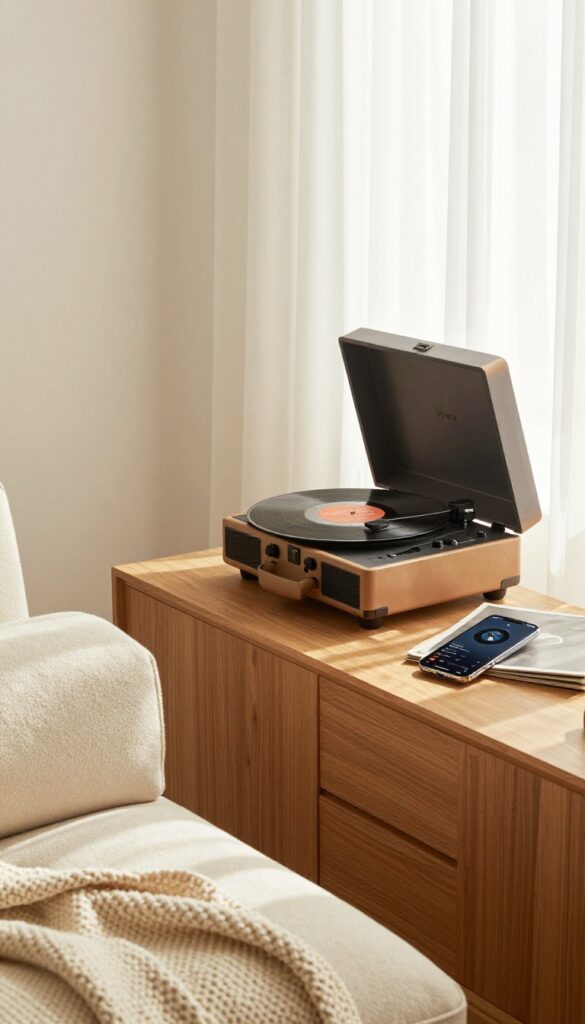
Music has a direct line to your mood. The right sounds can slow your heart rate, ease tension, and shift your mindset from busy to calm. Curating a playlist just for your self-care day is like setting a gentle soundtrack for relaxation.
Curate a playlist of calming songs or nature sounds. Play it softly in the background as you move through your day.
Choose Your Vibe
Think about what relaxes you most. Instrumental tracks, ambient music, acoustic covers, or even rain sounds can work wonders. Pick 10-15 songs that make you feel at ease.
Keep It Background-ready
Avoid songs with sudden loud changes or complex lyrics that demand attention. The goal is a gentle backdrop that enhances peace without distracting you from your activities.
Let It Flow Through Your Day
Start the playlist during your morning routine and let it play softly while you read, stretch, or take a bath. You can adjust the volume so it’s just audible—like a whisper in the room.
8. Take a Long, Hot Bath or Shower
There’s almost nothing as instantly calming as sinking into a warm bath or standing under a hot shower. The heat relaxes tight muscles, steams away tension, and gives you a few precious minutes completely to yourself. Make it an experience, not just a rinse.
Turn your bathroom into a mini spa. Light a candle, dim the lights, and let the water work its magic. Stay as long as you like—there’s no schedule today.
Upgrade Your Soak
Add Epsom salts to soothe sore muscles, a bath bomb for fizz and fragrance, or a few drops of your favorite essential oil like lavender or eucalyptus. These small additions make the water feel more luxurious and therapeutic.
Set The Mood
Grab a waterproof speaker for soft music or a podcast, and place a towel within easy reach. Keep a glass of cold water nearby to stay hydrated. The goal is to create a space where you can fully let go.
Don’t Rush The Exit
When you’re done, wrap yourself in a warm robe and take a moment to breathe before moving on. Pat your skin dry gently and apply lotion while you’re still warm—it locks in moisture and extends that relaxed feeling.
9. Declutter One Small Area
You don't need to Marie Kondo your entire home to feel the benefits of tidying. Sometimes, just clearing off one small surface can reset your whole mindset. Pick a drawer, a shelf, or even just your nightstand—anything that's been bugging you with its messiness.
The goal isn't perfection; it's about creating a tiny pocket of order in your space.
Tidying a small area gives you a quick win. It's a low-effort task that delivers an instant sense of accomplishment. Plus, a clutter-free zone can help your mind feel less scattered, making it easier to relax for the rest of your self-care day.
Start With A Single Drawer
Open that junk drawer you've been avoiding. Take everything out, wipe it down, and only put back what you actually use. Toss expired coupons, broken pens, and random receipts.
You'll be surprised how satisfying it feels to slide that drawer closed again.
Tidy Your Nightstand
Your nightstand is the last thing you see before sleep and the first thing you see when you wake. Clear off the clutter: old water glasses, charging cables, books you're not reading. Leave just a lamp, a book you love, and maybe a small plant or candle.
It instantly makes your bedroom feel more serene.
Organize A Shelf
Pick one shelf in your living room or bathroom. Straighten the items, dust the surface, and group similar things together. If you have decorative objects, arrange them in a way that feels balanced.
A neat shelf can become a focal point of calm in the room.
10. Do a Face Mask or Skincare Ritual
Your skin works hard all week, so give it some love. A face mask or mini facial isn't just about looking good—it's about feeling good. The cool tingle of a clay mask or the soothing warmth of a sheet mask can melt away tension.
Plus, those few minutes of stillness are a gift to your mind.
Set up a little spa station in your bathroom or bedroom. Light a candle, put on some soft music, and pick a mask that matches your mood. Hydrating masks are perfect for dry skin, while clay masks can feel detoxifying.
Don't rush—let the mask sit for the full time, and use those minutes to breathe deeply or do nothing at all.
Choose Your Mask Type
Sheet masks are mess-free and deeply hydrating. Clay masks pull out impurities and give a satisfying tightening sensation. Gel masks soothe and cool.
Pick one that makes you feel pampered.
Add A Mini Massage
While your mask is on, gently massage your face, neck, and shoulders. Use your fingertips in small circles. This boosts circulation and releases facial tension.
You can also use a jade roller or gua sha tool for extra relaxation.
Follow Up With Moisture
After rinsing, pat your skin dry and apply a rich moisturizer or facial oil. This locks in hydration and leaves your skin glowing. The ritual of slow, intentional application feels like a gentle hug for your face.
11. Read a Few Chapters of a Fun Book

Sometimes the best way to reset is to escape into someone else's world for a while. Grab a book that's purely for entertainment—no dense nonfiction, no self-help, just a story that makes you smile or keeps you turning pages. Let yourself get lost without feeling guilty about it.
Reading for pleasure is a gentle way to quiet your mind and shift your focus away from daily stressors. It's a low-effort activity that still feels productive because you're giving your brain a break from its usual loops.
Pick The Right Genre
Choose something lighthearted: a rom-com, a cozy mystery, or a fantasy novel with a fun world. Avoid anything too heavy or triggering—this is about enjoyment, not emotional labor. If you're not sure, grab a book you loved as a kid or a short story collection.
Create A Cozy Reading Spot
Settle into a comfortable chair or pile up pillows on your bed. Make sure the lighting is warm and soft. Add a cup of tea or coffee, and maybe a blanket.
The goal is to make the experience feel like a mini retreat.
Set A Timer Or Just Go With It
You don't need to finish the whole book. Read for 20 minutes or an hour—whatever feels right. If you get sucked in, great.
If you drift off, that's fine too. The point is to enjoy the moment, not to hit a page count.
12. Go for a Slow Walk Outside
Stepping out the door can feel like the last thing you want to do on a rest day, but a slow walk works wonders. Fresh air and gentle movement shake off the mental cobwebs and lift your mood without any pressure. You don't need a destination—just a few minutes of noticing what's around you.
A slow walk is about presence, not pace. Leave your phone behind or put it on silent. Feel the ground under your feet, the breeze on your skin.
Let your eyes wander to the trees, the sky, or the birds. This simple act can quiet your mind and ground you in the moment.
Pick A Familiar Route
Choose a path you know well so you don't have to think about directions. A short loop around the block or a nearby park works perfectly. Familiarity helps you relax and notice small details you usually miss.
Engage Your Senses
Pay attention to what you see, hear, and smell. Notice the color of leaves, the sound of rustling grass, or the scent of rain. Let each sensation anchor you in the present.
Let Your Mind Wander
Don't force positive thoughts. Allow your mind to drift naturally. A slow walk is a chance to process feelings without judgment.
If worries pop up, acknowledge them and let them pass like clouds.
13. Practice Deep Breathing for Two Minutes
When your mind is racing or you feel tension creeping in, a simple breathing exercise can bring you back to center. Deep breathing activates your parasympathetic nervous system, which helps your body shift from stress mode to relaxation mode. It’s one of the quickest ways to reset without needing any equipment or special space.
Sit comfortably, close your eyes, and inhale through your nose for a count of four. Hold that breath for four counts, then exhale slowly through your mouth for four counts. Repeat this cycle for two minutes.
You’ll notice your heart rate slow down and your shoulders drop as the calm sets in.
Why It Works
This technique, known as box breathing, balances your oxygen and carbon dioxide levels, signaling your brain that it’s safe to relax. It’s used by athletes, first responders, and anyone needing fast stress relief.
When To Do It
Try it first thing in the morning to set a peaceful tone, or mid-afternoon when energy dips. It’s also great right before bed to quiet a busy mind.
14. Cook a Comforting Meal

There’s something special about spending time in the kitchen when you’re not in a rush. Cooking a comforting meal lets you slow down, focus on simple tasks, and fill your home with warm, inviting aromas. It’s a hands-on way to practice mindfulness and treat yourself to something delicious.
Choose a recipe that feels nostalgic—maybe your grandmother’s soup or a dish you loved as a kid. The familiar steps can be soothing, and the result is a bowl of pure comfort. If you’re in the mood to explore, pick a cozy new recipe like a creamy pasta, a hearty stew, or fresh-baked bread.
The key is to enjoy the process without pressure. Put on some music, pour a glass of water or tea, and take your time chopping, stirring, and seasoning. Cooking becomes a form of meditation when you let go of perfection and just savor each step.
Choose Your Dish
Think about what makes you feel warm inside. It could be mac and cheese, a simple tomato soup with grilled cheese, or a slow-cooked chili. If you’re feeling adventurous, try a recipe you’ve always wanted to make but never had time for.
The goal is to pick something that excites you and fits the peaceful mood of the day.
Set The Scene
Clear your counters, put on a comfortable apron, and maybe light a candle. Having a tidy, pleasant workspace makes the experience more enjoyable. Play some soft background music or a podcast you love, but keep it low so you can still hear the sounds of sizzling and simmering.
Savor The Process
Don’t rush. Notice the colors of the vegetables, the smell of garlic hitting the pan, the texture of dough under your hands. Cooking slowly lets you be fully present.
When the meal is ready, plate it nicely and sit down without distractions. Enjoy every bite, knowing you made it just for you.
15. Watch a Feel-Good Movie or Show
Sometimes the best way to reset is to let a story carry you away. Pick something that makes you laugh, smile, or feel all warm inside—no news, no heavy dramas, no stress. This is your time to indulge in pure, unapologetic comfort viewing.
Let yourself get lost in a world that feels good. Whether it's a classic comedy, a heartwarming romance, or a nostalgic favorite from your childhood, the right movie or show can lift your mood and give your brain a gentle break.
Choose Your Vibe
Think about what kind of comfort you need right now. A laugh-out-loud comedy? A cozy rom-com?
An animated film that reminds you of simpler times? The goal is to pick something that feels like a warm hug, not something that makes you think too hard.
Set The Scene
Make it an experience. Dim the lights, grab your favorite blanket, and maybe even make some popcorn or tea. Get comfortable on the couch or in bed, and let yourself fully sink into the story without distractions.
No Guilt Allowed
It's okay to rewatch something you've seen a hundred times. Familiar stories can be incredibly soothing. And if you fall asleep halfway through?
That's totally fine too—your body clearly needed the rest.
16. Do a Creative Activity (Draw, Paint, or Craft)
You don't need to be an artist to enjoy the calming effects of creativity. Grabbing some paper and colors, or trying a simple DIY project, can quiet your mind and lift your mood. The goal isn't perfection—it's the process of making something with your hands.
Creativity is a wonderful stress reliever because it shifts your focus away from worries and into the present moment. Whether you doodle, watercolor, or build something from scratch, the act of creating can be deeply soothing. Plus, you'll have a tangible reminder of your peaceful day.
Start Simple
If you're new to creative hobbies, begin with something easy. Try a coloring book for adults, a paint-by-numbers kit, or a basic origami project. These low-pressure activities let you ease into creativity without feeling overwhelmed.
Set The Mood
Create a cozy workspace by clearing a table, lighting a candle, and playing soft background music. Having a dedicated spot helps you settle into the creative flow. Keep your supplies within reach so you can focus on the fun part.
Embrace Imperfection
Remember, this is about relaxation, not gallery-worthiness. Let go of any self-criticism and enjoy the colors, textures, and movements. If you make a mistake, turn it into part of the design—happy accidents often lead to the best results.
17. Take a Power Nap (20 Minutes)

Midday drowsiness can derail your self-care day, but a quick power nap is the perfect reset. A short 20-minute nap boosts alertness and mood without leaving you groggy. It’s a simple, effective way to recharge so you can enjoy the rest of your day with fresh energy.
Set The Scene
Find a quiet, dimly lit spot—your bedroom or a cozy corner works best. Use an eye mask or blackout curtains to block light, and set a timer for exactly 20 minutes. A cool, comfortable room helps you drift off quickly.
Watch The Clock
Keep your nap short to avoid sleep inertia. Twenty minutes is the sweet spot: long enough to refresh, short enough to prevent deep sleep. If you’re worried about oversleeping, set an alarm on your phone and place it just out of reach.
Wake Up Gently
When the timer goes off, don’t jump up immediately. Stretch slowly, take a few deep breaths, and give yourself a minute to transition. Follow your nap with a glass of water and a little movement to shake off any lingering sleepiness.
18. Write a Letter to Your Future Self
There’s something powerful about putting your thoughts on paper when you’re in a calm, reflective state. Writing a letter to your future self lets you capture this peaceful moment and send a message of encouragement or perspective ahead. It’s a small act that can feel surprisingly meaningful months later.
Grab a pen and a piece of paper—or open a new document if you prefer typing. Let your thoughts flow naturally: how you’re feeling today, what you’re grateful for, or even advice for your future self. Be honest and kind.
Once you’re done, seal the letter in an envelope and set a reminder on your phone to open it in three, six, or twelve months. When that day comes, you’ll get a glimpse of who you were and how far you’ve come.
What To Include
Start with the date and a simple greeting. Write about your current worries, joys, or goals. Ask your future self questions like, “Did you finally start that garden? ” or “Are you still taking walks every morning? ” You can also list things you hope haven’t changed, like your favorite cozy spot on the couch.
How To Store It
Choose a safe place—a journal, a shoebox with other keepsakes, or even a digital folder. If you go digital, use a service that lets you schedule delivery to your future email. For a physical letter, tuck it somewhere you won’t accidentally find it but can easily retrieve when the reminder pops up.
Why It Works
This practice helps you process your present emotions and set intentions for the future. When you reread the letter, you’ll see how you’ve grown or what’s stayed the same. It’s a gentle reminder that life moves forward, and you’re doing just fine.
19. Light a Candle and Enjoy the Glow
Sometimes the simplest rituals bring the most peace. Lighting a candle signals to your brain that it's time to slow down and unwind. The soft flicker and gentle scent can instantly transform your space into a cozy sanctuary.
Choose Your Scent
Pick a calming fragrance like lavender, chamomile, or vanilla. These scents are known to reduce stress and promote relaxation. If you prefer something earthy, try sandalwood or cedar.
Set The Mood
Dim the overhead lights and let the candle be your main source of illumination. Place it on a safe surface where you can see the flame clearly. The warm glow will make your room feel instantly more peaceful.
Make It A Moment
Don't just light it and walk away. Sit nearby, take a few deep breaths, and watch the flame dance. This simple act of mindfulness can ground you and help you feel present in the moment.
20. End with a Gentle Yoga or Meditation Session
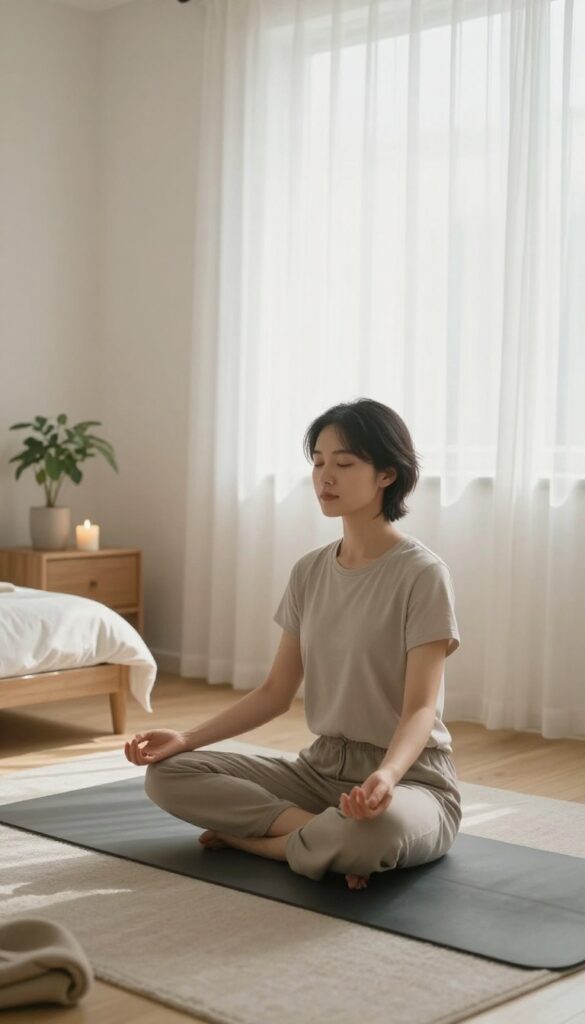
As your self-care day winds down, a gentle yoga or meditation session can help you transition into a restful evening. You don't need to be flexible or experienced—just follow a short online video or sit quietly for five minutes. This practice calms the mind, releases physical tension, and signals to your body that it's time to relax.
Wrap up your self-care day by dedicating the last 15–20 minutes to gentle movement or stillness. A few simple stretches or a guided meditation can make a world of difference in how you feel heading into the night.
Try A Short Yoga Flow
Search for a "gentle evening yoga" video on YouTube—there are plenty of 10-minute routines designed for beginners. Focus on poses like child's pose, forward folds, and legs-up-the-wall. These moves release tension in your back, hips, and shoulders without raising your heart rate.
Sit In Stillness
If yoga isn't your thing, meditation is just as effective. Set a timer for five minutes, sit comfortably, and pay attention to your breath. When your mind wanders, gently bring it back.
Apps like Calm or Insight Timer offer guided sessions if you prefer a voice to follow.
Create A Calming Atmosphere
Dim the lights, light a candle, or play soft instrumental music. This sensory shift helps your brain recognize it's time to unwind. Keep your phone on silent so you can fully immerse in the experience.
FAQ
How often should I have a self-care day?
There's no set rule, but aiming for one self-care day per week or every two weeks can make a big difference. Even a few hours dedicated to yourself counts.
What if I can't take a full day for self-care?
That's okay! Pick just two or three tips from this list and combine them into a mini self-care session. Even 30 minutes can feel restorative.
Do I need to spend money on self-care?
Not at all. Many of these tips are free—like stretching, walking, or journaling. Self-care is about intention, not expense.
Can I do self-care with my family around?
Absolutely. Involve them in some activities, like cooking together or a family walk. Or set boundaries for quiet time when needed.
What if I feel guilty taking time for myself?
It's common, but remember that self-care helps you show up better for others. Start small and remind yourself that rest is productive.
Conclusion
Self-care doesn't have to be complicated. Even small, intentional moments can make your day at home feel truly restorative. Pick a few tips that resonate with you today and see how they shift your mood.
The goal isn't perfection—it's giving yourself permission to slow down and recharge. Whether it's ten minutes with a book or a quiet cup of tea, you deserve that peace.