Sometimes you need more than a Netflix binge to truly reset. A real break means stepping away from obligations and tuning into what your mind and body actually need. These 23 self-care day ideas are designed to help you do exactly that—whether you have a full day or just a few hours.
From digital detoxes to creative play, each idea offers a different way to recharge. No guilt, no pressure, just practical ways to feel like yourself again. Pick one that speaks to you, or mix and match for your perfect day off.
The goal isn't to be productive. It's to pause, breathe, and remember what it feels like to be fully present. Ready to reclaim your time?
1. Digital Detox Day
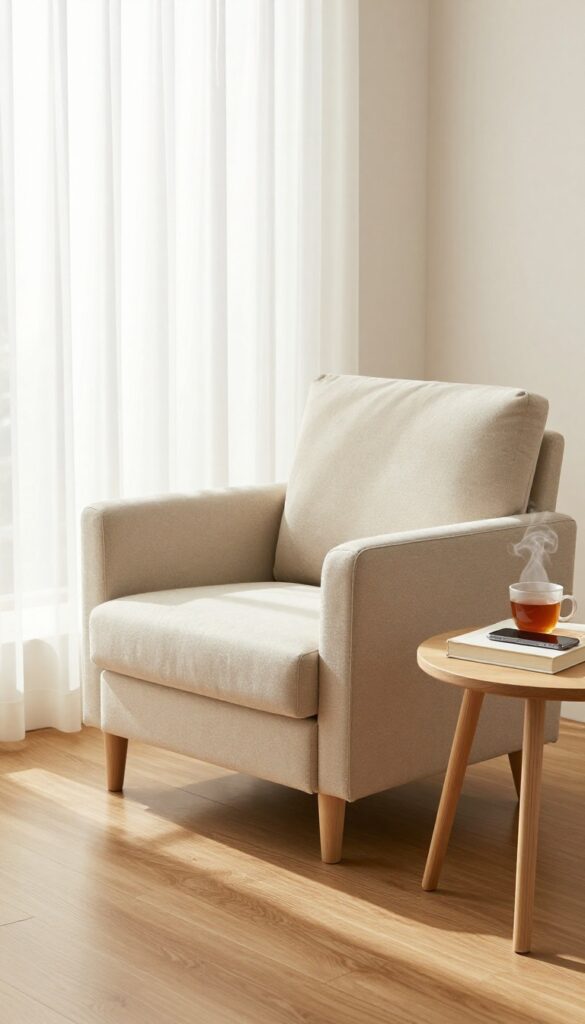
Your phone buzzes constantly—emails, notifications, group chats. It’s exhausting. A digital detox day means turning it all off and giving your brain a real break.
No screens, no scrolling, just you and the present moment.
Start by putting your phone on airplane mode and stashing it in a drawer. The first hour might feel weird, but soon you’ll notice how quiet and clear your mind becomes. Use this time to reconnect with simple pleasures.
What To Do Instead
Pick up that book you’ve been meaning to read. Write in a journal—no pressure, just whatever comes to mind. Or sit by a window and watch the world go by.
The goal isn’t to be productive; it’s to let your mind wander.
How To Stay Offline
Tell friends and family you’re taking a digital break so they don’t worry. Delete social media apps for the day, or use app blockers. If you need to check something, set a specific 10-minute window—then put the phone away again.
The Benefits You’ll Notice
Without constant pings, your stress levels drop. You’ll feel more present and less scattered. Many people report better sleep after a digital detox day, too.
It’s a simple reset for your nervous system.
2. Spa Morning at Home
You don't need a fancy appointment or a big budget to feel pampered. A spa morning at home can be just as luxurious—and way more relaxing because you control the vibe. No rush, no strangers, just you and some simple rituals that melt the stress away.
Run a bath, light candles, use a face mask, and play calming music. Follow with a long, slow skincare routine.
Set The Scene
Start by dimming the lights and lighting a few candles. Pick a playlist of soft instrumentals or nature sounds. Lay out a fluffy towel, your favorite bath salts, and anything else you want within arm's reach.
The Soak
Fill the tub with warm—not hot—water and add Epsom salts or a bath bomb. Sink in and let your mind wander. Stay for at least 20 minutes, breathing slowly and letting the warmth loosen tight muscles.
Post-bath Ritual
After drying off, take your time with skincare. Apply a hydrating face mask, then follow with serum, moisturizer, and a gentle facial massage. Finish with a body lotion or oil, and slip into something cozy.
3. Nature Walk Without a Destination
Leave your phone behind and step outside with zero expectations. The goal isn't to get steps in or reach a landmark—it's to let the outdoors guide your pace. Pick a trail, a park, or even a quiet street and simply wander.
When you walk without a destination, your mind gets permission to drift. Notice the way light filters through leaves, the sound of birds, the feel of the ground beneath your feet. This isn't exercise; it's a moving meditation that grounds you in the present moment.
Leave The Map At Home
Resist the urge to plan your route. Choose a direction that feels right and follow it. If a path looks interesting, take it.
Getting a little 'lost' in a safe area can be freeing—it reminds you that not everything needs a plan.
Engage Your Senses
As you walk, tune into what you see, hear, and smell. Notice the texture of tree bark, the pattern of clouds, the scent of damp earth. If your mind wanders to stress, gently bring it back to a sensory detail.
This simple practice can quiet racing thoughts.
Let Your Pace Be Your Guide
There's no right speed for a no-destination walk. Slow down to examine a flower, pause to watch a squirrel, or pick up a interesting rock. Moving at your body's natural rhythm—without a watch or fitness tracker—helps you sync with your own energy.
4. Creative Play Session
Remember the pure joy of making something just for fun? That's exactly what this idea is about. No deadlines, no expectations—just you and a creative outlet that lets your mind wander freely.
Whether it's painting, doodling, writing, or working with clay, the goal is to enjoy the process, not the result.
Why It Works
Creative play activates a different part of your brain, the one that's often neglected by daily routines. It lowers cortisol, boosts dopamine, and gives your inner critic a break. Plus, it's a form of mindfulness that feels more like fun than meditation.
Simple Ways To Start
Grab a sketchbook and some colored pencils. Or try finger painting—yes, like a kid. If you prefer words, write a short poem or a silly story.
No one has to see it. The messier, the better.
Make It A Ritual
Set up a small creative corner with supplies you love. Light a candle, put on some music, and give yourself 30 minutes to play. It's not about being good—it's about feeling good.
5. Cook or Bake Something New

There's something grounding about creating a meal from scratch. When you pick a recipe you've never tried, every step becomes a discovery—chopping, stirring, tasting, adjusting. It's a full-sensory experience that pulls you into the present moment.
Cooking or baking can be a form of meditation when you let go of perfection. The goal isn't a flawless dish; it's the process itself. The smell of onions caramelizing, the feel of dough under your hands, the anticipation of that first bite—all of it invites you to slow down and savor.
Choose A Recipe That Excites You
Pick something you've been curious about but never made. Maybe it's a fragrant Thai curry, a rustic sourdough loaf, or a decadent chocolate cake. Let your cravings guide you.
The novelty keeps your mind engaged and makes the experience feel like an adventure rather than a chore.
Set The Scene For Slow Cooking
Turn on some music or a podcast you love. Pour yourself a drink. Clear your counter and lay out all your ingredients.
This isn't a weeknight rush—it's a ritual. Take your time with each step. Notice the colors, textures, and aromas as you go.
Savor The Results Mindfully
When it's done, plate it nicely. Sit down without distractions and taste what you've made. Appreciate the effort and the flavors.
Whether it's a triumph or a learning experience, you created something nourishing. That's worth celebrating.
6. Yoga and Stretch Flow
Your body holds tension in places you don't even notice until you stop. A gentle yoga session can help you release that built-up stress and reconnect with your breath. No need to be flexible or experienced—this is about moving slowly and listening to what feels good.
Start With Breath
Before you move, take five minutes to just breathe. Sit comfortably, close your eyes, and inhale deeply through your nose, then exhale slowly. Let your belly soften and your shoulders drop.
This simple practice sets the tone for the rest of your practice.
Focus On Tension Hotspots
Neck, shoulders, and hips are common places where stress lives. Try gentle neck rolls, shoulder shrugs, and a seated figure-four stretch. Hold each stretch for a few breaths and notice where you're holding tightness.
Move slowly and don't force anything.
End With Savasana
Finish your practice with a few minutes of stillness. Lie on your back, arms at your sides, palms up. Let your legs fall open naturally.
Stay here for at least five minutes, letting your body absorb the benefits of the practice. It's the most important pose.
7. Journaling Your Thoughts Away
Sometimes your mind just needs a place to dump everything. Journaling isn't about being a good writer—it's about letting thoughts flow without judgment. Grab a notebook, any pen, and give yourself permission to write whatever comes up.
Journaling can take many forms, and the best one is whatever feels right in the moment. It's a way to untangle messy feelings, celebrate small wins, or just check in with yourself. No rules, no expectations.
Stream Of Consciousness
Set a timer for 10 minutes and write without stopping. Don't worry about spelling, grammar, or making sense. Let your hand move across the page and see what surfaces.
It's like decluttering your brain.
Gratitude Lists
List three things you're grateful for today. They can be as simple as a good cup of coffee or a warm blanket. Focusing on what's going right shifts your perspective and boosts your mood instantly.
Letter To Your Future Self
Write a note to yourself six months from now. Describe your current worries, hopes, and everyday moments. It's a powerful way to document your journey and offer encouragement to the person you're becoming.
8. Movie Marathon with Comfort Snacks

Sometimes the best escape is a good story paired with your favorite snacks. A movie marathon lets you disappear into another world without leaving your couch. It’s simple, cozy, and exactly what a self-care day needs.
Pick Your Theme
Choose a genre or series that feels like a warm hug—90s rom-coms, classic thrillers, or all the Harry Potter movies. Having a theme makes the marathon feel intentional and fun, not just random scrolling.
Prep The Snacks
Popcorn is a given, but elevate it with toppings like nutritional yeast, cinnamon sugar, or truffle salt. Add a cozy drink—hot chocolate, herbal tea, or a spiced latte—and maybe some candy or homemade nachos.
Set The Scene
Dim the lights, grab your softest blanket, and arrange pillows for maximum comfort. Turn off your phone or put it in another room. This is your time to be fully present in the stories you love.
9. Gardening or Plant Care
Getting your hands in soil is one of the most grounding self-care activities you can do. Tending to plants—whether indoors or out—forces you to slow down and focus on something living and growing. It's a gentle reminder that rest and care are part of any healthy cycle.
Repot And Refresh
Pick a plant that's looking a bit cramped or tired. Gently loosen its roots, add fresh soil, and give it a new pot. The act of repotting is oddly satisfying—you're literally giving something room to breathe.
Prune And Shape
Grab some clean scissors and trim away yellow leaves or leggy stems. Pruning isn't just cosmetic; it helps the plant focus energy on new growth. Plus, it's a mindful task that lets you notice every leaf and stem.
Start A Mini Herb Garden
No yard? No problem. A few pots of basil, mint, or rosemary on a sunny windowsill can transform your kitchen.
Watering them daily becomes a small ritual, and snipping fresh herbs for tea or cooking feels like a tiny luxury.
10. Nap and Rest Afternoon
Sleep is the ultimate reset button, yet we rarely let ourselves truly surrender to it. A dedicated nap afternoon isn't just about closing your eyes—it's about giving your body permission to fully rest without any agenda. No alarms, no guilt, just the quiet luxury of waking up naturally.
Turn your bedroom into a sleep sanctuary. Blackout curtains, a cool temperature, and total silence (or white noise) set the stage. Curl up in your comfiest pajamas, climb under a weighted blanket, and let yourself drift off without a timer.
When you wake naturally, resist the urge to check your phone immediately. Instead, stretch slowly, make a cup of herbal tea, and sit with that refreshed feeling for a few minutes.
Set The Scene
Dim the lights, close the blinds, and remove any distractions. A cool room (around 65°F) and a comfortable mattress make all the difference. Consider a sleep mask or earplugs if light or noise bothers you.
No Alarms, No Rush
This is the key—let your body decide when it's done sleeping. If you wake after 20 minutes, that's fine. If you sleep for two hours, even better.
Trust your internal clock.
Gentle Wake-up
When you naturally open your eyes, stay in bed for a minute. Stretch your arms and legs, take a few deep breaths, then slowly sit up. Follow with a warm cup of chamomile or peppermint tea to ease into the rest of your day.
11. Declutter a Small Space
Clutter has a sneaky way of weighing on your mind, even when you don't realize it. Clearing out one tiny area—like a junk drawer or a bathroom cabinet—can lift that mental fog fast. It's not about deep cleaning the whole house; it's about reclaiming a small corner of your world.
Pick a single drawer, shelf, or corner that's been bugging you. Set a timer for 15 minutes and sort everything into three piles: keep, donate, and toss. The physical act of letting go often mirrors what you need emotionally—release what no longer serves you.
Start Small, Finish Fast
Choose a space you can complete in under 20 minutes. A makeup bag, a kitchen drawer, or the top of your nightstand. The quick win builds momentum and leaves you feeling accomplished without draining your energy.
Let Go Without Guilt
That old charger you might need someday? Toss it. The gift you never used?
Donate it. Be honest about what you actually use and love. Letting go is an act of self-kindness, not wastefulness.
Savor The Aftermath
Once you're done, pause and enjoy the cleared space. Light a candle, put a small plant there, or just admire the emptiness. This is your reward—a visual reminder that you made room for peace.
12. Listen to a Full Album

When was the last time you really listened to music? Not as background noise while you work or scroll, but as the main event. Putting on a full album from start to finish is a lost art—and a deeply restorative one.
It forces you to slow down and let the artist take you on a journey, track by track.
Choose an album you love or one you've been meaning to hear. Close your eyes, lie down, or just sit somewhere comfortable. Let the music wash over you without checking your phone or doing anything else.
Notice how the songs flow together, the lyrics, the instrumentation. It's a simple but powerful way to reset your mind.
Pick The Right Album
Go for something that matches your mood or the vibe you want to create. Instrumental or ambient music can be deeply calming. A classic rock album might energize you.
Or pick a nostalgic favorite for comfort. The key is to commit to listening all the way through.
Set The Scene
Make it a ritual. Dim the lights, put on headphones, or use a good speaker. Get comfortable—maybe with a blanket or a warm drink.
Remove distractions: silence your phone, close unnecessary tabs. This is your time to just listen.
Engage With The Music
Don't just let it play in the background. Pay attention to the details: the bass line, the drum fills, the vocal harmonies. Read the lyrics if you want.
Let yourself feel the emotions the music brings up. It's a form of active meditation.
13. Try a Guided Meditation
If your mind is racing with to-do lists and worries, guided meditation can be a gentle way to slow things down. You don't need to be a zen master or sit in silence for an hour—just find a quiet spot, put on some headphones, and let someone else lead the way. Even 10 minutes can make a noticeable difference in how you feel.
Guided meditation is like having a friend talk you through relaxation. Apps like Calm, Headspace, or even free YouTube videos offer sessions tailored to stress, sleep, focus, or just unwinding. The key is to follow the voice, focus on your breath, and let thoughts pass without judgment.
It's not about emptying your mind—it's about giving it a break.
Start Small
If you're new to meditation, begin with a 5–10 minute session. There are plenty of beginner-friendly options that focus on breathing or body scans. No need to aim for 20 minutes right away—consistency matters more than duration.
Find Your Voice
Not all guided meditations are created equal. Some voices might annoy you, others might feel too slow or too fast. Explore different teachers and styles until you find one that clicks.
It's okay to skip around—this is your practice.
Create A Comfortable Space
You don't need a fancy meditation cushion. Just sit or lie down somewhere you won't be disturbed. Dim the lights, maybe light a candle, and set a timer so you don't worry about overrunning.
Let yourself sink into the experience.
14. Write a Letter to a Friend
In a world of quick texts and DMs, a handwritten letter or a long email feels like a gift. It’s a chance to slow down and really connect. You don’t need a special reason—just share a memory, say thank you, or ask how they’re doing.
The simple act of putting pen to paper can be deeply calming.
Reaching out to someone you care about does double duty: it strengthens your bond and gives you a warm, fuzzy feeling. No pressure to be profound—just let your thoughts flow. Your friend will appreciate the effort, and you’ll both feel closer.
Pick Your Medium
Choose what feels most natural: a handwritten letter on nice paper, a typed letter, or a long email. Handwriting can be more meditative, but typing is fine if that’s easier. The key is to write without rushing.
What To Write About
Start with a recent happy memory you share, or something you’re grateful for about them. Ask open-ended questions about their life. Share a funny story or a small update.
Keep it light and genuine.
Make It A Ritual
Set the mood: light a candle, make tea, and put on soft music. Write without worrying about perfect grammar. The act itself is the self-care—the letter is just a bonus.
15. Do a Puzzle or Brain Game
Puzzles and brain games offer a unique kind of focus that quiets the noise of daily life. Whether you're fitting together a jigsaw or solving a tricky sudoku, the mental engagement can feel both calming and rewarding. It's a gentle way to give your brain a break from overthinking while still keeping it active.
The beauty of puzzles is that they demand just enough attention to pull you into the present moment. That focused state is similar to meditation, but with a tangible outcome—a completed picture or a solved grid. It's satisfying without being stressful, making it a perfect low-energy self-care activity.
Jigsaw Puzzles For Flow
Jigsaw puzzles are great for getting into a flow state. Sorting pieces by color or edge shape becomes almost rhythmic, and each small success keeps you going. Choose a puzzle with an image you love—like a peaceful landscape or a cozy scene—to make the experience even more soothing.
Crosswords And Word Games
If you prefer words over images, crosswords or word games like Wordle can be just as meditative. They challenge your vocabulary and memory without feeling like work. Try a themed crossword or a daily puzzle app for a quick mental reset that still feels like play.
Sudoku And Logic Puzzles
For a more analytical focus, sudoku or logic puzzles are excellent. The step-by-step reasoning helps quiet a racing mind by channeling energy into patterns and numbers. Start with easy levels and work your way up—it's all about the process, not the difficulty.
16. Take a Long Shower or Bath
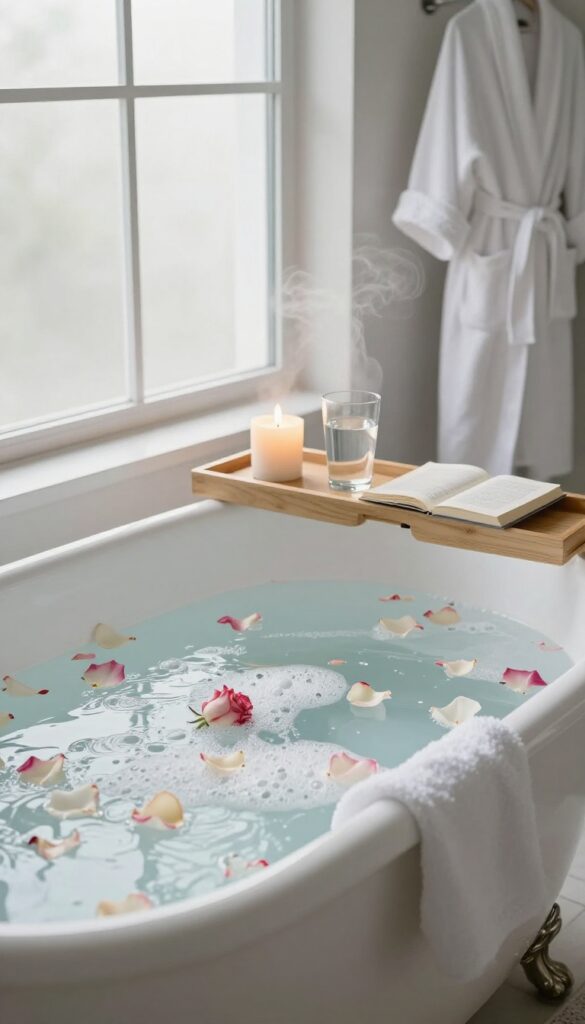
There's a reason hot water feels like a hug for your soul. A long shower or bath is one of the simplest ways to wash away the mental grime of the day. It's not just about getting clean—it's about letting the warmth relax your muscles and quiet your mind.
Make it a ritual, not a chore. Light a candle, put on some music, or just enjoy the silence. Use a scrub or a hair mask if you want, but the main goal is to be present with the sensation of the water.
Let your thoughts drift as the steam rises.
Upgrade Your Bath Game
If you're taking a bath, add Epsom salts or a bath bomb for extra relaxation. A few drops of lavender or eucalyptus oil can turn your bathroom into a mini spa. Keep a book or a glass of cold water nearby—you might be in there a while.
Shower As A Reset Button
Stand under the stream and focus on your breath. Inhale the steam, exhale the tension. You can even try a cold rinse at the end for a jolt of energy.
The point is to let the water do the work of washing away the day's stress.
Post-shower Care
After you dry off, take a moment to moisturize or put on something cozy. This extends the calm and signals to your body that self-care isn't over. A warm robe or soft socks can make the feeling last longer.
17. Read for Pleasure
Remember when you used to get lost in a book for hours? That's exactly what this self-care day idea is about. Grab something that has nothing to do with work, self-improvement, or productivity.
A novel, a stack of magazines, a poetry collection—whatever makes you want to curl up and escape.
Reading for pleasure is a form of active rest. It engages your imagination, lowers stress, and gives your brain a break from screens and to-do lists. The key is to choose something purely for enjoyment, not because you feel you should read it.
Pick Your Escape
Think about what mood you're in. Do you want a gripping thriller, a heartwarming romance, or a funny memoir? Maybe a fantasy world where nothing reminds you of real life.
Head to a bookstore or library if you can, or browse your shelf for something you've been meaning to read for fun.
Set The Scene
Make your reading spot cozy. Grab a blanket, make a cup of tea, and find a comfortable chair or pile of pillows. Dim the lights a little and maybe light a candle.
The goal is to create a space where you can sink into the story without distractions.
No Rules, Just Reading
You don't have to finish the book. Skip chapters if you want. Read out loud if that feels nice.
You can even read just one poem or one short story. There's no quiz at the end. Let yourself be a reader again, not a student or a critic.
18. Dance Party for One
Sometimes the fastest way to shift your mood is to move your body to a beat. A solo dance party lets you release pent-up energy, shake off stress, and feel a rush of endorphins—all without worrying about anyone watching. It's simple, fun, and surprisingly effective.
Turn up the volume on your favorite upbeat playlist and let loose. Jump, spin, wave your arms, sing at the top of your lungs—whatever feels good. The point isn't to look good; it's to feel alive.
Even ten minutes can reset your entire day.
Set The Scene
Clear a small space in your living room or bedroom. Dim the lights or add a disco light if you have one. Wear something comfortable that you can move in easily.
Curate The Soundtrack
Choose songs that make you want to move without thinking. Think high-energy, nostalgic favorites or guilty pleasures. Aim for at least 20 minutes of uninterrupted music.
Let Go Of Self-consciousness
This is your private party—no one is judging. Close the curtains, lock the door, and give yourself permission to be silly. The more you let go, the more you'll feel the benefits.
19. Visit a Local Bookstore or Library

Libraries and bookstores offer a rare kind of quiet that asks nothing of you. Unlike other public spaces, they don't expect you to buy anything or stay on schedule. You can wander aimlessly, let your eyes land on random spines, and follow whatever catches your attention.
Browsing without a goal is a form of meditation. The smell of paper, the soft rustle of pages, the gentle hum of a reading nook—all of it signals your nervous system to slow down. Pick up a book that looks interesting, flip through a few pages, and put it back if it doesn't click.
No pressure to finish or even start.
Let Your Curiosity Lead
Forget the bestseller list or any reading goal. Walk into a section you never visit—cookbooks, poetry, graphic novels—and see what jumps out. The point is to rediscover the joy of accidental discovery.
Create A Cozy Reading Spot
Many libraries and bookstores have armchairs, window seats, or quiet corners. Claim one for 20 minutes. Read a chapter or just people-watch.
The change of scenery alone can reset your mood.
Buy One Thing That Speaks To You
If something truly calls to you, bring it home as a tangible reminder of your break. It doesn't have to be a book—maybe a journal, a bookmark, or a small print. The act of choosing something just for you is part of the self-care.
20. Practice Mindful Eating
Eating is something we do multiple times a day, yet how often are we truly present for it? Mindful eating invites you to turn a routine meal into a moment of calm. By slowing down and engaging all your senses, you can transform a simple act into a nourishing ritual.
Set aside 20–30 minutes for a meal with no distractions. Sit at a table, take a few deep breaths, and observe your food. Notice the colors, smells, and textures.
Take small bites, chew slowly, and savor each flavor. This practice not only enhances enjoyment but also helps you recognize fullness cues, reducing overeating.
Start With Gratitude
Before you eat, take a moment to appreciate where your food came from. Think about the farmers, the journey, and the effort involved. This simple shift in perspective can make the meal feel more meaningful.
Engage All Five Senses
Look at the colors and shapes on your plate. Inhale the aromas. Feel the temperature and texture as you take a bite.
Listen to the crunch or sizzle. By involving all senses, you anchor yourself in the present.
Pause Between Bites
Put down your fork between bites. Take a sip of water if needed. This pause gives your brain time to register satiety and prevents mindless eating.
It also stretches out the experience, making it more satisfying.
21. Do Absolutely Nothing
We live in a world that glorifies busyness. But sometimes the most radical act of self-care is to simply stop. No agenda, no goals, no self-improvement.
Just stillness.
Let yourself be bored. Sit on the couch, lie in the grass, or stare out the window. No phone, no book, no plan.
Boredom is not the enemy—it's a gateway to deep rest. Your brain gets a chance to wander, process, and reset. You might feel restless at first, but that's okay.
Stay with it. Eventually, a sense of calm will settle in.
Why Boredom Is Good For You
When you're constantly stimulated, your brain never fully relaxes. Boredom triggers a state of low-level alertness that allows your mind to make new connections and solve problems creatively. It's also a signal that you need a break from input.
Embrace it.
How To Do Nothing (really)
Pick a spot where you won't be interrupted. Set a timer for 20 minutes if that helps. No scrolling, no talking, no fidgeting.
Just be. Watch clouds, count leaves, or close your eyes. The goal is zero productivity.
What If You Feel Guilty?
Guilt is a sign that you've internalized the hustle culture. Remind yourself: rest is not a reward, it's a requirement. Doing nothing is not lazy—it's maintenance.
Your body and mind need this. Let the guilt pass without acting on it.
22. Volunteer or Do a Kind Act
Sometimes the best way to fill your own cup is to pour into someone else’s. Volunteering or doing a small kind act shifts your focus outward, which can break a cycle of stress or overthinking. It doesn’t have to be a huge commitment—even a few minutes of genuine kindness can lift your mood and remind you that you’re part of something bigger.
Giving back is a powerful form of self-care because it creates connection and purpose. When you help someone, your brain releases feel-good chemicals like oxytocin and dopamine. The key is to choose an act that feels meaningful to you, not like another chore.
Help A Neighbor
Check on an elderly neighbor, offer to grab their groceries, or shovel their walkway. Small gestures build community and can make someone’s day. Plus, seeing their gratitude is an instant mood booster.
Donate To A Cause You Care About
Clean out your closet and drop off gently used items at a local shelter. Or give a few dollars to a nonprofit whose mission resonates with you. Knowing your contribution matters—even a little—can give you a sense of agency.
Compliment A Stranger
Tell someone their smile is contagious or that you love their outfit. A genuine compliment costs nothing but can brighten both of your days. It’s a simple way to spread kindness and feel more connected to the world around you.
23. Plan Your Next Adventure

Dreaming about a future trip or project can be just as refreshing as the real thing. When you’re stuck in a rut, shifting your focus to something exciting ahead gives your brain a break from the present grind. It’s a low-effort way to spark joy and motivation without leaving your couch.
Grab a notebook or open a new Pinterest board and let your mind wander. Research destinations, browse travel blogs, or sketch out the steps for a personal project you’ve been putting off. The anticipation itself releases dopamine, making you feel happier and more energized.
No need to book anything—just enjoy the process of imagining what’s possible.
Pick A Theme
Narrow your focus to make it feel real. Maybe it’s a beach getaway, a hiking trip, or starting a side hustle. Choose one theme and dive deep into the details—look up accommodations, read reviews, or watch videos.
This turns a vague dream into something tangible you can look forward to.
Create A Vision Board
Cut out images, print photos, or use a digital tool like Canva to assemble a vision board. Include places you want to visit, things you want to learn, or milestones you want to hit. Place it somewhere you’ll see daily—it’s a gentle reminder that adventure is on the horizon.
Start A Bucket List
Write down 10 things you want to do in the next year. They don’t have to be big or expensive—a local day trip counts. Having a list gives you a sense of direction and makes it easier to say yes when an opportunity pops up.
FAQ
How often should I have a self-care day?
Aim for at least one full or half-day each week. Even a few hours can make a difference. Listen to your body—if you're feeling drained, it's time.
What if I can't take a whole day off?
No problem. Pick one or two ideas that fit into a couple of hours. Even a 30-minute walk or a short bath counts.
Can self-care be productive?
Absolutely. Decluttering, cooking, or planning can feel productive while still being restorative. The key is doing it without pressure.
How do I avoid feeling guilty about taking time for myself?
Remind yourself that self-care recharges you so you can show up better for others. It's not selfish—it's necessary.
What if none of these ideas appeal to me?
Use them as inspiration. The goal is to do something that feels good to you. Customize, combine, or create your own ritual.
Conclusion
Real self-care isn't about elaborate plans—it's about giving yourself permission to pause. Pick one idea from this list that feels doable today and see how it shifts your energy. You don't need a full day off to reset.
Even a single intentional hour can remind you what rest feels like. Start small, be kind to yourself, and let that break be exactly what you need.