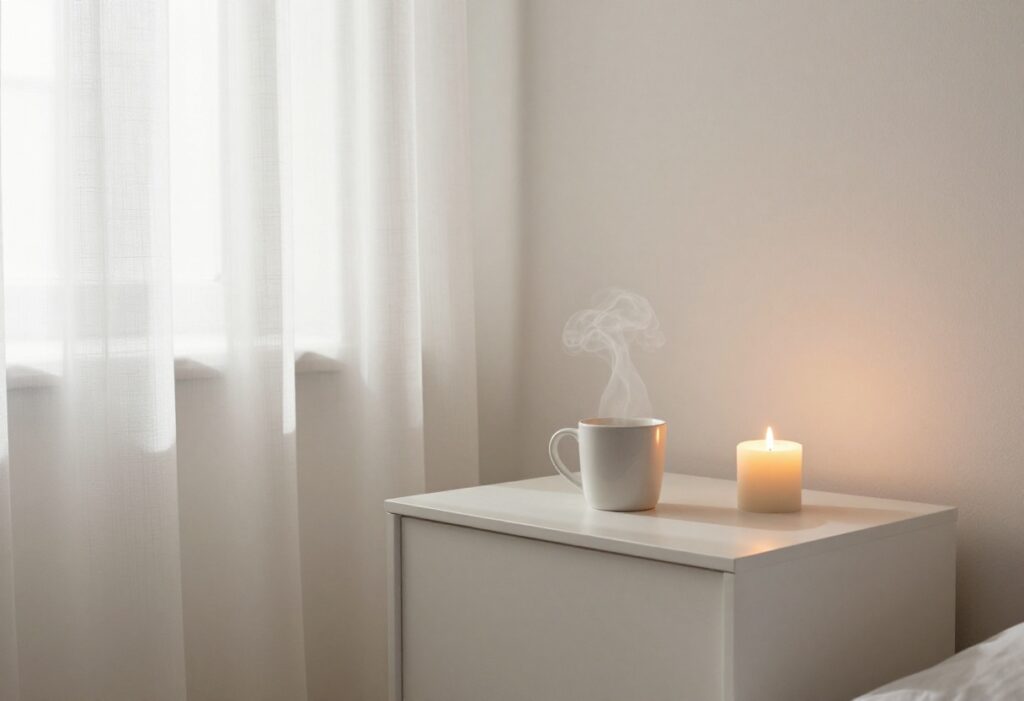
You've pinned the dream body, the dream job, the dream relationship—but what about the dream you? Vision boards often focus on external goals, but the most powerful transformations start within. These 25 self-care prompts are designed to shift your board from a collection of pretty pictures to a tool for real, daily change.
Each prompt targets a specific area of your life where small shifts can create big ripples. Think of them as gentle nudges toward the person you're becoming, not just the things you want to own.
Ready to turn inspiration into action? Let's start with the morning routine that sets the tone for everything else.
1. Morning Routine That Feels Like a Hug

Your morning sets the tone for the entire day, but forcing yourself through a rigid routine can feel like a chore. Instead, design a morning that wraps you in comfort and intention. This prompt invites you to pin images that represent a slow, gentle start—no alarms, no rush, just peace.
Think about what makes you feel held and cared for. Maybe it's the soft glow of natural light through a window, a steaming mug of coffee held in both hands, or a cozy corner with a blanket and a book. Collect images that evoke that sensation of being wrapped in warmth.
The goal isn't productivity; it's presence.
Visualize Your Sanctuary
Search for photos of serene spaces—a sunlit kitchen nook, a bedroom with crisp linens, a bathroom with candles and plants. These images remind you that your morning can be a sanctuary, not a battleground.
Pin Rituals, Not Tasks
Instead of pinning a checklist, find images that capture rituals: someone journaling in bed, stretching by a window, or sipping tea on a porch. These visuals reinforce that your morning is about nourishing yourself, not checking boxes.
Include Sensory Details
Add pictures that appeal to the senses—steam rising from a cup, soft textures like a knitted throw, or the golden hue of sunrise. These details make the vision feel real and inviting, pulling you toward that calm energy.
2. The Boundary You Keep Crossing
Boundaries aren't walls—they're gates you get to open and close. Yet many of us leave them wide open, even when it drains us. This prompt helps you identify one specific boundary that feels fuzzy, then gives it a shape you can see every day.
Pick one boundary you consistently struggle with—maybe saying no to extra work, or not answering calls after 8 PM. Visualize it as a physical object: a fence, a stop sign, a velvet rope. Place that image on your vision board where you'll see it daily.
Every time you notice it, pause and ask: "Am I honoring this boundary right now? " The visual cue trains your brain to protect your energy before you're depleted.
Find Your Fence
Think of a recent moment you felt resentful or exhausted. What boundary was missing? Maybe you agreed to a favor you didn't have time for, or stayed in a conversation that drained you.
Name that boundary clearly—like "I don't check email after 7 PM" or "I don't lend money to friends. " Write it down.
Choose Your Symbol
Now translate that boundary into a visual metaphor. A locked gate says "no entry without permission. " A stop sign means "pause before reacting.
" A velvet rope suggests "you can look, but you can't cross. " Pick one that resonates and find or create an image of it for your board.
Daily Check-in
Place the symbol somewhere prominent—center of your board or near your morning mirror. Each day, spend 10 seconds looking at it. Ask: "Where did I honor my boundary yesterday?
Where did I let it slip? " No judgment—just awareness. Over time, the image rewires your brain to pause before crossing your own line.
3. Movement That Doesn't Feel Like Punishment
Forget the gym if it drains you. Movement should feel like play, not a chore you have to check off. When you pin images that make you want to move—dancing in the kitchen, stretching in the park, a gentle yoga flow—you're telling your brain that exercise is a gift, not a punishment.
This shift in perspective can transform your relationship with your body.
Pin pictures that capture joyful movement. Think of a child twirling in the grass, a couple laughing while dancing, or someone doing a happy little stretch by the window. These images remind you that moving your body can be a celebration of what it can do, not a critique of how it looks.
Let your vision board be a permission slip to move in ways that feel good.
Find Your Flavor Of Fun
Not everyone loves yoga or running. Maybe it's hula hooping, trampoline jumping, or a brisk walk with a friend. Search for images that match your idea of playful movement.
The key is to feel a spark of excitement when you look at them, not dread.
Ditch The Guilt Trip
If you miss a day, don't beat yourself up. Your vision board isn't a to-do list. Use it as a gentle reminder to come back to what feels good.
Pin a picture of someone resting or taking a nap—that's movement for your nervous system. Rest is part of the cycle.
Create A Movement Menu
Pin a collage of different activities you enjoy. Maybe Monday is a dance party, Wednesday is a gentle stretch, and Saturday is a hike. Having options keeps it interesting.
Your board becomes a menu of delights, not a schedule of obligations.
4. A Digital Detox Sanctuary
Your phone buzzes, pings, and demands attention all day long. It's no wonder your brain feels fried. A digital detox sanctuary is a physical space—or a mental one—where notifications don't exist.
On your vision board, this isn't about banning tech forever. It's about carving out a spot that reminds you of the peace that comes when you unplug.
Design Your Unplugged Corner
Picture a cozy nook with a soft armchair, a stack of books, and a warm lamp. Add a plant or two for calm. This is where you go when the world gets loud.
On your board, include images of that chair, that plant, that lamp. The goal is to make the space feel real and inviting.
Visualize The Feeling
Close your eyes and imagine stepping into your sanctuary. The quiet hum of the fridge replaces the buzz of your phone. You take a deep breath and feel your shoulders drop.
On your vision board, add a symbol of that relief—maybe a sunset, a cup of tea, or a sleeping cat. Let the image capture the sensation, not just the space.
Set A Tech-free Ritual
Your sanctuary isn't just a place—it's a practice. Maybe it's a 10-minute morning sit without your phone, or an evening walk where you leave it behind. On your board, include a visual cue for that ritual: a pair of walking shoes, a meditation cushion, or a clock set to your unplugged hour.
5. The Emotional Release You Avoid

We're experts at pushing feelings down. That knot in your stomach, the lump in your throat—they don't just disappear. They pile up.
This prompt asks you to name the emotion you've been dodging and find a visual that gives it permission to leave.
Letting go isn't weakness. It's how you make room for what's next. Whether it's old grief, quiet resentment, or just the weight of a long week, your board can hold that release.
Pin something that captures the moment you finally exhale.
Name The Feeling
Sit with the question: what am I really holding onto? Be honest. Jealousy?
Fear? Exhaustion? Write it down.
Naming it takes away some of its power. Then search for an image that mirrors that emotion—a storm cloud, a clenched fist, a wilting flower.
Find Your Release Symbol
Now look for the opposite: the release. A tear sliding down a cheek. A person screaming into a pillow.
A calm ocean after a storm. The image should feel like a sigh. Place it somewhere you'll see daily as a reminder that it's okay to let go.
Create A Ritual
Pair the image with a small action. Each morning, take one deep breath and imagine releasing that emotion with your exhale. Or write a letter you never send and tear it up.
The ritual turns the visual into a real, repeatable practice.
6. Your Ideal Sleep Environment
Sleep is the foundation of everything—mood, energy, clarity, and even willpower. Yet most of us treat it like an afterthought, squeezing it in between late-night scrolling and early alarms. This prompt invites you to design a bedroom that genuinely supports deep rest, because you can't pour from an empty cup.
Start by imagining your perfect sleep sanctuary. What does it look like? Feel like?
Smell like? Maybe it's pitch-black with blackout curtains, cool and quiet, with a weighted blanket that hugs you just right. Or perhaps a gentle sound machine and a lavender diffuser create your ideal atmosphere.
The goal here isn't luxury—it's intentionality. Every element should signal to your brain that it's safe to power down.
Light And Sound
Block out distractions first. Blackout curtains or a quality sleep mask can make a huge difference if streetlights or early sun bother you. For sound, consider a white noise machine, a fan, or a playlist of rain sounds.
Even small changes like dimming lights an hour before bed can cue your body to produce melatonin.
Comfort And Temperature
Your bed should feel like a hug. Invest in pillows that support your sleep position, and try a weighted blanket if anxiety keeps you up. Temperature matters too—most people sleep best in a slightly cool room (around 65°F or 18°C).
Experiment with breathable sheets or a light duvet to find your sweet spot.
Rituals And Boundaries
Your environment is only part of the equation. Pair it with a simple wind-down routine: no screens 30 minutes before bed, a cup of herbal tea, or a few pages of a calming book. Use your vision board to remind yourself that sleep is a priority—not a reward for finishing everything.
7. A Hobby That Has Nothing to Do with Productivity
We've been trained to monetize our free time. Every hobby becomes a side hustle, every skill a resume builder. But what if you did something just because it feels good?
This prompt invites you to reclaim joy as its own reward—no goals, no growth, no outcomes. Just the pure, messy pleasure of doing something for the sake of doing it.
Pin the evidence of play: a half-finished watercolor, a muddy trowel, a guitar with a missing string. Let these images remind you that your worth isn't tied to output. The point isn't to get good—it's to feel alive.
Choose Something You Loved As A Kid
Remember when you built forts or drew dragons? Pick a hobby that connects you to that younger self. It doesn't have to be the exact same thing—just something that sparks the same curiosity.
The goal is to reconnect with the feeling of losing track of time.
Embrace The Mess
Productivity culture loves a clean finish. But real joy often comes from the process: paint on your hands, soil under your nails, a song that's still rough around the edges. Pin images that show the creative chaos—the splattered palette, the cluttered workbench.
Let them remind you that imperfection is part of the fun.
No Pressure, No Deadlines
This hobby has no due date. You don't need to finish the painting, master the chord, or harvest the tomatoes. The only rule is that you enjoy it.
When you look at your vision board, let this section be a visual permission slip to play without purpose.
8. The Meal That Nourishes Without Guilt
Food is often tangled with rules, shame, and shoulds. But what if your vision board included a meal that feels like a hug, not a test? This prompt invites you to picture food as fuel and pleasure, without the weight of diet culture.
It's about choosing what makes you feel vibrant and satisfied.
Visualize a plate that makes you feel good inside and out. No diet culture—just colorful, satisfying food that fuels your body.
What Does Your Ideal Plate Look Like?
Close your eyes and imagine a meal that leaves you energized and content. Maybe it's a rainbow bowl with roasted veggies, a cozy pasta dish, or a fresh salad with grilled chicken. Focus on colors, textures, and how it makes you feel—not calorie counts.
This is your guilt-free meal.
Let Go Of The Food Rules
We've all internalized messages about 'good' and 'bad' foods. For this vision board prompt, cut through that noise. Picture eating without judgment—savoring each bite, stopping when full, and not punishing yourself later.
The goal is a peaceful relationship with food.
How To Add This To Your Board
Find or take a photo of a meal that represents nourishment for you. It could be a dish you love or one you want to try. Add images of fresh ingredients, happy cooking moments, or even a handwritten note like 'I eat with joy. ' Let this section remind you that food is a form of self-care.
9. A Conversation You Need to Have
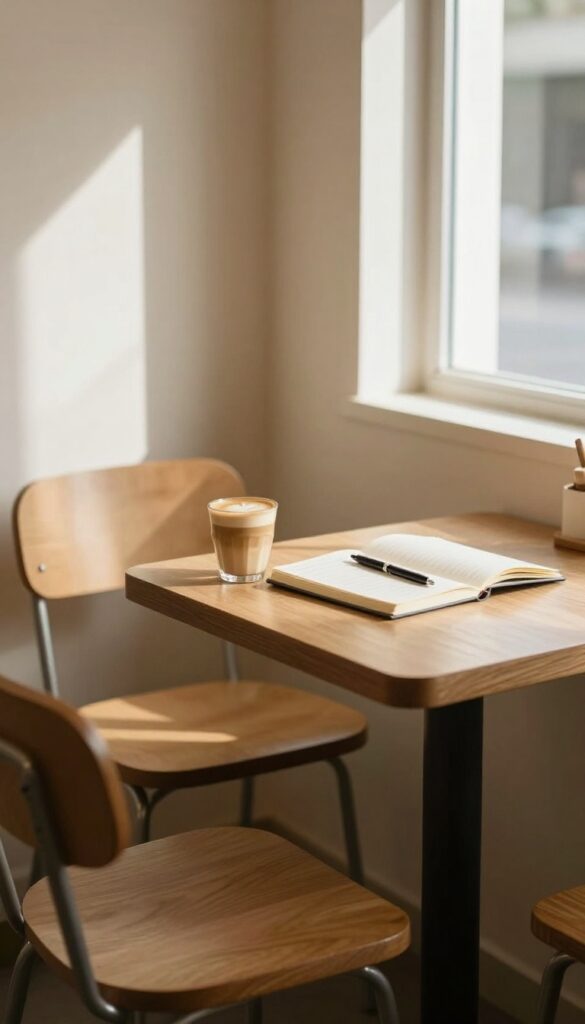
Some of the hardest conversations we avoid are the ones we need most. This prompt invites you to visualize a real talk—with a partner, a friend, a parent, or even yourself. It's about practicing clarity and courage before you ever speak a word.
By placing images that represent openness on your board, you're telling your brain: I'm ready to say what matters.
A vision board isn't just for material goals. It can be a rehearsal space for emotional honesty. When you picture a calm, honest exchange, you're training your mind to stay grounded when the real moment comes.
This section helps you collect visual cues that remind you: you can handle the truth, and you can speak it kindly.
Choose Your 'safe Space' Image
Find a photo of a quiet coffee shop, a park bench, or a cozy corner. This becomes the setting for your imagined conversation. It signals safety and openness, making the idea of a tough talk feel less daunting.
Symbols Of Listening And Speaking
Look for images of open palms, a calm face, or two people sitting face-to-face. These visuals remind you that communication is a two-way street. They anchor the intention to listen as much as you speak.
A Word Or Phrase That Anchors You
Add a simple text cutout like 'I need to say this' or 'We'll be okay. ' A single phrase can ground you when emotions rise. It's your script for the conversation you've been putting off.
10. The Version of You That Says No
Saying yes to everything is a fast track to burnout. But the version of you that says no? That's the one who protects her energy, her time, and her peace.
This prompt invites you to imagine that version clearly—and give her a permanent spot on your board.
Start by finding an image of someone with a calm, confident posture—maybe a woman standing tall with her arms crossed or a simple hand gesture that says "stop. " Or go abstract: a single word like 'No' in elegant script on a clean background. The goal is to make the act of declining feel graceful, not guilty.
Why It Matters
Every time you say yes when you want to say no, you're telling yourself that your needs don't matter. Over time, that erodes self-trust. This vision board element is a daily reminder that boundaries are a form of self-care, not selfishness.
How To Use It
Place this image somewhere you'll see it before you respond to a request. Let it be a visual pause button. When you feel the urge to over-explain your no, glance at the board and remember: a simple 'no' is a complete sentence.
Real-life Practice
This week, practice saying no to one small thing—a coffee date you don't have energy for, an extra task at work. Notice how it feels. Then add a photo or symbol of that moment to your board.
It's proof that you're becoming the person who protects her own peace.
11. A Space That Feels Safe
Your environment shapes your mindset more than you realize. When your space feels cluttered or cold, your brain stays on edge. Creating a sanctuary—whether physical or imagined—signals to your nervous system that it's okay to rest.
This isn't about perfection or Pinterest-worthy decor. It's about carving out a spot where you can exhale fully. Soft textures, warm lighting, and zero demands make all the difference.
Start by identifying what safety means to you. Is it a cozy reading nook with a weighted blanket? A candlelit corner with your favorite playlist?
Or perhaps a mental image of a quiet forest path you return to when life gets loud. Once you know what feels safe, give yourself permission to create it—even if it's just a small tray on your nightstand with a smooth stone, a photo, and a salt lamp. This space isn't for productivity or checking tasks off a list.
It's for being still, breathing, and reminding yourself that you deserve peace.
What Makes A Space Feel Safe?
Safety looks different for everyone. For some, it's a clutter-free surface and a single candle. For others, it's layers of blankets and a stack of books.
Pay attention to what your body relaxes around—maybe it's plants, dim light, or the scent of lavender. Trust those cues.
Creating Your Sanctuary On A Budget
You don't need a room makeover. Start with one small zone: a chair, a corner of your bed, or even a windowsill. Add a soft pillow, a warm-toned lamp, and something that brings you comfort—a mug, a crystal, or a framed quote.
The goal is intention, not expense.
When You Can't Change Your Physical Space
If your living situation doesn't allow for decor changes, build a mental sanctuary. Close your eyes and imagine a place where you feel completely at ease. Fill in the details—the temperature, the sounds, the light.
Practice visiting this space for a few minutes each day until it feels real.
12. The Career Move That Scares You
Your career takes up a huge chunk of your waking hours, so it better feed your soul, not drain it. That one professional step you keep daydreaming about—the freelance leap, the promotion, the total pivot—might be exactly what your well-being needs. This prompt is about honoring that inner nudge and giving it a visual home on your board.
Pin an image that represents the scariest, most exciting career move you can imagine. It could be a photo of a home office setup, a diploma, a new city skyline, or even a simple symbol like a compass. Let that image remind you daily that growth lives just outside your comfort zone.
Pair it with a word or phrase that captures the feeling you're after—freedom, purpose, impact.
Why Fear Signals Growth
Fear isn't always a stop sign; sometimes it's a green light. When a career move makes your stomach flip, it often means you're onto something meaningful. That discomfort is your comfort zone stretching to make room for a bigger version of you.
Visualize The End Result
Instead of focusing on the scary process, pin the outcome you want. A picture of a relaxed morning before a flexible workday, a shot of a team you'd love to join, or a snapshot of a workspace that feels like yours. Let that image pull you forward.
One Small Step To Start
Alongside your big vision, include a tiny, actionable image. Maybe a screenshot of a job posting, a course enrollment page, or a networking event flyer. This makes the dream feel reachable and gives you a next step to take today.
13. A Relationship That Lifts You

Not every connection is meant to drain you. The right relationship—whether romantic, platonic, or familial—should feel like a soft place to land, not another thing to manage. This prompt invites you to get clear on what genuine support looks like for you.
Start by imagining how you want to feel in your closest relationships. Safe? Inspired?
Understood? Let those feelings guide the images you choose. A photo of two people laughing over coffee, a candid shot of a hand holding yours, or a simple image of a cozy couch for two can all represent the kind of bond you're calling in.
What Support Looks Like
Think about a time you felt truly supported. Was it a listening ear, a shared silence, or someone showing up unasked? Find images that capture that specific quality—maybe a pair of mugs on a table, a shared umbrella, or two people walking side by side.
Setting The Standard
Your vision board can act as a filter for future connections. Include symbols of respect, kindness, and mutual growth. A tree with two trunks, a lighthouse, or a compass can represent the steady, guiding presence you deserve.
Let these images remind you not to settle for less.
14. Financial Peace of Mind
Money stress can quietly drain your energy and steal your focus. Adding a financial self-care prompt to your vision board isn't about chasing riches—it's about creating a sense of security and control. When your finances feel manageable, everything else feels lighter.
A vision board for financial peace of mind focuses on small, achievable goals that reduce anxiety. It's not about a luxury car or a mansion; it's about a savings account that can cover an emergency, a debt that's finally paid off, or a simple budget that actually works. These images remind you that financial health is a form of self-care, not a chore.
The Savings Jar
Pin a photo of a glass jar filling with coins or a screenshot of a growing savings account. This visual represents progress, not perfection. Every time you add a little, you're taking care of future you.
Debt-free Milestone
Find an image that symbolizes a paid-off debt—a stamped "PAID" note, a broken chain, or a simple checkmark. Let it remind you that each payment is a step toward freedom, not a punishment.
Manageable Budget
Look for a clean, simple budget tracker—maybe a spreadsheet or a pretty planner page. The goal isn't to be perfect; it's to feel in control. This image says, "I've got this.
"
15. The Creative Project You Keep Postponing
That half-finished painting, the first chapter of a novel, or the playlist you've been meaning to curate—it's been sitting in the back of your mind for months. The reason you keep putting it off isn't lack of time; it's fear of imperfection. This prompt invites you to finally give that project a spot on your vision board, not as a finished masterpiece, but as a commitment to the process.
Creativity isn't about producing gallery-worthy results; it's about expressing something true to you. When you pin a blank canvas or a notebook to your board, you're telling yourself that starting is enough. The goal here is to reclaim the joy of making, without the pressure of outcomes.
Let this section of your board be a gentle permission slip to play, experiment, and enjoy the act of creation itself.
Why We Procrastinate Creative Work
We often delay creative projects because we've tied our self-worth to the result. The inner critic whispers that it won't be good enough, so why bother? But creativity thrives on momentum, not perfection.
By placing a visual cue on your board, you interrupt that cycle of avoidance and remind yourself that the process matters more than the product.
How To Choose Your Project
Think about what excites you when no one is watching. Is it sketching, writing, photography, or maybe learning an instrument? Choose a project that feels like a treat, not a chore.
Then find an image that represents that project—a camera, a stack of books, a paintbrush—and pin it front and center.
Setting A Tiny First Step
Instead of aiming to finish the project, aim to start it. Write a specific, tiny action on a sticky note and attach it to the image: "Write for 10 minutes today" or "Sketch one leaf. " This makes the idea feel doable and gives you a clear next step every time you see your board.
16. A Body That Feels Strong, Not Thin
It's easy to get caught up in how your body looks, especially when social media floods your feed with "ideal" shapes and sizes. But a vision board focused on appearance alone can actually fuel insecurity rather than self-love. This prompt invites you to celebrate what your body can do, not just how it looks.
When you shift your focus from thinness to strength, you start appreciating your body for its abilities. Whether it's carrying groceries, running after kids, or nailing a yoga pose, your body works hard for you every day. Let your vision board reflect that gratitude.
Choose Movement You Love
Instead of pinning a photo of a model with a flat stomach, find images that represent joyful movement. Think hiking up a mountain, dancing in your living room, or lifting weights with a smile. These pictures remind you that exercise is a celebration of what your body can do, not a punishment for what you ate.
Celebrate Everyday Victories
Strength isn't just about hitting a PR at the gym. It's also about carrying all the groceries in one trip, playing with your kids without getting winded, or standing tall during a stressful day. Add images or words that honor these small but mighty wins.
They'll keep you grounded and grateful.
Ditch The Numbers Game
Your vision board doesn't need a scale, a measuring tape, or a goal weight. Instead, focus on how you want to feel: energetic, capable, resilient. Use words like "strong, " "powerful, " and "alive" alongside images that evoke that sensation.
This shift in language rewires your brain to value function over form.
17. The Word You Want to Live By
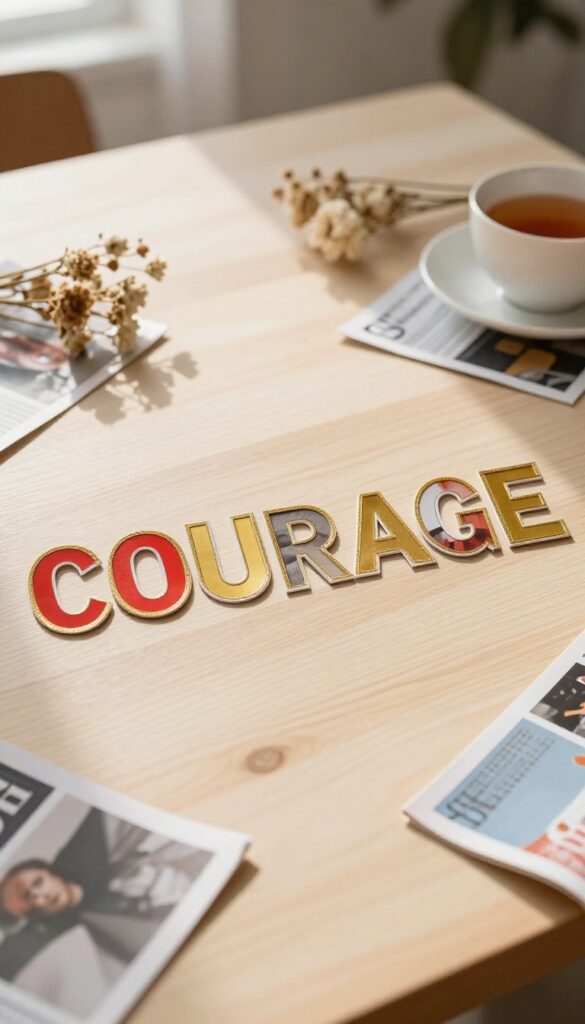
Sometimes a single word can hold more power than an entire paragraph of intentions. A guiding word acts like a compass—simple, clear, and always pointing you back to what matters most. This season, pick one word that captures the energy you want to embody.
Choosing a word for the season isn't about perfection; it's about direction. Whether it's "ease" to soften your edges, "courage" to face a challenge, "rest" to honor your limits, or "growth" to embrace change, let it sit at the center of your board. Write it in big letters, use a bold font, or cut out magazine letters—make it impossible to miss.
Every time your eyes land on it, you'll be reminded of the inner quality you're cultivating.
How To Choose Your Word
Think about what you need more of right now. Not what you think you should need, but what actually feels missing or undernourished. Close your eyes, take a breath, and let a word rise up.
If nothing comes, scan a list of values and see which one gives you a little jolt of recognition.
Feature It Prominently
Place your word in the center of your board or at the top where it catches your eye first. Use a contrasting color, a decorative frame, or even a cutout from a magazine. The more visually distinct it is, the more it will anchor your attention throughout the day.
Live It Out Loud
Let your word guide small decisions. If your word is "ease, " ask yourself before each task: Is there a lighter way to do this? If it's "courage, " notice moments when you can speak up or take a small risk.
Over time, the word becomes a lived practice, not just a decoration.
18. A Solo Date You Actually Enjoy
When was the last time you took yourself out without any agenda? Solo dates can feel awkward at first, but they're a powerful way to reconnect with your own company. Pin images that represent a date you'd genuinely look forward to—not one you think you should enjoy.
A solo date isn't about being lonely; it's about intentional me-time. Choose activities that spark joy without needing anyone else's input. Whether it's browsing a bookstore café, wandering through a museum, or having a picnic in the park, the goal is to savor the moment fully.
Pick Your Vibe
Think about what truly relaxes or excites you. Maybe it's a cozy coffee shop with a good book, or a scenic hike with a packed lunch. Your solo date should feel like a treat, not a chore.
Pin images that capture that atmosphere—a steaming latte, a trail through the woods, or a quiet bench by the water.
No Distractions Allowed
The key to a successful solo date is presence. Leave your phone in your bag, skip the constant checking of notifications, and immerse yourself in the experience. Pin a visual reminder of this intention, like a phone set to Do Not Disturb or a person smiling while reading.
Make It A Ritual
Turn this into a regular practice. Once a week or even once a month, block off time for yourself. Your vision board can include a calendar icon with a recurring date marked, or a series of images that show the progression of your solo adventures.
19. Letting Go of Perfectionism
Perfectionism can be a sneaky thief of joy, especially when your vision board feels like a list of impossible standards. This prompt invites you to embrace the beauty of 'good enough. ' A slightly messy desk, a half-finished painting, or a smiling face with smudged makeup can be powerful reminders that progress matters more than flawlessness.
When you release the need for everything to be perfect, you open up space for creativity, self-compassion, and real growth. Your vision board doesn't have to be a gallery of unattainable ideals—it can celebrate the messy, imperfect journey you're on.
The Freedom Of Flaws
Think of a time when you felt pressured to get everything right—a project, a relationship, or even a self-care routine. Now imagine giving yourself permission to be imperfect. Visualize a scene where things are slightly off-kilter but still wonderful: a cake that sank in the middle, a yoga pose that wobbled, a laugh that came out as a snort.
These moments are real, and they're worth celebrating.
Visual Cues For 'good Enough'
On your vision board, add images that represent progress over perfection. A half-painted canvas, a garden with a few weeds, or a cozy room with books stacked haphazardly. Let these visuals remind you that done is better than perfect, and that self-care includes accepting your own humanity.
20. A Community That Sees You
We often build vision boards around solo achievements—career milestones, fitness goals, personal growth. But humans are wired for connection. The support system that holds you up during hard times and celebrates your wins is just as vital to your well-being as any individual goal.
This prompt invites you to visualize the kind of community you want to nurture and be nurtured by.
Belonging isn't just about having people around; it's about feeling seen, heard, and valued. When you add images of connection to your board, you're affirming that you deserve a tribe that shows up for you—and that you're ready to show up for them. Whether it's a tight-knit friend group, a supportive family, or a chosen family, these visuals remind you that self-care includes letting others care for you too.
What Does Belonging Look Like?
Start by gathering images that evoke warmth and acceptance. Think group hugs around a campfire, friends laughing over a shared meal, or a circle of hands clasped together. These aren't just pretty pictures—they're symbols of the emotional safety you crave.
Let your intuition guide you toward photos that make your chest feel a little lighter.
The Qualities You Value
Now zoom in on the traits that matter most in your ideal community. Is it loyalty, humor, vulnerability, or adventurousness? Find images that represent those qualities: a friend wiping away tears, a group high-fiving after a challenge, or people sitting in comfortable silence.
Each image becomes a reminder of the kind of connections you want to attract and cultivate.
Your Role In The Circle
Don't forget to include yourself in this vision. Find an image that represents you as an active, contributing member of the community—maybe someone offering a listening ear, cooking for friends, or leading a group activity. This reinforces that belonging is a two-way street.
You're not just waiting to be included; you're showing up as the kind of person others want to include.
21. The Trip That Resets You
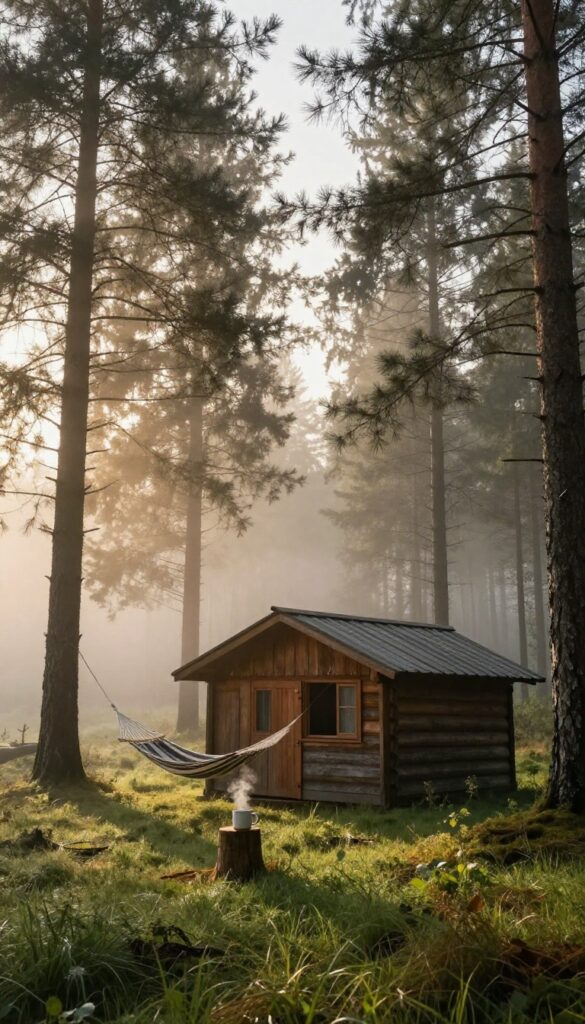
Not every getaway needs to be a full-blown vacation. Sometimes what you really need is a reset—a few days away from your normal environment to clear your head and recalibrate. Think of a cabin in the woods, a beach at sunrise, or a quiet mountain trail.
The goal isn't sightseeing; it's stillness.
Pin the feeling of escape. Find an image that captures the exact mood you want to step into—peaceful, remote, and restorative. This isn't about luxury; it's about simplicity.
A place where you can hear your own thoughts again.
Why A Reset Trip Matters
Your daily surroundings are full of triggers—work stress, notifications, chores. A reset trip removes those triggers, giving your brain a chance to decompress. Even a weekend away can lower cortisol and improve focus.
How To Choose Your Destination
Think about what kind of quiet you need. Forest silence? Ocean rhythm?
Mountain solitude? Pick a setting that resonates with your current state. The right environment amplifies the reset effect.
What To Pin On Your Board
Look for images that evoke the sensory experience—misty mornings, a hammock between trees, a simple cabin interior. Avoid crowded tourist spots. Your board should whisper 'retreat, ' not 'vacation. '
22. A Skill You Learn Just for Fun
Not everything on your vision board needs to be productive. This prompt is about reclaiming play. Choose a skill that has zero pressure attached—something you learn purely because it sparks joy.
Pottery, calligraphy, birdwatching, or even juggling. The goal isn't mastery; it's the process.
When you visualize this skill, focus on the sensory details: the feel of clay spinning under your fingers, the scratch of a nib on paper, the quiet thrill of spotting a rare bird. Let go of outcome. There's no deadline, no benchmark.
Just the act of learning for the sake of it. This reminds your brain that growth can be gentle and fun, not just another task to check off.
Why Fun Skills Matter
Adult life is heavy on obligation. Picking up a playful skill rewires your brain to associate learning with pleasure, not pressure. It lowers stress and boosts creativity—two things that make your vision board feel alive, not like a chore list.
How To Visualize The Process
Instead of pinning a finished product, find images that capture the act itself: hands covered in clay, a half-finished calligraphy stroke, a pair of binoculars aimed at the sky. Let your board reflect the messy, joyful middle, not just the polished end result.
Ideas To Get You Started
Not sure what to pick? Think back to what fascinated you as a kid. Stargazing, whittling, dancing, baking sourdough.
Or try something completely new: lock picking, origami, or learning a few phrases in sign language. The only rule is it must feel like play.
23. The Apology You Deserve to Hear
Some wounds don't come from strangers—they come from people we trusted. And sometimes, the apology never arrives. This prompt invites you to give yourself the closure you've been waiting for, even if it has to come from within.
Pin an image that represents closure—a closed door, a letter, or a sunrise. Let it remind you that you can release what happened without needing another person to validate your pain. Self-forgiveness and self-compassion are powerful acts of care.
Why You Need This Prompt
Holding onto resentment is exhausting. It keeps you tied to the past and drains energy you could use for growth. This prompt helps you symbolically close that chapter.
How To Use It
Find or create an image that speaks to the specific situation. Place it on your board as a daily reminder that you are allowed to move on. Write a short note to yourself if it helps.
What It Unlocks
Letting go doesn't mean what happened was okay. It means you're choosing your peace over your pain. That choice is a profound form of self-love.
24. A Week Without Overcommitting
Your calendar might be your biggest source of stress without you realizing it. This prompt asks you to imagine a week where you say no to everything extra—no new projects, no social obligations, no favors. Just the essentials and space to breathe.
Overcommitting is a form of self-neglect. We fill every slot because we're afraid of missing out or letting others down. But constant busyness drains the energy you need for your own growth.
This week is about reclaiming your time as a resource for rest, reflection, and realignment.
Start With A Blank Slate
Take a fresh calendar or planner page and block out only the non-negotiables: sleep, meals, work hours, and one daily self-care ritual. Leave the rest empty. This visual emptiness is permission to pause.
Practice The Gentle No
When a request comes in, pause before answering. A simple "I need to check my capacity" buys you time. Then respond with a kind but firm decline: "Thank you for thinking of me, but I'm taking this week to recharge.
" No excuses needed.
Fill The Space Intentionally
Use the open slots for low-pressure activities: reading a few pages, stretching, walking without a destination, or just sitting with a cup of tea. Let boredom be okay. It often leads to clarity.
25. The Feeling of Being Enough
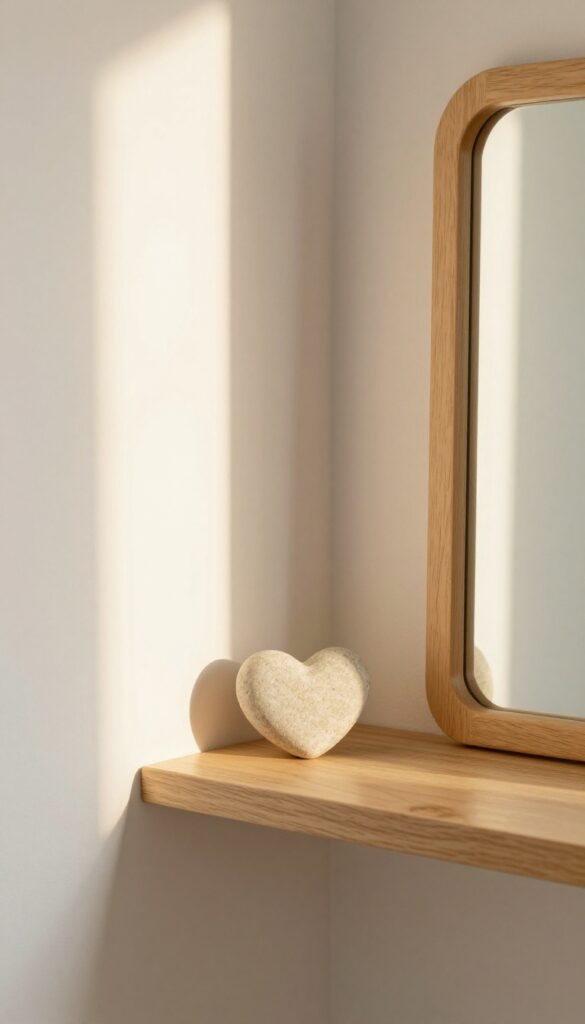
After all the prompts about goals, habits, and healing, we land here. This one is the anchor. It's not about adding more to your board—it's about recognizing what's already there.
The feeling of being enough isn't something you earn; it's something you remember.
Pin something that makes you feel whole—a mirror, a heart, or a simple affirmation: 'I am enough. ' Let this be the centerpiece that reminds you that you don't need to fix everything to be worthy. You are already complete, and this vision board is just a reflection of that truth.
Why This Prompt Matters Most
All the other prompts point toward growth, but growth can sometimes feel like a chase. This prompt is the pause. It grounds you in the present and reminds you that self-care isn't just about doing—it's about being.
When you feel enough, everything else becomes a bonus, not a requirement.
How To Choose Your Visual
Pick an image that sparks a sense of peace and acceptance. It could be a photo of yourself smiling, a simple word art, or a scene that feels like home. The key is that it doesn't represent a future goal—it represents a current truth.
Place it where you'll see it every day.
Using Affirmations As Anchors
If images aren't your thing, write or print the words 'I am enough' in a font you love. You can also add it to a sticky note on your mirror or as a phone wallpaper. The repetition of this affirmation rewires your brain to believe it, especially on hard days.
FAQ
How do I choose which prompts to use?
Scan the list and pick the ones that spark an immediate emotional reaction—excitement, fear, or relief. Those are the areas where change is waiting.
Can I combine multiple prompts on one board?
Yes, but keep it focused. Group related prompts (like sleep and morning routine) on one board, or create separate boards for different life areas.
What if I don't have images for a prompt?
Use words, colors, or symbols instead. A single word like 'rest' or a color that represents calm can be just as powerful as a photo.
How often should I update my vision board?
Review it monthly. Swap out prompts that no longer resonate and add new ones as your self-care needs evolve.
Can I do this digitally?
Absolutely. Use Pinterest, Canva, or a simple folder on your phone. The key is regular viewing, not the format.
Conclusion
These prompts are meant to guide, not pressure you. Pick one that feels right today and let your vision board reflect what you truly need. Small, honest intentions often spark the biggest shifts.
Your board doesn't have to be perfect—just personal. Let it grow with you, and trust that even one image can be a gentle reminder of the change you're inviting in.